This post may contain affiliate links. If you make a purchase through these links, we may earn a commission at no additional cost to you.
Most hallways do nothing but connect one room to another.
They collect dust, maybe a shoe rack, and not much else.
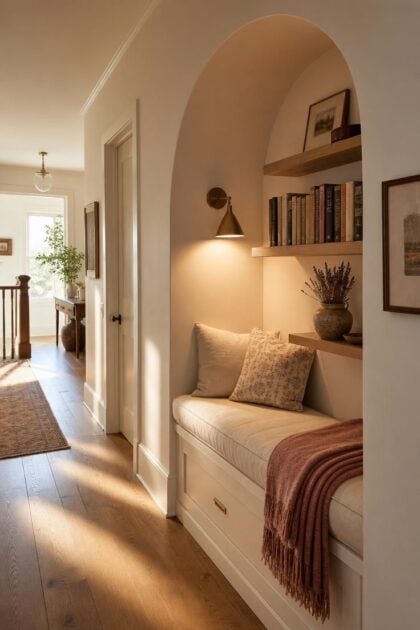
But a narrow hallway can become a reading corner that you actually look forward to sitting in, with just a bench, a few shelves, and the right light.
These 13 hallway reading nook ideas show how to turn a forgotten corridor into a cozy nook where books and quiet belong.
A Recessed Oak Bench Between Matching Beadboard Panels
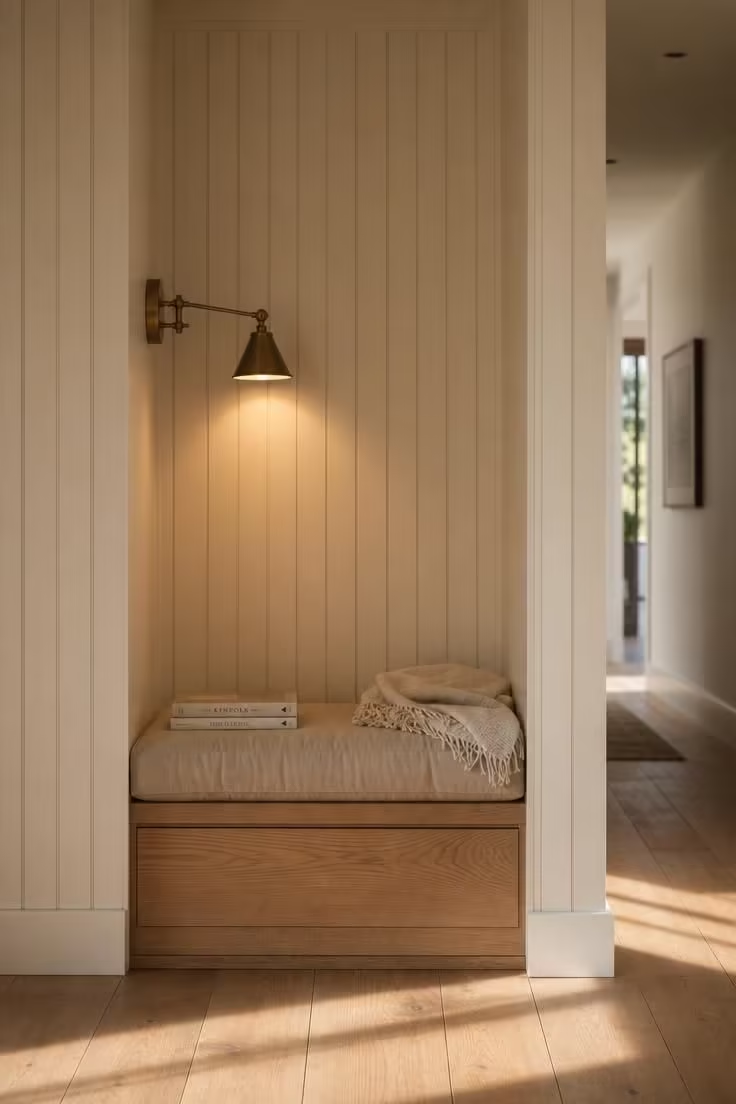
This is the kind of hallway reading nook that makes people stop mid-step and sit down.
The recessed design keeps the bench completely out of the walkway, so a narrow hallway stays passable even with the nook in use.
White beadboard on both sides of the alcove gives the space a finished, intentional look that separates it from the rest of the corridor.
The natural oak seat brings warmth without competing with the white paneling around it.
A brass wall sconce with a swing arm lets you direct light exactly where a book page falls, which matters more than overhead lighting in a space this compact.
The oatmeal linen cushion softens the hard bench without adding bulk, and the removable cover means it stays clean through years of daily use.
Keeping the styling sparse, just books and a throw, prevents the nook from looking cluttered in a tight hallway.
Style Blueprint:
- White beadboard wall panels (floor to ceiling)
- Natural white oak bench seat (recessed into wall)
- Oatmeal linen bench cushion with removable cover
- Brass swing-arm wall sconce
A Narrow Walnut Floating Shelf With a Leather Strap Seat Below
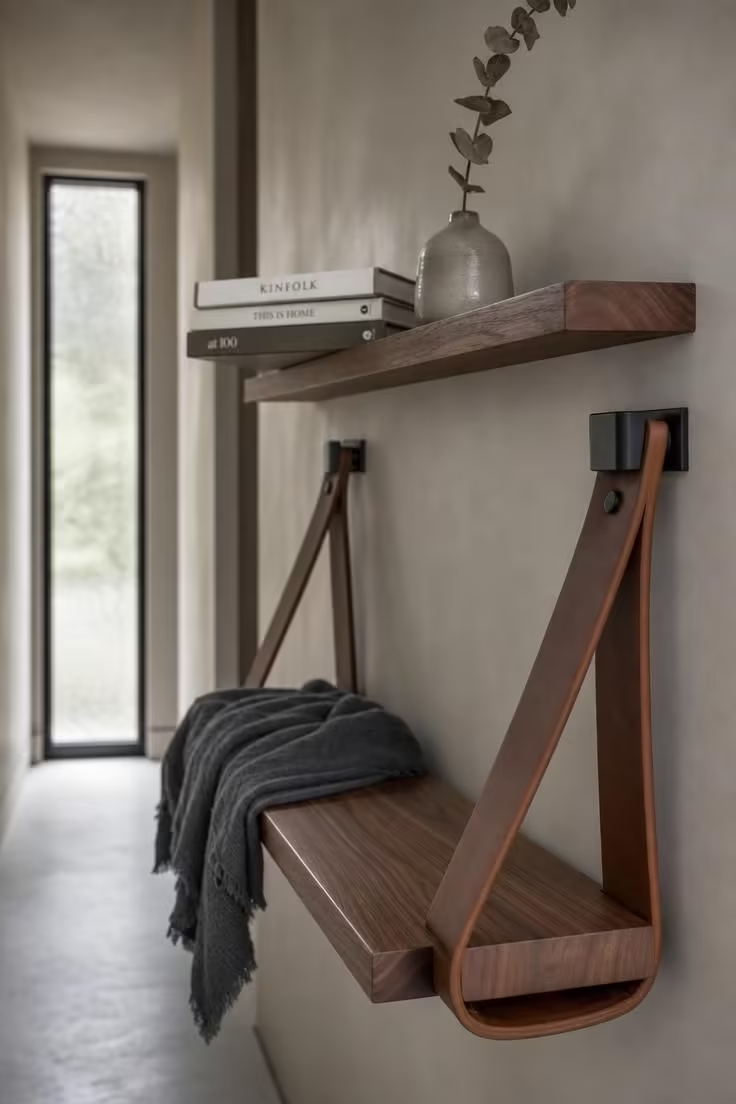
Leather-strap benches work well in corridors where a built-in bench would eat too much floor space.
The straps mount directly to the wall studs, so the seat appears to float, keeping the area underneath open and the hallway feeling wider than it is.
Walnut and saddle leather together create a warm material pairing that reads well against cooler gray walls.
The floating shelves above hold just enough for a few books and one small object, which is all a narrow hallway can absorb without looking crowded.
This setup suits a narrow hallway where every inch of depth matters, since the bench sits only about 12 inches off the wall.
A folded blanket on one end invites sitting without making the space look overly decorated.
Style Blueprint:
- Walnut floating shelf (shoulder height)
- Saddle-brown leather-strap hanging bench
- Matte black wall brackets
- Charcoal linen throw blanket
White Plaster Arch Framing a Deep Cushion Seat With Linen Bolsters
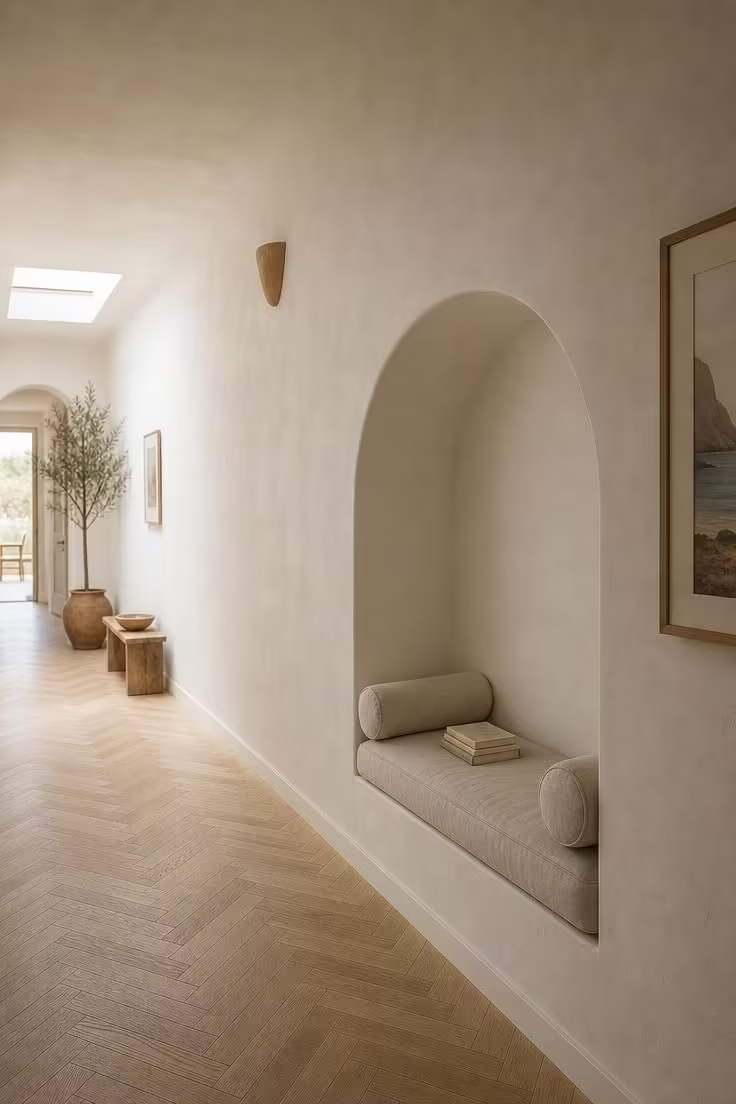
An arched opening turns a simple wall cavity into something that feels like it was always part of the house.
The curved top draws the eye more naturally than a squared-off recess, giving the hallway decor a sense of architecture rather than afterthought.
Deep foam padding on the seat makes this a place where you can actually settle in for more than a few minutes, unlike a hard bench.
Linen cylinders on each side act as armrests and backrests at once, letting you lean in either direction depending on your mood.
The all-white palette inside and out keeps the arch from looking like a dark hole in the wall, which can happen when recessed nooks use contrasting paint colors.
Herringbone flooring running up to the arch base connects the nook visually to the rest of the corridor, so it reads as part of the hallway rather than a separate room.
Plaster walls with a hand-troweled finish add just enough texture to prevent the white-on-white scheme from feeling flat.
This is a hallway reading nook that rewards the effort of framing, because the arch alone carries the design.
Style Blueprint:
- Smooth white plaster arched opening
- Deep foam seat pad in washed natural linen
- Two cylindrical linen cylinder pillows
- Herringbone light oak flooring
A Painted Pine Window Seat at the End of a Dead-End Corridor
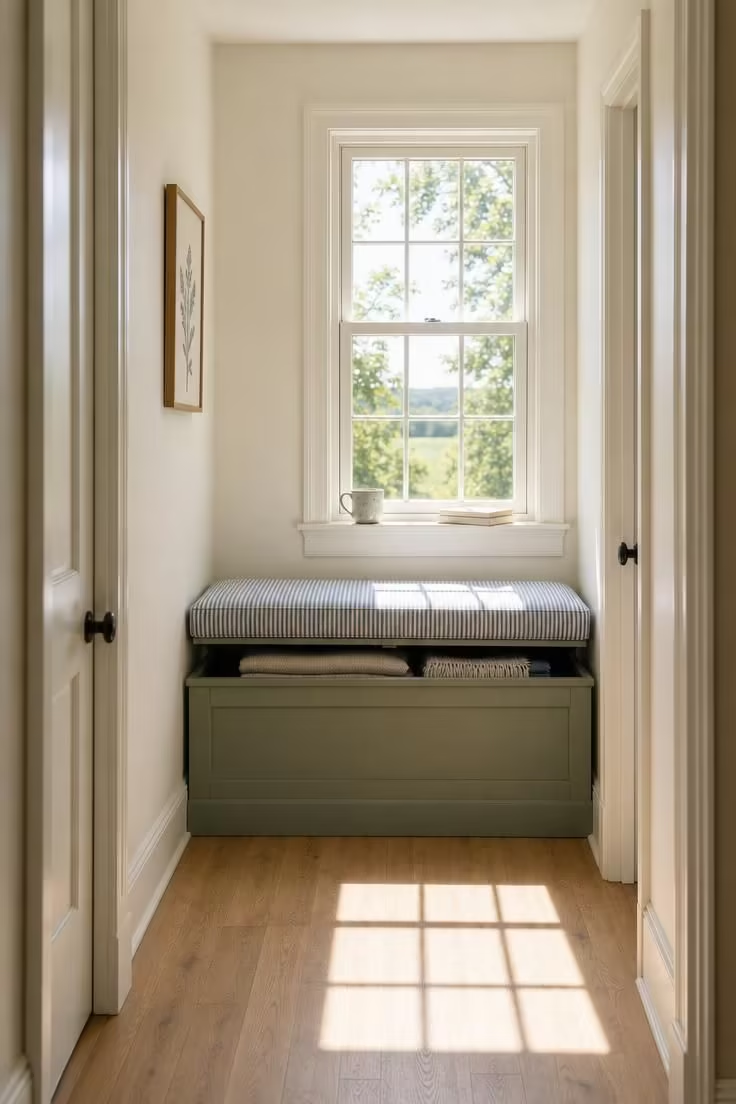
A dead-end hallway is one of the best spots for a window seat because there is no foot traffic to interrupt.
The pine bench painted in sage green gives the corridor a destination, turning what would otherwise be a blank wall with a window into a place worth walking toward.
Hinged lid storage underneath keeps blankets and extra cushions out of sight, which is especially useful in a small home where closet space is limited.
The cotton ticking stripe on the cushion seat reads as classic and simple, a fabric that holds up to daily sitting without showing wear quickly.
Midday light flooding through the window makes this spot ideal for daytime reading without any added fixtures.
Book storage here stays minimal, just what fits on the sill, which keeps the end of the corridor from becoming a catch-all shelf.
Style Blueprint:
- Painted pine bench with hinged lid (sage green)
- Cotton ticking stripe cushion in blue and cream
- Double-hung window with muntins
- Framed botanical print on adjacent wall
Design Pro-Tip: When building a hallway reading nook in a narrow corridor, recess the bench into the wall rather than placing it against the surface. Even 6 inches of depth borrowed from an adjacent closet keeps the walkway clear and makes the nook feel intentional rather than improvised.
Stacked Raw Birch Plywood Cubbies Flanking a Corduroy Floor Cushion
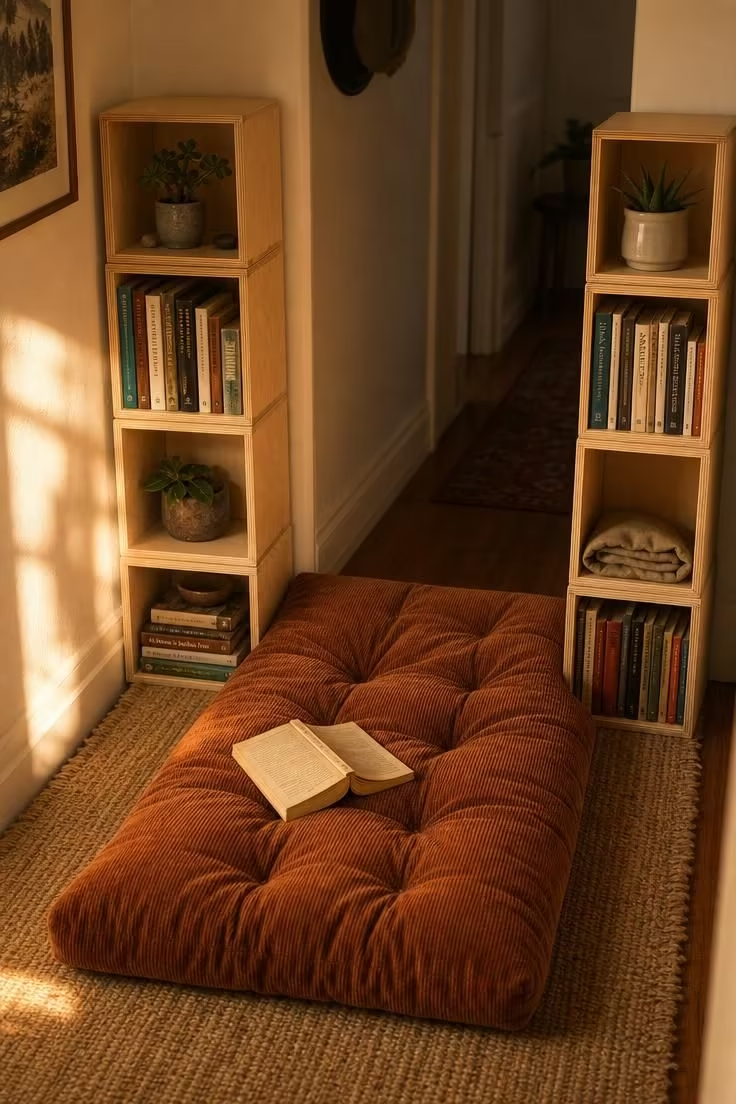
Floor-level seating changes how a hallway reading nook feels, making it more casual and kid-friendly than any raised bench.
The birch plywood cubbies serve double duty as book storage and structural walls for the nook, creating a defined reading corner without any built-in carpentry.
Raw birch has a warmth that plywood does not always get credit for, and leaving it unfinished shows off the layered edge grain that gives each cubby a distinct look.
Rust-colored corduroy on the floor cushion introduces color and texture without pattern, which keeps the nook feeling calm rather than busy.
A jute runner underneath protects the floor and adds another layer of warmth underfoot.
Storing books spine-out turns the cubbies into a visual library wall, making the hallway decor functional and interesting to look at.
This setup is one of the easiest to build and disassemble, so it works well in rentals or homes where permanent changes are not an option.
Style Blueprint:
- Raw birch plywood cubbies (stacked, open-faced)
- Wide rust corduroy tufted floor cushion
- Jute hallway runner
- Books stored spine-out in cubbies
A Matte Black Metal Frame Reading Alcove With a Wool Seat Pad
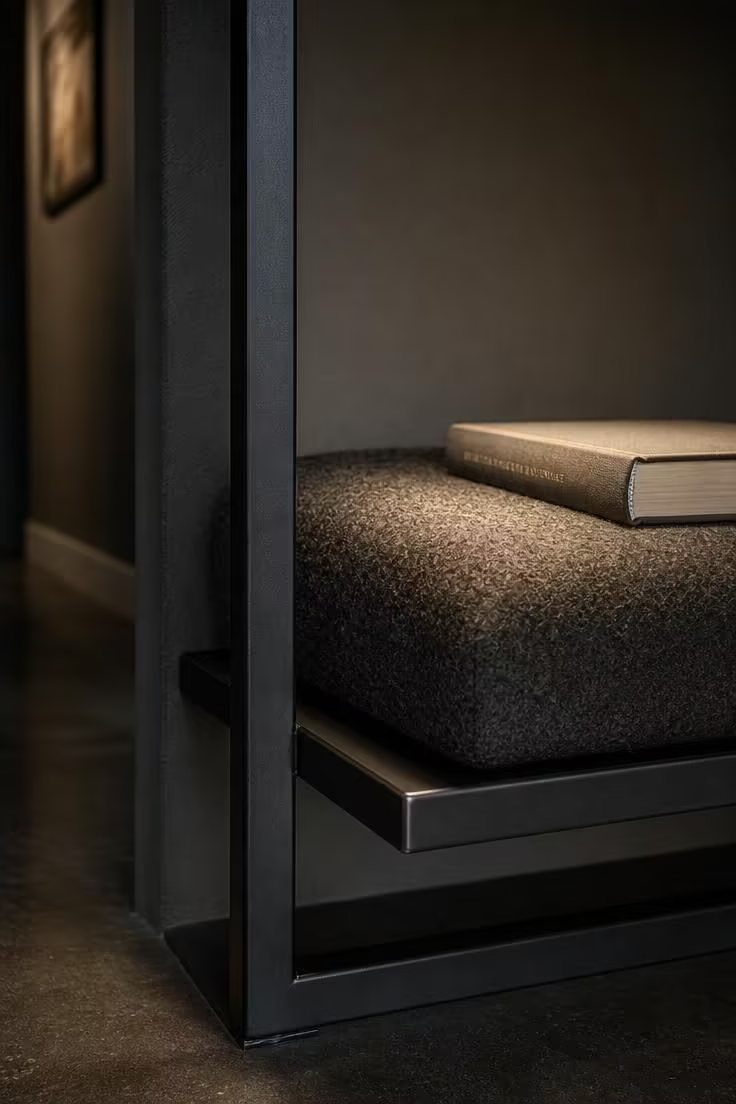
A steel frame reading alcove turns a section of hallway into something that feels more like furniture than architecture.
The black metal outline draws a clear boundary around the nook without building any walls, which keeps the corridor open and maintains sightlines through the space.
Charcoal wool on the seat pad absorbs sound in a way that harder materials cannot, and hallways tend to echo, so this matters more than it might seem.
The integrated LED clip light solves the reading lamp problem without drilling into walls or running cords along the baseboard.
Dark mushroom gray walls behind the frame let the black steel recede rather than contrast sharply, so the nook blends into the hallway instead of shouting for attention.
Polished concrete flooring reflects just enough of the overhead LED to create a subtle glow around the base of the frame.
This design works best in a wider corridor where the frame can stand without blocking passage, so it suits modern open-plan homes more than traditional narrow hallways.
A single cloth-bound book on the seat is all the styling this nook needs, because the frame itself is the focal point.
Style Blueprint:
- Welded matte black steel frame (rectangular)
- Charcoal wool seat pad on steel base plate
- Clip-on LED reading light (warm white)
- Dark mushroom gray wall paint
Tongue-and-Groove Cedar Walls With a Built-In Bench and Peg Rail
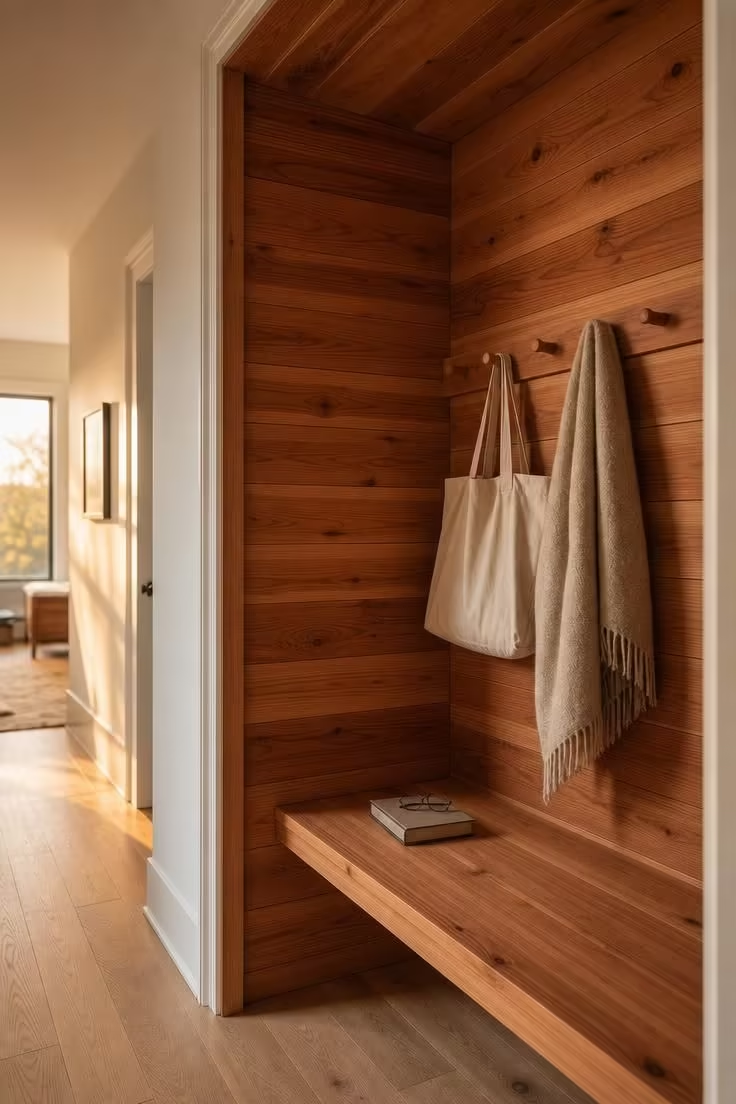
Cedar paneling on walls and ceiling wraps the nook in a single material, creating a room-within-a-room effect that smells as good as it looks.
The natural reddish tone of western red cedar warms up a corridor that might otherwise feel cold, especially in homes with north-facing windows and limited direct sun.
A built-in bench without a cushion keeps the look clean and lets the wood grain do the work, though a folded blanket on the peg rail is always within reach for comfort.
The Shaker peg rail above is a practical addition that costs almost nothing to install and holds everything a reader needs: a bag for books, a blanket, a hat for the walk after reading.
Leaving the cedar with just a clear sealant, no stain and no paint, preserves the wood’s natural variation and lets it age into a deeper amber over the years.
The contrast between the cedar nook interior and the white hallway walls outside makes the cozy nook feel like stepping into a different space entirely.
Style Blueprint:
- Western red cedar tongue-and-groove (walls and ceiling)
- Flat built-in bench (natural cedar, no cushion)
- Shaker-style peg rail in matching cedar
- Clear matte sealant finish
A Limewashed Brick Alcove With a Tufted Cotton Canvas Bench
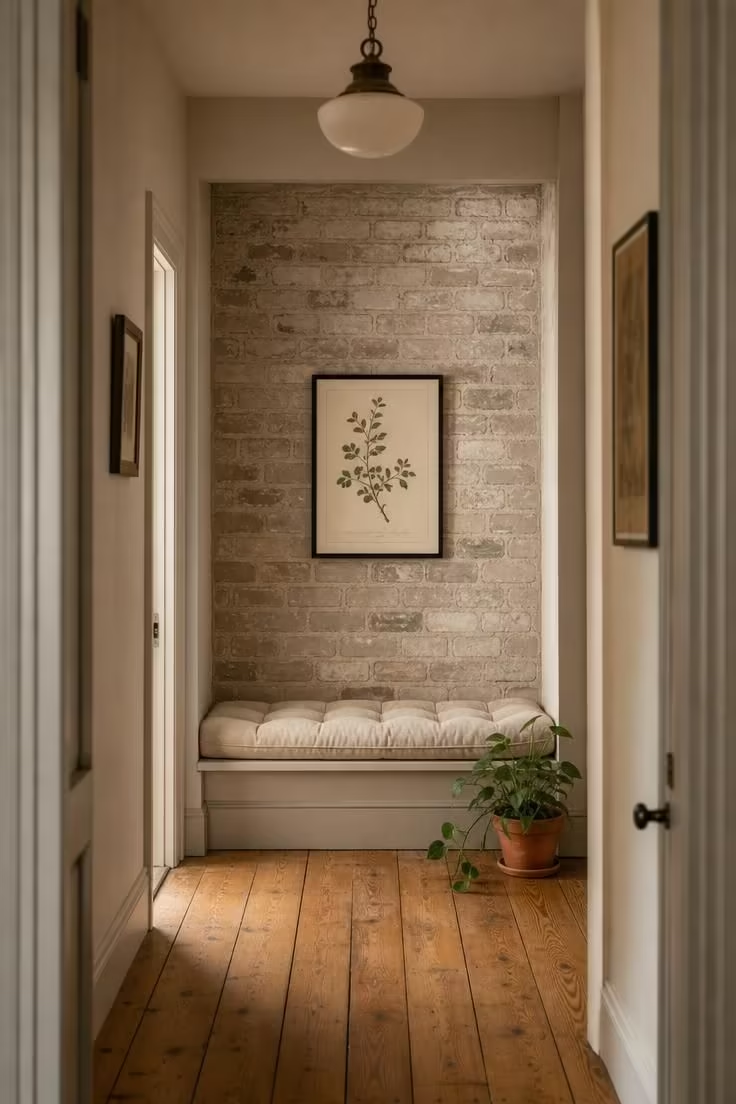
Limewashed brick has a depth that flat paint can never match, because each brick absorbs the wash differently and creates its own shade.
In a hallway reading nook, this mottled texture gives the back wall enough visual weight to anchor the space without needing busy decor or heavy color.
The tufted cotton canvas bench cushion sits right in the middle ground between formal and casual, sturdy enough for everyday use and soft enough for a long read.
A single botanical print on the back wall is the right amount of decoration for an alcove this size, anything more would crowd the brick.
Terra-cotta and trailing greenery beside the bench soften what could feel like a hard, masonry-heavy space.
Honey-toned pine floors carry warmth from the corridor into the nook, connecting the two areas without any abrupt material change.
The limewash finish ages well over time, developing more character as it wears, which makes this a nook that looks better at five years old than at five days old.
This type of alcove works especially well in older homes where exposed brick already exists behind plaster, waiting to be uncovered and treated.
A wall sconce with a linen shade mounted just inside the alcove opening would complete the lighting for evening reading sessions.
Style Blueprint:
- Exposed brick with pale gray limewash finish
- Tufted bench cushion in heavy cotton canvas
- Framed botanical print (thin black frame)
- Trailing pothos in terra-cotta pot
- Painted wood bench platform
Design Pro-Tip: Choose a cushion seat fabric that can handle daily contact with denim and pet hair without pilling. Heavy cotton canvas, outdoor-rated linen blends, and waxed cotton all hold up better than velvet or silk in a hallway where people drop in without thinking about what they are wearing.
Whitewashed Ladder Shelves Against a Slate Blue Wall With a Low Stool
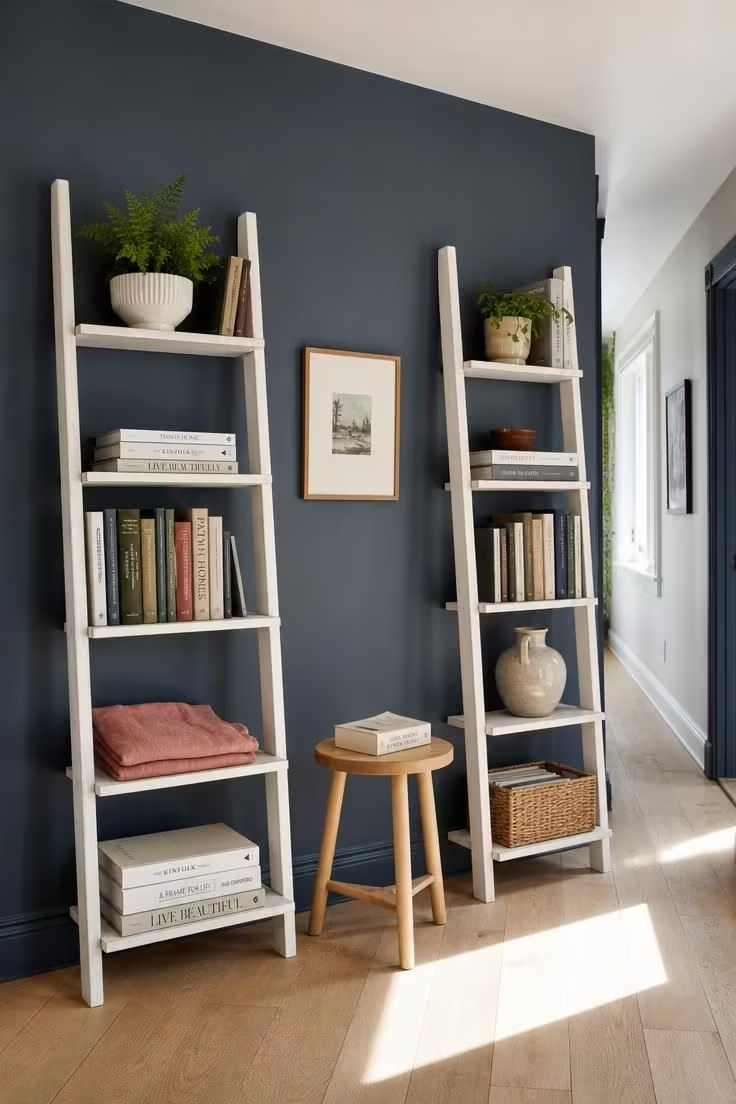
Ladder shelves leaning against a wall are one of the fastest ways to add book storage to a hallway without any drilling or permanent installation.
The whitewashed finish softens the wood and keeps the shelves from competing with the deep slate blue wall behind them.
A low round stool between the shelves serves as a reading perch that takes up almost no floor space, which is exactly what a small hallway demands.
Mixing book orientations on the shelves, some vertical and some horizontal, breaks up the visual line and makes the arrangement look collected rather than rigid.
A small fern on one shelf and a folded cloth on another add life and color without tipping into clutter.
The sharp rectangle of midday light on the floor gives the spot a natural spotlight effect that no fixture can replicate.
Painting the baseboards to match the wall color is a small detail that makes the slate blue feel intentional and room-like rather than just a painted surface.
Style Blueprint:
- Whitewashed wooden ladder shelves (leaning, no mounting)
- Deep slate blue wall paint (including baseboards)
- Natural ash round stool (low height)
- Small potted fern in white ceramic planter
A Half-Wall Book Ledge With a Velvet Cushion Seat on the Other Side
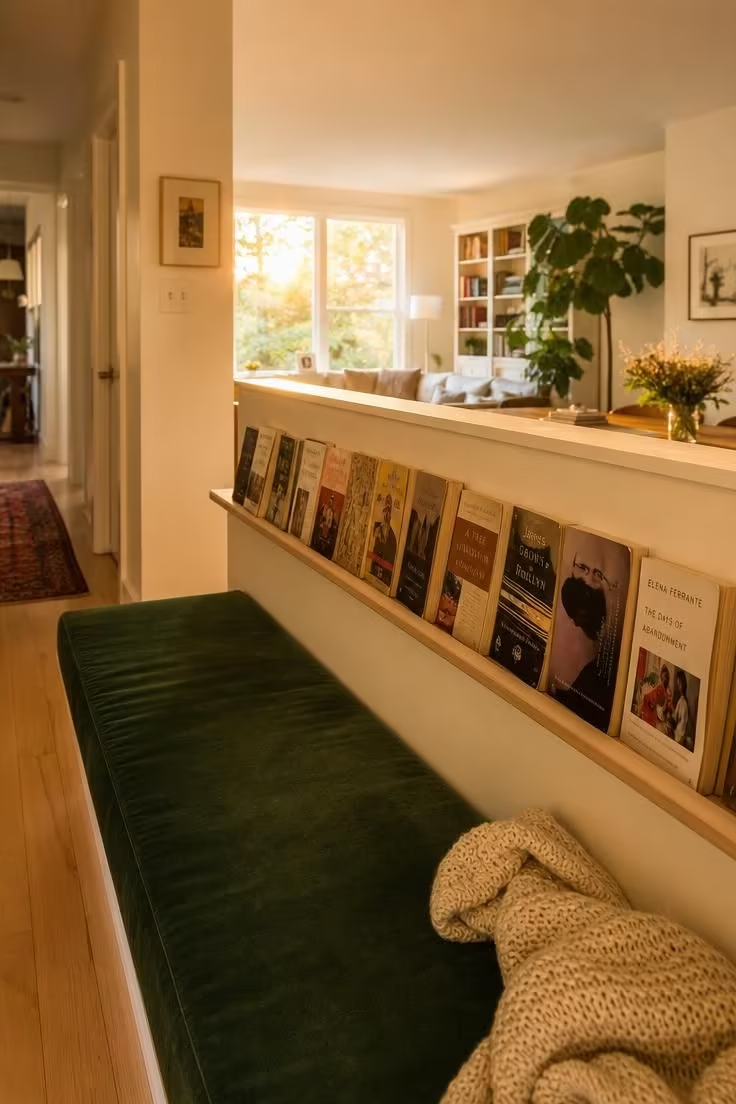
A half wall gives a hallway reading nook something rare: a sense of openness while still feeling like its own space.
The book ledge running along the top puts your current reads within arm’s reach without needing a separate shelf or side table.
Forest green velvet on the cushion seat adds richness to the hallway without darkening it, because the fabric catches light and shifts tone as the sun moves.
Sitting here in the late afternoon, the golden light from the adjacent room pours over the wall and warms the reading spot from above, which feels completely different from a ceiling fixture.
The white-painted plinth underneath the cushion keeps the base clean and lets the green velvet be the only color statement.
A knit throw on one end is there for cooler evenings, but it also softens the geometry of the long rectangular seat.
Style Blueprint:
- Half-height wall (42 inches) with narrow book ledge
- Forest green velvet rectangular cushion
- White-painted plinth base
- Cream knit throw blanket
A Cane-Panel Cabinet Door Hiding a Built-In Hallway Reading Nook
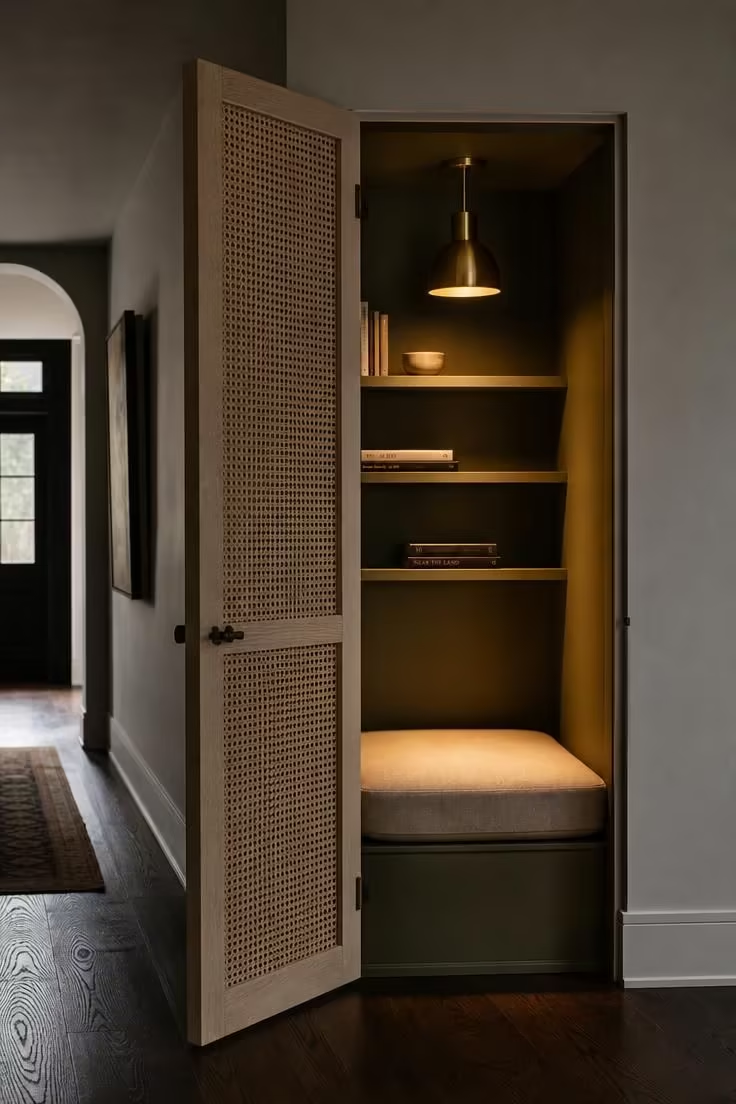
A hidden nook behind a cane-panel door is the kind of feature that makes guests stop and ask how you built it.
The cane webbing lets air and a hint of the warm glow inside filter through even when the door is closed, so the nook reads as a design element rather than a closet.
Deep olive green on the interior walls wraps the reader in color and creates a cave-like feeling that is surprisingly calming in a small space.
The three narrow shelves on the back wall hold just what you need: a book or two, a cup of tea, maybe a small plant.
A single brass pendant overhead is enough light for this compact nook, and its warm tone plays well against the olive green paint.
The oatmeal linen seat cushion keeps the palette grounded and prevents the dark interior from feeling heavy.
Building this into an existing hallway closet is one of the most satisfying conversion projects for a small home, since the framing is already there.
When the door is closed, the cane panel becomes part of the hallway decor, attractive on its own without revealing what is behind it.
Style Blueprint:
- Cane-panel door in whitewashed oak frame
- Deep olive green interior paint
- Three narrow painted shelves
- Brushed brass pendant light
- Oatmeal linen seat cushion
Design Pro-Tip: If your hallway reading nook sits in a corridor that echoes, add a thick rug, an upholstered seat, or fabric wall panels to absorb sound. Hard surfaces in narrow spaces bounce every footstep and closing door back and forth, which makes quiet reading nearly impossible.
Terrazzo Tile Floor Patch With a Low Oak Platform and Wool Throw
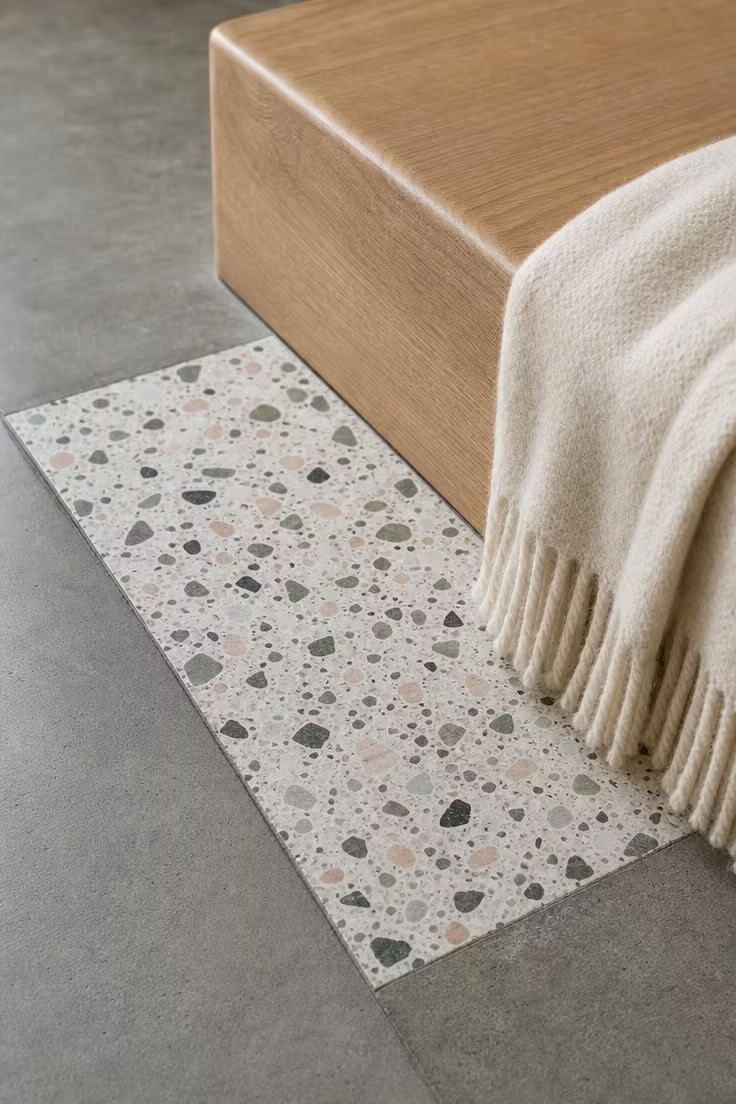
A terrazzo floor patch is a subtle way to mark where the hallway becomes a reading nook without building any walls or adding any furniture above knee height.
The colored chips in the terrazzo, sage, blush, and charcoal here, introduce just enough visual interest to make the floor itself a design feature.
A low oak platform at six inches high is not a bench in the traditional sense, but it creates a clear place to sit, especially when paired with floor cushions that can be stacked or removed.
The cream wool throw folded over one corner is an invitation to sit that does not rely on a full cushion setup.
This approach works well in modern homes where minimal hallway decor is the goal, because the materials do all the talking.
Style Blueprint:
- Terrazzo tile patch (white with sage, blush, charcoal chips)
- Low solid oak platform (6 inches, rounded edges)
- Cream wool throw with fringe
- Matte gray concrete surrounding floor
A Narrow Hallway Reading Nook With Pegboard Walls and a Fold-Down Maple Desk
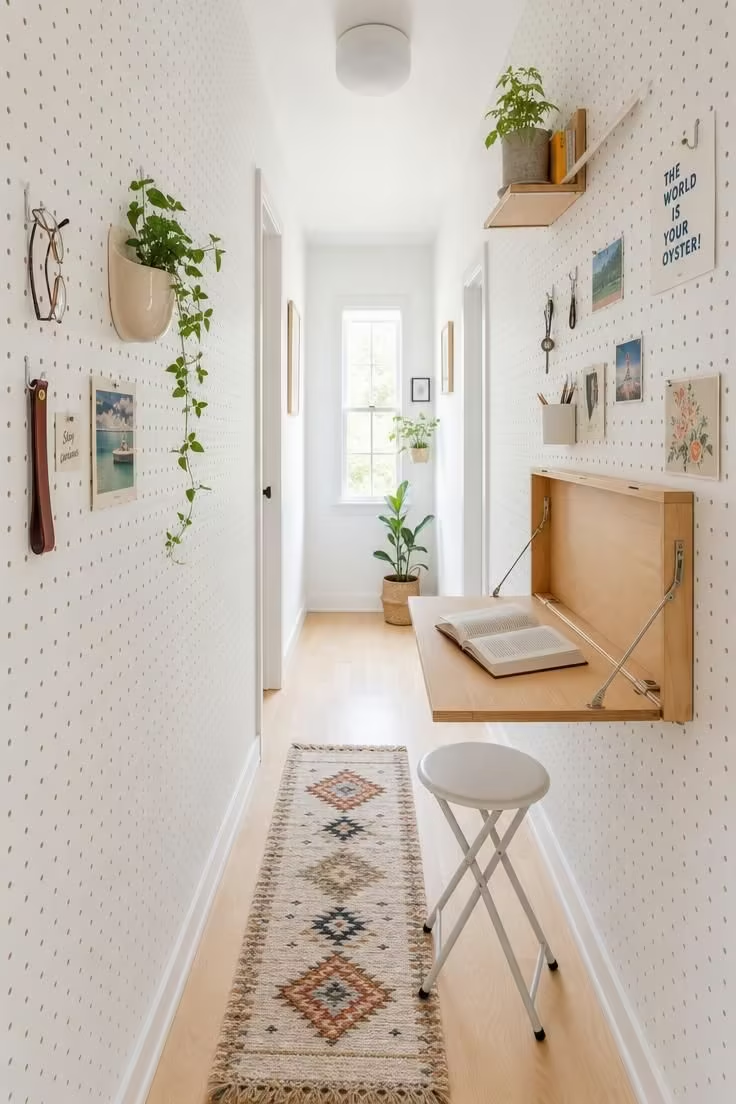
Pegboard walls turn a narrow hallway into a reading corner that can be rearranged in minutes just by moving hooks.
The fold-down maple desk doubles as a book rest when open and disappears flat against the wall when not in use, which is exactly the flexibility a slim corridor needs.
Reading glasses, a bookmark, a plant, and a few postcards are the kind of small personal items that make a nook feel used and loved rather than staged.
A white metal folding stool tucks away under the desk or behind a door when the hallway needs to be clear for foot traffic.
Painting the pegboard white keeps it from looking industrial or garage-like, and the uniform color lets the objects on the hooks stand out as the decoration.
Mounting the pegboard from waist height up, rather than floor to ceiling, prevents the space from feeling overwhelming and leaves the lower wall clean.
This is one of the most renter-friendly hallway reading nook designs, since pegboard can be screwed into a few studs and removed without major wall damage.
Style Blueprint:
- White-painted pegboard panels (waist height to ceiling)
- Fold-down maple desk shelf with hinges
- White metal folding stool
- Assorted hooks for reading accessories and small plants
Conclusion
A hallway reading nook does not need a large footprint or a complicated build to work well.
The 13 ideas here range from recessed alcoves with arched plaster openings to simple floor cushions between plywood cubbies, and each one proves that a corridor can hold more than coats and shoes.
What ties them together is the commitment to treating a narrow hallway as real living space, a place where good light, a comfortable seat, and a few books are enough to make someone stay.
Pick the approach that fits your home’s width, your budget, and how permanent you want the change to be, and then sit down and read.