This post may contain affiliate links. If you make a purchase through these links, we may earn a commission at no additional cost to you.
You walk past it a dozen times a day without a second thought.
That tall, angled wall running alongside your staircase sits there, bare and waiting, while you pour your decorating energy into rooms with sofas and dining tables.
Here’s the thing — staircase walls connect every floor of your home, and they catch the eye whether you notice or not.
These 11 staircase wall decor ideas cover everything from raw plaster finishes to woven basket clusters to mural wallpaper, with enough specifics to actually recreate each look.
A Limewash Plaster Finish in Warm Terracotta on the Full Stair Wall
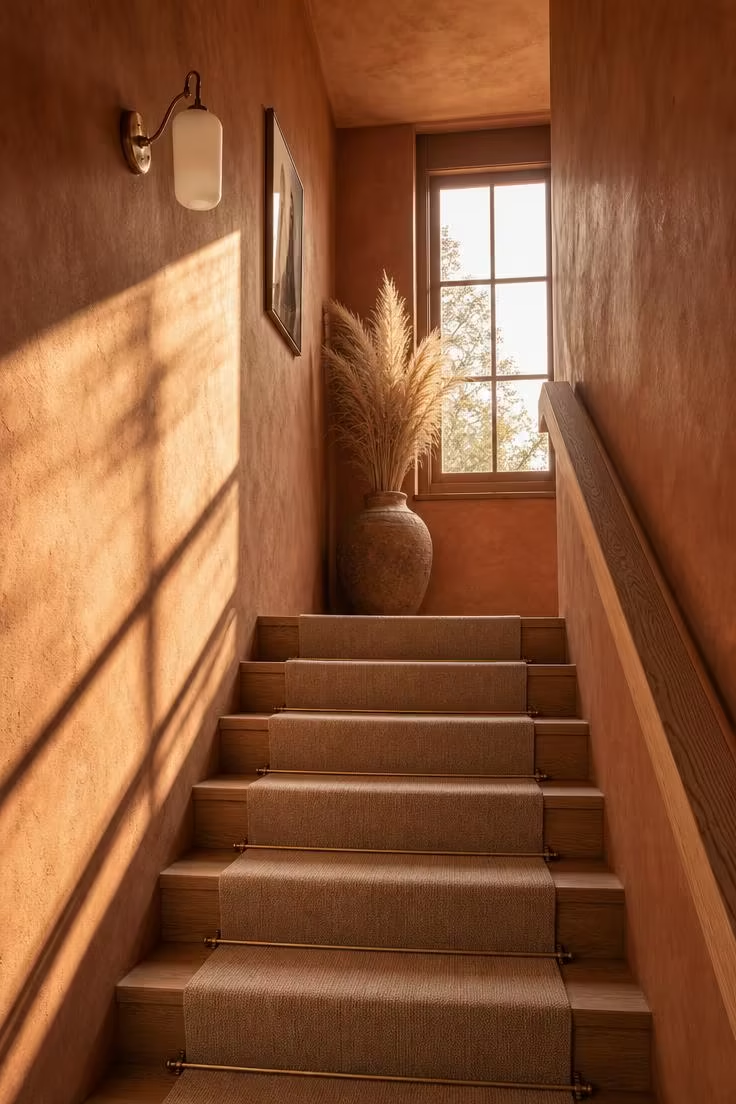
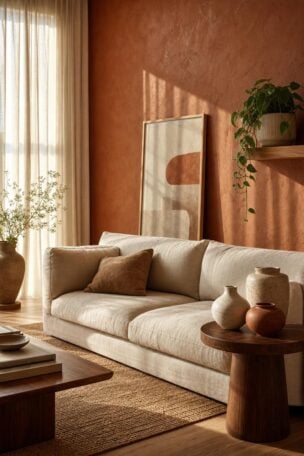
Limewash does something flat paint cannot.
Each stroke of the brush or trowel leaves behind a slightly different density of pigment, so the wall shifts between deeper and lighter tones depending on where you stand and what time of day it is.
Terracotta is the right shade for this — not orange, not rust, but that muted clay color you see on old Mediterranean buildings.
The matte finish swallows harsh light instead of bouncing it back, which keeps the stairwell feeling soft even when afternoon sun floods through the landing window.
It’s one coat of stair wall art that never needs rehanging.
Style Blueprint:
- Limewash paint in warm terracotta (Portola Paints or Bauwerk Colour)
- Oatmeal linen stair runner with brass stair rods
- White oak handrail with a smooth rounded profile
- Dried pampas grass in a low clay vessel on the landing
- Raw brass wall sconce with frosted glass shade
Black-and-White Photograph Ledges Staggered Along the Stair Angle
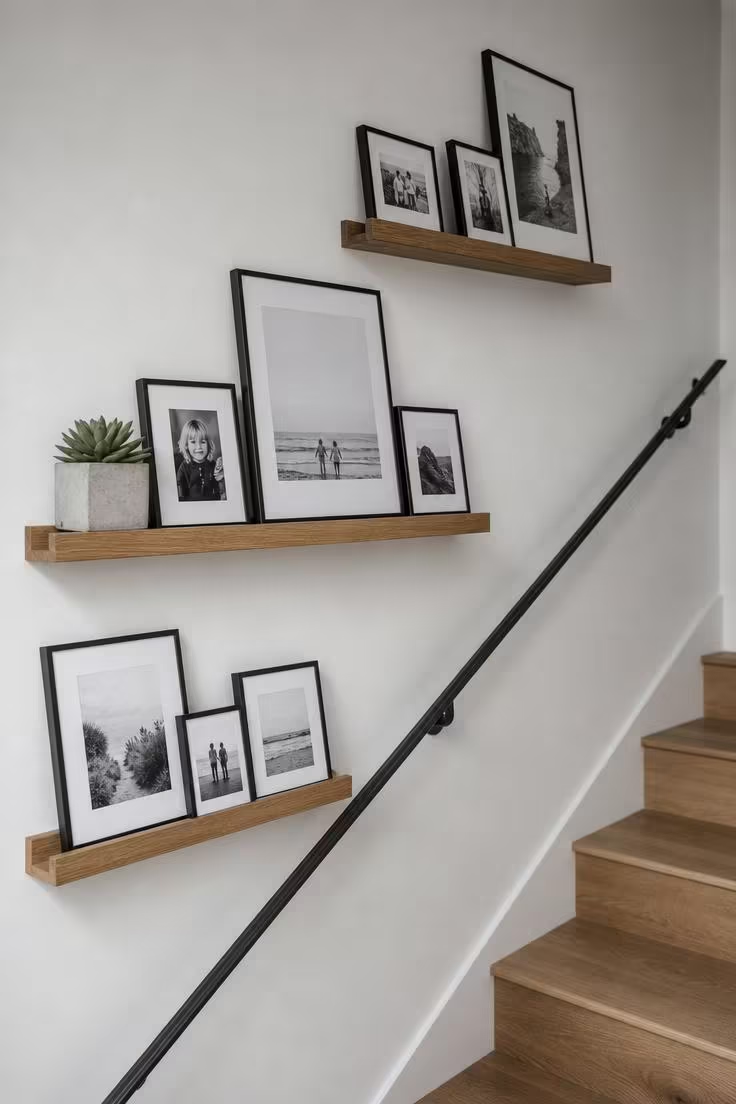
Picture ledges solve the biggest headache of a stairway gallery wall — the angles.
Instead of drilling precise holes for individual frames along a diagonal, you mount three or four slim oak ledges and lean your prints against the wall.
Swap out photos whenever you feel like it, no patching required.
The black-and-white palette keeps a mix of family snapshots, travel shots, and art prints looking like they belong together.
Go narrow — a 2-inch-deep ledge holds frames without jutting into the walkway.
One small succulent or a tiny ceramic object on a ledge breaks up the row of rectangles.
Style Blueprint:
- Slim white oak picture ledges, 2 inches deep, cut to 24- or 36-inch lengths
- Thin matte black metal frames in assorted sizes
- Black-and-white prints on archival matte paper
- One small succulent in a concrete pot
- Soft white wall paint in eggshell finish
Vertical Shiplap Planks in Sage Green From Baseboard to Ceiling
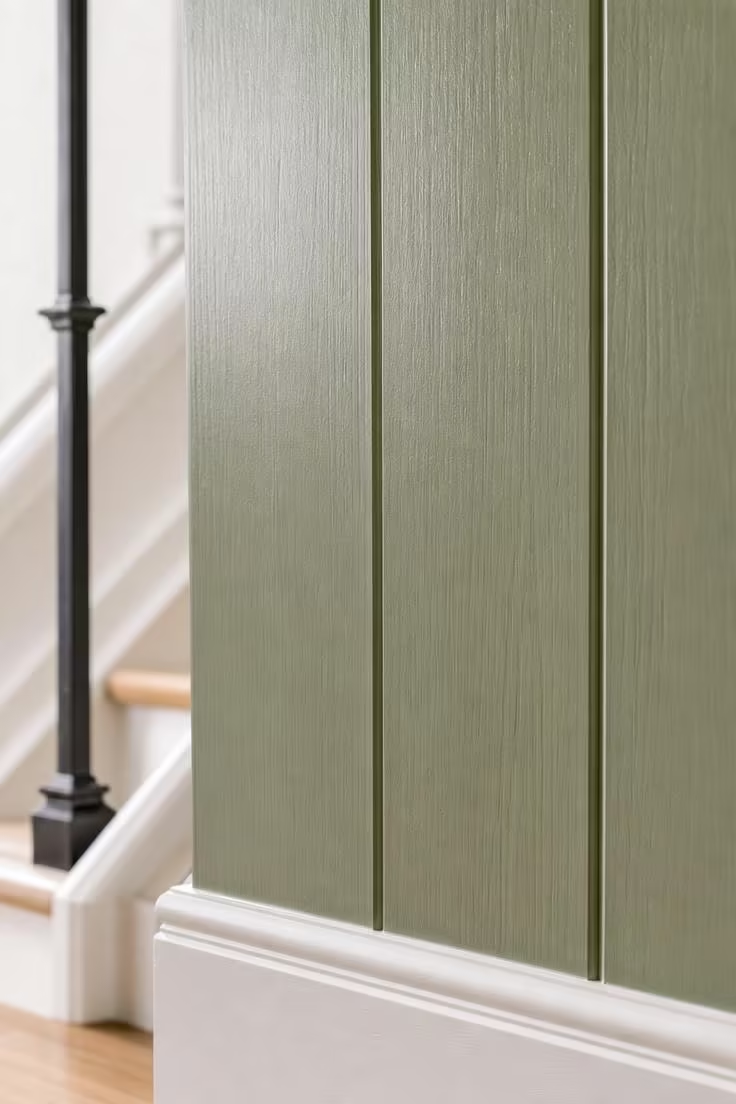
Vertical shiplap pulls the eye from baseboard to ceiling, and in a stairwell that already has height, the effect is almost cathedral-like.
Sage green hits the sweet spot between color and calm — enough pigment to feel deliberate, muted enough to live with daily.
The grooves between planks add a quiet rhythm without any additional stair wall art needed on top.
This stair wall paneling does double duty: it looks good and protects the drywall underneath from the inevitable bumps and scrapes of daily traffic.
Satin finish wipes clean with a damp cloth, which matters on a surface people brush against constantly.
Style Blueprint:
- Tongue-and-groove shiplap planks (pine or MDF), installed vertically
- Sage green satin paint (try Farrow & Ball Vert de Terre or similar)
- White painted baseboard and matching white handrail
- Matte black iron balusters
- No additional wall art — the planks are the feature
Design Pro-Tip: When running shiplap vertically on a stair wall, start your first plank at the most visible corner and work outward. The cut plank — the one trimmed to fit the remaining width — should end up in the least visible spot, usually where the wall meets a corner or doorframe.
A Single Oversized Abstract Canvas on the Stair Landing Wall
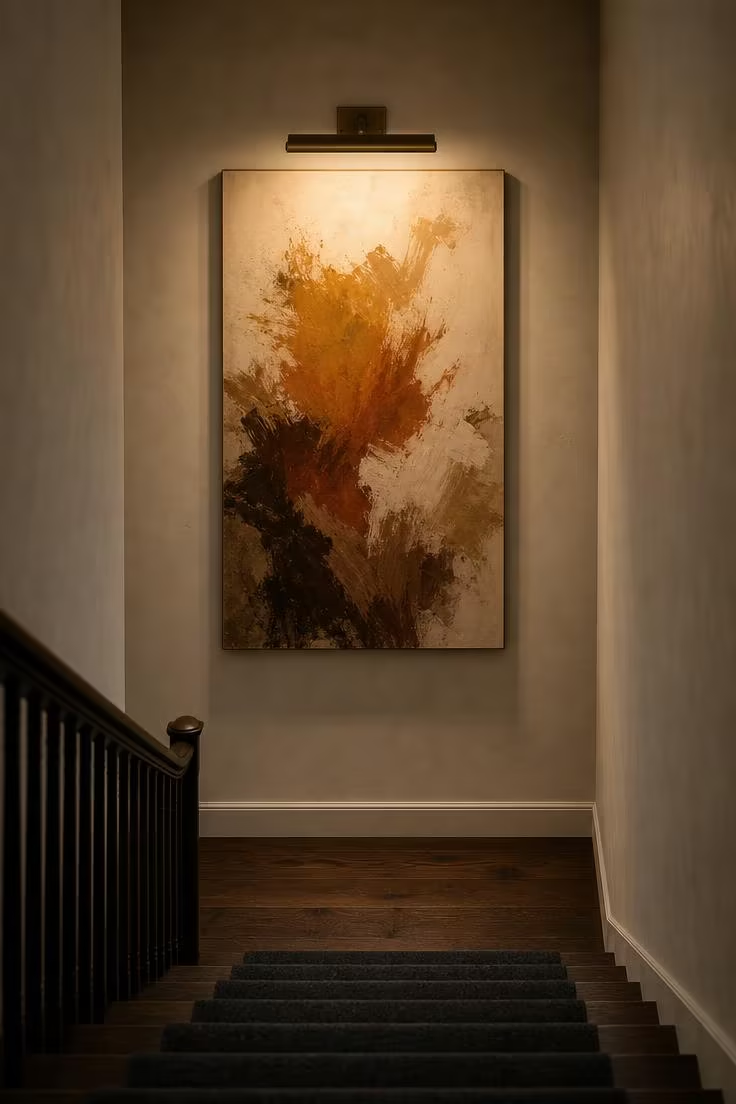
Landing walls beg for something big.
They sit at the turn of the staircase, eye-level for a brief pause, with enough vertical space to hang a piece that would overwhelm a standard room.
One canvas — not three, not a cluster — gives the landing a quiet authority.
Earth tones in ochre and burnt sienna keep it warm without competing with whatever palette you have on the floors above and below.
The real trick is the picture light above: aged brass with a warm LED bulb that carves a golden rectangle of light onto the painting even after dark.
This turns your stair landing decor into something you actually stop and look at.
Style Blueprint:
- Oversized abstract canvas (40×60 inches) in ochre, burnt sienna, raw umber
- Aged brass picture light with warm LED (2700K)
- Dark walnut stair treads with a charcoal wool runner
- Cream plastered walls
- No competing decor on the landing — let the painting breathe
Woven Jute and Cotton Wall Baskets Arranged in a Scattered Cluster
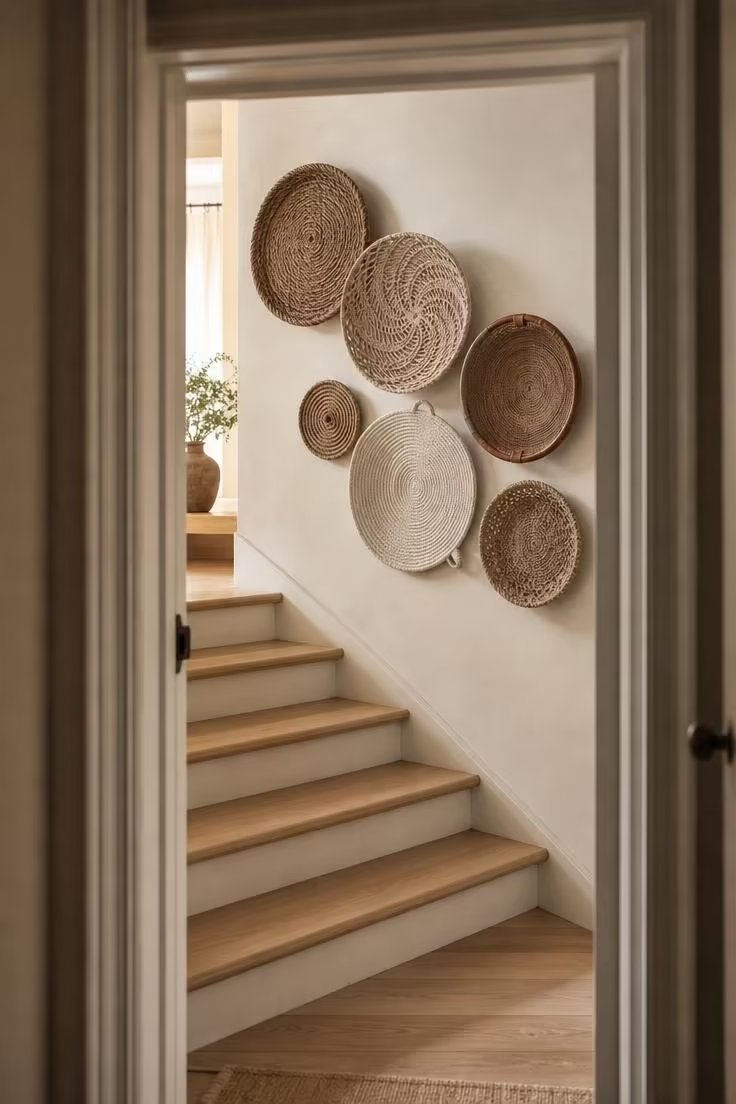
Baskets bring a texture that no print or painting can match.
Run your hand across a tightly coiled jute weave and you feel the ridge of each spiral — that’s the kind of sensory detail that photographs well and actually holds your attention in person.
Hang five to seven in a scattered cluster rather than a grid, letting some edges overlap.
Mix the materials: natural jute next to bleached cotton next to seagrass with a leather trim.
The variation in weave pattern and size keeps it from looking like a craft project and pushes it toward collected stair wall art.
Brass picture hooks are strong enough and small enough to disappear behind the baskets.
Style Blueprint:
- Five to seven handwoven round wall baskets in mixed sizes (8 to 18 inches)
- Natural jute, bleached cotton, and seagrass weaves
- One basket with thin leather-wrapped rim for contrast
- Brass picture hooks or brass wall nails
- Warm white wall paint
A Bold Geometric Wallpaper Panel Framed by White Staircase Molding
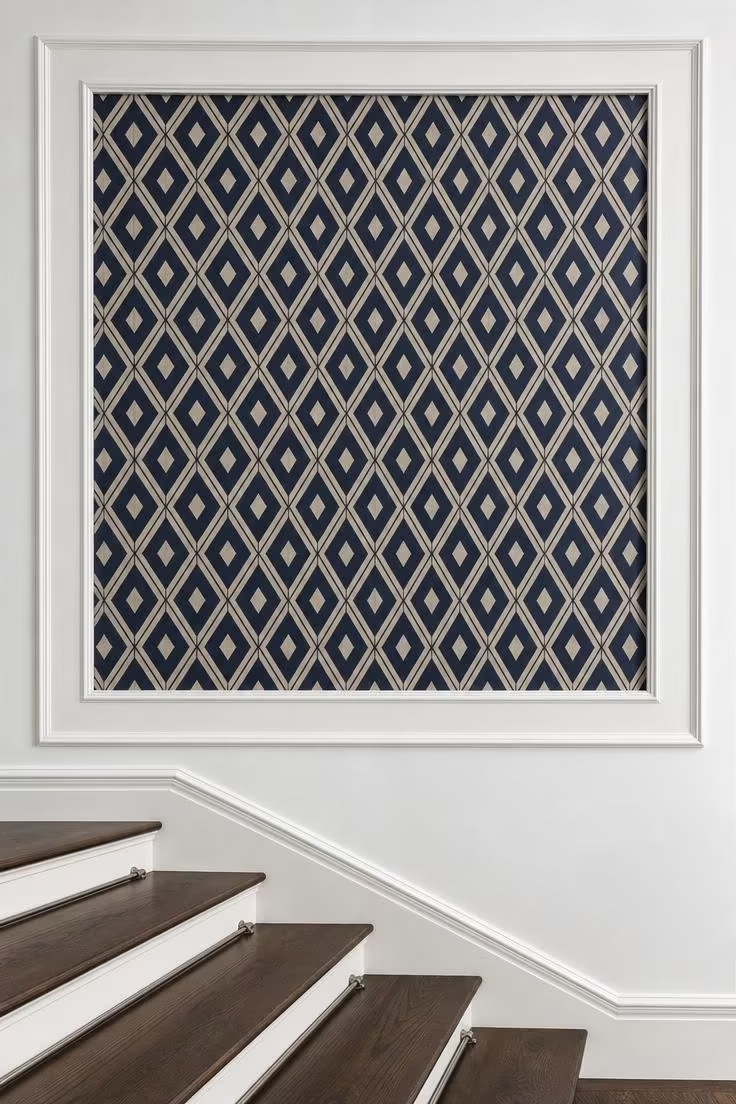
Wallpaper on a full staircase wall can overwhelm.
One contained panel, framed by existing staircase molding, gives you the pattern hit without the visual overload.
Navy and cream in an interlocking diamond reads graphic and modern, but the white molding border keeps it grounded in something traditional.
This is where staircase wallpaper works hardest — a single statement that makes the wall look intentional rather than decorated.
The molding frame also makes future wallpaper swaps easier, since you only need enough material for one panel.
Think of it as a built-in picture frame, with the wallpaper as the art.
Style Blueprint:
- Geometric wallpaper in navy and cream (hexagons, diamonds, or chevrons)
- White painted molding frame, 6 inches wide, with mitered corners
- Satin nickel stair rods
- Cream painted risers
- Dark stained oak treads
Design Pro-Tip: When framing a wallpaper panel with molding, measure the wall space first and size the panel to leave at least 8 inches of bare painted wall on all sides. Too little margin and the frame disappears — too much and the panel looks like an afterthought. The sweet spot lets both the wallpaper and the molding read clearly.
Staggered Matte Black Metal Sconces Lining the Stairwell Wall
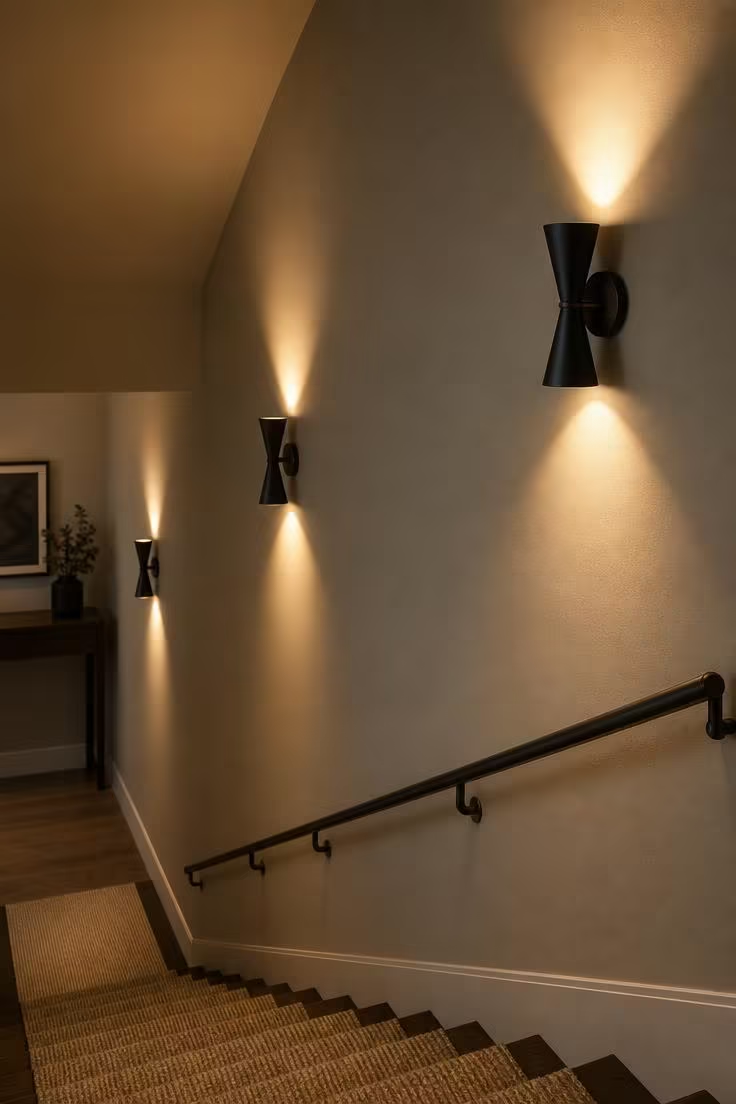
Sometimes the wall itself is the point, and all it needs is good stairwell lighting.
Three or four identical sconces, evenly spaced along the stair slope, create a repeating rhythm that turns the wall into a feature without hanging a single frame.
Matte black cone-shaped fixtures read clean and modern, and the dual-direction light casts symmetrical pools up and down the wall.
Warm LED bulbs at 2700K give off the amber tone of late daylight — nothing clinical or blue.
After dark, the sconces turn the stairwell into the coziest corridor in the house.
Spacing them evenly along the slope is the only layout rule.
Style Blueprint:
- Three to four matte black cone wall sconces (Cedar & Moss or similar)
- Warm LED bulbs, 2700K, dimmable
- Light greige wall paint in matte finish
- Dark iron handrail
- Sisal stair runner in natural fiber
A Floor-to-Ceiling Board-and-Batten Accent Wall in Creamy White
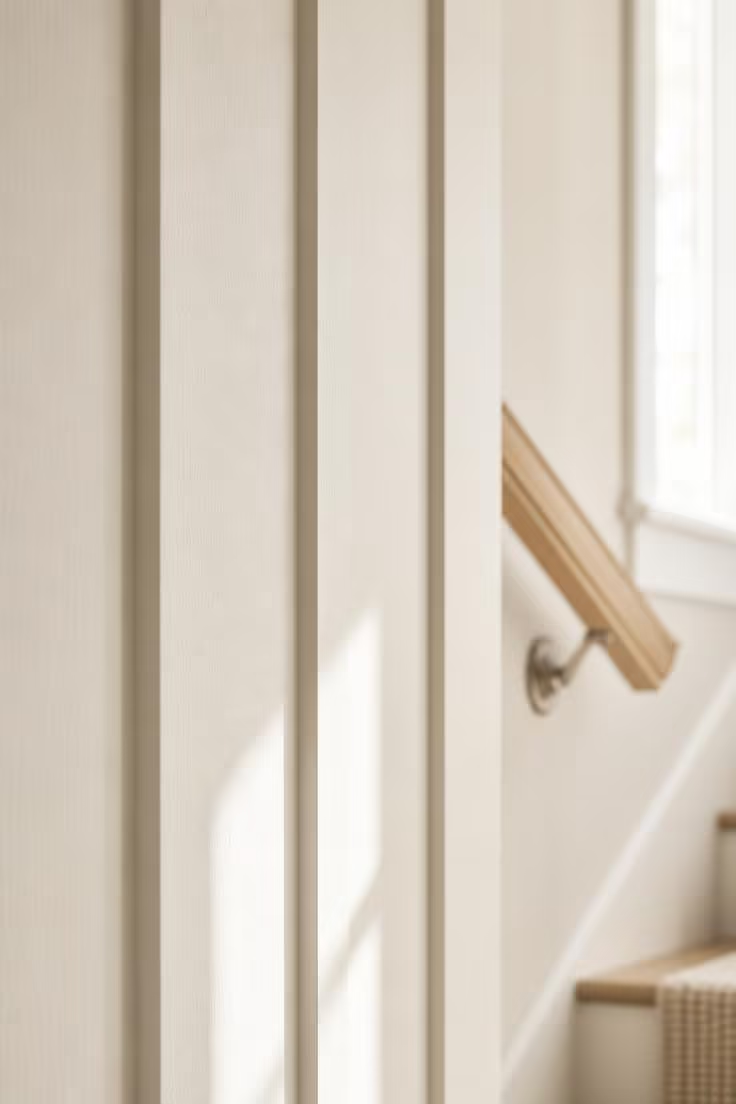
Board and batten gets overlooked because people assume it belongs in farmhouses.
Painted in creamy white with a satin finish, it reads just as well in a contemporary hallway or a colonial foyer.
The shadow lines between battens shift throughout the day as the sun crosses from one window to another, giving a plain white wall constant, quiet movement.
This staircase accent wall protects against daily wear at the same time — wainscoting stairs with board-and-batten means fewer scuffs, fewer nail pops, fewer touch-up paint sessions.
MDF board-and-batten kits come pre-primed and install with construction adhesive and a nail gun.
One weekend, start to finish.
Style Blueprint:
- MDF board-and-batten kit, pre-primed, battens spaced 12 inches apart
- Creamy warm white satin paint (Benjamin Moore White Dove or similar)
- White oak handrail with polished nickel brackets
- Pale linen stair runner
- Clean baseboards in matching white
Design Pro-Tip: Keep batten spacing consistent at 12 inches on center for a classic proportion. Wider spacing (16 to 18 inches) reads more modern and relaxed, while tighter spacing (8 inches) feels more formal and traditional. Measure the wall width first and adjust spacing so you don’t end up with one oddly narrow panel at the edge.
A Trailing Pothos on a Wrought-Iron Wall-Mounted Plant Bracket
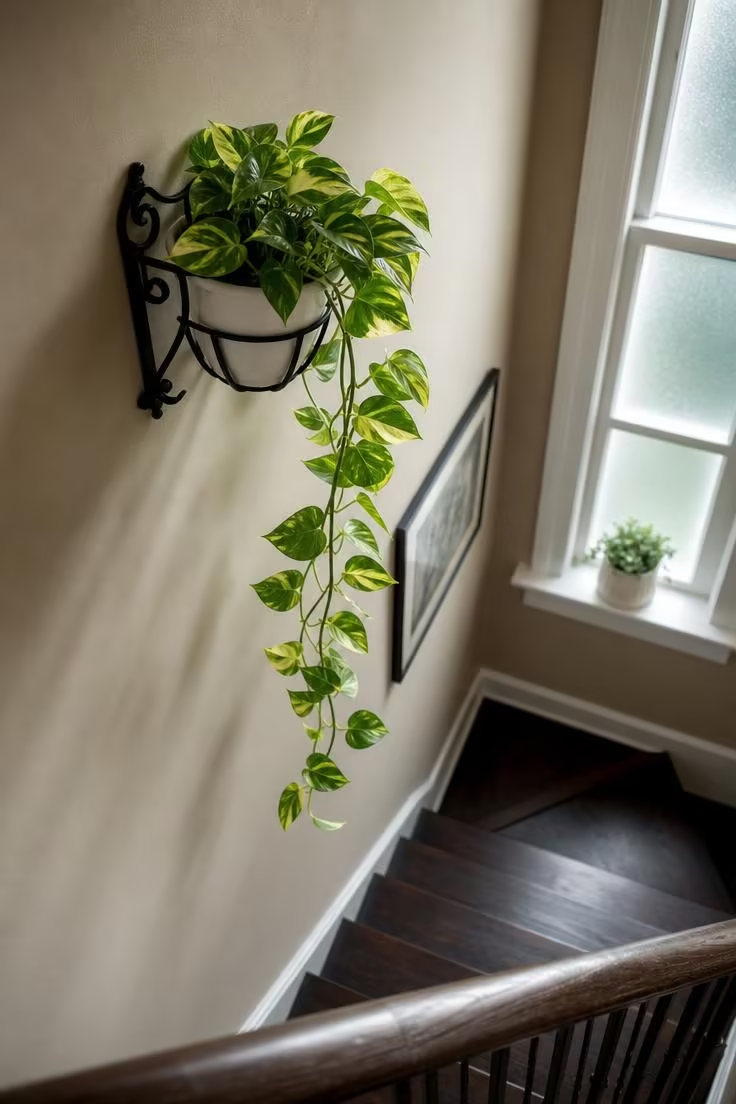
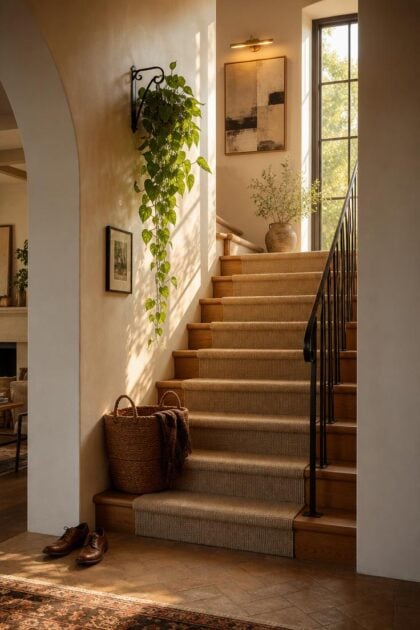
One plant on one bracket.
That’s all it takes to shift a staircase wall from bare surface to living space.
The wrought-iron scroll bracket adds a small sculptural element — the curled metalwork catches light and casts a thin shadow pattern on the wall below.
Golden pothos tolerates the indirect light typical of stairwells and grows quickly enough that you’ll see new trailing leaves within a few weeks.
Mount the bracket high, near the ceiling line, so the vines drape downward into the sightline as you climb.
It’s the simplest staircase wall decor on this list and one of the most effective.
Style Blueprint:
- Wrought-iron scroll plant bracket (black or dark bronze finish)
- Matte white ceramic pot, 6 inches in diameter
- Golden pothos plant (Epipremnum aureum)
- Warm beige wall paint
- Dark stained hardwood treads
Recessed LED-Lit Niches Carved Into the Stair Wall for Pottery Display
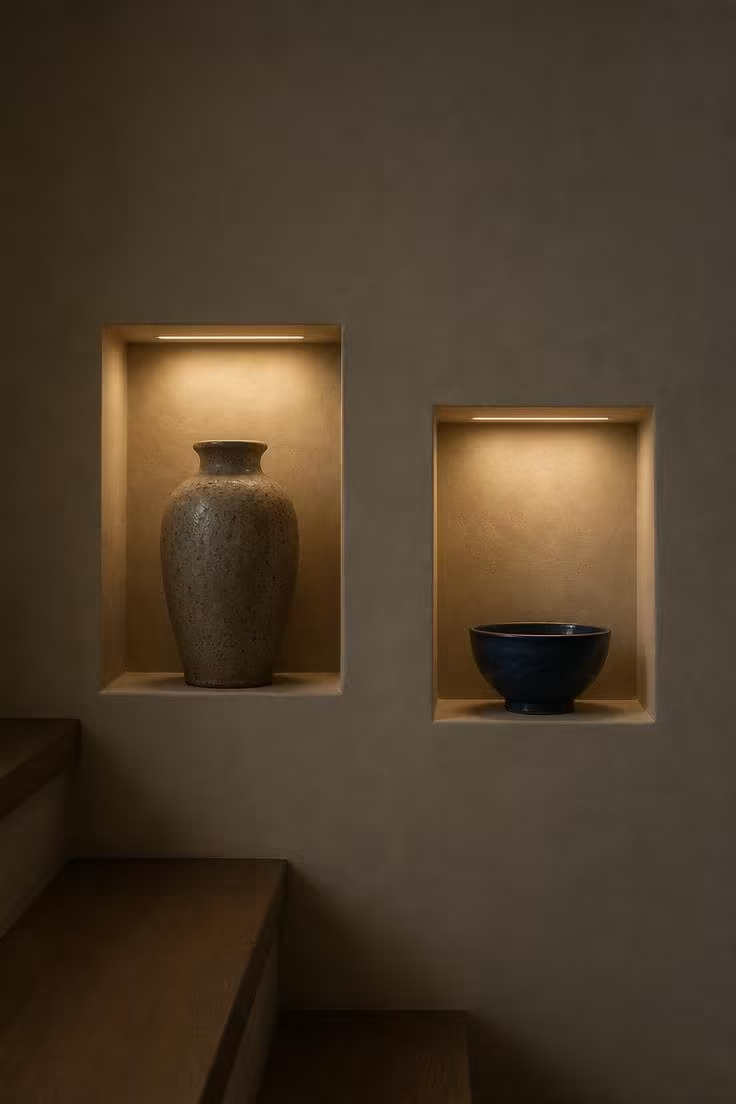
Recessed niches turn the wall itself into the shelf.
Cut into the stud wall, they sit flush with the surface, adding zero protrusion into the walkway — which matters in narrow stairwells where every inch counts.
A warm white LED strip recessed into the top of each niche washes downward onto whatever you place inside.
One speckled ceramic vase, one indigo stoneware bowl — restraint is the point here.
The greige plaster surround gives each niche the feeling of a shadow box in a gallery.
These work well on the wall opposite the handrail, where people naturally look as they climb.
The floating shelves staircase approach takes up space; niches take up none.
Style Blueprint:
- Drywall-framed recessed niches, 12×16 inches, 4 inches deep
- Warm white LED strip lights (3000K), recessed into the niche top
- Handmade ceramic vase with speckled warm gray glaze
- Small stoneware bowl in deep indigo
- Greige plaster finish on the surrounding wall
A Hand-Painted Botanical Mural of Olive Branches Climbing the Stair Wall
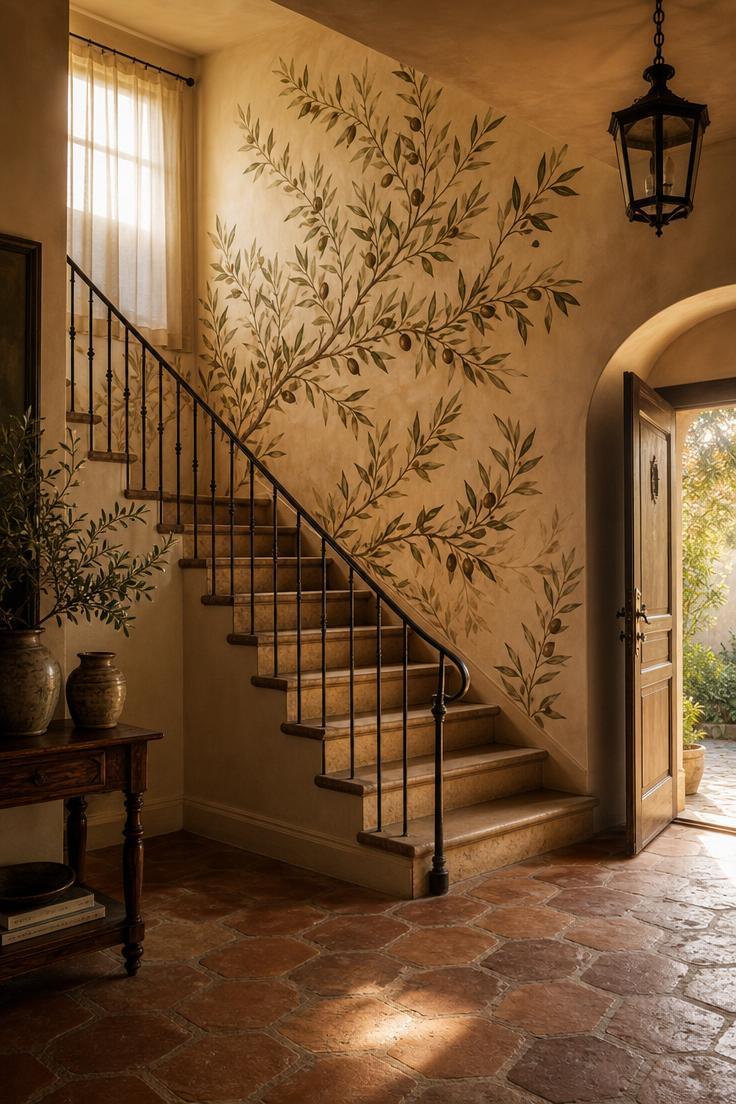
A mural turns the entire staircase wall into a single composition.
Olive branches work well because their shape — long, arching, with small elongated leaves — follows the diagonal of the stair angle naturally.
Start the branches sparse near the baseboard and let them fill in as they climb, so the density builds as you ascend.
Muted sage greens and warm browns on a plaster-toned background keep the palette soft enough to live with every day.
You don’t need a professional muralist if the budget is tight — removable mural wallpaper panels achieve the same effect and peel off cleanly when you want a change.
This is staircase wall decor at its most personal and hardest to replicate, which is exactly why it stands out.
Style Blueprint:
- Custom hand-painted mural or removable mural wallpaper in olive branch motif
- Pale plaster-toned background (warm off-white)
- Muted sage green and warm umber brown paint colors
- Terracotta tile on the landing floor
- Simple iron handrail and sheer linen curtain on the landing window
Conclusion
Staircase walls reward even the smallest changes.
A single coat of limewash, one well-placed sconce, or a trio of picture ledges can shift the feeling of the entire stairwell from afterthought to anchor.
You don’t need to tackle all eleven ideas at once — pick the one that fits your budget and your weekend, and start there.
These walls get seen dozens of times a day, so whatever you choose will pay off quickly.
The best staircase wall decor doesn’t try to compete with the rooms it connects — it quietly makes the trip between them better.