This post may contain affiliate links. If you make a purchase through these links, we may earn a commission at no additional cost to you.
Rustic industrial decor pulls its strength from the friction between rough factory relics and the softness of rural craft.
Rooms built around reclaimed timber, darkened metal, and worn leather carry a weight that mass-produced furniture never will.
These 10 rustic industrial decor ideas pair specific materials and finishes to help you build spaces that look collected over decades rather than assembled over a weekend.
Every scene below centers on one strong focal point, giving you a clear starting place for sourcing, building, and styling your own rustic industrial decor.
A Raw Cedar Beam Floating Shelf With Cast Iron Turnbuckle Brackets
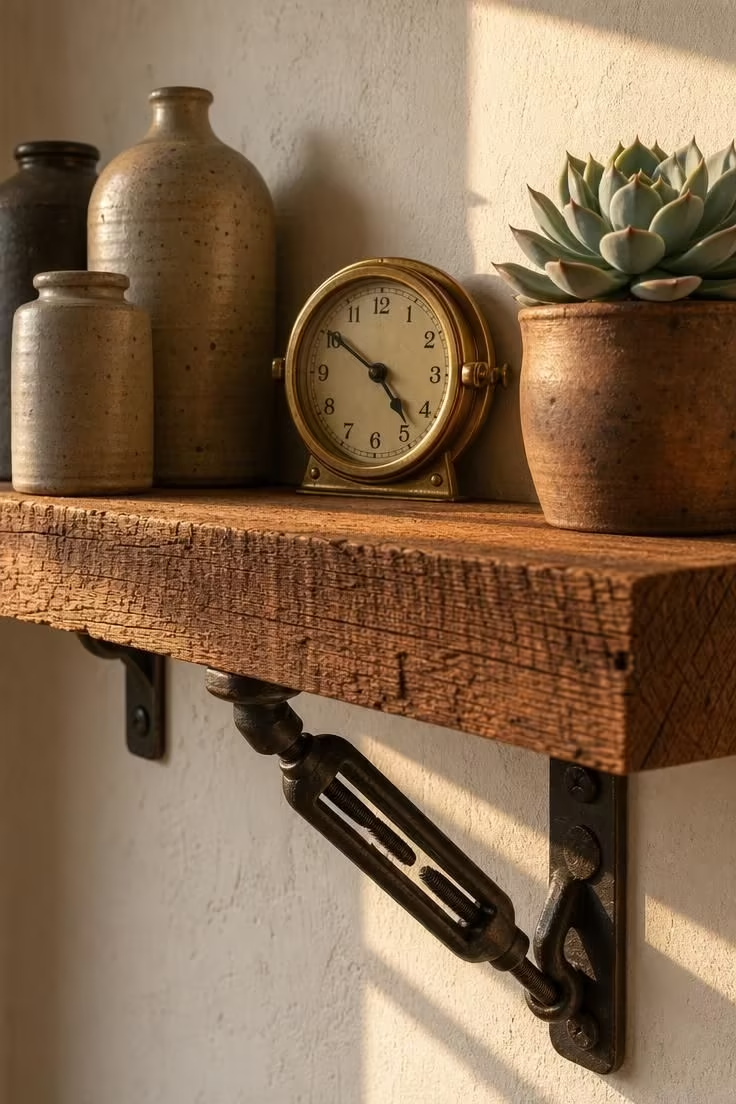
The rough-sawn cedar plank sitting on those blackened turnbuckle brackets carries more personality than any trimmed shelf from a catalog.
Cedar holds up against humidity and insects without chemical treatment, which makes it a natural match for rooms where function has to coexist with appearance.
The turnbuckle hardware adds a mechanical quality, a nod to old bridge construction and rigging that gives the shelf structural honesty.
Stoneware crocks in neutral tones let the wood grain do most of the visual work.
Mounting a shelf like this at eye level in a hallway or above a console table puts reclaimed wood shelves at the center of daily life rather than tucking them away in a closet.
A single living plant on one end keeps the arrangement from feeling like a museum display, grounding this piece of rustic industrial decor in something alive and growing.
Style Blueprint:
- Rough-sawn cedar beam, 4 to 6 inches deep, with visible saw marks
- Cast iron turnbuckle brackets with forge-marked patina
- Handmade stoneware crocks in cream or charcoal
- Brass accent piece (clock, compass, or small dish)
- One potted succulent in a hand-thrown clay vessel
Weathered Zinc Tabletop on Forged Steel Trestle Legs
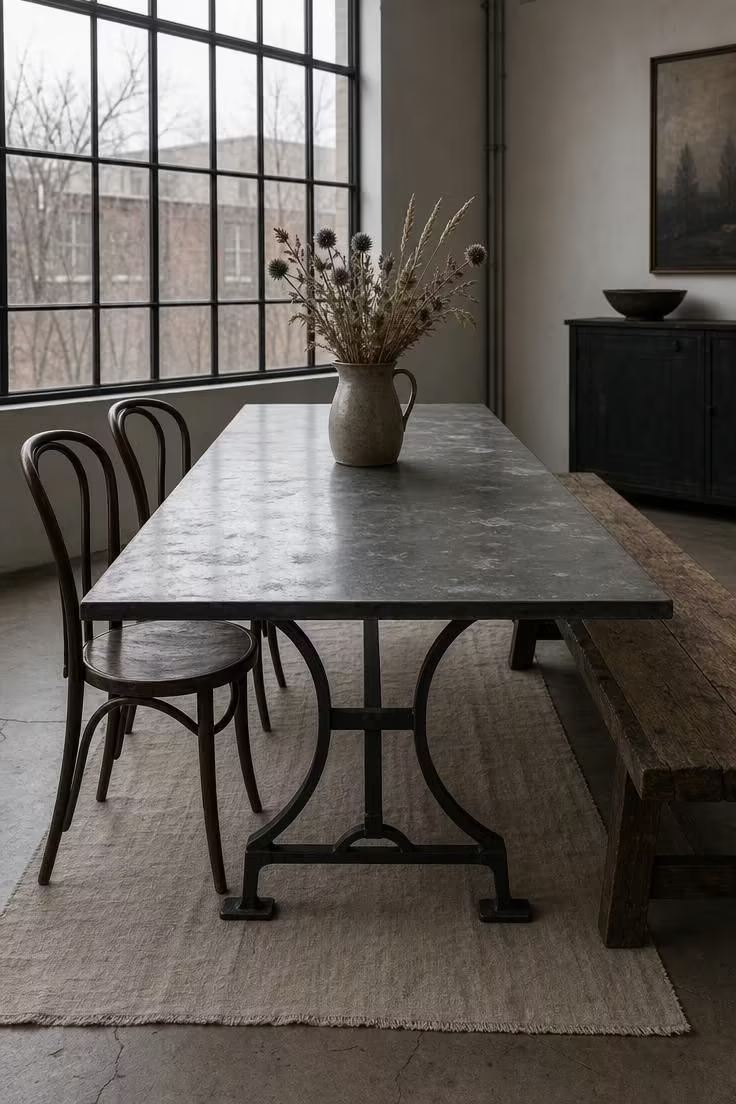
Zinc ages in a way that tells you exactly how a table has been used, picking up rings from mugs, soft scratches from plates, and a cloudy bloom where hands rest most often.
That living surface pairs well with the permanence of a forged steel trestle base, where hammer marks on the crossbar prove the metal was shaped by a person rather than stamped by a press.
Metal and wood furniture typically relies on reclaimed lumber for warmth, but zinc offers a cooler, more European alternative that still reads as handmade.
The divided-pane factory windows behind the table reinforce the industrial lineage without competing for attention.
A stoneware pitcher with dried thistles adds vertical interest to a surface that might otherwise feel too horizontal and flat.
Bentwood chairs on one side and a reclaimed bench on the other keep the seating from looking matched and predictable.
This kind of rustic industrial decor rewards daily use, because every mark on the zinc surface adds to its character instead of diminishing it.
Style Blueprint:
- Zinc-wrapped tabletop with natural patina allowed to develop
- Forged steel trestle base with hammer-textured crossbar
- Bentwood dining chairs with stained wood seats
- Reclaimed oak bench for opposite seating
- Stoneware pitcher with dried botanical arrangement
Antique Grain Sack Cushions on a Welded Steel Window Bench
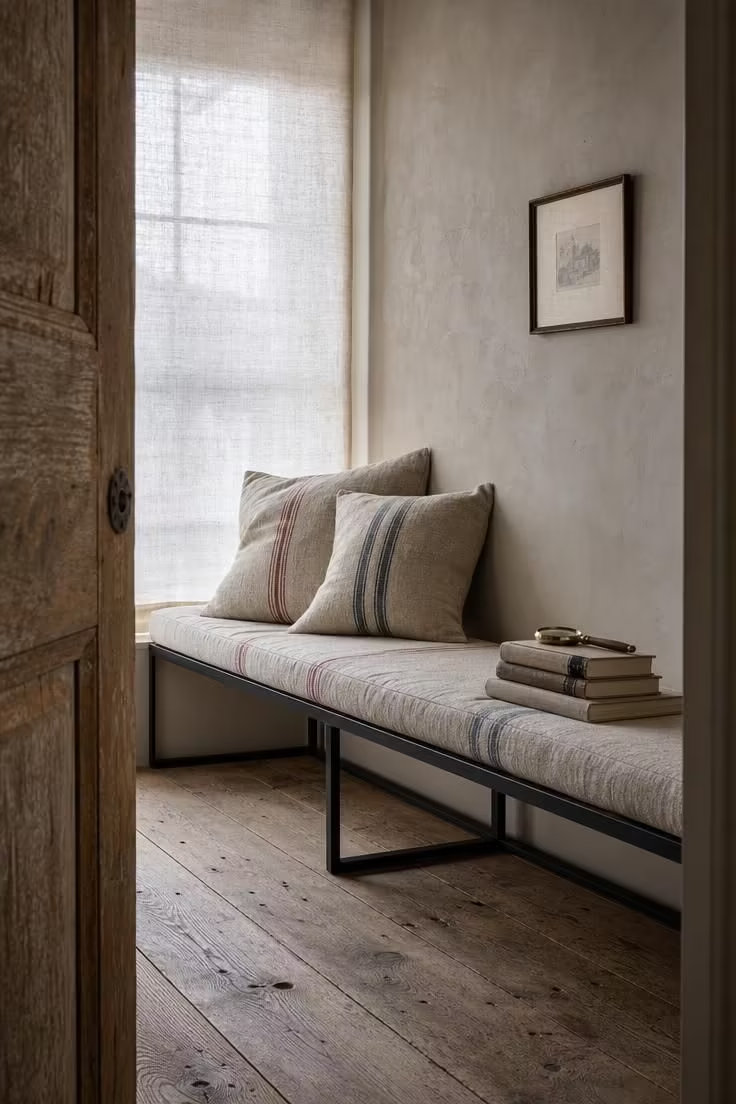
The contrast between cold welded steel and the softened threads of a century-old grain sack is what gives this bench its pull.
European grain sacks, originally used on farms to transport linen seed and flour, carry printed stripes and stampings in muted red, indigo, and ochre that no modern fabric can replicate.
Stretched over dense bench cushions, the fabric brings a textile history into the room that connects rural agriculture to the industrial rail system that moved those sacks across borders.
A welded flat-bar frame keeps the bench visually light, letting the fabric and the window behind it carry most of the presence.
Placing a few linen-bound books and a brass magnifying glass on the seat creates a vignette that suggests the bench is used for reading, not just sitting.
The lime-washed plaster wall behind it provides a neutral canvas that does not compete with the aged fabric.
Wide-plank reclaimed oak flooring beneath the bench adds grain texture at a different scale, creating a conversation between old wood and old cloth.
This seat works best in a hallway, a landing, or beside a bedroom window where someone can sit and look out, making it one of the quieter expressions of rustic industrial decor in a home.
Style Blueprint:
- Welded flat-bar steel bench frame in matte charcoal
- Antique European grain sack cushion covers with original striping
- Sheer linen window panel for diffused light
- Brass accent object (magnifying glass, small bowl, or letter opener)
- Wide-plank reclaimed oak flooring beneath
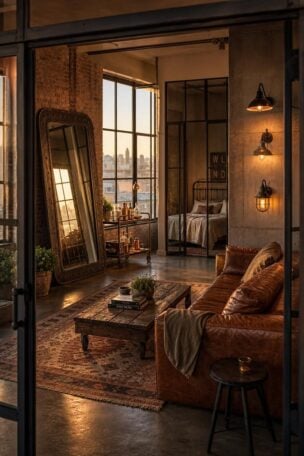
A Salvaged Barn Door Sliding on a Hammered Iron Track
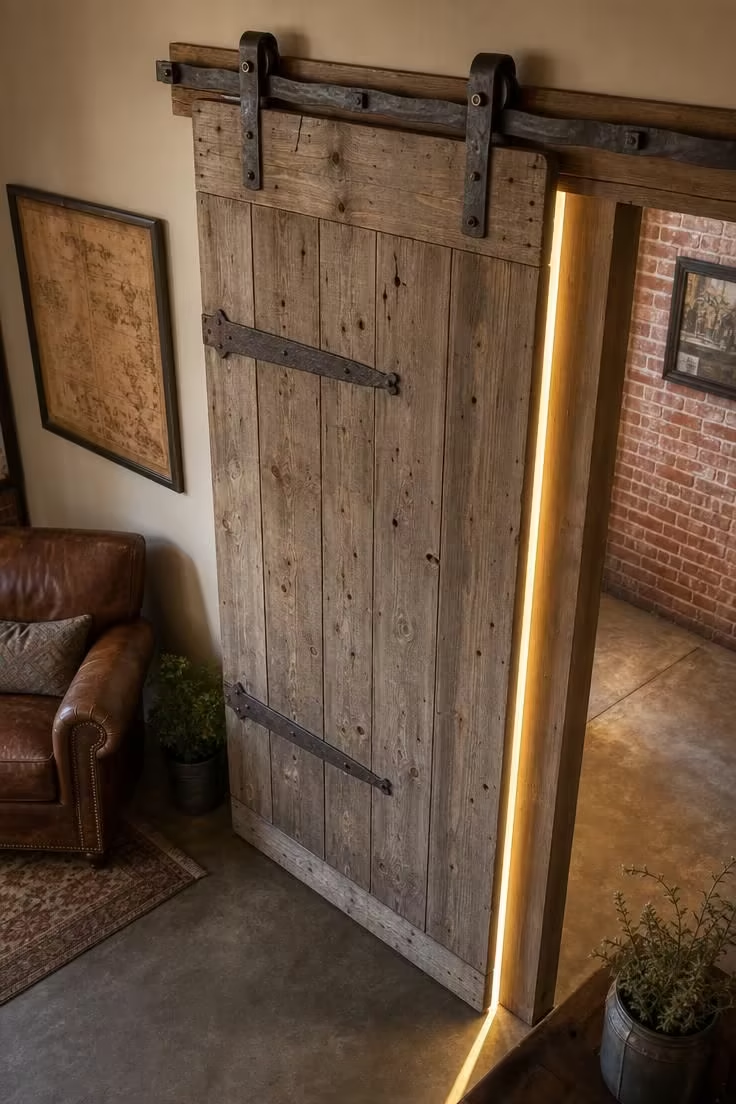
A full-size barn door mounted on a hammered iron track turns a simple room division into an architectural event.
The pine planks, weathered to a silver-brown finish with original nail scars, carry the memory of a structure that stood for decades before the wood found a second life indoors.
Keeping the original iron strap hinges bolted flat to the face of the door adds a layer of hardware history that reproduction barn doors never include.
The hammered iron track has a slight irregularity in the bar, a subtle wave that separates handwork from factory-made flat stock.
Steel rollers visible at the top of the door become decorative on their own, especially when the track sits a few inches below the ceiling line, turning rustic industrial decor hardware into a feature.
This door works best between a living area and a bedroom, where the exposed brick wall on one side and the leather chair on the other frame two different moods connected by rustic industrial decor.
Style Blueprint:
- Full-height salvaged pine barn door with original hardware
- Hammered iron sliding track with exposed steel rollers
- Original iron strap hinges left in place on door face
- Exposed brick wall on at least one side of the opening
- Concrete or stained wood floor beneath
Design Pro-Tip: When hanging a barn door on a sliding track, mount the track 2 to 4 inches below the ceiling rather than flush against it. That small gap of visible wall above the track gives the hardware room to breathe and prevents the door from looking like it was jammed into the space. The gap reads as intentional craftsmanship rather than a tight fit.
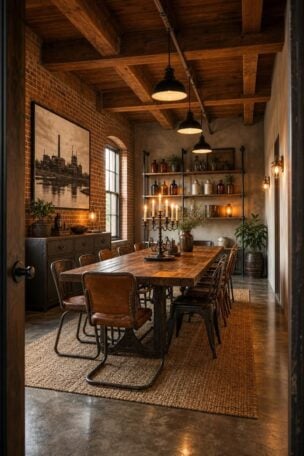
A Hand-Forged Iron Chandelier With Beeswax Taper Candles
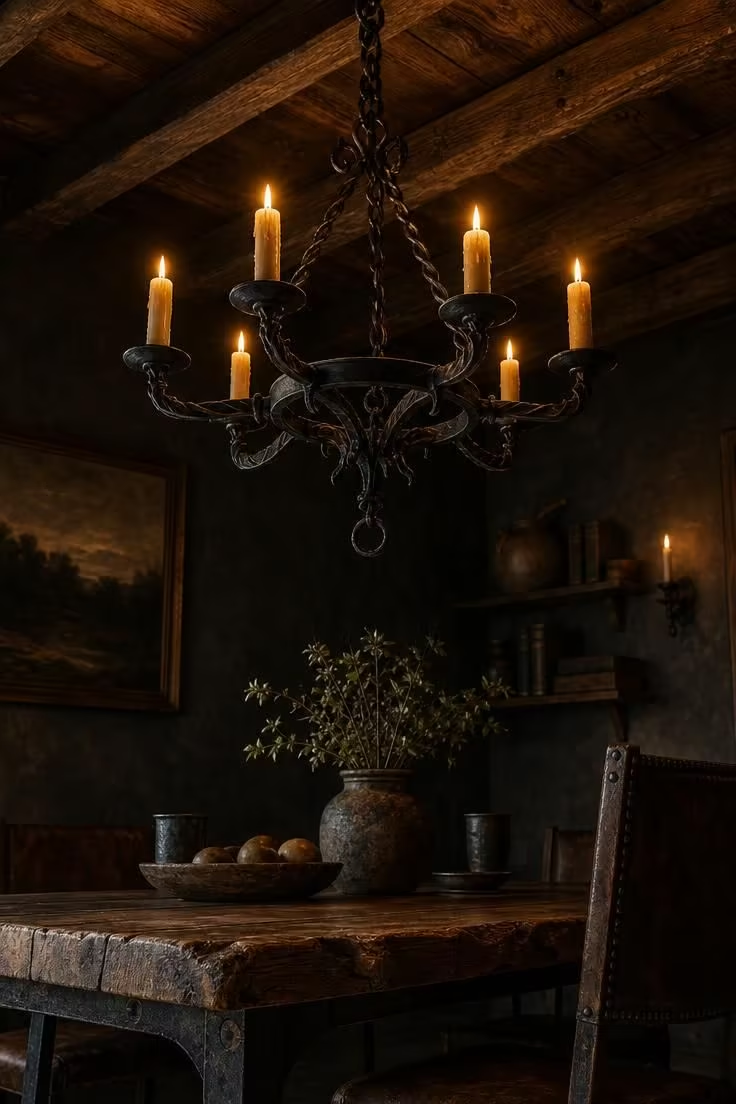
A hand-forged iron chandelier fitted with real beeswax tapers changes the entire atmosphere of a dining room in a way that electric fixtures cannot match.
The flicker of candlelight on twisted iron creates moving shadows on the ceiling and walls, giving the space a sense of life after dark that Edison bulb lighting, for all its charm, delivers more steadily and predictably.
Beeswax burns cleaner than paraffin and releases a faint honey scent that layers into the room without needing a separate diffuser.
The forging process leaves tool marks, slight asymmetries, and heat-colored streaks in the iron that mass production erases, making a hand-forged chandelier a centerpiece of rustic industrial decor.
Wrought iron accents in this style connect directly to blacksmith traditions that predate factory metalwork by centuries.
Six arms on a chandelier like this cast enough light for a quiet dinner, though wall-mounted sconces or a few low lamps in the corners help when brighter light is needed.
The exposed ceiling beams above the fixture create a frame that draws the eye upward and makes lower ceilings feel more deliberate.
Distressed leather furniture at the table, like a pair of worn dining chairs or a tufted leather host seat, continues the material story of things that age well.
For rooms where open flame is not practical, fitting the chandelier with small LED taper candles that mimic a real flicker offers a safer compromise without losing the silhouette.
Style Blueprint:
- Hand-forged iron chandelier with six to eight arms
- Beeswax taper candles in natural ivory or cream
- Dark-stained exposed ceiling beams
- Reclaimed elm or oak slab dining table on iron legs
- Distressed leather dining chair or host seat
Rustic Industrial Decor on a Railroad Tie Accent Wall
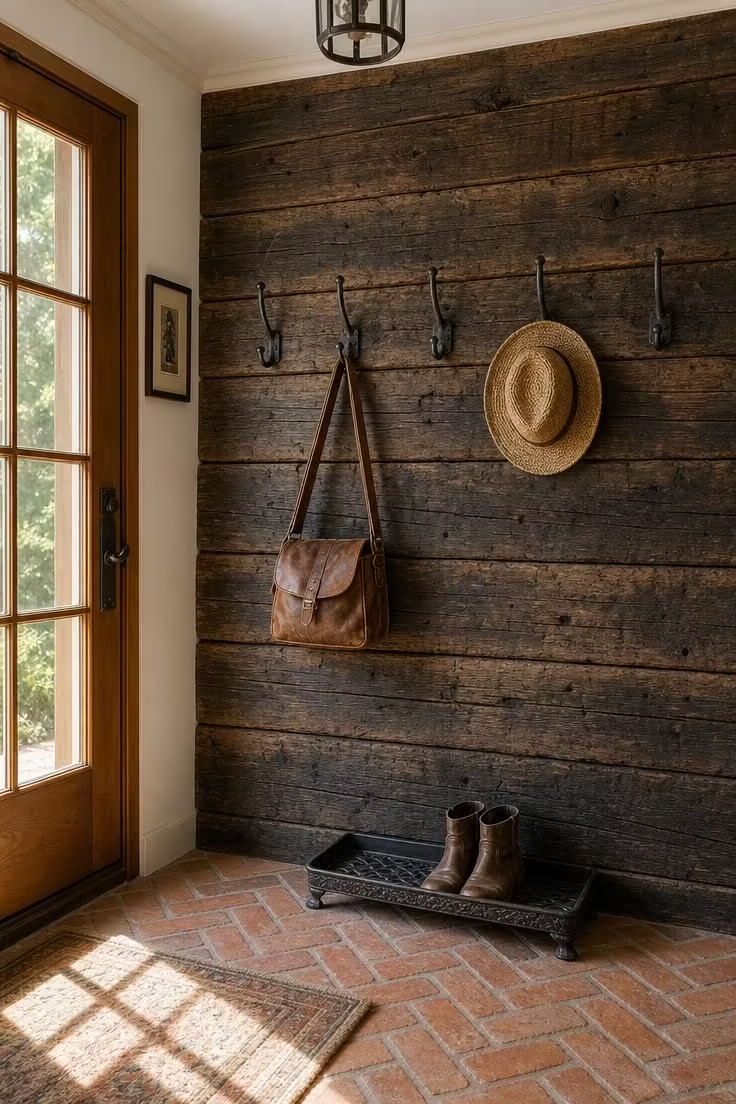
Sections of old railroad ties mounted horizontally to a wall create a surface with more depth, color variation, and texture than any planked accent wall.
Each tie carries decades of weather, creosote penetration, and compression marks from the rails that once sat on top of it.
The darkness of the wood contrasts sharply with lighter plaster or drywall around it, which makes the rustic industrial decor read as a deliberate statement rather than a background.
Hand-forged iron coat hooks driven into the ties at even intervals give the entry a purpose beyond decoration.
Hanging a worn leather bag and a straw hat on the hooks adds the suggestion that someone just walked in, which makes the space feel lived-in rather than staged.
A herringbone brick floor beneath the wall adds a second layer of rustic material without introducing any competing colors.
An iron boot tray at the base completes the entry with vintage factory decor function, catching dirt and rain before it reaches the rest of the house.
Style Blueprint:
- Reclaimed railroad tie sections, sealed with a matte penetrating finish
- Hand-forged iron coat hooks, five to seven per wall section
- Herringbone brick or reclaimed brick-tile flooring
- Iron boot tray at wall base
- One leather bag and one straw hat as permanent hooks styling
An Aged Copper Apothecary Cabinet on Caster Wheels
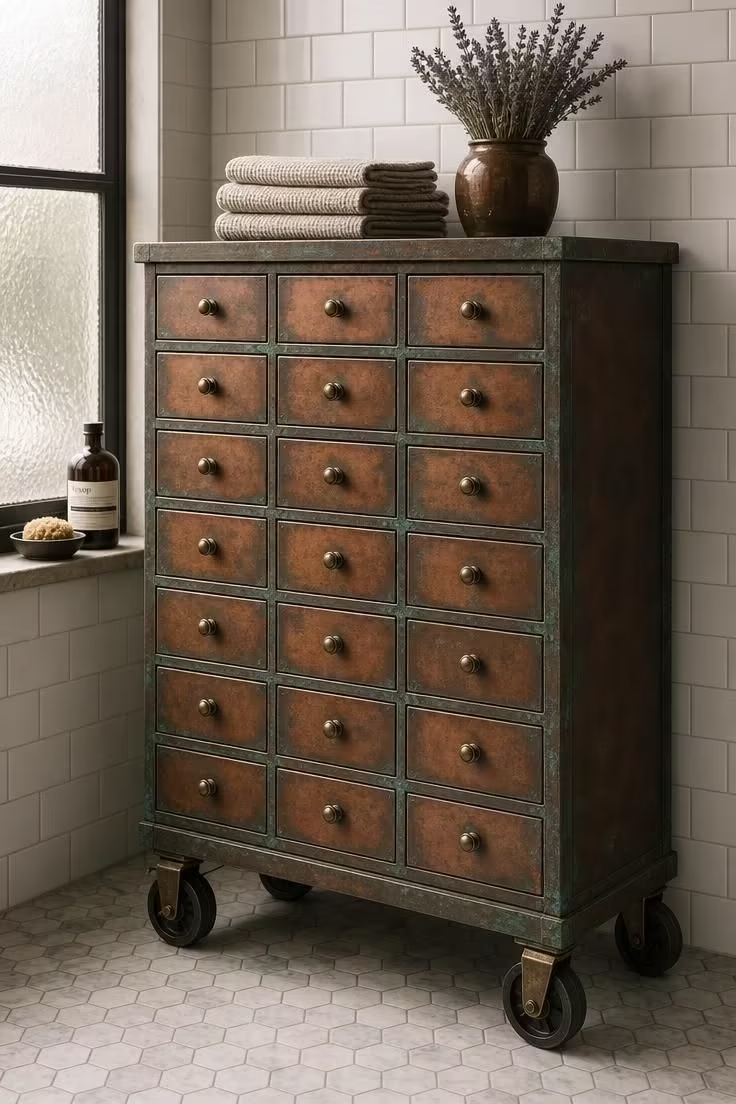
An apothecary cabinet in an aged copper finish brings the warmth of a metallic surface without the shine that chrome or polished brass would introduce.
The green-tinged patina developing at the edges and corners is the same oxidation process that gives old rooftops and gutters their color, and it reads as authentically weathered rather than artificially distressed.
Aged copper fixtures on the drawer pulls tie the hardware directly into the cabinet body, creating a unified material story from top to bottom.
Mounting the piece on heavy industrial casters means it can roll from a bathroom to a bedroom to a hallway whenever the room plan shifts.
A stack of folded linen towels on the top surface signals function, while a small vase of dried lavender softens the metallic presence.
Subway tile behind the cabinet in matte white lets the copper color come forward without competing tones in the background.
This style of rustic industrial decor works especially well in bathrooms and kitchens, where storage needs are high and counter space is limited.
Each drawer becomes a labeled compartment for small items, from cotton swabs and bandages to spice packets and tea bags.
Style Blueprint:
- Multi-drawer apothecary cabinet in aged copper finish
- Heavy-duty industrial caster wheels with brass fittings
- Small brass drawer pulls with darkened patina
- Matte white subway tile backdrop
- Linen towels and dried lavender on cabinet top
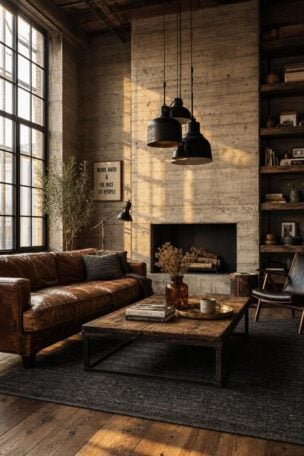
Rough-Hewn Pine Mantel Over a Riveted Steel Firebox
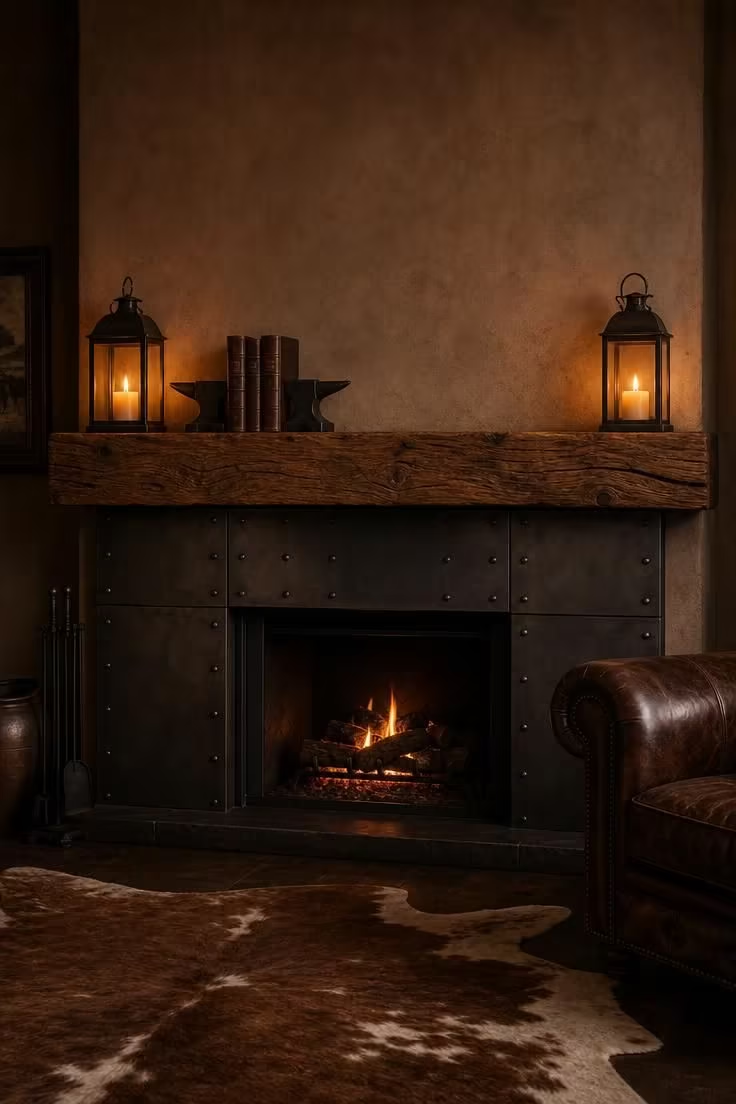
A thick pine beam left rough from the mill makes a mantel that refuses to blend into the wall.
The riveted steel panels surrounding the firebox below it carry the look of a boiler room or ship hull, bringing heavy rustic industrial decor presence to the most traditional feature in a home.
Iron lanterns on the mantel cast moving light across both the wood grain and the rivet heads, creating a layered texture that changes as the flames shift.
Industrial pendant lights in the room’s corners can supplement this glow when brighter illumination is necessary.
A cowhide rug on the floor in front of the hearth adds another organic material to the arrangement, grounding the hard steel and heavy wood with something soft underfoot.
Style Blueprint:
- Rough-hewn pine beam mantel, 6 to 8 inches thick
- Riveted steel panel firebox surround
- Iron lanterns for mantel lighting
- Cast iron bookends with leather-bound volumes
- Cowhide rug on the floor in front of the fireplace
Design Pro-Tip: When combining a heavy wood mantel with a steel firebox surround, leave the steel panels unfinished or sealed with only a clear matte coat. Paint or powder coating hides the welding seams and rivet textures that give the surround its character. The raw steel will darken gradually from heat exposure, adding a natural gradient that painted surfaces cannot replicate.
Stacked Stone Column Bases With a Thick Slab Wood Countertop
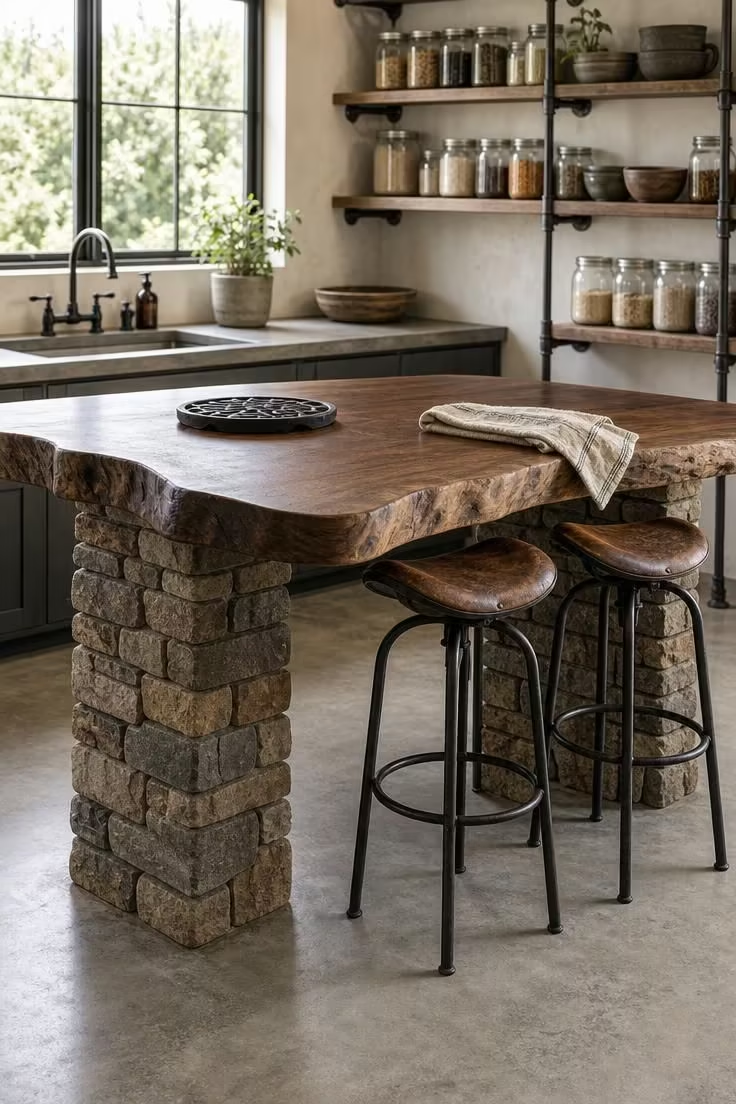
Fieldstone columns supporting a live-edge slab countertop bring geological weight into a kitchen that pipe legs or hairpin supports cannot provide.
The irregular shapes and tones of stacked stone, from pale limestone to iron-streaked sandstone, create a base that looks like it grew from the floor rather than being assembled on top of it.
A thick walnut slab with a live bark edge on the front provides a warm surface that softens the hard stone below and the steel stools pulled up against it.
Pipe shelving on the wall behind the island holds mason jars and stoneware in an open display that puts daily-use items within arm’s reach.
Bar stools in blackened steel with worn leather saddle seats continue the pairing of metal and hide that runs through every corner of this style.
Cast iron trivets and linen towels on the slab surface add function without cluttering the countertop.
This kind of rustic industrial decor anchors a kitchen around one commanding piece, letting the rest of the room stay simple and undecorated.
Style Blueprint:
- Stacked fieldstone column bases, two per island
- Thick live-edge walnut slab countertop
- Blackened steel bar stools with leather saddle seats
- Wall-mounted pipe shelving with mason jars
- Cast iron trivet and linen towels on the slab
A Blacksmith Anvil Side Table Beside a Distressed Leather Wing Chair
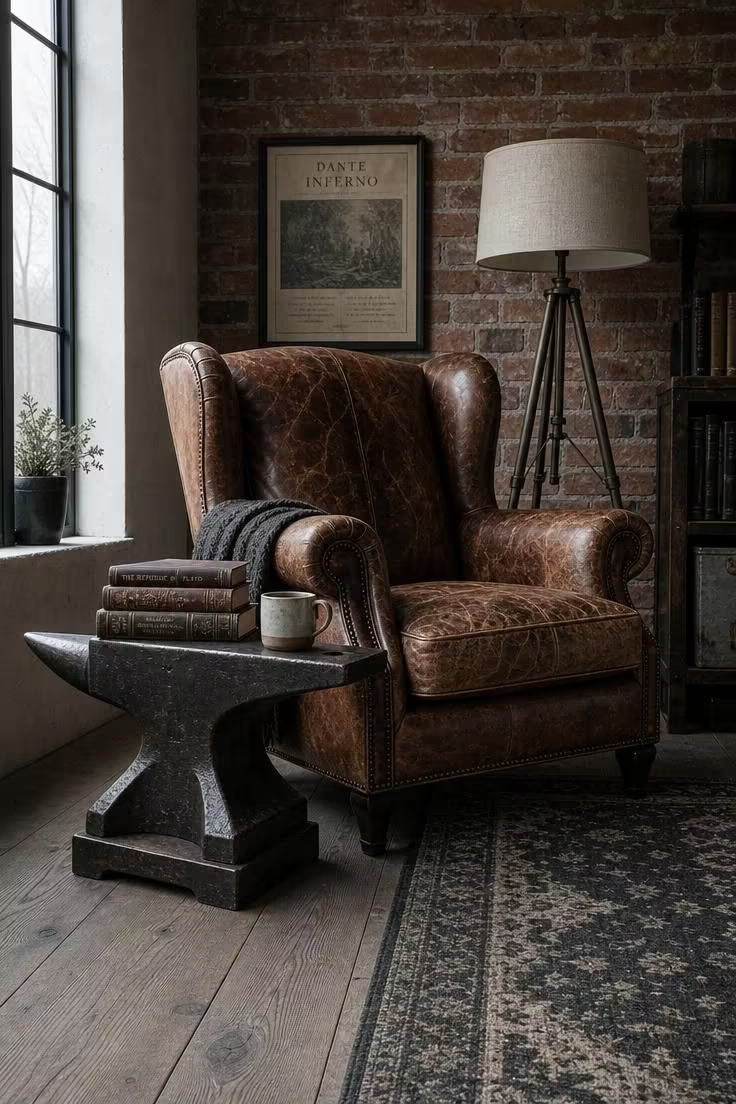
A blacksmith anvil weighing sixty to a hundred pounds will never tip, slide, or wobble, which makes it one of the most stable side tables you can own.
The flat horn and face of the anvil provide just enough surface for a mug, a small book, or a reading lamp, forcing a discipline of placement that larger tables do not require.
Sitting next to a distressed leather wing chair in deep cognac, the anvil creates a pairing of two objects that have been shaped by use rather than design committees.
An exposed brick wall behind the chair adds a third material from the same rough family, tying the corner together without needing any framed art or shelf decor.
A steel tripod floor lamp behind the chair brings in one more metal element and provides reading light from behind the shoulder.
This is rustic industrial decor at its most direct, where the object is exactly what it was made to be, just placed in a different room.
Style Blueprint:
- Vintage blacksmith anvil, cleaned and sealed with paste wax
- Distressed leather wing chair in cognac or saddle brown
- Steel tripod floor lamp with linen shade
- Leather-bound books stacked on the anvil face
- Faded wool runner in charcoal and cream tones
Design Pro-Tip: When repurposing a blacksmith anvil as a side table, seal the surface with a thin coat of paste wax rather than paint or lacquer. The wax protects against rust and condensation rings from cold drinks while letting the original forge color and hammer dents remain fully visible. Reapply the wax once a year to maintain the finish without building up layers.
Bringing Rustic Industrial Decor Into Your Own Rooms
Every idea on this list starts with a single honest material, a cedar beam, a zinc tabletop, a forged iron chandelier, a railroad tie, an old anvil.
Rustic industrial decor succeeds when the materials carry real history or real handwork, not when they mimic it through printed veneers or spray-on patinas.
Start with one anchor piece from these ideas and let the rest of the room develop around it over time.
Source from salvage yards, blacksmith shops, and farm auctions where the pieces come with built-in character.
The rooms that feel most complete in this style are the ones that look like they were gathered slowly, not designed all at once.