This post may contain affiliate links. If you make a purchase through these links, we may earn a commission at no additional cost to you.
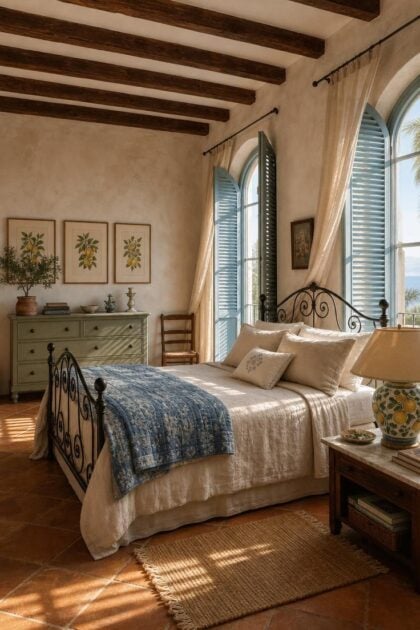
There is a quiet rhythm to an Italian summer bedroom that no thermostat or app can replicate.
Tile floors stay cool against bare feet at dawn.
Shutters fold closed by midday and crack open again at dusk, dragging shadows across the wall in stripes of cobalt and chalk.
Sheets carry the salt of a sea breeze that came in overnight through an unlatched window.
These eleven Italian summer bedroom ideas pull from real homes along the Amalfi coast bedroom tradition, Tuscan farmhouse interiors, and the white trulli of Puglia, gathered so you can layer them in slowly rather than copy a single mood board.
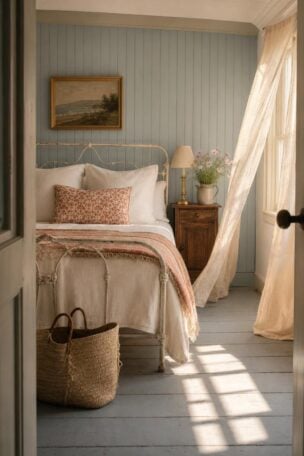
A Wrought Iron Bed Frame Against Limewashed Plaster Walls
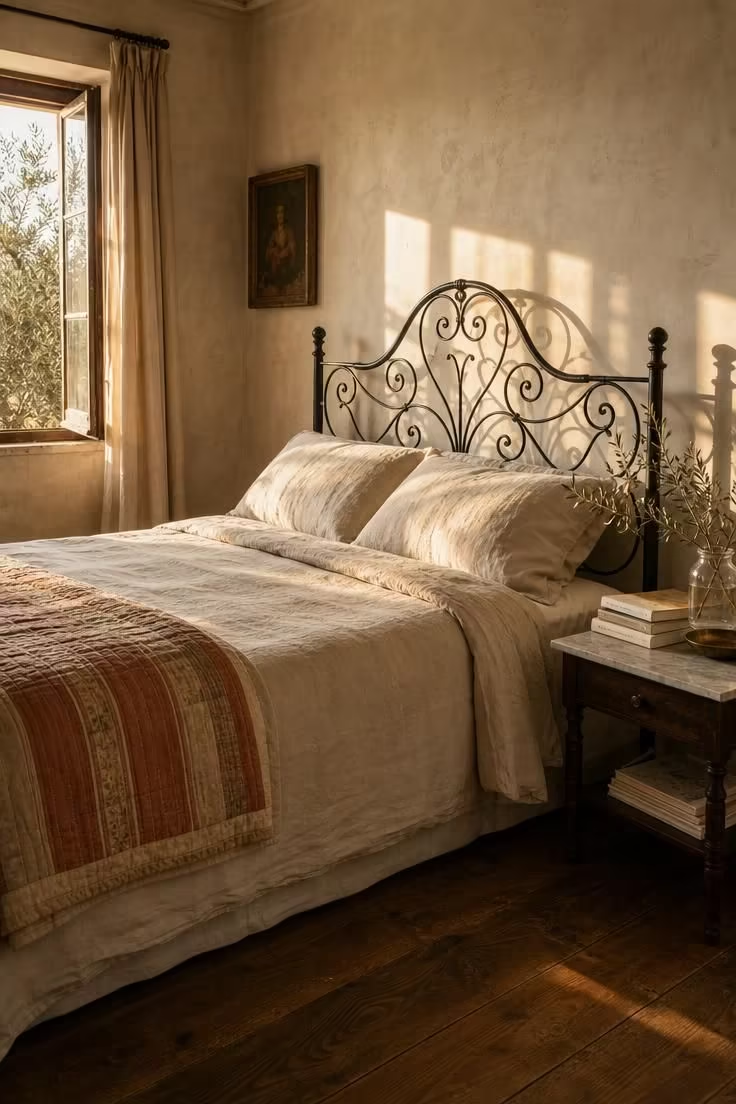
A wrought iron bed frame earns its place in a summer room because it holds almost no heat.
The metal stays cool through August, and the open silhouette lets air circulate where a heavy upholstered headboard would trap it.
Iron also reads visually light against limewashed walls, so the room never feels crowded even when the bed is generous.
The patina matters more than the polish here, with aged bronze and matte black both reading more Italian than a glossy new finish.
Brushwork in the limewash catches sun differently through the day, shifting from cream at dawn to honey at six and dusty rose at sunset.
That gentle color drift is the room’s clock.
A scrollwork headboard throws curling shadows onto the wall in late light, decorating the plaster for free.
Style Blueprint:
- A black or aged bronze wrought iron bed frame with curled or paneled headboard
- Limewashed or marmorino plaster walls in a warm ivory or oyster tone
- An oiled chestnut or wide-plank oak floor with no carpet
- A single folded antique quilt at the foot in a faded earth tone
- One marble-topped nightstand with a clear glass vessel for fresh greenery
Linen Sheets in Oyster Cream Layered Over an Antique Quilt
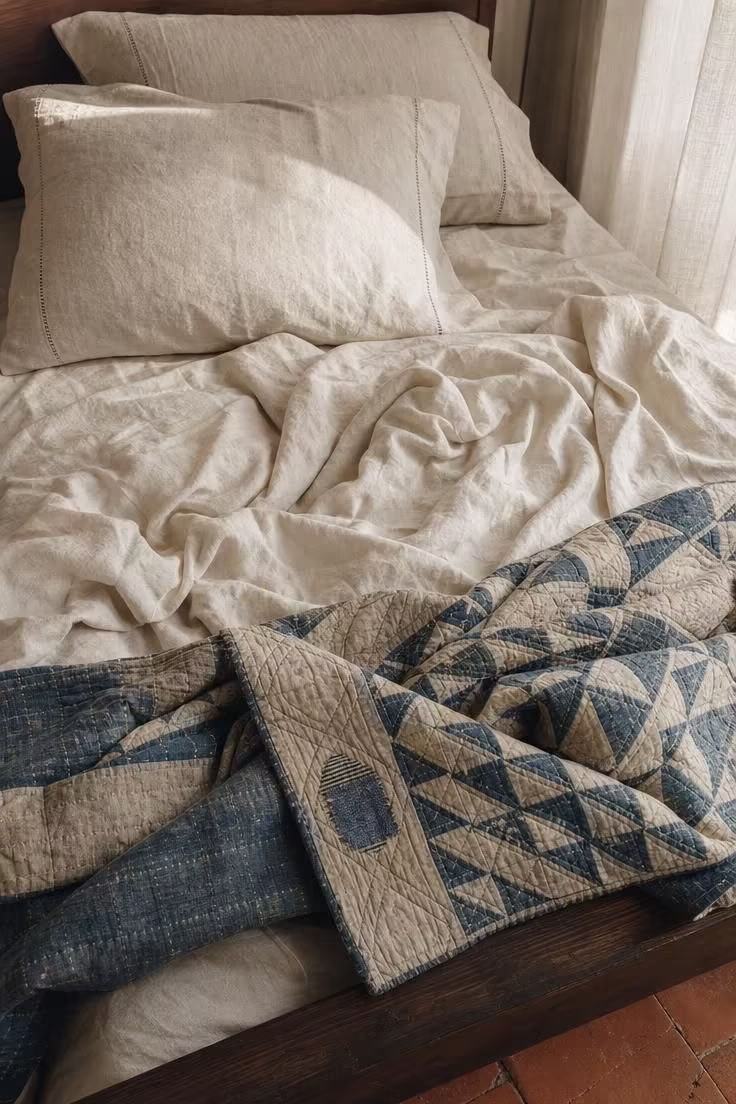
Linen bedding is the textile spine of any Mediterranean bedroom decor.
It wrinkles on purpose, breathes through humid August nights, and gets softer for the next thirty years rather than wearing out.
Oyster cream sits more gently in an Italian summer bedroom than stark white, picking up the warmth of plaster and tile rather than fighting them.
The antique quilt is the part most people skip, and the part that gives the room its memory.
Look for one with visible repair, faded stripes, or a hand-quilted pattern in indigo, terracotta, or oat.
Fold it loose at the foot of the bed instead of pulling it tight, and stack pillows in slightly uneven heights so the bed reads made but not staged.
Pale Blue Louvered Shutters Half-Closed at Midday
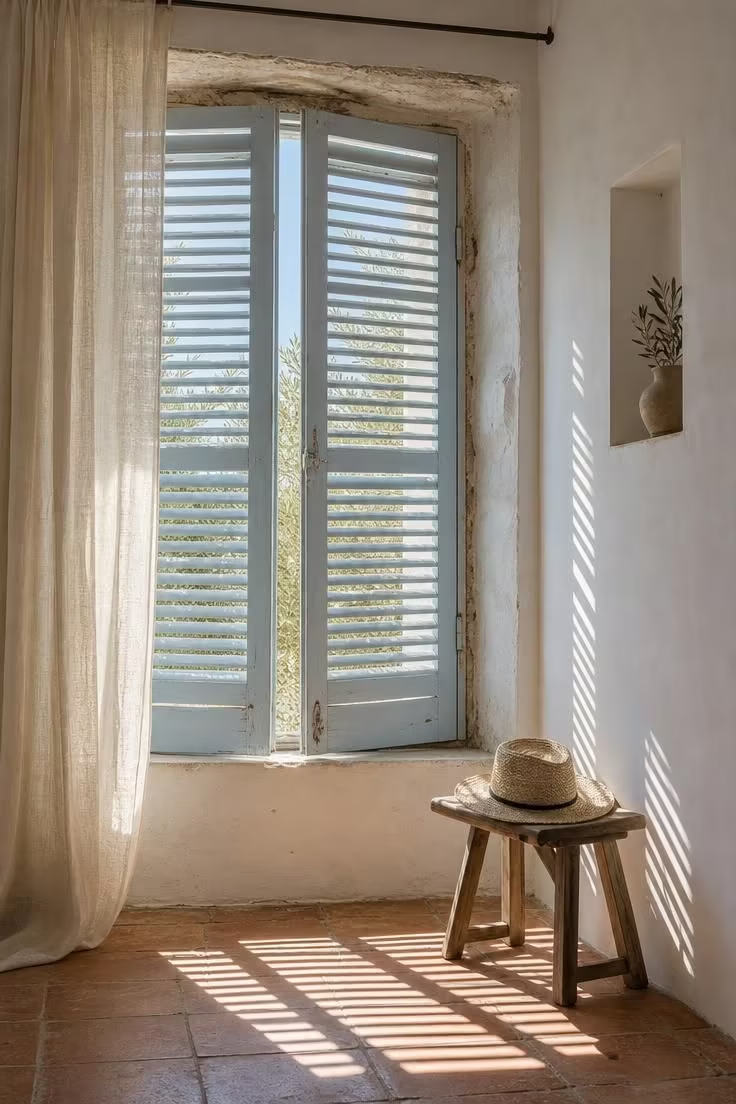
A wooden shutter in an Italian summer bedroom is not a privacy device.
It is a light dial.
You crack it open by an inch in the morning to let in pale air, angle the louvers down at noon to block the worst sun while keeping a breeze, and throw both panels wide at six when the heat finally breaks.
Faded blue is the most common paint color, pulled from sky and sea, though sage green and dusty white are also true to coastal Italian villa tradition.
If your windows do not allow exterior shutters, interior louvered panels in unfinished pine or pre-painted poplar give the same effect at a tenth of the cost.
Pair them with a sheer linen curtain for double-layered light control.
The shadow patterns the louvers throw onto a tile floor are part of the design.
A little wood swelling in humidity is the price of admission, and it is worth it.
Cotto Tile Floors with a Woven Jute Runner Beside the Bed
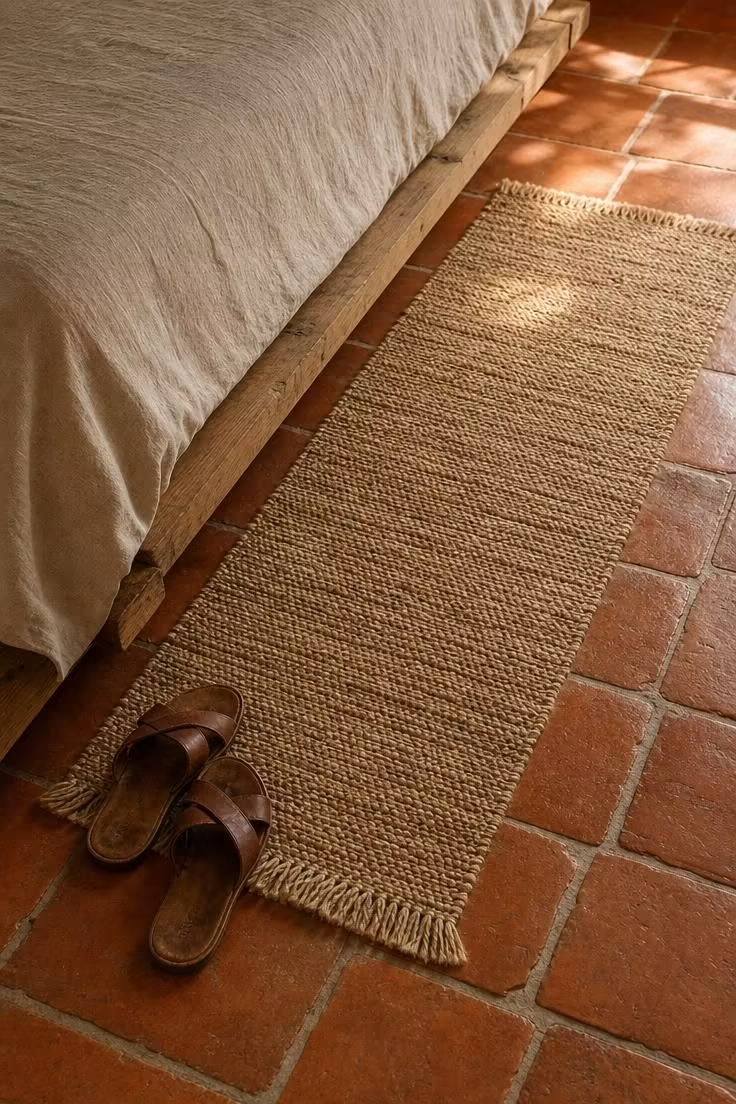
The terracotta tile floor is the underrated hero of an Italian bedroom.
It stays cool from the first step of the day until late afternoon, which is a real physical relief in a Mediterranean summer.
Wall-to-wall carpet does the opposite, holding heat and breaking the visual line of the room.
A small woven jute or sisal runner placed only on the side you actually step out from gives you a soft landing without burying the floor.
The texture contrast between glazed clay and rough plant fiber is half the appeal.
Reclaimed cotto from architectural salvage yards is the gold standard, but unglazed terracotta-look porcelain has gotten close enough to fool most photographs.
Seal and wax it once a year for a deeper, ruddier glow rather than a glossy plastic shine.
Design Pro-Tip: Do not cover an Italian tile floor with a large rug. The visible tile pattern is part of the architecture, and a rug that hides more than thirty percent of the floor breaks the room’s connection to the building it sits inside. Smaller is better. One runner beside the bed, maybe one small rug at a reading chair, and stop there.
A Carved Chestnut Armadio in Place of a Closet
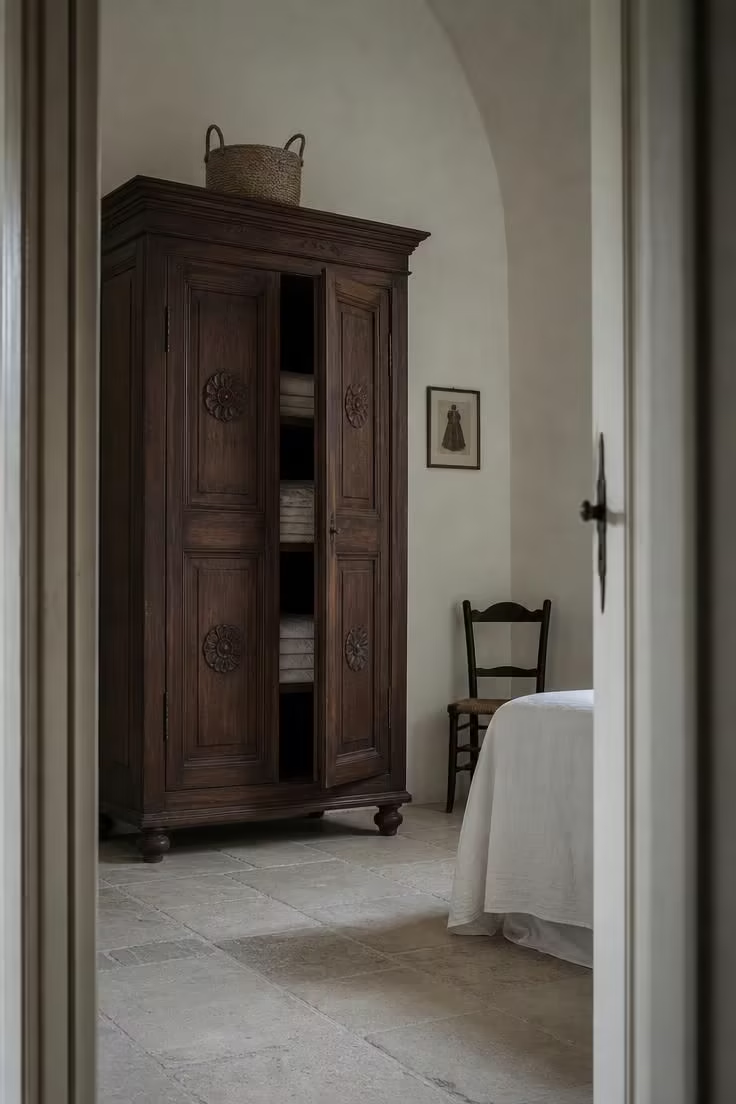
The armadio is the Italian answer to a closet, and it is a much better answer.
A freestanding carved wardrobe stands as a piece of furniture in its own right, anchoring a wall the way a bookcase or a fireplace would.
Antique chestnut, walnut, or oak versions show up regularly at European flea markets and estate sales, and shipping one across an ocean is cheaper than most built-in closet renovations.
Inside, fold linen rather than hang it, leaving one slim section for a single linen suit or summer dress.
A small woven basket on top adds height and a textural break against the wood.
Skip the urge to fill the room with smaller dressers around it, because the armadio’s job is to do all the visual work alone.
Hand-Painted Vietri Ceramic Lamps on Marble-Topped Nightstands
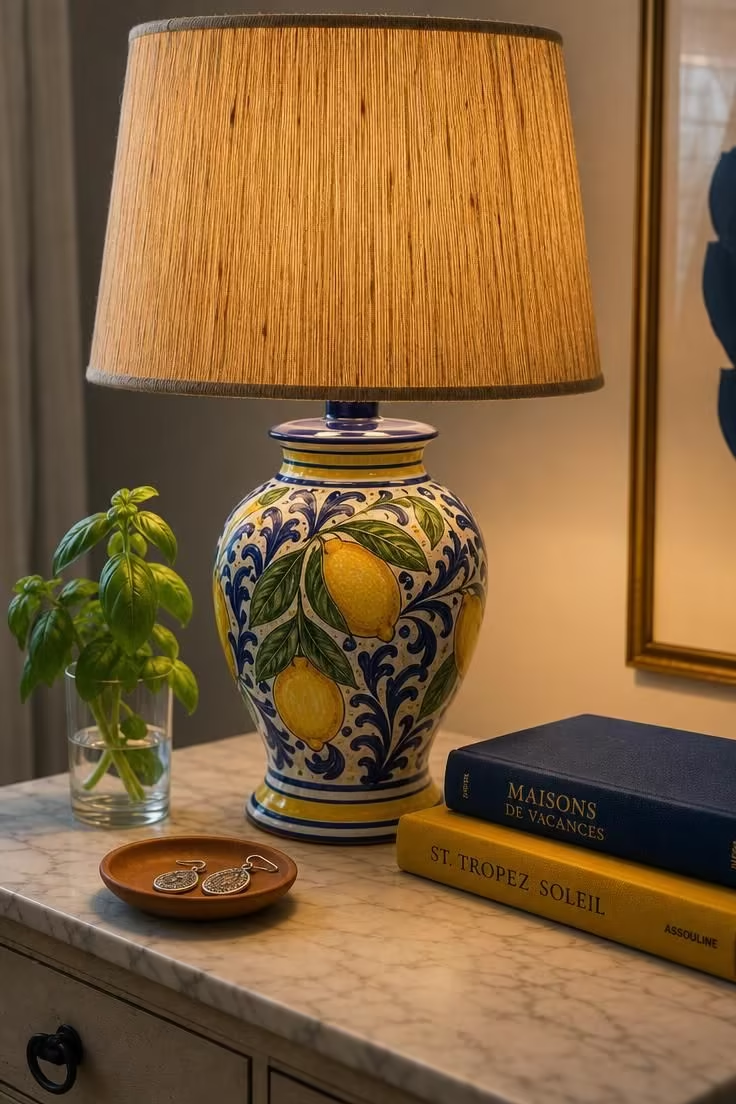
A hand-painted ceramic lamp is the quickest way to bring real Italian craft into a bedroom.
Vietri ceramics, made along the Amalfi coast since the eighteenth century, carry instantly recognizable motifs of lemons, fish, olives, and grapevines painted by hand on a cream-glazed body.
Reproductions sit at every price point, with antique pieces costing what you would expect and contemporary ones running thirty to two hundred dollars depending on the maker.
Pair them with marble nightstands in Carrara, travertine, or local limestone for a contrast of cool stone and warm clay.
Topping the lamp with a natural raffia drum shade or a pleated cream linen shade keeps the focus on the painted ceramic body.
Asymmetry helps the room: one Vietri lamp on the left nightstand, a different ceramic table lamp on the right.
Bulb temperature matters more than most people realize, with anything cooler than 2700 Kelvin reading wrong against the warm clay glaze.
Install a dimmer on the wall switch and you can drop the room from reading-bright to candlelit in one motion.
Exposed Chestnut Ceiling Beams Above a White Plaster Bed Wall
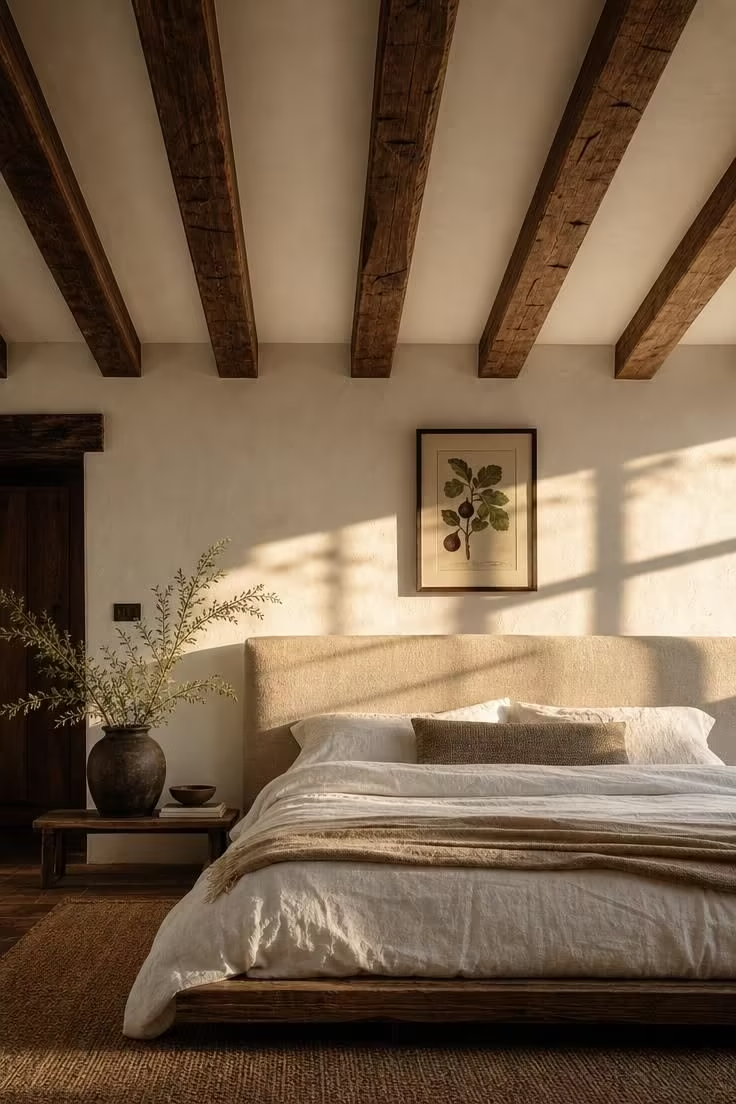
Exposed beams are the architectural signature of Tuscan style bedroom design.
Real beams in chestnut, oak, or cypress carry centuries of toolmarks, knots, and small cracks that catch shadow in a way no faux beam ever quite does.
For a modern home without original timber, hollow polyurethane beams have improved enormously and read convincingly when stained with a hand-rubbed dark walnut oil rather than left in their default factory finish.
A single statement beam running across a smooth white ceiling reads more Italian than a full grid of small beams.
The warm wood reading against cool plaster is the entire visual idea: contrast, weight, and a sense of the building’s age made visible.
Lighting that grazes along the beams from below picks up their texture, while overhead lighting flattens them and should be avoided.
Pay attention to proportion: low ceilings benefit from a single shallow beam, while taller rooms can carry deeper structural ones.
A Wrought Iron Scrollwork Chandelier with Beeswax Candle Sleeves
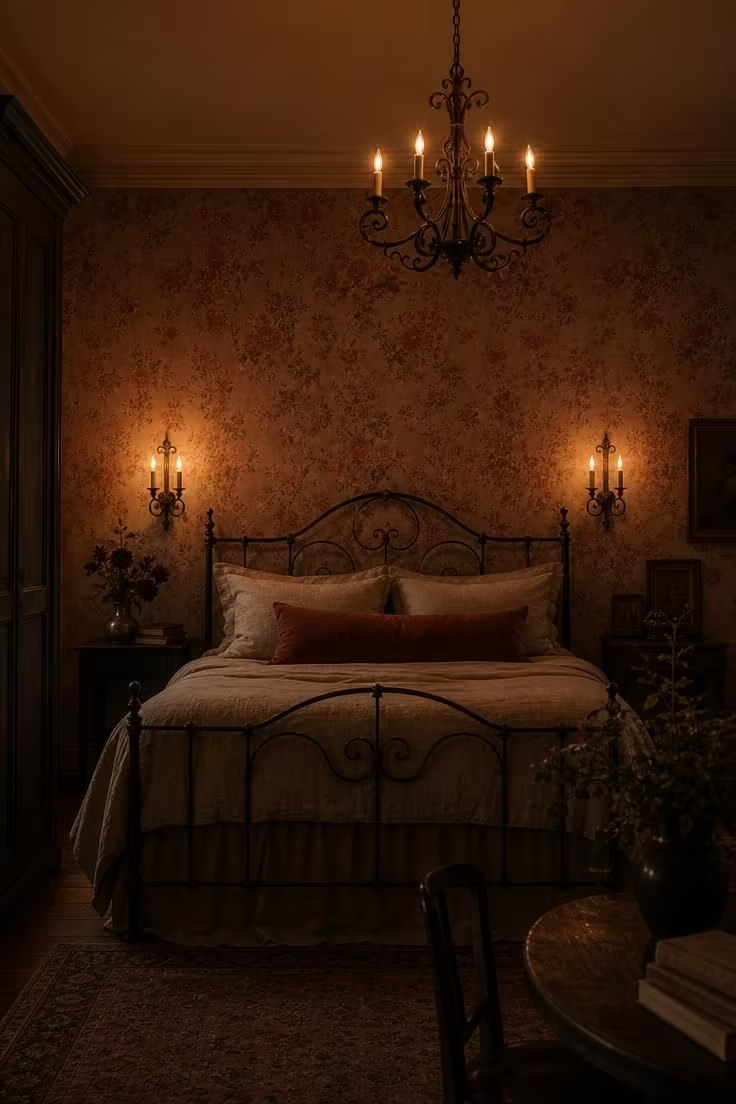
A chandelier in a bedroom is one of those Italian moves that feels indulgent and turns out to be practical.
The fixture pushes light up and out instead of straight down, painting the ceiling and walls rather than spotlighting the bed.
Iron scrollwork in black, aged bronze, or hand-wrought rust reads more rustic Tuscan than crystal-and-brass formal.
Wax candle sleeves with small flame-bulb LEDs let you keep the look of taper candles with none of the open flame, which matters in a room where you sleep.
Sizing tends to skew small, because a large chandelier feels wrong in an intimate room, and hanging it lower than instinct tells you (around thirty inches below the ceiling, or above bed height but well below standing head clearance) makes the light pool right.
Centering above the bed reads formal, while offsetting it to one side of the room reads more honest, more lived-in.
The shadow the fixture casts on a plaster ceiling becomes a slow-moving decoration through the evening.
Pair the chandelier with low table lamps so the room has at least two heights of light, never a single overhead source dictating the mood.
A small dimmer on each fixture is the difference between an Italian bedroom and a hotel room.
Striped Tuscan Bedding in White and Burnt Sienna
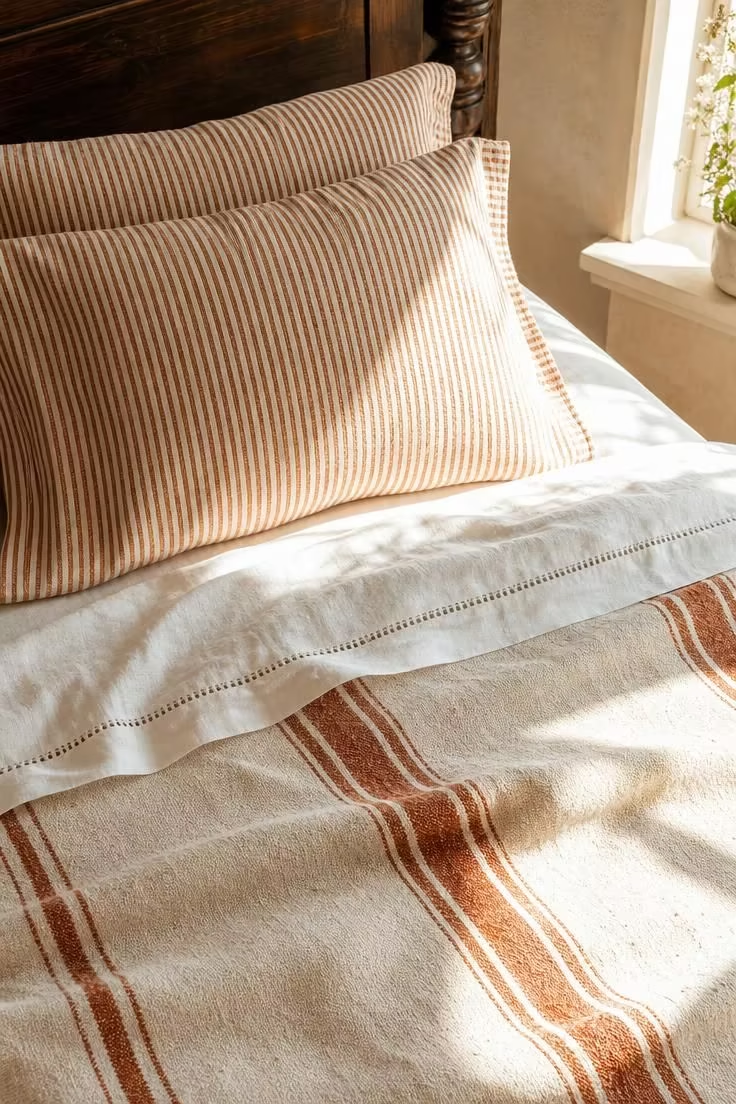
Striped Tuscan bedding has roots in old mattress ticking and grain-sack textiles, both originally workhorse fabrics that became decorative by accident.
Ivory and burnt sienna is the most quintessentially Italian combination, though cream and indigo or oat and ochre work just as well in different palettes.
Stripes belong on a single set of pillow shams, a lumbar pillow, or a folded coverlet, not on every textile in the room.
A bed dressed in striped sheets, striped duvet, striped shams, and a striped throw reads themed rather than gathered.
Mixing stripe widths and directions across two or three pieces gives the bed visual rhythm without crossing into pattern overload.
Authentic Tuscan-woven textiles still come from a handful of small mills in central Italy and are worth the price difference over mass-produced lookalikes.
Design Pro-Tip: When mixing patterns in an Italian summer bedroom, the rule of three works in reverse. Use one strong pattern, one supporting texture, and let the rest of the room go solid. Striped bedding plus a single hand-painted ceramic lamp plus seven plain surfaces beats five layered patterns every time.
A Linen-Upholstered Reading Chair Beside an Arched Window
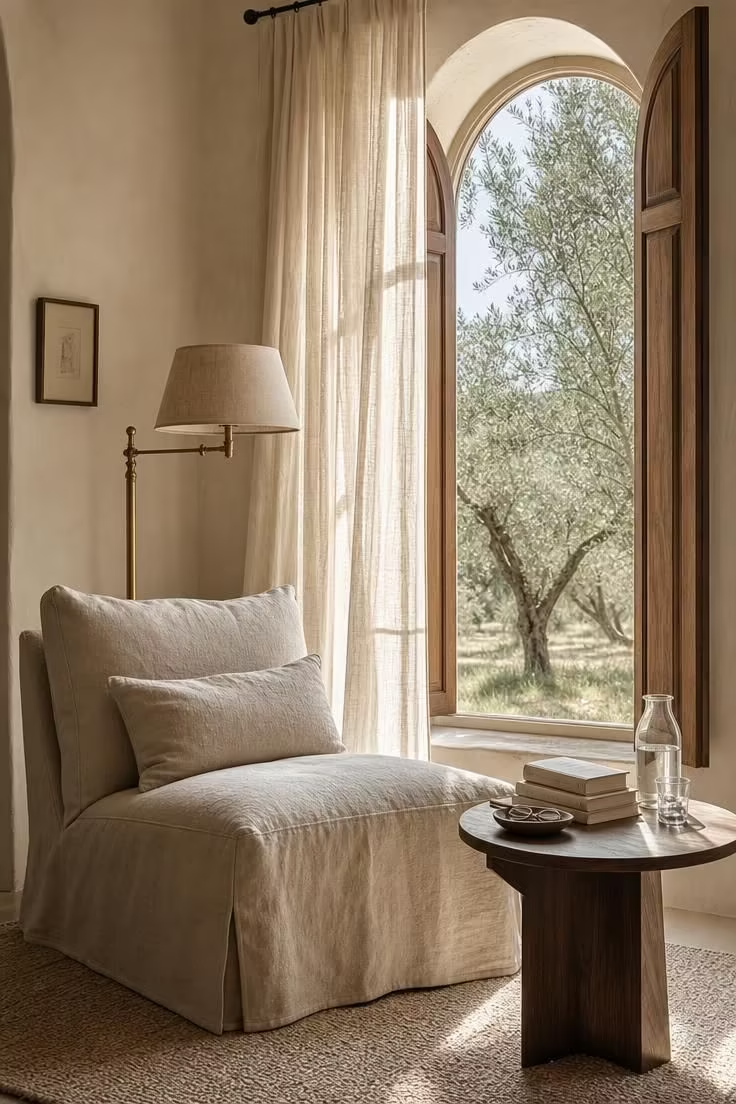
A single well-placed chair quietly changes how a bedroom functions.
It separates the bed from the rest of the room and gives you a place to drink morning coffee, read for an hour, or just sit while you decide whether to face the day.
A slipcovered chair in natural linen, oyster flax, or sage holds up to summer humidity in a way velvet and silk simply do not.
The slipcover matters: it comes off, it washes, it goes back on slightly rumpled, and that is the look.
Arched windows pair almost magically with curved chair profiles, with the two soft lines speaking to each other across the room.
A small dark walnut side table is enough, with a glass carafe, two or three books, and one small ceramic dish for whatever empties out of your pockets.
A brass or aged-iron floor lamp behind the chair gives you reading light without crowding the side table.
For smaller rooms, look for chairs under thirty inches wide so the room still reads spacious around the bed.
Framed Botanical Lemon Prints Above a Painted Sage Dresser
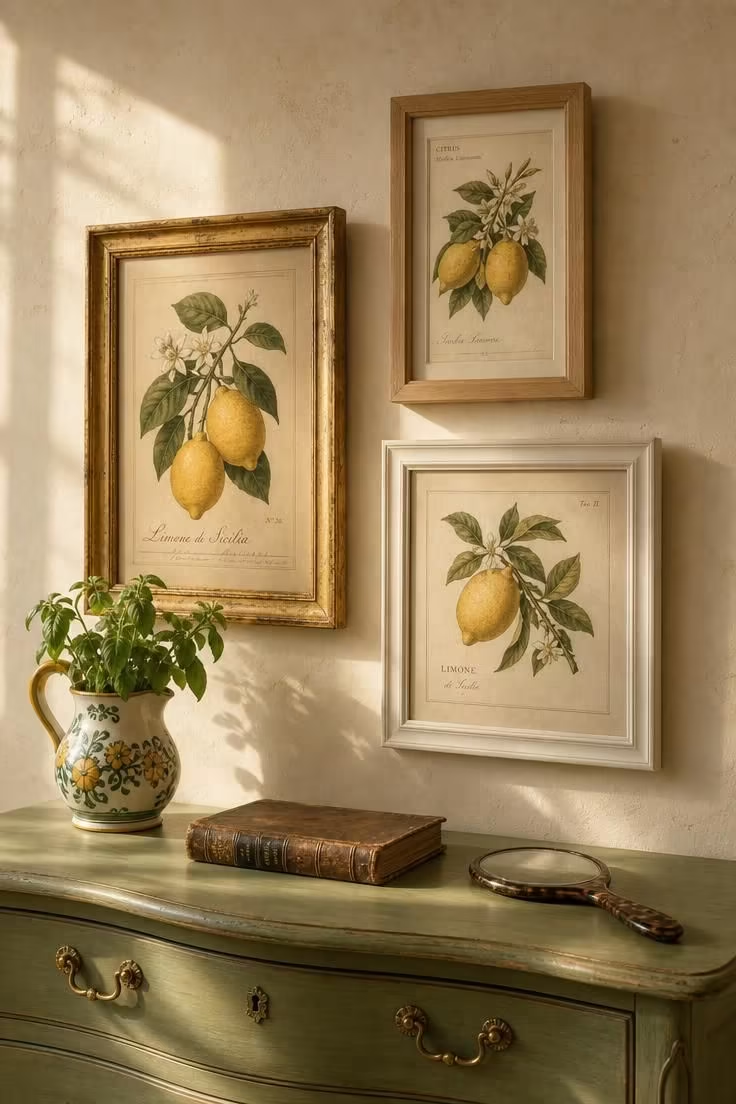
The lemon is the unofficial symbol of Italian summer, and a small cluster of framed botanical prints carries that whole feeling without a single fake fruit anywhere in the room.
Antique nineteenth-century botanical plates are the dream, but modern reproductions and even handmade gouache copies sit comfortably in this look.
Mixing frame finishes (distressed gilded gold, raw oak, painted matte white) reads more authentic than three matching frames in a row.
A painted sage-green or faded ochre dresser underneath gives the wall a quiet color anchor, with the painted finish softening the room more than raw wood would.
Skip the standard American art-hanging height of sixty inches and hang the cluster lower, with the bottom edge of the lowest frame about a foot above the dresser surface.
Italians hang art for the people sitting in the room, not for an empty gallery.
Vary the botanical subjects too: a lemon, an olive branch, a fig, a wildflower, so the cluster reads gathered rather than themed.
Conclusion
The Italian summer bedroom is built less from a shopping list than from a slower way of paying attention.
Light is the first design tool, not the last.
Texture matters more than color, and patina matters more than polish.
Pick three or four ideas from this list rather than all eleven, and live with them for a season before adding more.
The room you want already half-exists in the angle of the afternoon sun, the temperature of the tile under your feet, and the linen sheet that needs another wash before it gets soft enough.
Gather the rest the way the Italians do: one piece at a time, over years, with no particular hurry.