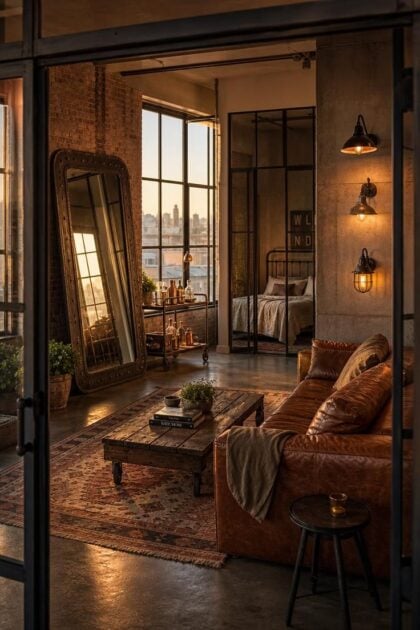
This post may contain affiliate links. If you make a booking or purchase through these links, we may earn a commission at no additional cost to you.
Industrial apartment decor works best when it stops trying to look like a showroom and starts feeling like a place where someone actually lives.
The raw materials are only half the equation: exposed brick walls, concrete floors, and blackened steel need soft counterparts to keep a room from feeling hollow.
These 13 ideas pair rough textures with layered comfort, giving you a starting point for rooms that have edge without sacrificing warmth.
Every piece here earns its place by doing two things at once: looking good and solving a real problem in your apartment layout.
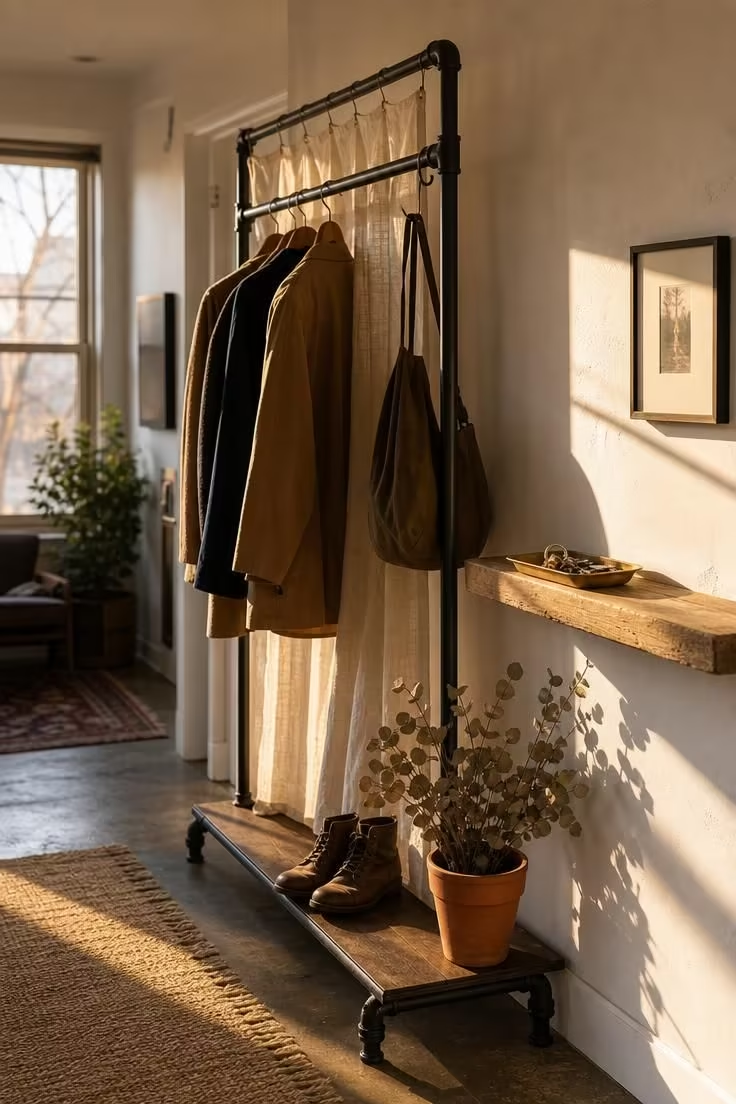
A Blackened Steel Clothing Rack With Linen Curtain Backing in the Entryway
Most entryways in apartments get treated as afterthoughts, a narrow strip of floor where shoes pile up and jackets drape over door handles.
A freestanding steel pipe rack changes that by giving the space a defined purpose and a visual anchor.
The linen curtain behind it is what separates this from a cold storage solution: it filters the view, hides clutter, and introduces a softness that raw pipe alone cannot deliver.
Positioning the rack against a plaster or painted brick wall creates contrast between the dark metal and the lighter surface behind the fabric.
The lower shelf doubles as a landing zone for shoes, keeping the floor clear and the entry walkable.
Adding a single small shelf above for keys and a wallet keeps daily essentials within reach without cluttering the rack itself.
This kind of industrial apartment decor solves a spatial problem and sets the tone for every room that follows.
Style Blueprint:
- Blackened steel pipe clothing rack (freestanding, with lower shelf)
- Natural linen curtain panel hung from the top rail
- Jute or sisal runner for the floor
- Brass or copper key tray on a wall-mounted reclaimed wood shelf
Polished Concrete Countertops Paired With a Walnut Butcher Block Island
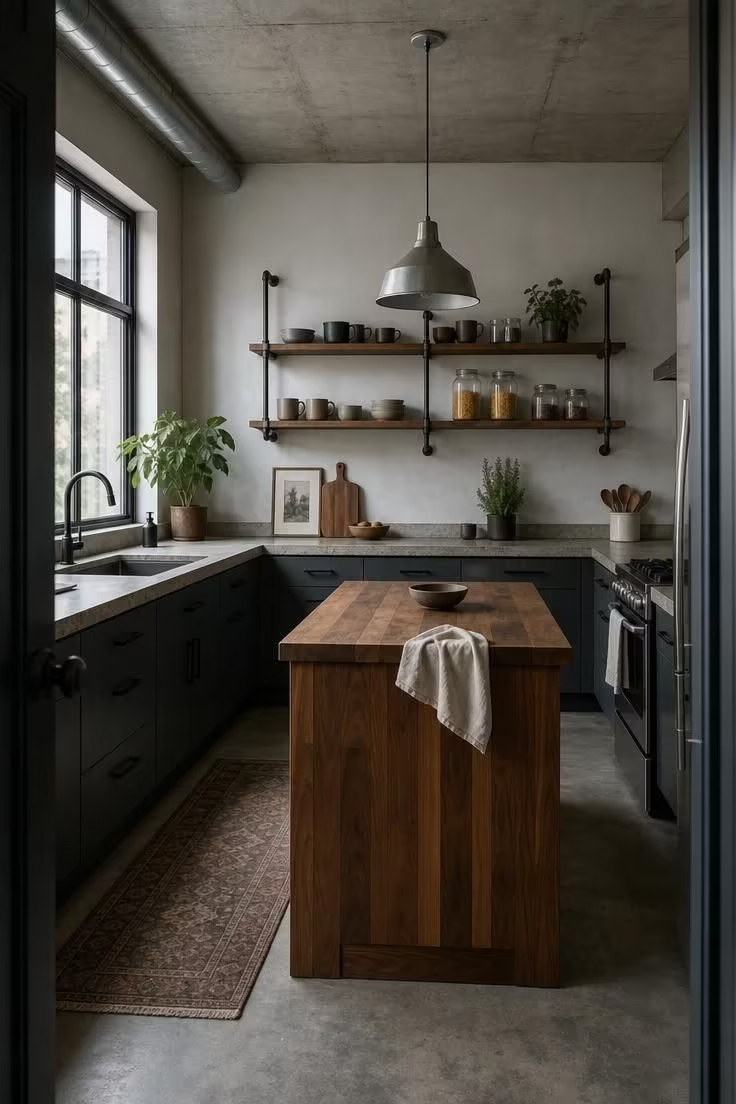
Two surface materials in one kitchen create a tension that keeps the eye moving, and concrete against walnut is one of the strongest pairings in industrial cooking spaces.
The concrete perimeter countertops handle heat, stains, and heavy use without complaint, aging into a surface that looks better the more it gets used.
Walnut on the island introduces a warmth that concrete alone cannot carry, pulling the kitchen away from feeling like a commercial prep area.
Matte black hardware on the lower cabinets ties the metal shelving to the cabinetry, giving the room a consistent material language.
Open shelving above the counter replaces upper cabinets, cutting visual weight and letting everyday objects serve as decoration.
Stoneware and glass containers on those shelves add texture without the fussiness of matched dinnerware sets.
The island itself works as a gathering point, a place to chop vegetables or lean against while coffee brews in the morning.
Keeping the pendant light simple, a single metal shade rather than a cluster, prevents the kitchen from competing with other rooms for attention.
Style Blueprint:
- Polished concrete countertops (sealed, with visible aggregate)
- Walnut butcher block kitchen island
- Matte black hardware pulls on lower cabinets
- Iron pipe open shelving with stoneware and glass jars
- Spun aluminum pendant light above the island
A Vintage Metal Locker Unit Repurposed as a Bedroom Wardrobe
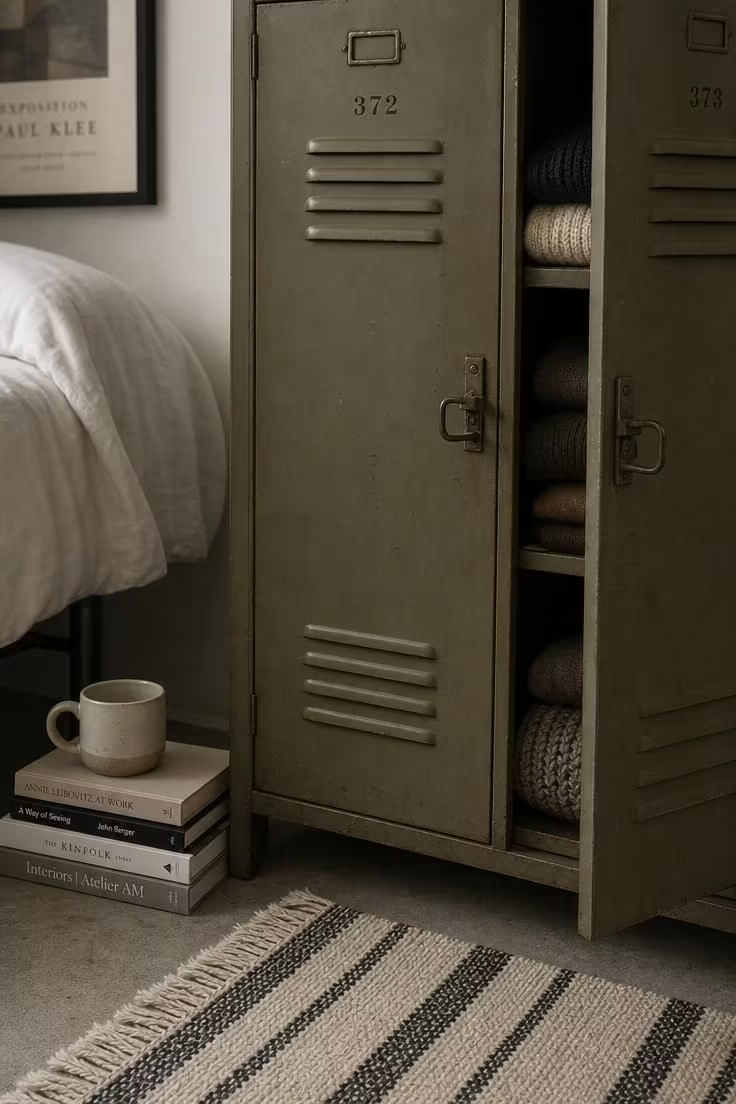
Salvaged factory lockers carry decades of wear that no reproduction can fake: the chipped paint, the dented corners, the stamped serial numbers that mark them as objects with a previous life.
Using one as a wardrobe adds storage without the bulk of a traditional armoire, and the vertical format fits apartments where floor space runs tight.
The interior can be customized with small hooks for scarves, a magnetic strip for jewelry, and a shelf insert for folded knitwear.
Leaving the exterior paint as-is, patina and all, gives the bedroom a collected quality that polished furniture cannot match.
A woven cotton rug underneath softens the footfall around the locker and draws a visual boundary for the dressing area.
This is industrial apartment decor at its most practical: a piece that stores, displays, and tells a story at the same time.
Style Blueprint:
- Salvaged double-wide metal locker (original paint finish)
- Interior shelf insert and magnetic strip for accessories
- Woven cotton area rug in a neutral palette
- Small stack of books or a ceramic vessel beside the unit
Exposed Copper Plumbing as a Design Feature in the Bathroom
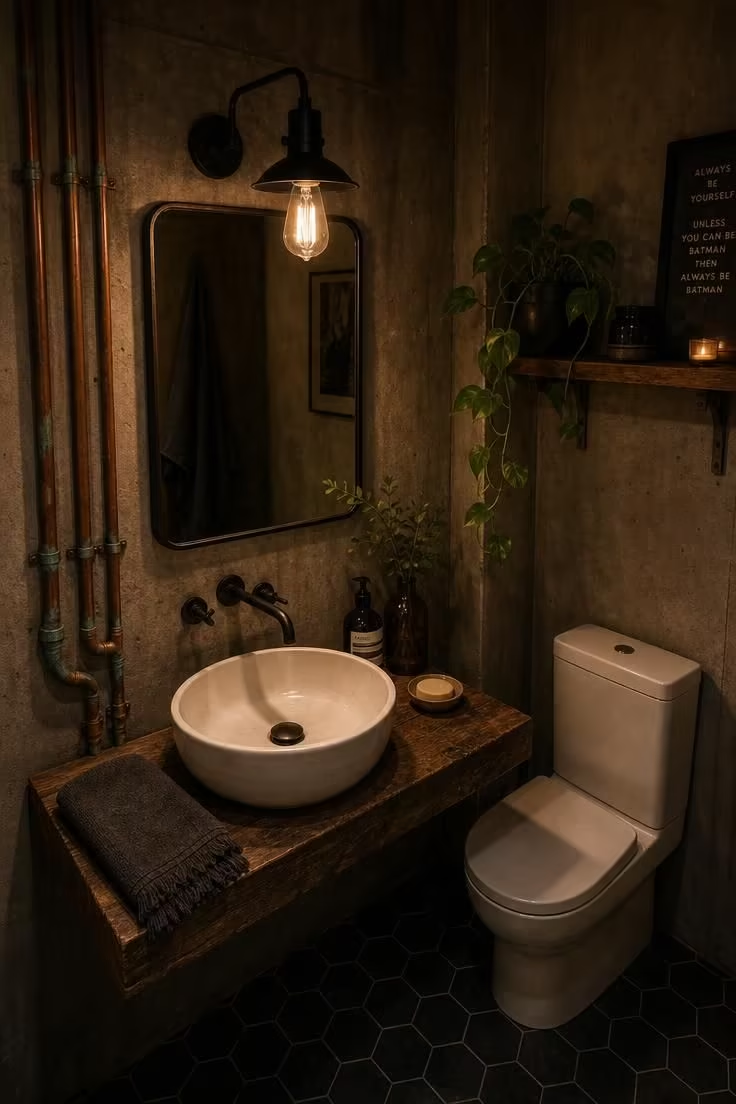
Copper pipes are usually something builders rush to hide behind drywall, but in a bathroom built around honest materials, they become a focal point.
The metal develops a living patina over months, shifting from bright penny tones to deep bronze-green, and that evolution gives the room a character that static finishes lack.
Running the supply lines along the surface of a concrete or tile wall turns functional plumbing into a vertical design element that draws the eye upward.
Pairing exposed copper with a reclaimed wood vanity introduces organic grain beside metallic sheen, two textures that balance each other without blending.
Edison bulb lighting on a simple iron bracket reinforces the utilitarian honesty of the space, casting warm directional light that flatters skin tones in the mirror.
A trailing pothos on a narrow shelf brings a living green element into a room dominated by hard surfaces, preventing the bathroom from feeling like a bunker.
Dark hexagonal floor tile grounds the room and provides slip resistance, a practical choice that happens to look right in this context.
The copper ages differently depending on humidity and use, meaning no two bathrooms with this treatment will ever look the same.
This approach to industrial apartment decor turns a small bathroom into something visitors remember long after they leave.
Design Pro-Tip: When leaving plumbing exposed, apply a clear matte sealant to the copper if you want to slow the patina process, or leave it raw if you prefer the metal to age on its own schedule. Either approach works, but committing to one avoids the uneven look of partially sealed pipes.
Style Blueprint:
- Exposed copper supply lines (sealed or raw, depending on patina preference)
- Reclaimed wood wall-mounted vanity with vessel sink
- Edison bulb sconce on a black iron bracket
- Dark hexagonal floor tile
- Trailing pothos plant on a narrow wall shelf
An Oversized Metal-Framed Floor Mirror Leaning Against a Brick Accent Wall
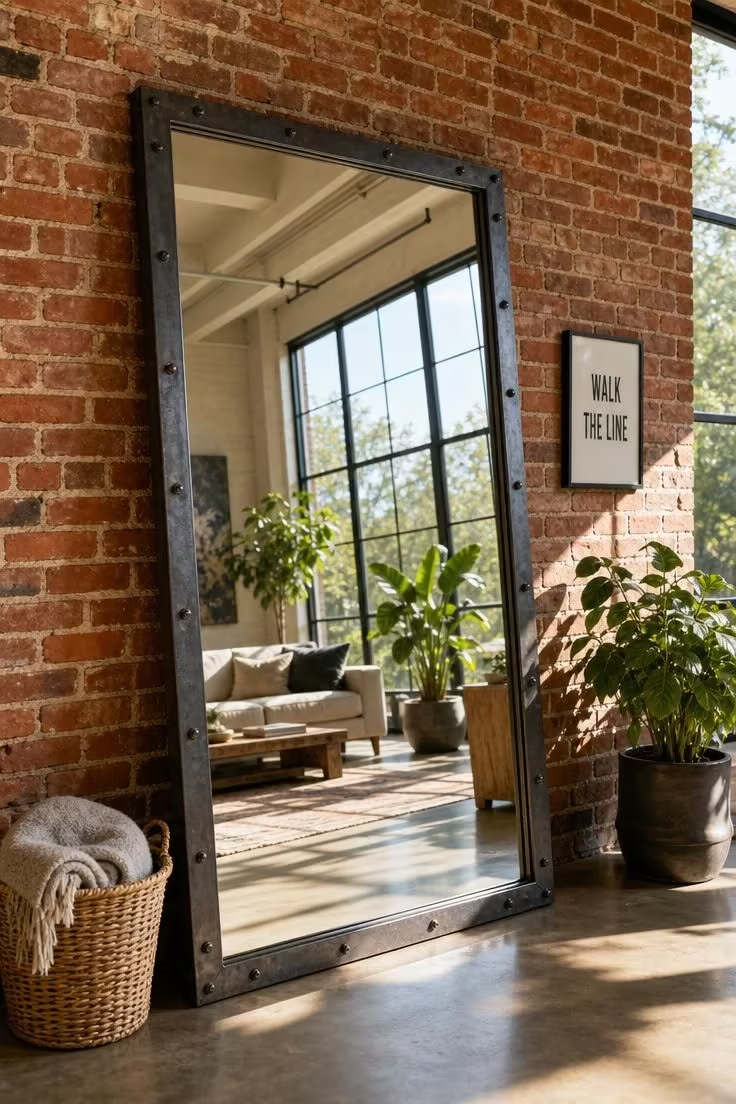
Leaning a mirror rather than mounting it changes the entire energy of a wall: it reads as intentional rather than decorative, like a piece that arrived and found its place naturally.
The riveted iron frame connects to the language of reclaimed wood furniture and metal shelving throughout the apartment, creating a material throughline without matching anything exactly.
Placing it against exposed brick walls adds depth to the composition, with the rough texture of the brick contrasting against the smooth glass surface.
The real advantage is light: a large mirror opposite a window effectively doubles the natural light reaching the interior of the room.
In apartments with only one or two exterior walls, this trick makes a measurable difference in how bright the space feels during the day.
Keeping the floor area beside the mirror sparse, just a basket or a single plant, prevents the arrangement from looking cluttered.
The lean angle itself matters: too steep and the reflection shows only ceiling, too shallow and it risks tipping forward over time.
Style Blueprint:
- Oversized floor mirror with riveted iron or steel frame
- Exposed brick accent wall (real or thin brick veneer)
- Woven basket with a rolled wool or cotton throw
- Clear floor space around the mirror base
A Rolled-Arm Leather Sofa Anchored on a Faded Vintage Kilim
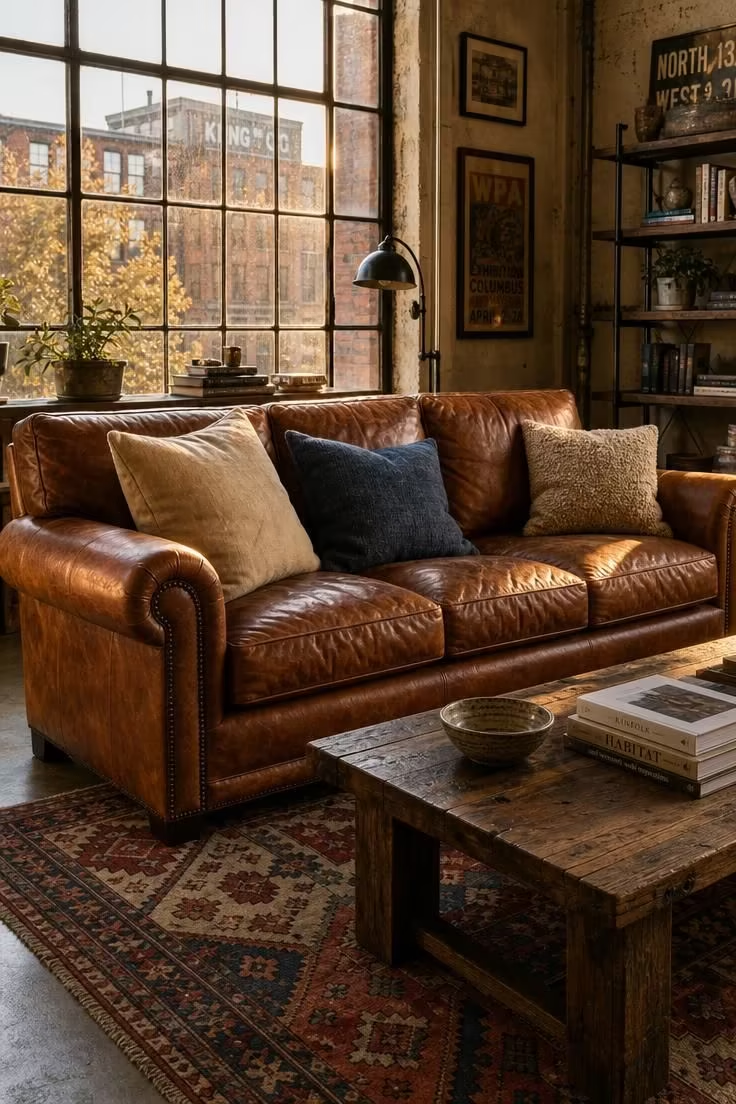
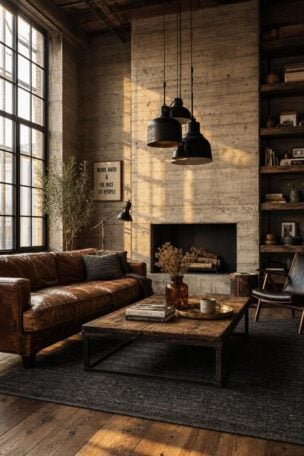
A leather sofa in an industrial apartment is not a trend choice: it is a material decision that improves with every year of use.
Full-grain leather develops creases, softens at the armrests, and takes on a patina that matches the aging of metal and wood surfaces throughout the space.
The kilim underneath is just as important as the sofa itself, providing color, pattern, and texture against the neutrality of concrete floors.
Faded kilims work better than new ones here because their worn palette already speaks the same language as weathered brick and oxidized metal.
Three pillows in different fabrics, canvas, denim, and wool, add tactile variety without introducing too many competing patterns.
Keeping the coffee table low and heavy, reclaimed wood rather than glass or acrylic, grounds the seating area and gives the arrangement weight.
This is the kind of loft style living room anchor that organizes an open floor plan without needing additional furniture to define the zone.
A single ceramic bowl and a small stack of books on the table provide enough surface interest without tipping into styled clutter.
Style Blueprint:
- Full-grain cognac or saddle leather sofa with rolled arms
- Faded vintage kilim rug (flat-weave, muted palette)
- Throw pillows in canvas, denim, and wool
- Low reclaimed wood coffee table
- Ceramic bowl and hardcover books for table styling
Steel Pipe Wall Hooks With a Raw Cedar Shelf in the Kitchen
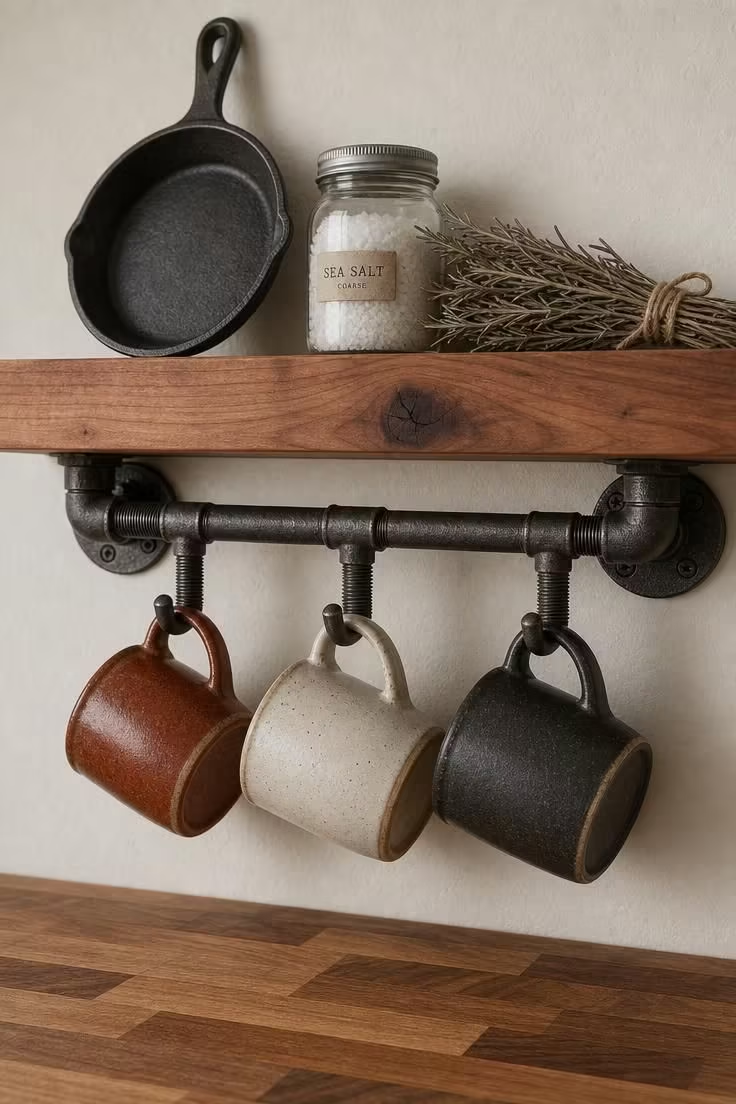
The combination of threaded iron pipe and unfinished cedar is one of the simplest builds in industrial apartment decor, and it remains one of the most effective.
Pipe brackets screw directly into wall studs, supporting a thick cedar plank that can hold meaningful weight without bowing.
Hanging mugs, small pans, and utensils from S-hooks below the shelf keeps frequently used items visible and within arm’s reach.
This approach eliminates the need for upper cabinets on at least one kitchen wall, freeing up visual space and making the room feel taller.
Cedar has a natural resistance to moisture and a grain pattern that pairs well with the rough texture of iron fittings.
Grouping three to four hooks in an irregular spacing pattern avoids the rigidity of evenly mounted pegs, lending the arrangement a more collected feel.
Style Blueprint:
- Threaded iron pipe brackets and S-hooks
- Raw cedar shelf plank (at least 1.5 inches thick)
- Ceramic mugs in varied earthy glazes
- Dried herb bundles and glass storage jars
An Iron Bed Frame With a Belgian Linen Duvet and Sheepskin Throw
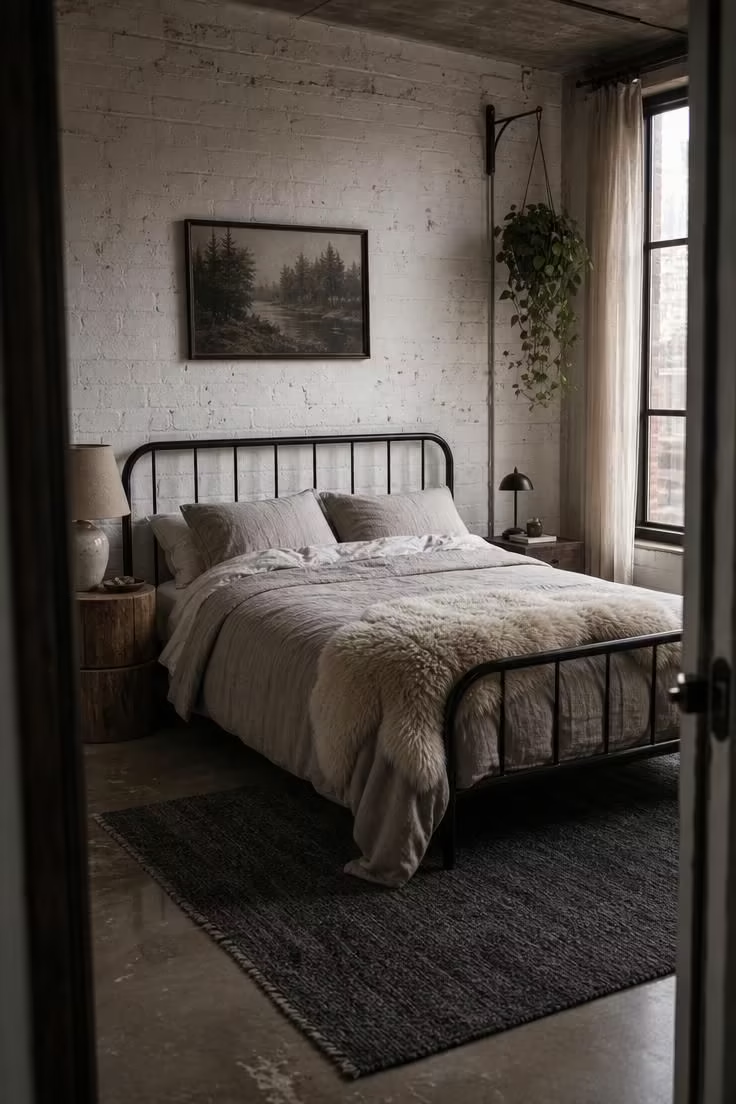
An iron bed frame strips the bedroom down to its most honest form: a metal structure holding a mattress, with nothing hidden behind upholstery or decorative panels.
The matte black finish on the frame connects to the matte black hardware and metal shelving found in other rooms, pulling the apartment’s material palette into the bedroom.
Belgian linen as the primary bedding fabric is a deliberate pairing with the iron frame: it wrinkles beautifully, softens after every wash, and has a weight that cotton percale cannot replicate.
The sheepskin at the foot of the bed introduces a textural surprise that breaks the uniformity of linen and metal, adding a warmth that reads as physical comfort.
Reclaimed wood rounds stacked as a nightstand cost almost nothing and carry the same salvaged character as the rest of the apartment’s furnishings.
A single trailing plant on an iron wall bracket adds a living green element without cluttering the bedside table.
The wool rug beside the bed is a mercy on bare feet against concrete floors during cold mornings, a functional addition that looks like a design choice.
Style Blueprint:
- Iron bed frame in matte black or aged bronze finish
- Belgian linen duvet cover and sheets in a washed neutral tone
- Natural sheepskin throw for the foot of the bed
- Reclaimed wood rounds as a nightstand stack
- Low-pile wool rug beside the bed
Design Pro-Tip: When layering bedding on an iron frame, leave the top sheet slightly untucked and the duvet casually pulled rather than hotel-folded. The deliberately undone look complements the rawness of the metal and keeps the bed from looking too staged against an industrial backdrop.
A Ceiling-Mounted Pulley Pendant Light Over the Dining Table
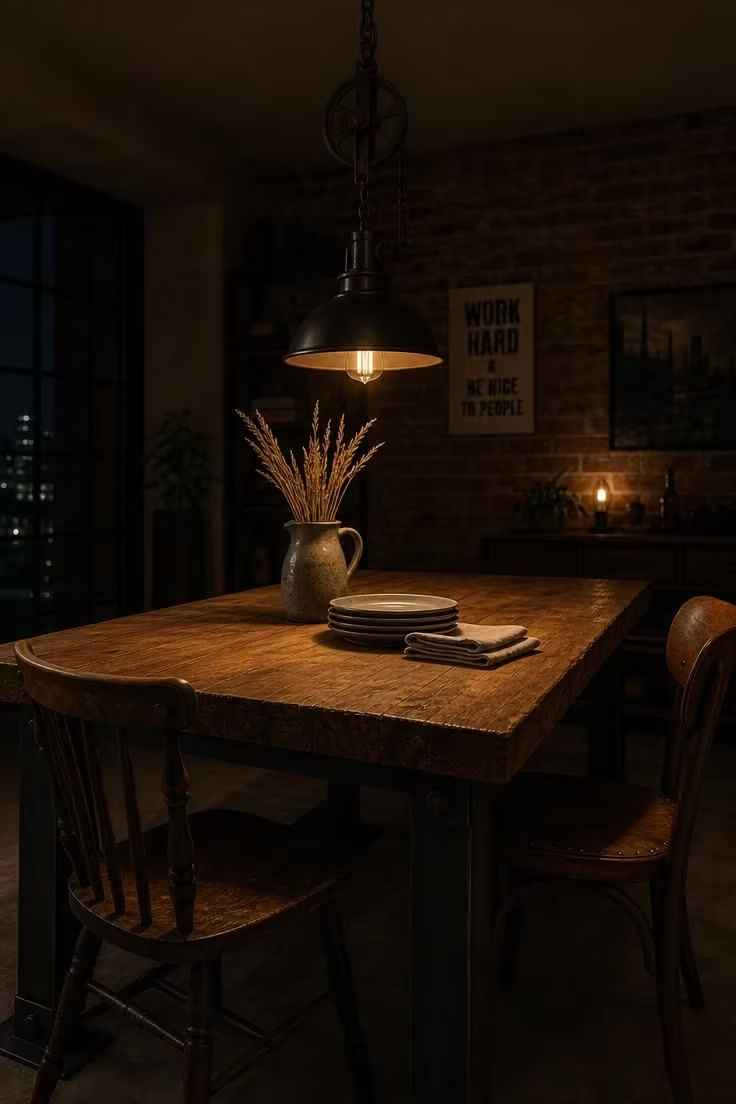
The pulley mechanism on this pendant is not decorative: it functions, letting you raise the light for conversation and lower it for focused dining.
That adjustability is rare in apartment lighting, and it gives the dining area a flexibility that fixed pendants cannot match.
Hanging the shade low, roughly 28 to 32 inches above the table surface, creates a pool of light that draws people inward and makes the table feel like the center of the room.
A warm filament bulb inside the metal shade produces a color temperature that flatters food, skin, and wood surfaces equally.
The heavy slab table underneath is the second anchor of the dining zone: thick enough to feel permanent, with square steel legs that read as structural rather than decorative.
Mismatched vintage chairs around the table avoid the uniformity of a matched dining set, lending an open floor plan dining area a collected, organic character.
Dried stems in a stoneware pitcher serve as the only centerpiece, adding height and texture without blocking sight lines across the table.
This kind of focused pendant lighting is what separates a dining area from a table that happens to sit in a room.
Style Blueprint:
- Ceiling-mounted pulley pendant light with metal shade
- Warm filament bulb (2200K-2400K color temperature)
- Thick wood slab dining table with steel legs
- Mismatched vintage dining chairs
- Stoneware pitcher with dried botanicals
A Galvanized Steel Utility Cart as a Bar Station in the Living Room
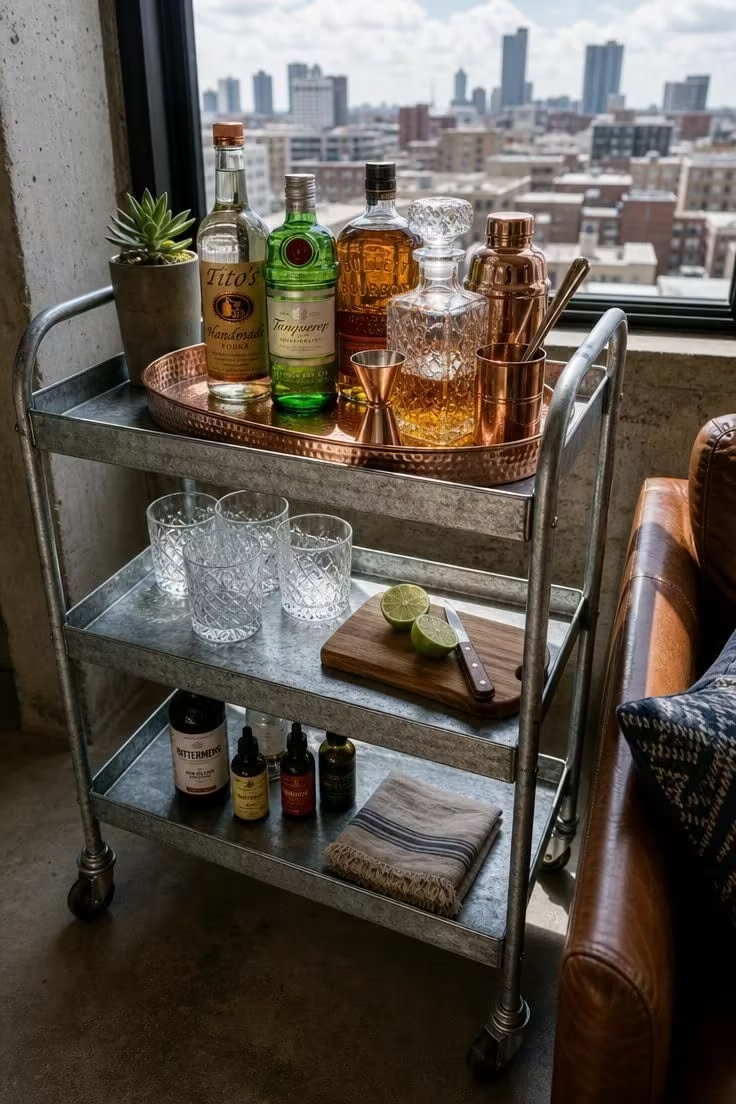
A rolling utility cart solves the bar storage problem in apartments where a built-in bar cabinet is not an option.
The galvanized steel finish connects to the broader metal palette of the apartment: the pipe shelving, the iron bed frame, the blackened hardware.
Three tiers provide enough surface area to separate bottles from glassware from mixing tools without stacking anything.
Positioning it near a window lets natural light pass through glass bottles, creating shifting color patterns on the wall and floor as the day moves.
The hammered copper tray on the top shelf contains spills and adds a warm metallic contrast to the cool zinc tones of the cart.
Rolling casters mean the cart can move to a dining area for dinner parties or tuck into a corner when not in use.
Style Blueprint:
- Three-tier galvanized steel rolling utility cart
- Hammered copper serving tray for the top shelf
- Short glass tumblers and a wood cutting board
- Linen bar towel and a few bottles of quality bitters
Blackened Steel Window Frames Dividing the Bedroom From the Living Area
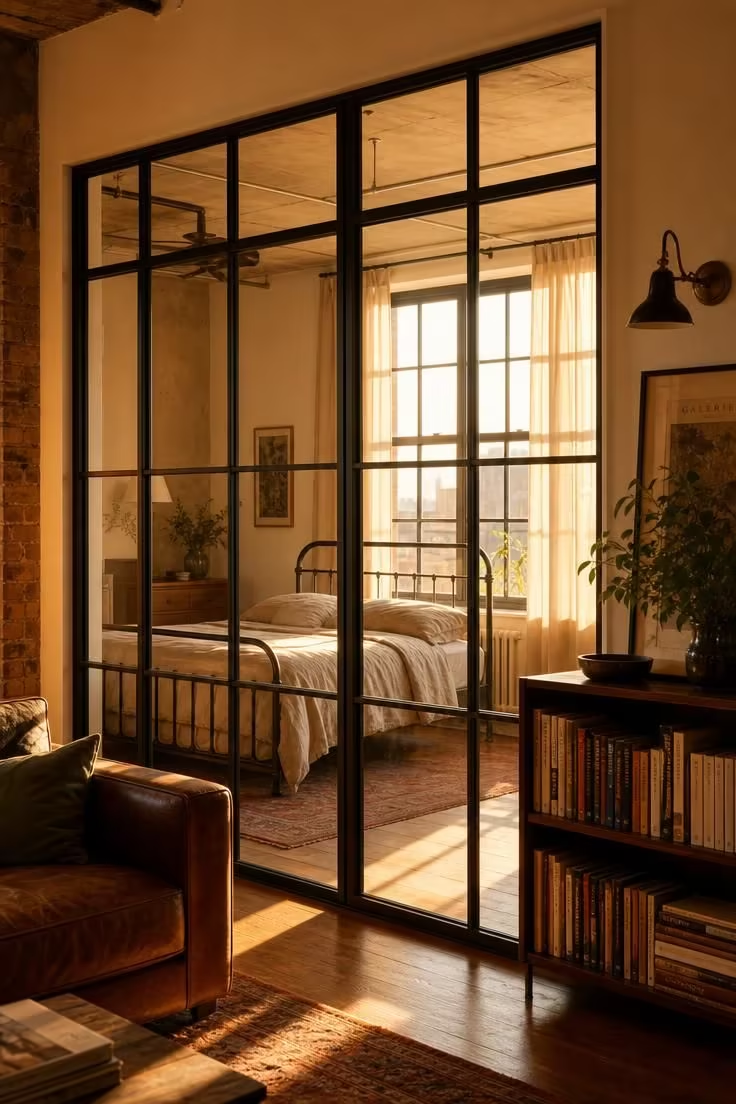
Steel-framed glass partitions allow light to move between rooms while still defining separate zones within an open floor plan.
The crittal-style grid pattern has direct roots in early 20th-century factory architecture, making it one of the most historically honest elements in any industrial apartment.
Unlike drywall, these partitions preserve the visual continuity of a loft layout, letting you see from one end of the apartment to the other.
The matte black finish on the steel frames ties to the hardware, bed frame, and shelving used throughout the rest of the space.
Sound transmission is the trade-off: glass partitions do not block noise the way solid walls do, so placement matters for bedrooms near noisy living areas.
Adding a simple curtain on a ceiling track behind the glass gives you the option of visual privacy when needed without removing the architectural feature.
This is loft style space division at its most effective, a wall that acts like a window and a window that acts like a wall.
In apartments without original industrial bones, installing a steel-framed partition is one of the fastest ways to add architectural character.
Light passing through two layers of glass, the partition and an exterior window, creates a quality of illumination that solid walls eliminate entirely.
Style Blueprint:
- Crittal-style steel-framed glass partition wall (matte black)
- Clear glass panes in a grid pattern
- Optional ceiling-track linen curtain behind the glass for privacy
- Consistent matte black finish matching other apartment hardware
Design Pro-Tip: If full-height steel partitions are outside your budget, a half-height version (about 4 feet tall) delivers much of the same visual impact at a fraction of the cost. Mount it on a low reclaimed wood pony wall for a warmer transition between rooms.
A Poured Concrete Accent Wall Behind a Cluster of Mismatched Metal Sconces
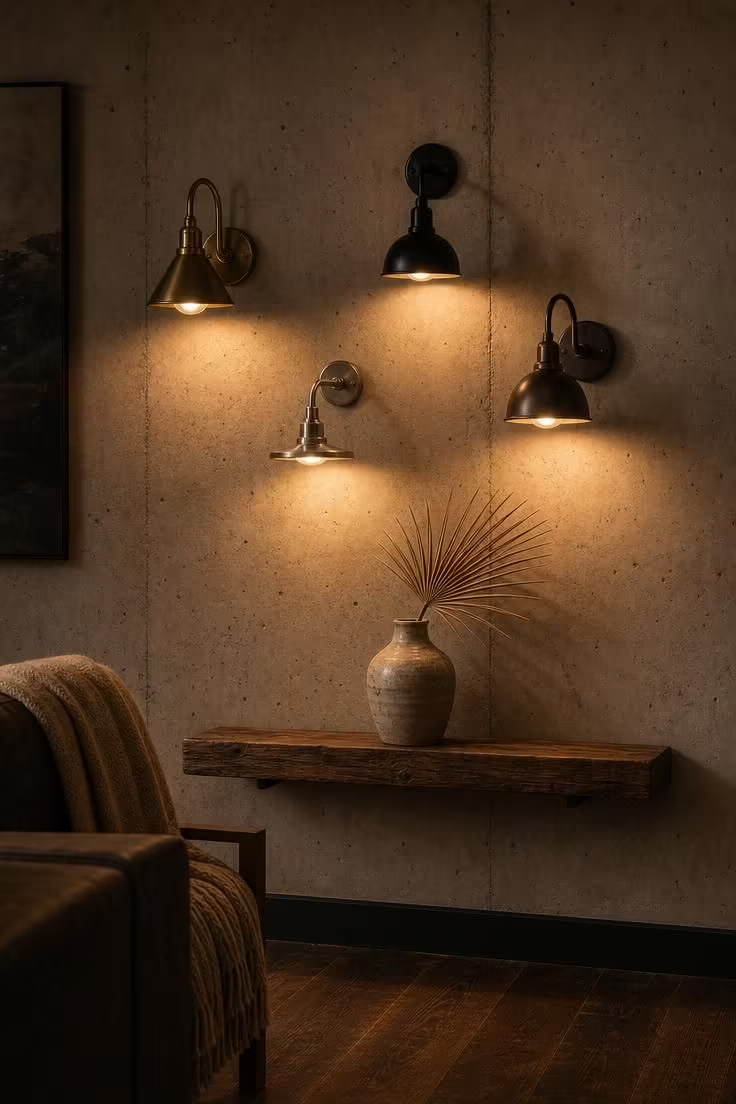
A concrete accent wall does the work of art without hanging anything: its surface texture, color variation, and raw material presence fill a wall on their own.
Adding mismatched sconces in different metal finishes turns the wall into a composition rather than a backdrop, creating a focal point that changes character as bulbs warm up at different rates.
Mounting the sconces at staggered heights avoids the rigid symmetry of matched fixtures, lending the arrangement the kind of imperfection that feels deliberate.
Aged brass, matte black, brushed nickel, and oil-rubbed bronze can coexist on one wall because the concrete behind them acts as a neutral field that absorbs visual competition.
The overlapping light circles on the concrete surface create a subtle gradient effect that shifts throughout the evening as viewing angles change.
A narrow shelf below the sconces provides a landing spot for a single decorative object, grounding the arrangement without competing with the lighting above.
This approach works in apartments where artwork collection is not a priority but bare walls feel unfinished.
Style Blueprint:
- Board-formed or microtopped concrete accent wall (warm dove or charcoal tone)
- Four mismatched wall sconces in varied metal finishes
- Warm filament bulbs (matching color temperature across all sconces)
- Narrow reclaimed wood shelf below the sconce cluster
- Single ceramic or stoneware object on the shelf
A Reclaimed Pine Desk With Industrial Casters in a Sunlit Corner Office
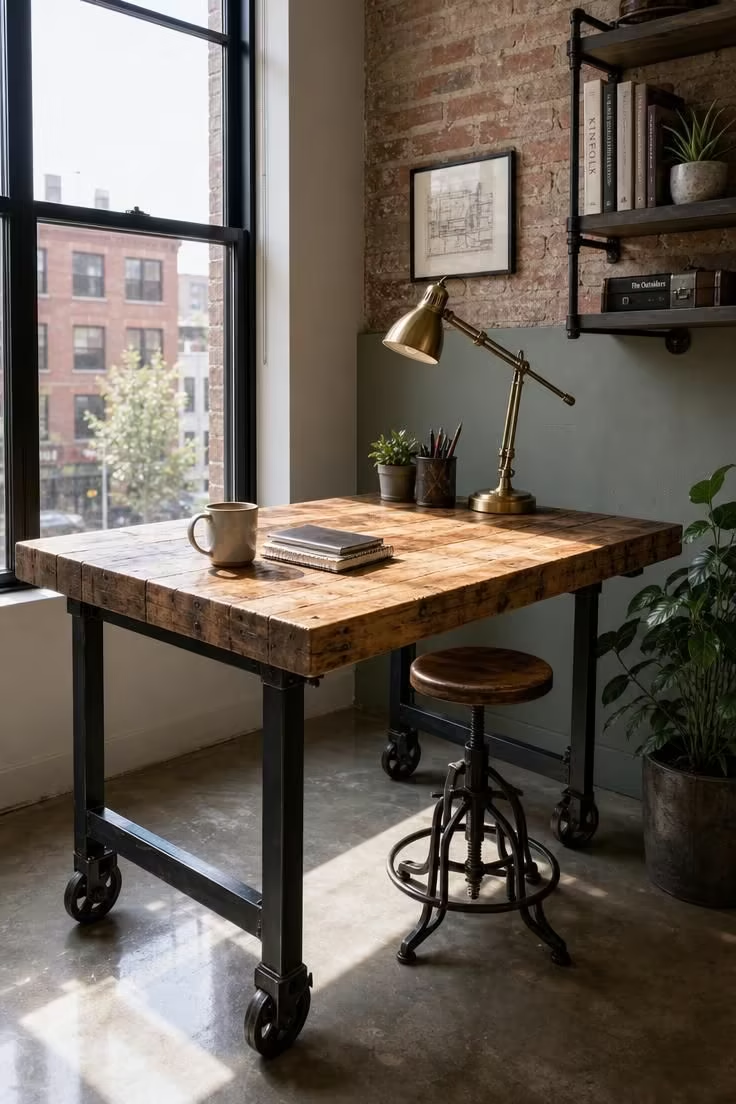
A reclaimed wood furniture piece in a home office carries a warmth that laminate or veneer desks cannot reproduce, and pine from old warehouse flooring has the grain density to prove decades of previous life.
Industrial casters on the desk legs serve a real purpose in apartment living: you can roll the desk against the wall when you need floor space and pull it out when work begins.
Positioning the desk perpendicular to a window rather than facing it reduces screen glare while still flooding the work surface with natural daylight.
A vintage machinist stool as the desk chair adds a piece of genuine industrial history to the room, with the swivel mechanism and height adjustment functioning as well today as they did decades ago.
The brass desk lamp with an articulated arm references mid-century drafting studios, a direct ancestor of the industrial aesthetic that informs the rest of the apartment.
Keeping the desktop sparse, just a mug, notebooks, and the lamp, prevents the work area from becoming a visual burden in a room that serves multiple purposes.
A small metal shelving unit on the adjacent wall provides vertical storage for books and supplies without taking up floor space.
The concrete floors in this corner catch and reflect midday light, brightening the work area from below and reducing the need for overhead fixtures during daytime hours.
Style Blueprint:
- Thick reclaimed pine desk on matte black industrial swivel casters
- Vintage machinist stool with iron base and swivel seat
- Brass articulated desk lamp
- Small wall-mounted metal shelf for books and a potted succulent
- Sparse desktop arrangement (mug, notebooks, lamp only)
Design Pro-Tip: If your apartment lacks exposed brick or concrete, a single wall finished with lime wash or Roman clay achieves a similar textural depth. These plaster finishes create movement and tonal variation on flat drywall, giving a standard apartment wall the visual weight of raw masonry.
Conclusion
Industrial apartment decor is not about recreating a factory: it is about borrowing the honesty of raw materials and pairing them with the softness of daily life.
A leather sofa on a kilim rug, copper pipes left exposed beside a linen hand towel, a steel clothing rack backed by a simple curtain: these combinations work because they balance hardness with comfort.
The strongest industrial apartments avoid matching everything and instead let materials age, mix, and settle into a room over time.
Start with one or two ideas from this list, the pieces that solve a real problem in your space, and build from there.