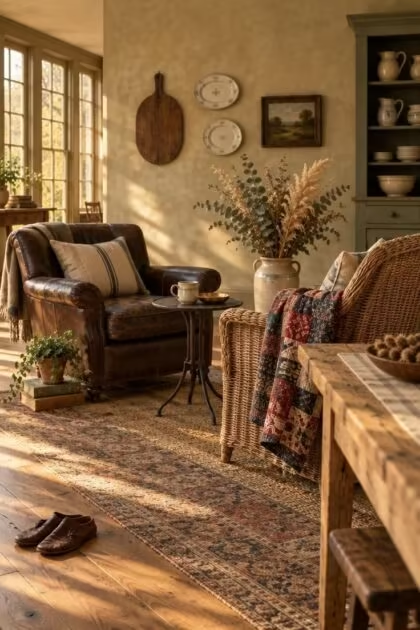
This post may contain affiliate links. If you make a booking or purchase through these links, we may earn a commission at no additional cost to you.
A chipped ironstone pitcher sits on a painted harvest table beside a modern glass lamp, and neither looks out of place.
That pairing captures eclectic farmhouse decor at its best: a rustic foundation layered with pieces from different eras, sources, and rooms.
The style rewards patience, since a collected look grows as objects arrive rather than being purchased as one coordinated set.
The ideas below move through seating, storage, walls, tables, and light, with honest attention to the tradeoffs of dust, editing, and cohesion.
The practical goal is a room that can absorb hand-me-downs and travel finds without a full redesign.
A Painted Pine Dresser Used as a Sideboard With a Crock of Rolling Pins
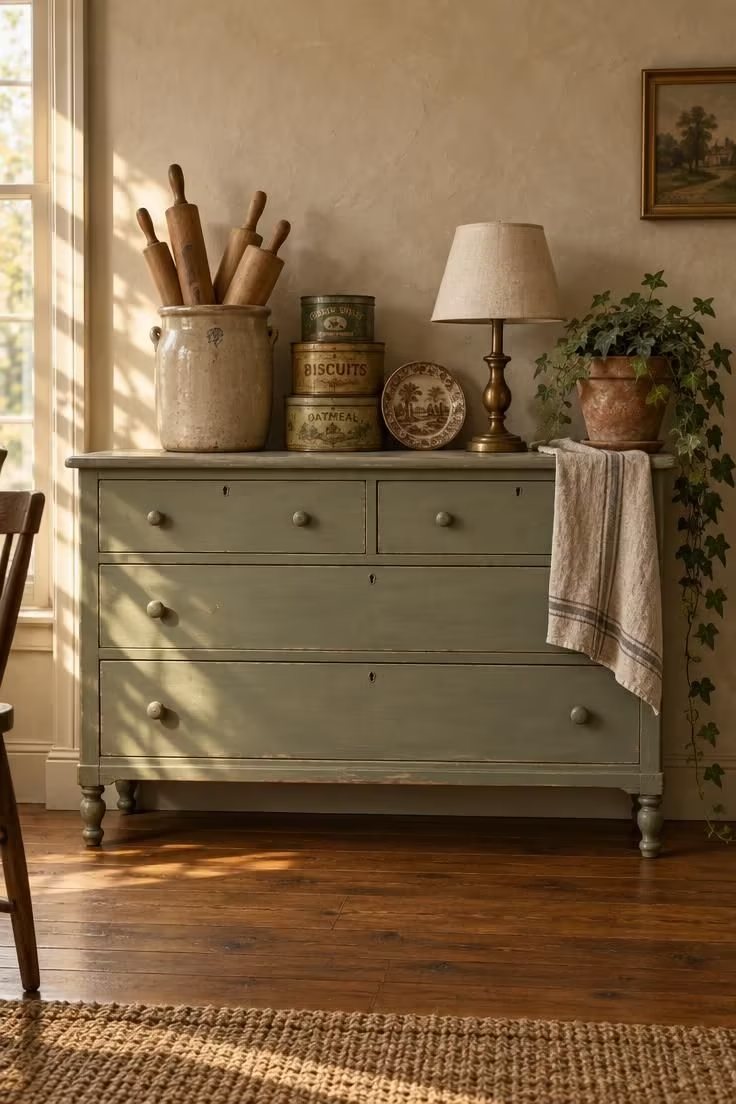
A painted dresser introduces a second finish into a room that may already carry one dominant wood tone.
The chalky paint sits flat against the floor’s grain, so the two surfaces read as separate choices rather than a matching set.
Rolling pins in a crock make a loose cluster instead of a themed display, and the varied handle heights keep the arrangement from flattening out.
A brass lamp adds one reflective note that breaks up the matte paint and the matte stoneware.
Sideboard height does more practical work than a decorative console, since linens, serveware, or board games can live in the drawers below the display.
Vintage drawers sometimes stick or need fresh wax; anything beyond cleaning is best handled by a furniture restorer who can assess the piece in person.
Dusting around this many small objects takes a few extra minutes each week, which is the ongoing cost of a layered surface.
This piece works well as rustic eclectic farmhouse decor because the worn painted finish and utilitarian crock keep the arrangement grounded.
Style Blueprint:
- Base piece with visible drawer lines and turned or simple legs, painted in muted green, ochre, or soft black.
- One large vessel such as a crock, urn, or bucket holding tall utilitarian objects at varied heights.
- Two or three smaller objects at a lower scale to create a staggered skyline.
- One reflective accent in brass, aged mirror, or glass to break the matte surface.
- A textile draped or folded on one edge so the arrangement is not all hard material.
Design Pro-Tip: Give a painted piece a single warm accent, such as a brass pull or an amber glass jar, so the color reads as intentional rather than flat.
A Wall of Mixed-Frame Plates and Cutting Boards Above a Bench
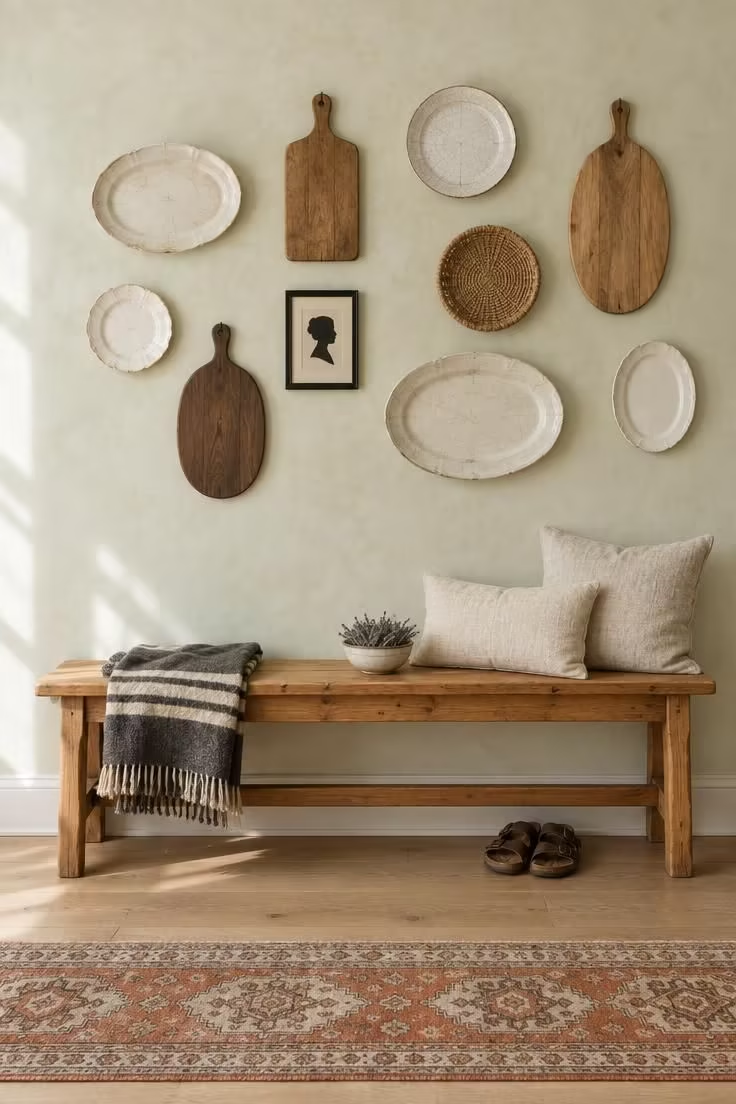
Round plates and irregular board shapes keep a grouping like this from reading as a rigid gallery.
A shared material family, whether wood, cream ceramic, or natural fiber, acts as the thread holding the variety together.
One anchor shape, such as a large round platter or a long bread board, gives the eye a starting point.
Mixing bare wood, painted edges, woven rims, and unframed ceramic adds range without adding color noise.
Visible wall gaps matter here; an arrangement packed edge to edge loses the collected quality.
This is eclectic farmhouse decor for living room walls adapted to a dining bench, and it works because the mix stays calm rather than noisy.
Wall-mounted ceramics require hardware suited to the object’s weight and the wall’s construction, and that determination belongs with current manufacturer instructions and a qualified professional.
Dusting is the ongoing cost, though a soft brush on a long handle reaches plates without taking them down.
Style Blueprint:
- Choose one anchor shape, a large round platter or a long board, and build outward.
- Mix frame types across bare wood, painted edge, woven rim, and unframed ceramic.
- Keep one shared color across at least three pieces, such as cream, warm brown, or black.
- Leave visible wall gaps so the arrangement can breathe.
- Add one non-flat object, such as a dried wreath or a small shelf, for depth.
Design Pro-Tip: When a wall feels unresolved, remove two small objects before adding a third; editing does more for an eclectic arrangement than another find.
A Painted Step-Back Cupboard Left Open to Show Mixed Pottery
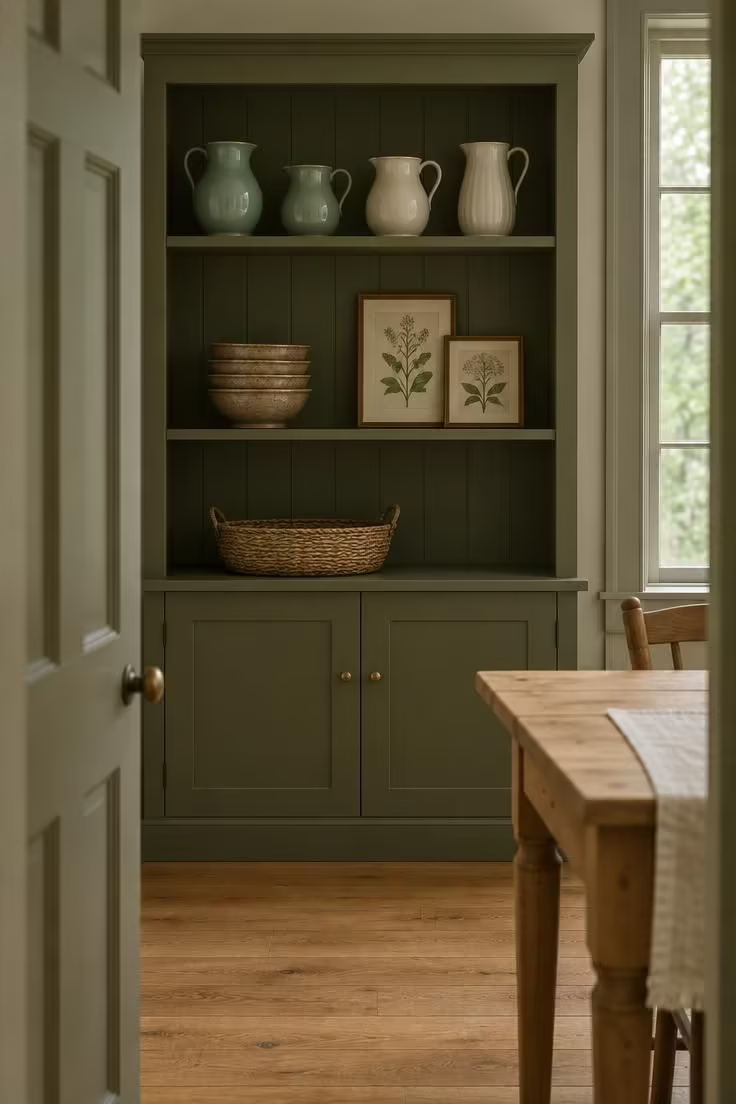
The cupboard’s stepped silhouette supplies the farmhouse structure, while varied glazes supply the eclectic content.
Leaving the doors open turns the interior into part of the composition rather than hidden storage.
A single flat color on the woodwork keeps the contents as the source of variety.
Grouping by material, one shelf of stoneware and one of glass, helps the eye read the collection quickly.
Leaning two small framed prints against the back adds depth without another hanging project.
An open cupboard near cooking collects dust and grease, so a dining or hallway position suits it better unless the shelves are wiped often.
This arrangement leans into vintage eclectic farmhouse decor because the pottery and leaning prints feel accumulated over time rather than bought at once.
Display and storage compete for the same shelves, and deciding which one matters more shapes what goes on them.
Style Blueprint:
- Keep the cupboard finish simple, one flat color or natural wood, so the contents provide the variety.
- Group by material with a shelf of stoneware, a shelf of glass, and a shelf of wood.
- Lean two small framed prints against the back rather than hanging them.
- Use one shelf for a single large object to avoid uniform density.
- Add a low basket on the bottom shelf to soften the hard edges.
A Wicker and Wood Seating Pair With a Quilt Thrown Over the Arm
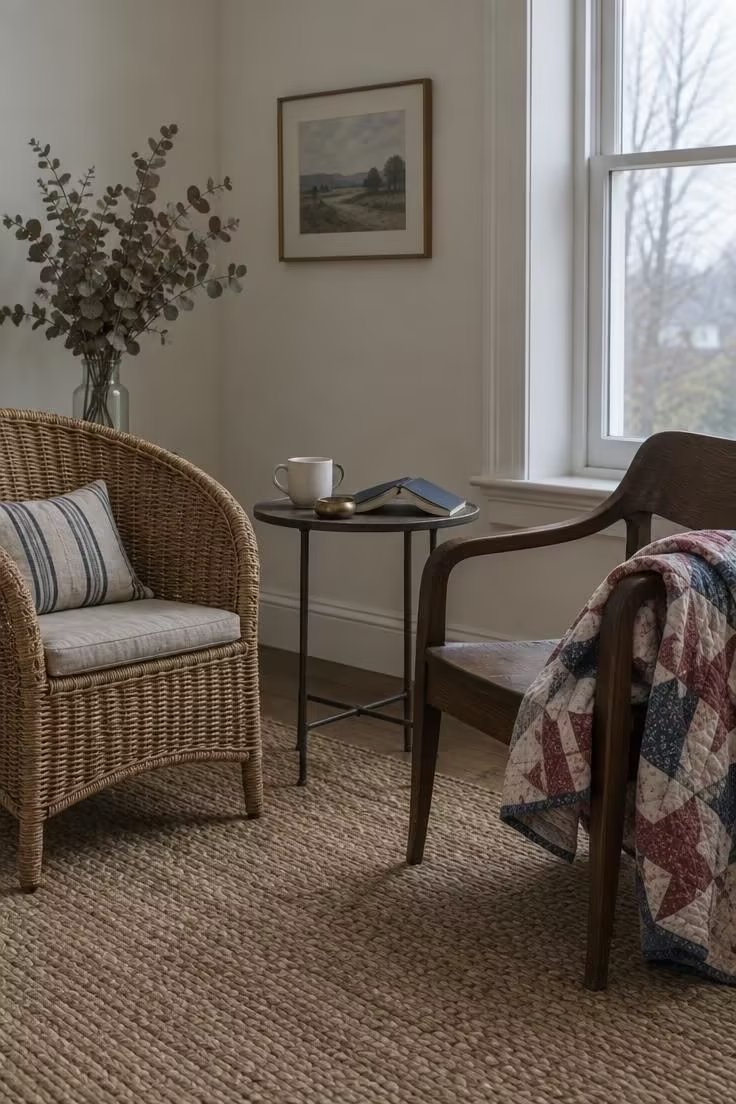
Mismatched seating is the clearest expression of a collected room, since no two pieces announce the same origin.
The quilt bridges the two chairs by repeating a color from each one.
Picking chairs that share one trait, whether seat height, wood tone, or upholstery color, keeps the mismatch reading as deliberate rather than accidental.
Draping the quilt rather than folding it squarely gives the corner a used quality.
A small table at the joint between the chairs gives both a shared surface for a mug or a book.
One ceramic or metal object on the table provides a hard counterpoint to all the textiles.
Before buying a pair like this, check the wall run fits both chairs with room to angle, and confirm the table height sits comfortably beside both seat heights.
Style Blueprint:
- Pick two chairs that share one trait, such as seat height, wood tone, or upholstery color.
- Drape, do not fold, the quilt so it looks used.
- Place a small table or stool at the joint between the chairs.
- Add one ceramic or metal object on the table for a hard counterpoint to the textiles.
- Keep the floor treatment simple so the chair mix stays the focus.
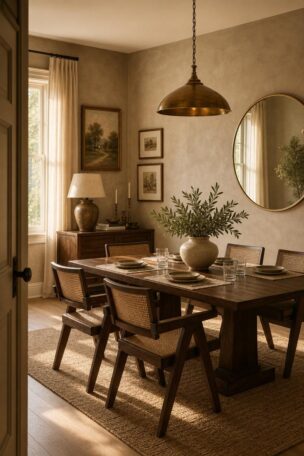
A Long Harvest Table With Bench on One Side and Odd Chairs on the Other
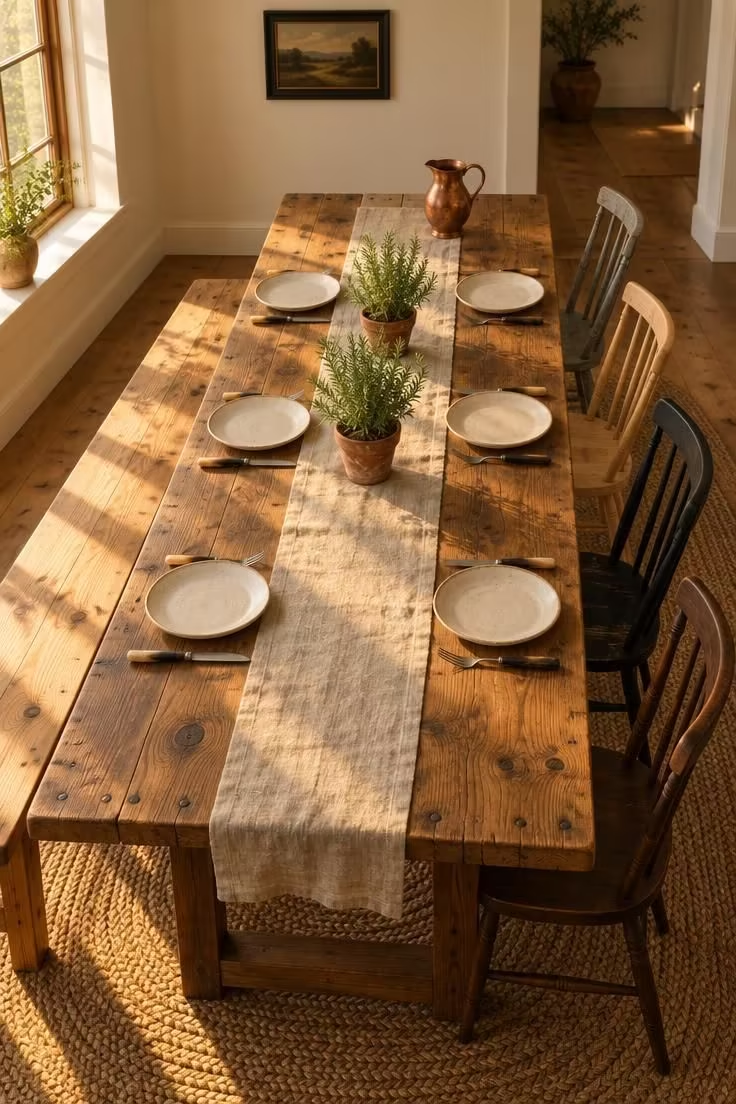
The bench gives the table a farmhouse anchor, and the odd chairs give it the collected variation.
Together they avoid the matched dining set that undercuts the style’s premise.
On the side facing the room, a bench shows a clean horizontal line from the doorway.
Three or more chairs with different silhouettes but similar seat heights keep the mix comfortable to use.
A neutral runner plus one patterned napkin or cloth supplies accent without competing with the chairs.
A low centerpiece, such as a tray of small pots, keeps sightlines open across the table.
Bench seating slides away easily but is harder to get in and out of at the middle, so readers with limited mobility may prefer chairs throughout.
Too many chair styles turns the table into a showroom, and capping variety at two or three silhouettes keeps it readable.
Letting the finish differ instead of the shape is one way to add variety without visual noise.
Style Blueprint:
- One long table in a warm wood tone, natural or lightly distressed.
- Bench on the side facing the room so its clean line reads from the doorway.
- Three or more chairs of different silhouettes but similar seat height.
- A neutral runner plus one patterned napkin or cloth for accent.
- A centerpiece low enough to see over, such as a tray of small pots.
A Mixed-Basket Wall That Doubles as Entry Storage
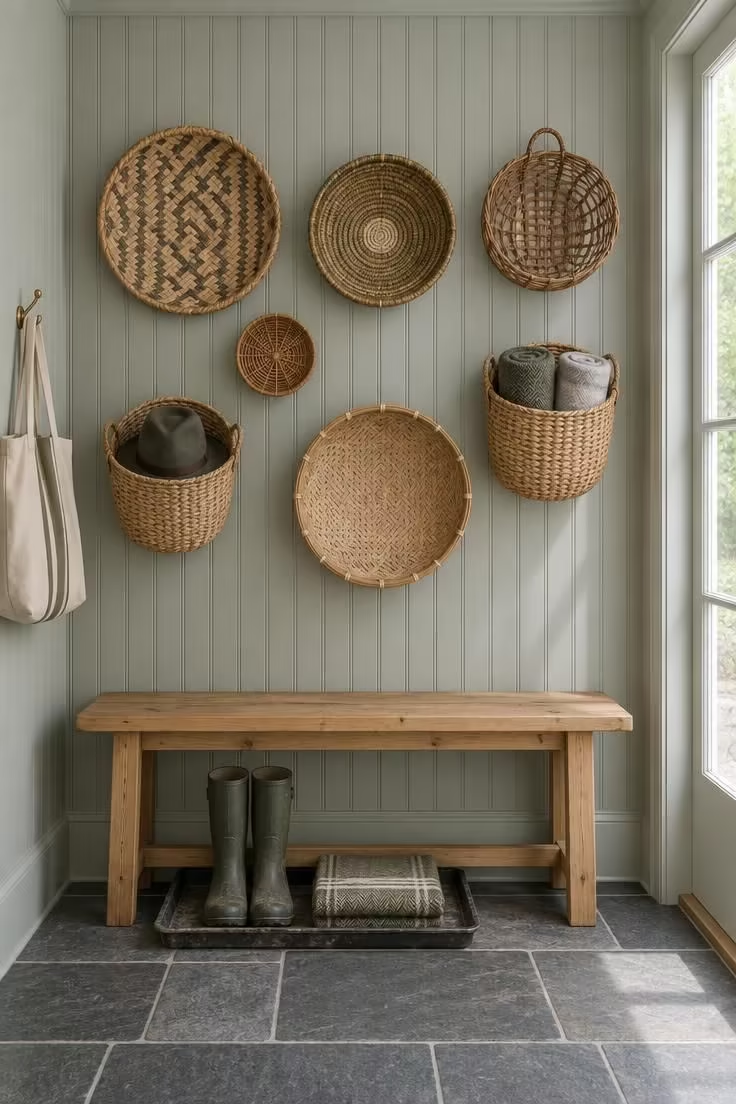
Baskets bring natural fiber texture into a room where wood and paint may already dominate.
Hanging them puts a collection to practical use rather than leaving it purely decorative.
Mixing at least three constructions, such as flat weave, coil, and open lattice, keeps the wall from looking like a matched set.
A uniform gap between pieces helps the group read as intentional despite the differences in size.
Letting one basket hang lower breaks any grid feeling and gives the wall some movement.
A bench or boot tray below ties the display to a daily function.
Natural fiber holds dust and can become brittle in very dry rooms, so a vacuum brush attachment handles routine care.
Any treatment or sealing product should be used according to its current manufacturer instructions.
This approach shows how diy eclectic farmhouse decor can work in an entry, since the display is assembled from simple hooks and found baskets rather than a purchased system.
Style Blueprint:
- Mix at least three basket constructions, such as flat weave, coil, and open lattice.
- Keep a uniform gap between pieces so the wall reads as a set despite the variety.
- Let one basket hang lower to break the grid.
- Place a bench or boot tray beneath so the wall has a function below it.
- Limit contents to two or three categories so it does not become a junk wall.
A Plaster Wall With One Oversized Landscape and Small Finds Around It
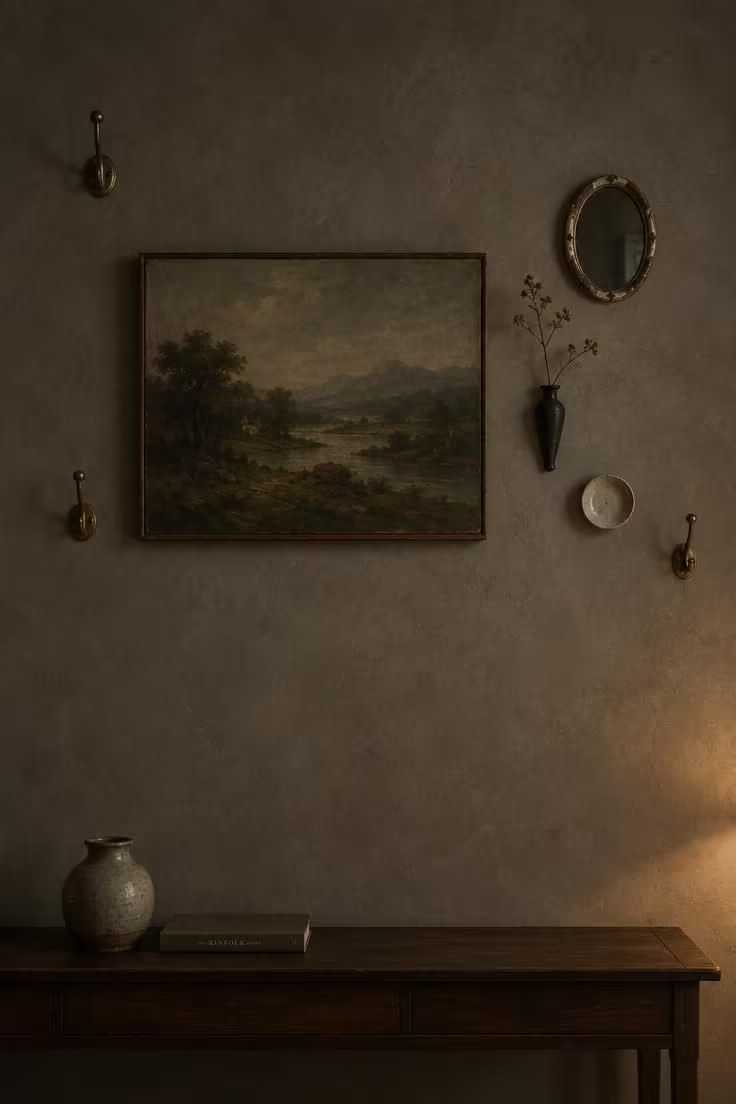
One large piece gives the eye a subject, and the small objects around it give the wall a collected texture.
Hanging the large piece slightly lower than eye level reads as informal rather than gallery-stern.
Spacing the small objects unevenly, favoring one side, keeps the composition from turning symmetrical.
Including one non-flat object, such as a hook, a small shelf, or a hanging textile, adds depth against the plaster.
Keeping the small objects within one material family, whether brass, black iron, or pale ceramic, holds the arrangement together.
Leaving the lower wall empty gives the eye somewhere to rest below the display.
Hardware for a large framed piece depends on wall construction and the weight involved, so consulting current manufacturer instructions and a qualified professional makes more sense than relying on a general rule.
The low placement is a design choice rather than a recommendation suited to every room.
Style Blueprint:
- Choose the large piece first and hang it slightly lower than eye level for an informal feel.
- Space small objects unevenly, favoring one side over symmetry.
- Include one object that is not flat, such as a hook, a small shelf, or a hanging textile.
- Keep the small objects within one material family, such as brass, black iron, or pale ceramic.
- Leave the lower wall empty so the arrangement feels settled rather than full.
A Freestanding Pantry Cabinet With Baskets and a Chalkboard Panel
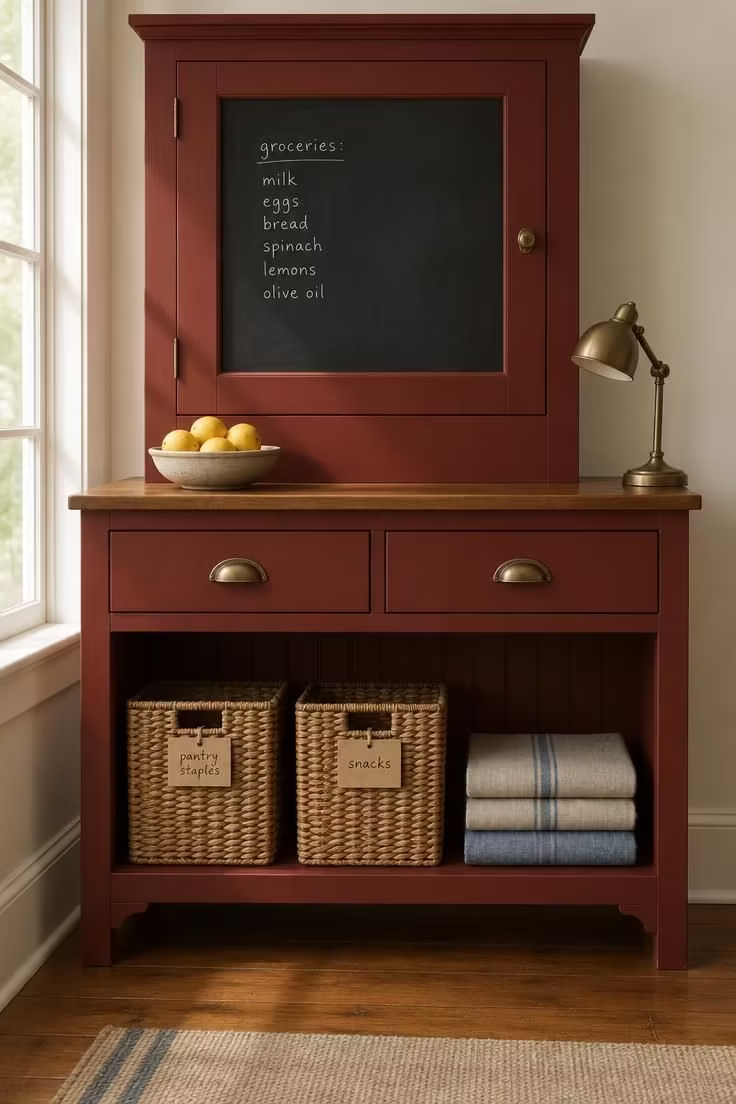
A chalkboard panel is a soft farmhouse signal, while the paint color and baskets carry the eclectic character.
The combination keeps storage furniture from reading as plain.
One cabinet in a strong color, whether deep blue, olive, or brick, can anchor a whole room.
A chalk surface works best with a simple list or phrase rather than elaborate artwork.
Two or three matching baskets keep the lower shelf calm and give clutter somewhere to hide.
A single textile stack softens the wood or metal surfaces that surround it.
Open lower shelves mean visible clutter, and the baskets are what prevent it.
If the cabinet sits in a kitchen, consider how grease and steam affect the finish over time and clean according to the finish manufacturer’s instructions.
This piece fits for kitchen spaces when positioned away from the main cooking wall.
Style Blueprint:
- One cabinet in a strong color, such as deep blue, olive, or brick, used as a room anchor.
- A chalk surface used for a simple list or phrase, not elaborate art.
- Two or three matching baskets so the lower shelf stays calm.
- One textile stack to soften the wood or metal surfaces.
- A single object on top, such as a lamp or a crock, rather than a cluster.
A Worn Leather Chair Next to a Grain-Sack Pillow and Iron Floor Lamp
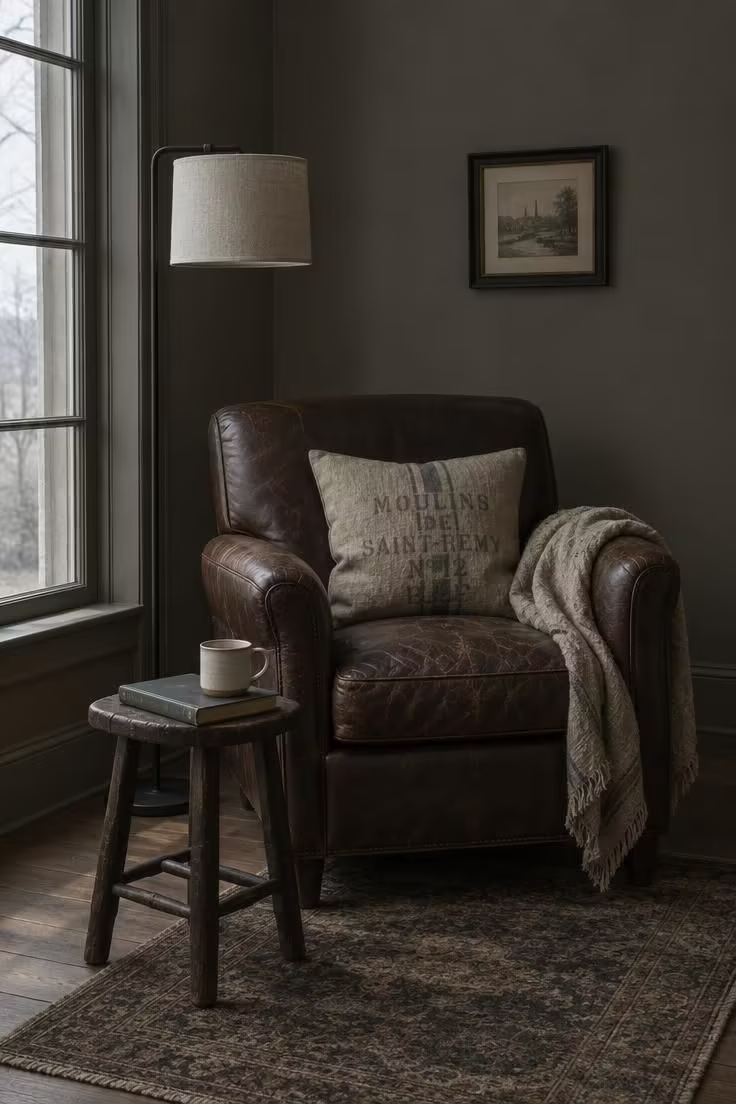
Leather, iron, and coarse linen are three distinct textures that range from hard to soft across one corner.
The pillow’s faded printing supplies the collected narrative that a new decorative print cannot.
A leather piece with visible wear works better as an anchor here than a pristine one.
Simple iron lighting keeps the palette dark and grounded rather than introducing another finish.
A small wood stool or crate gives the book and mug a surface without requiring a full side table.
Limiting color to brown, black, and one faded neutral keeps the corner quiet.
This corner suits a study or a section of a larger living room that needs a cooler moment after several warm-toned areas.
The pairing works for bedroom sitting areas as well as living rooms.
Style Blueprint:
- One leather piece, preferably with visible wear, as the anchor.
- A pillow in a salvage textile rather than a new decorative print.
- Simple iron lighting to keep the palette dark and grounded.
- A small wood stool or crate for a book and a mug.
- Limited color: brown, black, and one faded neutral.
A Row of Stoneware Jugs and Dried Stems on a Plank Windowsill
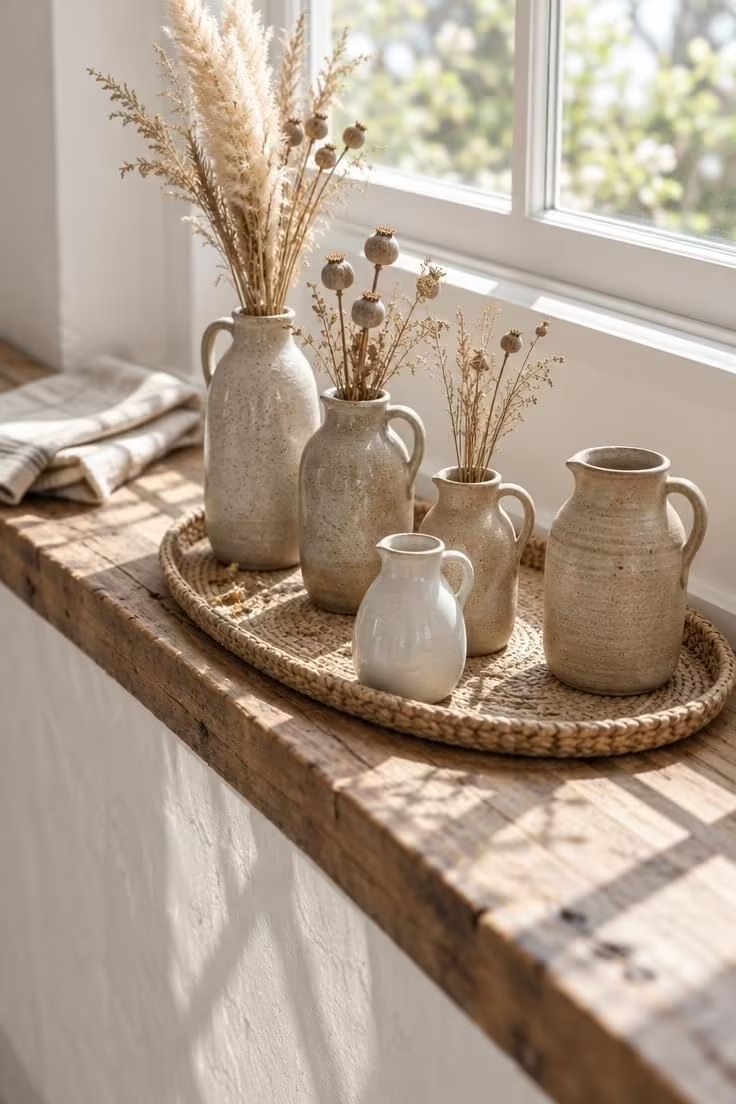
Repeating one object type at different scales is a simple way to build a collected display without visual conflict.
Dried stems add height and a seasonal quality that shifts through the year.
Choosing one object family, whether stoneware, glass, or tinned metal, and varying only size and glaze keeps the row coherent.
Using two or three dried element types per vessel, rather than a mixed bouquet, keeps each arrangement clean.
Keeping the tallest stem below the window’s upper frame lets light continue to enter the room.
Leaving one jug empty prevents the row from looking uniform.
Dried stems shed, so a quick weekly pass with a hand vacuum on the sill keeps the area manageable.
Rotating stems seasonally rather than replacing the display extends what one purchase can do.
Dense objects on a windowsill can block daylight and make a small or north-facing room feel dark, so testing the arrangement in place before committing makes sense.
This arrangement works as decor on a budget, since a row of secondhand jugs and gathered stems costs little.
Style Blueprint:
- Choose one object family, such as stoneware, glass, or tinned metal, and vary only size and glaze.
- Use two or three dried element types, not a mixed bouquet, per vessel.
- Keep the tallest stem below the window’s upper frame so light still enters.
- Leave one jug empty so the row is not uniform.
- Add a shallow tray beneath to corral rings and crumbs.
Design Pro-Tip: Repeat one object type at three different heights on a sill or shelf; the shared material does the cohesion work so the sizes can vary freely.
A Painted Brick Fireplace Wall With an Asymmetric Mantel Arrangement
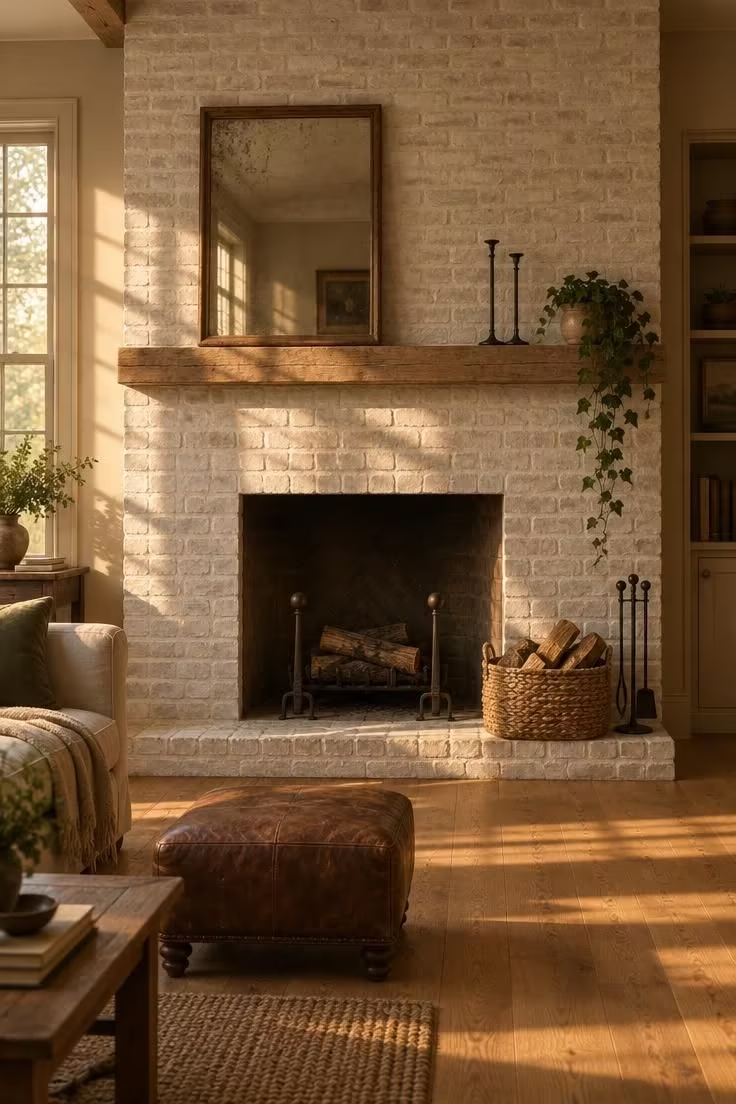
Limewash softens brick without erasing the texture beneath it.
The asymmetric mantel keeps the fireplace from looking like a catalog vignette.
One large piece, offset from center, gives the mantel an anchor.
A pair of small objects on the shorter side can balance visual weight even when the counts differ.
A living or dried trailing element breaks the hard horizontal line of the mantel shelf.
Fireside tools or a log basket provide a functional base note that keeps the styling honest.
Style Blueprint:
- One large piece, offset from center, as the mantel anchor.
- A pair of small objects on the shorter side to balance visual weight rather than count.
- One living or dried trailing element to break the horizontal line.
- Fireside tools or a log basket as a functional base note.
- Limited palette so the fireplace remains the focal point.
A Reading Corner With a Slipcovered Chair and a Stacked Crate Side Table
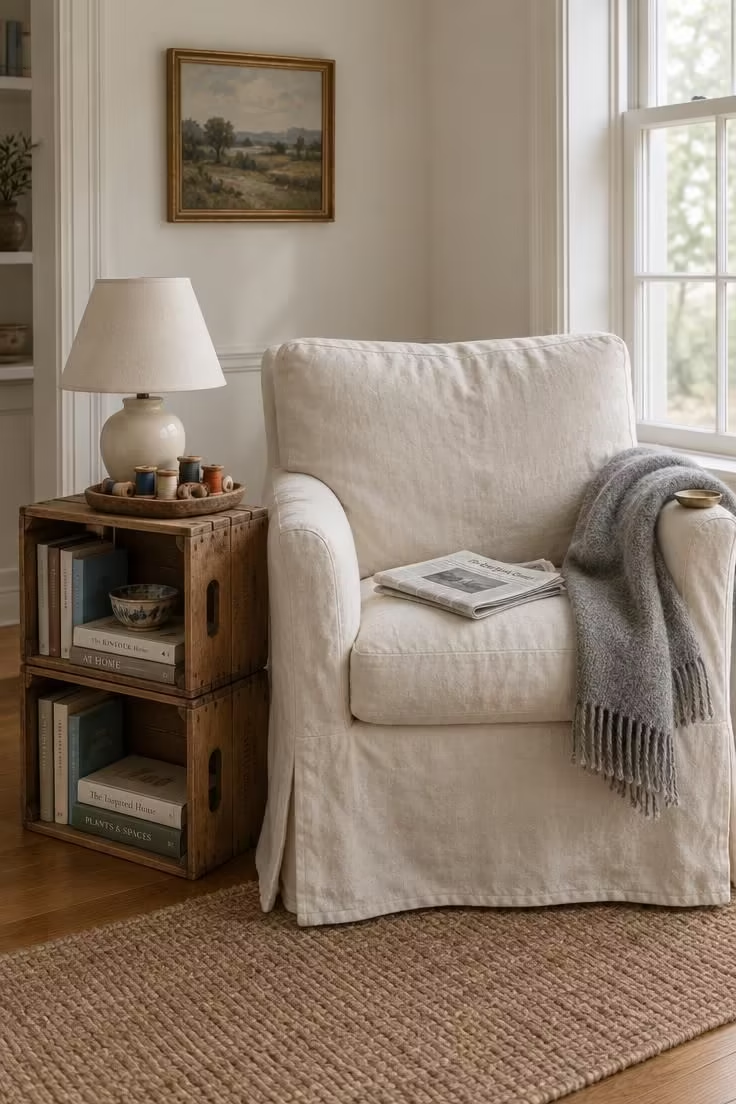
The slipcover gives a soft, washable surface that suits a farmhouse room.
Stacked crates add salvage character and storage at the same time.
Turning the openings outward lets the crates hold books or small items rather than serving as a solid block.
The lamp needs to be small enough to sit below the chair back so it does not compete with the chair.
Keeping collected objects to a single tray, such as spools, keys, or buttons, prevents the surface from spreading.
A wool or cotton throw over one arm adds warmth and a soft edge to a hard-sided crate.
Crates as a side table free floor area compared with a full table, and the slipcover can be washed rather than replaced.
Verify that stacked crates are stable on the specific floor and cannot tip, and check any anchoring product against current manufacturer instructions.
This setup translates well as an eclectic farmhouse decor for bedroom corners or quiet reading nooks.
Style Blueprint:
- A slipcovered chair in a neutral that repeats a color used elsewhere in the room.
- Two crates stacked, turned so the openings face outward for books or small items.
- A lamp small enough to sit below the chair back so it does not compete.
- One collected object group, such as spools, keys, or buttons, kept to a single tray.
- A wool or cotton throw over one arm for warmth.
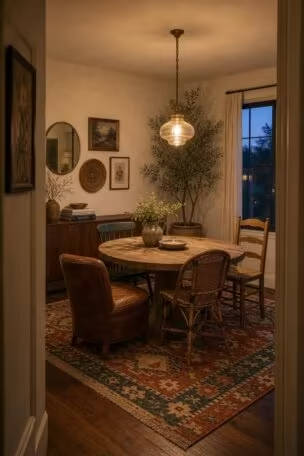
A Mixed Table Setting With Odd Chairs and Ironstone Plates in a Dining Room
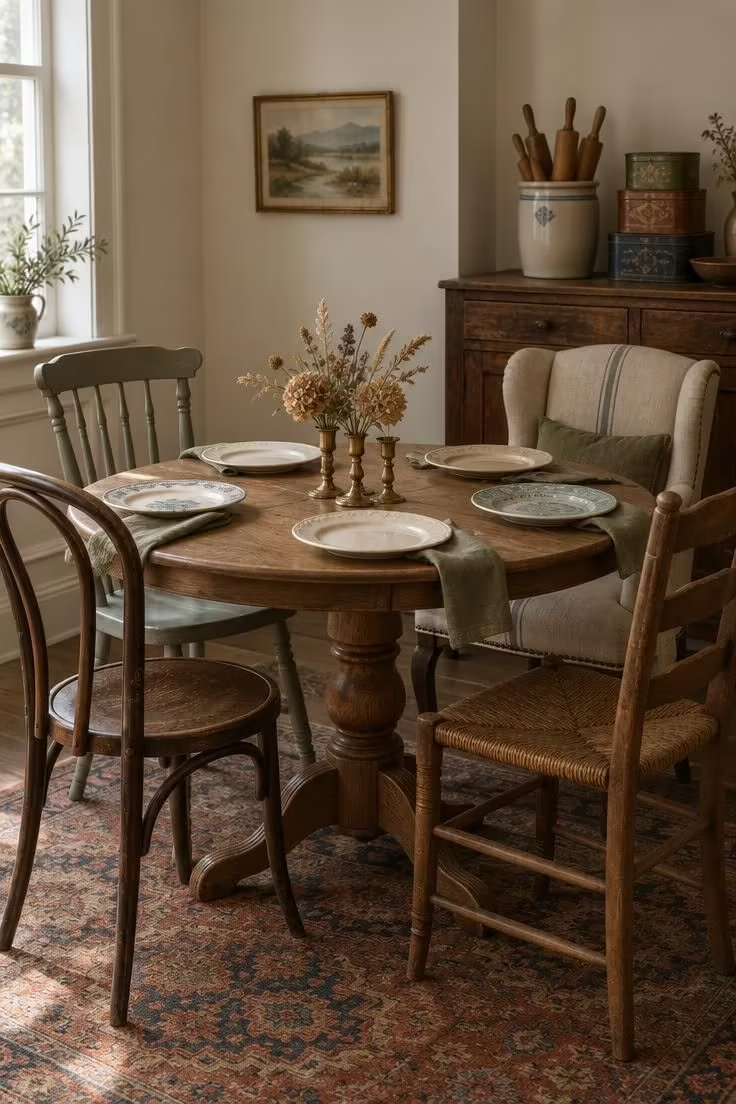
A round table changes the rhythm of eclectic farmhouse decor for dining room spaces by making each chair equally visible.
Odd chairs arranged around a round top read as a gathering rather than a row.
Mixed ironstone plates in close tones keep the table setting varied without turning busy.
A low centerpiece allows the chairs and plates to remain the main visual subjects.
The sideboard in the background repeats the rolling-pin crock from earlier, which creates a thread across rooms without making everything match.
A worn rug under a dining table absorbs noise and adds another layer of softness, though it requires more regular vacuuming than a hard floor alone.
Wool rugs near dining tables also need prompt attention to spills so crumbs and liquids do not settle into the pile.
Style Blueprint:
- One round table in a warm wood tone as the shared center.
- Two to four chairs in different silhouettes but similar seat heights.
- Mixed plates in cream, blue, or olive that repeat the room’s palette.
- One low centerpiece of candlesticks, small pots, or dried flowers.
- A worn rug beneath for softness and color, with attention to routine cleaning.
Conclusion
Eclectic farmhouse decor works when a rustic foundation holds varied periods, materials, and personal objects while one or two shared threads keep the mix readable.
The practical work is editing as much as adding, since an arrangement usually improves when something comes out rather than goes in.
Dusting open shelves, laundering textiles, and rotating dried displays are routine parts of maintaining a collected look.
The ideas here range from rustic eclectic farmhouse decor to cleaner modern eclectic farmhouse decor, so the same foundation can lean older or newer depending on what arrives next.
Diy eclectic farmhouse decor appears when simple hooks, gathered stems, or stacked crates replace purchased systems.
A collected home grows at its own pace rather than arriving in one delivery, and that pace is part of what makes it feel lived in.