This post may contain affiliate links. If you make a purchase through these links, we may earn a commission at no additional cost to you.
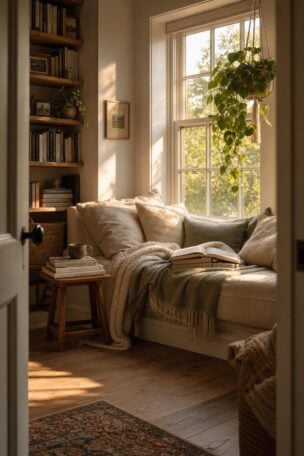
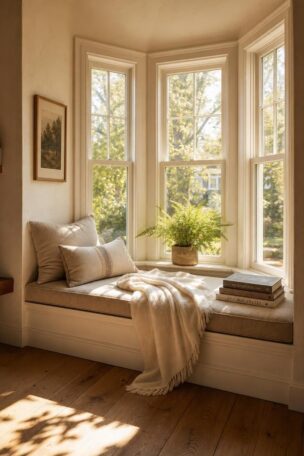
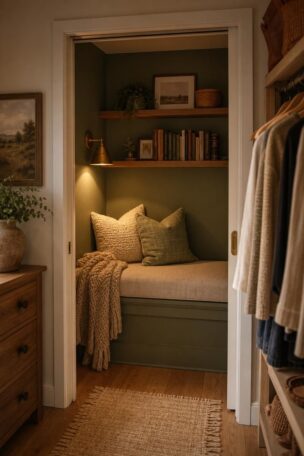
A cottagecore reading nook is one of those corners that makes a whole house feel more like home.
Soft quilts, weathered wood, a few old paperbacks, and a window full of afternoon light, that is really all it takes.
The ideas below each focus on a single, specific scene you can build in your own space, from a painted spindle-back chair by the window to a floor-level setup anchored by a braided jute rug.
Every one of them leans into the textures, materials, and quiet mood that make cottagecore decor so appealing.
Pick the one that fits your room and your budget, and make it yours.
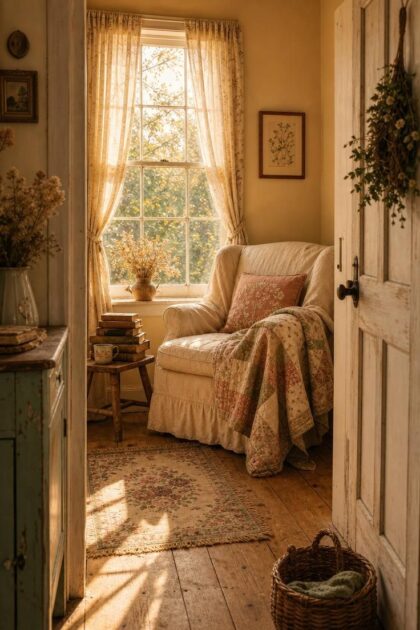
A Patchwork Quilt Draped Over a Painted Spindle-Back Chair
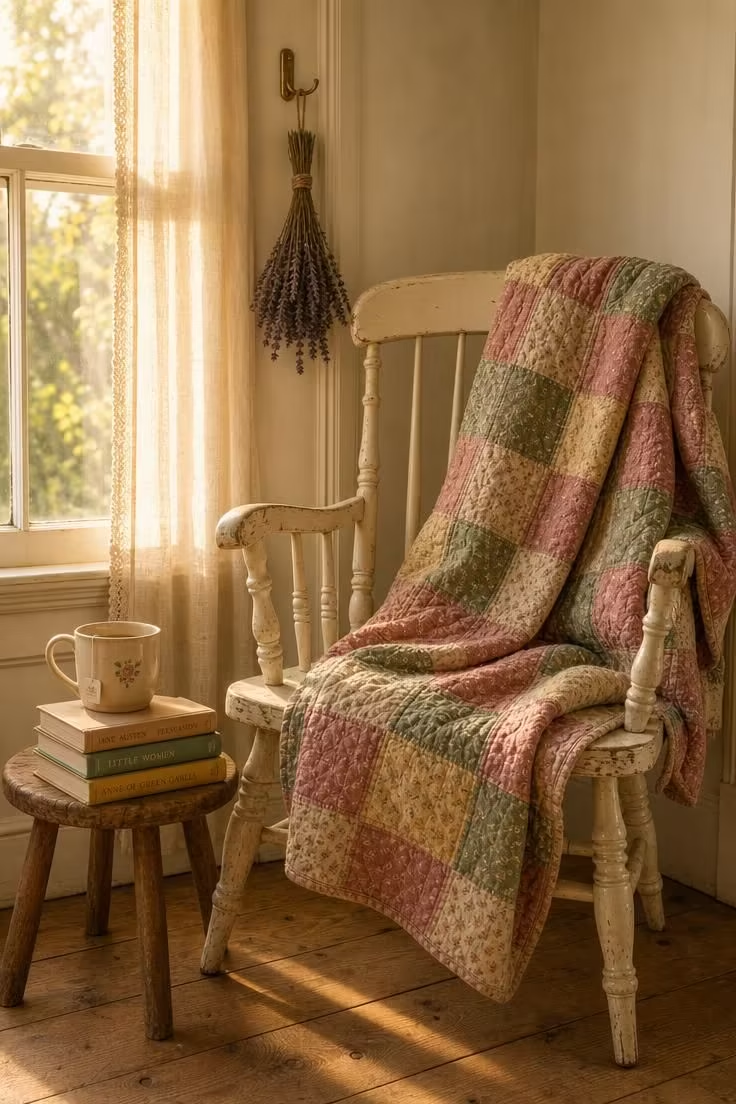
A reading corner like this one works because every piece in it looks like it has been there for years.
The patchwork quilt is the centerpiece, and its muted colors keep the chair from feeling too plain or too precious.
Cream paint on turned wood spindles gives the frame a soft, chalky texture that catches the light differently than raw or stained wood would.
Placing the chair beside a tall sash window means you get natural reading light without needing a lamp until evening.
The small wooden stool is doing double duty here, holding your drink and your next read within arm’s reach.
That single dried lavender bundle near the window adds a faint scent to the spot without cluttering the wall.
Style Blueprint:
- A painted spindle-back chair in cream or soft white
- A hand-stitched or vintage patchwork quilt in muted tones
- A small wooden stool or plant stand as a side table
- Sheer muslin or cotton curtains for filtered light
- One dried herb bundle (lavender, rosemary, or thyme) hung nearby
A Linen Daybed Tucked Into a Whitewashed Dormer Alcove
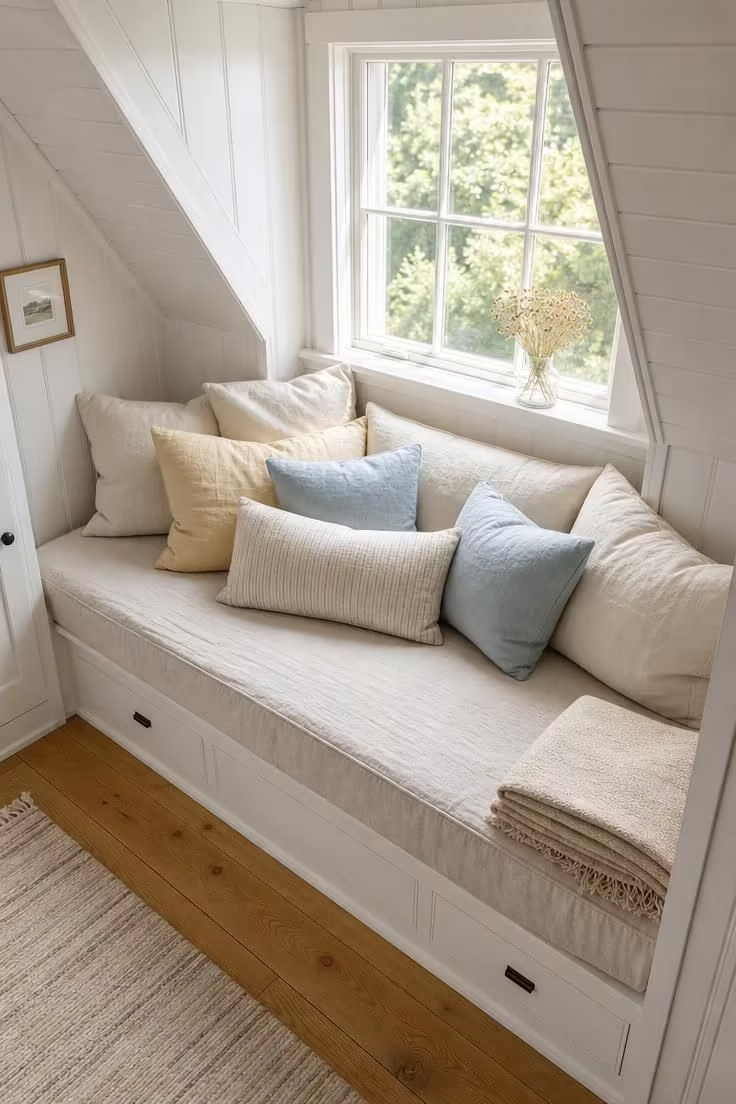
Dormer alcoves are made for reading nooks because the angled walls create a natural sense of enclosure.
Whitewashed beadboard on those walls adds texture without making the small space feel heavy or dark.
The linen pillows here are stacked rather than propped flat, which gives you options for sitting upright to read or lying back for a lazy afternoon.
Keeping the color palette to cream, pale yellow, and dusty blue means the space feels calm even when the midday sun is at full strength.
Dried chamomile on the windowsill is a small detail, but it reinforces that countryside feeling more than a fresh-cut bouquet would.
The oatmeal throw folded at the foot is there when the temperature dips but stays out of the way otherwise.
A cozy reading space like this one works best when you resist the urge to over-decorate it.
Style Blueprint:
- A built-in or freestanding daybed sized to the alcove
- Linen pillowcases in two or three soft, coordinating colors
- A lightweight cotton or linen throw in a neutral tone
- Dried chamomile or similar small dried flowers for the sill
- Whitewashed beadboard or shiplap on the alcove walls
A Rattan Peacock Chair Surrounded by Trailing Pothos Vines
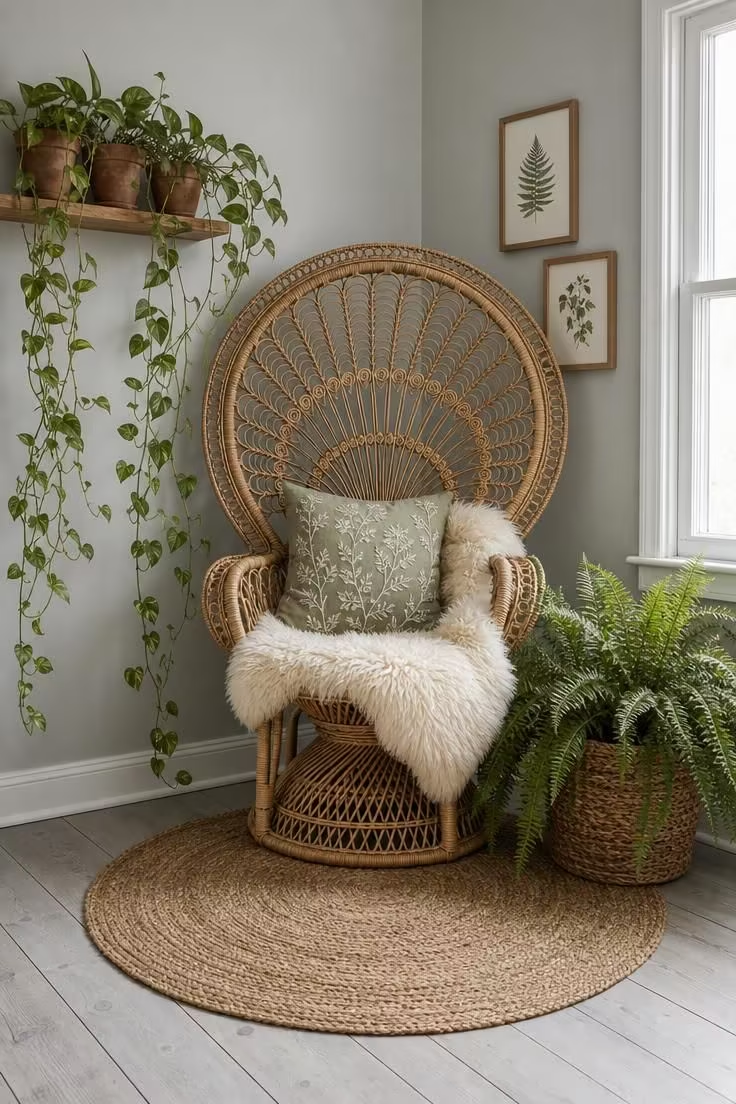
The peacock chair is one of those pieces that immediately sets a mood, and in a reading nook with plants, it becomes the anchor for everything around it.
Its fan-shaped back creates a natural frame around whoever is sitting in it, which makes the spot feel protected and private even in an open room.
Trailing pothos vines on a nearby shelf bring movement and life to the corner without taking up floor space.
The Boston fern at the base fills out the lower part of the scene and hides the chair’s simple legs behind a wave of green.
Sage and cream keep the palette grounded, while the terracotta pots add just enough warmth to prevent the cool light from making the space feel stark.
The embroidered cushion is a small handmade touch that separates this from a showroom setup.
Botanical prints on the wall echo the real plants below without competing with them.
Diffused north-facing light is ideal here because it stays even throughout the day and never creates the hot spots that fade rattan over time.
Style Blueprint:
- A natural rattan peacock chair (full fan back)
- A cream sheepskin throw and one embroidered linen cushion
- Two or three trailing pothos plants on a nearby shelf
- A large fern in a woven basket planter at floor level
- Small framed botanical prints on the adjacent wall
A Floral Chintz Window Seat With Cedar Storage Below
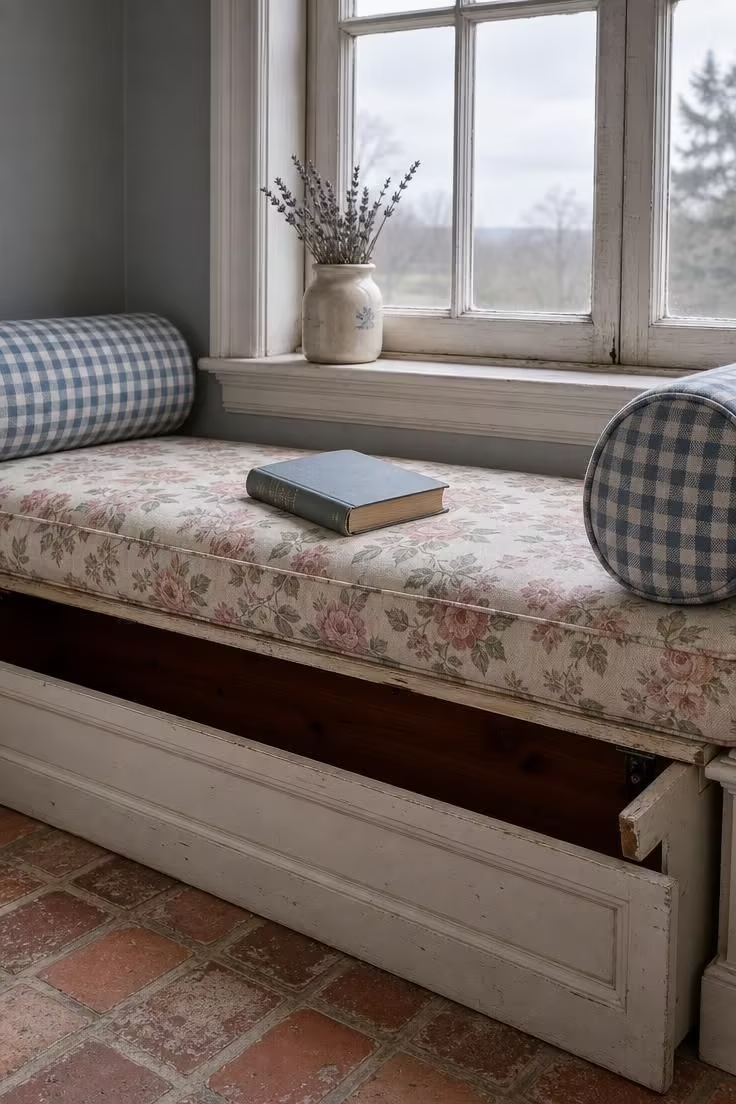
A window seat nook with built-in storage solves two problems at once, giving you a dedicated spot to sit and read while hiding blankets and extra pillows out of sight.
Cedar lining inside the storage compartment is a practical detail that keeps stored textiles smelling fresh and discourages moths.
Floral chintz is a bold choice for upholstery, but the muted rose and cream colorway here keeps it from feeling overwhelming.
The gingham bolsters at each end are doing more than decoration, they prop you up when you lean sideways against the wall to read.
Cool overcast light is actually ideal for a floral reading nook because it brings out the pattern’s details without washing them out the way direct sun would.
That open novel face-down on the cushion is the kind of styling that makes a space look used rather than staged.
Style Blueprint:
- A built-in window seat with a hinged lid and cedar-lined interior
- Chintz upholstery in a muted floral pattern (rose, cream, green)
- Two gingham throw pillows in a coordinating color
- A ceramic jar with dried lavender on the sill
- Pale dove gray or soft blue-gray wall paint flanking the window
Design Pro-Tip: When choosing fabric for a reading nook cushion, pick something you would be comfortable sitting on for two hours straight. Chintz and linen blends breathe well in warm months, while a heavier cotton twill works better in cooler climates. Skip anything too slippery or too rough, comfort matters more than how the fabric photographs.
A Braided Jute Rug Beneath a Low Oak Bookshelf and Floor Cushions
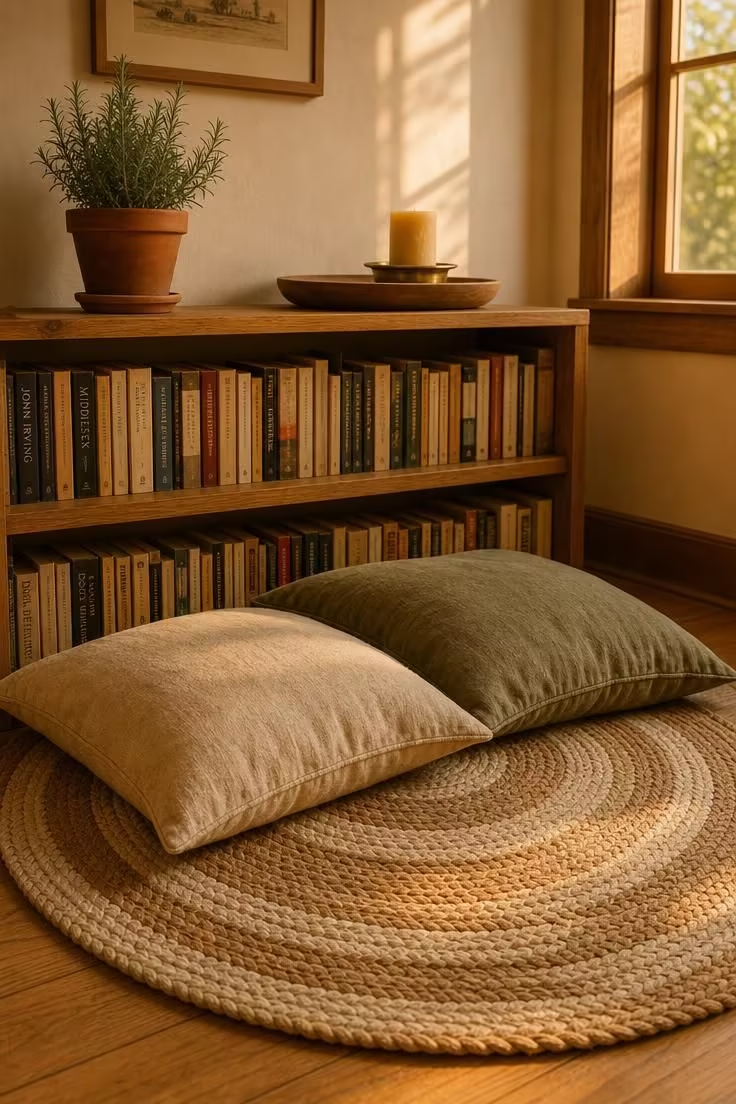
Floor-level reading setups have a relaxed, informal quality that chairs and daybeds cannot quite match.
The braided jute rug defines the zone and adds a layer of cushioning between you and the hardwood.
Oversized floor cushions in linen are the right call here because they hold their shape better than bean bags and look more intentional than a pile of throw pillows.
A low bookshelf keeps your current reads within arm’s reach without towering over the space.
The rosemary plant on top of the shelf brings a fresh herbal scent to the corner and ties into the rustic reading corner feel.
Golden hour light from a west-facing window only lasts about an hour, but it is the best reading light of the day, warm enough to relax your eyes without being dim.
Beeswax on a brass dish adds a subtle honey scent when lit and looks right at home on the wooden tray.
Book nook ideas like this one prove you do not need a dedicated room or built-in furniture to create a real reading space.
Keeping the palette to earth tones means every piece blends together rather than competing for attention.
Style Blueprint:
- A large round braided jute rug (at least 5 feet in diameter)
- Two oversized linen floor cushions in neutral or muted tones
- A low solid wood bookshelf (two shelves or fewer)
- A potted rosemary or herb plant in terracotta
- A beeswax pillar on a wooden tray or brass dish
A Moss-Green Velvet Armchair Under an Exposed Oak Beam
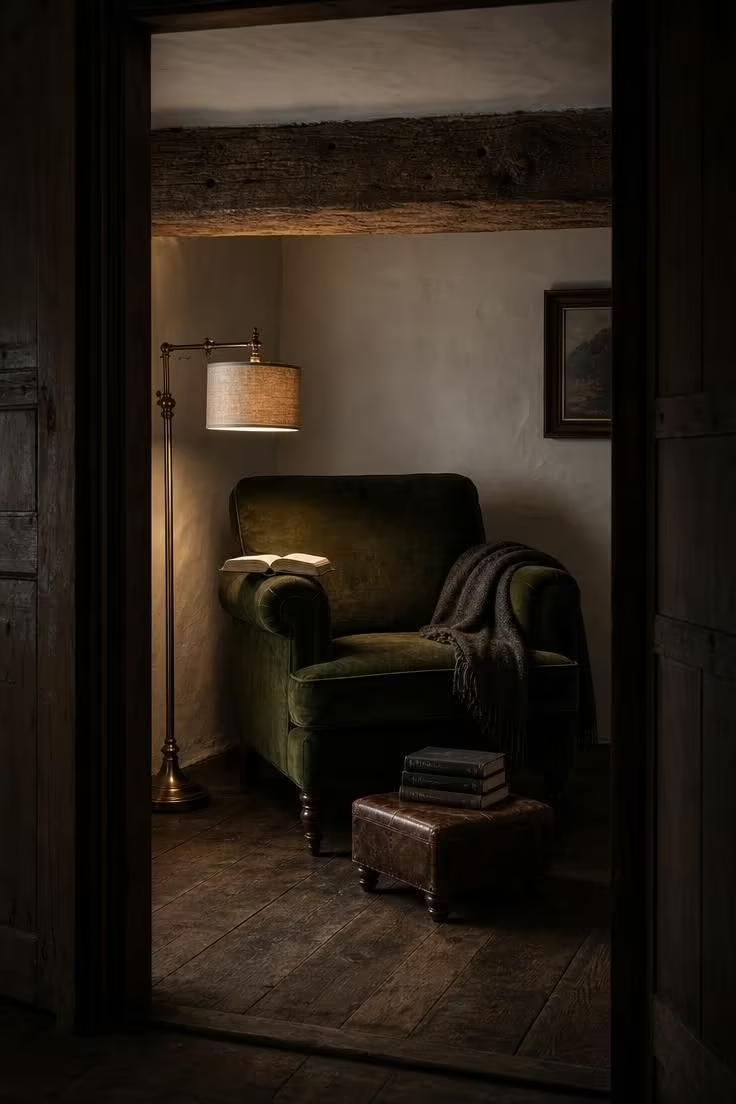
Velvet in a deep moss green gives a reading chair real visual weight, which is exactly what you want when the rest of the room is spare and white.
The exposed oak beam overhead adds architectural character and draws the eye upward, making even a low-ceilinged room feel more interesting.
Placing the chair directly beneath the beam creates a sense of being sheltered without actually enclosing the space.
A vintage brass floor lamp with a linen shade throws warm, directional light right where you need it for reading, and the brass catches the glow in a way that chrome or matte black would not.
The leather ottoman is a practical surface that doubles as a footrest when the book goes down.
Charcoal gray wool on the chair arm adds just enough contrast to keep the green from blending into shadow.
That doorway-threshold view makes the whole scene feel discovered, like a private room you stumbled into.
Style Blueprint:
- A deep velvet armchair in moss green (rolled arms, wooden legs)
- A vintage brass floor lamp with a linen shade
- An exposed ceiling beam (or a faux beam installed for the effect)
- A small leather or upholstered ottoman for books and feet
- A wool throw in charcoal or dark gray
A Wicker Basket Collection Flanking a Toile-Covered Bench
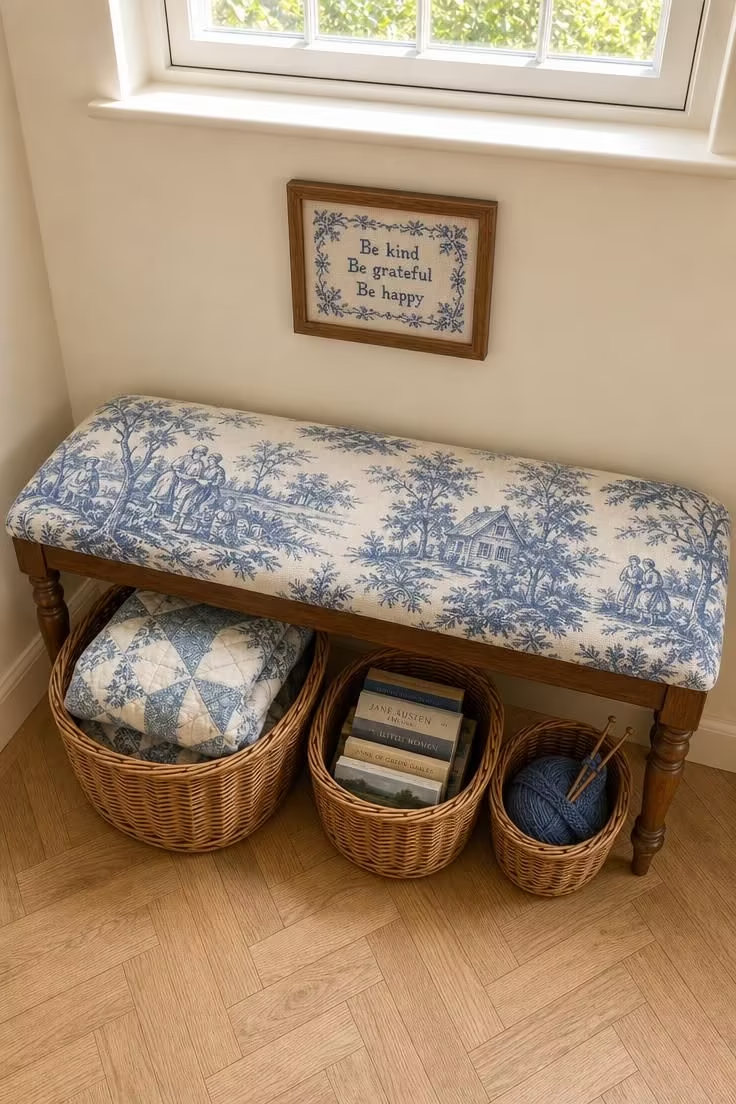
Toile fabric has a storytelling quality that fits naturally into a cottagecore reading nook, and blue-on-cream is the most classic colorway for it.
The pastoral scenes printed on the fabric give the bench a narrative element that solid upholstery cannot offer.
Wicker baskets in graduated sizes turn the space beneath the bench into organized storage that looks intentional rather than cluttered.
Separating the baskets by purpose, one for blankets, one for books, one for a small craft project, keeps the reading corner functional throughout the day.
Bright midday light from a transom window above is ideal because it illuminates the bench without creating glare on a book page.
The cross-stitch sampler is a handmade detail that anchors the wall and gives the spot a personal, homespun quality.
A herringbone floor pattern adds visual interest at ground level without pulling focus from the toile and wicker.
This kind of setup works well in hallways, entryways, or any narrow wall space that would otherwise go unused.
Style Blueprint:
- A narrow wooden bench with turned legs
- French toile upholstery in blue and cream
- Three wicker baskets in graduated sizes for under-bench storage
- A small framed cross-stitch or embroidery piece for the wall
- A transom window or wall sconce for overhead light
A Gingham Canopy Over a Wrought Iron Bed Frame Corner
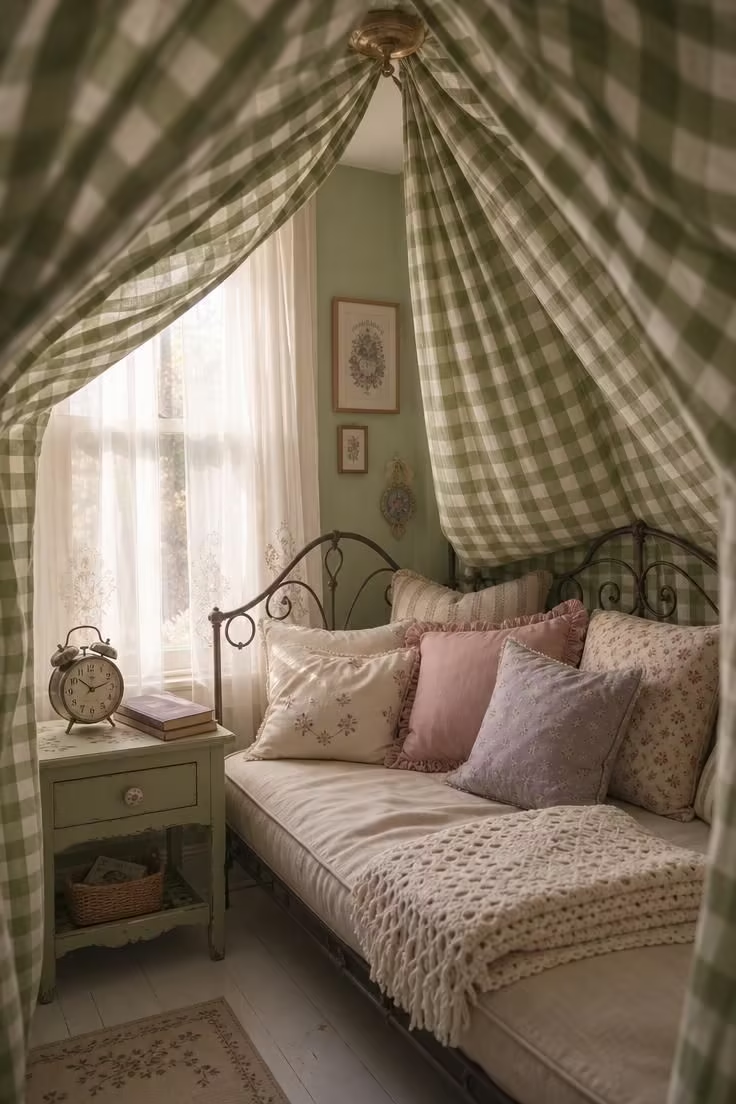
Repurposing a wrought iron bed frame as a reading nook is a clever way to give an old piece of furniture a second life.
The iron frame provides structure and height, and the gingham canopy draped from a ceiling hook turns the corner into a partially enclosed tent.
Mismatched pillows in a tight color range (cream, rose, lavender) look collected over time rather than bought as a set, which is the whole point of cottagecore decor.
The crocheted throw adds a handmade layer that reinforces the slow, domestic mood.
A vintage wind-up clock on the nightstand is a small styling choice that fits the aesthetic better than a phone or digital alarm would.
Style Blueprint:
- A wrought iron single bed frame (vintage or reproduction)
- A thick linen cushion pad cut to fit the frame
- Gingham fabric (enough to drape from a ceiling hook to the frame)
- Six mismatched pillows in two or three coordinating colors
- A crocheted or hand-knit throw in cream or oatmeal
Design Pro-Tip: If you are creating a canopy from fabric, use a single brass or wooden ceiling hook rated for at least 15 pounds. Drape the fabric over the hook and let it fall naturally rather than pinning it taut. The relaxed drape is what makes it feel like a reading tent instead of a curtain rod.
Dried Wildflower Bundles Hung Above a Painted Pine Shelf
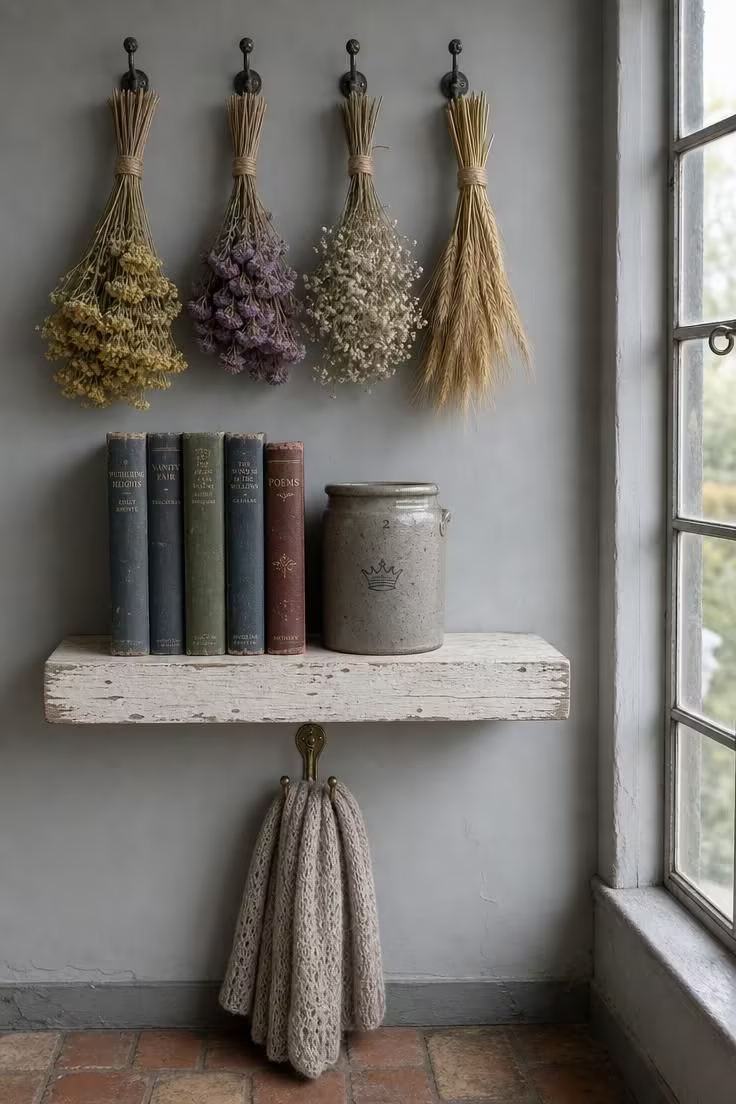
Hanging dried wildflowers above a book shelf is one of the simplest ways to add a vintage reading nook quality to any wall.
The flowers dry naturally over a few weeks and keep their color for months, making them a low-maintenance decorative choice.
Yarrow, statice, baby’s breath, and wheat each dry well and offer different textures, from the flat heads of yarrow to the airy sprays of baby’s breath.
Painting a pine shelf in antique white and letting it chip slightly at the edges gives it an aged look that fits right into a cottagecore reading nook.
Old hardcovers with cloth spines are both functional and decorative, and secondhand bookstores are the best source for them.
The stoneware crock on the shelf is a practical catch-all for bookmarks, reading glasses, or a pen.
Cool overcast light is flattering for dried flowers because it brings out their muted tones without bleaching them the way direct sun would.
Style Blueprint:
- A painted pine floating shelf (antique white or soft cream)
- Four or five bundles of dried wildflowers tied with jute twine
- Small wrought iron hooks for hanging the bundles
- Old hardcover books with cloth or linen spines
- A stoneware crock or pitcher as a shelf accent
A Terracotta Pot Collection on a Stone Windowsill Reading Perch
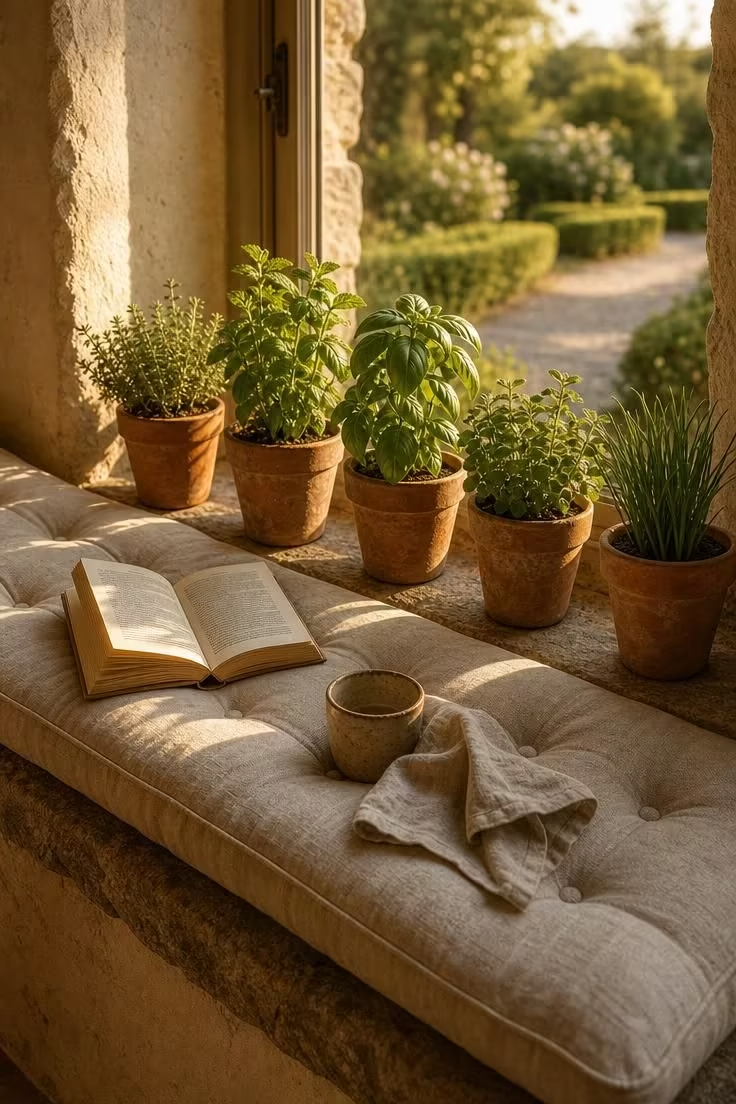
A deep stone windowsill is one of the most appealing surfaces in any older home, and turning it into a reading perch takes very little effort.
The tufted linen cushion is the one piece that makes it comfortable enough for long reading sessions.
Button tufting keeps the cushion from sliding on the smooth stone and adds a polished detail to an otherwise rustic surface.
Terracotta pots with fresh herbs serve double duty, they look right at home on a stone sill and fill the space with a clean, green scent when the sun warms them.
Choosing herbs you actually cook with (thyme, basil, mint) means the pots are functional beyond decoration.
Late-afternoon golden light at a low angle is what makes a west-facing window seat feel warm without being hot, and it brings out the natural grain in both the stone and the linen.
The garden view through the window connects the indoor reading spot to the landscape outside, which is one of the core ideas behind a rustic reading corner.
Rough plaster walls painted in warm cream frame the window without competing with the view or the herbs.
Keeping the accessories minimal, just a paperback, a cup, and a napkin, lets the materials and the light do the work.
Style Blueprint:
- A deep stone or masonry windowsill (at least 18 inches deep)
- A custom-fitted tufted linen cushion in a neutral tone
- Five small terracotta pots with fresh culinary herbs
- Thick rough-plastered or lime-washed walls around the window
- A view of garden, hedge, or greenery through the glass
A Hand-Knit Throw Over a Ladder-Back Rocker Near the Hearth
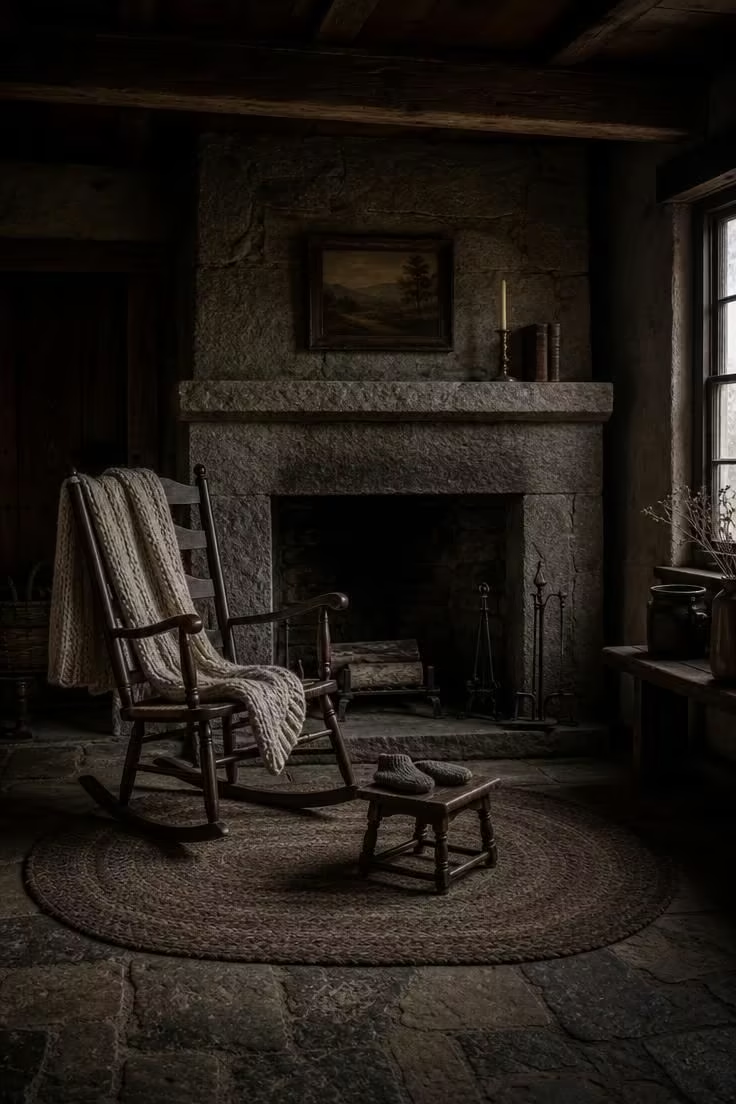
A rocking chair by the hearth is one of the oldest farmhouse reading nook setups, and it works because the combination of gentle motion and warm stone behind you is deeply calming.
A ladder-back design in dark walnut has a straightforward, utilitarian look that avoids the fussiness of more ornate chairs.
The hand-knit throw in oatmeal cream is the centerpiece here, and its chunky texture stands out against the smooth dark wood of the chair.
Moody low light makes this corner feel like a retreat even in the middle of the day, especially during overcast winter afternoons.
A single beeswax pillar on the mantel adds a point of warm color and a faint honey scent without cluttering the stone shelf.
The wool socks on the footstool are a small lived-in touch that makes the scene feel inhabited rather than styled.
Style Blueprint:
- A ladder-back rocking chair in dark walnut or similar hardwood
- A chunky hand-knit throw blanket in cream or oatmeal
- A stone fireplace with a natural granite or limestone surround
- A beeswax pillar in a brass holder for the mantel
- A braided oval rug in front of the hearth
Design Pro-Tip: Position a reading chair at least 18 inches from a fireplace opening to stay comfortable when the fire is going, but close enough that the warmth still reaches you. If the hearth is purely decorative, you can move the chair closer and use the firebox to store a basket of rolled blankets instead.
A Pressed-Flower Gallery Wall Behind a Slipcovered Loveseat
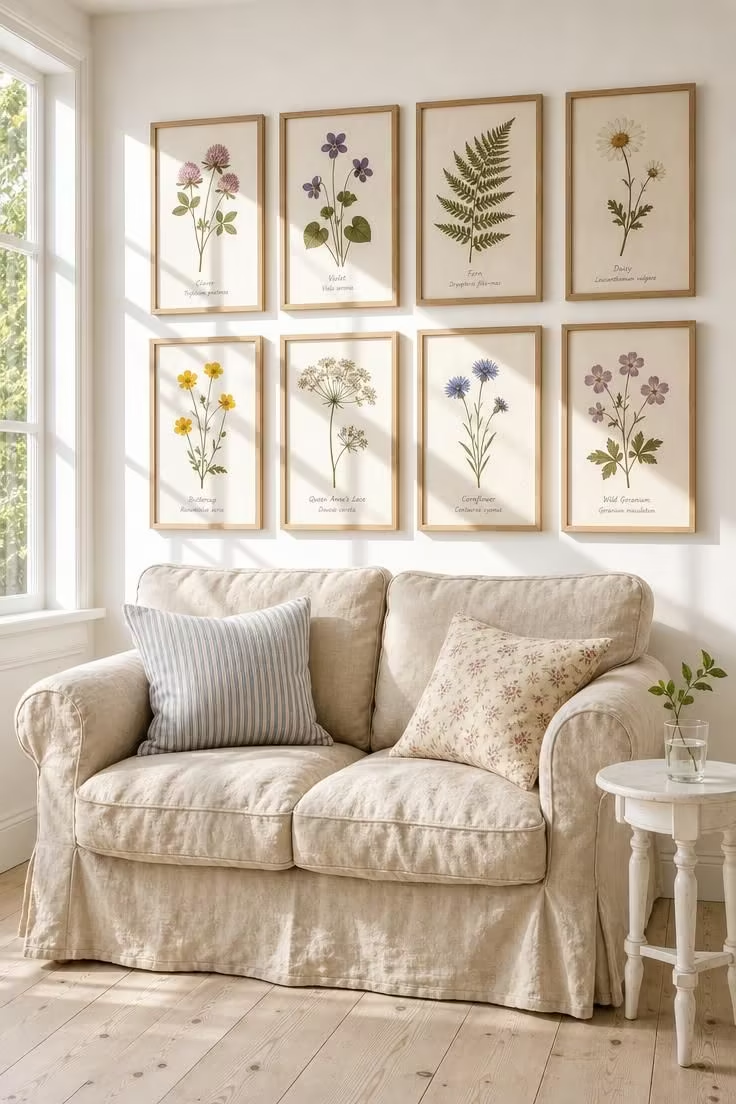
Pressed flowers in simple frames make a gallery wall that feels personal in a way that mass-produced prints cannot match.
Each specimen is different, and the slight variations in color and form give the wall a collected-over-time quality.
Arranging them in an asymmetric grid rather than a perfect row keeps the display looking relaxed and intentional.
Bright midday light is ideal for pressed-flower art because it makes the translucent petals glow and reveals details like vein patterns in leaves.
The linen slipcovered loveseat beneath the wall provides seating for two, which turns the reading nook into a shared spot rather than a solo corner.
Washed linen in natural flax has a texture that improves with age and washing, getting softer and more rumpled over time.
Mismatched throw pillows in complementary patterns (ticking stripe and small floral) add color without breaking the calm palette.
This kind of floral reading nook works well as a focal wall in a living room, bedroom, or even a wide upstairs hallway.
Style Blueprint:
- A small loveseat with a washed linen slipcover in natural flax
- Eight pressed-flower specimens in matching light oak frames
- Two mismatched vintage throw pillows in coordinating patterns
- A small round painted side table
- Bright natural light from a nearby window (south or west facing)
A Reclaimed Wood Crate Side Table Beside a Canvas Drop-Cloth Chair
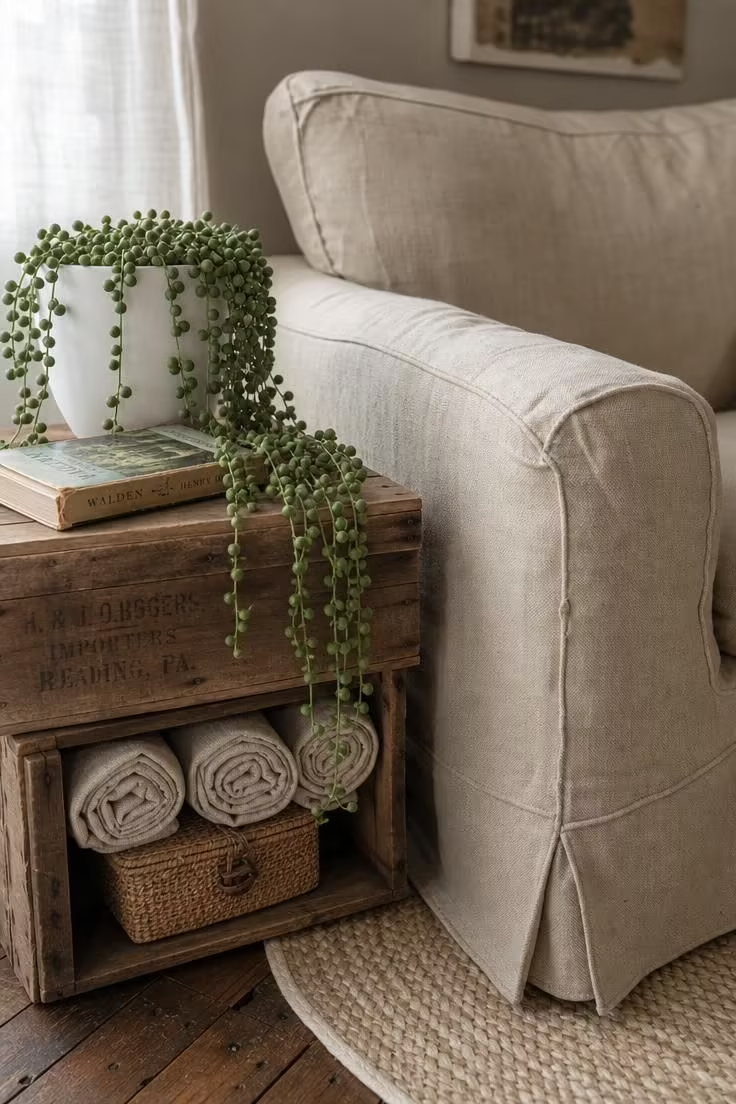
Canvas drop cloth as upholstery fabric is an unconventional choice that works perfectly for cottagecore decor because it looks handmade and unfussy.
The raw, undyed surface has a painter’s studio quality that pairs well with reclaimed wood and natural greenery.
Stacked wooden crates as a side table are inexpensive, easy to find at salvage yards or flea markets, and completely customizable in height and arrangement.
Using the top crate for a plant and a book while the bottom one stores rolled textiles keeps the setup functional without adding extra furniture.
A trailing string-of-pearls plant is a low-maintenance choice that adds a cascading green element to the reading nook with plants arrangement.
Soft diffused light through gauze curtains gives the scene an even, gentle brightness that works at any time of day.
The braided cotton rug beneath the chair softens the reclaimed oak floor and keeps bare feet comfortable during long reading sessions.
Style Blueprint:
- A deep armchair upholstered in raw canvas or drop cloth
- Two reclaimed wooden crates stacked as a side table
- A trailing plant (string-of-pearls, pothos, or string-of-hearts) in a simple pot
- Lightweight gauze or cheesecloth curtains for diffused light
- A braided cotton rug in neutral tones beneath the chair
Conclusion
A cottagecore reading nook does not need a big budget or a dedicated room.
It needs the right combination of soft textures, natural materials, warm light, and a few personal touches that make the space feel like yours.
Whether you start with a painted chair and a patchwork quilt or go all in with a built-in window seat and cedar storage, the goal is the same: a quiet corner where the outside world slows down for a while.
Pick the idea that matches your space, gather the materials, and build it one piece at a time.