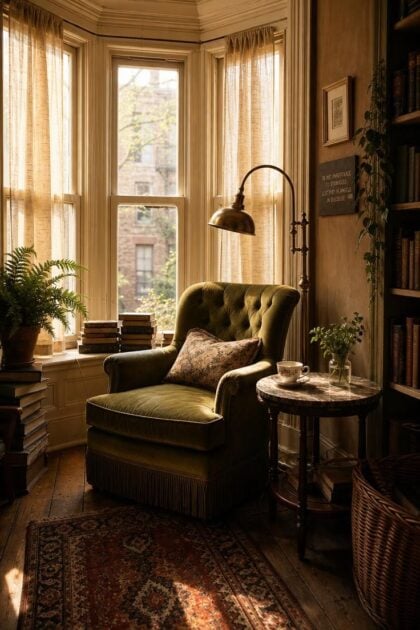
This post may contain affiliate links. If you make a purchase through these links, we may earn a commission at no additional cost to you.
There is something about sinking into a worn chair surrounded by old books and warm light that makes the rest of the world feel far away.
A vintage reading nook invites that feeling into your home, layering collected textures, secondhand finds, and period details into a quiet corner that rewards slow afternoons.
Whether you have a full bay window or just a narrow hallway alcove, these vintage reading nook ideas prove that a little character goes a long way.
Each one pairs specific furniture, lighting, and accents so you can picture the finished space before you start.
A Tufted Armchair in Faded Rose Velvet Beside a Barrister Bookcase
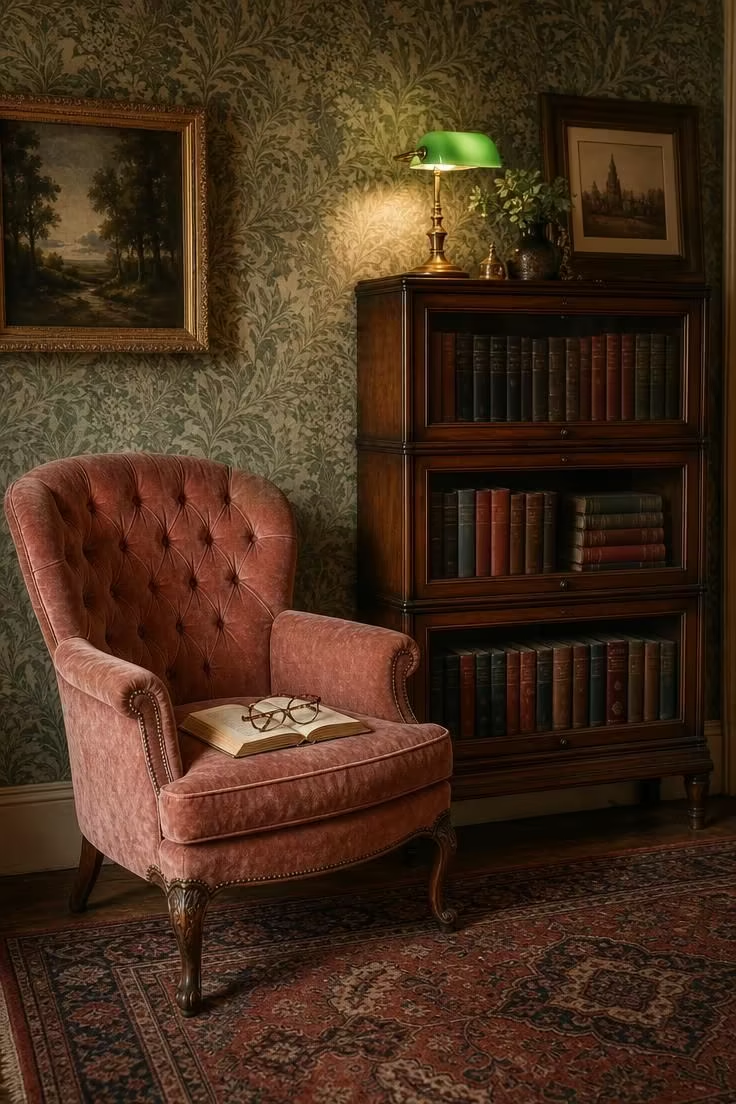
The faded rose velvet on this tufted armchair does something that brand-new upholstery cannot: it tells you the chair has been loved.
Pairing it with a barrister bookcase adds structure to the softness, and those glass-front doors protect spines from dust while keeping titles visible.
The brass reading lamp on top pulls the eye upward and gives the whole arrangement a vertical lift that a floor lamp beside the chair would not.
A Persian runner beneath both pieces grounds the vintage reading nook and defines its territory within a larger room.
Walnut legs on the chair and the warm tones of the bookcase wood create a family of materials that reads as collected rather than purchased.
This is the kind of vintage reading corner that looks like it grew into place over twenty years.
Style Blueprint:
- A tufted armchair in velvet with visible patina on the legs
- A glass-front barrister bookcase, two or three stacks
- A brass reading lamp with a colored glass shade
- A worn Persian or Oriental runner rug
- Cloth-bound hardcovers in a mix of muted colors
A Dormer Window Seat With Linen Ticking Stripe Cushions
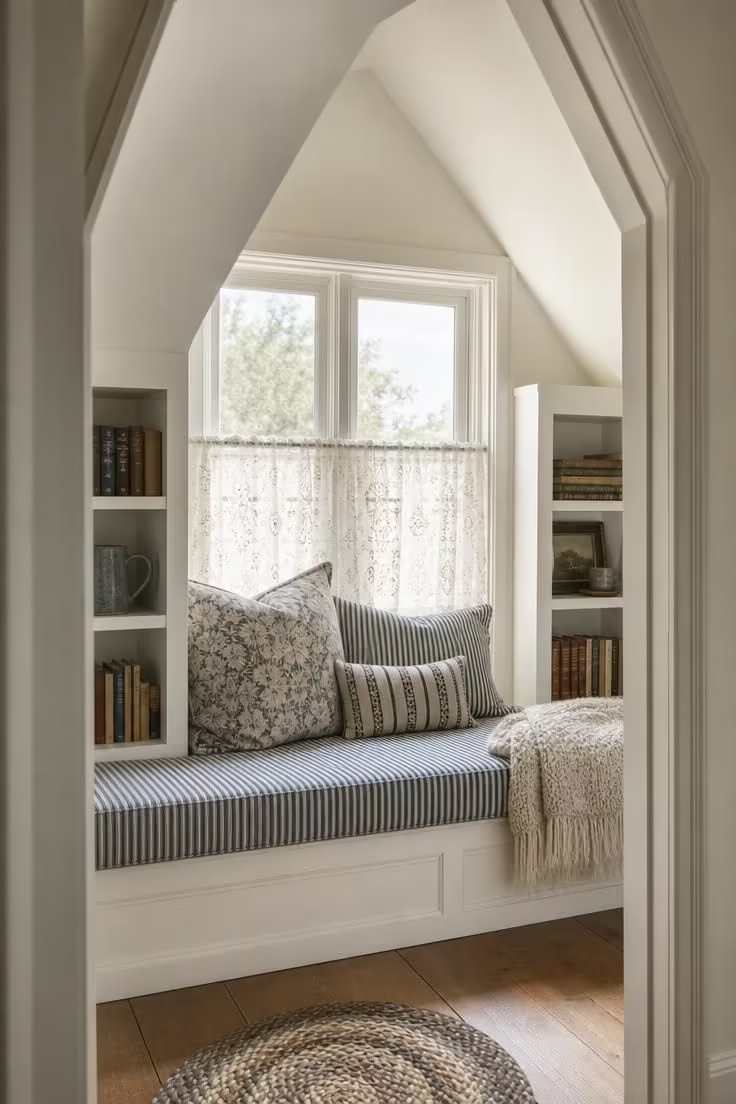
Dormer alcoves were made for reading, and a built-in window seat turns that angled ceiling from an awkward leftover into the coziest seat in the house.
Linen ticking stripe fabric has been a staple since the 18th century, when it covered mattresses and workwear before making its way into home decor.
The navy and cream palette keeps the space feeling crisp without competing with the books or the view.
Open shelves built into the knee walls put your current reads within arm’s reach and make use of space that would otherwise go to waste.
Lace half-curtains are doing two jobs here: they soften the light for comfortable reading while preserving privacy from the street.
A hand-knit throw folded at the end of the seat says this is a place where someone stays for hours, not minutes.
The wide-plank oak floor and warm white walls let the window seat function as the clear focal point of the room.
Design Pro-Tip: When building a dormer window seat, make the cushion at least five inches deep and add a plywood base with piano hinges underneath for hidden blanket storage.
Style Blueprint:
- A built-in window seat with a cushion at least five inches thick
- Linen ticking stripe upholstery in a two-tone palette
- Open shelves fitted into the knee walls
- Lace half-curtains or sheer panels on the dormer window
- A hand-knit or woven throw in a neutral tone
A Cane-Back Rocking Chair on a Faded Kilim Rug
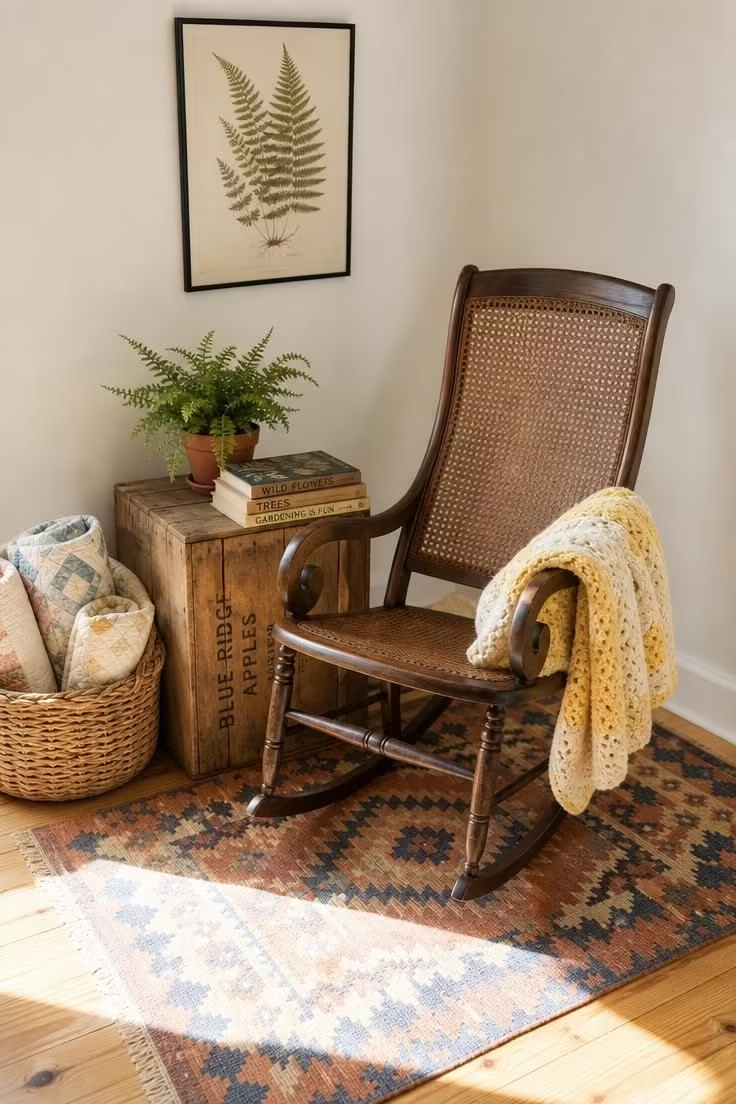
The gentle motion of a rocking chair changes how you read, slowing your breathing and settling your attention into the page.
Cane-back rockers from the 1960s have the right proportions for a reading nook: tall enough to support your head, open enough to let air circulate in warm months.
This faded kilim rug does something that a solid-color rug cannot, it gives the floor its own layer of pattern and history.
Terracotta and indigo age beautifully together, and the slight irregularity of a hand-knotted kilim makes the space feel collected.
A wooden fruit crate turned on its side is a side table that costs almost nothing and matches the rough, honest character of the chair.
The hand-crocheted afghan draped over the arm is practical and decorative at once, ready for a cool evening without looking staged.
Overhead, a single botanical print keeps the wall from feeling bare without pulling focus from the reading nook furniture below.
The bright midday light flooding across the rug picks up every thread and texture, making this cozy reading space feel alive with detail.
Style Blueprint:
- A cane-back rocking chair from the 1960s or 1970s
- A faded kilim rug in warm tones like terracotta and indigo
- A repurposed wooden crate as a side table
- A hand-crocheted or knitted afghan
- A woven floor basket for storing extra quilts or throws
Reclaimed Barn Wood Shelves Flanking a Leather Club Chair
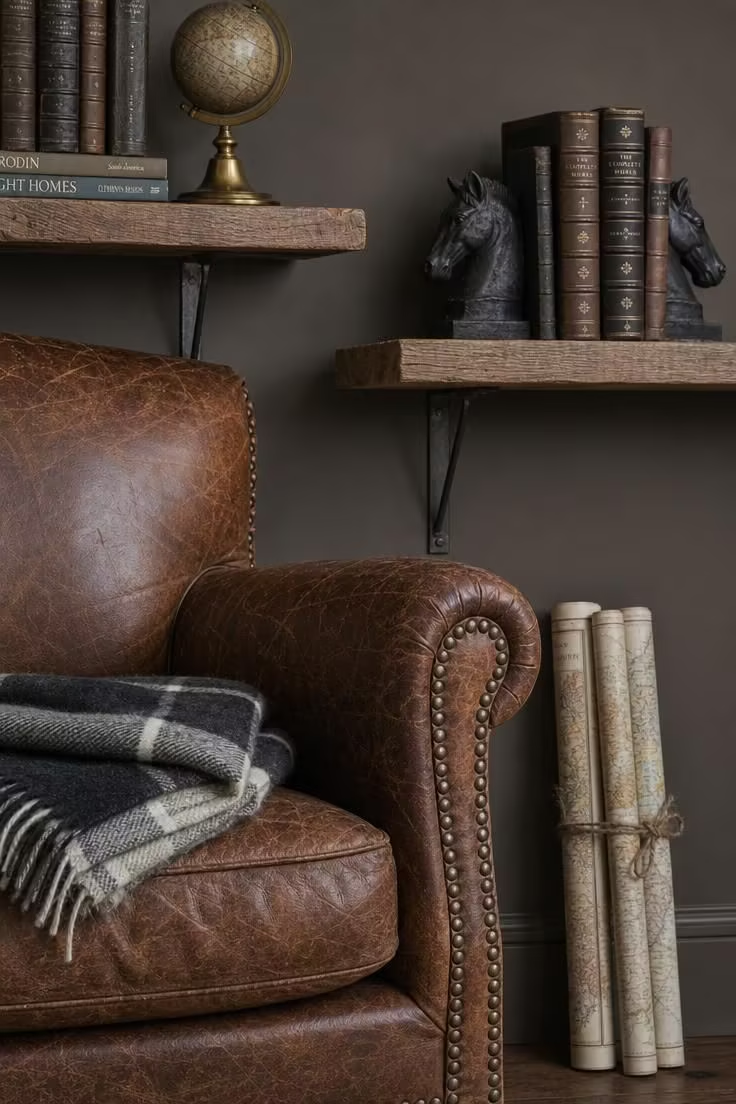
Leather develops personality the way fabric cannot, cracking and darkening with each year until the surface tells its own story.
A club chair with brass nail head trim has enough weight to anchor a corner, giving the reading nook a grounded, solid presence.
Reclaimed barn wood shelves on either side create a frame for the chair, almost like the wings of a high-back seat but built from the wall itself.
The antique bookshelf arrangement here is simple: stacked hardcovers, a brass globe, and cast iron bookends in the shape of horse heads.
A wool plaid throw on the seat softens the firm leather and adds a layer of warmth that cool overcast light makes you appreciate.
That flat northern light is perfect for reading because it reduces glare and eye strain, turning a darker corner into a functional spot.
Style Blueprint:
- A worn leather club chair with visible patina and nail head trim
- Reclaimed barn wood floating shelves on two sides
- Cast iron or brass bookends
- A wool plaid throw in a muted palette
- A small globe or decorative brass accent
A Chintz-Covered Settee Under a Stained Glass Transom
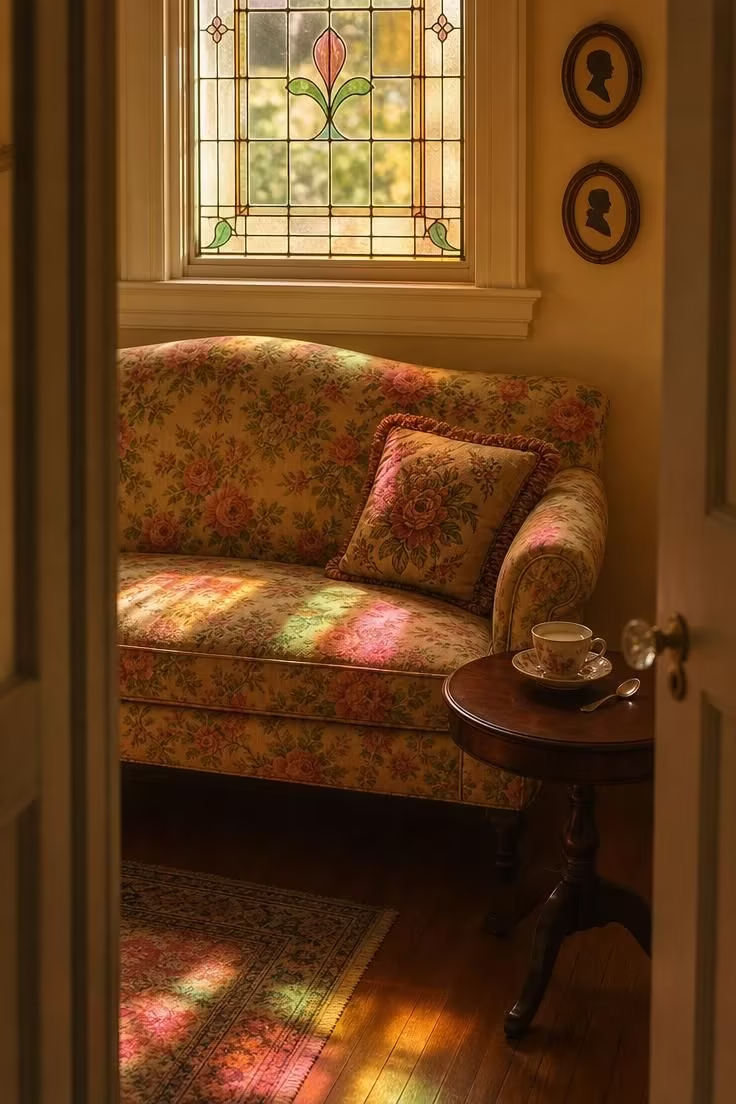
Stained glass transoms were common in homes built before 1920, and repurposing one above a reading nook gives that corner a light source no floor lamp can compete with.
The colored pools of rose and green falling across a chintz settee create a layered pattern effect, print on print, that would feel busy anywhere else but here reads as richly detailed.
Chintz, a glazed cotton with a printed floral pattern, was a staple of English and American parlors for over two hundred years.
The needlepoint pillow with fringe adds a handmade quality that machine-printed fabric alone cannot deliver.
A porcelain teacup and saucer on the side table sets the scene for an afternoon that moves at its own pace.
Framed silhouette portraits are a small touch that ties this vintage reading nook to a specific era, the early 1800s, when silhouettes were an affordable alternative to painted portraits.
This is a reading nook where you could spend three hours and leave feeling like you had stepped out of your own century.
Design Pro-Tip: If you cannot find an original stained glass transom, look for salvage panels at architectural reclamation yards and have a carpenter mount one in a fixed frame above your reading nook window.
Style Blueprint:
- A settee or loveseat upholstered in chintz floral fabric
- A stained glass transom or salvaged panel above the seating
- A needlepoint or embroidered throw pillow with fringe
- A low side table with a teacup and saucer
- Framed silhouette portraits or cameo-style wall art
A Wrought Iron Daybed With a Patchwork Quilt in an Alcove
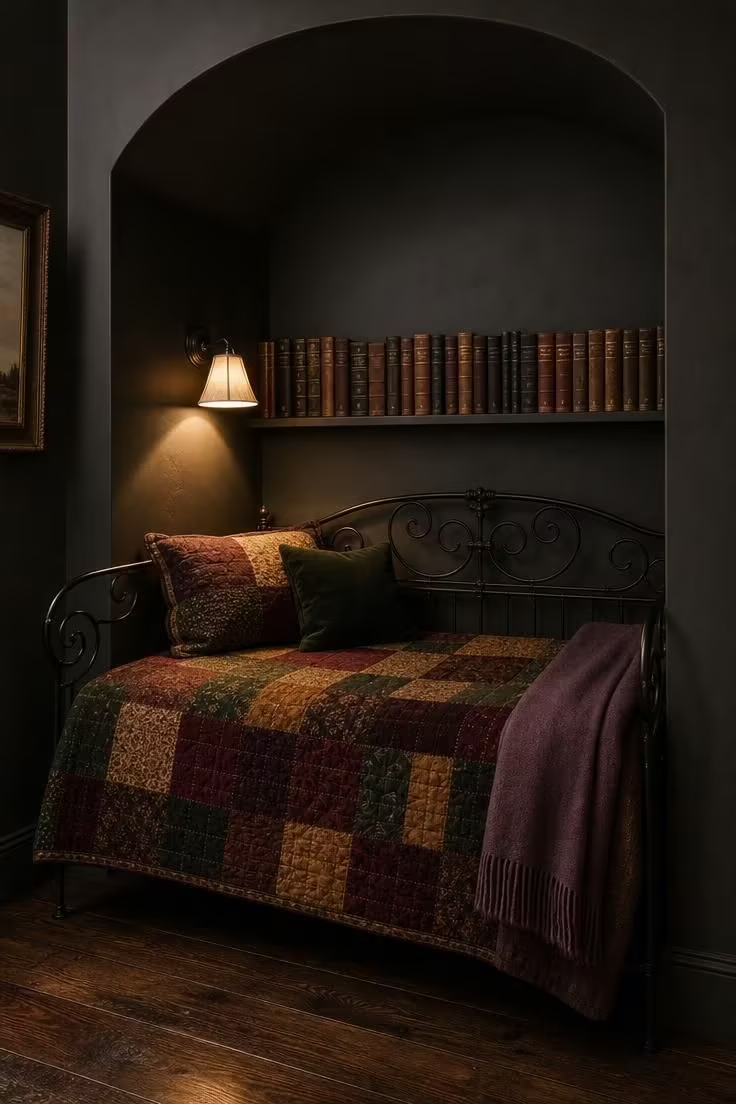
Not every reading spot needs to face a window.
This alcove daybed proves that enclosure and dim light can make reading feel more private and focused, like being inside a story rather than sitting beside one.
The wrought iron scrollwork on the frame gives the daybed its period character without any upholstery to maintain.
A patchwork quilt in burgundy, mustard, and forest green does the color work for the entire space, each square a different fabric weight and print.
The single wall sconce provides just enough light to read by, and the downward cone keeps the rest of the alcove in comfortable shadow.
Style Blueprint:
- A wrought iron daybed with scrollwork or decorative metalwork
- A hand-sewn patchwork quilt in deep, warm tones
- A single wall sconce with a fabric shade
- A built-in shelf at head height for books
- Dark-painted alcove walls to increase the sense of enclosure
An Oak Library Cart Loaded With Hardcovers Beside a Slipper Chair
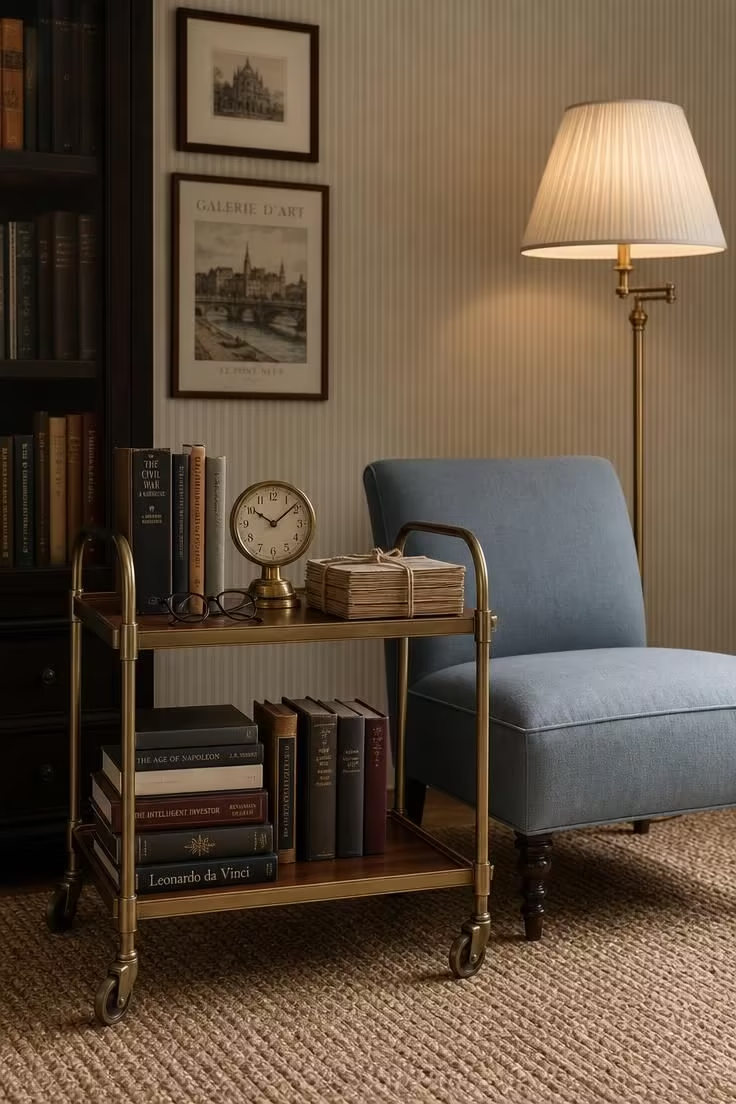
Library carts were built to move books between rooms, and that same portability makes them perfect for a reading nook that might shift locations with the seasons.
A 1940s oak cart with two tiers holds more titles than a small bookcase and adds rolling functionality that a fixed shelf cannot offer.
The slipper chair beside it sits low to the ground, which changes your posture and your relationship to the books on the cart, putting them at eye level rather than below you.
Dusty blue linen on the chair introduces a cool tone that balances the warm oak of the cart and the brass desk clock.
A pleated silk lampshade softens the light in a way that paper or fabric drum shades do not, creating a gentle glow that wraps around the reading area.
The tied stack of old magazines on the cart’s top shelf is a styling detail that reads as authentic: someone collected these, saved them, and will read them again.
This vintage reading corner works in a bedroom, a living room, or a hallway landing because nothing here is built in or permanent.
A woven jute rug underfoot ties the chair and cart together as a single grouping within the larger floor plan.
Style Blueprint:
- A rolling oak library cart, ideally two-tiered
- A low slipper chair in a solid linen or cotton
- A floor lamp with a pleated silk or fabric shade
- A woven jute or sisal rug
- Brass desk accessories like a clock, letter opener, or pen cup
Toile Wallpaper and a Ladder-Back Chair With a Rush Seat
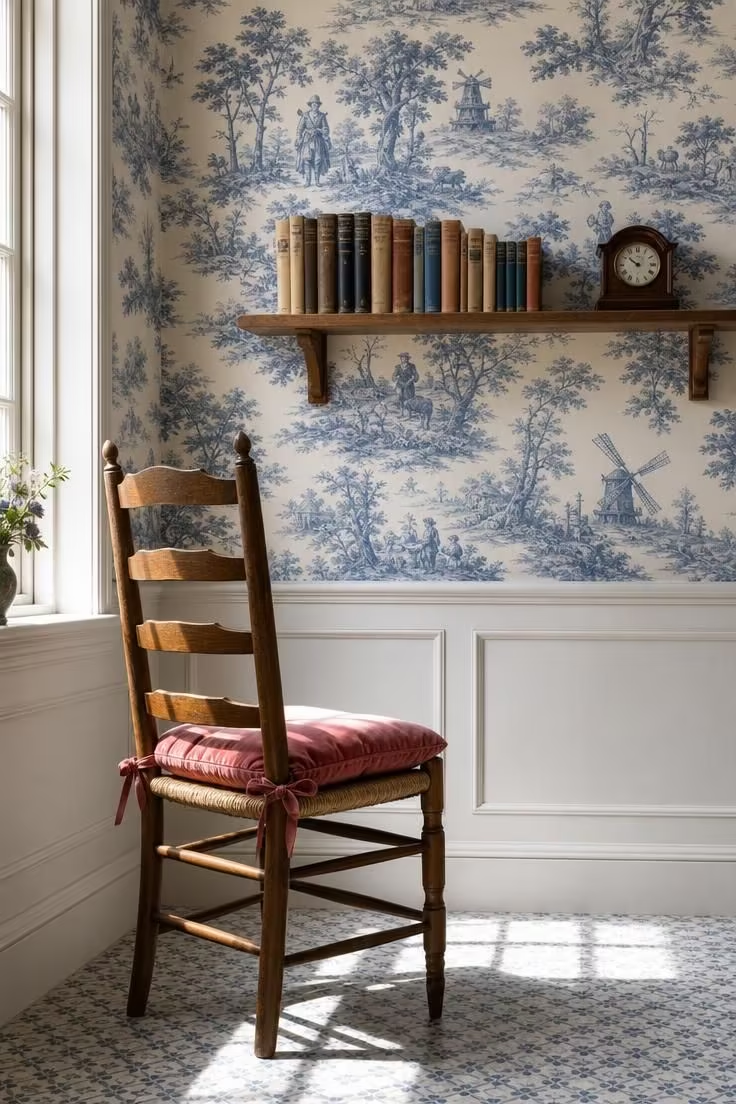
Toile wallpaper turns a plain wall into a scene, and when you sit against it to read, the printed pastoral becomes a backdrop for your own quiet afternoon.
The pattern originated in 18th-century France, depicting countryside life, and it still pairs naturally with simple wooden furniture.
A ladder-back chair with a rush seat is one of the oldest chair forms still in production, and its vertical lines echo the repeating pattern of the wallpaper.
The tied velvet cushion in dusty rose is necessary both for comfort and for breaking up the hard geometry of the chair and the wall pattern.
White wainscoting on the lower wall gives the eye a resting place and prevents the toile from feeling overwhelming in a small corner.
A narrow floating shelf holding antique bookshelf finds and a petite clock keeps the wall functional without competing with the wallpaper’s own scenery.
Design Pro-Tip: Choose toile with a repeat scale that matches your wall size: large repeats (over 20 inches) suit open walls, while small repeats (under 12 inches) work better in tight corners and alcoves.
Style Blueprint:
- Blue-and-white toile wallpaper with a pastoral or scenic print
- A ladder-back chair with a woven rush seat
- A tied velvet cushion in a contrasting color
- White painted wainscoting on the lower wall
- A narrow floating shelf for small books and a clock
A Velvet Cushion Bench in a Bay Window With Damask Drapes
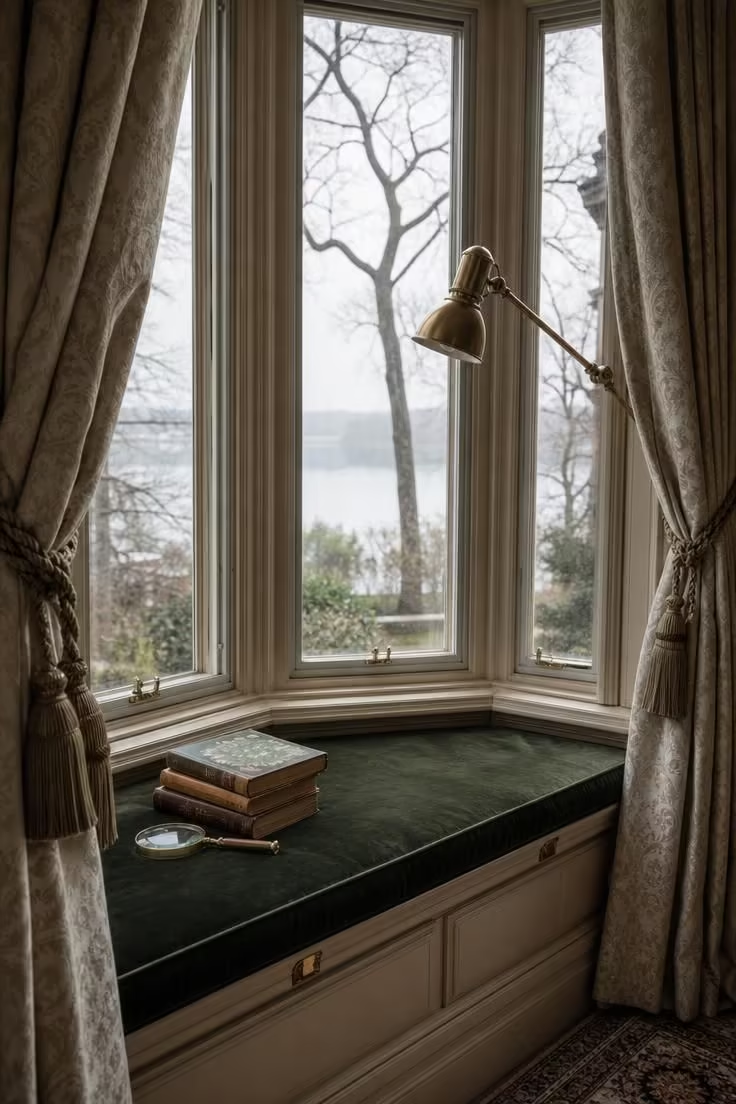
Bay windows project outward from the wall, and that extra depth creates a natural enclosure that most reading nooks have to build from scratch.
A deep velvet cushion in forest green sits well against cream damask drapes because the two fabrics share a formal character but differ in weight and sheen.
Damask, woven with a pattern visible on both sides, has been used in European interiors since the Middle Ages, and its texture shifts as light moves across the folds.
The tassel tiebacks hold the drapes open during the day and let them fall for privacy at night, giving the window seat two distinct moods.
A clamped brass reading lamp solves the lighting problem that bay windows often have after sunset: too far from ceiling fixtures, too close to the glass for a floor lamp.
Brass hardware on the hinged storage lid matches the lamp and the magnifying glass, creating a thread of metal that ties the details together.
This is the kind of vintage home decor that turns an architectural feature into the most-used spot in the room.
Style Blueprint:
- A built-in bay window bench with a hinged storage lid
- A deep velvet cushion in a rich jewel tone
- Floor-length damask drapes with tassel tiebacks
- A clamp-on brass reading lamp
- A magnifying glass or other brass desk accent
A Mid-Century Walnut Writing Desk Paired With a Bouclé Swivel Chair
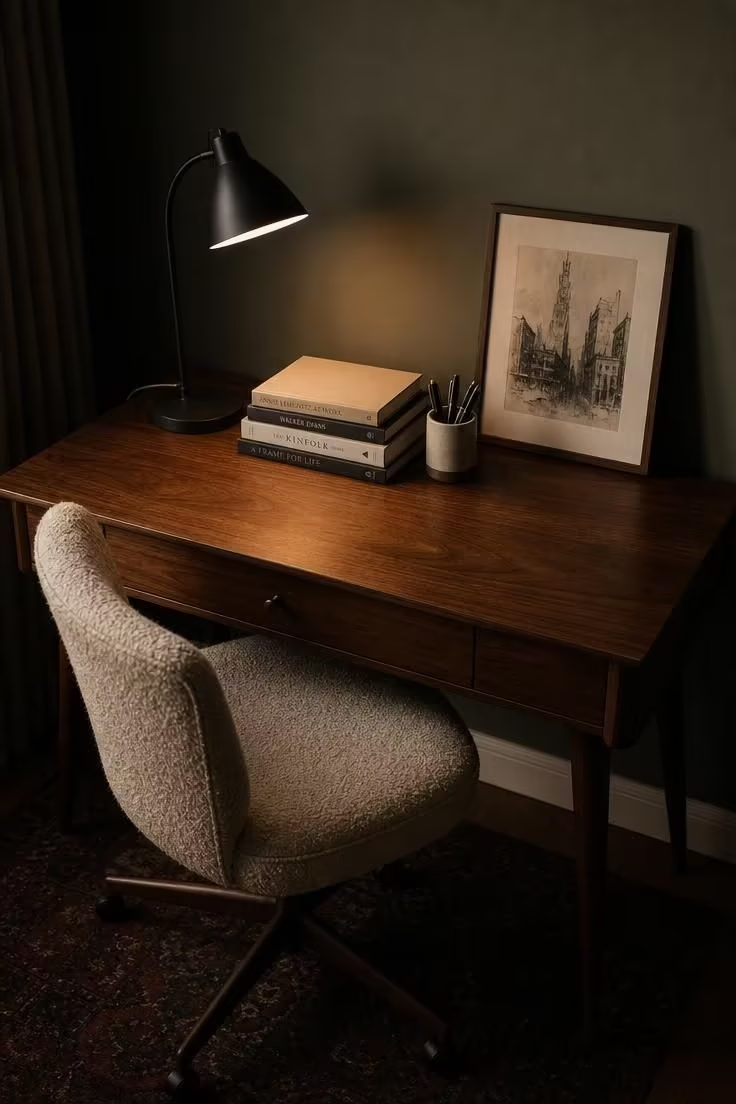
A writing desk doubles as a reading station when you angle the lamp right, and the flat surface gives you space to take notes, mark pages, and spread out.
This 1950s walnut desk has tapered legs that pin it to the mid-century era, but the warm wood grain works alongside older pieces without clashing.
The bouclé swivel chair adds a textural contrast to the smooth walnut, and swiveling lets you turn toward a bookshelf or window without standing up.
A gooseneck desk lamp in matte black focuses light on the reading surface and keeps it off the dark sage wall, preserving the moody atmosphere.
The reading nook furniture here is minimal: one desk, one chair, one lamp, and a few collected objects on the surface.
Style Blueprint:
- A mid-century walnut writing desk with tapered legs
- A bouclé or textured-weave swivel chair
- A gooseneck or adjustable desk lamp in matte black or brass
- A ceramic pen cup and a few fountain pens
- A dark-painted wall behind the desk for contrast
A Hanging Macramé Shelf and Wicker Peacock Chair on a Braided Rug
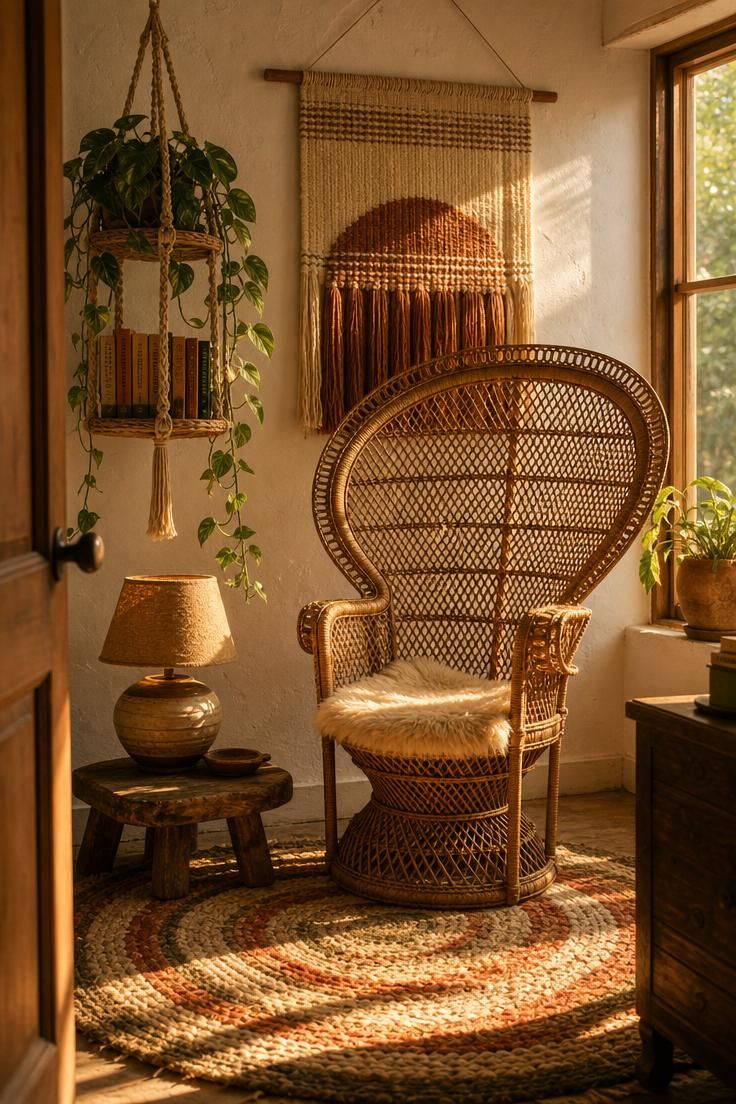
The peacock chair is the most theatrical piece of reading nook furniture on this list, and that is exactly its job: to make sitting down with a book feel like an event.
Wicker peacock chairs became popular in the late 1960s and 1970s, and their fan-shaped back frames your head and shoulders like a portrait.
A sheepskin pad on the seat adds warmth and softness to the wicker, which can feel stiff after the first hour.
The hanging macramé shelf puts books and a trailing pothos plant at eye level when you are seated, creating a green canopy effect above the reading position.
A braided rag rug in rust, cream, and olive grounds the chair and softens the floor with a texture you can feel through socks.
This cozy reading space is built entirely from vintage home decor found at flea markets, and nothing here would cost more than a night out.
The ceramic lamp with its burlap shade keeps the lighting warm and low, matching the earth-toned palette of the rug and the natural wicker.
Design Pro-Tip: Vintage wicker peacock chairs often have weakened joints from decades of use. Reinforce them with wood glue and clamp overnight before adding weight, and keep the wicker conditioned with a damp cloth wipe-down once a month.
Style Blueprint:
- A wicker peacock chair with a sheepskin or cushion pad
- A hanging macramé shelf for books and trailing plants
- A braided rag rug in warm earth tones
- A ceramic table lamp with a natural fiber shade
- A low wooden stool as a side table
Conclusion
A vintage reading nook does not need a full room or a large budget.
A single wingback chair, a good brass reading lamp, and a few collected objects are enough to claim a corner as your own.
Start with the seat, something with age and character that feels right when you sit in it.
Add a light source that reaches the page without flooding the room.
Layer in a rug, a throw, and a few books, and the nook will start to feel like it has always been there.
The best vintage reading nook setups look like they grew slowly, one flea market find at a time, and that is exactly how you should build yours.