This post may contain affiliate links. If you make a purchase through these links, we may earn a commission at no additional cost to you.
A nursery reading nook turns an unused corner into the most visited spot in the room.
It gives storytime a home, a place where bedtime reading becomes a ritual instead of a rushed afterthought.
Whether your baby room decor leans minimal or layered, these 13 nursery reading nook ideas cover seating, shelving, and lighting setups that work in compact spaces and open floor plans alike.
Every idea here can be built without a contractor, moved when you rearrange, or adapted as your child grows from lap-sitting infant to independent page-turner.
Woven Rattan Bassinet Chair With a Chunky Knit Lap Blanket
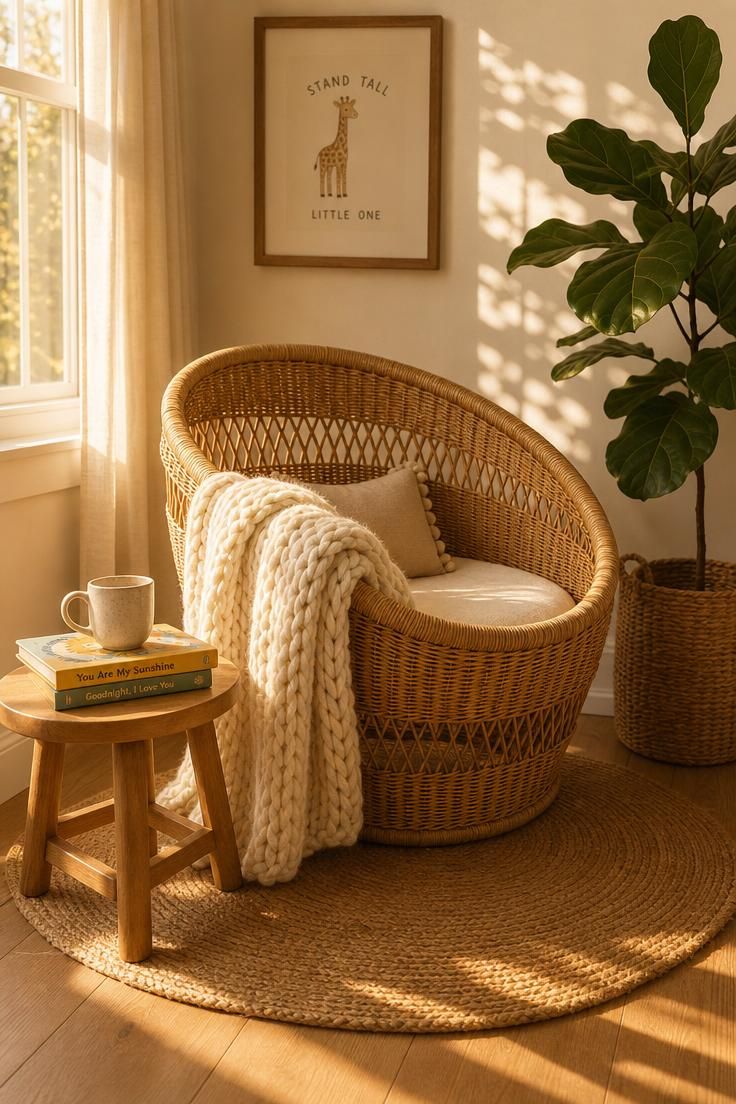
Rattan has a way of softening a room without making it feel precious.
The open weave lets air circulate, which keeps the chair from looking heavy in a small nursery reading nook.
A chunky knit blanket draped over the arm does double duty, adding texture to the scene and keeping your legs warm during midnight feedings.
What makes this reading corner work is the side table, a spot to set your phone or a cup of tea so your hands stay free for holding a book and a baby at the same time.
The jute rug underneath grounds the whole arrangement and tells your eye that this is a separate zone within the larger room.
Rattan ages well, developing a slightly deeper tone over months that only improves the look.
One detail worth noting is the height of the chair back, which should reach at least your mid-shoulder to support your head during those drowsy late-night reads.
Style Blueprint:
- Rounded woven rattan armchair with high back
- Chunky knit throw in a neutral cream or oatmeal tone
- Small round wooden side table for books and drinks
- Round jute rug, at least 4 feet in diameter
- One potted floor plant in a woven basket
Pine Floating Ledges at Toddler Height With Linen Dust Covers
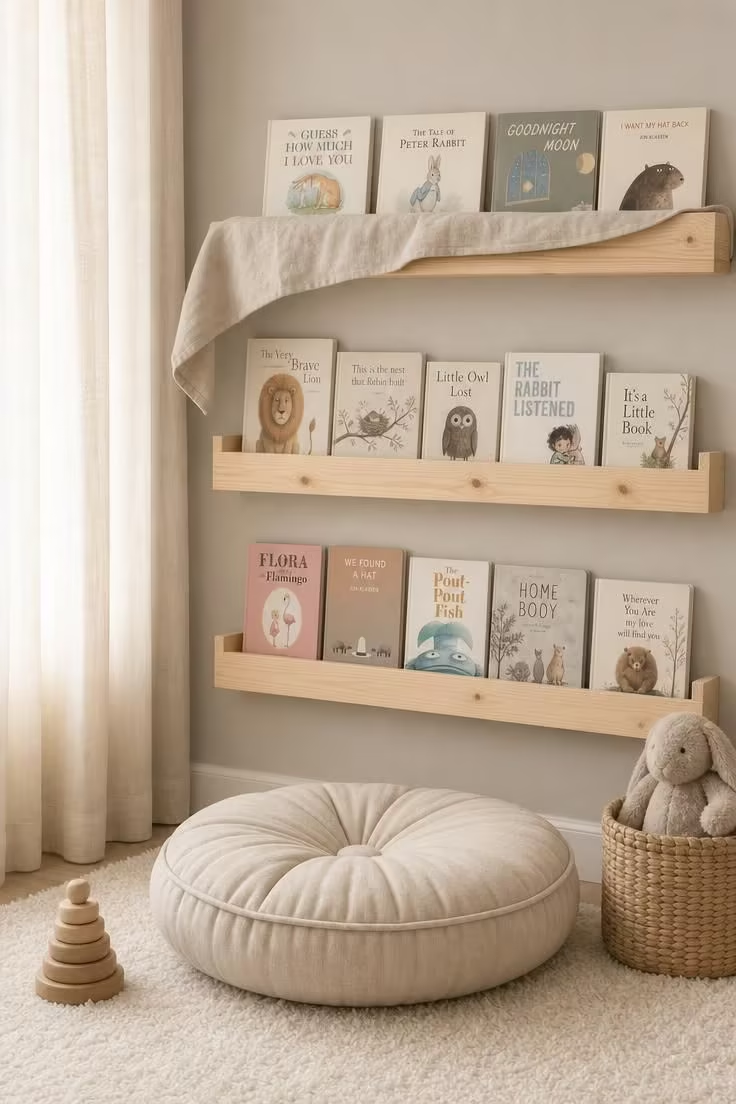
A book display shelf mounted low enough for small hands changes the entire feel of a nursery reading nook.
Children as young as 12 months will pull books from a forward-facing ledge because the colorful covers catch their attention in ways spines never do.
Pine is a good material choice here because it is affordable, easy to cut to custom lengths, and takes paint well if you ever want to change the color.
The linen dust cover along the top ledge is a small touch that prevents books from collecting dust in a room where air quality matters.
Floor cushion seating below the shelves means your toddler can sit down independently and flip through pages, building a habit that outlasts the nursery years.
Three ledges stacked vertically make use of wall space rather than floor space, which matters in rooms under 120 square feet.
Style Blueprint:
- Three pine floating picture ledges, each 24 to 30 inches wide
- Forward-facing board books arranged by cover color
- Lightweight linen dust cover for the top shelf
- Round cotton floor cushion in a neutral tone
- Plush area rug beneath the seating spot
Converted Armoire Alcove With a Padded Seat Cushion
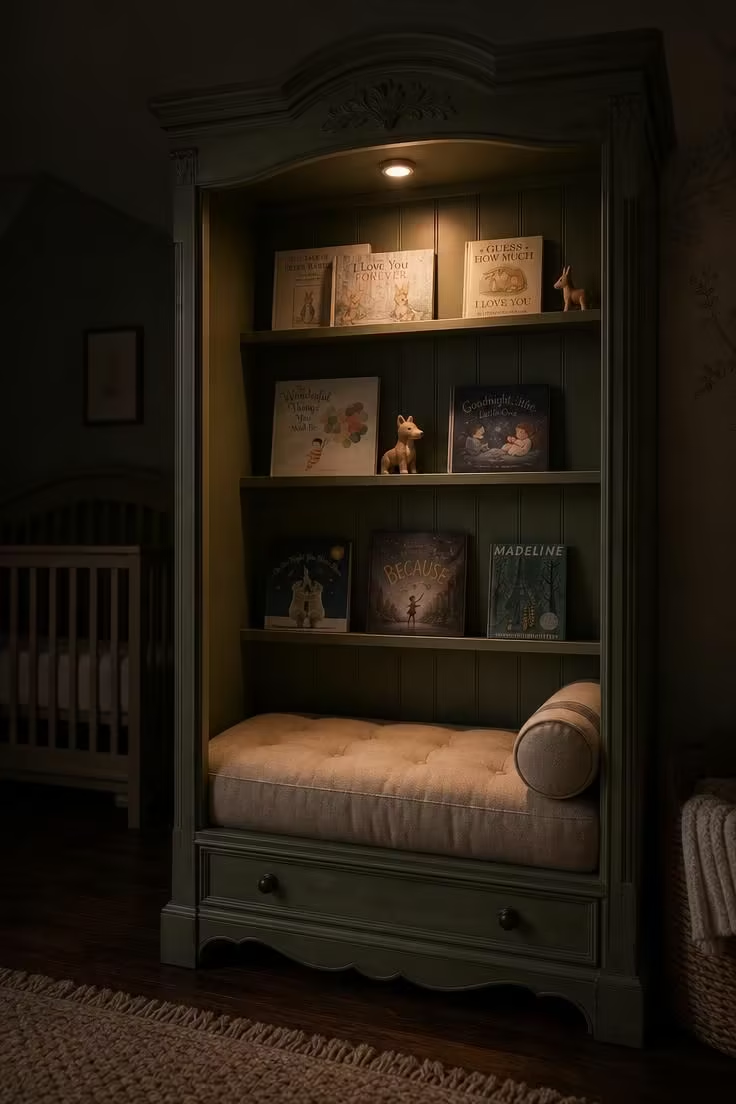
There is something deeply appealing about a reading space that feels enclosed on three sides.
A converted armoire gives your nursery reading nook architectural presence without any construction work.
Removing the doors is all it takes to turn a dated piece of furniture into a built-in reading cave that a child will want to crawl into for years.
The sage interior paint creates a visual break from the rest of the room, signaling that this space is for sitting still and turning pages.
Nursery lighting inside the cabinet, a simple battery puck light, means you can read after the overhead fixture goes off without disturbing the room’s darker sleep atmosphere.
The depth of a standard armoire, usually 20 to 24 inches, provides just enough room for a toddler to sit cross-legged with a book open on their lap.
Tufting on the seat cushion keeps the filling from shifting to the edges over time.
Armoires in this style appear frequently at estate sales and secondhand stores for under a hundred dollars, making this one of the most budget-friendly setups on the list.
Style Blueprint:
- Tall vintage armoire with doors removed
- Interior walls painted in muted sage or soft green
- Thick tufted linen seat cushion cut to fit the base
- Battery-operated puck light mounted inside the top
- Two to three narrow interior shelves for books
Upholstered Glider on a Jute Rug With a Wall-Mounted Sconce
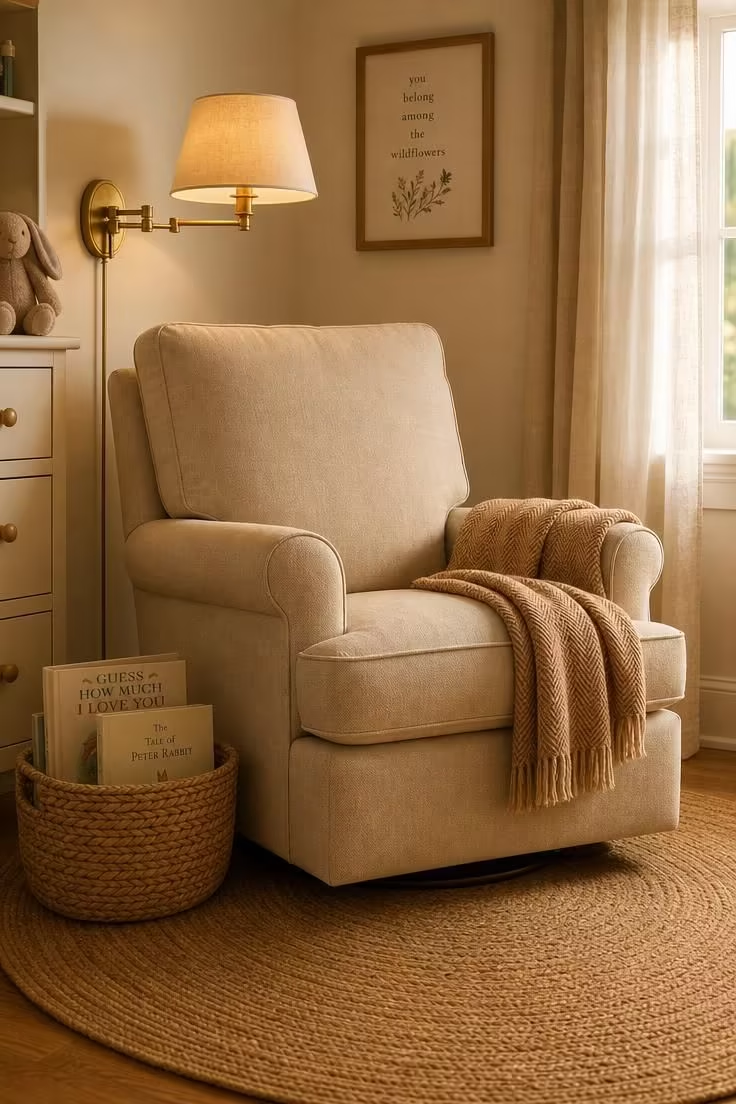
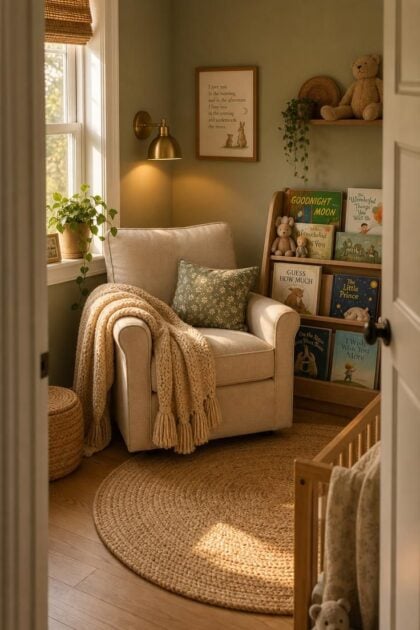
A nursery glider remains the most practical seating choice for the first year because the rocking motion soothes a fussy baby while you read aloud.
Placing it on a jute rug defines the cozy nursery corner without the visual weight of a dark or patterned rug competing with the chair fabric.
The wall-mounted sconce is worth the installation effort because it frees up floor space that a lamp would occupy and directs light exactly where your hands hold the book.
Brass hardware adds warmth to the space without introducing a color that clashes with soft nursery palettes.
A swing arm on the sconce lets you pull the light closer during reading and push it back against the wall during daytime naps.
Performance fabric on the glider seat resists spit-up stains and wipes clean with a damp cloth, a feature that matters more than thread count in a room shared with an infant.
Style Blueprint:
- Upholstered nursery glider in a neutral performance fabric
- Large round jute rug, 5 to 6 feet in diameter
- Brass swing-arm wall sconce with a linen shade
- Small woven basket for book storage on the floor
- Herringbone throw blanket in a warm neutral tone
Design Pro-Tip: Mount your reading sconce 48 inches from the floor and 6 inches to the side of the chair back. This height puts the light over your shoulder at the exact angle that illuminates a picture book without shining into a baby’s eyes. Test the position by sitting in the chair and holding a book before drilling.
Oversized Floor Pillow Stack on a Sheepskin Hide
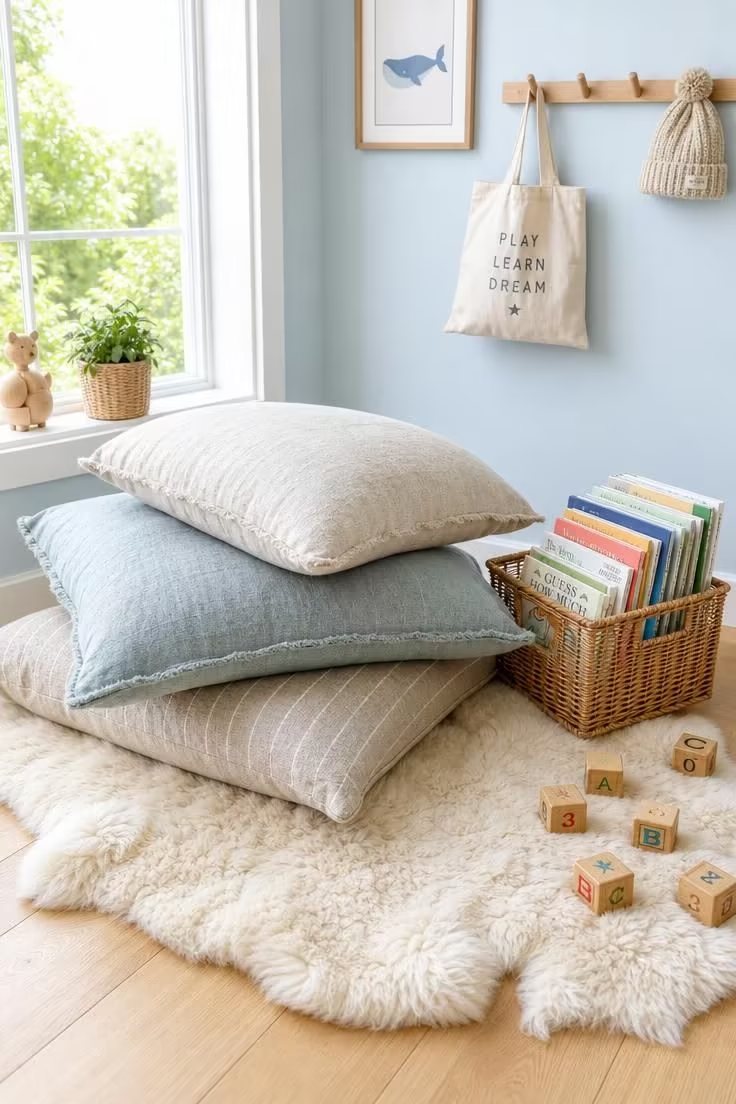
Floor cushion seating works best in a nursery reading nook when the child is old enough to sit independently, usually around six to nine months.
Stacking three pillows at different sizes creates a soft, adjustable seat that a parent can lean against while reading to a baby in their lap.
The sheepskin underneath adds a tactile layer that babies notice immediately, running their fingers through the fibers while they listen to a story.
Rattan baskets hold up better than fabric bins for book storage because they keep their shape as books get pulled in and out dozens of times a day.
Keeping this reading corner at floor level removes any fall risk, which makes it a worry-free option for parents who want to step away for a moment while their toddler pages through a picture book.
The pale blue wall behind the arrangement gives the eye a resting point without overwhelming the neutral textiles.
Wooden blocks scattered nearby suggest that this is a multipurpose play zone, not a showroom vignette, which is exactly the kind of honesty that makes a nursery feel real.
Style Blueprint:
- Three oversized linen floor pillows in graduated sizes
- Large sheepskin hide, at least 3 by 4 feet
- Rectangular rattan basket for upright book storage
- Wooden peg rail on the wall for bags and accessories
- Light oak or pale hardwood flooring underneath
Corner Bench With Hinged Lid Storage and Striped Ticking Fabric
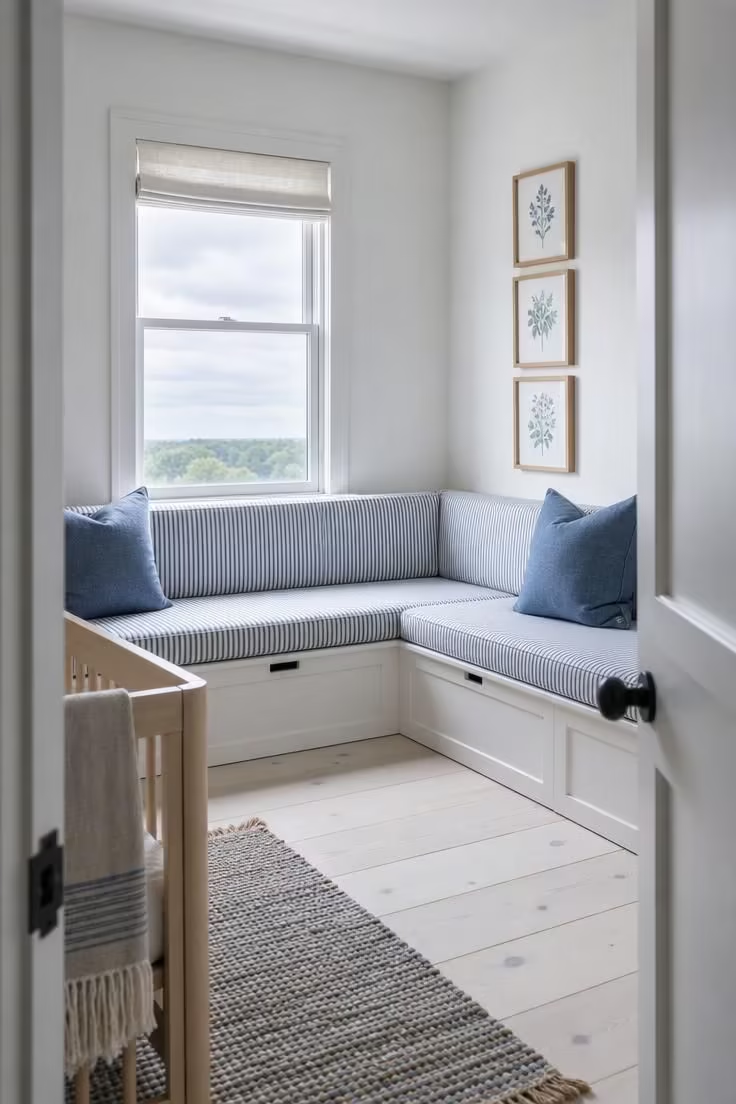
A corner bench solves two problems at once in a small nursery reading nook: it provides seating and hides a generous amount of book storage underneath the hinged seat.
Ticking stripe fabric is a material that never looks tired because its pattern is simple enough to absorb everyday wear without showing it.
The L-shape tucks the bench into a corner that would otherwise collect dust or hold a basket that nobody reaches behind.
Two throw pillows at the ends create armrests of a sort, supporting a parent who leans to one side while holding a child in their lap.
Botanical prints above the bench add visual height to the arrangement without taking up any shelf or floor space.
Cool overcast light from the window gives blue ticking stripe fabric its best appearance, sharpening the contrast between the blue and white threads.
Whitewashed pine flooring underneath reinforces the clean, coastal quality without darkening the room the way stained hardwood would.
Hinge the lid with a soft-close mechanism so it does not slam on small fingers when your toddler starts opening it independently.
Style Blueprint:
- L-shaped corner bench with hinged lid storage
- Blue and white striped ticking upholstery
- Soft-close piano hinge for the seat lid
- Two chambray throw pillows for arm support
- Small framed botanical prints hung above the bench
Ladder Shelf Bookcase Beside a Velvet Nursing Chair
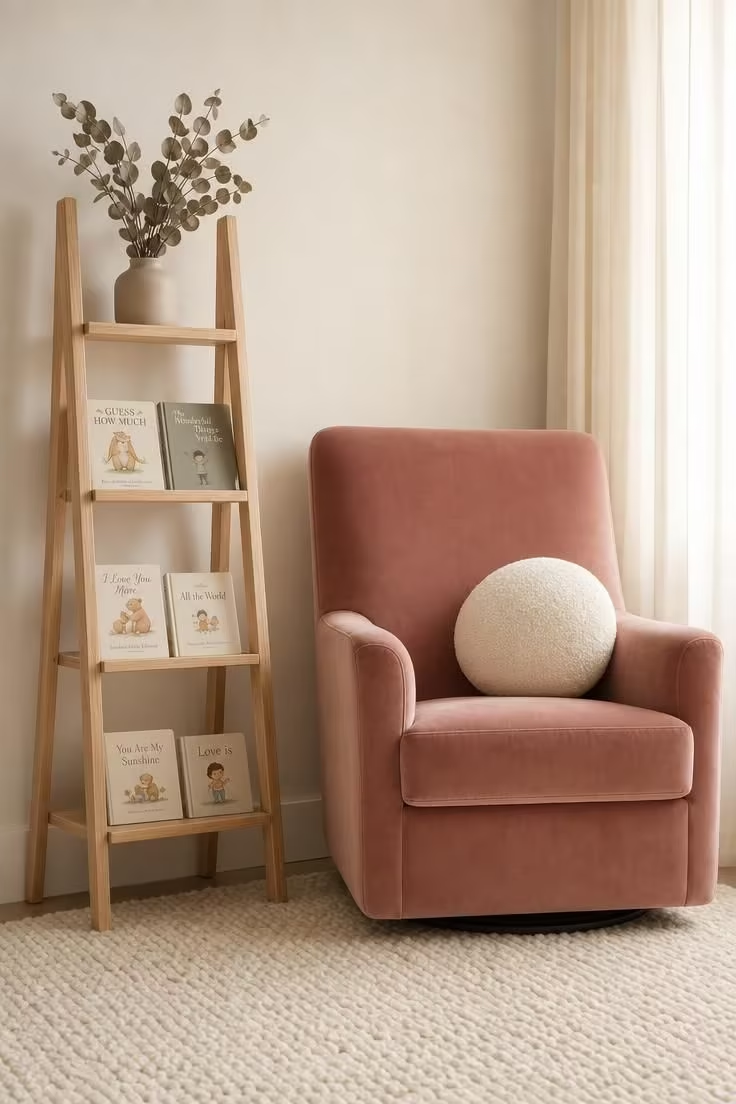
A ladder shelf takes up less than 18 inches of wall width, making it one of the most space-conscious nursery bookshelf options available.
Its open, A-frame structure lets you see the wall color through the shelves, which prevents the furniture from visually shrinking the room.
Pairing it with a velvet nursing chair creates a reading corner that feels intentional rather than assembled from leftovers.
Dusty rose velvet reads as warm without veering into bright pink territory, a quality that helps this cozy nursery corner age well as the child’s tastes develop.
A boucle pillow on the seat adds lumbar support during long feeding sessions and introduces a second texture that plays off the smoothness of the velvet.
Dried eucalyptus on the top shelf brings a muted green into the palette without the maintenance commitment of a live plant.
Style Blueprint:
- Slim A-frame ladder shelf bookcase in natural ash or birch
- Deep-seated velvet nursing chair in dusty rose or blush
- Round boucle accent pillow for lumbar support
- Cream wool area rug beneath the seating area
- Small ceramic vase with dried eucalyptus or similar dried stems
Fabric Pocketed Wall Organizer Above a Tufted Linen Daybed
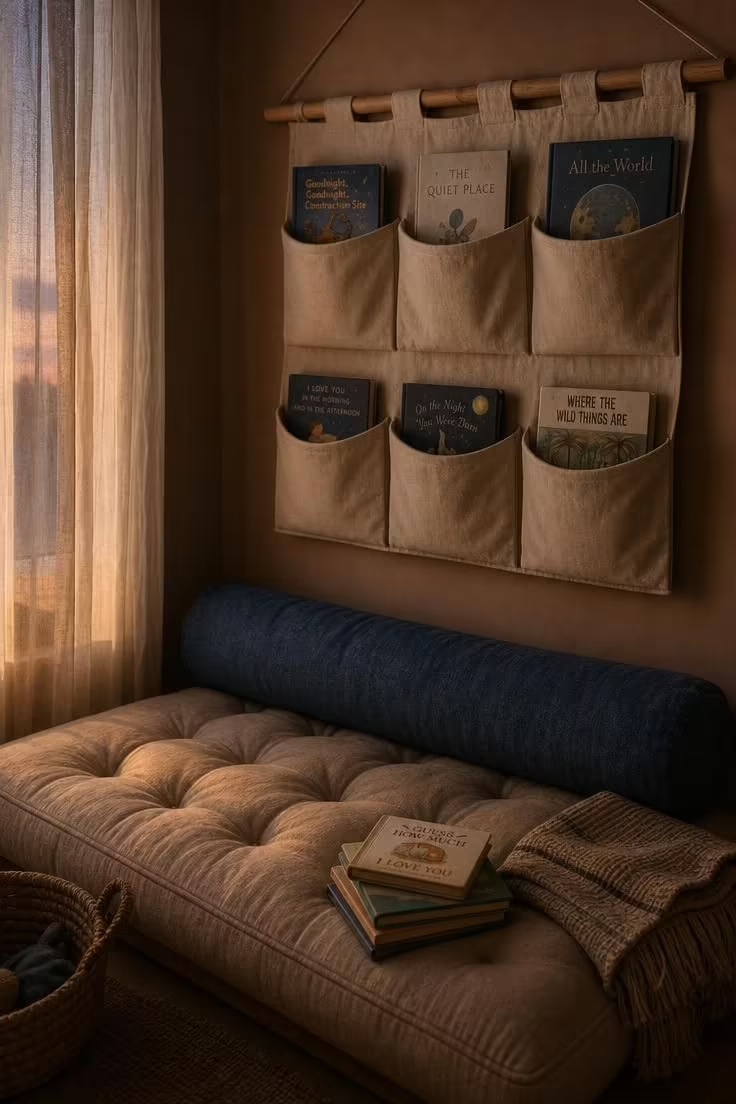
A fabric pocketed wall organizer weighs almost nothing, which means you can hang it on drywall with two small hooks instead of finding a stud.
This makes it a practical nursery wall decor piece that renters can install and remove without patching holes.
Each pocket holds one or two picture books at a time, which limits the selection enough that a toddler does not get overwhelmed by too many choices.
The daybed below doubles as a guest sleeping surface for those early weeks when a partner sleeps in the nursery to share night duty.
Tufting on the mattress creates small wells between the buttons that hold the filling in place and prevent flat spots from developing after months of daily sitting.
A cylinder pillow along the back edge acts as a roll-style wall buffer, keeping the child from pressing against the hard wall surface during independent reading time.
Warm clay on the wall behind brings an earthy depth that pairs well with natural linen and faded indigo textiles.
Style Blueprint:
- Hanging canvas wall organizer with six deep pockets
- Low linen daybed with a tufted mattress
- Cylinder pillow in a contrasting color for the back edge
- Wooden dowel rod for mounting the organizer
- Cotton throw blanket folded on the mattress
Design Pro-Tip: When mounting a wall organizer above a daybed, leave at least 8 inches between the top of the mattress and the bottom of the lowest pocket. This gap lets you lean back comfortably without your head pressing into the organizer, and it keeps curious toddler hands from pulling the entire piece down during unsupervised moments.
Boho Rope Swing Seat With a Woven Placemat Gallery Wall
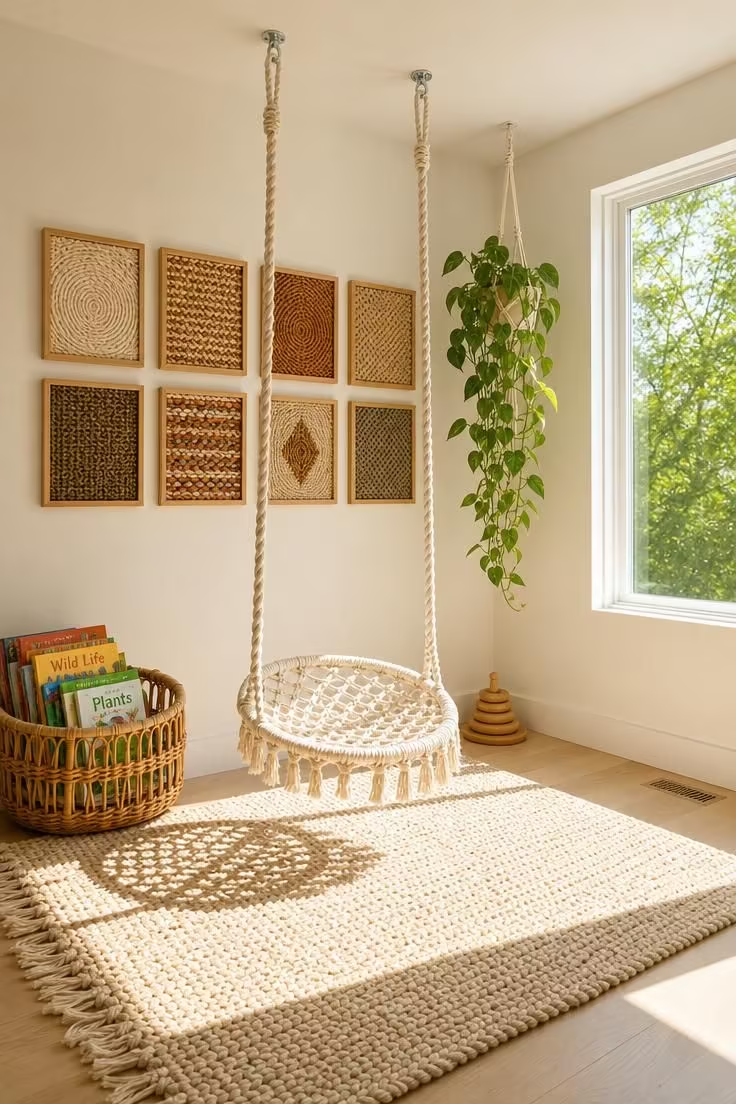
A rope swing mounted just six inches off the floor gives this nursery reading nook a sense of play without the fall height that makes parents uneasy.
Two ceiling bolts rated for at least 200 pounds handle the load safely, and the low clearance means even a toddler who slides off lands on a padded rug.
The woven placemat gallery wall is a budget-friendly approach to nursery wall decor that adds texture and pattern without the cost of framed art prints.
Placemats come in dozens of weave patterns, and framing them in thin wooden frames gives casual kitchen textiles an unexpected gallery quality.
Rattan floor baskets beside the swing keep books within arm’s reach, so a child can grab a new title without leaving the seat.
Bright midday light is this arrangement’s best friend because it sharpens the shadow patterns cast by the rope and the woven textures on the wall.
A trailing pothos in the corner adds a living element to the room without sitting on a surface where a toddler could knock it over.
The whole setup can be disassembled and moved to a playroom or bedroom in under an hour.
Style Blueprint:
- Short macrame rope swing seat rated for ceiling bolt mounting
- Thick woven cotton rug beneath the swing area
- Eight small woven placemats framed in thin wooden frames
- Rattan floor basket for book storage
- Trailing pothos plant in a macrame ceiling hanger
Recessed Wall Niche as a Nursery Reading Nook With Built-In Light
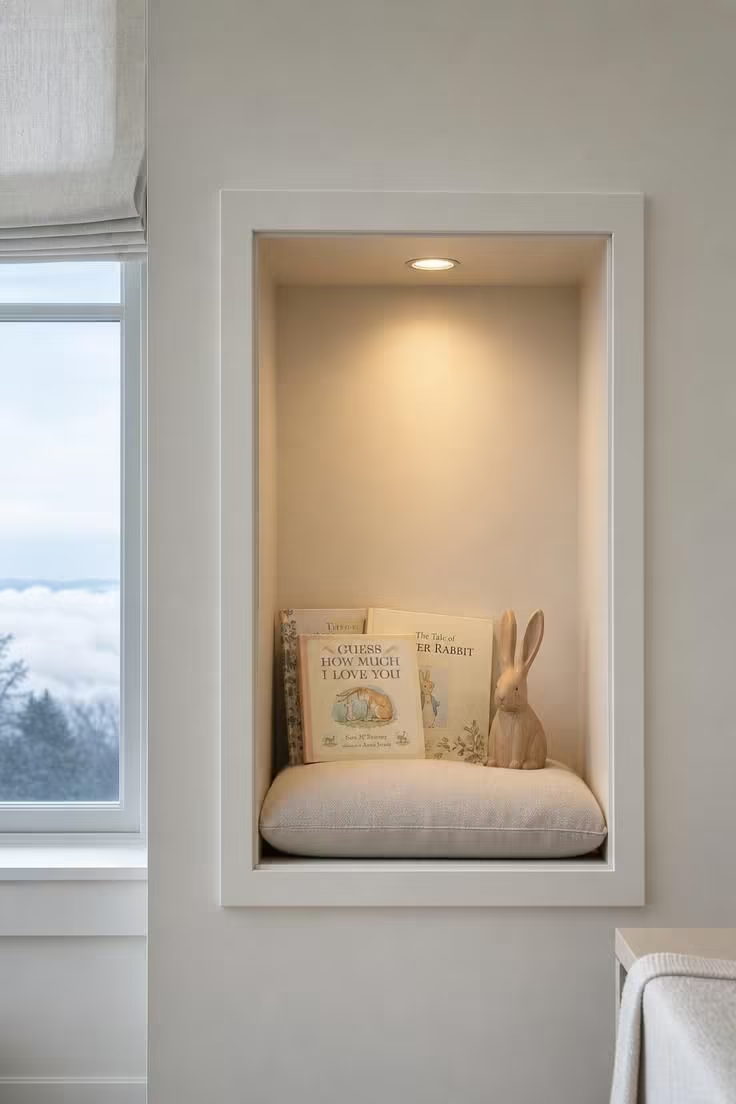
A recessed wall niche turns dead space between studs into a reading destination that feels built into the architecture of the room.
If true recessing is not an option, the same effect can be created by mounting shallow shelving sides and a header board directly onto the wall surface, then painting everything the same color as the wall.
The result looks recessed even though nothing was cut into the drywall.
Nursery lighting inside the niche, a single LED puck, creates a warm reading spot that stays lit after the room’s main fixture goes off for sleep.
This idea works especially well in hallway-adjacent nurseries where a niche can be carved from a shared wall without losing closet depth.
The small scale of the niche limits it to one child and one or two books, which is exactly the kind of constraint that encourages focus during storytime.
Style Blueprint:
- Rectangular wall niche, approximately 24 by 30 inches
- Flat trim painted to match the surrounding wall
- Square cushion in natural linen cut to fit the niche floor
- Recessed LED puck light at the top of the niche
- One or two board books and a small figurine for styling
Scandinavian Birch Stool and Crate Shelf Combo
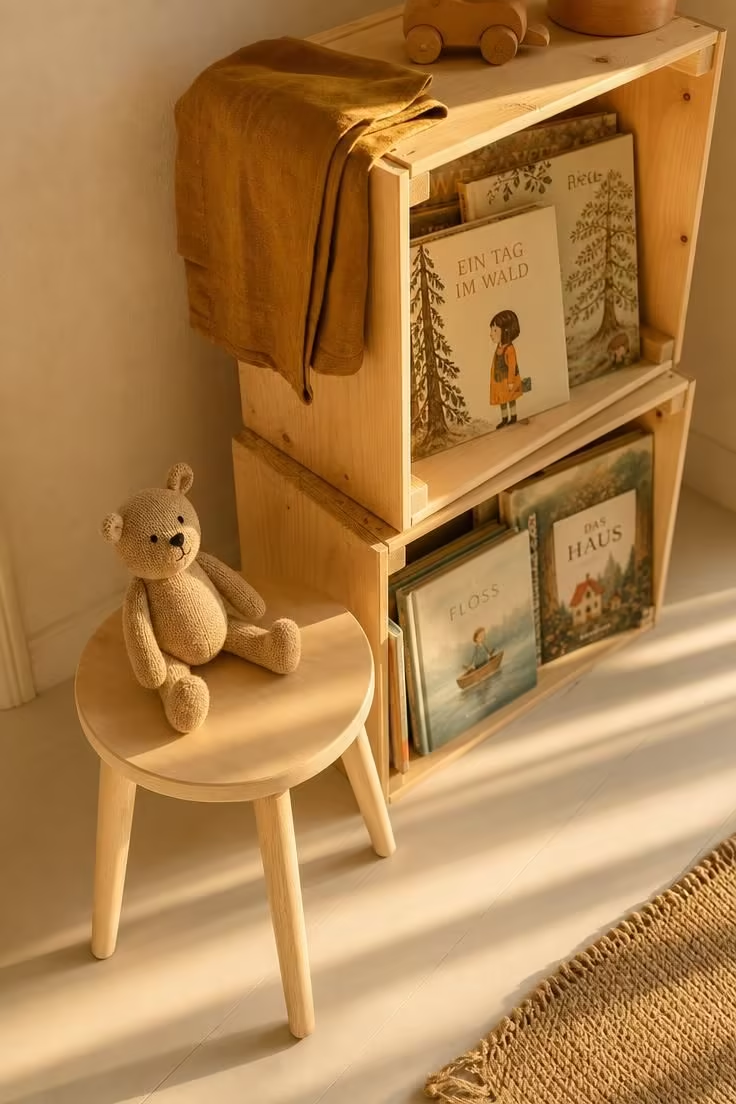
Two wooden crates stacked on their sides cost less than a single piece of nursery furniture, and they hold just as many books as a low bookcase.
The open faces act as a book display shelf, showing covers forward so even a pre-verbal child can point at the one they want.
A birch stool beside the crates gives your toddler a seat at just the right height to pull a book from the shelf and sit down with it in one motion.
Birch has a pale, close-grained surface that fits the Scandinavian nursery aesthetic without requiring stain or paint.
This cozy nursery corner setup works in rooms as small as 8 by 10 feet because the total footprint is under 3 square feet.
A mustard linen cloth draped over the top crate is a styling choice that adds a pop of color and softens the raw wood edge.
The whole arrangement can be disassembled, stacked flat, and stored in a closet when the child outgrows the nursery.
Style Blueprint:
- Two wooden storage crates turned on their sides
- Small Scandinavian-style birch stool with tapered legs
- Forward-facing books arranged by cover color
- Mustard or ochre linen cloth for the top crate edge
- Small knit toy for styling on the stool seat
Design Pro-Tip: Sand the interior edges of wooden crates with 120-grit sandpaper before placing books inside. Raw crate wood can snag book pages and little fingers, and two minutes of sanding per crate solves the problem permanently. A light coat of beeswax after sanding gives the wood a soft sheen and seals the grain.
Draped Sheer Nursery Canopy Over a Round Cotton Play Mat
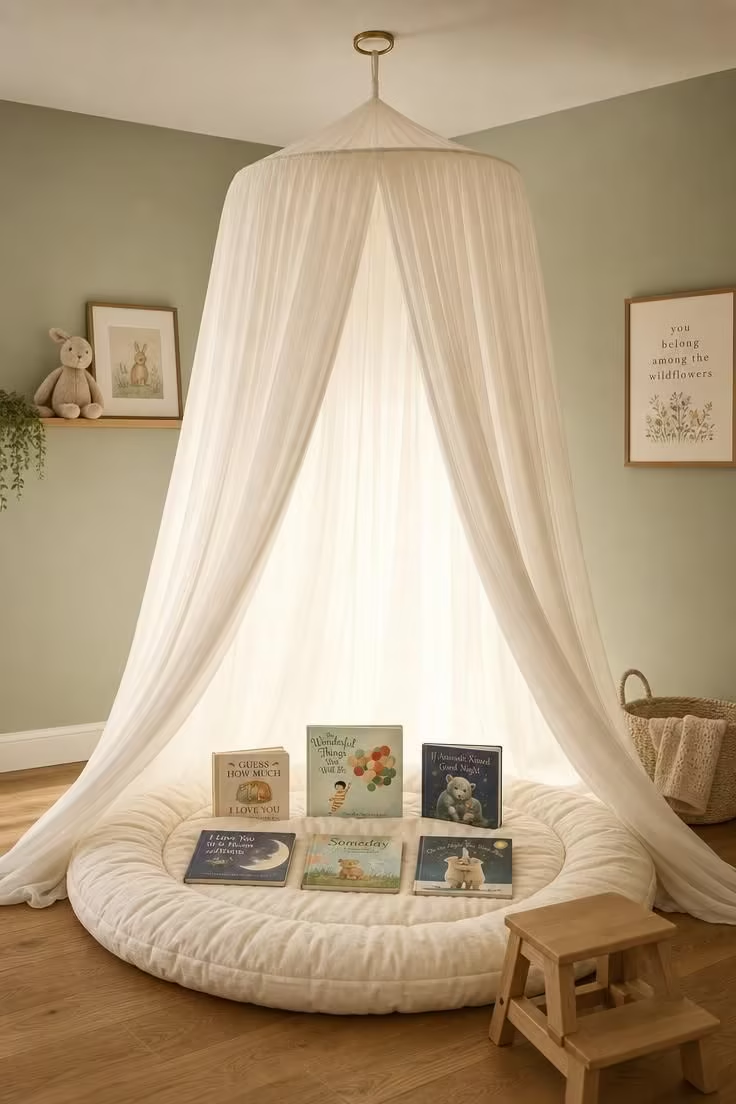
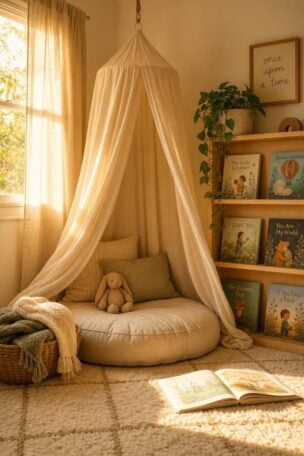
A nursery canopy creates an instant reading nook without moving a single piece of furniture.
One brass ceiling hook, a sheer fabric ring, and gravity do all the work.
The draped fabric filters light into a softer glow that calms a fussy baby and signals to a toddler that this space is for sitting, not running.
Round cotton play mats are thick enough to cushion small knees and bottoms during floor-level reading sessions.
Arranging books in a semicircle on the mat turns selection into a visual activity, encouraging your child to scan the covers and pick one based on what they see rather than what is closest.
The canopy is machine-washable, which matters in a room where hands are sticky and mouths are drooly.
Style Blueprint:
- Sheer fabric nursery canopy in ivory or white
- Brass ceiling hook rated for the canopy weight
- Thick round cotton play mat, at least 40 inches in diameter
- Five to six board books arranged on the mat
- Small wooden step stool placed just outside the canopy edge
Narrow Hallway Nursery Reading Nook With a Fold-Down Shelf
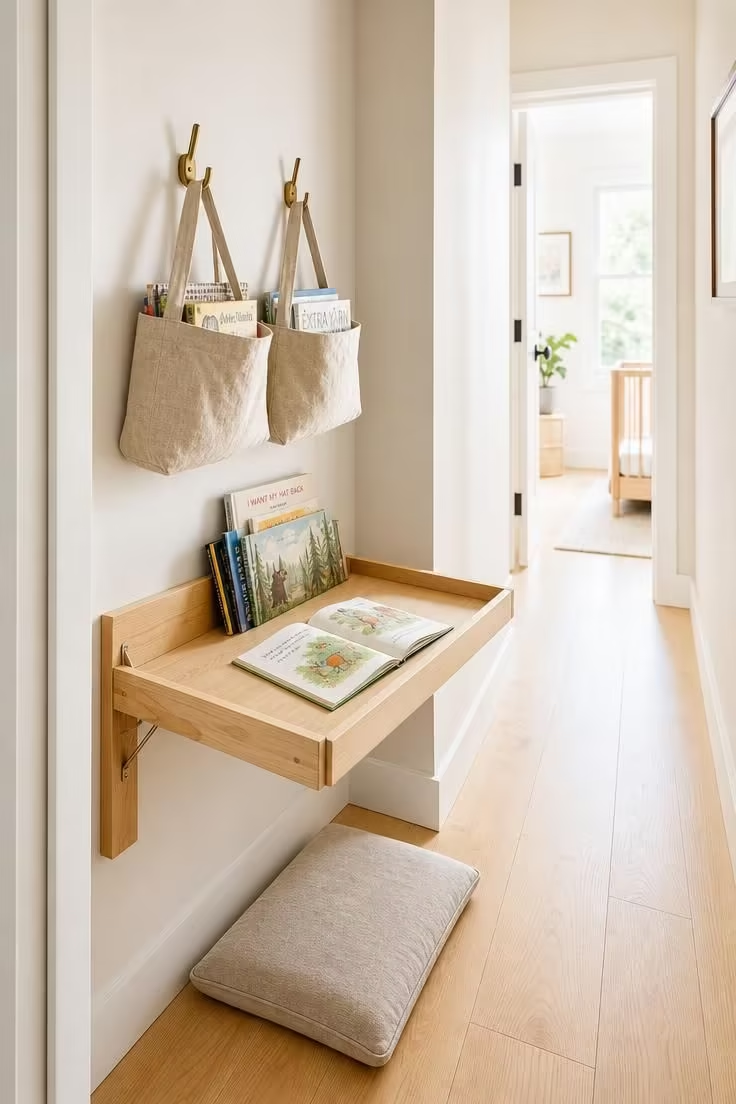
Not every nursery has a spare corner, which is why this narrow hallway nook deserves a spot on the list.
A fold-down shelf in maple mounts flat against the wall when not in use and swings out to create a reading tray just wide enough to hold an open picture book.
Two brass wall hooks above it each hold a small cloth tote bag stuffed with five or six books, keeping the collection accessible without any floor-level furniture.
The thin cushion on the floor is all the seating this reading corner needs because a toddler sitting cross-legged takes up less than two square feet.
Maple hardware matches maple flooring, creating a cohesive look that makes the hallway feel designed rather than repurposed.
This setup proves that a nursery reading nook does not require a dedicated corner, a wall with six vertical feet of clear space is all you need.
Fold the shelf down when it is not in use, and the hallway returns to full walking width in two seconds.
Style Blueprint:
- Fold-down wall shelf in natural maple or birch
- Two brass wall hooks rated for 10 pounds each
- Small cloth tote bags in canvas or linen for book storage
- Thin rectangular floor cushion in a neutral linen
- Clear hallway wall section at least 24 inches wide
Conclusion
A nursery reading nook can be as simple as a floor pillow beside a basket of books or as considered as a built-in armoire alcove with its own lighting.
The right setup depends on your room size, your daily routine, and how you want storytime to feel.
What every idea on this list shares is a commitment to making reading a physical part of the room, not just something that happens in a rocking chair when the lights are already off.
Start with seating and a few books placed within reach, then layer in nursery lighting, textiles, and storage as you discover what your family uses most.
The best nursery reading nook is the one that gets used every night, and that has more to do with comfort and convenience than cost or square footage.