This post may contain affiliate links. If you make a purchase through these links, we may earn a commission at no additional cost to you.
A reading nook with plants brings together two of the most comforting parts of a home: a quiet place to sit with a book and the steady, calming presence of living greenery.
Indoor plants soften the edges of a reading corner, filter the air, and give you something beautiful to look at between chapters.
Whether you have a full bay window or just a sliver of space beside a bookshelf, the right combination of houseplants and comfortable seating can turn any spot into a retreat.
These 13 reading nook with plants ideas will show you how to pair greenery with cozy seating in ways that feel natural, personal, and easy to pull off in your own home.
A Fiddle Leaf Fig Flanking a Cream Linen Wingback Chair
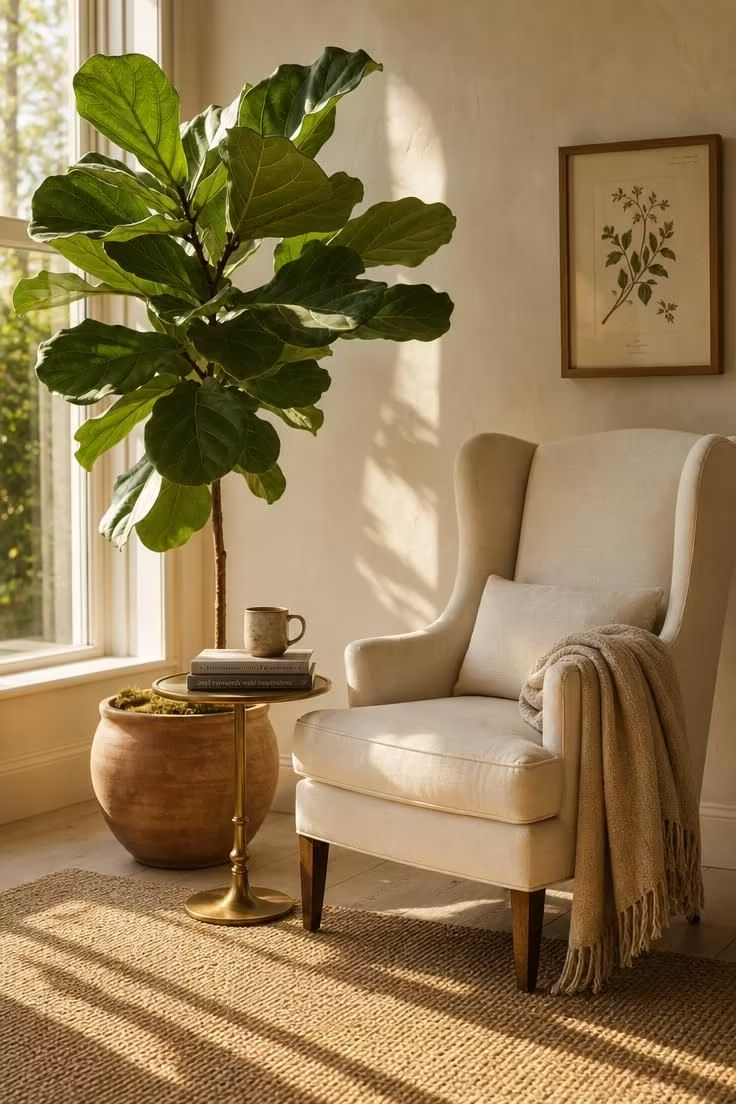
A single large-scale plant can do what a whole collection of smaller pots sometimes cannot: anchor a reading corner and make it feel like its own room within a room.
The fiddle leaf fig works here because its height and broad leaves create a natural wall of green beside the chair, carving out a sense of privacy without blocking light.
Warm afternoon sun catches each leaf at the edges, turning them translucent and giving the whole corner a golden glow.
The cream linen of the wingback chair keeps things soft and neutral, letting the plant take center stage.
A brass side table adds just enough warmth without competing with the greenery.
This is the kind of reading nook with plants that feels like it happened by accident, even though every piece is placed with care.
Style Blueprint:
- A fiddle leaf fig (at least 4 feet tall) in a simple terracotta or woven basket planter
- A wingback chair in cream or oatmeal linen
- A brass or warm-metal side table
- A natural jute or sisal area rug
- A clip-on or floor reading lamp for evening use
Trailing Pothos Cascading From a White Floating Shelf Above a Window Seat
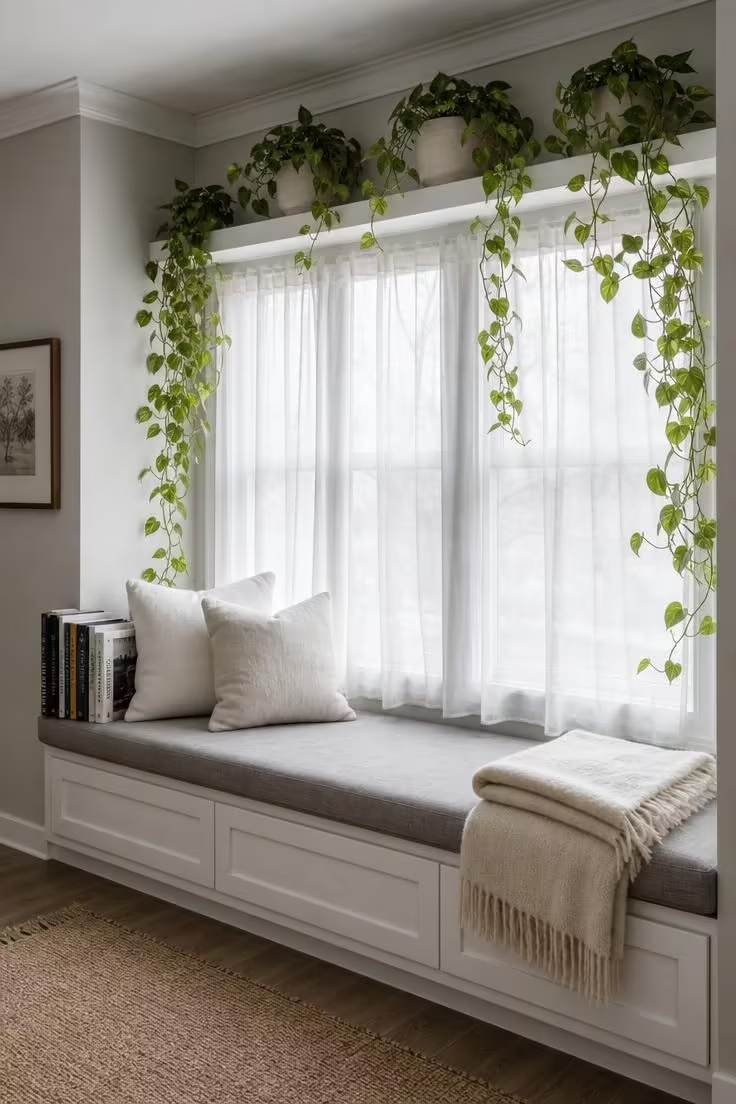
Golden pothos is one of the most forgiving houseplants you can grow, and it rewards you by getting longer and fuller with almost no effort.
Mounting a plant shelf above a window seat puts the vines at the perfect height to trail downward, framing the window with living greenery that shifts and grows over time.
The cool overcast light in this scene gives everything a calm, quiet tone that makes the reading corner feel like a rainy-day retreat.
Gray linen cushions and white ceramics keep the palette restrained, so the green of the pothos becomes the strongest color in the space.
This setup works well in a living room bay window or a bedroom alcove where natural light is steady but not harsh.
Over a few months, the vines will reach the windowsill and start to curl along it, making the whole window seat feel wrapped in green.
A folded wool blanket at one end adds warmth for cooler mornings when the light is low and the air is still.
A Hanging Macrame Planter Trio Over a Floor Cushion Reading Spot
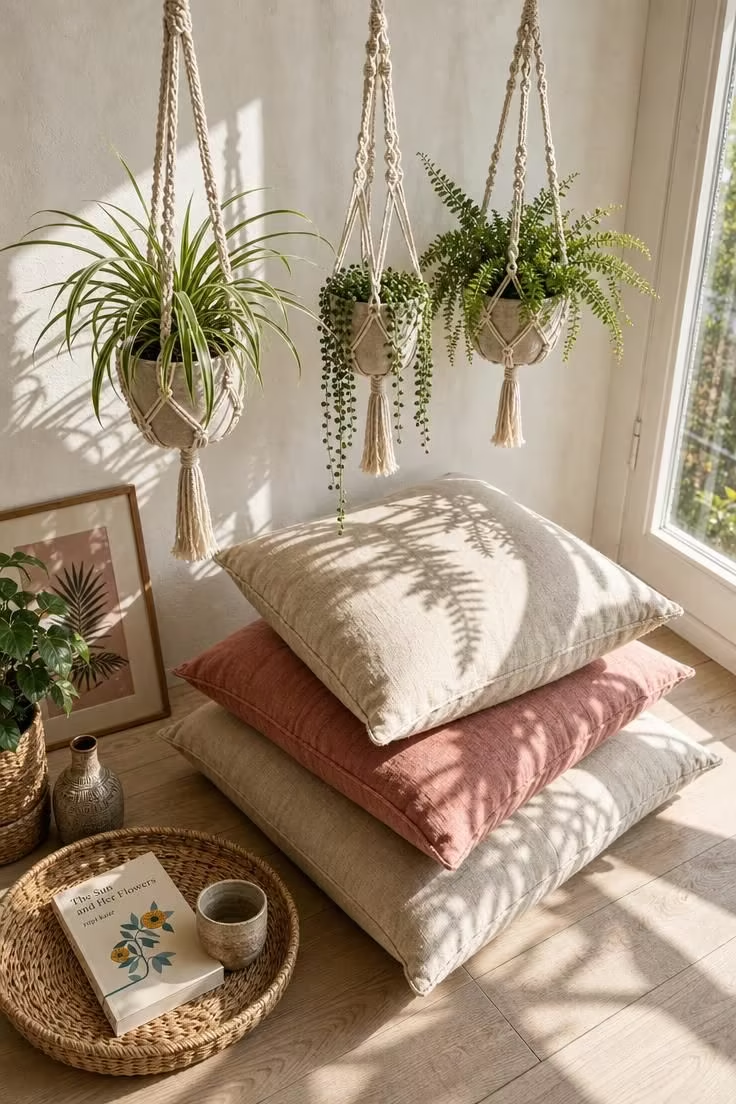
Hanging plants turn dead ceiling space into a living canopy, and when you sit on the floor beneath them, the effect is almost like reading under a tree.
The trio of macrame hangers at staggered heights creates depth and movement above the cushions without taking up any floor space at all.
Spider plants are a strong choice here because they send out runners with baby plantlets that dangle freely, adding to the layered, wild look.
String of pearls brings a completely different texture with its small round beads cascading from the pot in thin green chains.
Bright midday light is ideal for this arrangement because all three plants prefer moderate to bright indirect sun, and the macrame casts beautiful shadow patterns across the cushions below.
The dusty rose cotton against the natural linen cushion covers keeps the palette soft and warm.
A rattan tray on the floor gives you a place to set a book and a cup without needing any furniture.
This is a reading nook that costs very little to put together and can be set up in any cozy corner of the house.
Design Pro-Tip: When hanging plants above a seating area, keep the lowest planter at least 18 inches above your head when seated. This prevents bumping into pots when you stand and gives trailing vines enough room to grow downward without brushing your hair.
A Reclaimed Pine Bookshelf With Alternating Plant and Book Rows
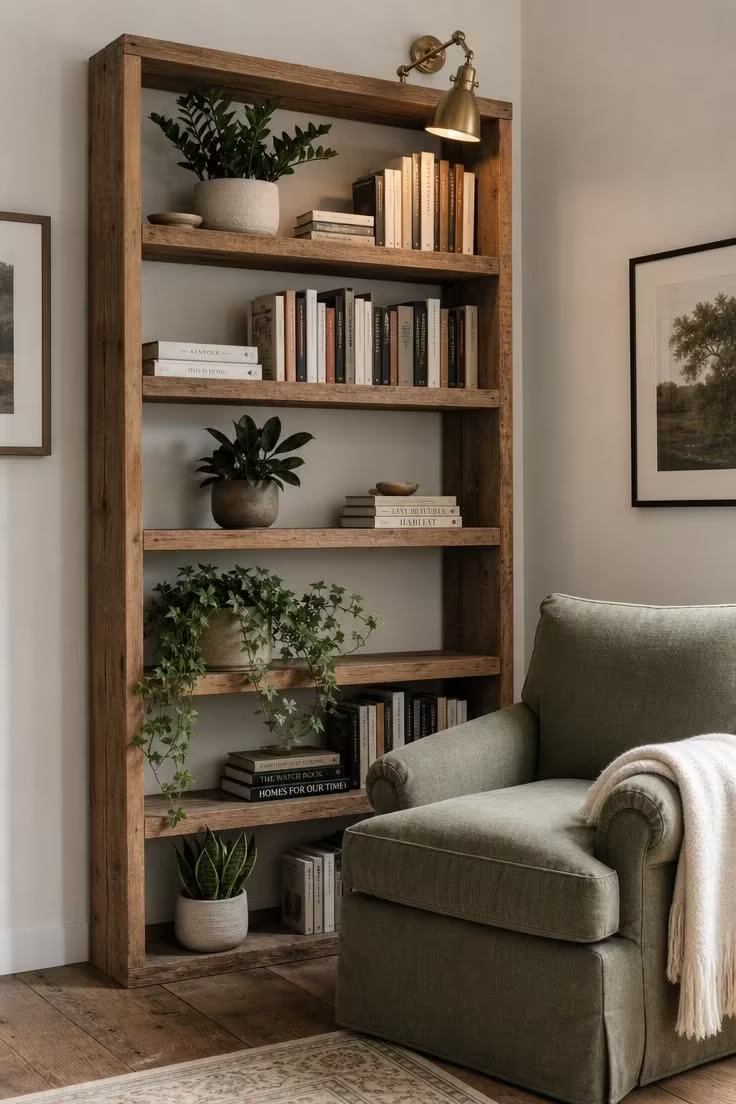
Alternating plants and books on a tall shelf creates a living library wall that feels lush without overwhelming the room.
The mix of leaf shapes matters here: the ZZ plant’s waxy, upright stems contrast with the trailing ivy that spills over the shelf edge, and the rubber plant’s broad, dark leaves anchor the middle rows.
A sage green reading chair ties the furniture to the foliage and makes the whole corner feel like one connected composition.
Soft diffused light from a north-facing window keeps these plants healthy without the risk of scorching, since ZZ plants and snake plants prefer indirect light.
The brass clip lamp on the top shelf serves two purposes, lighting both your pages and the upper row of plants in the evening.
This arrangement turns a standard bookshelf into botanical decor that doubles as a book nook, giving you a reason to linger longer in the reading corner.
A Rattan Egg Chair With a Monstera Beside a Sunlit Glass Door
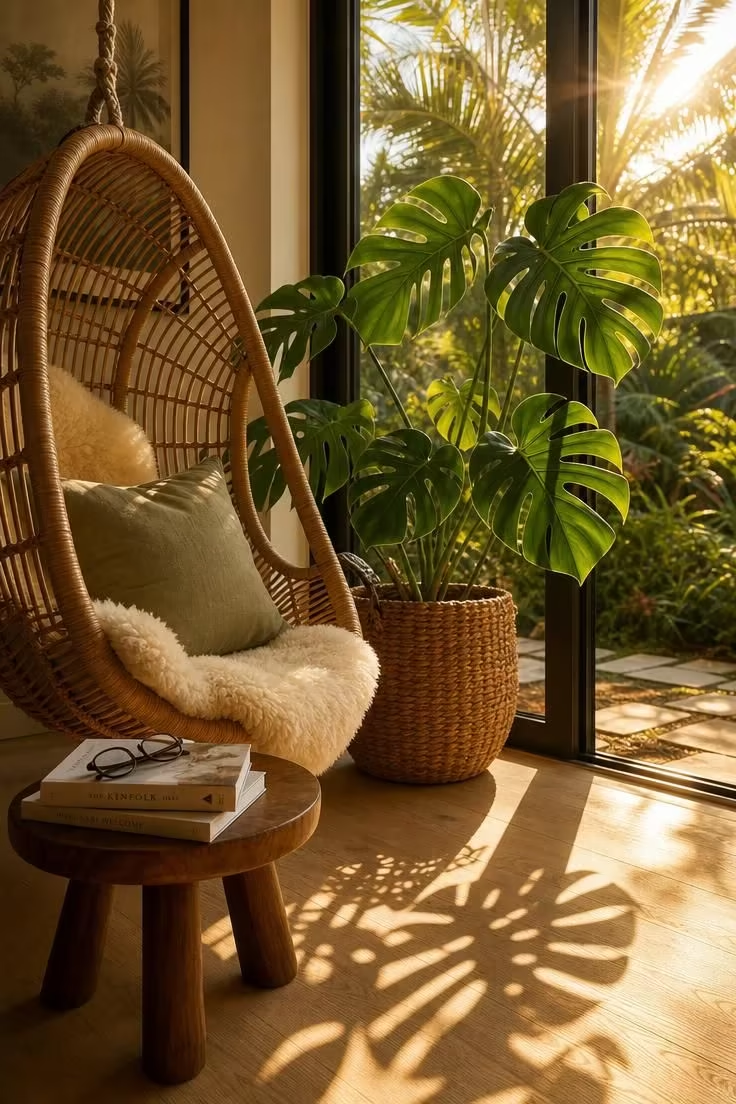
A monstera beside a reading chair is one of those combinations that looks dramatic without any real effort, because the plant does all the decorating on its own.
The split leaves create their own pattern of light and shadow when the sun hits them from behind, and that shifting pattern moves across the floor as the afternoon progresses.
Rattan works perfectly here because its woven texture echoes the organic lines of the monstera’s stems and leaf edges.
A sheepskin throw softens the chair’s hard edges and makes it comfortable enough for long reading sessions.
The low angle of this shot emphasizes the height of the monstera and the swinging quality of the egg chair, making the whole scene feel elevated above the ordinary.
Natural light from the glass door is the star of this reading corner, warming everything it touches and giving the monstera exactly the bright, indirect exposure it prefers.
A walnut stool within arm’s reach keeps your book and glasses close without crowding the floor.
The glimpse of an outdoor garden through the glass connects the indoor plants to the landscape beyond, blurring the line between inside and out.
This is a reading nook with plants that feels like a vacation spot you never have to leave.
Air Plants in Geometric Brass Holders Mounted on a Reading Alcove Wall
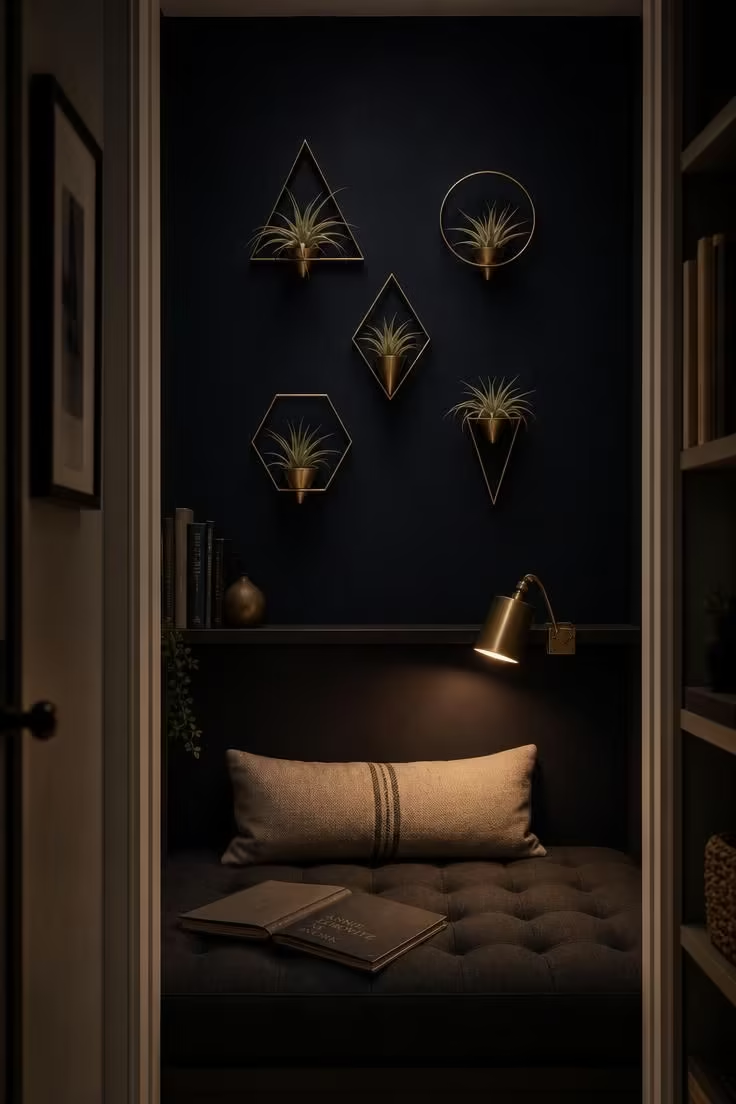
Air plants are the easiest way to add greenery to a reading nook because they need no soil, no pot, and no watering tray.
The geometric brass holders turn each small tillandsia into a piece of wall art, and the metallic finish picks up the warm glow of the reading lamp below.
A deep navy wall gives the brass and silvery-green plants a rich backdrop that makes both colors pop without any competition.
This is a reading nook built for focus: the moody light, the enclosed alcove, and the minimal decoration all pull your attention inward.
The tufted wool bench is firm enough for sitting upright with a book and soft enough to curl up on with a pillow.
A single clip lamp is all you need here because the alcove is small enough that one light source fills the space.
No watering, no sunlight worries, no soil to spill on the cushion: air plants remove every practical barrier to keeping indoor plants in a reading spot.
A Boston Fern on a Pedestal Beside a Velvet Slipper Chair
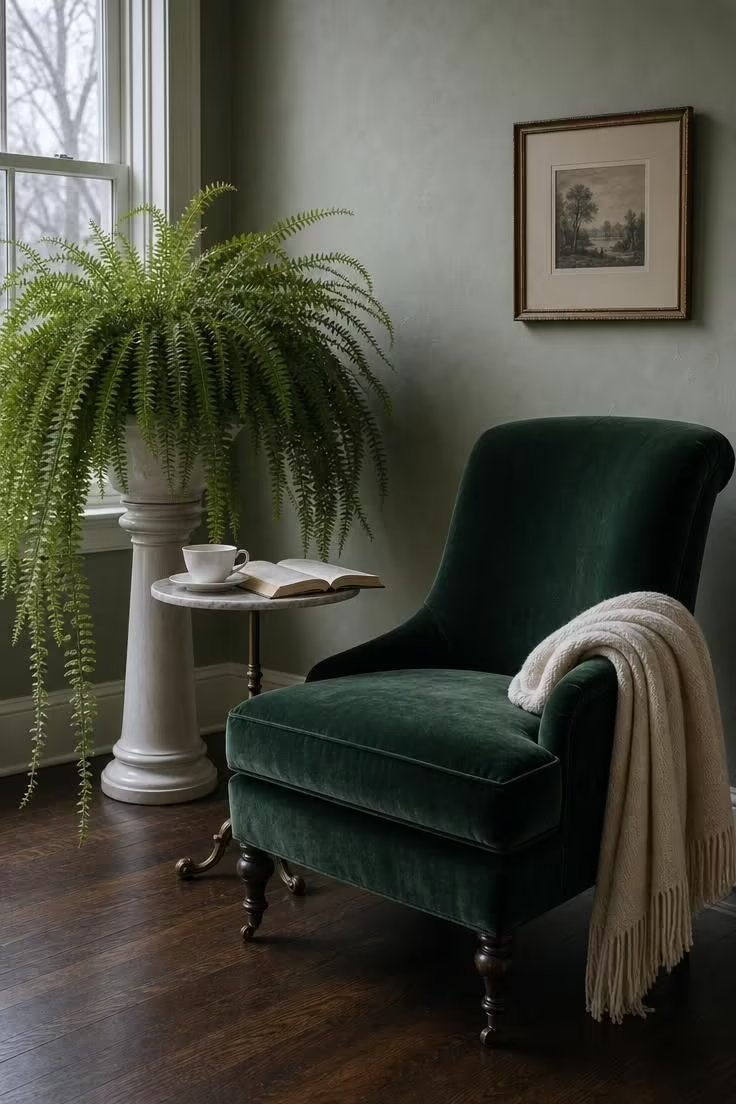
The Boston fern is one of those plants that looks like it belongs in every reading corner, with its wild, arching fronds that soften any space they occupy.
On a pedestal, the fern gains height and presence, and its cascading shape creates a green waterfall effect that draws the eye downward.
The deep green velvet of the slipper chair matches the fern’s color almost exactly, creating a tonal pairing that feels intentional and rich.
Cool overcast light is ideal for this scene because it brings out the blue undertones in both the velvet and the fronds, giving the whole corner a calm, contemplative mood.
A marble-top side table adds a touch of weight and permanence between the chair and the plant.
Boston ferns prefer humidity, so placing one near a window that gets occasional airflow helps keep the fronds from drying and browning at the tips.
The cream wool throw breaks up the green with a warm neutral, giving your eye a place to rest.
This is a book nook that feels like it has been here for years, settled and sure of itself.
Design Pro-Tip: Group humidity-loving plants like Boston ferns, maidenhair ferns, and calatheas together in one corner. Their combined transpiration creates a small humid microclimate that benefits all of them, and the clustered greenery makes a stronger visual statement than scattering individual pots around the room.
A Succulent Collection on a Copper Tray Atop a Live-Edge Side Table
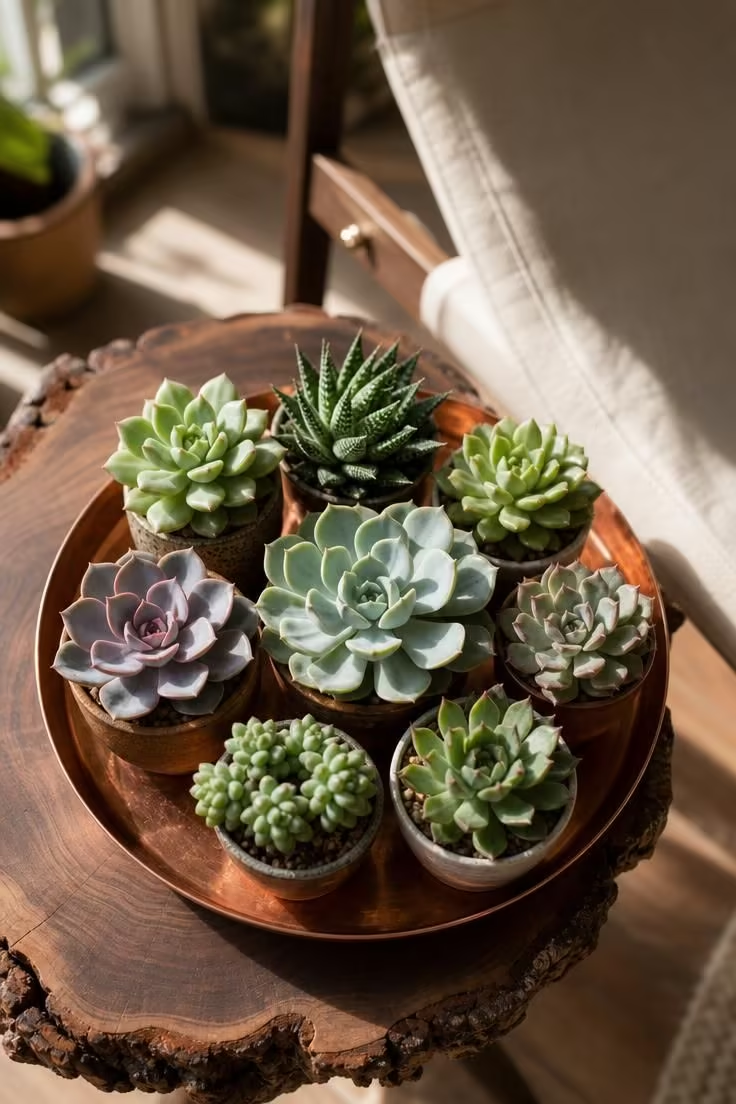
A group of small succulents arranged on a single tray creates a miniature garden that sits right beside your reading chair, close enough to admire between pages.
The copper tray brings all the pots together into one composition and protects the wood surface from moisture.
Bright midday sun is exactly what succulents want, so placing this arrangement near a south-facing window keeps them compact and colorful rather than stretching toward the light.
The live-edge walnut table connects the natural world of the plants to the furniture around them, with its raw bark edge echoing the organic shapes of the rosettes.
Each succulent offers a different texture: the powdery, blue-green bloom of an echeveria, the pointed geometry of a haworthia, the plump round leaves of a jade.
This is a cozy corner accent that takes up almost no space but adds a surprising amount of life and color to a reading spot.
A Climbing Jasmine on a Small Trellis Beside a Painted Iron Daybed
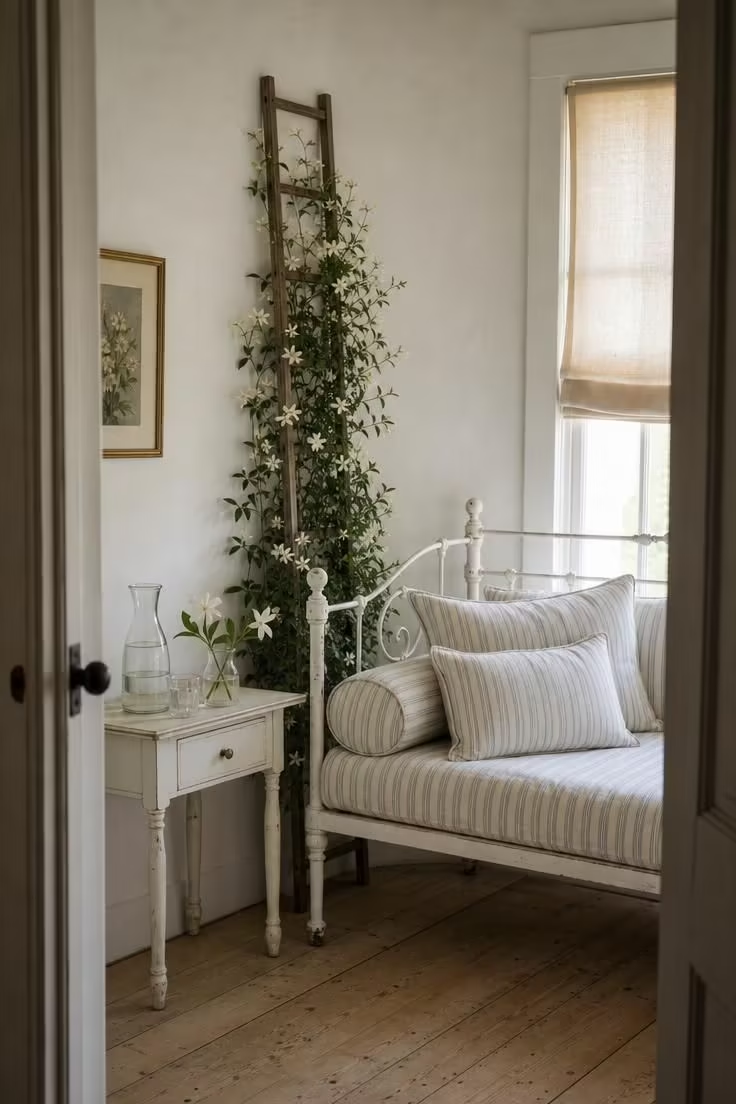
Jasmine adds something no other reading nook plant can: fragrance that fills the space every time the vine blooms.
The small white star-shaped flowers are delicate enough that they do not overwhelm the room, but their scent carries across the entire corner, especially on warm afternoons.
Training the vine up a simple wooden trellis gives it structure and keeps it from sprawling across the floor or tangling with the furniture.
The painted iron daybed has a classic, almost porch-like feel that pairs naturally with a flowering vine, as if this reading nook belongs in a sunroom or a covered veranda.
Cotton ticking stripe cushions in cream and soft blue keep the fabric choices simple and washable, which matters when you have a flowering plant dropping the occasional petal nearby.
A glass carafe of water on the side table is a practical touch, because jasmine vines are thirsty plants that need consistent moisture to keep blooming.
This is the kind of reading corner that appeals to all your senses, not just your eyes.
A Herb Window Box on a Kitchen Reading Bench
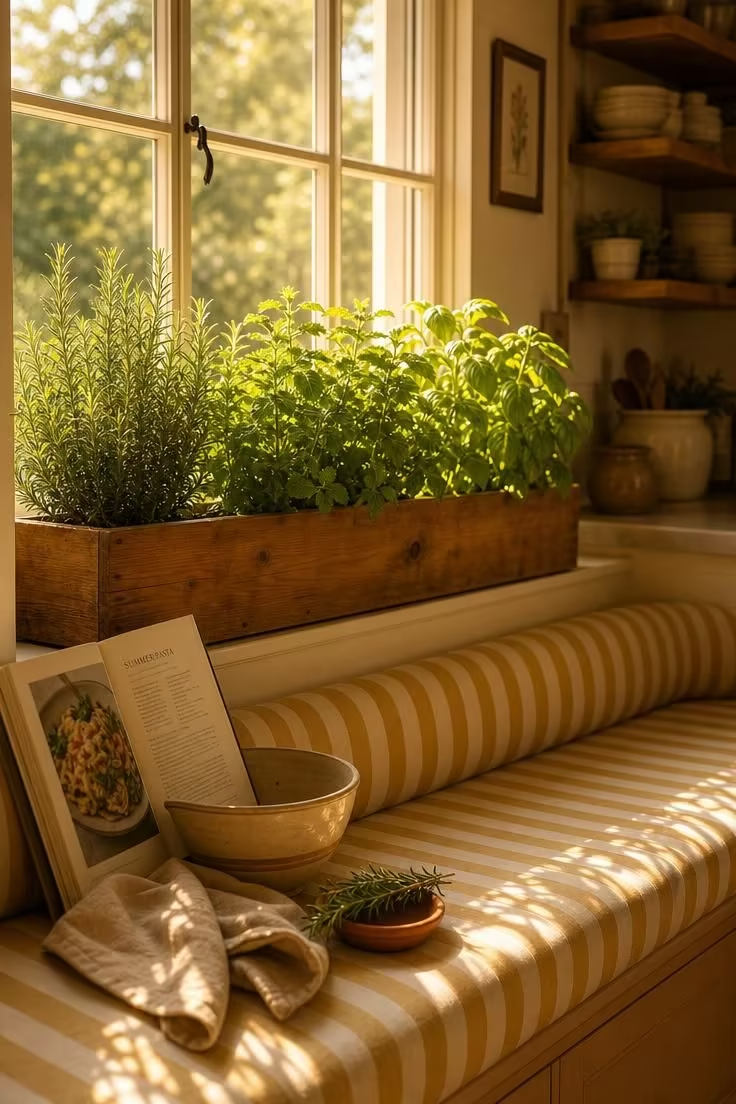
A kitchen window seat with herbs growing on the sill merges two daily pleasures: reading and cooking.
The rosemary, mint, and basil in this window box are not just decorative, they are ingredients you can reach for without leaving your seat.
Warm late-afternoon light is ideal for these herbs, giving them the four to six hours of direct sun they need while flooding the bench with golden color.
The mustard and cream striped cushion adds a bright, cheerful note that matches the kitchen setting without feeling too polished for a space where flour dust and olive oil are always nearby.
A cookbook propped open against a mixing bowl suggests that this bench serves double duty, a place to read recipes before cooking and a spot to sit with a novel afterward.
Herbs release their scent when brushed or watered, so this reading corner carries the smell of rosemary and mint through the afternoon.
The built-in bench makes the most of a window seat that might otherwise go unused, turning a narrow kitchen wall into a full-purpose reading nook.
This is proof that a reading nook with plants does not need a living room or a bedroom, it can happen anywhere natural light and a good seat come together.
Design Pro-Tip: When choosing plants for a kitchen reading nook, stick with herbs or other edible plants that benefit from the warmth and steam of cooking. Basil, mint, rosemary, and thyme all prefer the warm, slightly humid air that kitchens naturally produce, making them easier to maintain than in drier rooms.
A Snake Plant Pair Framing a Mid-Century Walnut Lounge Chair
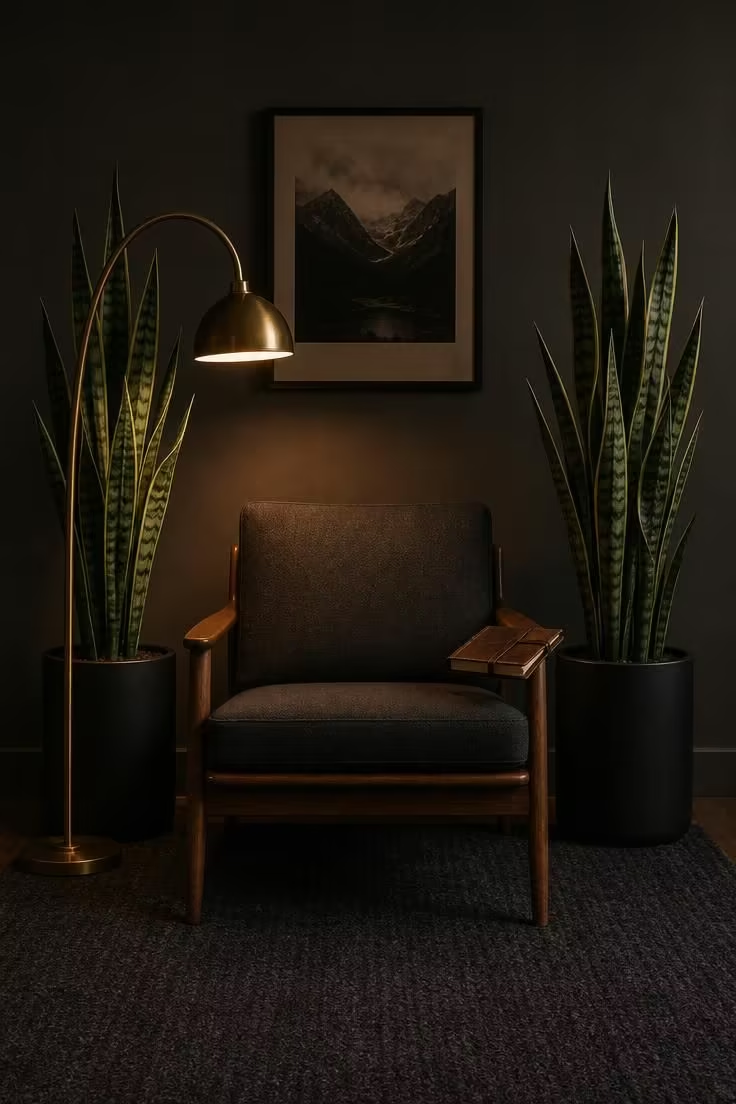
Snake plants are among the most architectural of all houseplants, and placing two of them symmetrically on either side of a chair turns a simple reading corner into something that feels designed.
The tall, rigid leaves create vertical lines that frame the chair like columns, drawing your eye to the center of the composition.
Matte black pots against a deep gray wall keep the palette dark and grounded, which makes the warm brass of the arc lamp feel even more striking.
This is a reading nook built for evening hours, when the lamp is on and the rest of the room fades away.
Snake plants are almost impossible to overwater or neglect, making them a perfect choice for corners that do not get much natural light during the day.
The leather journal on the chair arm adds a tactile, personal element that keeps the scene from feeling like a showroom.
A Hanging Glass Terrarium Cluster Above a Corner Armchair
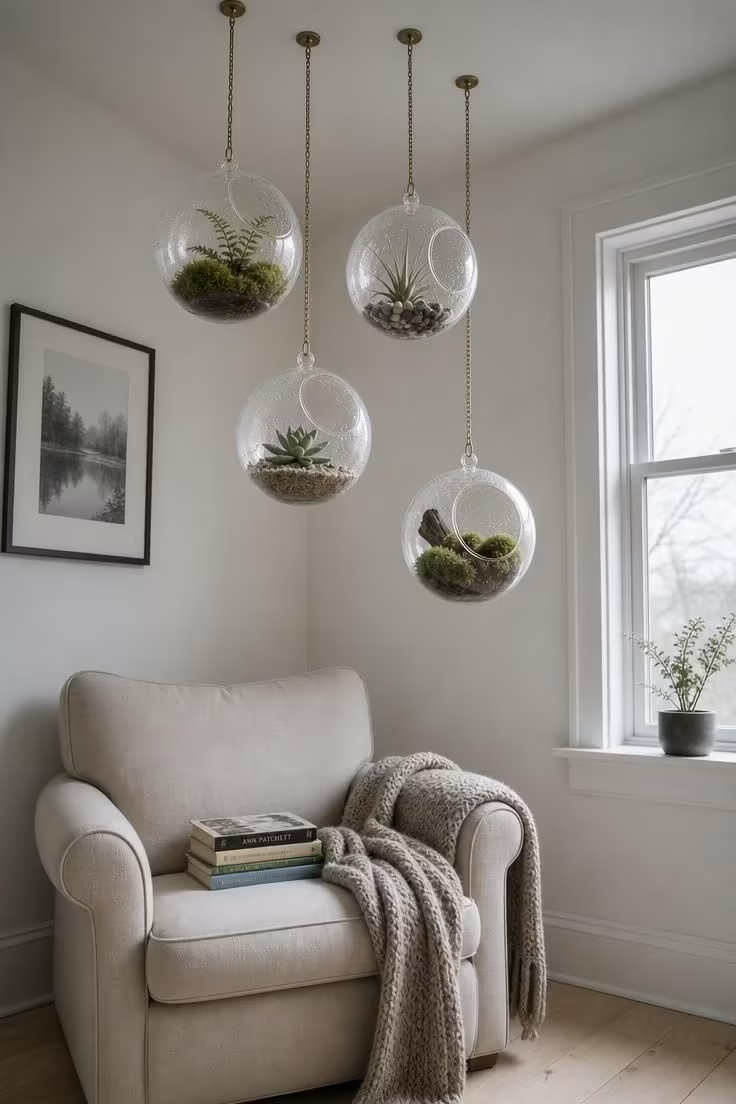
Glass terrariums create their own small worlds, each one a self-contained landscape that you can study up close between chapters.
Hanging them at different heights above a reading chair adds a sense of wonder to the corner, like tiny greenhouses floating overhead.
The brass chains catch the light and add a metallic warmth that complements the cool tones of the moss and ferns inside.
Cool overcast light is ideal for this setup because it illuminates the glass without creating harsh reflections, letting you see the tiny ecosystems clearly from below.
Each terrarium can hold a different plant with different needs: air plants that want airflow, preserved moss that needs nothing at all, and small succulents that tolerate the enclosed humidity for short stretches.
An oatmeal linen armchair below keeps the focus on the terrariums above, providing a neutral base that does not compete with the fine details overhead.
This is a reading corner that rewards close looking, the kind of cozy corner where you find yourself staring up at the plants as often as down at your book.
A Pothos-Wrapped Curtain Rod Framing a Bedroom Reading Corner
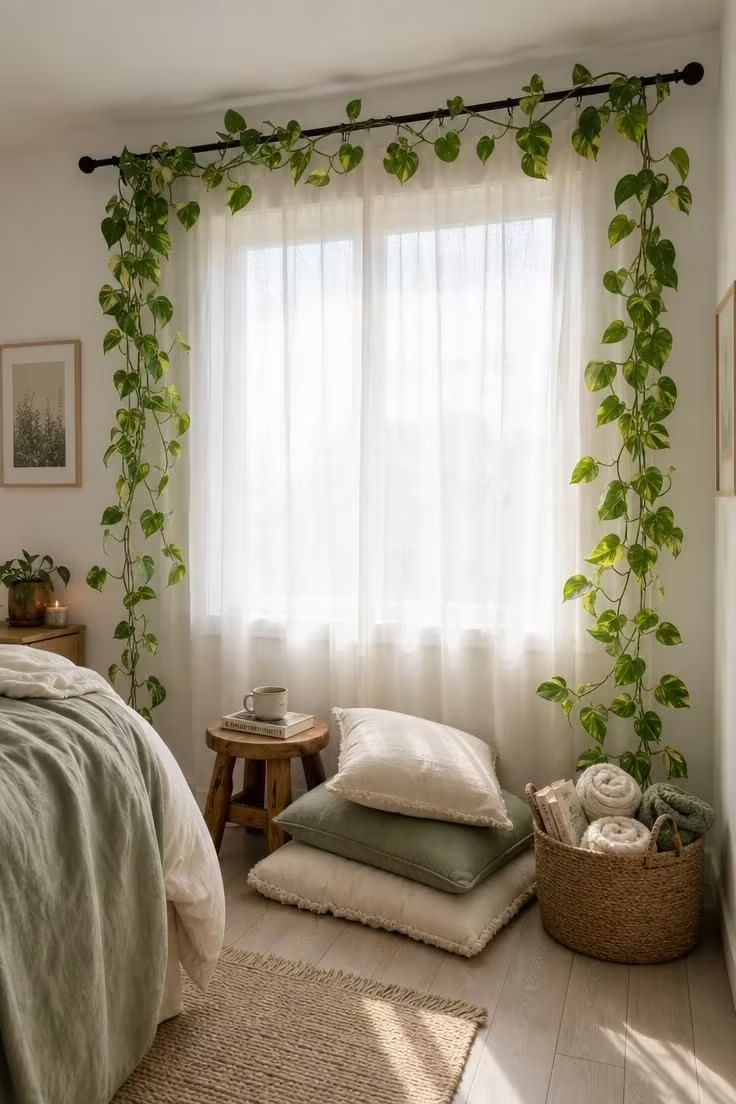
A single pothos vine can define an entire reading corner when you give it something to climb and trail from.
Training the vine along a curtain rod at ceiling height creates a green archway that frames the space below, giving the corner a sense of enclosure without any walls or dividers.
The heart-shaped leaves of a golden pothos are naturally decorative, and when backlit by morning sun through a sheer curtain, they glow with a warm yellow-green light.
This is one of the simplest and least expensive ways to create a reading nook with plants: one plant, one rod, a few pillows on the floor.
Floor pillows in cream and sage keep the color palette connected to the foliage above, and they can be stacked or spread out depending on how you want to sit.
A woven basket with rolled blankets and a few paperbacks gives you everything you need without a single piece of furniture beyond the stool.
Over time, the pothos will grow longer and fuller, and you can guide its vines along the wall or let them hang freely to create even more of a canopy.
Hanging plants like this one prove that you do not need a plant shelf or a windowsill to fill a reading corner with green.
Conclusion
Every one of these reading nook with plants ideas starts with the same simple formula: a comfortable seat, a living plant, and enough light for both reading and growing.
The plants you choose will depend on your light conditions, your willingness to water, and the mood you want to set in your reading corner.
A single fiddle leaf fig or monstera can anchor a whole corner, or a cluster of small succulents on a copper tray can add life to a side table without taking up much room.
Hanging plants and trailing vines are your best option when floor space is tight, turning ceiling hooks and curtain rods into vertical gardens above your seat.
Start with one plant and one good reading chair, and let the nook grow from there.