This post may contain affiliate links. If you make a purchase through these links, we may earn a commission at no additional cost to you.
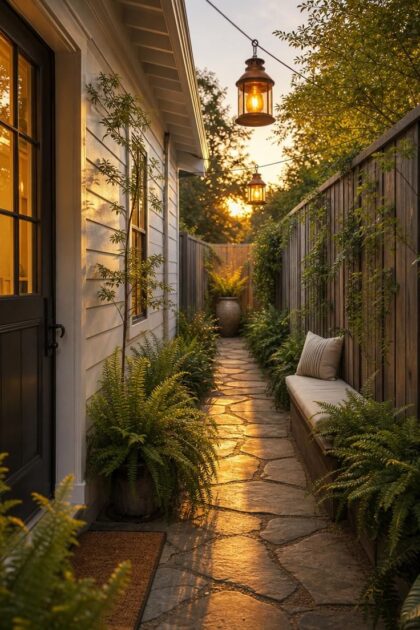
That narrow strip of land between your house and the fence probably collects leaves, hides the air conditioning unit, and serves as nothing more than a pass-through to the backyard.
Most homeowners treat the side yard as leftover space, something too thin to matter and too awkward to design around.
But a few deliberate choices with materials, plants, and lighting can turn even a four-foot-wide corridor into one of the most personal corners of your property.
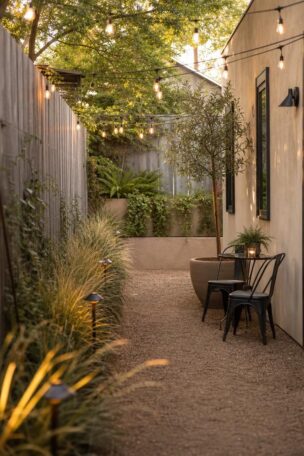
These small side yard ideas prove that tight dimensions are not a limitation, they are an invitation to get specific and intentional about every square foot.
Buff Sandstone Steppers Through a Japanese Painted Fern Corridor
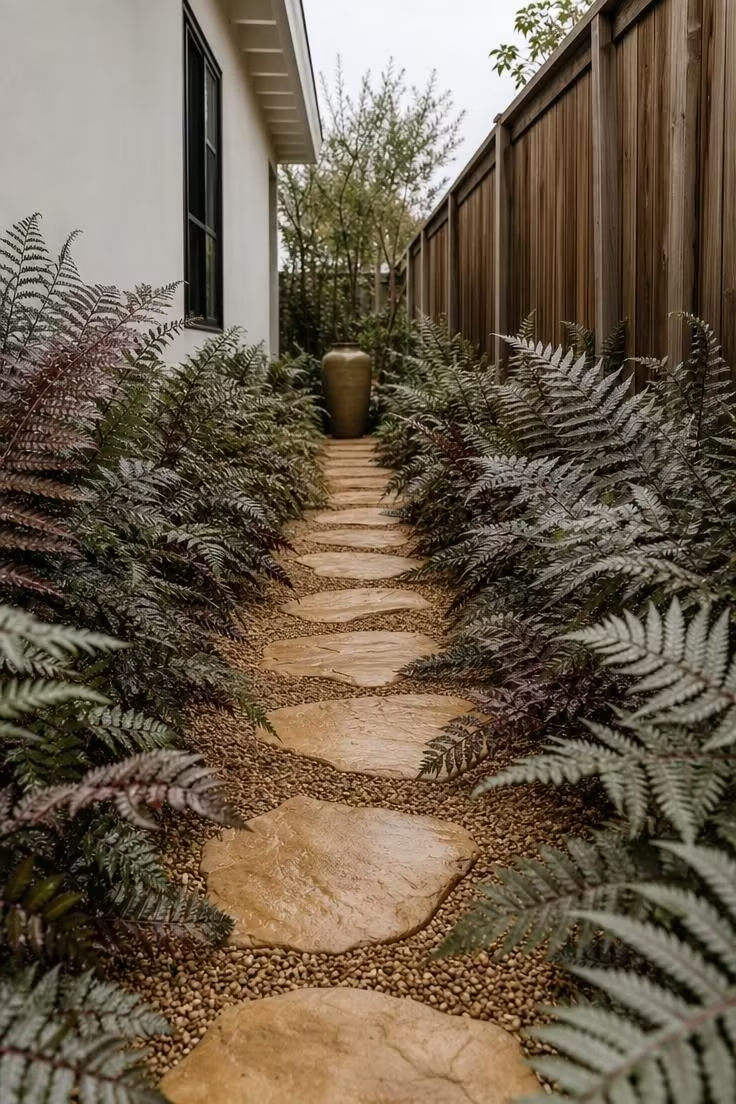
The first thing you notice walking into this side yard garden is the color of the ferns, that silvery purple you only get from Japanese painted varieties catching flat light.
Buff sandstone reads warm against cool foliage, and the irregular shapes of each stepper keep the eye moving rather than locking onto a grid.
Gravel between the stones gives your feet a satisfying crunch and lets rainwater drain straight down instead of pooling against the foundation.
Painted ferns do their best work in partial shade, which is exactly what most side yards deliver thanks to the house wall blocking afternoon sun.
A single tall pot at the far end pulls you forward through the corridor, giving the whole space a sense of purpose rather than leftover square footage.
The absence of flowers is deliberate here, because the metallic foliage does all the visual work on its own.
Style Blueprint:
- Irregularly cut buff sandstone steppers, 18 to 24 inches across
- Fine tan pea gravel between stones, 2 inches deep
- Japanese painted ferns planted in clusters of three on both sides
- Maidenhair fern tucked at the base of the fence for texture contrast
- One tall glazed ceramic pot at the corridor’s far end as a focal point
A Corten Steel Water Blade Mounted on a Stucco Side Wall
Sound changes a side yard more than any single plant or paver can.
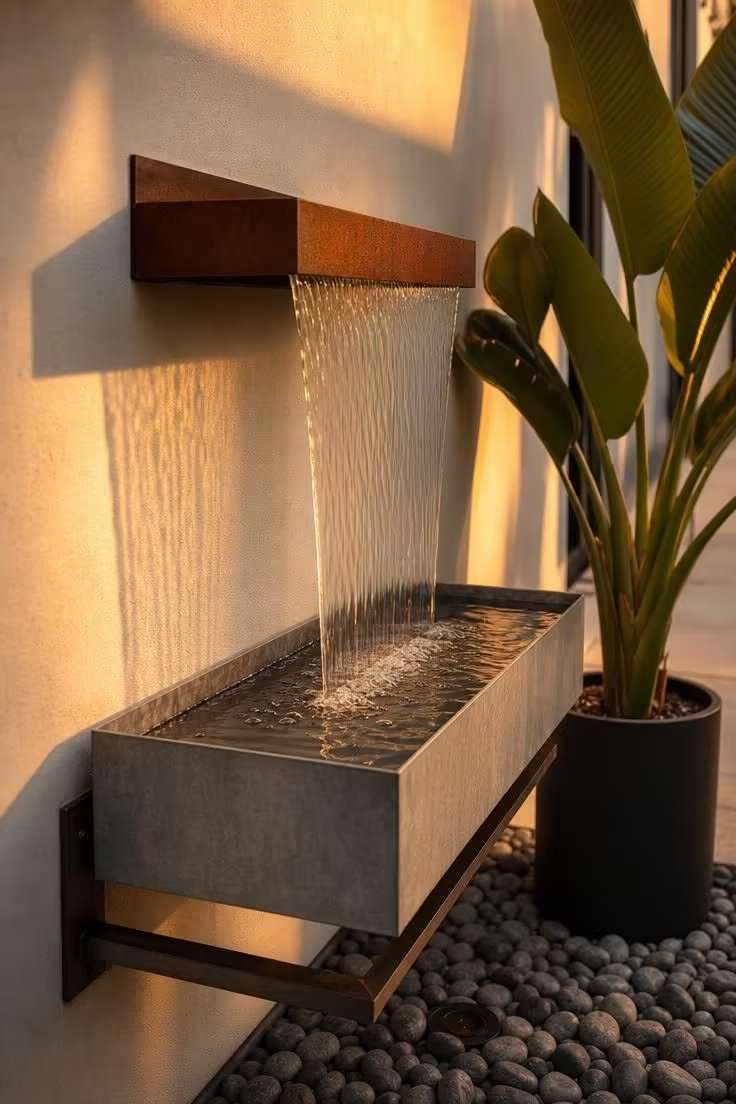
A water blade mounted directly to the house wall puts that gentle falling-water sound right where you walk, and the corten steel develops a rich rust patina that deepens with every season.
The zinc basin catches water in a shallow pool that reflects whatever light reaches the corridor, doubling the glow of a narrow yard design that might otherwise feel dim.
Mounting the blade at eye level means you see and hear the water before you even step into the space, which gives the side yard an identity separate from the rest of the property.
The plumbing for a recirculating water feature like this runs on a small submersible pump tucked inside the basin, drawing about as much power as a desk lamp.
River stones below the basin hide the drain and keep splashes from muddying the ground.
Keep the basin interior clean of debris every few weeks, and the pump will run quietly for years.
Style Blueprint:
- Corten steel water blade, 24 inches wide, mounted to the house wall
- Shallow zinc catch basin on raw steel wall brackets
- Submersible recirculating pump rated for outdoor use
- Rounded gray river stones in the drainage bed below the basin
- One bird of paradise in a matte black cylinder planter nearby
Charcoal Gravel Runner With Matte Black Steel Edging and Dwarf Mondo Grass
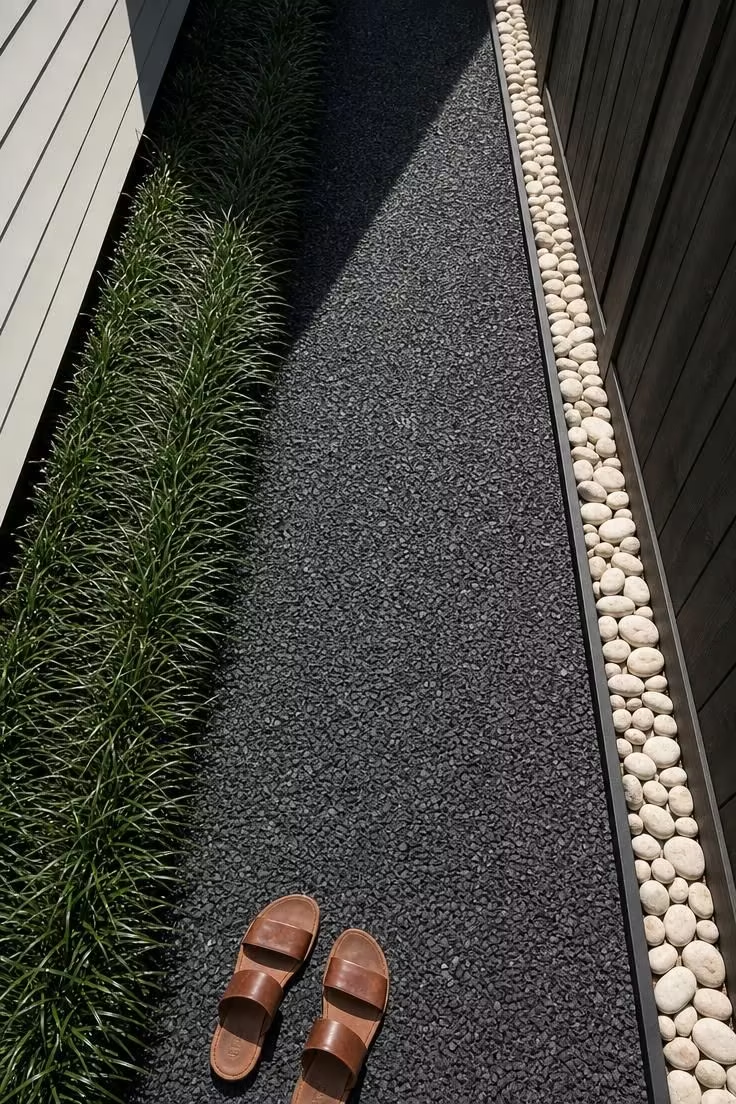
Dark gravel against black steel edging creates the kind of contrast that reads as deliberate from twenty feet away.
Dwarf mondo grass stays under three inches tall and never needs mowing, making it one of the lowest-maintenance border plants for a side yard pathway that sits in partial shade.
The charcoal color hides leaf litter and dirt far better than pale gravel, which stains and shows every fallen berry.
Steel edging keeps the gravel from migrating onto the lawn or patio, and the flat top of the edging doubles as a clean visual line that makes the corridor feel wider than it actually is.
Laying the gravel two inches deep over landscape fabric prevents weeds without chemicals.
A small outdoor space like this does not need complexity, it needs one strong material palette repeated from end to end.
Cream river stones along the fence base soften the boundary and keep the overall look from going too severe.
Raking the gravel flat once a month takes about five minutes and keeps the surface looking fresh.
Style Blueprint:
- Charcoal crushed gravel, angular cut, 2 inches deep over landscape fabric
- Matte black steel landscape edging, 4 inches tall
- Dwarf mondo grass planted in a double row along the house wall
- Pale cream river stones at the fence base
- Landscape fabric beneath all gravel areas to suppress weeds
Reclaimed Oak Sleepers as a Raised Walkway Over Buff Limestone Chips
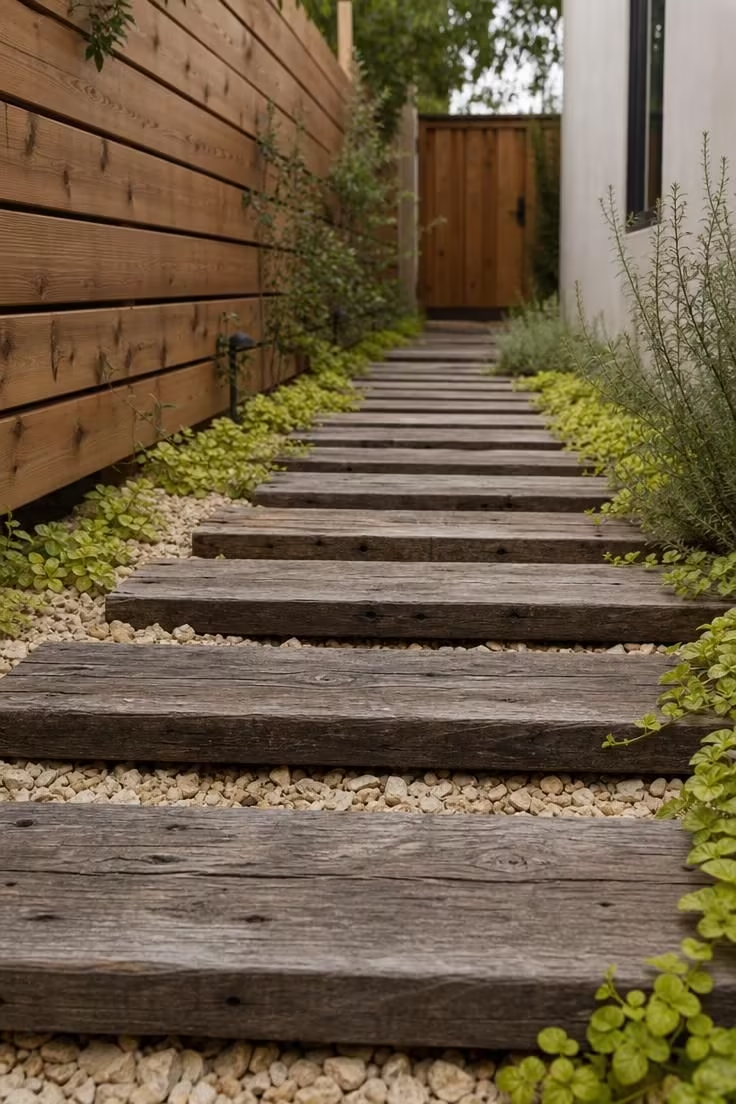
Old oak has a weight and presence that new lumber cannot replicate, and that matters in a space this small where every material gets close scrutiny.
Raising the sleepers a few inches above grade turns a flat corridor into something with depth and shadow, giving your feet a sense of crossing over rather than just walking through.
Buff limestone chips below the walkway drain freely, and their pale color bounces light upward into a corridor that might otherwise feel like a tunnel.
The gaps between sleepers let rainwater pass straight through, which keeps the wood from sitting in puddles and extends its life by decades.
Creeping Jenny at the edges adds the only color here, and its chartreuse leaves stand out sharply against weathered gray oak.
Sourcing reclaimed sleepers from salvage yards or demolished barns gives each piece a unique character that no two side yards will share.
Style Blueprint:
- Reclaimed oak railway sleepers, at least 4 inches thick
- Hidden steel L-brackets to raise sleepers above grade
- Buff limestone chips, 2 inches deep, as ground cover beneath
- Creeping Jenny planted along both edges for color
- Landscape fabric under limestone to prevent weed growth
Design Pro-Tip: In a side yard under five feet wide, limit your ground materials to two, one for the walking surface and one for the border. Adding a third material in a tight corridor creates visual noise that makes the space feel cluttered rather than designed. Two textures, repeated consistently from one end to the other, tell the eye this is one unified room.
A Powder-Coated Aluminum Trellis With Climbing Passionflower Vine
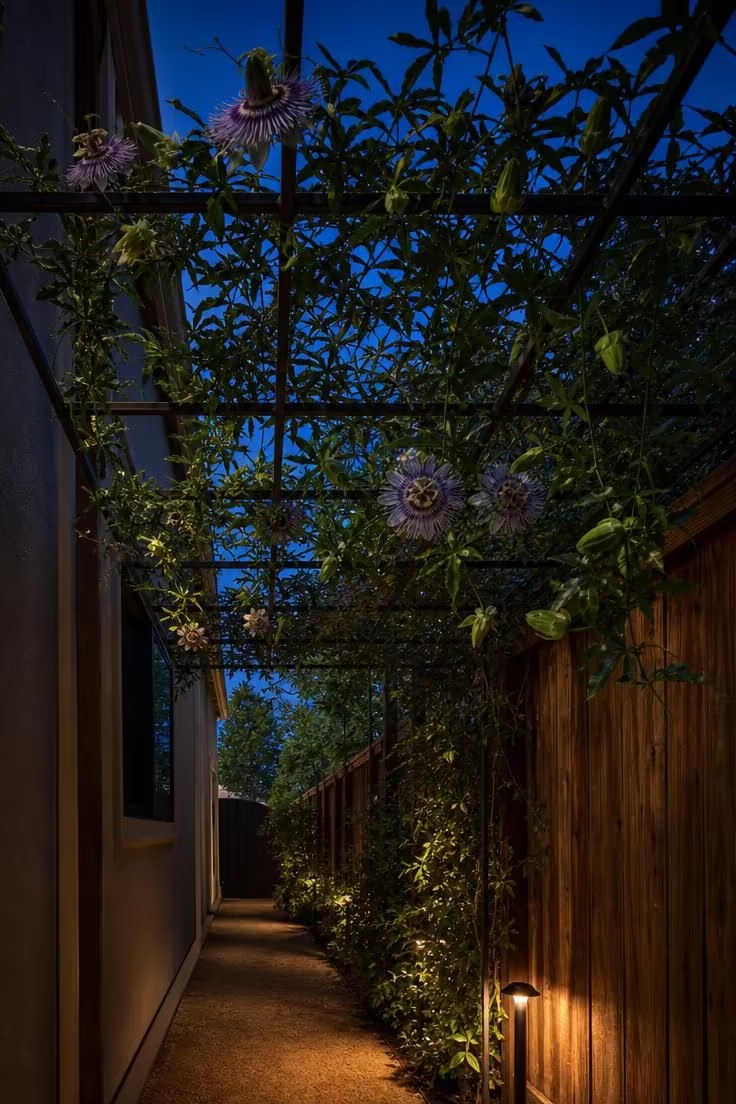
A trellis overhead changes the entire psychology of a side yard, turning an open-air corridor into something closer to a covered room.
Passionflower vines grow fast and produce blooms so complex they stop people mid-step, which is exactly what you want in a side yard that used to be ignored.
Aluminum trellis panels weigh far less than wood or steel, making them easier to mount between the house wall and the fence without heavy structural support.
Powder coating in matte black keeps the metal from competing with the vine once it fills in, and the dark color disappears against an evening sky.
The filtered light that passes through the leaf canopy creates moving shadow patterns on the ground below, adding a layer of visual texture that no paving material can provide on its own.
This is side yard privacy built vertically, screening the corridor from any second-story neighbor windows without adding a solid barrier that would block airflow.
Passionflower is semi-evergreen in mild climates and deciduous where winters are cold, so plan for bare trellis from December through March in cooler zones.
A single solar path light at ground level is all you need once the vine fills in, because the space is small enough that one warm pool of light reads as intentional rather than insufficient.
Train new vine tendrils through the trellis grid every few weeks during the growing season to keep coverage even.
Style Blueprint:
- Powder-coated aluminum trellis panels in matte black, mounted overhead
- Passionflower vine planted at the base of the fence
- Compacted decomposed granite ground surface in warm tan
- One solar-powered LED path light at the fence base
- Stainless steel mounting brackets for wall and fence attachment
Smooth White Concrete Pavers With a Built-In Cedar Storage Bench
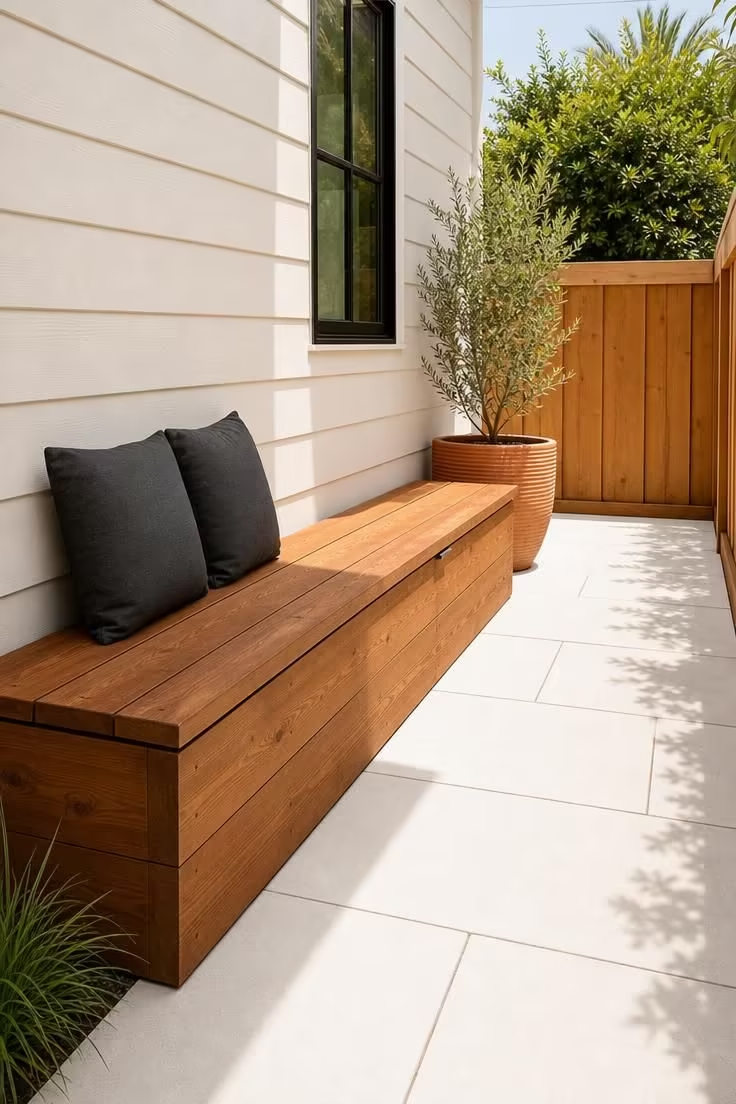
A bench built directly into the house wall does two things at once, it gives you a place to sit and it hides the clutter that usually ends up piled in a side yard.
Inside the lift-top storage, you can stash garden tools, dog leashes, outdoor cushion covers, or anything else that needs a home but should not be visible.
White concrete pavers reflect light upward and make a narrow corridor feel nearly twice as wide, which is a trick borrowed from the courtyards of southern Spain and Greece.
Cedar ages to a silver tone if left unsealed, or stays warm and golden with a clear coat refreshed once a year.
The bench height at eighteen inches matches a standard seat, so this becomes a real stopping point rather than a ledge you perch on uncomfortably.
Two cushions are enough for a space this scale, and charcoal linen holds up to rain far better than lighter fabrics.
A dwarf olive tree in terracotta anchors the end of the bench with a Mediterranean warmth that suits the white-and-wood palette perfectly.
Style Blueprint:
- Large-format smooth white concrete pavers, at least 24 by 24 inches
- Built-in western red cedar bench with lift-top storage, 18 inches tall
- Two charcoal linen outdoor cushions with weather-resistant fill
- Dwarf olive tree in a ribbed terracotta planter
- Clear coat sealant for cedar, reapplied annually
A Narrow Reflecting Pool Lined With Polished Black Pebbles
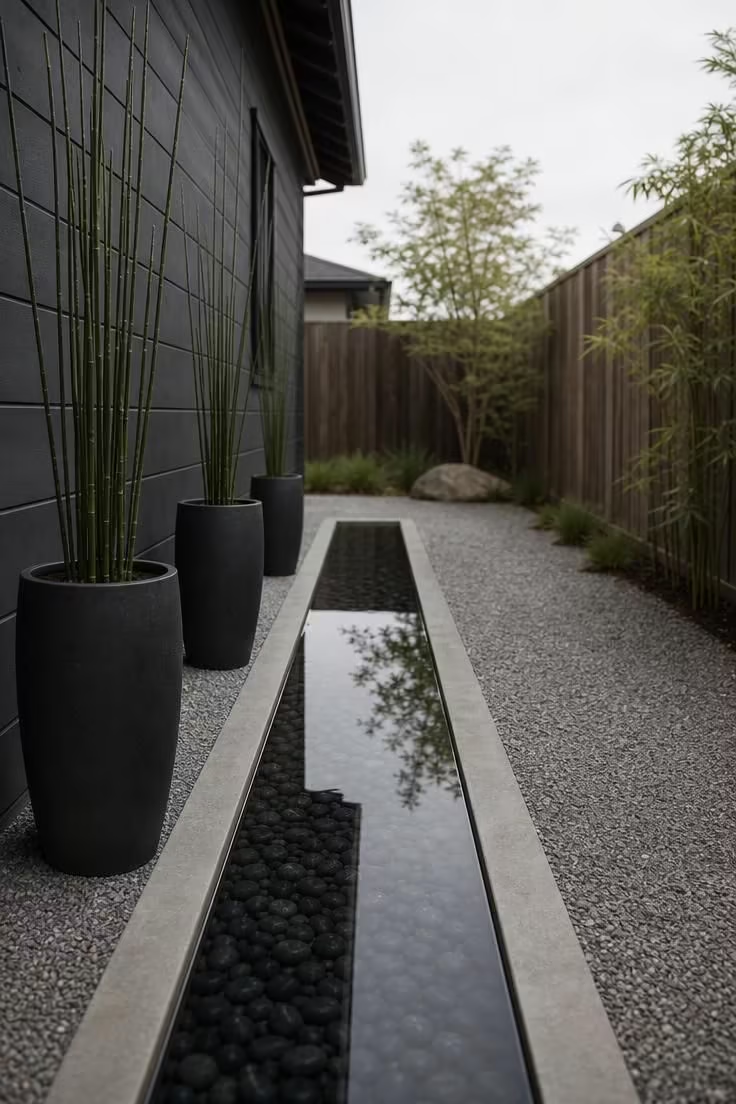
Still water in a side yard does something that moving water cannot, it creates a mirror that doubles the sky and pulls open air down into a tight corridor.
Polished black pebbles at the bottom absorb light and give the pool an appearance of depth far beyond its actual six inches of water.
Keeping the pool only twelve inches wide means it fits into even the tightest side yard landscaping without stealing walking space from the gravel walkway beside it.
The poured concrete edges sit flush with the surrounding grade so the pool reads as part of the ground plane, not as a raised obstacle.
Horsetail reed in tall planters adds vertical lines that reflect in the water surface, doubling the greenery without doubling the planting area.
Side yard lighting after dark can include a single submerged LED puck light at one end of the pool, turning the water into a glowing ribbon.
A small recirculating pump keeps the water from going stagnant, and a mesh screen over the intake prevents pebbles from clogging the system.
Topping off the water once a week in hot months is the only regular maintenance this feature asks of you.
Style Blueprint:
- Slim rectangular reflecting pool, 12 inches wide by 6 feet long
- Polished black river pebbles lining the pool bottom
- Flush poured concrete pool edges matching surrounding grade
- Three tall matte charcoal ceramic planters with horsetail reed
- Small submersible recirculating pump with mesh intake screen
Weathered Zinc Planters With Trailing Dichondra on a Limestone Ledge
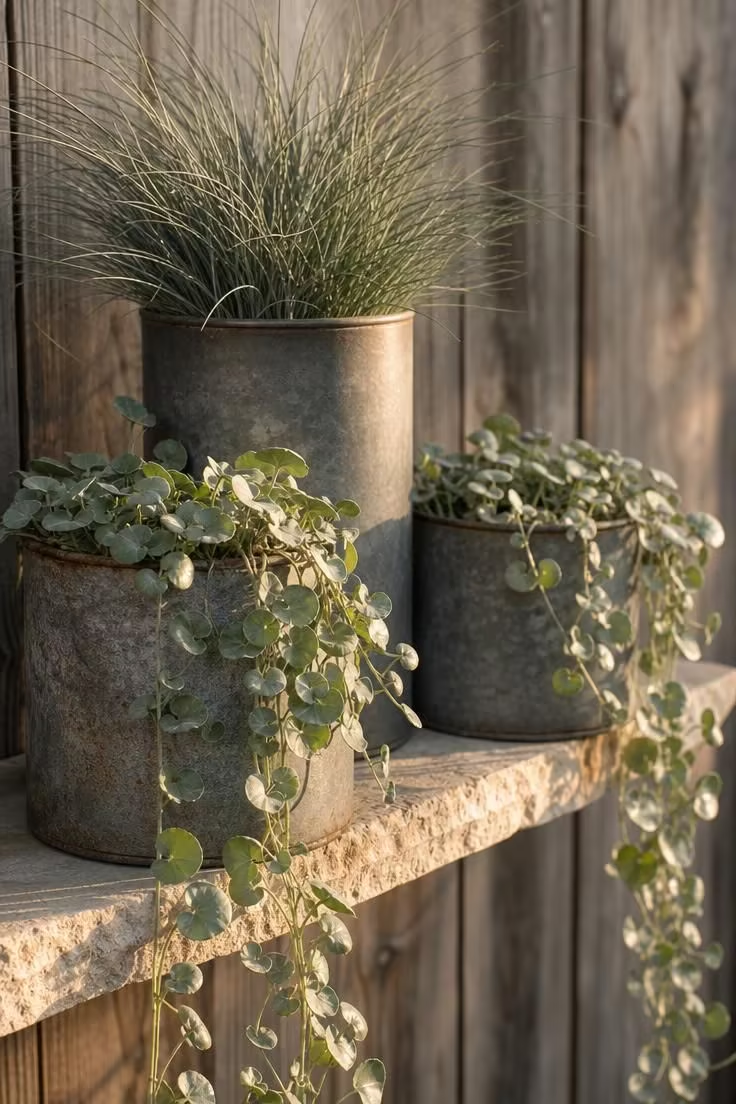
Zinc develops a cloudy, blue-gray patina that no other metal can match, and it pairs with limestone the way leather pairs with wood.
Trailing dichondra in silver is one of the few plants that actually looks better spilling over an edge than it does sitting upright in a pot.
Mounting the ledge at waist height keeps the planters at a scale where you can appreciate the texture of each leaf and the imperfections of each zinc surface.
A narrow limestone shelf projecting only six inches from the fence takes up almost no floor space in a tight side yard pathway.
The staggered heights of the three planters break the horizontal line of the ledge and create a small composition that feels intentional rather than random.
Style Blueprint:
- Three weathered zinc planters in staggered heights (8, 12, and 16 inches)
- Natural limestone ledge shelf, 6 inches deep, mounted to the fence
- Trailing silver dichondra in the two smaller planters
- Compact ornamental grass in the tallest planter
- Stainless steel L-brackets to secure the ledge to fence posts
Design Pro-Tip: When mounting anything to a fence in a shared side yard, check your property line first. Many fences sit on or just inside the neighbor’s property, which means drilling into them requires a conversation. If the fence is yours, anchor brackets directly into the posts rather than the boards for a stronger hold that will not warp over time.
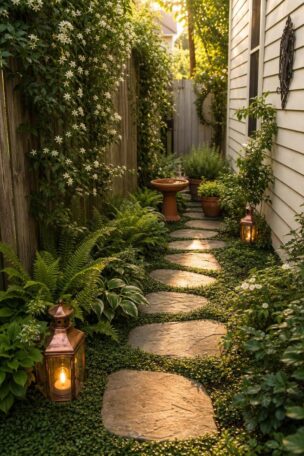
Hanging Copper Lanterns Over a Bluestone Herringbone Path
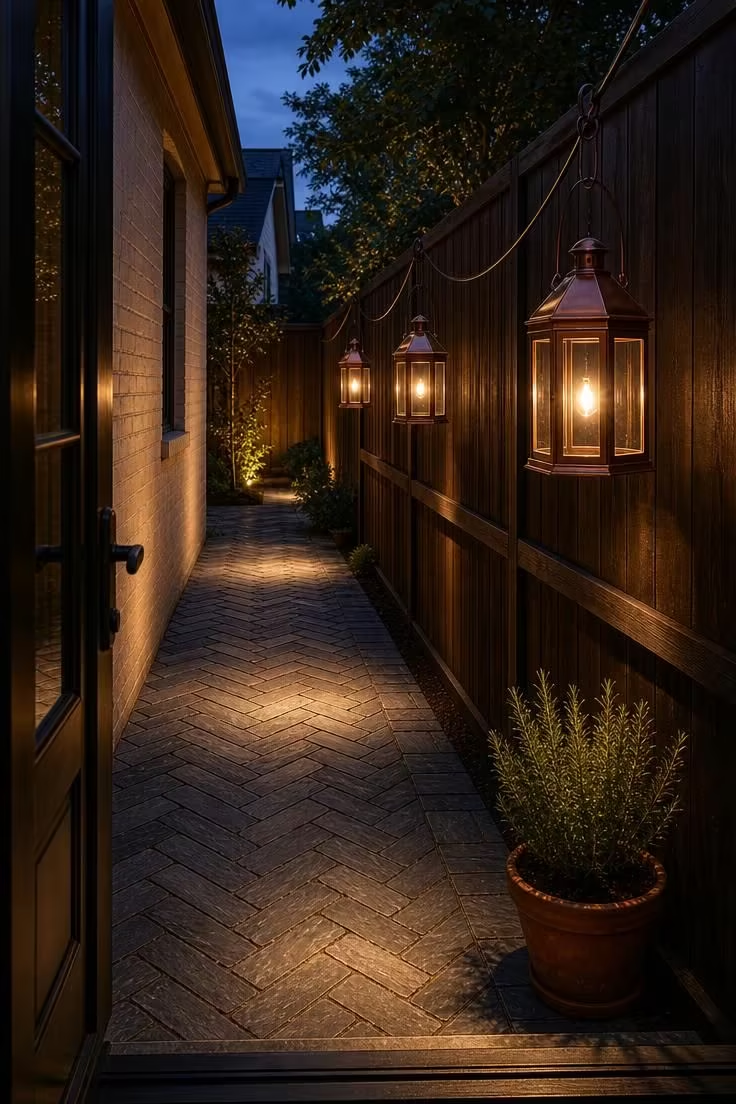
Copper and bluestone belong together the way certain colors just work without explanation, warm metal over cool stone, each making the other look better.
Hanging lanterns overhead instead of placing lights at ground level changes the entire proportion of a narrow corridor, drawing the eye up and making the walls feel farther apart.
A herringbone pattern in the pavers adds a diagonal energy that keeps a long straight path from feeling monotonous.
Three lanterns spaced evenly along a twenty-foot side yard is usually enough to light the full length without creating harsh bright spots.
LED bulbs in a warm 2700K color temperature give the copper a rich glow that cold white LEDs would completely undermine.
The steel cable between the house and fence needs only two anchor points, one eyebolt on each side, making this one of the simplest overhead installations for any side yard lighting project.
Copper will patina to verdigris green over a few seasons outdoors, which you can preserve with a clear lacquer or let develop naturally.
Style Blueprint:
- Three copper lanterns with clear glass panes and warm LED bulbs
- Thin black steel cable strung between house wall and fence
- Natural cleft bluestone pavers laid in herringbone pattern
- Black metal hooks for lantern suspension
- Stainless steel eyebolts as cable anchors on house and fence
A Raw Concrete Counter Bar Anchored to a Painted Brick Fence
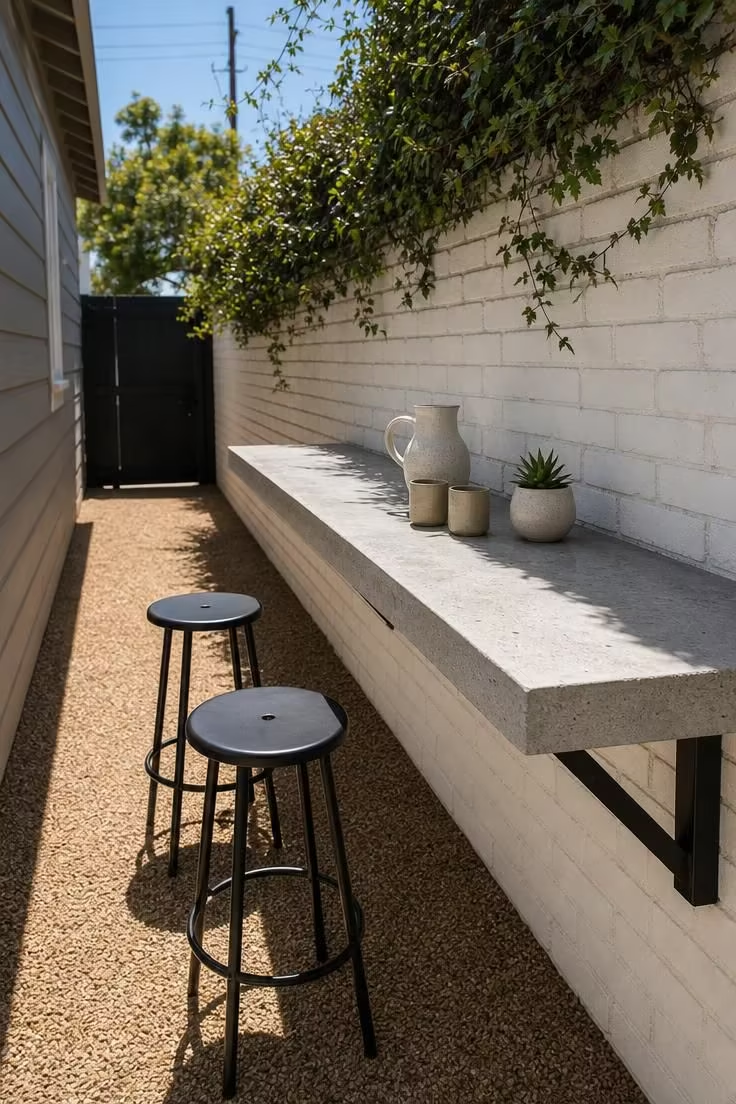
A bar shelf in a side yard sounds like a stretch until you stand at it with a cold drink and realize the corridor is the most private spot on the entire property.
Sixteen inches of depth is enough for plates, glasses, and elbows, but narrow enough that the gravel walkway on the stool side still leaves room to pass behind someone seated.
Raw concrete with aggregate flecks has a warmth that finished marble or engineered stone does not, and it develops character from coffee rings and water marks over the years.
Iron brackets do the heavy lifting here, and oversized ones rated for shelf loads of eighty pounds or more keep the counter rock-solid.
Painting the brick fence white behind the bar creates a clean backdrop that makes the food, the drinks, and the people sitting there the focal point.
The two backless stools slide completely under the counter when not in use, leaving the corridor open as a simple walkway for everyday traffic.
This is one of those small side yard ideas that changes how you use your outdoor space entirely, turning a forgotten strip into a place where people actually want to gather.
A climbing vine on the fence behind the bar adds greenery overhead and softens the hard edges of brick and concrete.
Seal the concrete surface with a food-safe penetrating sealant to prevent staining without changing the raw appearance.
Style Blueprint:
- Raw poured concrete bar shelf, 8 feet long by 16 inches deep
- Heavy black iron brackets rated for 80+ pound loads
- Two backless matte black metal stools with round seats
- Painted white brick fence as the bar backdrop
- Food-safe penetrating concrete sealant for the counter surface
Shou Sugi Ban Cedar Screens Framing a Pebble Meditation Nook
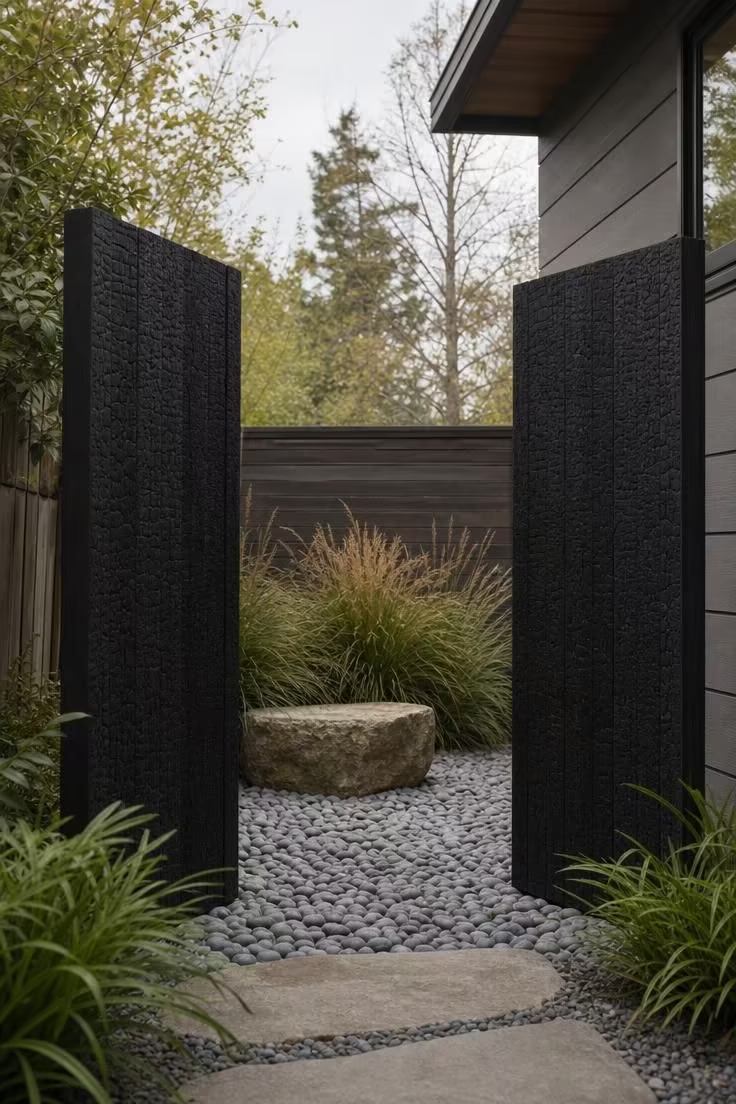
Charred cedar has a presence that raw wood does not, something about the blackened surface and the deep crack patterns signals permanence and intention.
Placing the screens at the entrance to the nook creates a threshold, a moment where you step out of the corridor and into a different kind of space.
Pale gray pebbles raked into soft curves borrow directly from Japanese dry garden traditions, and the raking itself becomes a meditative act you can repeat whenever the mood strikes.
A single natural boulder as a seat removes the need for furniture that would look out of place in a space this pared down.
The ornamental grasses in the back corner sway with any breeze, adding the only movement in an otherwise still composition.
This is side yard fence territory at its most intentional, where the boundary stops being a barrier and starts being part of the design.
Style Blueprint:
- Two shou sugi ban charred cedar screen panels, 6 feet tall
- Smooth pale gray river pebbles, 2 inches deep, over landscape fabric
- One flat-topped natural boulder as a seat
- Low ornamental grasses in muted green and bronze tones
- Compacted gravel base beneath pebbles for drainage
Design Pro-Tip: A dead-end side yard, where the corridor terminates at a fence or wall, is actually an advantage. It gives you a built-in backdrop and a sense of enclosure that pass-through side yards lack. Place your strongest design moment at the dead end, because that is the view you see every time you step into the space.
Moss Rock Borders Along a Tan Crushed Granite Path With Copper Uplights
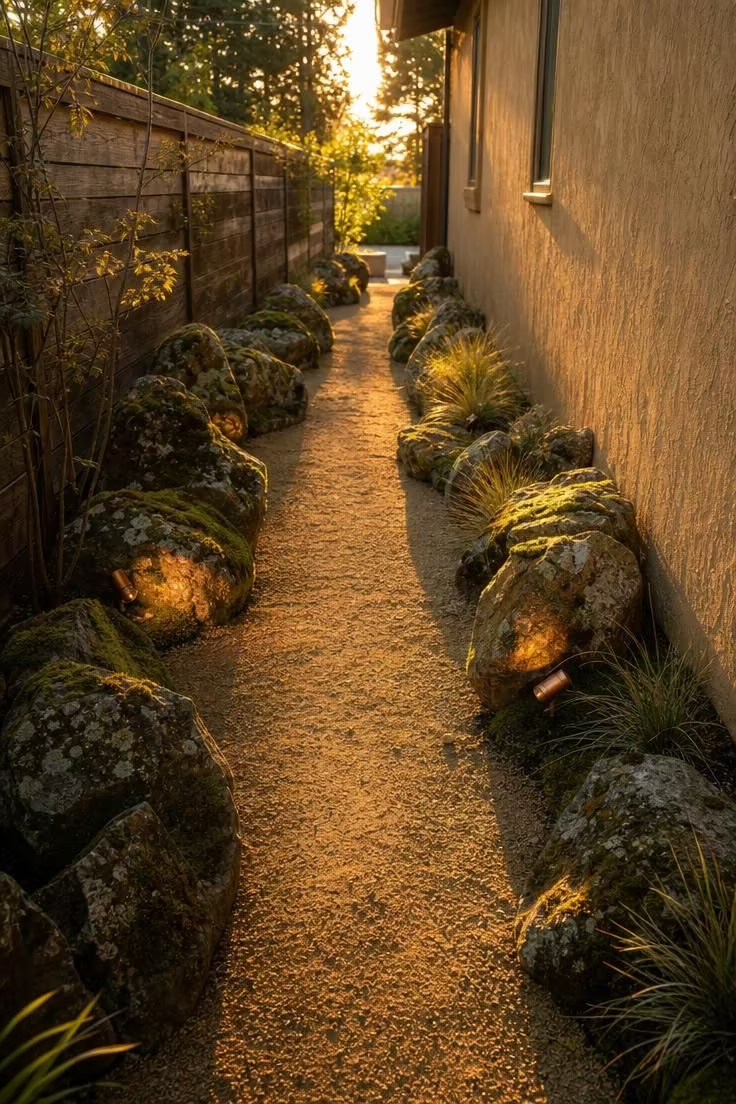
Moss on stone is something you cannot rush, and that is exactly why it works so well in a space you want to feel settled and rooted rather than newly built.
The irregular shapes of natural rock borders soften the straight lines of a corridor that would otherwise feel like a hallway.
Tan crushed granite compacts firmly enough to roll a wheelbarrow or garden cart over it, making this a working path as much as a pretty one.
Copper uplights at the base of the rocks do their best work after sunset, when the warm beam catches every crevice and patch of lichen and turns the corridor into something worth walking slowly through.
Placing lights only at the larger rocks, rather than evenly spacing them, creates pools of light and shadow that give the path a natural rhythm.
A vertical garden of ferns or trailing ivy on the fence side would pair well here, adding height without competing with the rock borders at ground level.
Native sedge grass between the stones needs no supplemental water once it roots in, and its fine blades add a wild quality that manicured plants cannot.
Crushed granite needs a fresh top-dressing of about half an inch every two to three years to maintain its packed surface and warm color.
Style Blueprint:
- Compacted tan crushed granite path, 3 inches deep over compacted base
- Irregular moss-covered rocks in varying sizes for natural borders
- Small copper spotlight uplights at the base of select larger rocks
- Native sedge grass planted between border rocks
- Steel or aluminum landscape edging hidden beneath rock borders
A Canvas Hammock Strung Between Powder-Coated Steel Posts Over Creeping Thyme
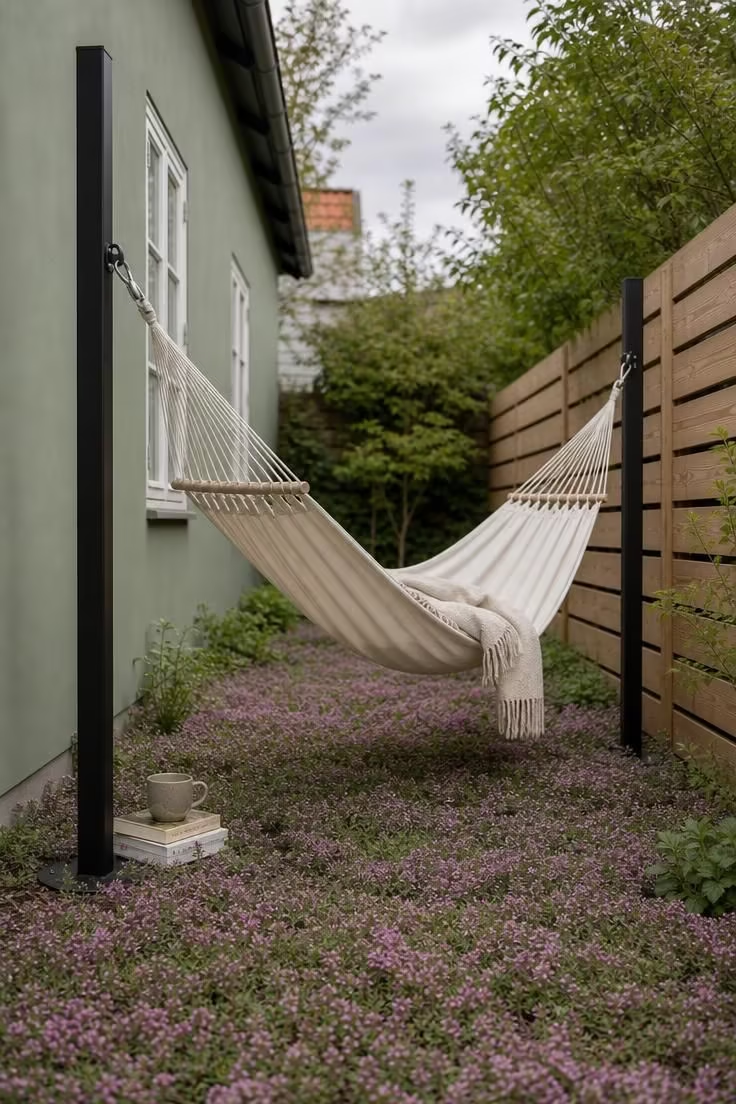
A hammock in a side yard sounds like it would not fit, but a corridor as narrow as five feet can hold one comfortably if the posts are placed with the right spacing.
Powder-coated steel posts driven into concrete footings give you anchor points that will not shift, lean, or pull out of the ground under your weight.
Creeping thyme as the ground cover below the hammock releases a soft herbal scent every time you step on it, and the tiny blooms attract pollinators that make the whole space feel alive.
Canvas hammocks in natural cotton or a cotton-poly blend soften with use and wash easily when they get rained on or covered in fallen leaves.
The steel posts double as mounting points for other things later, a shade sail, a hanging planter, or a retractable clothesline on days when the hammock comes down.
This is a small outdoor space that finally gives you a reason to linger rather than just pass through.
Creeping thyme tolerates light foot traffic, stays under two inches tall, and fills in quickly from plugs planted on eight-inch centers.
Style Blueprint:
- Natural canvas hammock rated for outdoor use
- Two matte black powder-coated steel posts, set in concrete footings
- Creeping thyme ground cover planted on 8-inch centers
- Oatmeal wool throw blanket for cooler evenings
- Steel eye hooks welded or bolted to posts for hammock attachment
Conclusion
Every one of these small side yard ideas started with the same raw material, a narrow strip of land that most people walk past without a second look.
What makes the difference is specificity, choosing one strong material combination and committing to it from end to end rather than trying to squeeze a full backyard program into a four-foot-wide corridor.
Whether you lean toward the quiet calm of a gravel walkway lined with moss rock or the social energy of a concrete bar shelf with stools, the best side yard designs are the ones that give you a reason to stop moving and actually stay for a few minutes.
Start with one section of the corridor.
Lay the path, add the plants, hang the lights, and see how it feels before expanding further.
The narrowest spaces on your property might just become the ones you love the most.