This post may contain affiliate links. If you make a booking or purchase through these links, we may earn a commission at no additional cost to you.
Halloween pulls a room toward the theatrical, while a bedroom asks for quiet, dim light, and soft surfaces.
The phrase cozy halloween bedroom only works when restraint does most of the talking, and that tension is the whole design problem here.
Each idea below treats one room type through a single visual move: bedding, light, texture, a wall, a surface.
The test for every one of them is whether the space still reads as a bedroom at midnight.
Most of these also come apart in December without leaving a mark.
Bedding-Led: Charcoal Linen Quilt over Warm Cream Sheets
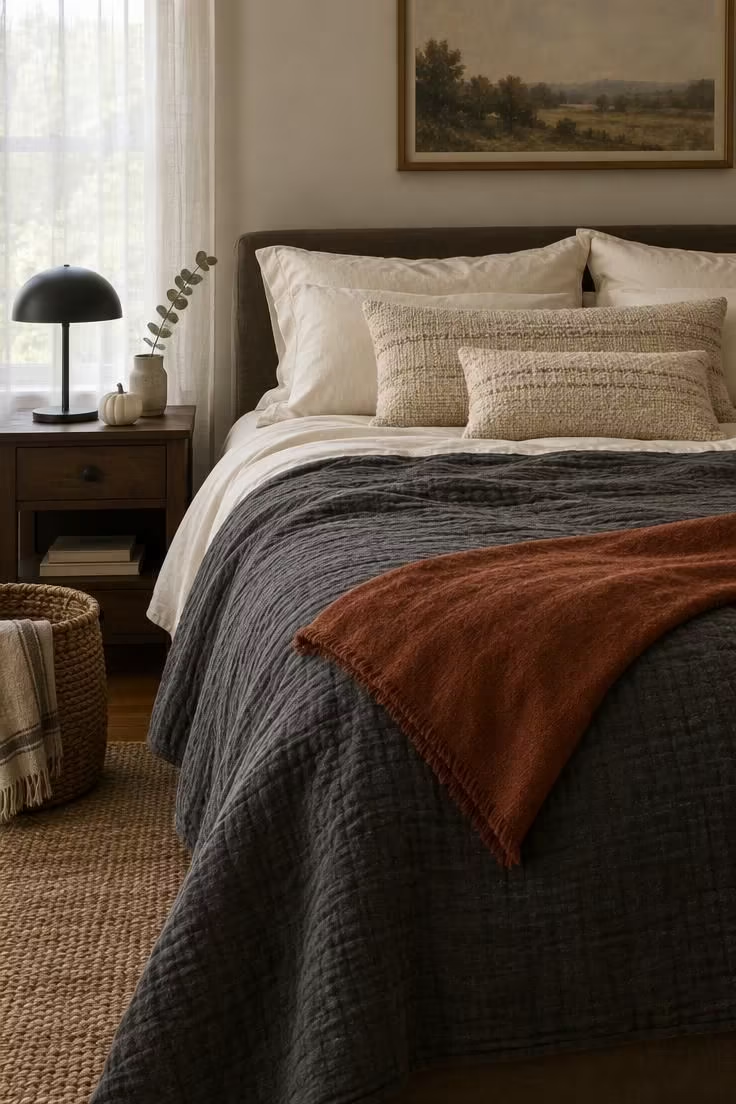
The dominant move is a single bedding swap: a darker quilt, unchanged sheets, so the room shifts mood without a repaint or new furniture.
Charcoal rather than jet black keeps the palette warm, and linen's visible weave gives the dark surface something to catch low light.
Fold the throw at an angle, since a straight fold reads as a hotel bed while an angled one reads as styled and lived-in.
One ceramic pumpkin on the nightstand is the entire seasonal gesture, and more would compete with the bedding.
Charcoal linen shows lint and pet hair quickly, while a brushed cotton version behaves better but reads slightly flatter.
Remove the pumpkin and the room still works for November and beyond, which is the strongest reversibility of any idea here.
Style Blueprint:
- Washed charcoal linen quilt or duvet cover
- Warm cream or oatmeal percale sheet set
- One rust or oxblood brushed-cotton throw, folded at an angle
- Two textured cream lumbar cushions
- One small matte ceramic pumpkin on the nightstand
Design Pro-Tip: Style the bed first and the room second. In a bedroom, the textiles cover more visible surface than the walls, so one well-chosen quilt does more than any shelf arrangement.
Lighting-Led: Three Low Warm Pools and a Filament Bulb
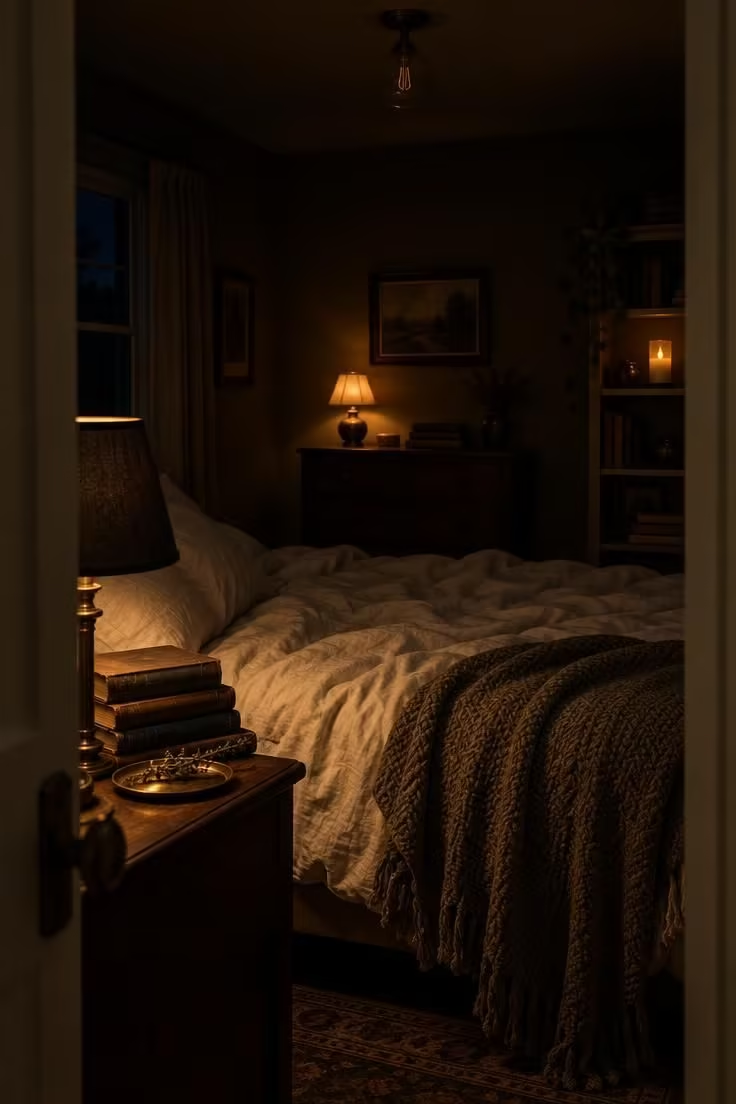
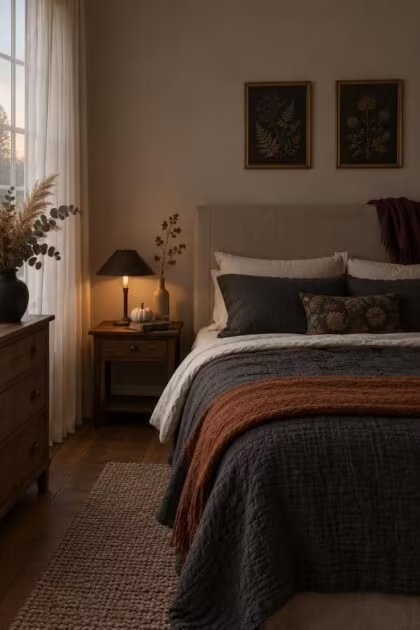
Cozy halloween bedroom lighting follows a clear compositional principle: many small pools of warm light placed below eye level instead of one bright ceiling source, which flattens a room rather than layering it.
Dark-shaded lamp bases disappear into the shadow and let the bulb glow read as the object, and matte black or tarnished bronze works better than polished metal.
Candle-style bulbs with a visible filament shape give the reference without a flame, and they fit naturally into cozy halloween bedroom decor that favors texture over theme.
More small light sources means more switches to manage at bedtime and a dimmer overall room.
If reading in bed matters, keep one brighter task lamp within arm's reach.
Strong scent near the bed is worth avoiding in a room used for rest, so if a candle is used, keep it unscented or low-scent and place it across the room, away from the pillow.
Open flames in a bedroom are a genuine fire concern, and flameless candles alongside small lamps produce the same look without one.
Flameless candles need battery changes, and filament-style LEDs burn out like any bulb, so keep spares.
Style Blueprint:
- One bedside lamp with a dark or opaque shade
- One small table lamp on a dresser or shelf, also low-wattage
- Two to three candle-style flameless lights with visible filament shapes
- A dimmer or a deliberate choice to leave the overhead fixture off at night
Wall Moment: A Row of Matte Black Bats Above the Headboard
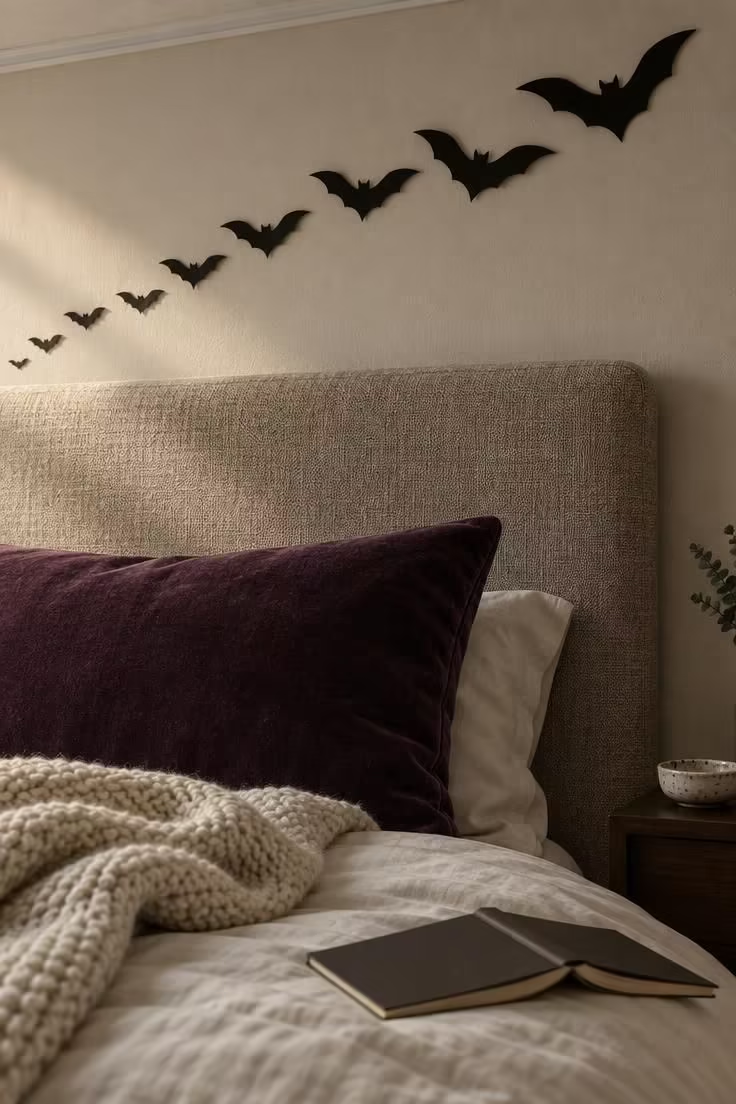
The cozy halloween bedroom aesthetic in this idea comes from one horizontal gesture on an otherwise bare wall, a graduated arc of bats rather than a scattered swarm, which keeps the wall legible.
Matte black against warm white reads graphic and restrained, while glossy black reads plastic and costume-like in a bedroom.
Graduating the bat sizes from center to edge gives the arrangement a shape instead of a line.
Removable decals are among the more reversible treatments here, though edges can lift over time in a room with temperature swings.
A decal row above the bed also sits directly in the sightline when lying down, and a busy wall above the pillow can be harder to settle under than a bare one.
Decals applied to a freshly painted wall can pull at the finish when removed, which is why framed prints are the safer seasonal swap if the wall finish matters to you.
The same composition also works as black-painted paper bats pinned to a picture rail or hung from a single tension line.
Scale the row to roughly the width of the headboard rather than the width of the wall, or it stops reading as connected to the bed.
Style Blueprint:
- Matte black removable decals in a graduated size range
- A bare, uncluttered wall segment above the headboard
- A plum or oxblood cushion below to echo the dark accent
- A cream or oatmeal textile nearby to keep the wall from reading cold
Botanical-Led: Dried Eucalyptus and Pampas in a Matte Black Vase
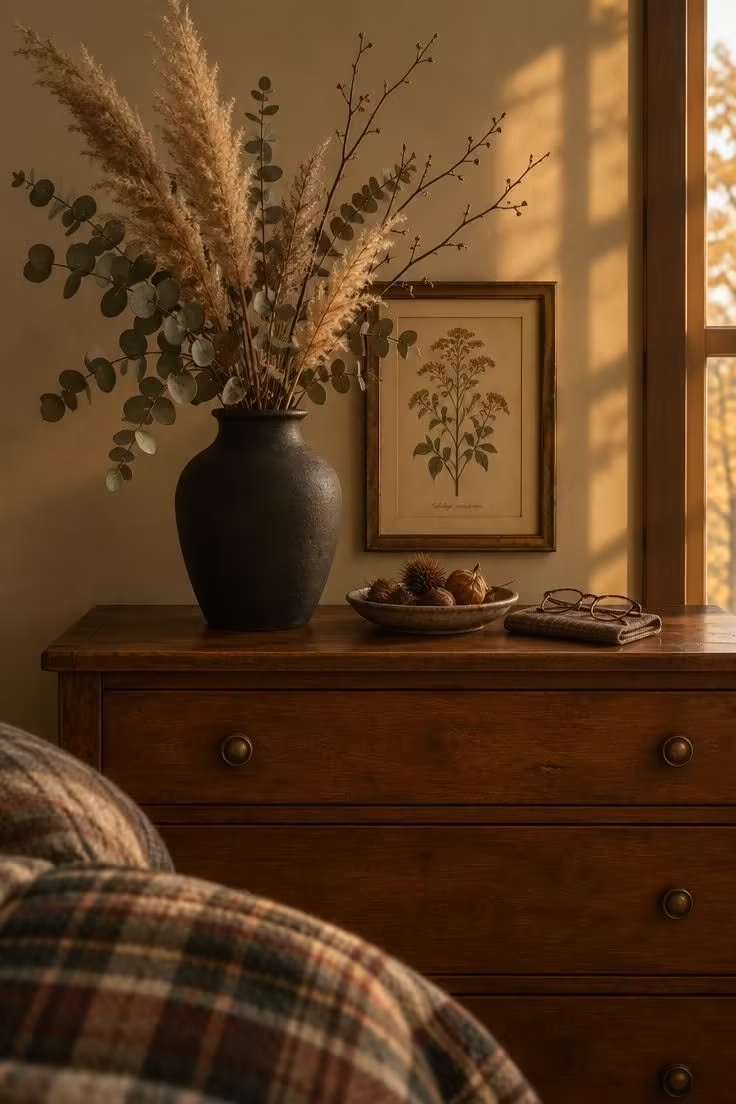
The dominant move is dried botanicals in desaturated, autumnal tones, which read as seasonal from September through November rather than as Halloween specifically.
A matte black vase gives the Halloween cue while the plant material stays neutral, so the vase carries the seasonal element rather than the foliage.
Eucalyptus, pampas, dried hydrangea, and bare branches hold their shape without water and can be arranged at varied heights instead of trimmed to one line.
Dried botanicals shed and collect dust, and a quick pass with a soft brush every week or two keeps them from looking tired.
Pampas drops fluff, which is unwelcome near a pillow, so keep the arrangement on a dresser or shelf rather than a nightstand.
A single generous arrangement reads calmer than three small ones scattered across the same surface.
Style Blueprint:
- Matte black ceramic or stoneware vase
- Dried eucalyptus, pampas, or mixed branches in muted tones
- One aged brass or tarnished bronze frame nearby
- A flannel or brushed-cotton textile within view to warm the arrangement
Design Pro-Tip: Choose botanicals that survive past October. Dried stems and muted foliage carry the room into November, while pumpkins and bat motifs have to be packed away.
Monochrome-Led: Black, Cream, and One Oxblood Accent
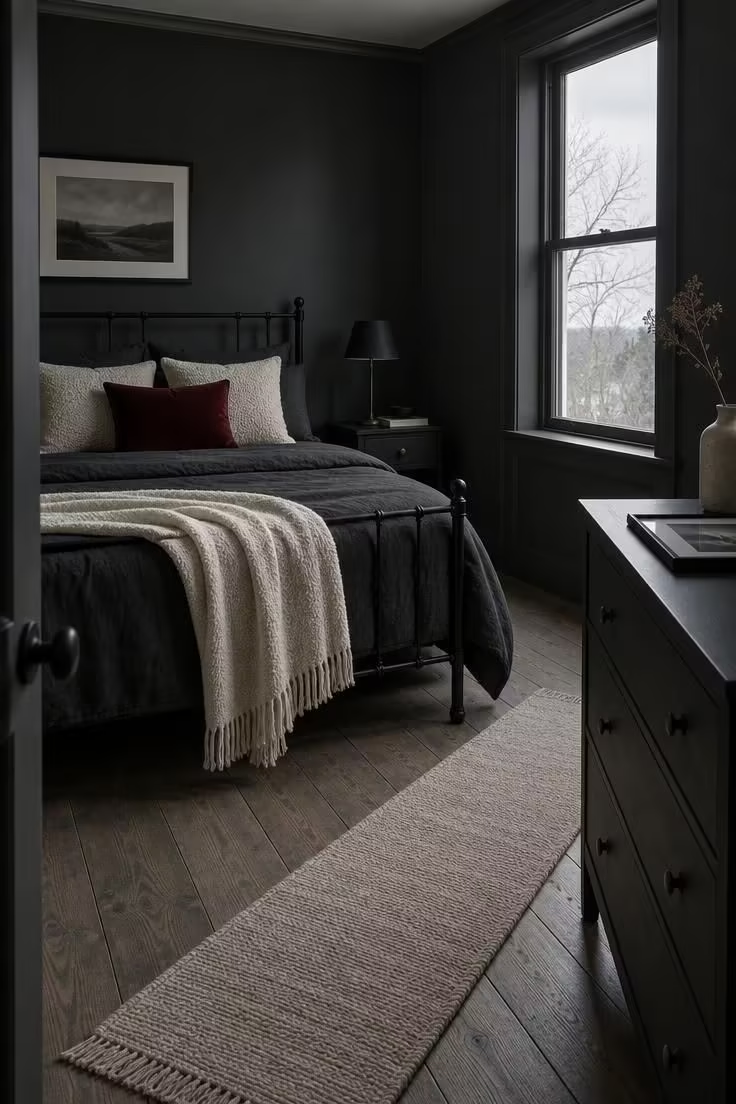
A cozy halloween bedroom color palette needs discipline: hold the room to two neutrals and permit exactly one saturated accent, which makes the single oxblood cushion read as deliberate rather than as a color scheme.
Texture carries the variety in a monochrome room, since a cream chunky knit next to smooth linen, or a matte black frame next to soft velvet, does work that color cannot.
Black accents also depend on cream or oatmeal beside them, because an all-dark palette reads cold rather than cozy in a bedroom.
Monochrome styling is unforgiving of clutter, and a stray bright object on the nightstand breaks the whole composition.
A very dark bed against light walls creates strong contrast that can read austere in daylight, and the cream textiles are what soften it.
If the room already has a strong wall color or busy wallpaper, this idea fights it, because it needs a quiet background.
Nothing here is Halloween-specific, so the black, cream, and oxblood palette carries straight through fall into winter.
In a small bedroom, a fully dark bed mass can visually shrink the room, so keep the walls and ceiling light and let the bedding carry the dark.
Everything in this scheme is a textile or an object that lifts off.
Style Blueprint:
- Black or charcoal bed frame or headboard
- Charcoal duvet with cream textured pillows
- One cream chunky-knit throw
- Exactly one oxblood or deep plum velvet cushion
- Black-shaded lamp base to repeat the dark accent
Single-Accent-Led: One Raven Figurine and Nothing Else
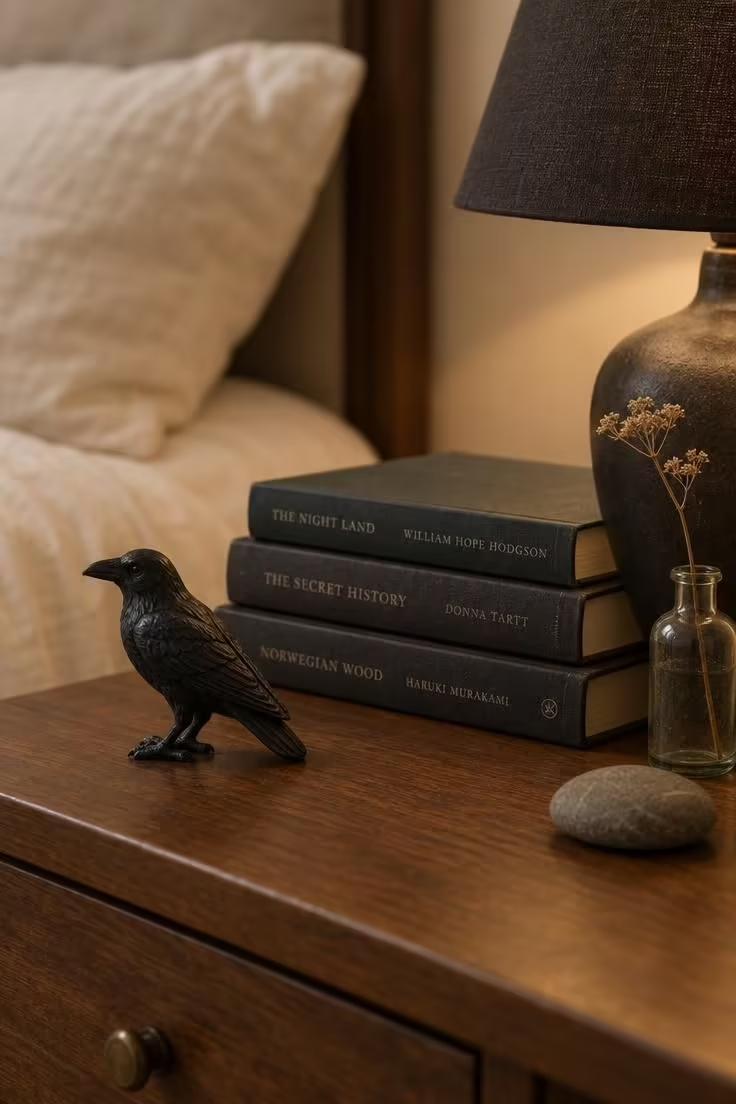
Cozy halloween bedroom accessories work best when the move is a single character object placed with intent: one raven, one framed moth print, or one apothecary-style bottle, not a collection.
Styling objects in odd numbers and at varied heights keeps a small surface from reading as a lineup, so three books stacked flat with the raven beside them is enough.
The figurine should be matte or patinated rather than glossy, since a shiny resin finish undermines the restraint.
A single strong object on a nightstand is also a single strong object in your field of view at night, and placing the character piece on a dresser across the room is an easy alternative.
If the bedding or the wall is already doing the seasonal work, this idea is redundant, so use it when the rest of the room is neutral.
Figurines and frames on a nightstand collect dust quickly and are easy to knock over in the dark.
A raven, a botanical print, or a dark-glass bottle also reads as general autumn styling rather than as Halloween-specific, which extends its life well past October.
Style Blueprint:
- One character object: raven figurine, framed vintage moth or botanical print, or a small dark-glass bottle
- Three books in dark or neutral spines, stacked flat
- A small dark-shaded lamp base to anchor the grouping
- An otherwise clear nightstand surface
Layering-Led: Velvet Cushion, Chunky Knit, and a Second Folded Blanket
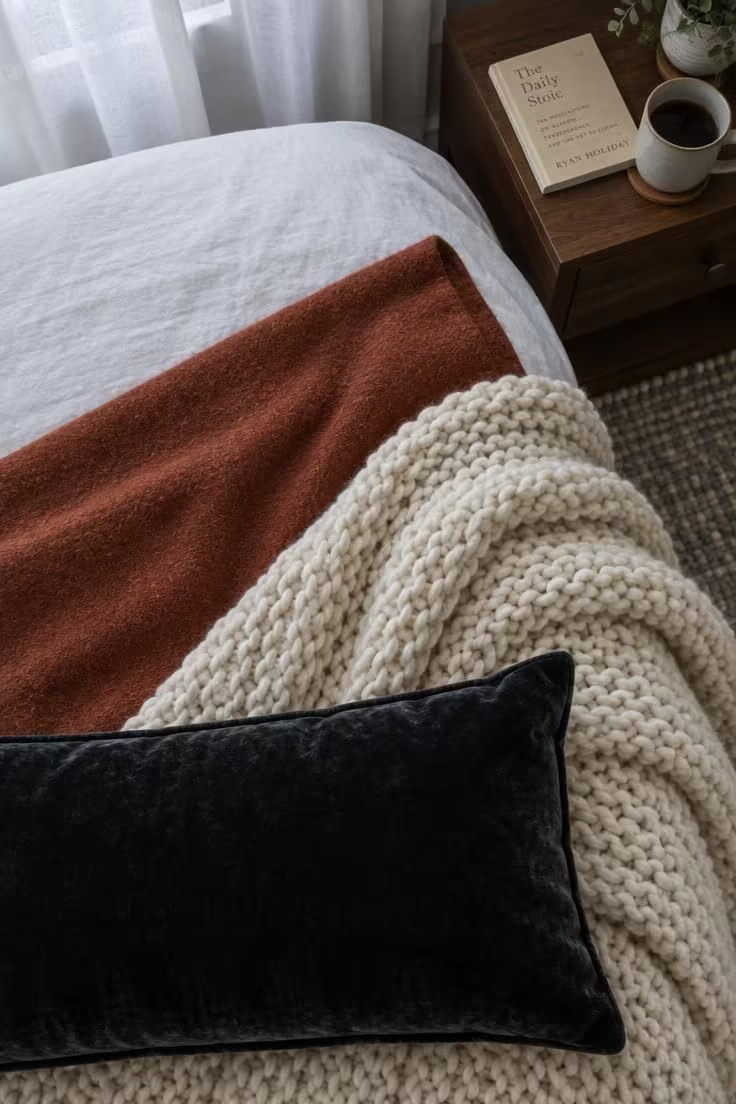
Cozy halloween bedroom textiles do the real work here: the move is coziness built from layered texture rather than from color, with three textiles that have distinctly different surfaces arranged so each edge stays visible.
Velvet, chunky knit, brushed cotton, flannel, and linen each catch light differently, which is what makes a layered bed read as warm rather than as a pile.
Stagger the layers, cushion in front, knit over the corner, folded blanket beneath at an angle, instead of stacking them square.
Faux fur and velvet attract lint and need brushing, and flannel pills with washing, so layering means more laundry rather than less.
A heavily layered bed is also slower to make and harder to keep tidy than a single duvet, and two pieces may be the honest limit if that friction is real for you.
Layering by weight keeps the composition balanced, with the heaviest textile at the foot and the lightest at the pillow.
In a small bedroom, layering the bed is one of the few moves that adds visual depth without consuming floor space, which makes it the strongest lever in a tight room.
Rotate and air the layers rather than washing everything weekly, since knits hold shape better with less frequent washing.
Style Blueprint:
- One black or charcoal velvet lumbar cushion
- One chunky cream knit throw
- One rust or flannel folded blanket at the foot
- A base of smooth linen or percale beneath, so the textures have something plain to sit against
Design Pro-Tip: Layer by surface, not by shade. Three textiles in the same color but different weaves read cozier than three different colors in the same flat cotton.
Shadow-Led: A Branch Arrangement Casting a Wall Pattern
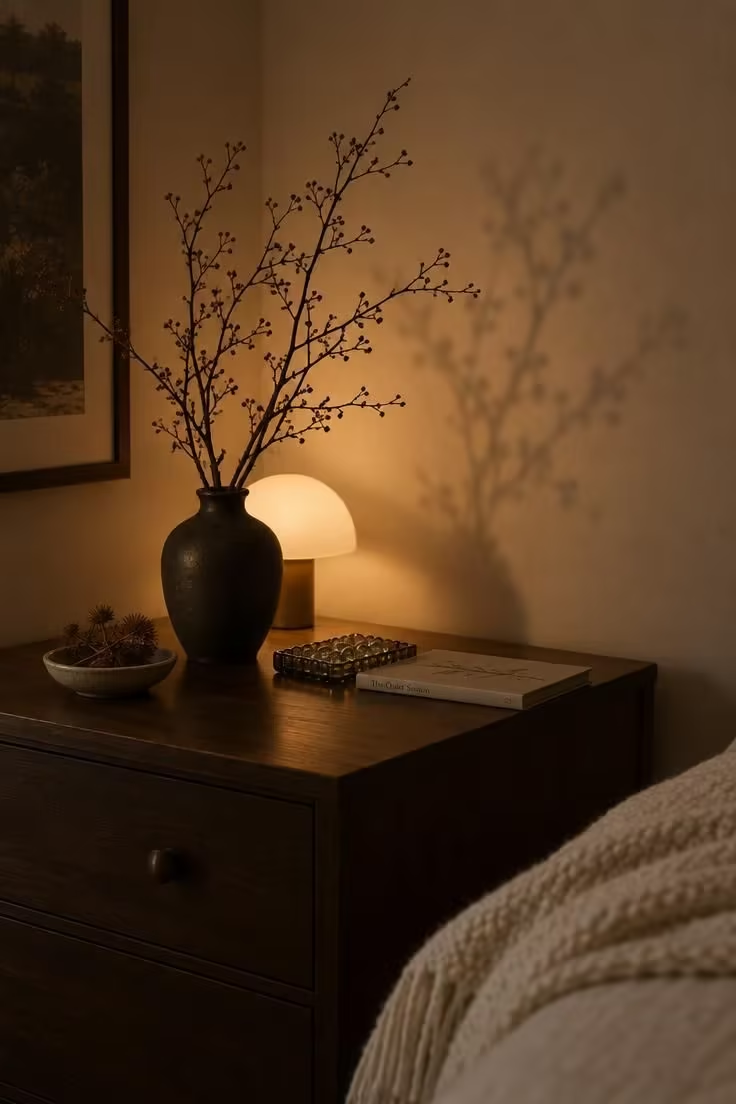
For a subtle halloween bedroom, the move is a shadow, not an object: a branch arrangement or paper cutout placed between a low light source and a wall so it throws a pattern.
Position matters more than the material, since the branches need to sit close to the shade and the wall needs to be a few feet behind, or the shadow goes soft and shapeless.
Bare branches, dried seed heads, or simple paper silhouettes all work, and the pattern should stay sparse so it reads as atmosphere rather than as decoration.
The shadow only exists while that lamp is on and only reads in a dim room, and in daylight the arrangement is just a vase of bare branches.
The same arrangement placed too close to a bedside reading light will cast its pattern onto a face or a pillow, which is not the intended effect, so this belongs on a dresser or a far wall.
This idea also rewards rooms with a bare stretch of pale wall, because it disappears against dark paint or heavy texture.
Style Blueprint:
- One sparse arrangement of bare branches or dried seed heads
- A low light source placed in front of and slightly below the arrangement
- A pale, unpatterned wall segment behind
- Nothing competing for attention on the same surface
Draped-Textile-Led: A Plum Throw Softening One Headboard Corner
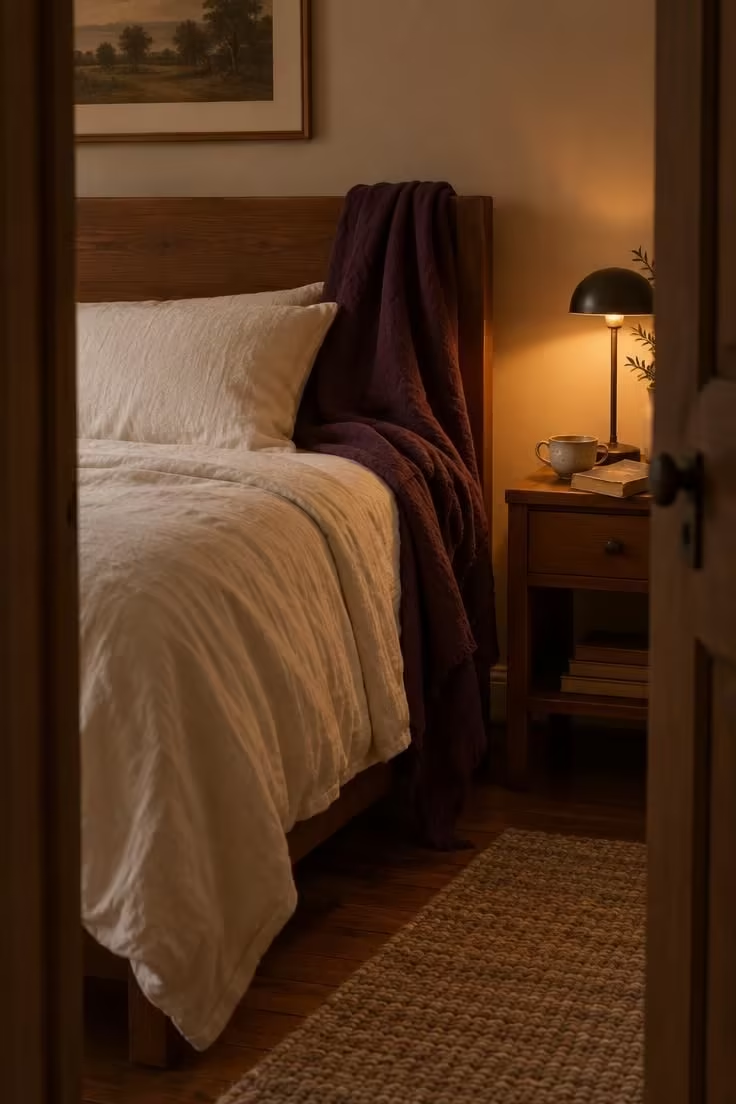
The move is asymmetry, with fabric over one headboard corner only rather than both, which softens a hard frame and gives the bed a hand-styled rather than matching look.
A plum, aubergine, or deep rust linen drapes with weight and a matte surface, while a thin cotton slips and reads flat.
Let the fabric fall unevenly and leave the second corner bare, because the contrast is what makes the drape look intentional.
Draped fabric collects dust and, unlike a throw, is not washed often, so it needs a shake and airing every couple of weeks.
A drape that hangs near the pillow area can tangle during the night, so keep the fall on the side of the bed you do not sleep against, or on the corner away from the pillow.
This works best on a wood, metal, or upholstered headboard with a visible corner to hang from, and on a fully upholstered wall panel it has nothing to catch.
In a small bedroom, a single draped corner adds softness without adding furniture or floor space.
Style Blueprint:
- One length of plum, aubergine, or deep rust linen
- A headboard with a distinct corner to drape over
- A bare second corner for contrast
- Cream or oatmeal bedding beneath so the dark drape has something warm to sit against
Seasonal-Swap-Led: Framed Prints Changed, Frames Kept
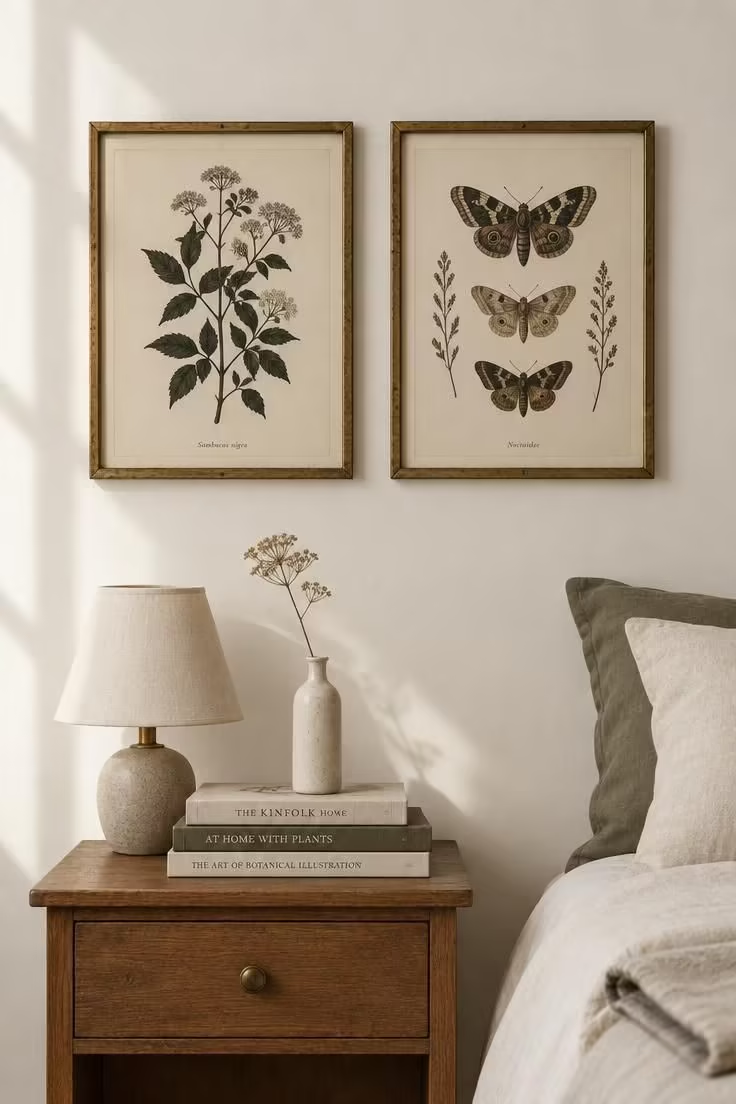
The move is the least permanent seasonal change available: keep the frames and swap the prints.
Dark botanical studies, moth and beetle plates, and vintage landscape etchings in muted tones all read seasonal without being literal.
Cream or off-white paper with wide margins keeps the swap calm, while dark paper in dark frames turns the wall heavy.
Prints stored between seasons need flat storage or they curl and the corners bruise, and a folder behind a dresser or under the bed works well.
This is the halloween bedroom decor idea to choose if the room's existing art is already neutral and the frames are worth keeping, since the whole change takes minutes and undoes in seconds.
Style Blueprint:
- Two existing frames, reused as-is
- Seasonal prints on cream or off-white paper, dark botanicals, moths, or muted landscapes
- Wide mat margins to keep the composition quiet
- Flat storage for the off-season prints
Design Pro-Tip: Swap the art before you swap the bedding. It is the fastest, most reversible seasonal change in a bedroom, and it costs nothing if the frames already exist.
Autumn Bedroom Decor Without the Halloween Saturation
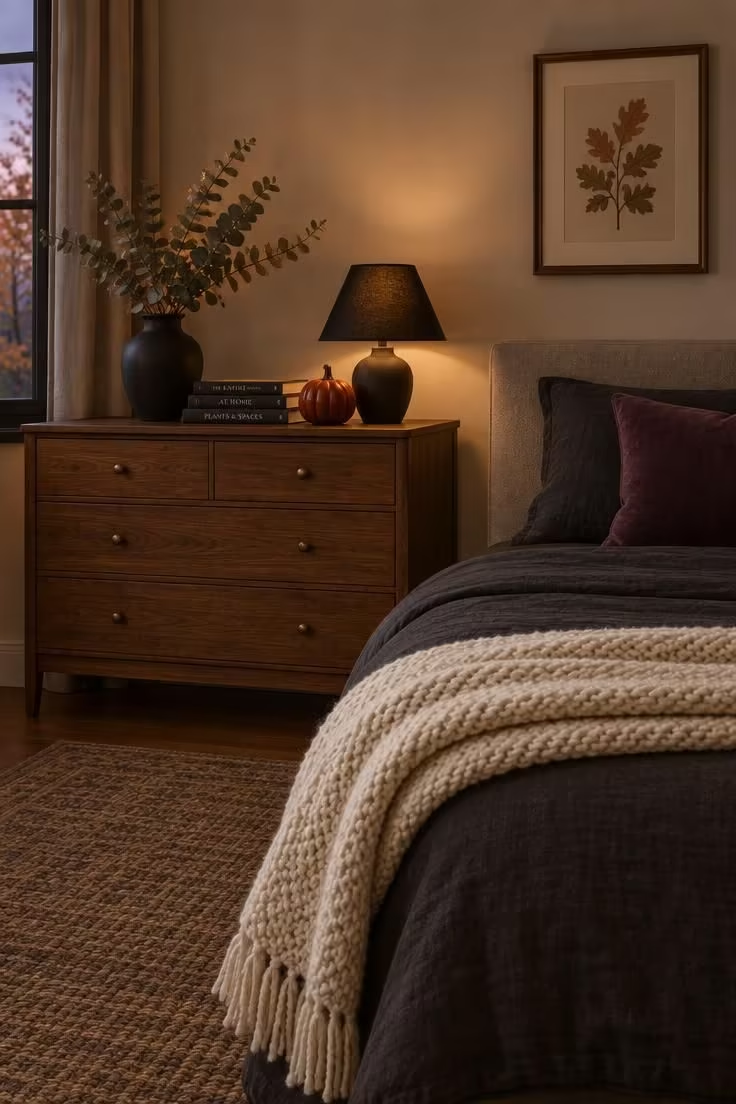
Autumn bedroom decor works best when the Halloween reference is a quiet object rather than a full scene.
A matte black vase of dried eucalyptus, one small pumpkin, and a plum cushion read as October without turning the room into a costume.
The same palette also carries the space through November, because nothing here is limited to one holiday.
Keep the arrangement to a single surface and let the rest of the bedroom stay neutral.
A low warm lamp beside the vignette gives the whole composition a softer edge after dark.
Style Blueprint:
- One matte black vase of dried eucalyptus or mixed stems
- A single small ceramic pumpkin
- A stack of dark-spined books
- One low lamp with a dark shade
- A plum or deep rust cushion as the only saturated accent
Conclusion
The rooms that hold together stay cozy because warmth and texture sit directly next to the dark accents, and because one element is allowed to be the seasonal one.
Charcoal linen, low warm light, a single raven, or a bare branch against a pale wall all do the same job: they nod at the season without turning a bedroom into a set.
The practical filter is simpler than any palette.
Ask how easily each choice undoes, whether it still works in November, and what the room looks like from the doorway with the lamps on.
Whichever ideas survive those three questions are the ones worth keeping.