This post may contain affiliate links. If you make a purchase through these links, we may earn a commission at no additional cost to you.
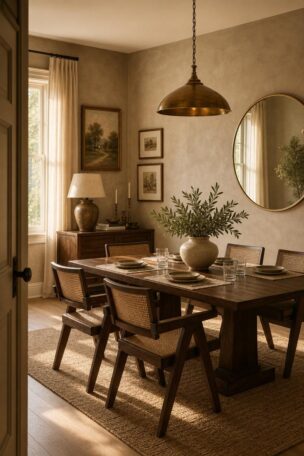
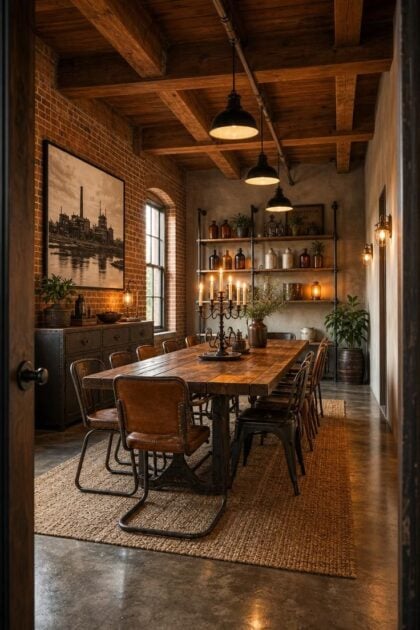
An industrial dining room carries the spirit of old factories and converted lofts into the place where you gather for meals.
Every material in this kind of space earns its spot through honesty, from reclaimed timber to forged iron to exposed masonry.
The best rooms in this style feel assembled over years rather than purchased in a single afternoon.
These 11 ideas offer specific ways to bring that raw, layered character to your own dining space.
A Dark Walnut Trestle Table With Forged Iron Stretcher Bars
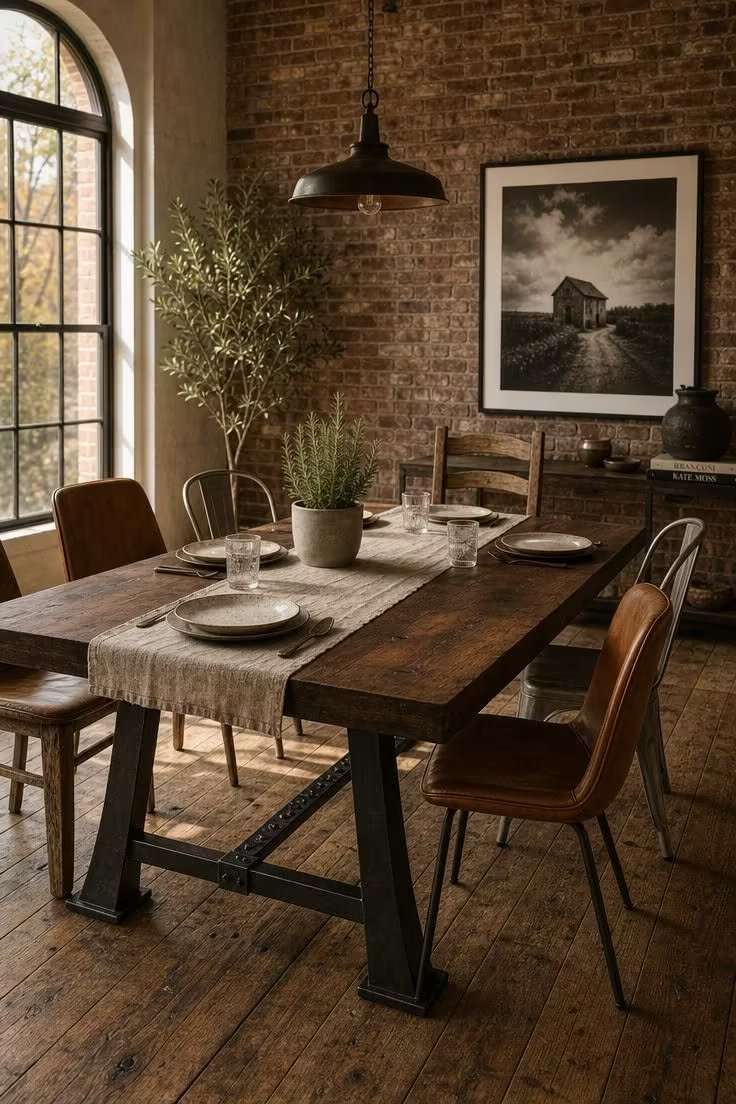
A thick walnut slab top, oiled to a matte finish, reveals every grain line and knot the tree developed over decades.
Forged iron stretcher bars connect the trestle legs and give the table a blacksmithed quality that no factory-made piece can replicate.
The heft of walnut against the roughness of hand-hammered iron sets a tone for the entire industrial dining room.
Mismatched seating around this kind of table reinforces the collected character, with cognac leather chairs, brushed steel café seats, and reclaimed oak frames sharing the same space without competing.
A linen runner in oatmeal softens the surface just enough to keep the tabletop from feeling like a workshop bench.
Stoneware place settings in speckled cream finish the scene with quiet warmth.
Style Blueprint:
- Oil-finished dark walnut trestle table with forged iron stretcher bars and trestle legs
- Mismatched seating in leather, steel, and reclaimed wood
- Oatmeal linen table runner placed off-center
- Speckled stoneware dinnerware with hand-forged iron flatware
- A single potted herb in a concrete vessel as a centerpiece
Matte Black Cage Pendants Clustered Over a Zinc-Top Dining Bar
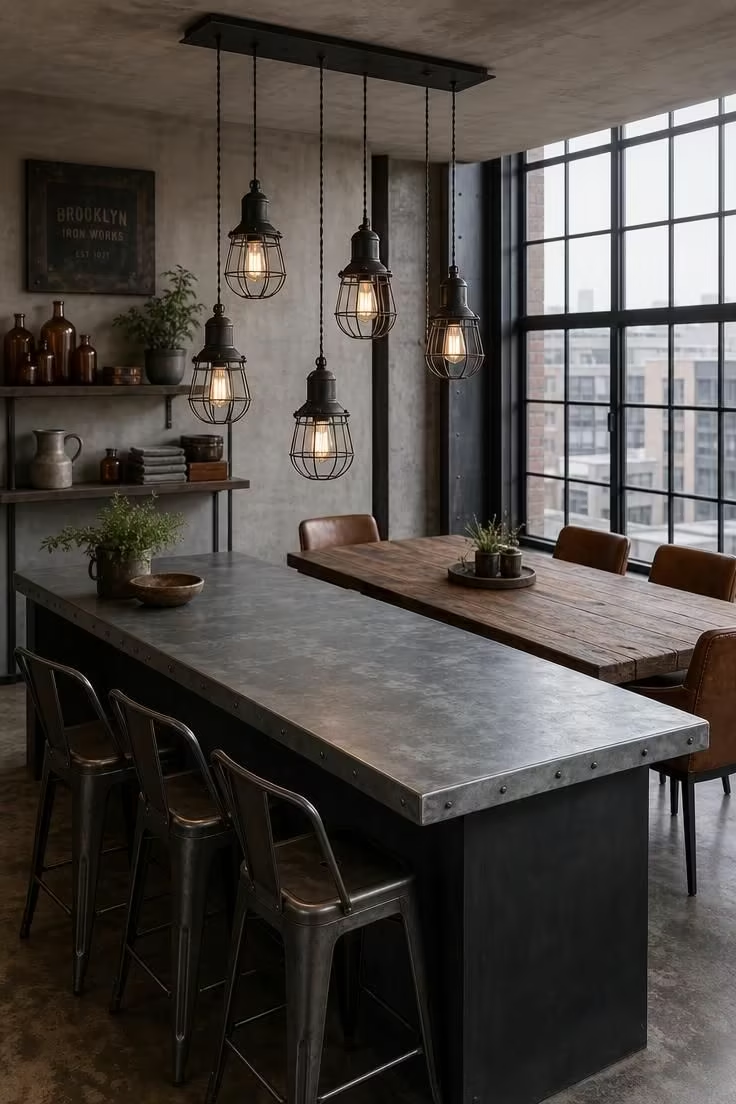
A cluster of cage pendants hanging at different heights turns a simple bar extension into the visual anchor of the room.
Metal pendant lighting in matte black reads as sculptural, especially when grouped in odd numbers like three or five.
The zinc bar top beneath them develops a living patina over months and years, picking up water rings and oxidation marks that add to its story rather than diminishing it.
Gunmetal bar stools tucked under the overhang provide casual seating for quick breakfasts or evening drinks without disrupting the main dining table.
This arrangement works especially well in a loft dining space where the ceiling height supports hanging fixtures at multiple levels.
The interplay between cold zinc and warm cognac leather across the room creates a push-and-pull that keeps the eye moving.
Twisted cloth cords on the pendants add one more texture to a space already layered with metal, wood, and hide.
Style Blueprint:
- 3-5 matte black cage pendant lights hung at staggered heights
- Zinc-topped bar or counter extension with visible patina
- Gunmetal bar stools with welded footrests
- Twisted cloth pendant cords attached to a blackened ceiling plate
- Amber glass bottles and ceramic vessels on a back shelf
A Concrete Plinth Bench Against Whitewashed Brick
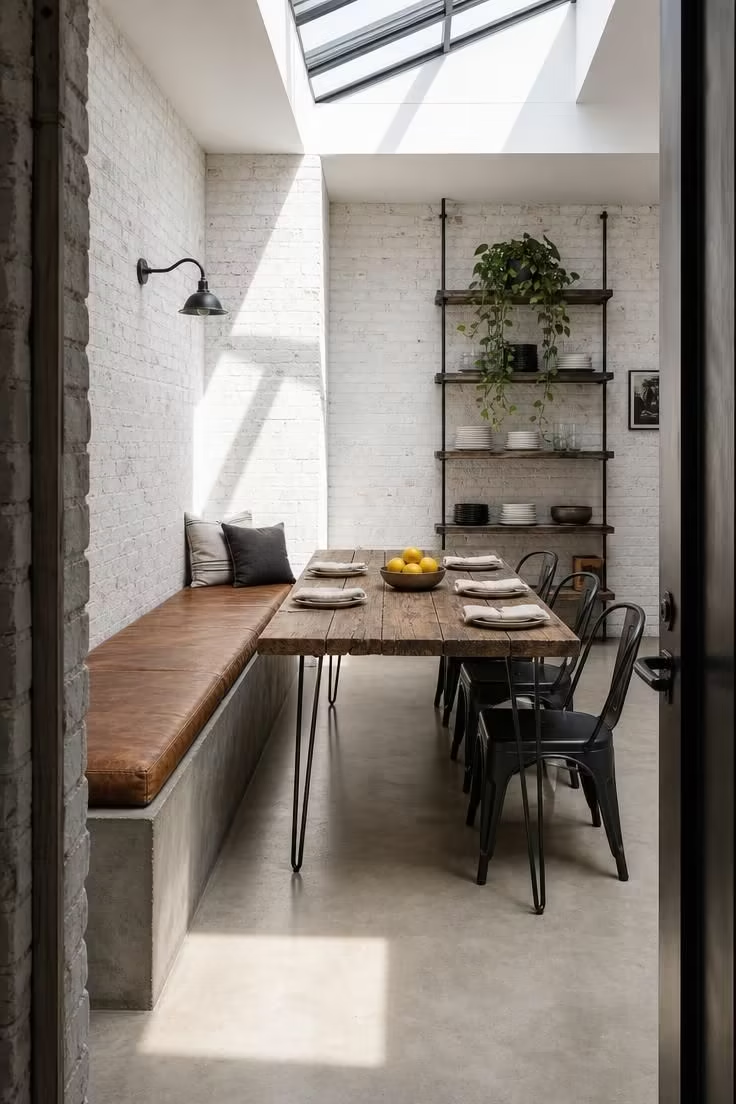
A poured concrete bench built directly against the wall can become a permanent architectural feature that visually anchors the dining area.
Its reinforcement, support, attachment, dimensions, and the floor’s capacity to carry the added load need to be appropriate for the actual structure, so installation should be designed for the specific space rather than treated as a one-size-fits-all solution.
Whitewashed brick behind the bench lifts the visual weight of the concrete by reflecting light and softening the overall palette.
The contrast between these two materials, one dense and one textured, gives the wall a layered depth that paint alone cannot achieve.
A long saddle leather cushion placed across the bench surface introduces softness without completely hiding the concrete underneath.
This combination works especially well in a concrete-floor dining room, where repeating the material at floor and seat level creates a strong visual connection across the space.
A reclaimed wood dining table with steel hairpin legs in front of the bench adds warmth and another contrasting texture.
Iron pipe shelving on the opposite wall carries the industrial material language across the room.
The finished arrangement feels open, grounded, and deliberate, with concrete, brick, wood, leather, and metal contributing distinct textures without competing for attention.
Style Blueprint:
- Poured or precast concrete plinth bench designed for the specific structure
- Whitewashed brick backdrop for a lighter visual contrast
- Saddle leather bench cushion with visible wear at the edges
- Reclaimed wood table with steel hairpin legs
- Iron pipe shelving unit with trailing greenery on the far wall
Aged Brass Candle Sconces Mounted on Raw Plaster Walls
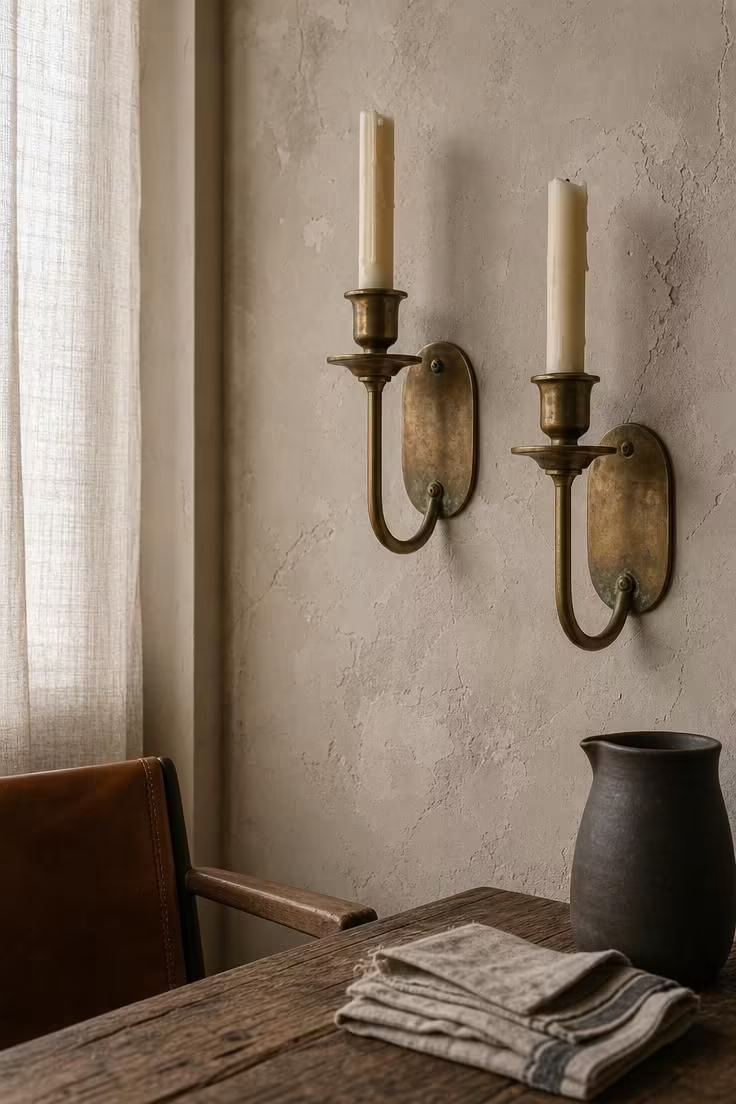
Brass sconces with real taper candles bring an older, more primal layer of light to a space dominated by metal and stone.
The unpolished patina on aged brass, including traces of green oxidation near the base, connects to the same material honesty that defines the rest of the room.
Raw plaster walls show trowel marks and hairline cracks that paint would hide, and this refusal to cover imperfections is exactly what gives an industrial dining room its depth.
Ivory candles, slightly melted from previous dinners, signal that this space is used rather than preserved.
The soft, flickering light they produce changes the mood of the room more dramatically than any overhead fixture.
Pairing these sconces with a reclaimed wood dining table beneath them creates a vignette that feels centuries old and completely at home in a modern loft.
Style Blueprint:
- Aged brass candle sconces with visible patina and green oxidation
- Raw plaster walls with trowel marks and natural color variation
- Ivory taper candles, slightly melted from use
- Ceramic carafe in matte charcoal on the table below
- Sheer linen window panel for soft, filtered light
Design Pro-Tip: Leave plaster walls unsealed for maximum texture. A single coat of matte fixative prevents dust without adding sheen, and the surface will continue to shift in color as humidity changes through the seasons.
Steel I-Beam Shelving Displaying Stoneware and Amber Glass
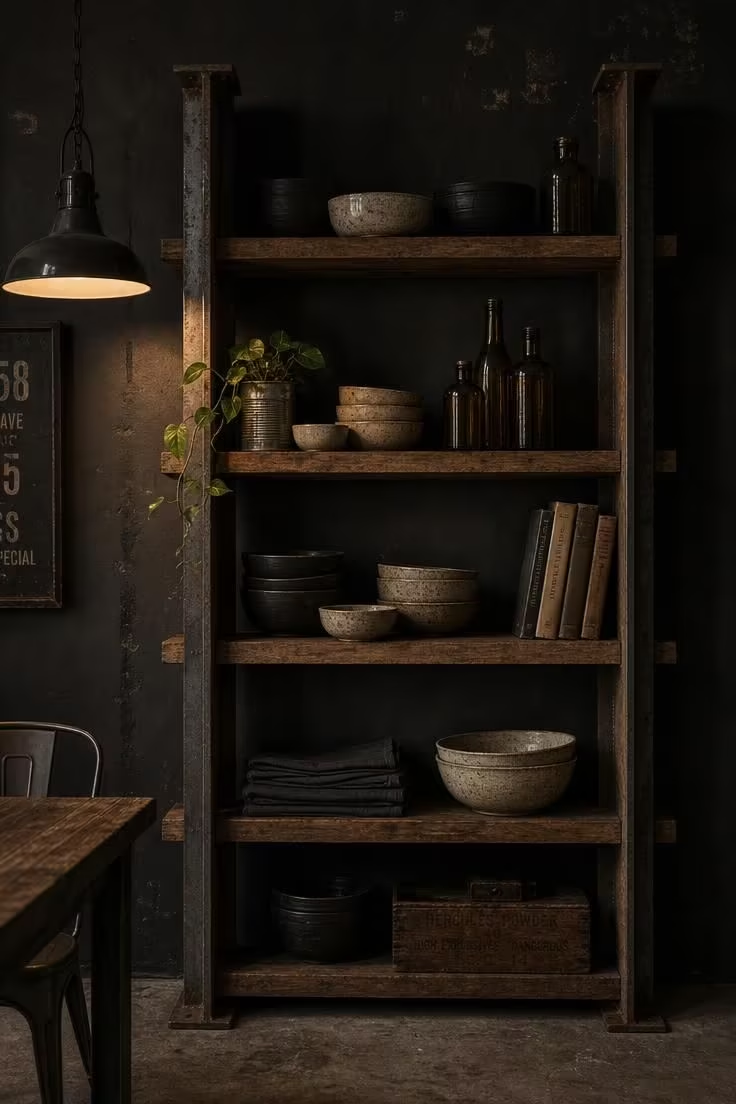
Salvaged steel I-beams turned into shelving carry actual structural history into your dining space.
The flanges of the beam create natural resting channels for reclaimed oak planks, so no brackets or hardware interrupt the lines.
Stoneware bowls in speckled oatmeal and matte black look right at home on these shelves because the handmade ceramic and the industrial steel share an appreciation for process over perfection.
Amber glass bottles grouped in clusters of two or four catch whatever light reaches them and glow against the dark wall behind.
Iron pipe shelving offers a more accessible version of this idea for tighter budgets, using plumbing-supply pipes threaded into floor flanges.
Either approach reinforces warehouse style decor principles by keeping everyday objects visible and within reach.
A trailing pothos in a tin can planted on the middle shelf brings a single living element into an otherwise hard material arrangement.
Vintage books with worn spines leaned against one beam add a layer that factory salvage alone cannot provide.
The dusty concrete floor beneath the unit ties the whole composition back to the room it lives in.
Style Blueprint:
- Salvaged steel I-beam verticals with reclaimed oak plank shelves
- Handmade stoneware bowls in speckled oatmeal and matte black
- Amber glass bottles grouped in clusters of two or four
- A trailing pothos in a repurposed tin can
- Vintage books with worn spines as shelf anchors
A Riveted Iron Sideboard With a Honed Soapstone Top
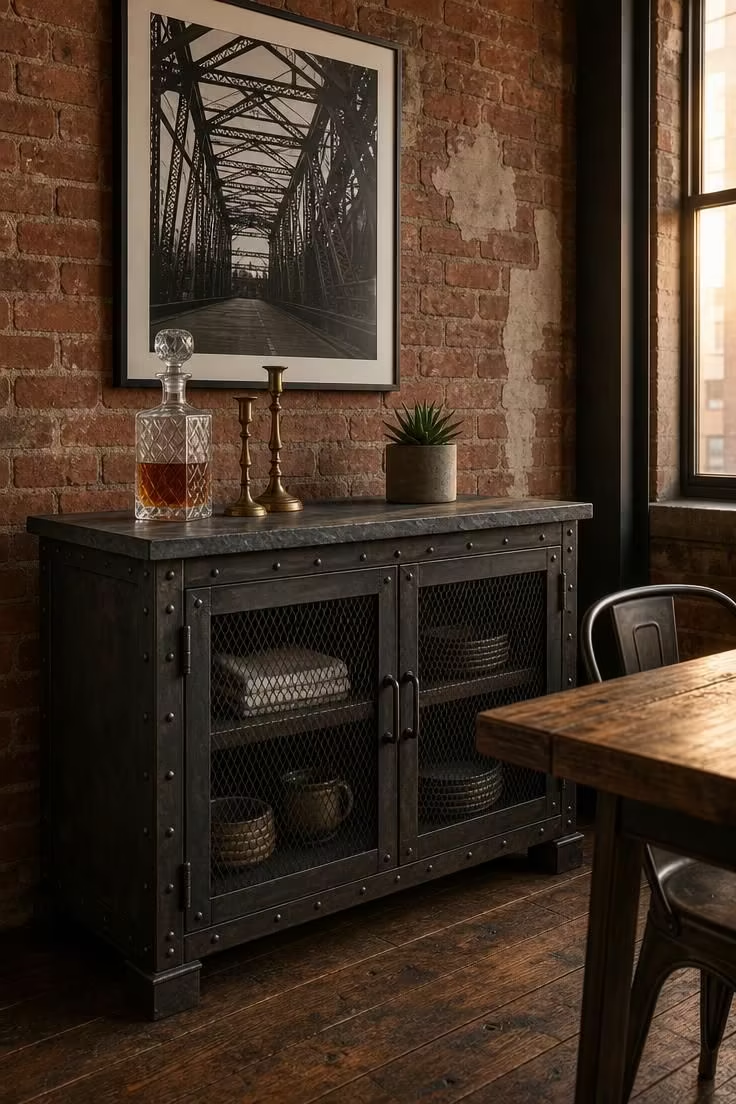
A riveted iron sideboard anchors one wall of the industrial dining room with weight and authority that no lightweight console can match.
The raised rivets along every seam give the piece a handmade quality, even if the construction is welded rather than forged.
Honed soapstone on top provides a surface that is matte, heat-resistant, and virtually impossible to stain, making it practical for dinner-party staging.
Mesh-front doors on the cabinet reveal folded linens and stacked stoneware inside, keeping the storage visible in the same spirit as the open shelving elsewhere in the room.
A crystal decanter beside short brass candlesticks on the soapstone top creates a simple vignette that invites guests to pour their own drink.
The exposed brick dining area wall behind the sideboard gives it a backdrop rich enough to compete with the piece itself.
A large black-and-white photograph of a bridge truss overhead completes the composition with geometric contrast.
Style Blueprint:
- Riveted iron sideboard with mesh-front doors
- Honed soapstone top surface for heat resistance and matte texture
- Crystal decanter and short brass candlesticks as a vignette
- Stacked stoneware and folded linens visible through mesh doors
- Large-format black-and-white industrial photograph above
Polished Concrete Underfoot With a Woven Hemp Runner
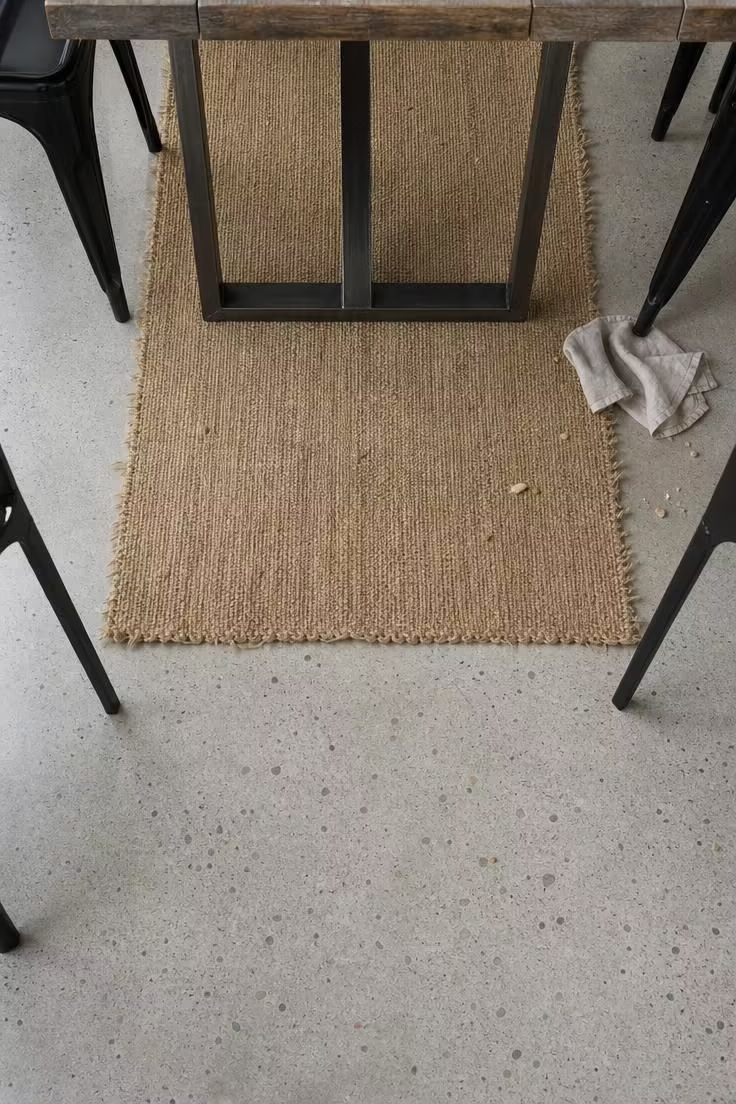
Polished concrete is the most loyal flooring choice for a concrete floor dining room because it matches the material vocabulary of every other surface in the space.
A pale, natural-tone finish with visible aggregate flecks gives the floor a texture that darker stains would obscure.
A woven hemp runner centered beneath the table defines the eating zone without covering the floor entirely, letting the concrete remain a visible part of the design.
The coarse weave of hemp softens footsteps and absorbs sound in a room full of hard surfaces, steel, iron, and brick.
Frayed edges on the runner add handmade character and signal that perfection was never the goal.
Maintenance is minimal: sealed concrete resists stains, and a hemp runner shakes out easily or replaces affordably when it wears through.
Color possibilities for concrete floors extend beyond standard pale finishes to charcoal-tinted, warm umber-stained, or even raw, unsealed surfaces with a matte protectant.
A dropped napkin near one chair leg in this scene suggests the room is used daily, reinforcing the industrial ethic that function precedes decoration.
Style Blueprint:
- Polished concrete floor in a pale, natural-tone finish with visible aggregate
- Woven hemp runner centered beneath the dining table with frayed edges
- Raw steel flat-bar trestle table base
- Matte black steel chair legs
- Sealed surface for stain resistance and easy upkeep
An Antique Foundry Mold Repurposed as Wall Art
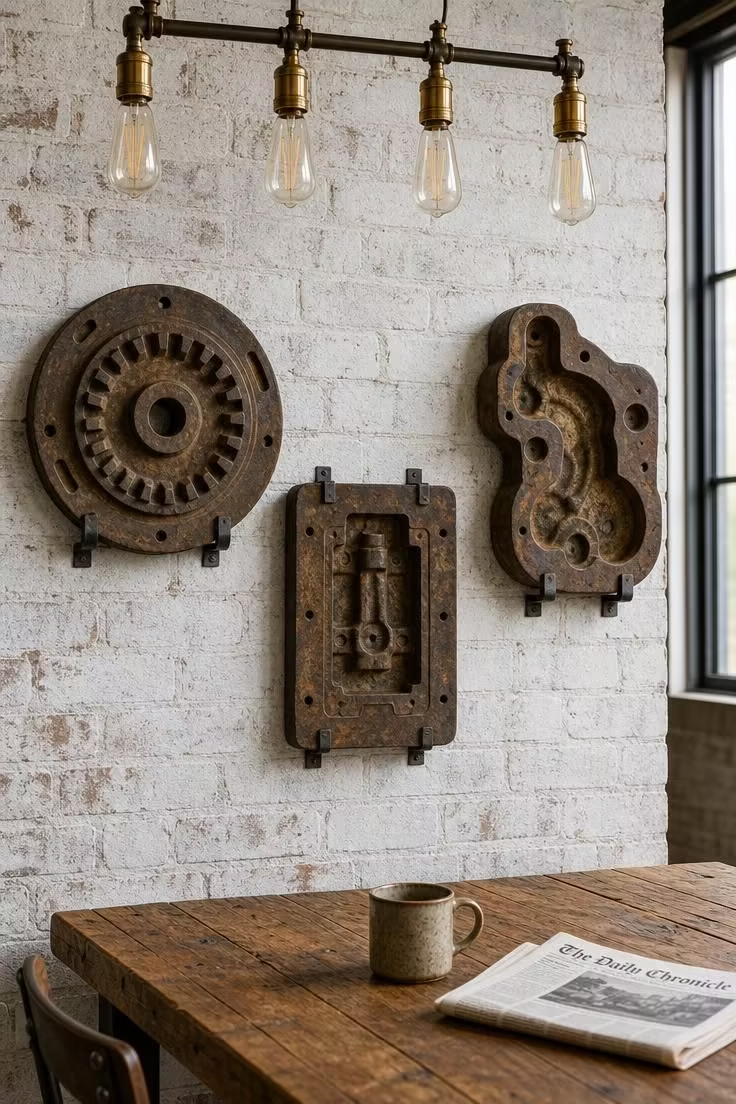
Foundry molds are the kind of salvaged artifact that connects a dining room to actual manufacturing history rather than a curated aesthetic.
These sand-cast iron forms, once used to shape machine parts and gear wheels, carry decades of rust, pitting, and residual casting sand in their crevices.
Mounting three different shapes at uneven intervals creates a gallery effect that feels discovered rather than arranged.
Simple iron brackets hold them flush to the wall without competing for attention.
An Edison bulb chandelier overhead picks up the warm tones of the rusted molds and extends the material conversation to the ceiling.
Below the molds, the corner of a reclaimed wood dining table grounds the composition and reminds you this is still a room for gathering.
Style Blueprint:
- 3-5 antique foundry molds in different shapes and sizes
- Simple iron mounting brackets for a flush, unframed presentation
- Whitewashed brick backdrop for maximum contrast with rust and iron
- Uneven spacing between pieces for a collected arrangement
- An Edison bulb chandelier above to echo the warm metal tones
Design Pro-Tip: Source foundry molds and industrial salvage from architectural reclamation yards, estate sales near old manufacturing towns, or online salvage dealers. Authentic pieces cost less than reproduction wall art and carry a provenance no print can match.
Oxblood Leather Bench Seating Tucked Under a Steel-Leg Table
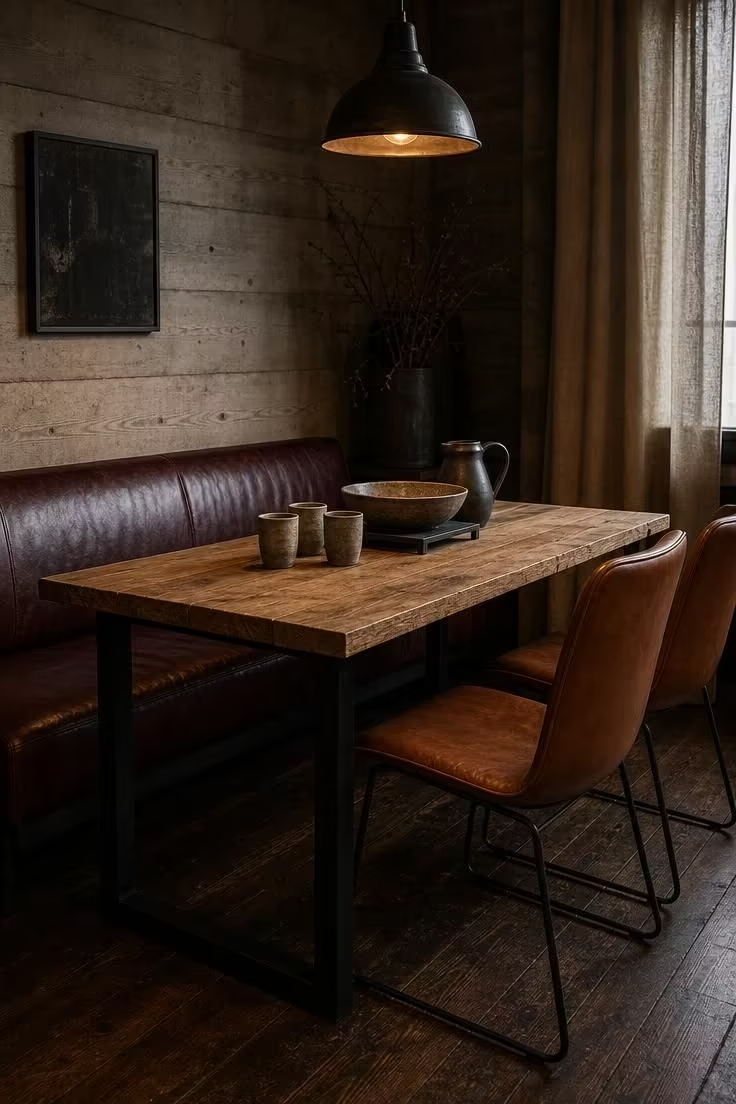
Oxblood leather carries a richness that cognac and saddle tones cannot reach, a depth closer to red wine than to work boots.
A long bench upholstered in pull-up leather develops lighter patches and natural creasing exactly where people sit and grip, recording the history of every meal.
Tucking the bench under one side of a steel-leg table leaves the opposite side open for individual leather dining chairs in a contrasting cognac shade.
This mix of bench and chair seating creates the kind of collected, relaxed arrangement that industrial style furniture does best.
Square-tube steel legs in matte black give the table a geometric sharpness that plays against the soft curves of worn leather.
Board-formed concrete on the wall behind the bench picks up faint wood-grain impressions from the forms used to pour it, adding one more layer of texture.
A cast iron trivet on the table surface ties the functional metalwork to the structural metalwork visible throughout the room.
Style Blueprint:
- Oxblood pull-up leather bench with visible wear patterns
- Reclaimed oak tabletop on square-tube matte black steel legs
- Cognac leather dining chairs on the opposite side for contrast
- Board-formed concrete wall behind the bench
- Cast iron trivet and stoneware serving pieces on the table
Raw Timber Ceiling Beams With Dangling Enamel Factory Shades
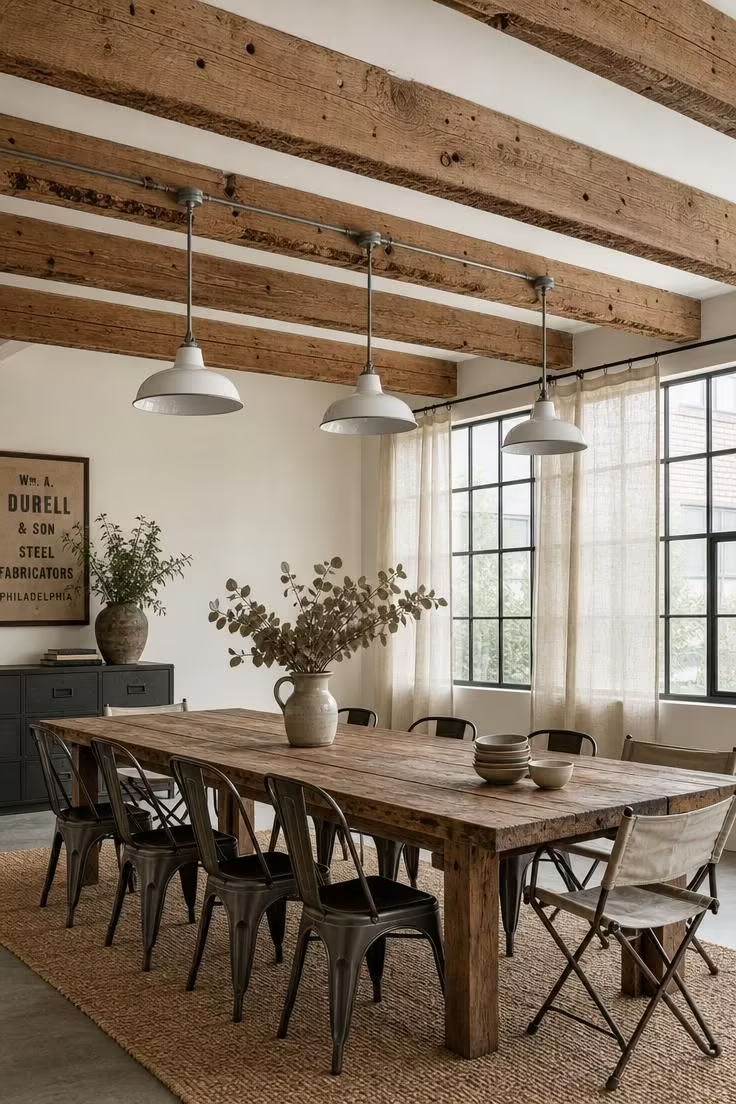
Raw timber beams overhead change the entire proportion of a room by drawing attention upward and revealing the structure that holds everything together.
Rough-sawn surfaces with visible saw marks and bark edges prove these beams were never dressed up for display.
Enamel factory shades, the same kind once used in actual manufacturing plants, hang from conduit mounted directly to the beams for an authentic installation.
The porcelain-lined interior of each shade directs light downward in a focused pool, making these fixtures surprisingly functional for a dining table below.
In a loft dining space with high ceilings, dangling these shades on longer conduit brings the light source closer to the table and fills the vertical gap between beams and guests.
An Edison bulb chandelier offers a warmer alternative for lower ceilings, clustering filament bulbs in an iron frame rather than using individual shades.
Steel café chairs and canvas-seated folding chairs mixed around the table reinforce the industrial dining room idea that nothing has to match to belong.
A jute rug beneath the table brings one organic, soft layer into a space defined by timber, steel, and enamel.
Style Blueprint:
- Raw, unstained timber ceiling beams with rough-sawn texture
- Enamel factory shades in matte white with porcelain-lined interiors
- Conduit-mounted directly to beams for authentic installation
- A mix of steel café chairs and canvas folding chairs
- Jute rug beneath the table for organic softness
A Wrought Iron Candelabra Centerpiece on a Live-Edge Walnut Slab
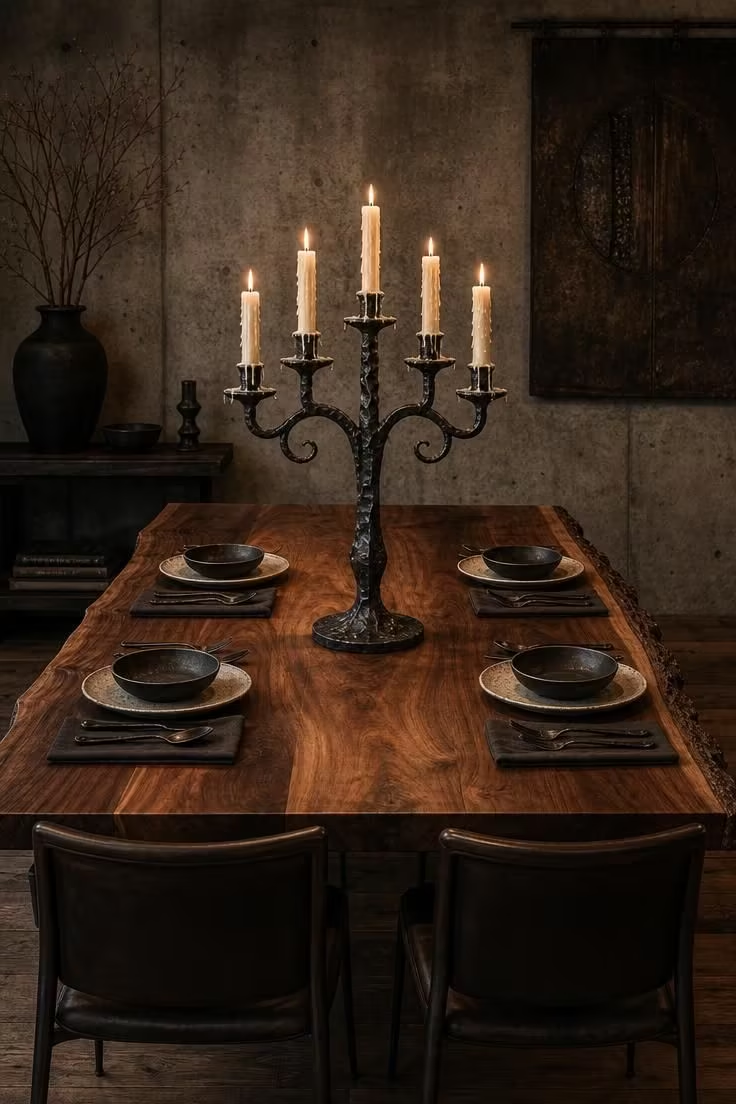
A wrought iron candelabra at the center of the table strips the industrial dining room down to its most elemental form: fire, iron, and wood.
Hammer marks on every arm and joint prove this piece was shaped by hand rather than stamped from a mold.
Five ivory taper candles, partially burned and dripping wax onto small iron saucers, turn an ordinary weeknight dinner into something that feels intentional.
The live-edge walnut slab beneath the candelabra preserves the natural bark line on one side, reminding you this surface was once a living tree.
Hand-thrown stoneware in matte charcoal picks up the iron tones of the candelabra, and folded linen napkins in slate complete the place settings without adding fuss.
This arrangement is the most direct expression of industrial style furniture philosophy: let honest materials do the work, and leave everything else out of the way.
Style Blueprint:
- Tall wrought iron candelabra with five arms and visible hammer marks
- Live-edge walnut slab table with preserved bark edge, oiled to satin
- Ivory taper candles with iron drip saucers
- Hand-thrown stoneware in matte charcoal and speckled cream
- Hand-forged flatware and slate linen napkins
Design Pro-Tip: When choosing a live-edge slab for your table, look for pieces with at least one straight factory-cut edge opposite the bark side. This gives you a flat surface to push against a wall or bench, and keeps the organic edge facing outward where guests can see and touch it.
Bringing Your Industrial Dining Room Together
The thread connecting all 11 ideas is material honesty: walnut, iron, concrete, leather, brass, and stoneware each earning their place through texture and function rather than ornament.
An industrial dining room does not require a converted loft or a factory building to work.
It requires a commitment to letting raw surfaces speak and choosing pieces that show their age with pride.
Start with one idea that fits your space, a reclaimed wood dining table, a set of metal pendant lighting fixtures, or a single wall of exposed brick, and build outward from there.
The room will feel collected on its own timeline, which is exactly the point.