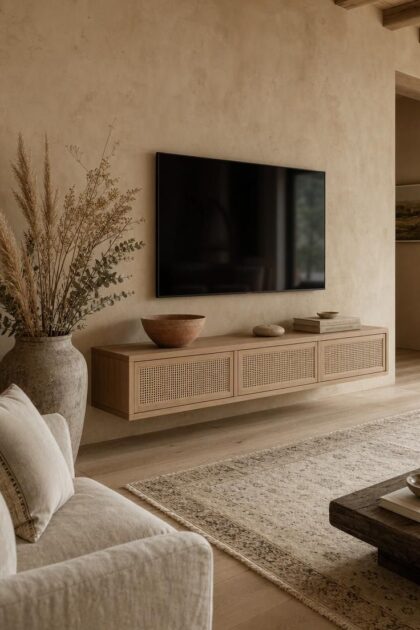
This post may contain affiliate links. If you make a purchase through these links, we may earn a commission at no additional cost to you.
A flat screen can feel cold against a bare wall, all sharp corners and reflective glass staring back at a room that wants to feel lived in.
Wabi sabi changes that conversation by wrapping the screen in raw plaster, weathered wood, and the kind of imperfect texture you want to run your hand across.
These 10 wabi sabi tv wall ideas pair natural materials with quiet restraint, letting the television settle into its surroundings rather than dominate them.
Every layout here leans on muted earth tones, handmade objects, and surfaces that look better with age.
Limewash Plaster With a Flush-Mounted Screen
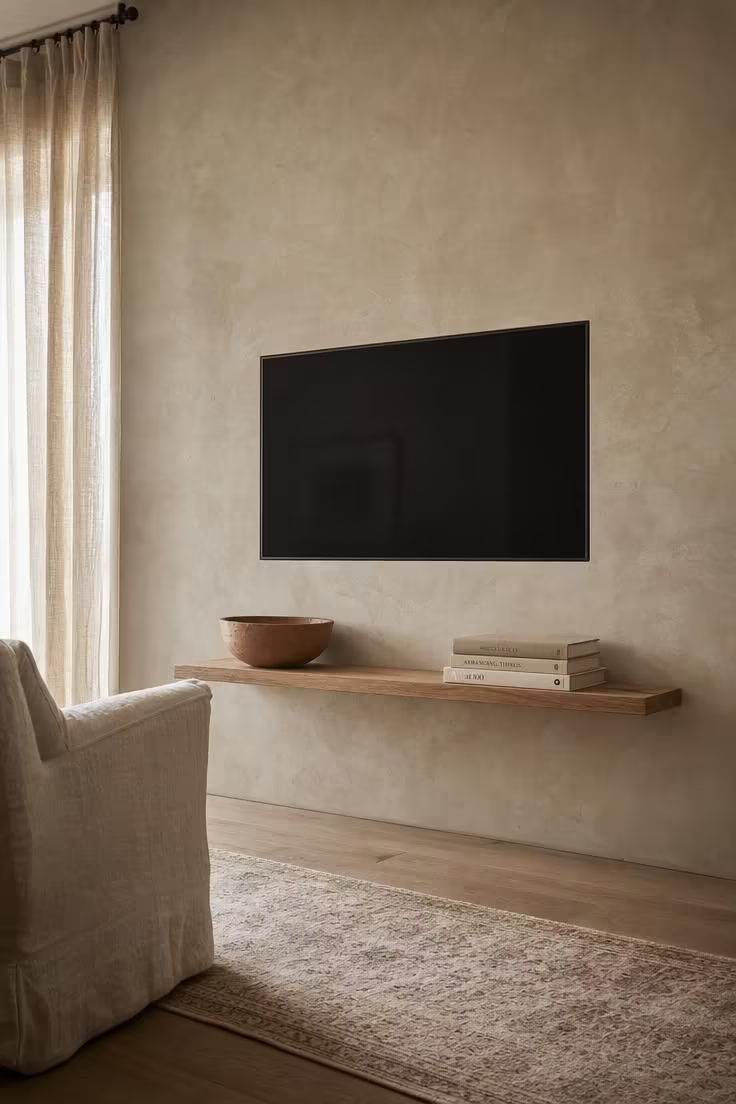
A limewash accent wall is one of the most direct ways to bring wabi sabi character to a media space.
The plaster holds every brushstroke, creating a surface that shifts in tone depending on where light falls across it.
Mounting the TV flush against this finish lets the screen blend rather than protrude, reading more like a dark window than a piece of electronics.
The narrow ledge beneath keeps styling minimal, which is the point, because one handmade vessel and a few neutral-toned books ground the wall without crowding it.
Over time, the limewash will develop slight patina and wear marks that only add to the wabi sabi quality of the surface.
This is a wall that rewards patience and looks more interesting with every passing season.
Style Blueprint:
- Putty or mushroom-toned limewash plaster applied by hand with visible brushstroke texture
- Flush-mount TV bracket recessing the screen level with the wall plane
- Narrow solid oak floating ledge, 3 to 4 inches deep
- Single unglazed terracotta bowl with an irregular handmade rim
- Wide-plank white oak flooring with a faded vintage wool runner
Reclaimed Barn Wood Planks With an Off-Center TV
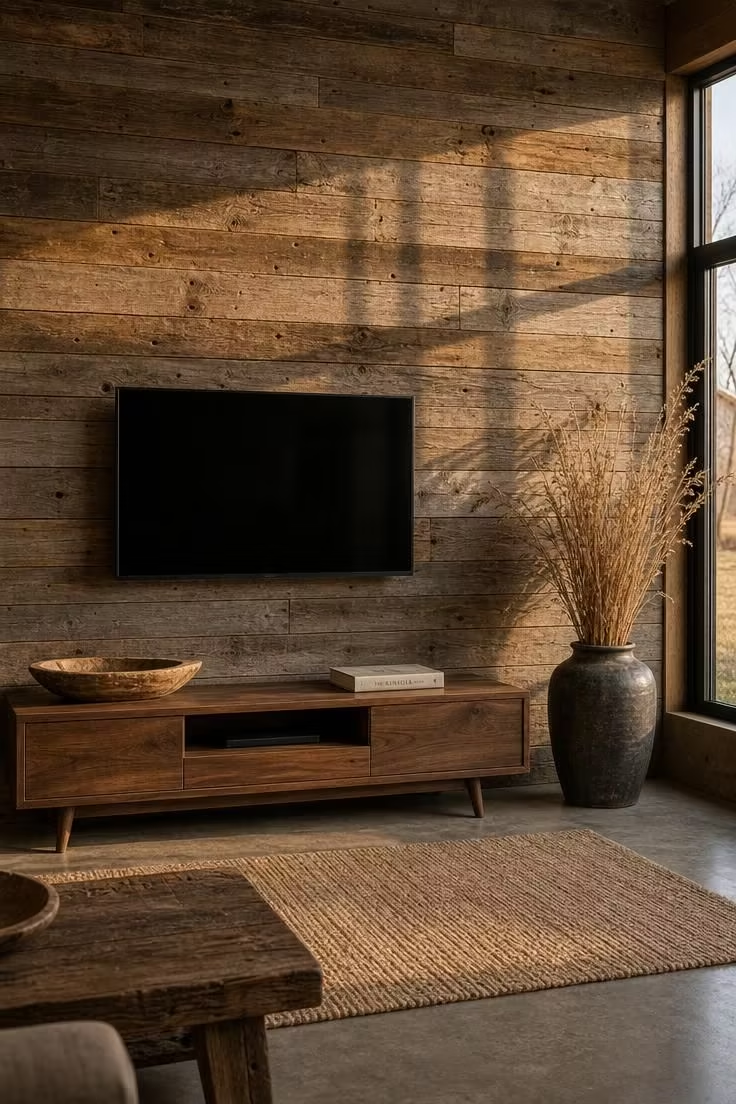
A raw wood plank wall brings the kind of character that no factory-made panel can replicate.
Each board carries its own history through nail holes, grain shifts, and surface wear that happened over decades of use before the planks ever reached this room.
Placing the TV off-center creates deliberate asymmetry, one of the core principles of wabi sabi, giving the composition a sense of looseness instead of rigid balance.
The tall dried grasses on the opposite side act as a visual counterweight, standing just high enough to draw the eye upward and across the wall.
Keeping the furniture below the screen low and spare prevents the reclaimed wood from competing with too many objects at once.
Gray-toned barn wood pairs particularly well with concrete or stone flooring, creating a palette that reads as earthy without tipping into rustic cliché.
The golden light in this room does the heavy lifting, warming the silver tones in the wood and making the entire wall glow.
Style Blueprint:
- Reclaimed barn wood planks in mixed gray-brown tones, installed horizontally
- Off-center TV mounting position shifted to the left third of the wall
- Tall bundle of dried wild grasses in a matte charcoal stoneware floor vase
- Low walnut media bench with tapered legs, under 16 inches tall
- Woven jute area rug beneath the console for layered floor texture
A Travertine Slab Panel Behind the Screen
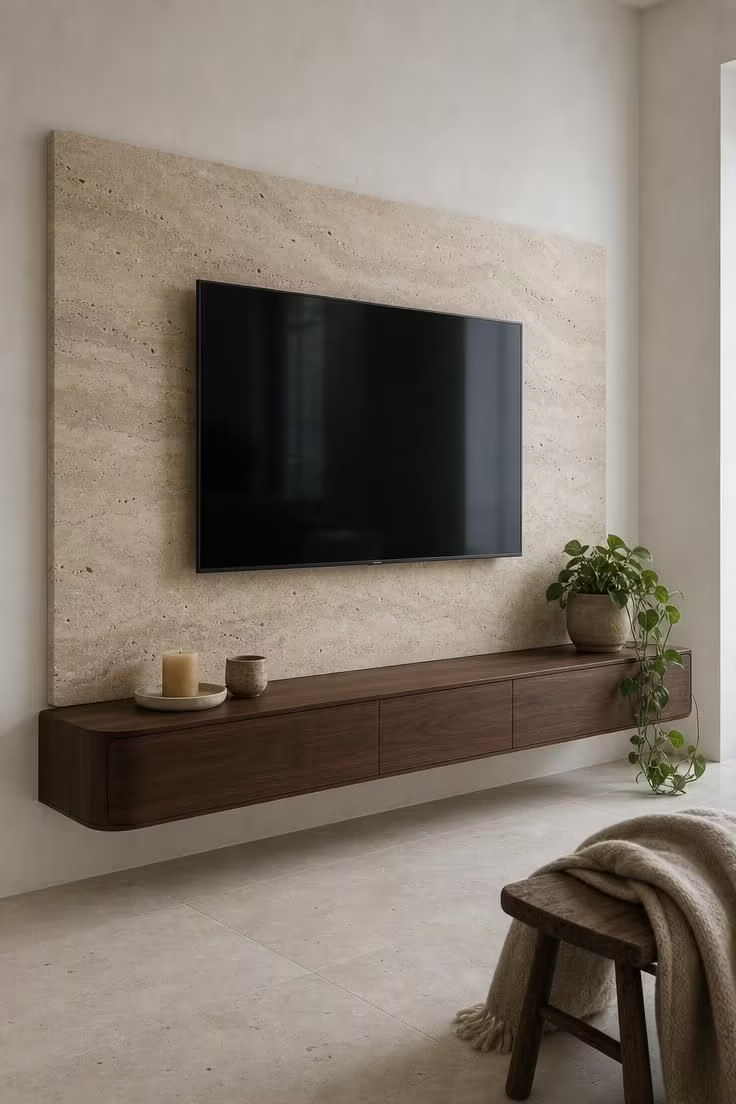
Travertine carries a kind of visual weight that immediately slows the eye down.
The natural pitting across the surface creates tiny shadows and depth variation that no smooth-finished material can match.
Using a single slab behind the screen works like a stone frame, giving the television a defined zone on the wall without adding any built-in millwork or trim.
This approach works best when the stone extends at least six inches beyond each side of the screen, creating breathing room between the edge of the TV and the edge of the panel.
A floating media console in a contrasting warm wood like walnut sits comfortably below, grounding the stone without competing with its surface.
The cool overcast light in this room keeps the travertine looking calm and neutral rather than overly warm or yellow.
One or two handmade ceramic pieces on the console are enough, because the stone itself is the main character on this wall.
Trailing greenery from an unglazed pot adds a living element that offsets the mineral stillness of the travertine.
Style Blueprint:
- Honed travertine slab in warm ivory tones, mounted 6 inches wider than the TV on each side
- Smooth white lime plaster wall surrounding the stone panel
- Low walnut floating console with rounded edges and a clean profile
- Single beeswax pillar in a shallow handmade ceramic dish
- Trailing pothos in an unglazed clay pot at the console edge
Vertical Timber Battens on a Clay-Toned Wall
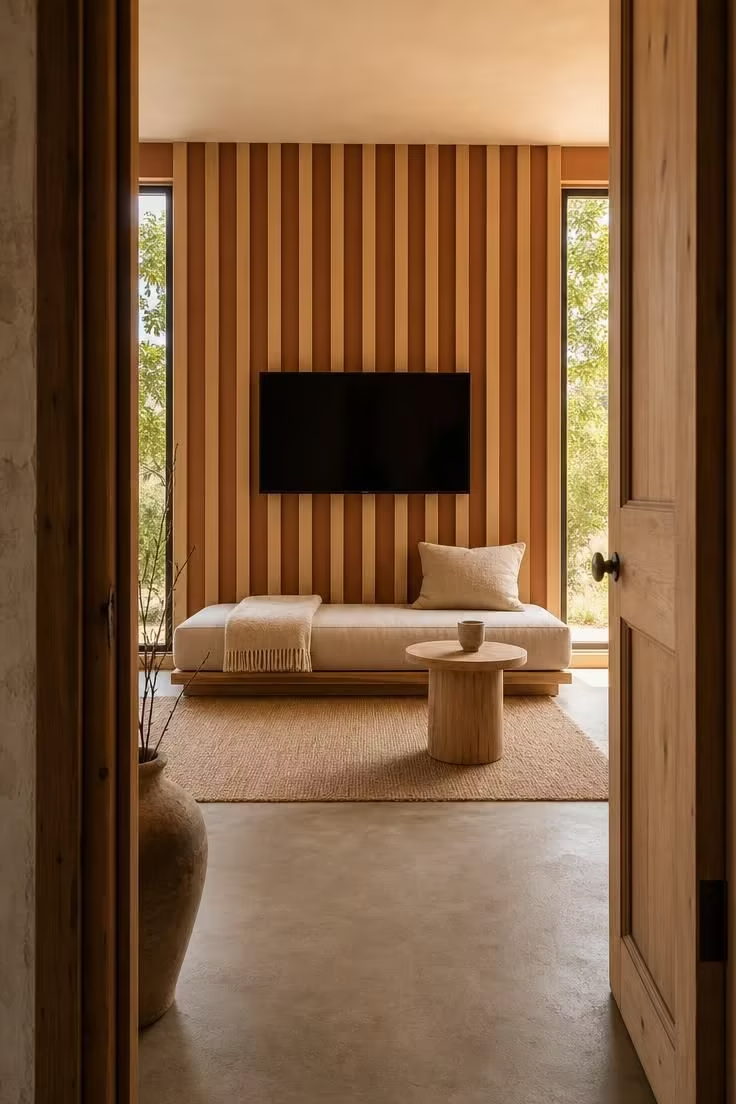
Viewing a room through its doorway creates a moment of anticipation, and this layout rewards that pause with a clean, rhythmic wall of vertical timber.
The battens break the flat surface into a pattern of light and shadow that shifts as the sun moves through the day.
Spacing the slats with natural gaps lets the clay-toned paint behind them show through, adding a second layer of color without any extra objects or artwork.
This approach works as a minimalist TV setup because the TV simply hangs between the battens, no special mounting hardware or recessed niche required.
Ash wood in its natural, unsealed state will develop a soft golden patina over time, aging in a way that reinforces the wabi sabi acceptance of change.
The low daybed beneath keeps the room feeling open and floor-connected, a principle borrowed from Japanese interiors.
Style Blueprint:
- Pale ash timber battens, floor to ceiling, spaced 2 inches apart
- Clay-toned matte wall paint visible through the slat gaps
- Center-mounted TV hanging at eye level between the battens
- Low linen-upholstered daybed with a single oatmeal cushion
- Matte concrete flooring with warm undertones
Design Pro-Tip: When building a slatted wall, vary the width of each batten by a quarter inch rather than cutting them all identically. The subtle irregularity reads as handcrafted and prevents the wall from looking like a mass-produced kit, which is exactly the kind of detail that separates organic modern decor from catalog styling.
A Hand-Troweled Plaster Niche Framing the Television
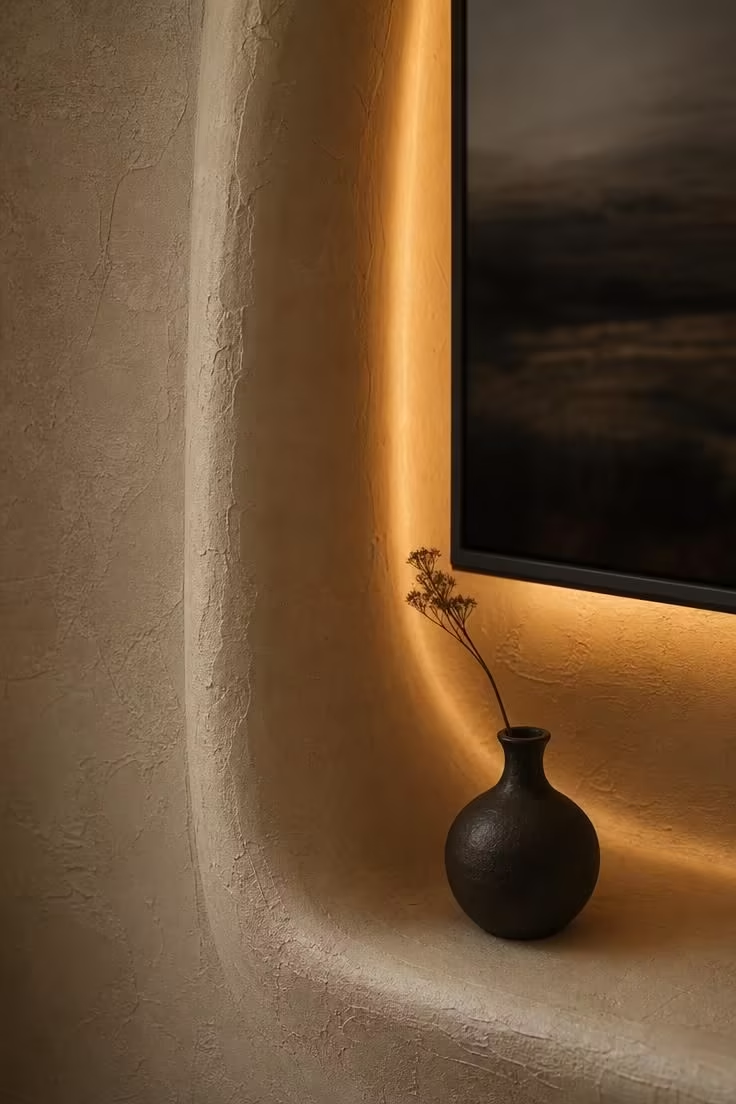
A plaster TV niche turns the screen into something that feels almost architectural, like a window set into a thick earthen wall.
The curved edges where the plaster wraps into the recess are where this technique really shows its character.
No two hand-troweled surfaces look the same, and that unpredictability is the quality that makes this finish so compelling in a wabi sabi context.
Keeping the niche just slightly larger than the screen, with two to three inches of plaster visible on each side, creates a frame that feels intentional without looking overbuilt.
The lower ledge of the niche becomes a natural display surface for a single object, and a dried floral arrangement or solitary stem in a bud vase is all it needs.
LED bias lighting behind the screen serves a practical purpose by reducing eye strain during evening viewing, but it plays a second role here.
That warm glow turns the plaster’s trowel marks into a landscape of tiny shadows, making every ridge and imperfection part of the visual experience.
Sand and clay tones in the plaster keep the palette warm without introducing any color that might fight with on-screen content.
The intimacy of this setup comes from the sense of enclosure, the niche pulling the viewer’s attention inward rather than letting it scatter across the room.
Style Blueprint:
- Hand-troweled plaster in sand or clay tones with visible trowel marks and uneven texture
- Recessed TV niche sized 2 to 3 inches wider than the screen on each side
- Warm LED bias strip light mounted behind the TV
- Dark stoneware bud vase with matte black-brown glaze
- Single dried stem or minimal ikebana arrangement on the niche ledge
White Oak Floating Console With Woven Cane Doors
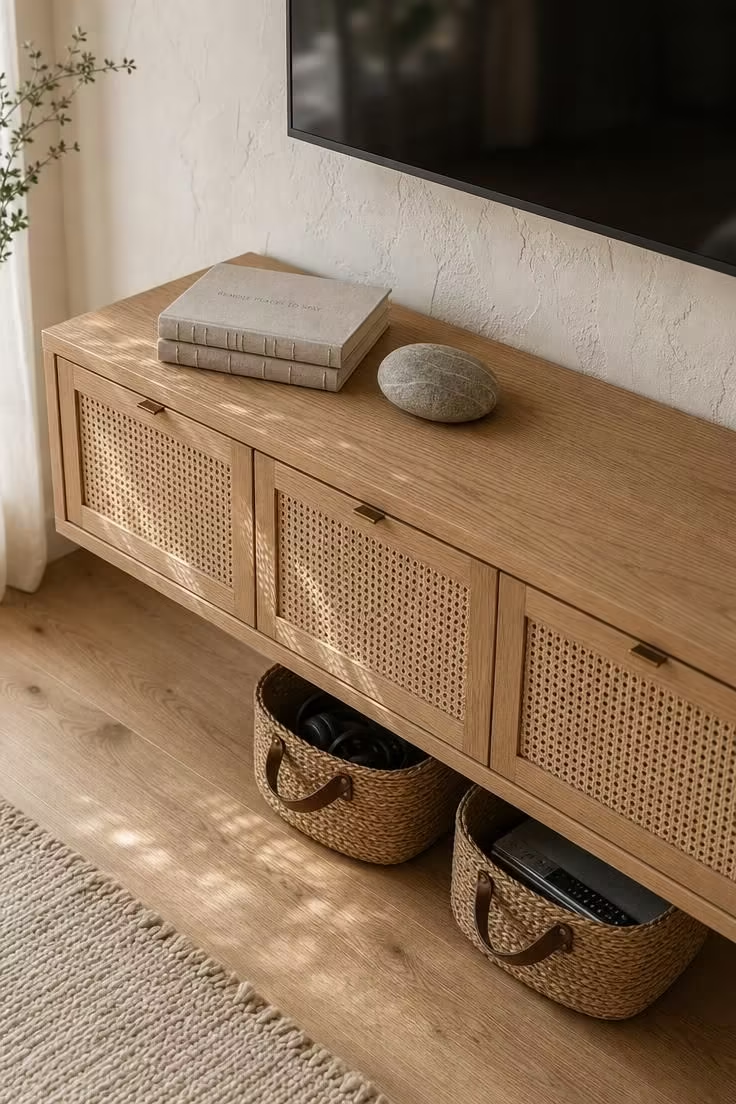
A floating media console lifts the visual weight of the TV wall by leaving open floor space visible beneath the unit.
The cane-front doors add handcrafted texture to what is often the most utilitarian piece of furniture in the room, turning storage into something worth looking at.
Woven cane filters light through its natural grid pattern, so the contents behind the doors stay hidden while the surface stays visually active and warm.
Styling the console top with just two or three objects keeps the wabi sabi restraint intact, and a smooth river stone brings a found-in-nature quality that no store-bought accessory can replicate.
Seagrass baskets on the floor below the floating unit handle the practical reality of cables, remotes, and charging cords without introducing plastic bins or closed drawers.
White oak and cane share a similar tonal warmth, so the console reads as one cohesive piece rather than a patchwork of materials.
This combination works particularly well in a wabi sabi living room because it balances function with the kind of quiet, material-forward beauty that the philosophy asks for.
Style Blueprint:
- White oak floating media console with woven cane-front cabinet doors
- Flush-mount wall bracket positioning the console 12 to 16 inches above the floor
- Stack of linen-wrapped books with visible binding stitches
- Smooth foraged river stone in pale gray as a styling object
- Two woven seagrass baskets with leather handles for under-console storage
Microcement Accent Wall With Rounded Edges
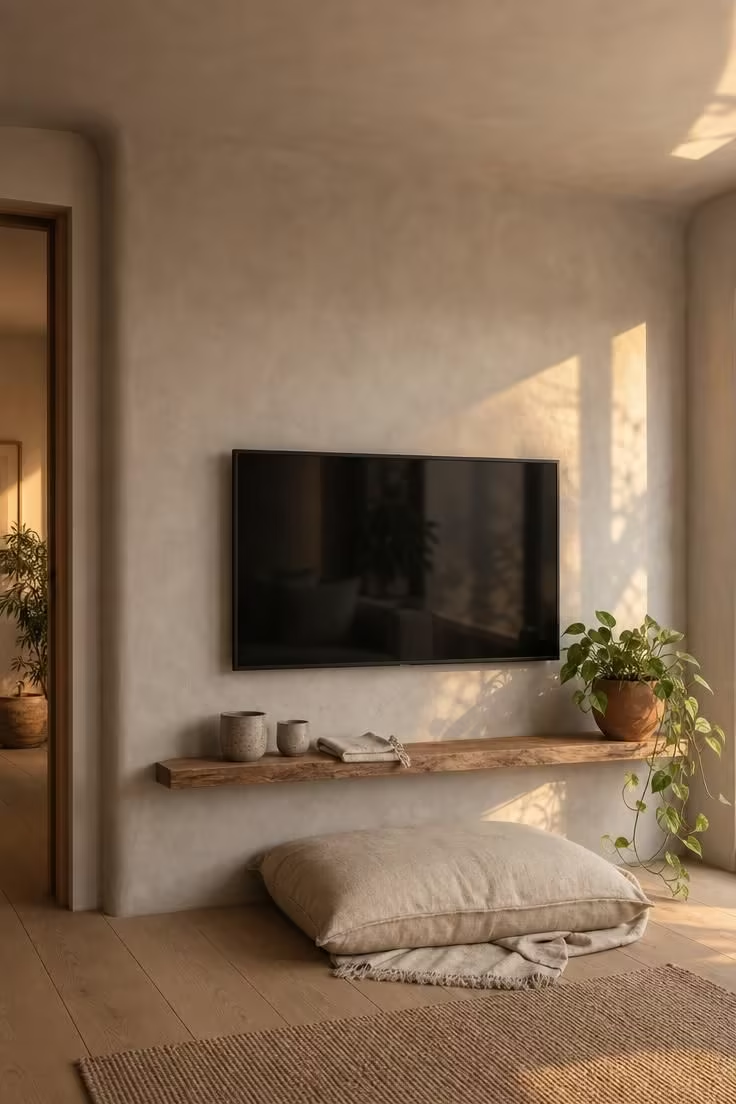
Microcement gives you the monolithic look of poured concrete without the structural demands, and the rounded corners are what set this textured wall finish apart from a standard flat application.
Where plaster meets ceiling and side walls at sharp 90-degree angles, the eye reads a hard stop, but rounding those transitions softens the entire room.
The material picks up golden hour light beautifully, and the raking angle of late-afternoon sun reveals every slight undulation in the hand-applied surface.
This is a wall that looks different at 8 a.m. than it does at 6 p.m., which keeps the visual experience of the room alive throughout the day.
A floor cushion below the TV introduces the kind of ground-level seating that Japanese and Scandinavian interiors share, keeping the room feeling low and open.
Terracotta planters bring a warm counterpoint to the cool gray of the microcement, preventing the palette from reading as stark or industrial.
Hand-thrown ceramic cups on the shelf reinforce the handmade quality that wabi sabi asks for, because their slight imperfections echo the undulations in the wall surface.
Trailing pothos from the planter adds a single line of green that draws the eye downward and keeps the lower portion of the wall from feeling empty.
Style Blueprint:
- Pale gray microcement finish applied by hand with rounded corners at ceiling and side wall junctions
- Center-mounted TV on the microcement surface
- Low-profile linen floor cushion in oatmeal tones
- Terracotta planter with trailing pothos
- Raw-edge wood floating shelf with hand-thrown speckled ceramic cups
Stacked Limestone Ledger Panels With a Slim Shelf
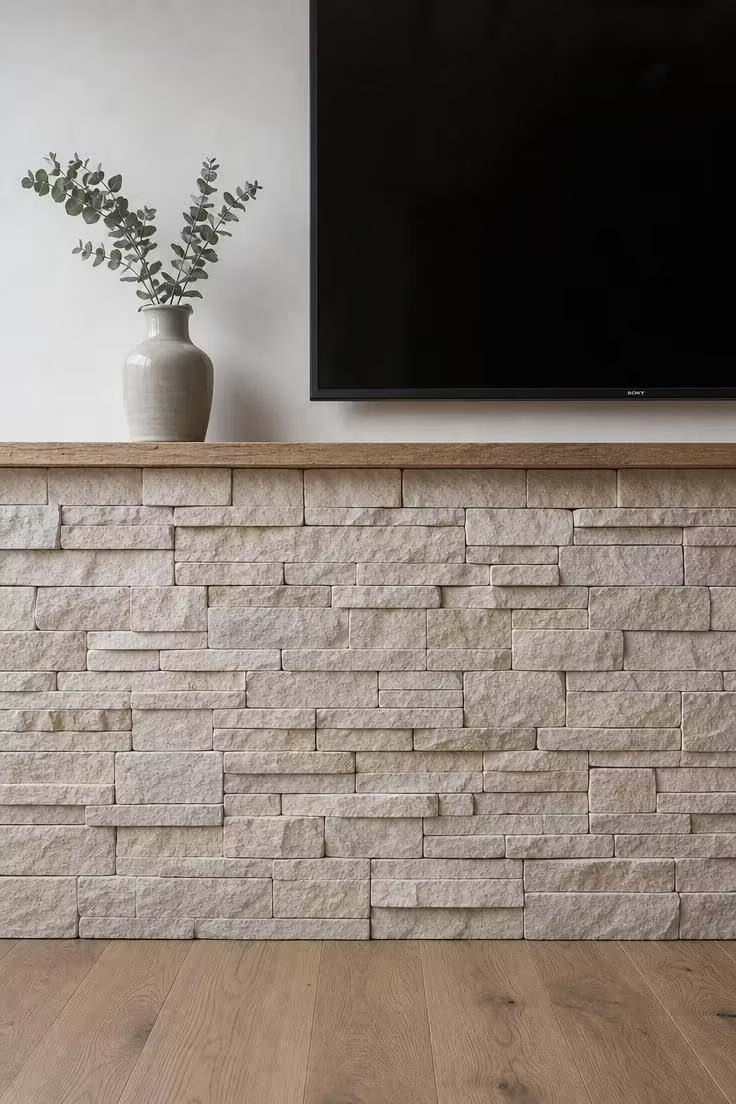
Stacked limestone gives a TV wall geological weight, making the screen feel anchored to something ancient and enduring.
The uneven depth of the ledger panels catches ambient light at different angles, creating a subtle relief pattern that flat tile or paint cannot produce.
Splitting the wall at screen height, with stone below and smooth plaster above, prevents the texture from overwhelming the full surface and keeps the TV visible against a clean background.
A slim raw-edge shelf at the junction point serves as the transition between materials and gives the TV a resting place that feels organic rather than mechanical.
One dried eucalyptus sprig in a simple clay vessel is enough to style the shelf, because the stone itself provides all the visual texture the wall needs.
Style Blueprint:
- Stacked limestone ledger panels in warm cream and pale taupe covering the lower wall
- Slim raw-edge wood shelf at the stone-to-plaster transition line
- Smooth white plaster finish on the upper wall portion
- Small clay vessel in a soft dove glaze
- Dried eucalyptus sprig with silver-green leaves
Design Pro-Tip: Run your hand across any natural stone panel before installation and pay attention to which stones sit slightly proud of the surface. Orient those stones near the center of the TV wall where raking light from side windows will hit them at an angle, because that depth variation is where limestone gets its visual life, and placing the most textured pieces where light is strongest makes the wall feel three-dimensional.
Linen Backdrop Panel With Exposed Brass Hardware
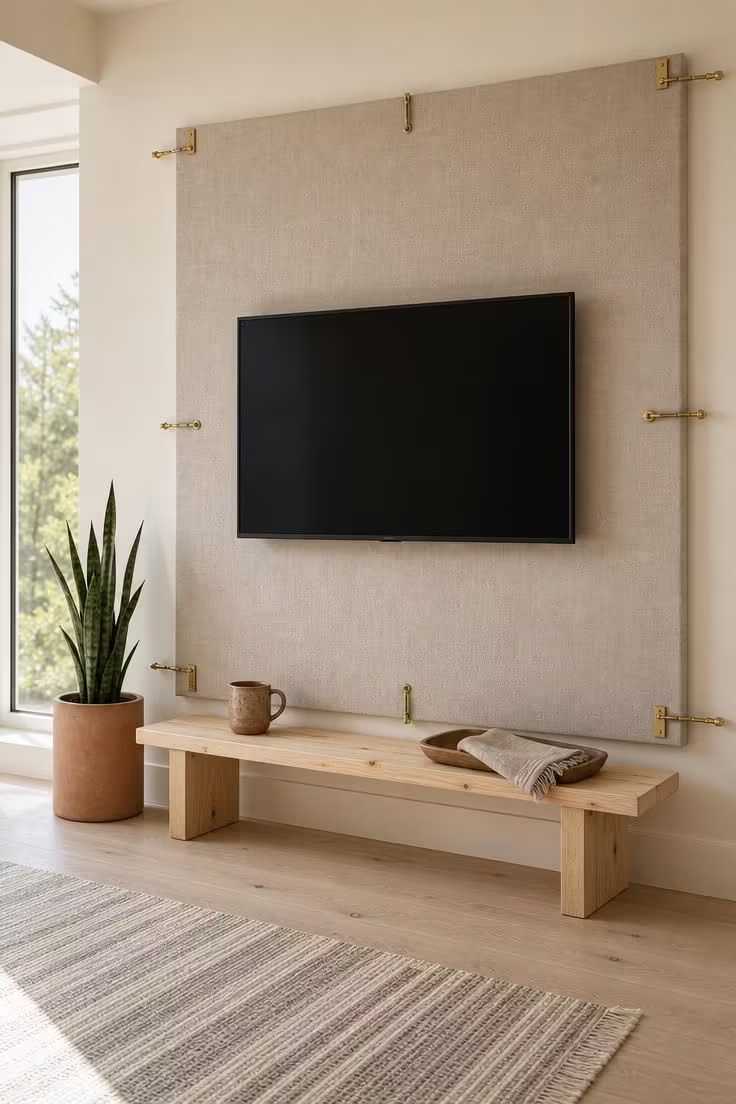
Fabric on a wall might sound unexpected behind a TV, but stretched linen creates a softness that no hard finish can match.
The textile absorbs sound in a way that plaster and wood do not, which improves the room’s acoustics for movie nights and music.
Exposed brass cleats and turnbuckles give the installation a workshop quality, as if the panel was rigged by hand rather than concealed behind trim.
This honest approach to hardware is a wabi sabi principle applied at the smallest scale: nothing is hidden, and the mechanics of how things are attached become part of the decoration.
The linen’s natural flax color sits in the warm neutral range and works as a backdrop for almost any on-screen content without creating visual competition.
A raw pine bench below keeps the material story consistent, because both linen and softwood share a similar unfinished, pre-patina quality.
Styling with a single ceramic mug and a wooden tray keeps the surface grounded without introducing clutter that would undermine the simplicity.
Style Blueprint:
- Stretched natural linen panel in flax or raw oatmeal tone, sized wider and taller than the TV
- Exposed brass cleats and turnbuckle hardware for a visible mounting system
- Wall-mounted TV floating against the linen surface at center
- Simple raw pine bench, 14 to 18 inches tall
- Handmade ceramic mug in warm speckled clay glaze
Driftwood Plank Accent With a Frame TV Displaying Ink Wash Art
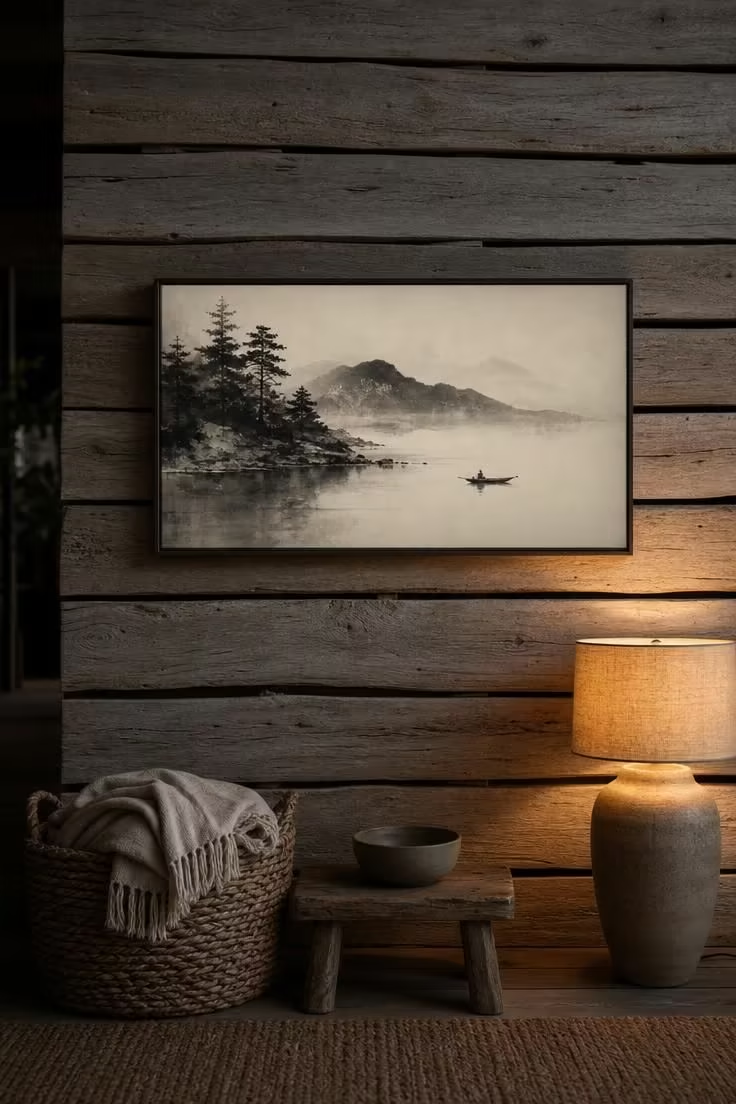
A Frame TV blurs the line between screen and art, and pairing it with driftwood planks pushes that ambiguity even further into wabi sabi territory.
When the TV displays ink wash artwork in charcoal and ivory tones, it reads as a piece of parchment mounted on a coastal ruin wall.
The driftwood carries its own narrative, because each plank was shaped by salt water, sun, and wind before it ever became an interior material.
Varying the plank widths by a half inch or so prevents the wall from looking like a uniform panel, and the natural color shifts from silver to pale sand give the surface a watercolor quality.
A single warm lamp in the corner creates the moody low light that this arrangement needs, because overhead fixtures would flatten the wood’s depth and wash out the ink tones on screen.
The seagrass basket and wooden stool keep the floor layer textured and organic, reinforcing the material story without adding any hard or glossy surfaces.
Style Blueprint:
- Sun-bleached driftwood planks in silver-to-sand tones, installed horizontally with natural gaps
- Frame TV set to display monochrome ink wash artwork
- Woven seagrass basket with a folded raw cotton throw
- Low wooden stool with a single ceramic bowl in matte ash glaze
- Warm-toned ceramic table lamp with a linen drum shade
Conclusion
The best wabi sabi tv wall is the one that makes you forget you are looking at a screen.
Every idea here shares the same underlying principle: let natural materials, muted earth tones, and a willingness to leave space empty do the work that paint and decor cannot.
Whether you choose raw plaster, reclaimed wood, or natural stone, the goal stays the same, to build a wall that ages with you and looks better for it.
Start with one material you can touch and appreciate, build outward from there, and resist the urge to fill every surface.