This post may contain affiliate links. If you make a purchase through these links, we may earn a commission at no additional cost to you.
The best vintage cottage kitchen ideas never look like they arrived all at once.
They look like someone spent years picking up a single brass knob at a flea market, sanding down a pine shelf found in a barn, and slowly painting their cabinets a color they mixed themselves.
That collected quality is what separates a real cottage kitchen from a styled one, and it comes down to specific materials, honest finishes, and objects that carry a little history.
These 13 rooms show how to get there, one deliberate choice at a time.
A Chippy White Enamel Stove Against Wainscot Paneling in Dusty Blue
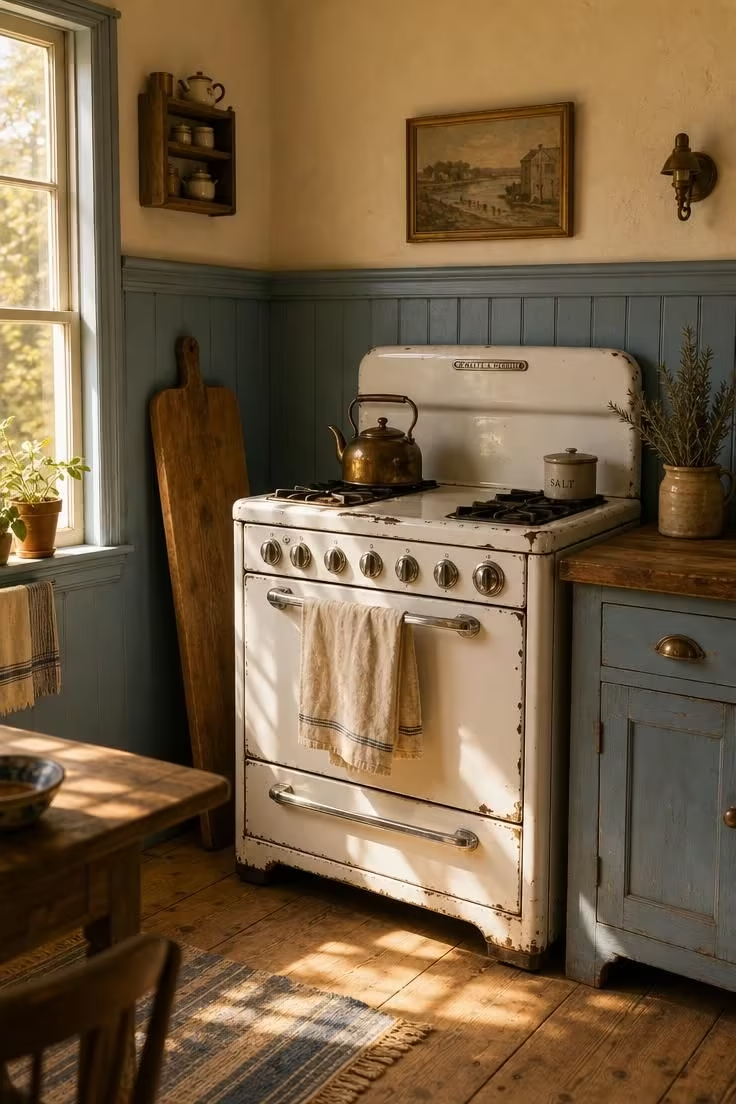
A white enamel stove with paint worn at the edges tells you more about a kitchen than any new appliance ever could.
The chipped spots reveal layers of use, and that honesty sets the tone for everything around it.
Dusty blue wainscot paneling behind the range grounds the whole wall without competing for attention.
The color is muted enough to let the stove remain the focal point, and the vertical lines of the paneling add height to a typically compact cottage kitchen layout.
Warm cream plaster above the chair rail keeps the upper wall light and open, preventing the blue from feeling heavy.
A wooden cutting board propped beside the stove is not just decorative, it is the kind of cottage kitchen decor that earns its place by being used every day.
Style Blueprint:
- White enamel vintage range with visible patina
- Dusty blue wainscot paneling to chair-rail height
- Worn pine floorboards in a natural honey finish
- Ceramic salt cellar and earthenware herb jar
- Linen towel in a neutral oatmeal tone
A Turned-Leg Walnut Island With a Marble Inset Pastry Slab
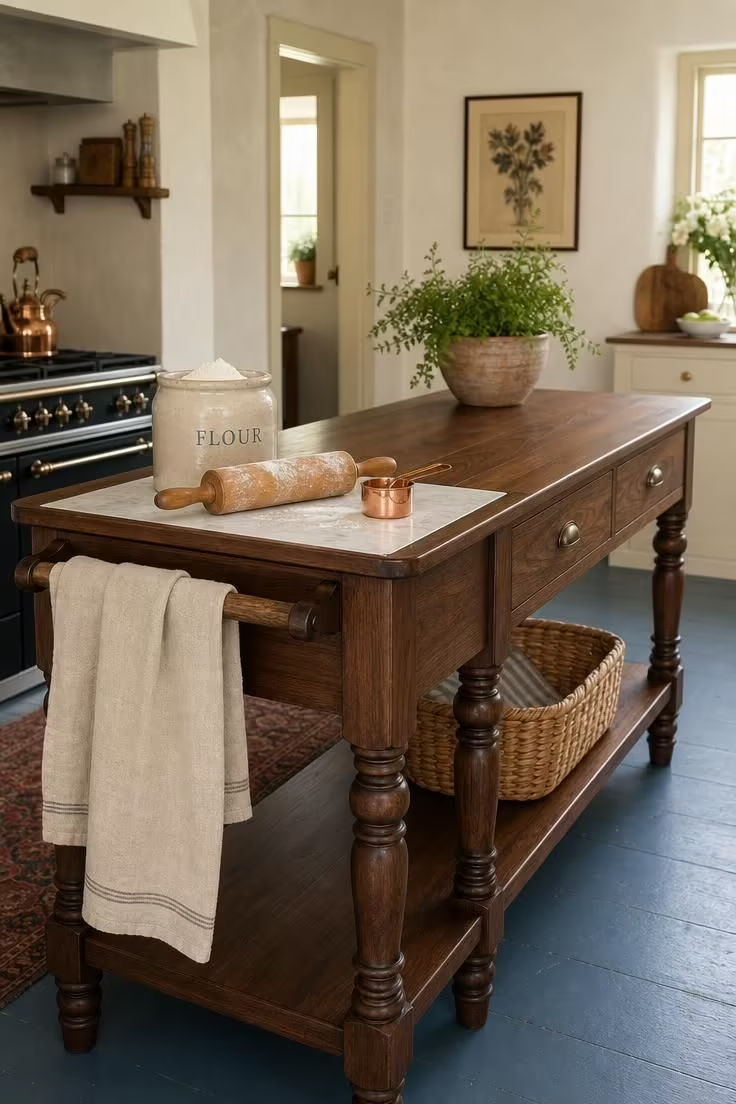
A kitchen island with turned legs reads as furniture, not cabinetry, and that distinction matters in a cottage kitchen.
It signals that this piece was chosen, not ordered from a catalog of matching components.
The walnut body brings richness without darkness, and the oil finish lets you feel the grain under your hand.
A marble inset at one end is a practical move for anyone who works with pastry dough, since marble stays cool and prevents butter from softening too quickly.
The rest of the surface in walnut keeps the island from looking like a marble counter pretending to be something else.
Butcher block countertops on surrounding work areas pair well with this approach, letting the island stand apart as the one piece with a different material.
A lower shelf between the turned legs holds a woven basket or a few cookbooks, adding storage without closing off the open, airy frame.
Style Blueprint:
- Walnut island with turned spindle legs and oil finish
- Marble inset pastry slab at one end
- Lower shelf for baskets or cookbook storage
- Stoneware flour jar and copper measuring cup
- Linen towel in natural flax draped over the side
Flour-Sack Curtain Panels Below a Butler’s Pantry Pass-Through
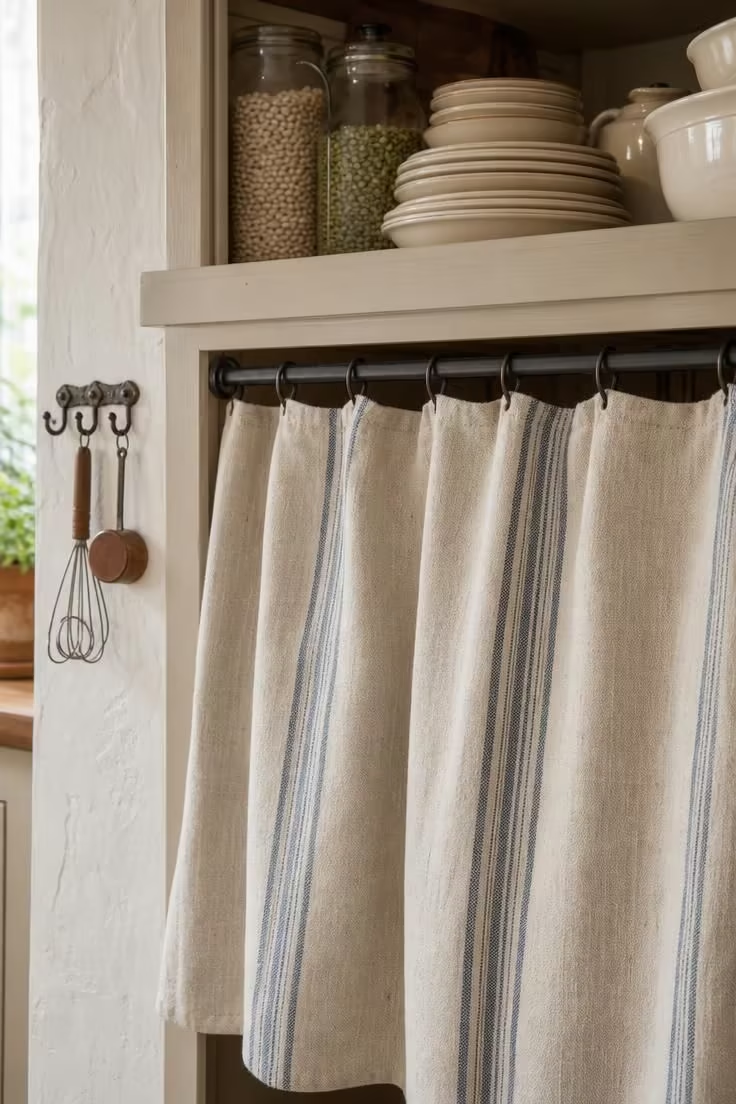
Flour-sack fabric has a weight and weave that no modern curtain panel can replicate.
The cotton is dense enough to obscure what is behind it without blocking light entirely, which makes it a practical choice for hiding everyday dishware in an open shelving kitchen layout.
A butler’s pantry pass-through is a feature found in many older cottages, originally designed to move dishes between the kitchen and dining room.
Leaving the opening uncovered can make the space feel cluttered, especially when the shelves inside are packed with daily-use items.
A simple curtain panel on an iron tension rod solves this without the permanence or cost of adding a cabinet door.
The putty-colored frame around the opening adds a soft contrast against warm white plaster walls, and the iron hooks on the side offer a place to hang a colander or a set of measuring spoons.
This kind of detail works because it is both functional and visually honest, two qualities that define the best vintage cottage kitchen ideas.
The slightly uneven plaster texture on the surrounding wall reinforces the handmade quality that makes cottage kitchens feel personal.
Style Blueprint:
- Flour-sack cotton curtain panels in off-white
- Iron tension rod fitted inside the pass-through frame
- Putty-painted frame with small iron utility hooks
- Cream dishware and glass jars visible behind the curtain
- Warm white plaster wall with natural texture
A Zinc-Top Potting Bench Repurposed as a Kitchen Prep Station
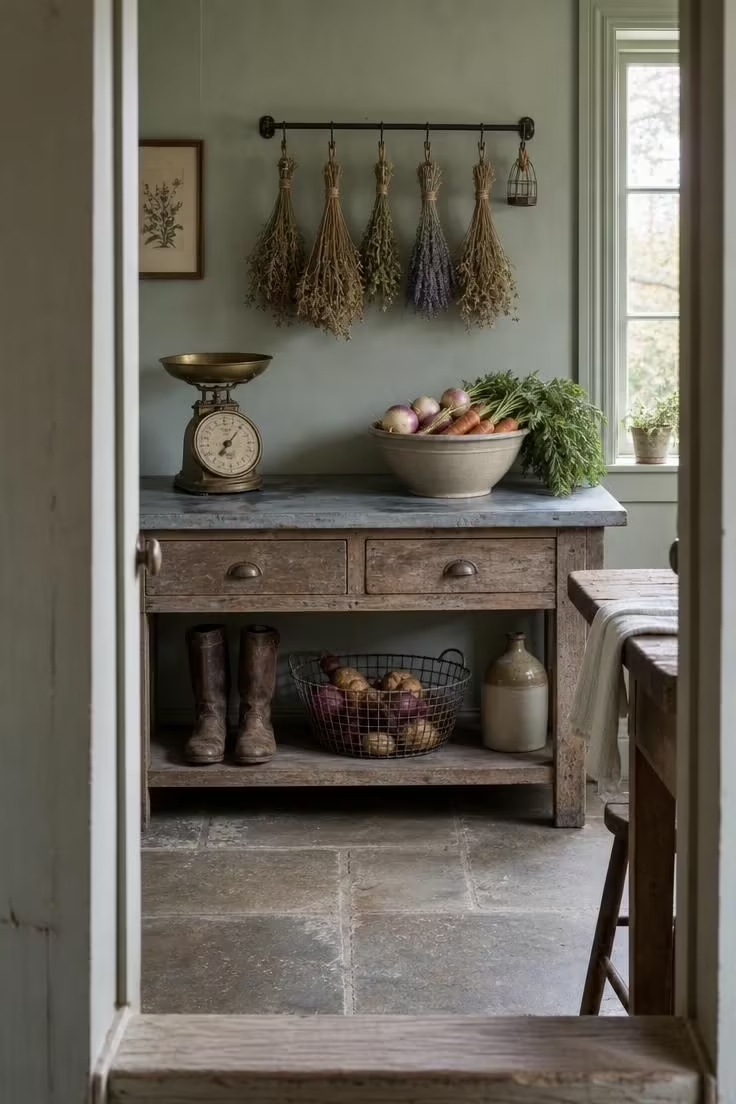
A potting bench brought indoors carries the garden with it, and that crossover between outside and inside is central to cottage living.
The zinc top is naturally antibacterial and weathers beautifully, developing a patina that darkens and shifts with each season of use.
Paired with a weathered wood base, it looks like a piece that has always been in the kitchen, even when it arrived last month.
The cottage kitchen color palette here leans toward pale sage walls and natural zinc gray, a combination that feels calm without being cold.
Dried herb bundles hanging above the bench are not just decorative, they are a practical way to preserve rosemary, thyme, and oregano from a kitchen garden.
A brass scale on the counter surface adds a warm metallic accent that contrasts with the cool zinc below.
Style Blueprint:
- Zinc-top potting bench with weathered wood frame
- Iron rail above for hanging dried herb bundles
- Brass kitchen scale in a traditional balance style
- Pale sage painted walls
- Wire vegetable basket stored below the bench
Design Pro-Tip: Zinc tops develop their patina faster when exposed to moisture and acidic foods like lemons. If you want the aged look sooner, rub the surface with a cut lemon and let it sit overnight, then wipe clean. The reaction speeds up the natural darkening process by weeks.
Reclaimed Schoolhouse Globe Pendants Above a Tongue-and-Groove Island
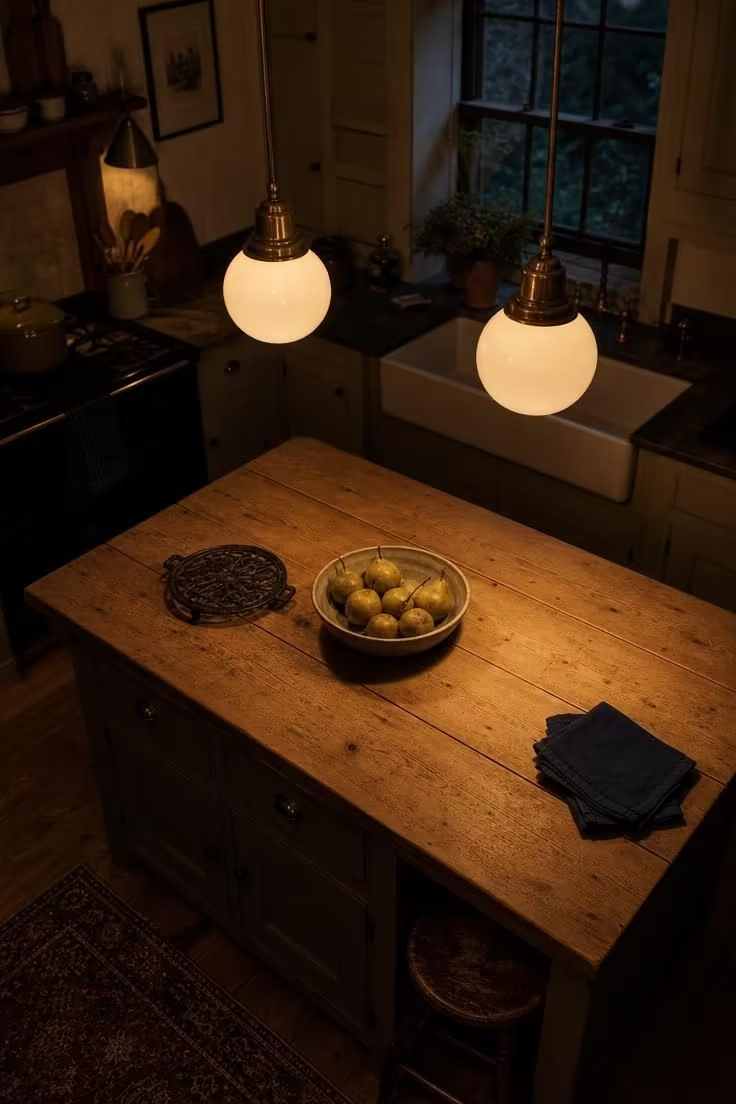
Schoolhouse globe pendants are among the most forgiving vintage kitchen lighting choices because they cast an even, soft glow in every direction.
The opal glass diffuses the bulb without hiding it entirely, and the shape reads as distinctly early 20th century without feeling like a costume piece.
Reclaimed versions carry small imperfections in the glass, tiny bubbles, faint yellowing, or hairline marks from decades of use, that new reproductions lack.
Hanging two pendants over an island creates a balanced rhythm without the formality of a chandelier.
The tongue-and-groove island below benefits from this overhead light, which catches the slight shadows between each plank and gives the surface visual depth.
A cast iron trivet and stoneware bowl are the kind of objects that belong on a surface like this, heavy, plain, and built to last longer than any trend.
The faded indigo napkins add the only color accent in an otherwise neutral scene, proving that restraint with color often feels richer than abundance.
Style Blueprint:
- Reclaimed schoolhouse globe pendants in opal glass
- Tongue-and-groove pine island top with wide planks
- Brass-patinated pendant stems
- Cast iron trivet and stoneware fruit bowl
- Cloth napkins in faded indigo
A Faded Floral Wallpaper Accent Wall Behind Open Pine Shelving
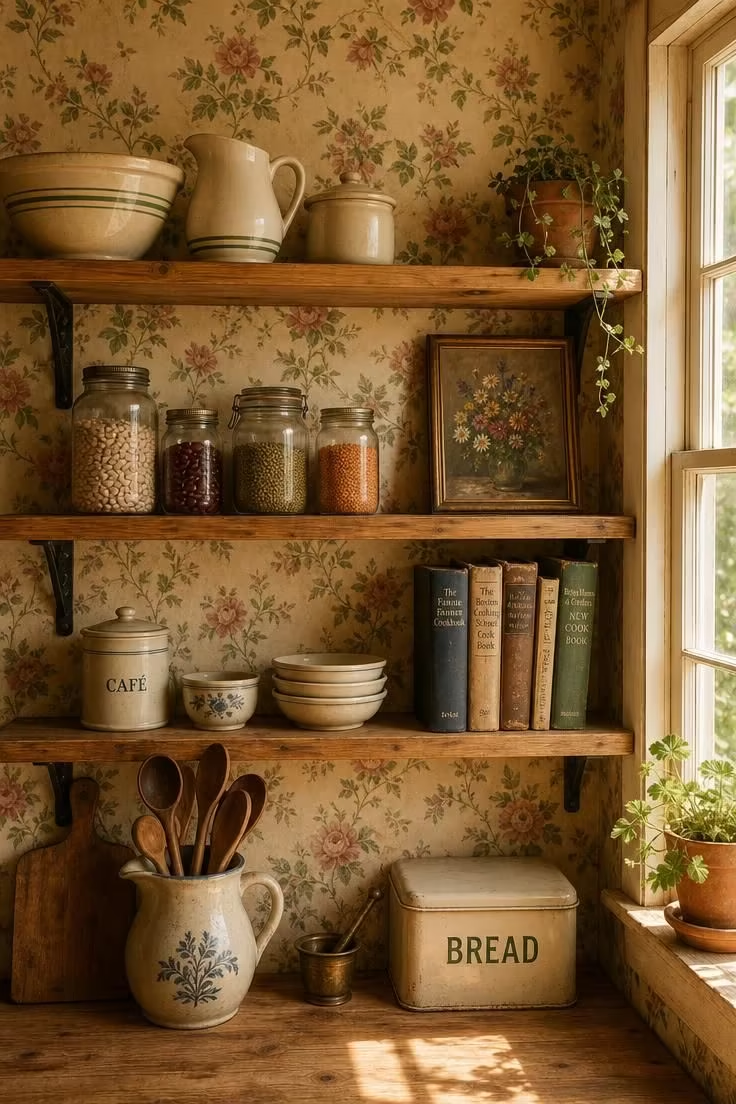
Wallpaper in a kitchen sounds impractical until you see it done on a single wall behind open shelving, where it acts as a backdrop rather than a surface that needs constant wiping.
The faded quality of the floral pattern matters more than the pattern itself.
A print that looks like it has been hanging for thirty years gives the kitchen an instant sense of history that paint alone cannot provide.
Muted roses and trailing vines in soft green read as feminine without feeling precious, especially when paired with rough-sawn pine shelves and iron brackets.
Open pine shelving against wallpaper creates a layered composition where every object on the shelf becomes part of a larger visual arrangement.
Cream pottery, glass jars of dried goods, and a small painting propped at the back turn the wall into something worth pausing to look at.
This is where an open shelving kitchen approach pays off most, on a wall where the background itself has something to say.
The antique kitchen hardware on the brackets, simple iron L-shapes with a hand-forged look, ties the shelves to the vintage character of the wallpaper behind them.
Style Blueprint:
- Faded floral wallpaper in muted rose and green on cream ground
- Knotty pine shelves with iron L-bracket supports
- Cream pottery and glass storage jars on the shelves
- Small framed painting propped against the wall
- Butcher block counter section below the shelves
Porcelain Bin Pulls on Painted Putty-Colored Drawers With Soapstone Tops
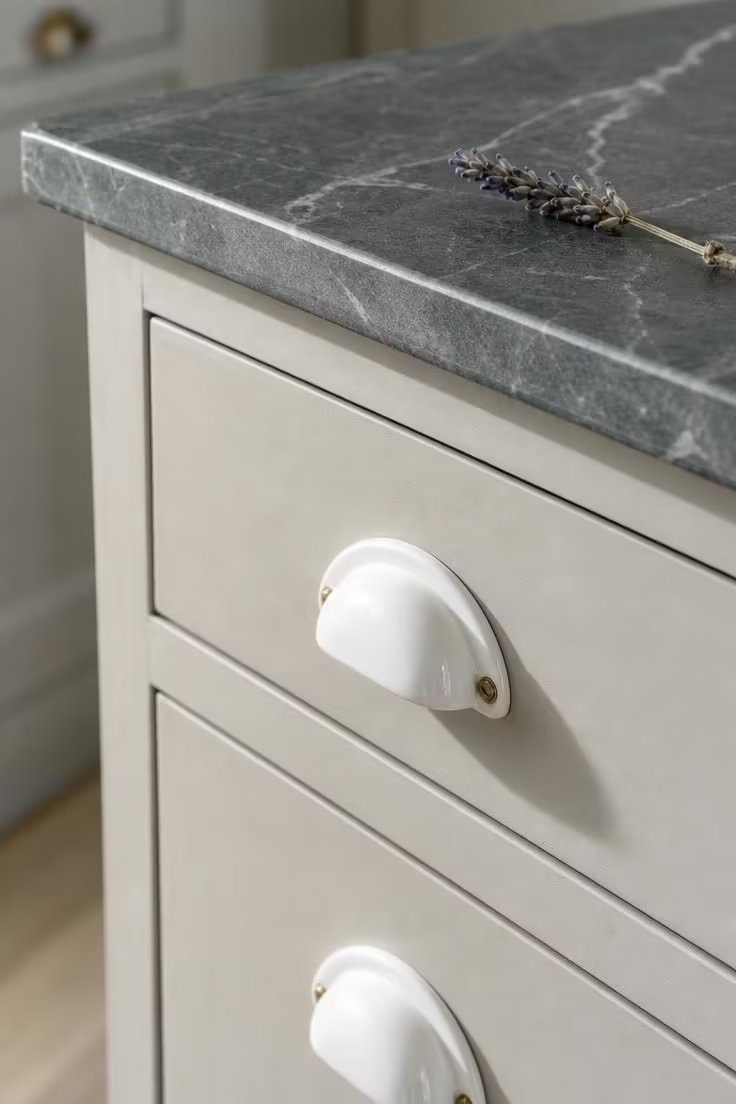
The hardware on a cabinet drawer is the first thing your hand touches, and porcelain bin pulls feel different from every other option.
They are cool, smooth, and weighted in a way that metal pulls are not.
The white porcelain against a putty-colored paint finish creates a contrast that is gentle rather than sharp, keeping the eye relaxed.
Putty is an underused color for vintage kitchen cabinets because it sits between beige and gray without committing to either, which lets it work alongside almost any countertop material.
Soapstone on top completes the pairing with its cool gray-green surface and soft matte finish that never looks shiny or manufactured.
Style Blueprint:
- White porcelain bin pulls with iron screws
- Matte putty-colored paint on drawer fronts
- Soapstone countertop with fine white veining
- Visible brush strokes in the paint finish
- Clean shadow line at the drawer-to-frame joint
A Corner Chimney Alcove Fitted With a Cast Iron Wood Stove
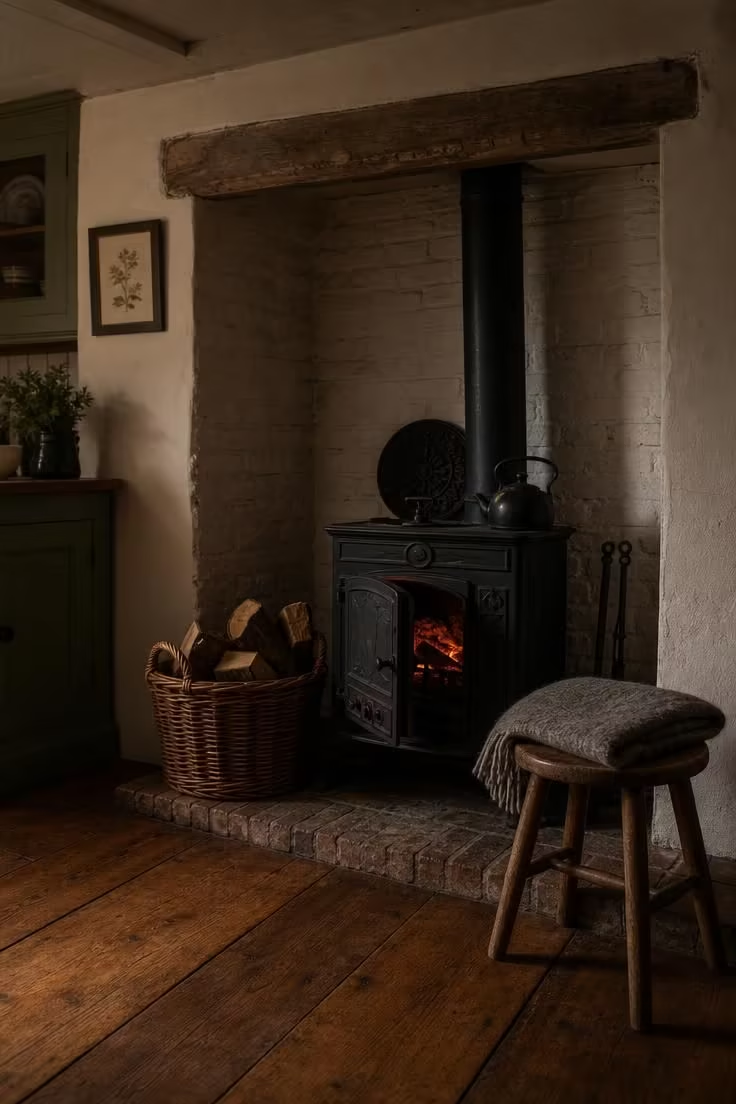
A wood stove in the kitchen is a feature that most modern homes have abandoned, which is exactly why it feels so striking when it reappears.
The cast iron holds heat for hours and radiates it slowly, warming the room long after the fire has died down.
Fitting the stove into a chimney alcove lined with whitewashed brick gives it a sense of permanence, as if the stove and the wall were built together.
The whitewash softens the brick without hiding it, letting the rough texture show through while keeping the alcove bright enough to avoid feeling like a dark hole in the wall.
A willow split-log basket on the hearth is a practical companion that doubles as a textural accent, its woven surface contrasting with the smooth iron of the stove.
The faint orange glow from the coals visible through a cracked stove door is the kind of light that no fixture can reproduce.
A wooden stool with a folded wool blanket nearby suggests that someone sits here while the kettle heats, and that small detail turns the corner from architectural feature into lived-in space.
Style Blueprint:
- Cast iron wood stove with visible coal glow
- Whitewashed brick chimney alcove
- Willow split-log basket on the brick hearth
- Wooden stool with heather gray wool blanket
- Wide-plank oak floor in dark honey finish
Hand-Cut Hex Tile in Matte White Behind a Polished Nickel Bridge Faucet
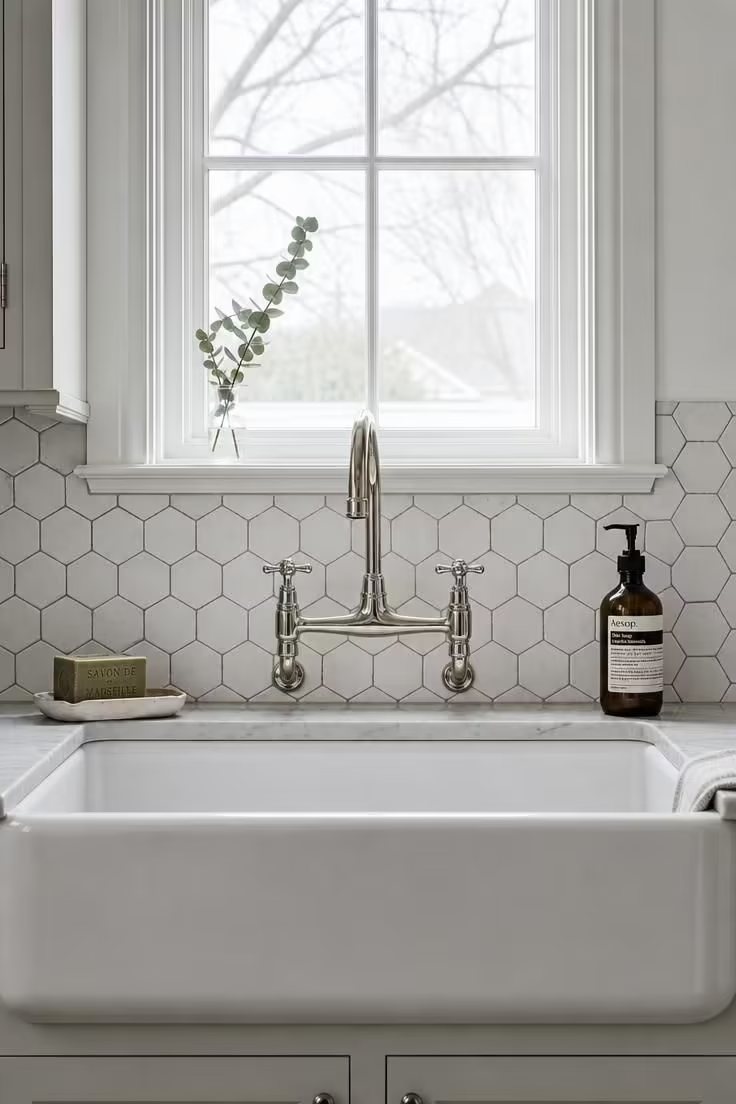
Hand-cut hex tile has a quality that machine-pressed versions miss entirely, a slight wobble in the edges that catches grout at varying widths and creates a surface with real visual texture.
The matte white finish keeps the tile from looking clinical, absorbing light rather than bouncing it back.
A polished nickel bridge faucet above the sink is a period-appropriate choice that wears better than chrome over the years, developing a soft warmth rather than showing water spots.
The cross handles on a bridge faucet are a detail that links the kitchen to an earlier era without sacrificing function, since modern cartridges inside give smooth, reliable operation.
A farmhouse apron sink in fireclay below the faucet anchors the whole composition with its deep basin and rolled rim.
The depth of a fireclay sink makes it practical for soaking large pots and stacking cutting boards, which matters more than looks in a kitchen that gets used daily.
A bar of castile soap on a ceramic dish and an amber glass bottle of dish soap are the kind of styling choices that feel honest rather than arranged.
The eucalyptus stem on the windowsill brings a single note of muted green into an otherwise white and gray scene.
Cool overcast light through the window renders every tile edge and grout line with clarity, the best lighting condition for appreciating handmade surfaces.
Style Blueprint:
- Hand-cut hexagonal tile in matte white with gray grout
- Polished nickel bridge faucet with cross handles
- Deep fireclay farmhouse apron sink with rolled rim
- Amber glass soap bottle and ceramic soap dish
- Eucalyptus stem in a bud vase on the windowsill
Design Pro-Tip: When shopping for hand-cut hex tile, request a sample of at least six tiles before committing. The variation between tiles is the whole point, and you want to see the range of irregularity in person. If every tile looks identical, they are machine-cut tiles sold at a handmade price.
A Ladderback Chair Pulled Up to a Drop-Leaf Pine Breakfast Table
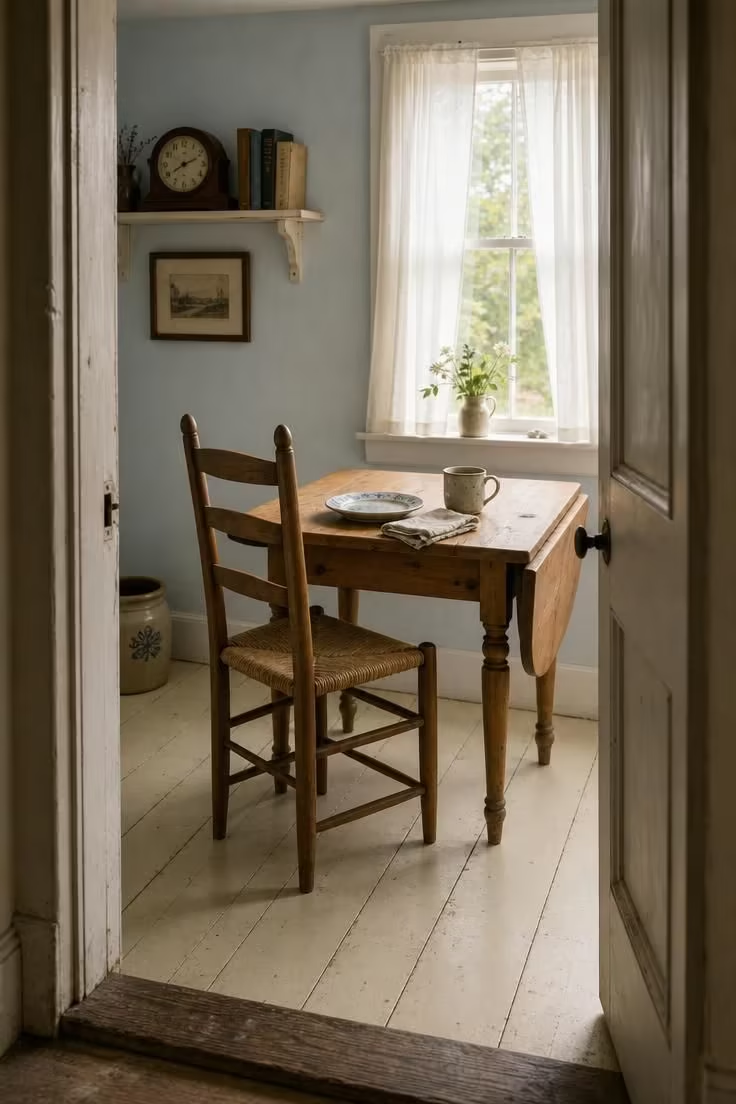
A drop-leaf table is one of the most practical pieces of furniture a small cottage kitchen can hold.
With both leaves down, it presses flat against the wall and takes up almost no floor space.
With one leaf raised, it becomes a breakfast spot for one or two people, and with both leaves up, it can seat four in a pinch.
The pine surface, complete with visible knots and grain, only improves with the scratches and stains that come from daily meals.
A ladderback chair with a woven rush seat is the natural companion, light enough to move with one hand and shaped in a way that has not changed meaningfully in two hundred years.
The pale blue walls and faded cream painted floor create a cottage kitchen color palette that feels airy without being stark, a combination that works well in rooms with limited natural light.
Style Blueprint:
- Drop-leaf pine breakfast table with visible knots
- Ladderback chair with woven rush seat
- Faded cream painted floor
- Pale blue walls
- Stoneware mug and ceramic plate in simple shapes
Milk Paint Cabinet Doors in Bayberry Green With Exposed Butt Hinges
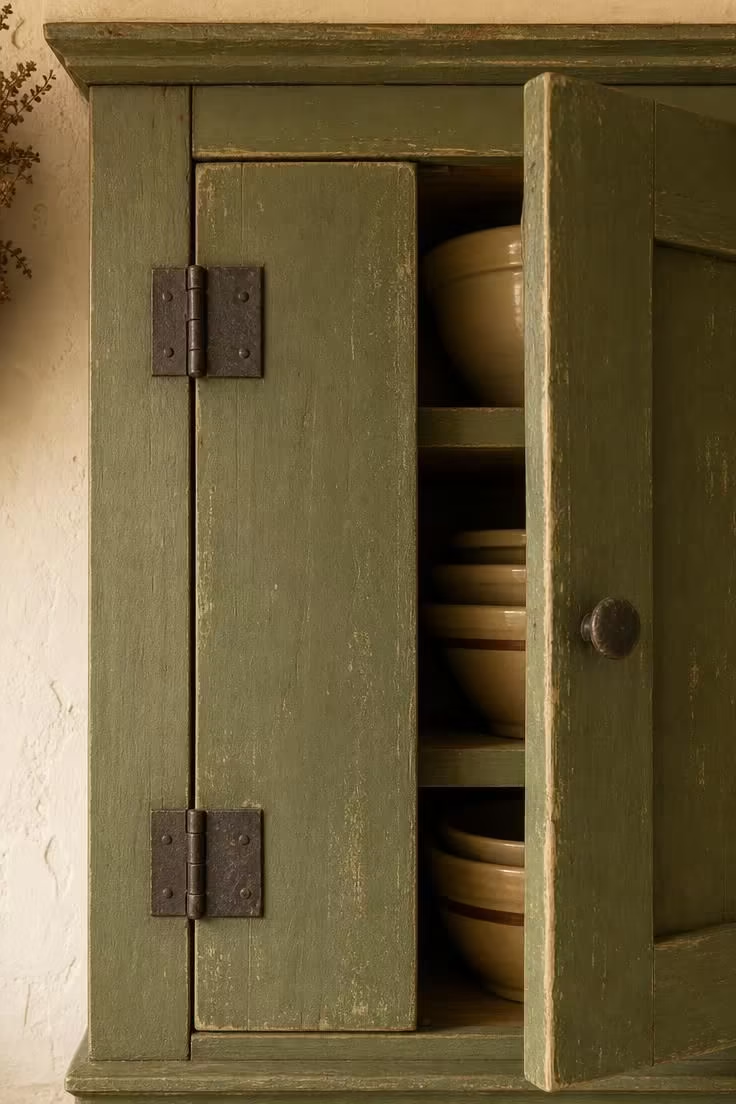
Milk paint behaves differently from latex or oil paint in ways that matter for a vintage cottage kitchen.
It soaks into the wood rather than sitting on top of it, which means the grain and texture of the door remain visible through the color.
Bayberry green is a deep, muted tone that sits between olive and forest without leaning too far in either direction.
On a beadboard kitchen cabinet door, it would read as colonial, but on a flat-panel door with simple iron hardware, it reads as purely cottage.
Exposed butt hinges are a detail most modern kitchens hide, but in a vintage kitchen, visible hardware is part of the character.
The iron pins on each hinge leaf create a small visual rhythm along the cabinet edge that becomes part of the door’s design rather than something to conceal.
Wearing in the paint over time reveals a paler layer beneath, which is not a flaw but a feature of milk paint that synthetic finishes cannot reproduce.
Stacked mixing bowls in cream and brown visible through a partially open door remind anyone looking that this kitchen is used, not just decorated.
Style Blueprint:
- Bayberry green milk paint on flat-panel cabinet doors
- Exposed iron butt hinges with visible pins
- Small iron knob door pulls
- Warm white plaster walls
- Stoneware mixing bowls in cream and brown
A Copper Colander Hanging From a Wrought Iron S-Hook Above the Sink
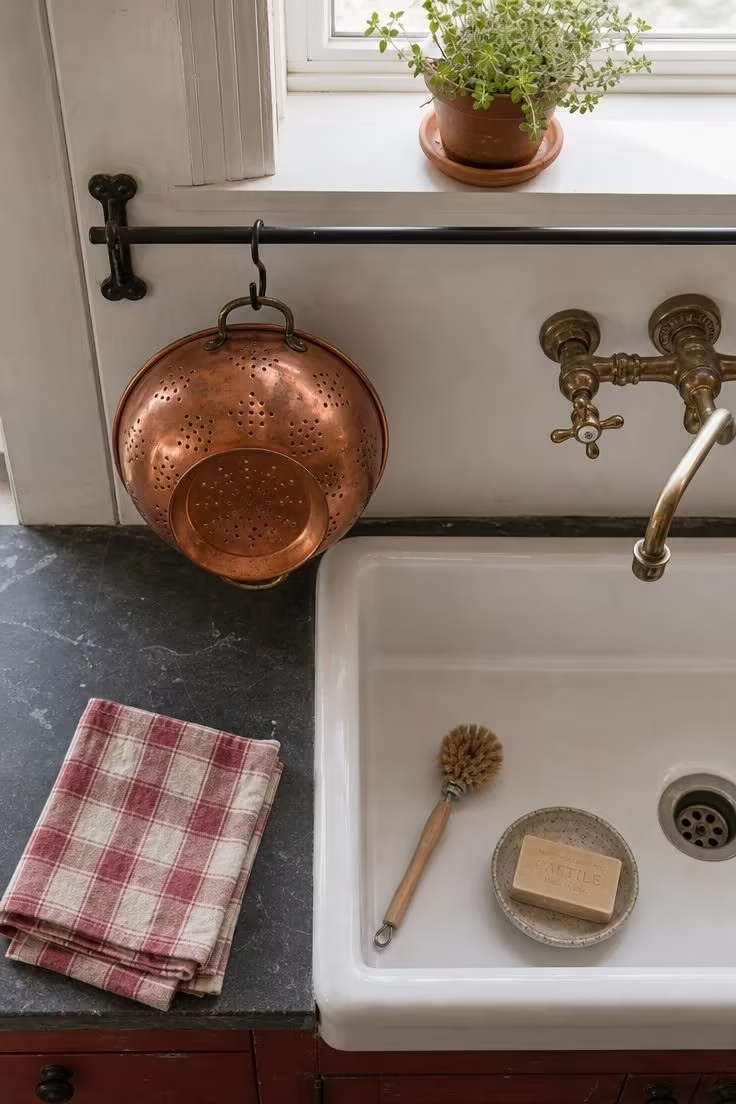
Copper is one of the few materials that looks better the less you polish it.
A colander in solid copper, hung from a wrought iron S-hook where you can grab it with one hand, serves as both tool and visual anchor above the sink.
The patina deepens from bright penny to a warm amber-brown over months of steam and splashing water, and that shift in color tells the story of a kitchen in constant use.
Wrought iron S-hooks on a small rail above the sink are the most practical hanging system for a vintage kitchen, since they let you add or remove items without drilling new holes.
The checked linen towel in faded red and cream is the kind of textile that belongs in cottage kitchen decor, soft from many washes and patterned in a way that hides stains.
A natural-bristle scrub brush and a bar of soap on a ceramic dish replace the plastic bottle of dish soap with objects that look like they belong in the scene.
Honed soapstone on the countertop ties back to the sink area with its cool, matte surface that hides water marks and scratches.
Style Blueprint:
- Solid copper colander with natural patina
- Wrought iron S-hooks on a small iron rail
- Checked linen towel in faded red and cream
- Natural-bristle scrub brush and castile soap bar
- Honed soapstone countertop with wear marks
Peeling Paint Salvage Doors Rehung as Pantry Cabinet Fronts
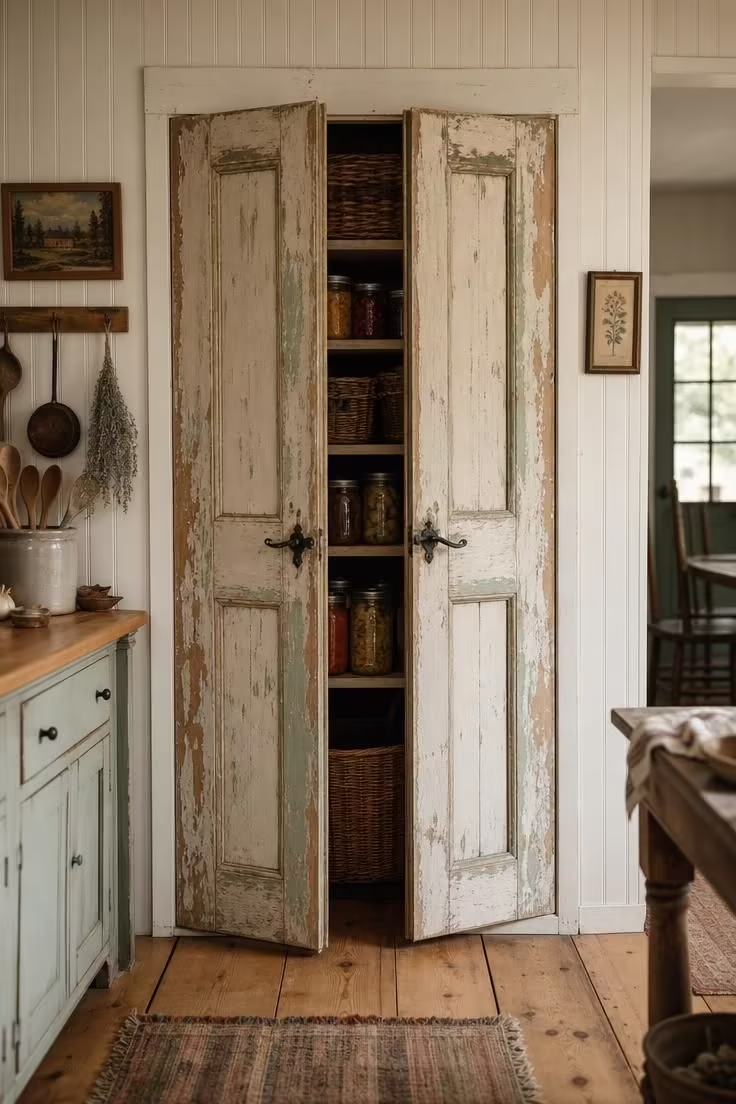
Salvage doors bring a depth of surface that no new door can match, no matter how carefully you distress the finish.
The peeling layers reveal a color history, white over pale green over bare wood, that suggests decades of someone else’s choices still visible in the grain.
Rehanging these doors as pantry cabinet fronts is one of the most characterful moves in any vintage cottage kitchen, because the doors become the focal point of the wall.
Simple iron turn-latches are the right hardware here, anything more polished would fight with the rough texture of the salvaged wood.
Through the gap between the doors, wicker baskets and glass jars of home-canned goods on the shelves inside give the pantry a working, stocked appearance.
A beadboard kitchen wall beside the pantry provides a clean, repetitive texture that contrasts with the irregular surface of the doors, letting each element sharpen the other.
Style Blueprint:
- Salvage doors with layers of peeling paint in white and pale green
- Simple iron turn-latches as door hardware
- Wicker baskets and glass canning jars on interior shelves
- Warm white beadboard wall paneling
- Woven rug in muted earth tones at the pantry base
Design Pro-Tip: When sourcing salvage doors, measure the thickness as well as the height and width. Older doors are often thicker than modern standard, which may require shimming the hinges or routing the cabinet frame. A carpenter can plane the edges for a clean fit without removing the aged face of the door.
Conclusion
A vintage cottage kitchen works when every object in it could answer the question, “Why are you here?”
The answer should never be “because it matched.”
It should be something closer to “because it was the right weight, or the right color, or the right price at the right time.”
That instinct for choosing things one at a time, rather than all at once, is what gives these kitchens their warmth.
Start with a single piece, a bin pull, a painted door, a copper colander, and let the rest follow at its own pace.
The room will tell you what it needs next, if you give it enough time to speak.