This post may contain affiliate links. If you make a purchase through these links, we may earn a commission at no additional cost to you.
A porch in summer is the closest thing to an extra room you can get without calling a contractor.
The right combination of furniture, plants, and lighting turns a bare concrete slab or a weathered wood deck into a space you actually want to sit in after dinner.
This collection covers 13 specific setups, each built around one clear scene, so you can see the full picture before you start buying anything.
Every summer porch decor idea pairs exact materials, colors, and plant choices, whether you have a deep wraparound porch or a narrow covered stoop with just enough room for two chairs.
A Low Rattan Daybed With Rolled Linen Bolsters Under a Ceiling Fan
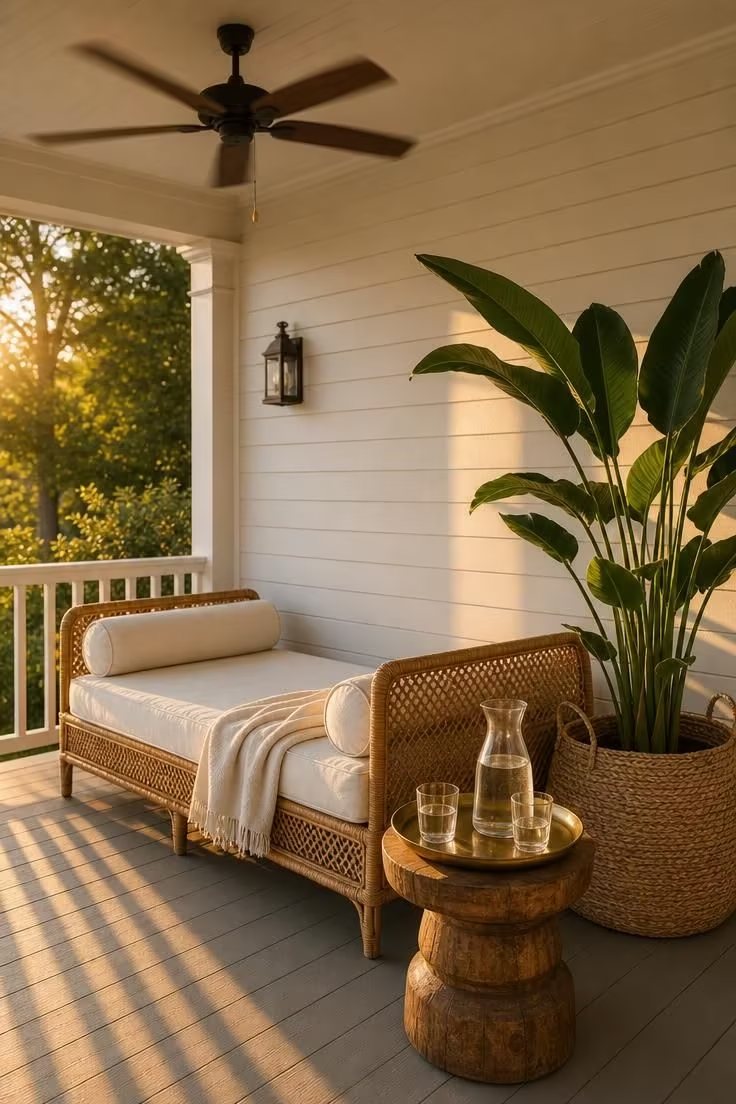
There is something about a daybed on a porch that changes how you use the space entirely.
Instead of sitting upright in a chair, you stretch out, and the porch stops feeling like a passageway and starts feeling like a destination.
The rattan frame works here because it is light enough to move around but sturdy enough to hold its shape through a full season of humidity and afternoon rainstorms.
Rolled linen bolsters at each end serve a double purpose, giving you armrests when you sit upright and a pillow when you lie flat.
The bird-of-paradise beside the daybed adds height without taking up much floor space, and its wide leaves create a tropical backdrop that makes the scene feel more intentional.
A single brass tray on a low stool keeps drinks within reach and prevents that cluttered-surface look that happens when mugs and books pile up without a landing zone.
The ceiling fan overhead is the finishing detail that separates a porch you photograph from one you actually use, because even a light breeze makes 90-degree afternoons bearable.
Style Blueprint:
- Low rattan or cane daybed frame with a weather-resistant mattress pad
- Rolled linen bolsters in off-white or natural flax
- Woven seagrass belly basket with a tall leafy plant
- Turned teak or acacia accent stool
- Matte black outdoor ceiling fan with wood-toned blades
A Copper Beverage Station on a Folding Wood Cart Beside the Screen Door
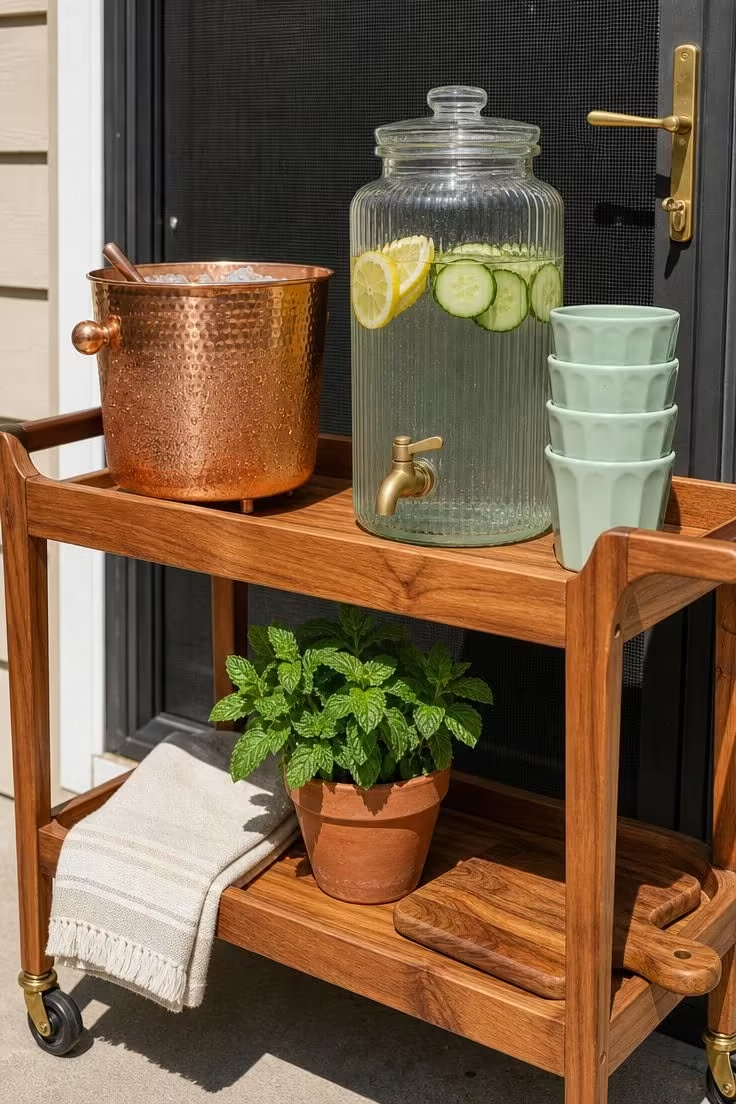
A dedicated drink station solves one of the most common porch problems: people constantly going back inside to refill their glasses.
A folding wood cart keeps things portable, so you can roll it out when friends come over and fold it away on weekdays.
The copper ice bucket is the anchor piece here, and hammered copper ages beautifully through the summer, developing a patina that makes it look better in September than it did in June.
Fresh mint on the lower shelf is a smart detail for patio decor because it serves as both a garnish and a living plant that smells good every time someone brushes past it.
The screen door backdrop grounds the whole setup in a porch context, reminding you that the kitchen is just a few steps away if supplies run low.
Keeping everything on one cart means cleanup takes about two minutes at the end of the night.
Style Blueprint:
- Folding acacia or teak bar cart with two shelves
- Hammered copper ice bucket
- Glass beverage dispenser with a spigot
- Melamine or acrylic tumblers in a single accent color
- Small potted mint or basil on the lower shelf
An Oversized Terracotta Floor Pot With Ornamental Banana and Coleus at the Stair Landing
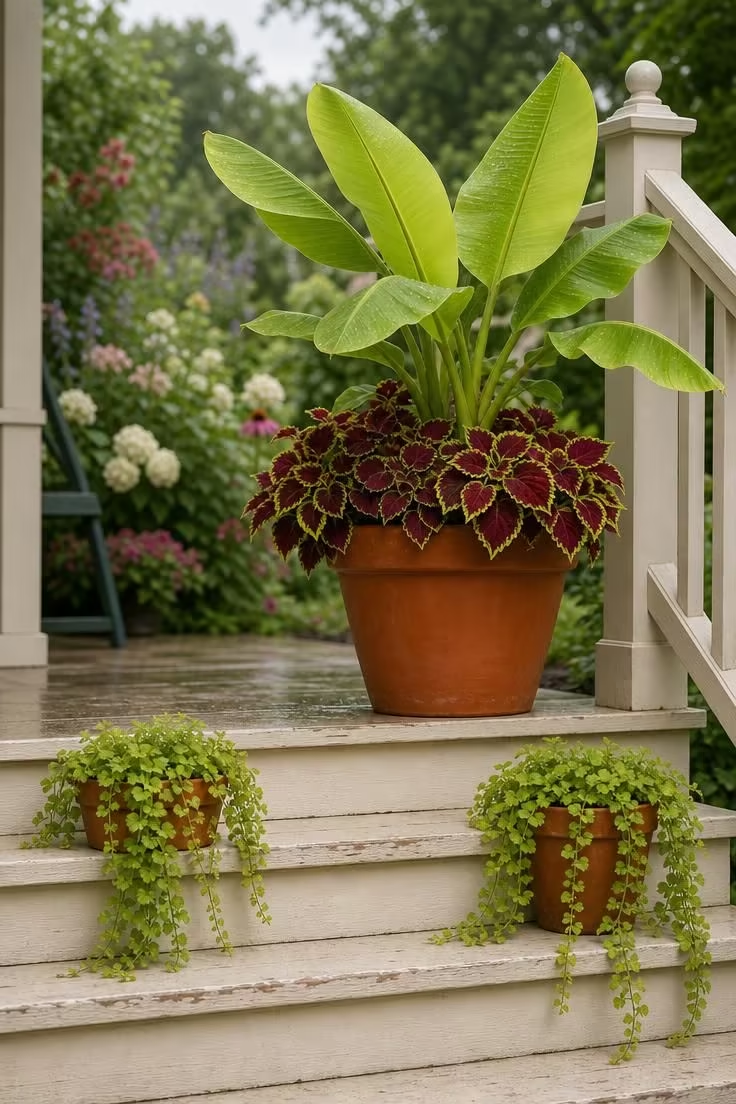
Container gardening at the stair landing is one of the fastest ways to make a porch feel finished, because it is the first thing visitors see as they walk up.
The ornamental banana works as a thriller plant here, with leaves wide enough to fill the upper third of the frame without needing three or four different tall plants crammed together.
Coleus does the heavy lifting on color, and the burgundy-chartreuse combination reads as rich and deliberate rather than random.
Trailing creeping jenny on the flanking steps connects the arrangement vertically so the whole staircase looks like one cohesive planting rather than isolated pots dropped in place.
Terracotta is the right material choice because it breathes, letting excess moisture evaporate through the walls, which keeps roots healthier in summer heat than plastic or glazed ceramic.
The overcast morning light in this scene is worth noting: diffused light makes foliage colors look more saturated, so if you are photographing your own porch plants for social media, an overcast day will give you better images than direct sun.
Grouping pots in odd numbers and graduated sizes creates a natural rhythm that your eye follows without effort.
Watering these containers daily in peak summer is non-negotiable, because terracotta dries out faster than any other material.
Style Blueprint:
- One 24-inch terracotta floor pot as the anchor
- Dwarf ornamental banana or canna lily as the thriller plant
- Coleus in two contrasting colors as filler
- Two smaller terracotta pots with trailing creeping jenny or sweet potato vine
- Hand-lettered or stamped plant markers (optional but adds a personal touch)
A Macrame Hammock Chair Suspended From a Painted Beam in Sage Green
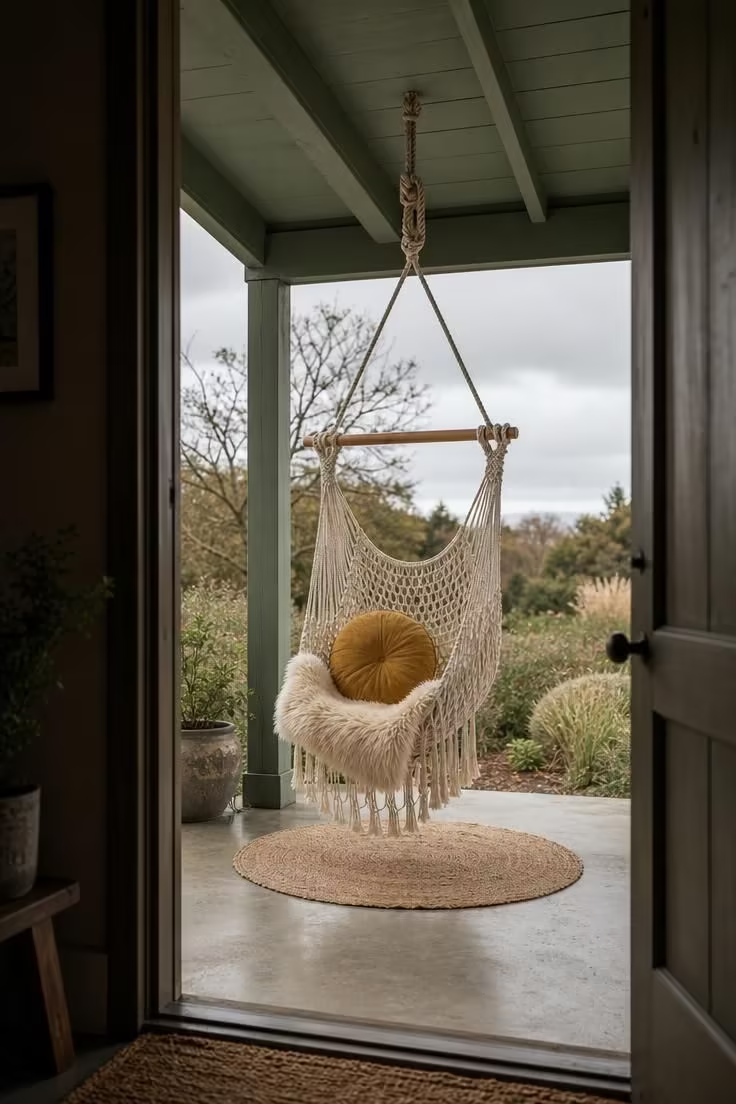
A hanging chair changes the way a porch feels because it introduces movement, and that gentle sway turns sitting into something closer to resting.
Macrame works especially well as outdoor porch furniture because the open weave dries quickly after rain and never traps moisture the way solid fabric hammocks can.
The sage green beam is a subtle detail that ties the chair into the architecture of the porch itself, making the whole setup look planned rather than added on.
A sheepskin throw over the seat adds warmth on cooler summer evenings when the temperature drops after sunset, and it softens the texture of the cord against bare legs.
The mustard pillow introduces a second warm tone that balances the coolness of the green and gray, keeping the palette from feeling too muted.
Shooting this from the doorway creates one of the most compelling front porch ideas for social media, because the interior-to-exterior framing adds depth that a straight-on photo lacks.
Concrete floors underneath a hanging chair are ideal, since they provide the structural support that wood planks sometimes lack at specific beam-to-joist connections.
Style Blueprint:
- Handwoven macrame hammock chair rated for outdoor use
- Thick nautical-grade rope for hanging hardware
- Round jute floor mat (3 to 4 feet diameter)
- Sheepskin or faux sheepskin seat throw
- Round outdoor pillow in a warm accent color
Design Pro-Tip: When you hang a chair or swing from a porch beam, test the attachment point by applying twice the expected weight load before anyone sits in it. A structural lag bolt into a beam is safe. An eye hook into a ceiling board is not. If you are unsure about the beam location, a stud finder rated for thick wood will save you a lot of trouble.
A Row of Mismatched Ceramic Lanterns on a Whitewashed Brick Half-Wall

Porch lighting at dusk is the moment when a porch either invites you to stay outside or sends you back in, and a row of glowing lanterns tips the balance toward staying.
Mismatched shapes are intentional here, because a set of five identical lanterns reads as catalog-ordered, while varied heights and profiles feel collected over time.
The whitewashed brick surface is the right backdrop because it catches and scatters the candlelight, amplifying the glow without needing additional fixtures.
Ceramic holds heat from the day and releases it slowly through the evening, so these lanterns feel warm to the touch at dusk.
Battery-operated pillars are the practical choice, since real flame on a windy porch is a constant relighting chore and a fire risk near draped textiles.
Limiting the color range to cool tones, celadon, indigo, sage, bone, keeps the collection looking curated even though no two pieces match in shape.
Style Blueprint:
- Five hand-glazed ceramic lanterns in varied heights (8 to 16 inches)
- Battery-operated pillar inserts with warm amber LED and timer function
- Whitewashed or limewashed brick surface for light reflection
- Cool-toned glaze palette (celadon, indigo, sage, bone white)
- Spacing of 6 to 8 inches between each lantern for breathing room
A Woven Polypropylene Rug in Charcoal Chevron Anchoring Two Canvas Sling Chairs
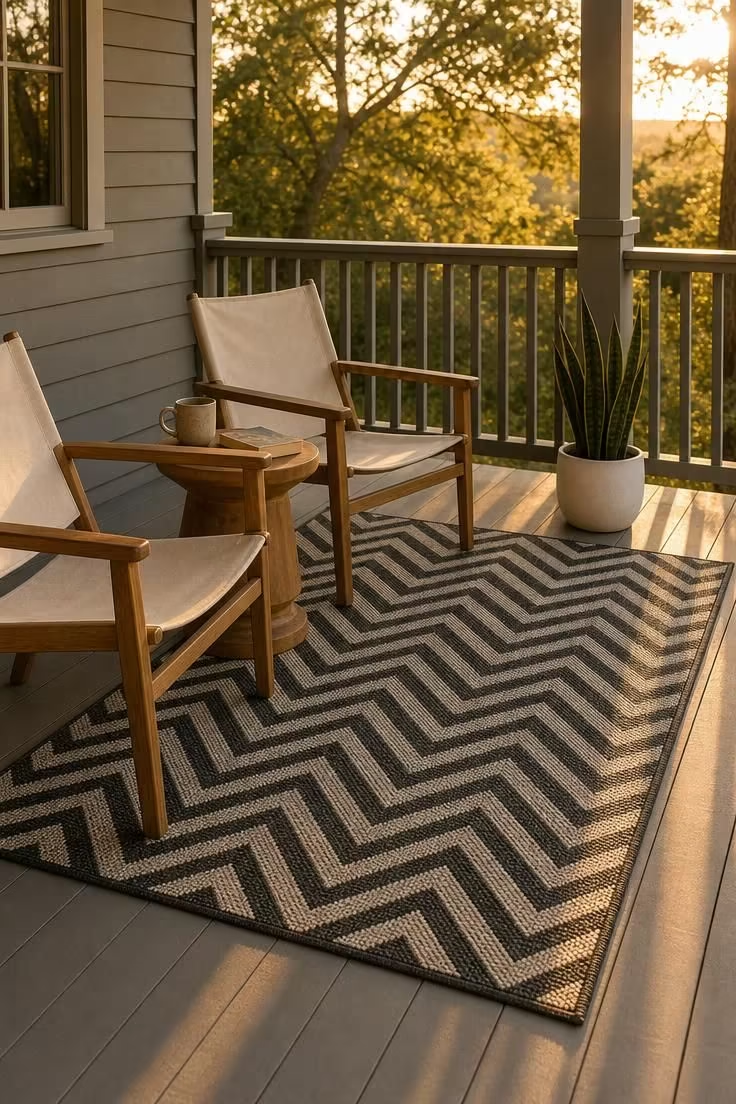
A porch rug does more than add pattern: it tells your eye where the seating area starts and where the walkway ends.
The charcoal chevron works on a gray floor because it adds contrast without clashing, and chevron patterns are forgiving enough to hide dirt and foot traffic marks between cleanings.
Polypropylene is the material to choose for outdoor use because it resists UV fading, dries in under an hour after rain, and can be hosed off when pollen season coats everything in yellow.
Canvas sling chairs strike a balance between comfort and portability, folding flat when you need to clear the porch for a heavy storm.
The teak side table between them is small enough that it does not crowd the arrangement but large enough to hold two drinks and a book.
Golden hour light is doing a lot of the work in this image, and the warm side light hitting the canvas and wood gives everything a honeyed warmth that overhead midday light cannot replicate.
A single tall plant at the far end of the rug acts as a visual bookend, closing the arrangement so it reads as a complete room rather than furniture floating in open space.
Outdoor throw pillows in a linen or canvas cover tossed on each chair would add softness if the sling fabric alone feels too firm.
Style Blueprint:
- 5×7 flatweave polypropylene rug in a high-contrast geometric pattern
- Two canvas-and-wood sling chairs or director’s chairs
- Small turned teak or acacia side table
- One tall potted plant (snake plant, dracaena, or fiddle-leaf fig) as a bookend
- Stoneware mug or tumbler for a lived-in look
A Galvanized Shelf Bracket Herb Garden Mounted to Clapboard Siding
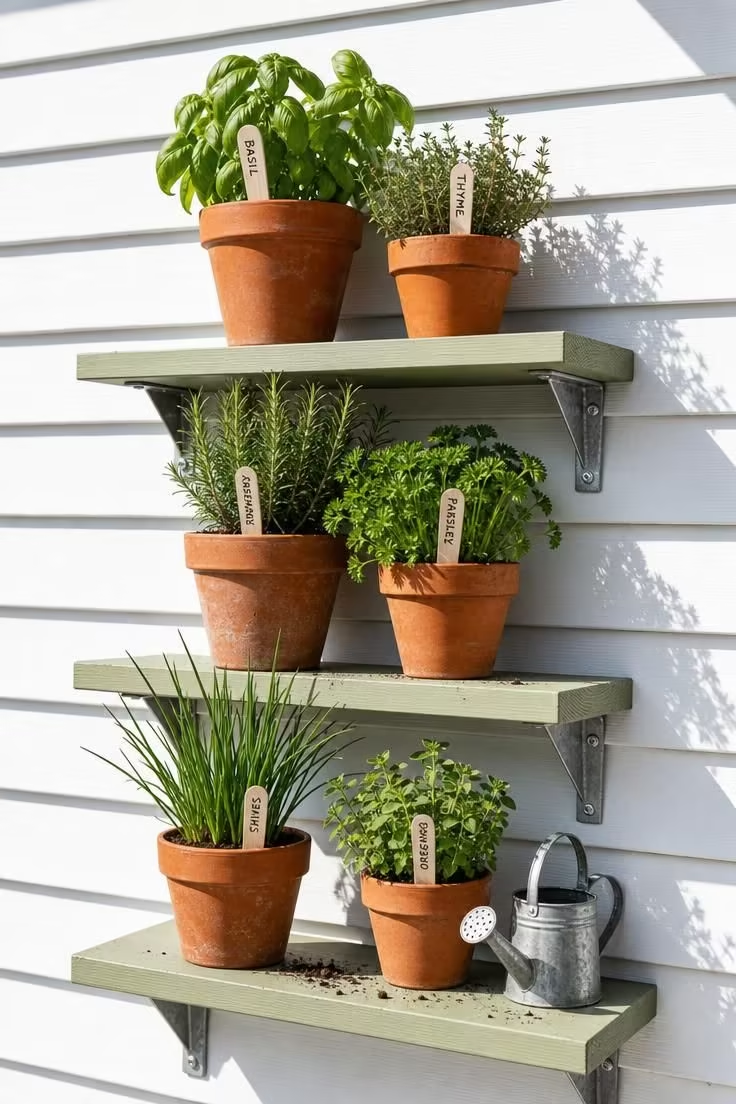
Mounting herbs to the wall frees up every square inch of floor space, which matters most on narrow porches where a single planter can block the walkway.
Galvanized steel brackets are the right hardware because they resist rust and their industrial look pairs well with the simplicity of clapboard siding.
Six porch plants in one vertical arrangement gives you a full herb supply without the sprawl of a traditional container garden, and having them near the dining area means you can pinch off fresh basil mid-meal.
Terra cotta breathes better than plastic, and the warm orange color of the pots against white siding creates a Mediterranean feel that suits summer perfectly.
Hand-lettered birch markers are a small detail that guests always notice, and they cost almost nothing to make with a fine-tip permanent marker and a bag of craft sticks.
Watering a wall-mounted herb garden requires more attention than ground-level pots because water drains faster when gravity pulls it straight through, so daily checks are the standard here.
Style Blueprint:
- Three galvanized steel shelf brackets rated for 30 pounds each
- Painted pine plank shelves (1×6 boards cut to 24 inches)
- Six terra cotta pots (4 to 6 inch diameter) with drainage holes
- Fresh herb starts: basil, rosemary, thyme, parsley, chives, oregano
- Birch stake plant markers with hand-lettered names
A Slatted Cedar Privacy Screen With Climbing Jasmine Framing a Corner Seat
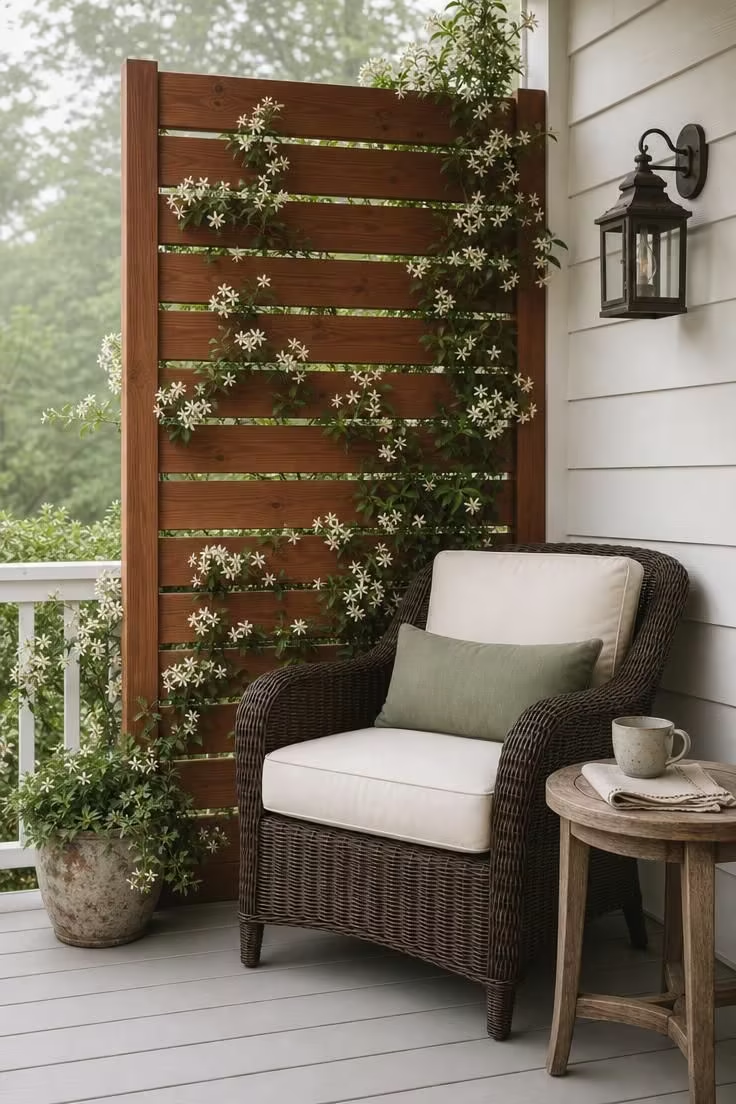
Privacy on an open porch is hard to come by without blocking airflow, and a slatted screen solves both problems at once.
Cedar resists rot and insect damage naturally, so it will outlast pressure-treated pine by several years without needing a chemical sealant.
Star jasmine is the climbing vine of choice because it blooms heavily in summer, smells wonderful from several feet away, and grips the slats on its own without needing ties or training wire.
The wicker armchair tucked behind the screen creates a reading nook that feels separated from the rest of the summer front porch without actually being enclosed.
A cream cushion keeps the seat bright against the dark espresso wicker, and the sage lumbar pillow connects the chair to the green of the jasmine overhead.
This kind of corner arrangement works best on L-shaped or wraparound porches where one section naturally forms a pocket that is out of the main traffic path.
The fragrance element is what makes this setup different from a standard chair-and-plant pairing: jasmine fills the air on warm evenings, and that scent memory ties the space to summer in a way that visual decor alone cannot.
Style Blueprint:
- Freestanding slatted cedar screen (6 feet tall, 4 feet wide, with feet or stakes for stability)
- Star jasmine or confederate jasmine starter plant
- Deep-seat wicker armchair in espresso or dark walnut finish
- Thick outdoor cushion in cream or natural canvas
- Small round weathered teak side table
Design Pro-Tip: If your porch gets fewer than four hours of direct sun, swap the jasmine for a climbing hydrangea or creeping fig. Both tolerate shade, grip wood slats without hardware, and fill a screen within two growing seasons. The jasmine will struggle and bloom poorly without consistent sun.
A Painted Porch Ceiling in Pale Peach With a Rattan Pendant Light
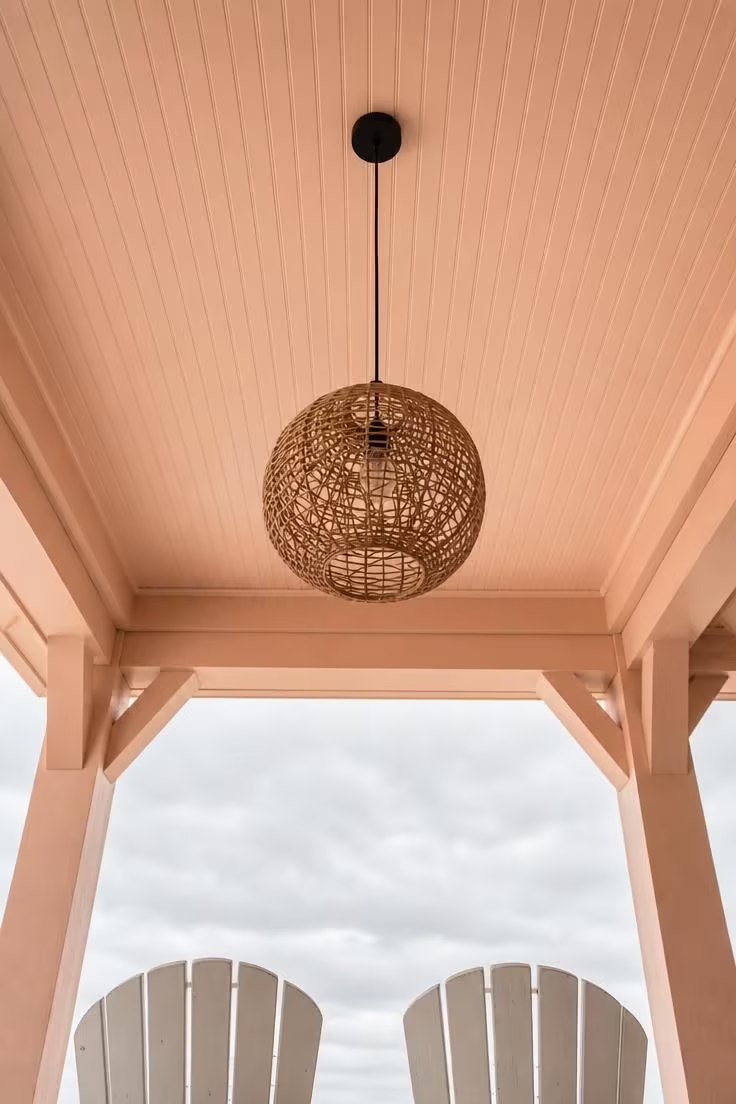
Most people never think about the porch ceiling, which is exactly why painting it makes such a strong impression.
Pale peach replaces the traditional haint blue with something warmer, and the color bounces reflected light downward, giving faces and furniture a flattering warm cast even on gray days.
Beadboard panels are the classic choice for porch ceilings because the grooves add visual texture that flat drywall cannot match, and they hide minor imperfections better than a smooth surface.
The rattan pendant is the focal point that makes this ceiling feel intentional rather than just painted, and the open weave will throw geometric shadow patterns across the floor and walls once the bulb turns on at dusk.
A long black cord drop keeps the pendant at the right height for visual impact without interfering with headroom, and matte black hardware contrasts cleanly against the warm peach surface.
Choosing the same peach for both the ceiling panels and the beams creates a monochromatic canopy that makes the whole porch feel lower and cozier, almost like the ceiling is wrapping around you.
This is one of the most affordable porch upgrades you can do in a weekend: a gallon of exterior ceiling paint and a rattan pendant from a home goods store will cost less than a single piece of outdoor porch furniture.
The overcast light in this image is important because it shows how the peach reads in flat light, which is the most common condition, rather than in golden hour when almost any color looks warm.
Visitors who sit on this porch will look up, and that moment of noticing the color is the kind of detail that makes a space feel thoughtfully designed.
Style Blueprint:
- Exterior-grade paint in pale peach (look for undertones of apricot, not pink)
- Beadboard or tongue-and-groove ceiling panels
- Large open-weave rattan globe pendant (16 to 20 inches diameter)
- Matte black ceiling mount and cord
- Outdoor-rated LED bulb in warm white (2700K)
A Linen Table Runner on a Narrow Plank Table Set for Two With Stoneware Plates

A narrow table against the railing turns even a four-foot-wide porch into a dining space, and setting it with real dishes instead of paper plates changes the feeling of the meal.
Reclaimed pine has enough character, knots, nail holes, grain variation, to look good without a tablecloth.
The linen runner is deliberately not pressed flat, because the slight rumple makes the table look like someone just sat down rather than staged it for a photo.
Stoneware plates in speckled cream pick up the warm tones of the wood and the linen, creating a tonal palette that feels cohesive without being matched.
Brass flatware with a matte finish reads as warm and relaxed, where polished silver would feel too formal for a porch dinner.
The beeswax taper and dried grasses form a low centerpiece that does not block the view across the table, which matters when patio decor is competing with a garden view for attention.
Style Blueprint:
- Narrow reclaimed wood plank table (48 to 60 inches long, 20 to 24 inches deep)
- Natural undyed linen table runner
- Handmade stoneware dinner plates in a neutral speckled glaze
- Linen napkins in terracotta, rust, or sage
- Brass flatware with a matte or brushed finish
Design Pro-Tip: A narrow table against the railing needs weight at the base to keep it stable, especially if someone leans on the far edge. Choose a table with a trestle base rather than four legs, or add a sandbag to the bottom stretcher bar. This small precaution prevents the table from tipping forward toward the garden, which is the kind of accident that ruins both dinner and the planters below.
A Cluster of Glazed Stoneware Pots in Ocean Blue Holding Trailing Lobelia and Silver Falls
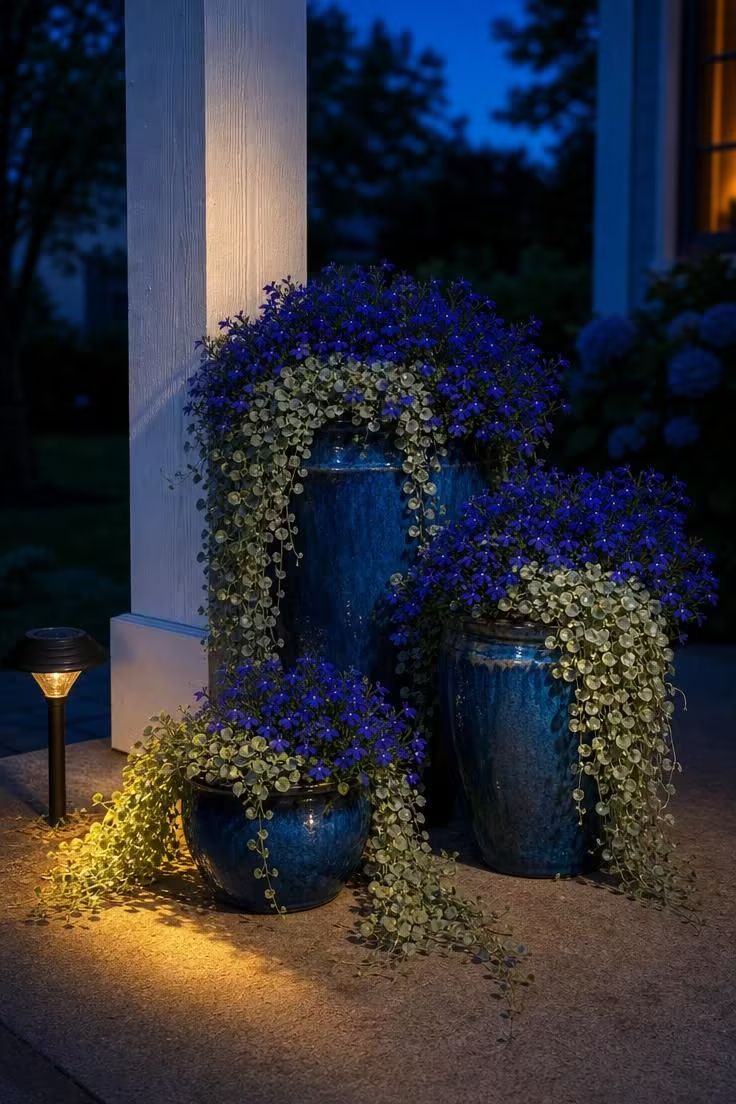
Grouping pots at the base of a column gives the column a purpose beyond holding up the roof, turning a structural element into a planting anchor.
The ocean blue glaze is a strong choice because it reads as decorative in daylight and nearly disappears into the twilight sky at dusk, letting the plants and the warm path light take over.
Trailing lobelia and Silver Falls dichondra pair well because their foliage textures contrast sharply: the lobelia has small, dense clusters of flowers while the dichondra has round silver leaves on long cascading stems.
Three graduated sizes arranged front-to-back create depth in a tight space, which is useful when you only have a two-foot-wide zone between the column and the walkway.
A single solar path light is all the supplemental porch lighting this arrangement needs, and placing it at ground level angles the light upward through the trailing foliage to create shadow patterns on the column.
Glazed stoneware handles summer rain better than unglazed terra cotta because the glaze prevents moisture from seeping into the clay walls, which means no white salt deposits forming on the surface.
Lobelia prefers partial shade and consistent moisture, so a column base on the north or east side of the porch is the ideal spot.
Style Blueprint:
- Three glazed stoneware pots in graduated sizes (8, 12, and 16 inches)
- Ocean blue or deep cobalt glaze finish
- Trailing lobelia in sapphire or deep blue
- Dichondra Silver Falls for cascading silver foliage
- One solar-powered stake or path light positioned at ground level
A Striped Outdoor Curtain Panel Tied Back With Jute Rope on a Corner Post
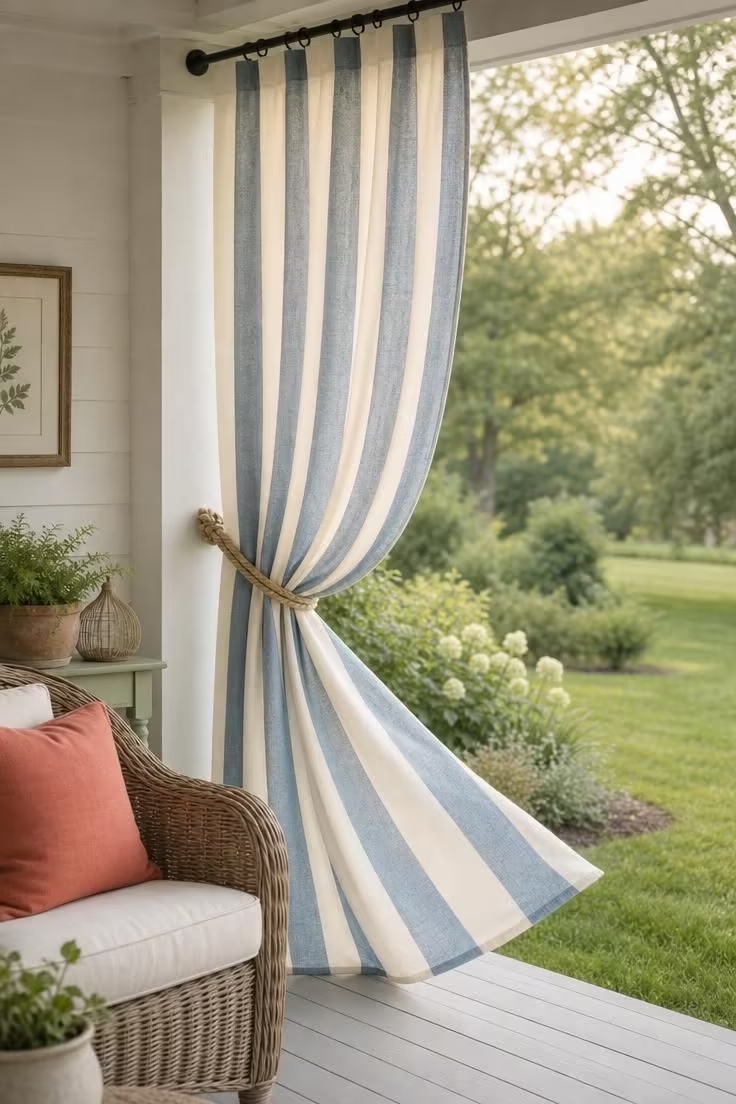
One curtain panel can change the entire character of an open porch, making it feel like a room with walls that happen to move in the wind.
The stripe pattern works better than a solid for a porch because the lines draw your eye vertically, making a standard eight-foot ceiling feel taller.
Jute rope as a tieback adds a natural, nautical texture that connects to the outdoor setting and holds up to weather far better than fabric tiebacks that sag when wet.
Tying the panel at mid-height is the right move, because it lets light in at the top while the loose lower half provides partial privacy at seated eye level.
A single panel is enough to mark the boundary of the sitting area without darkening the whole porch, and it costs a fraction of what a full curtain set would run.
Outdoor throw pillows in coral on the nearby wicker chair pick up a warm tone that balances the cool blue of the stripe, preventing the color scheme from feeling cold.
The breeze effect is the hidden benefit here: outdoor fabric catches even light air movement and makes it visible, turning the porch into a space that feels alive and responsive to the weather outside.
The black iron rod is a cleaner look than a white one because it outlines the top edge of the panel against the ceiling, giving the fabric a defined starting point.
Style Blueprint:
- One panel of outdoor-rated wide-stripe fabric (Sunbrella or solution-dyed acrylic)
- Matte black iron curtain rod with simple end caps
- Thick jute or manila rope tieback (1 inch diameter)
- Standard curtain rings with clips for easy removal during storms
- Porch swing or wicker chair nearby with a warm-toned outdoor throw pillow
A Solar-Powered String Light Spiral Wrapped Around a Porch Column With Potted Ferns at the Base
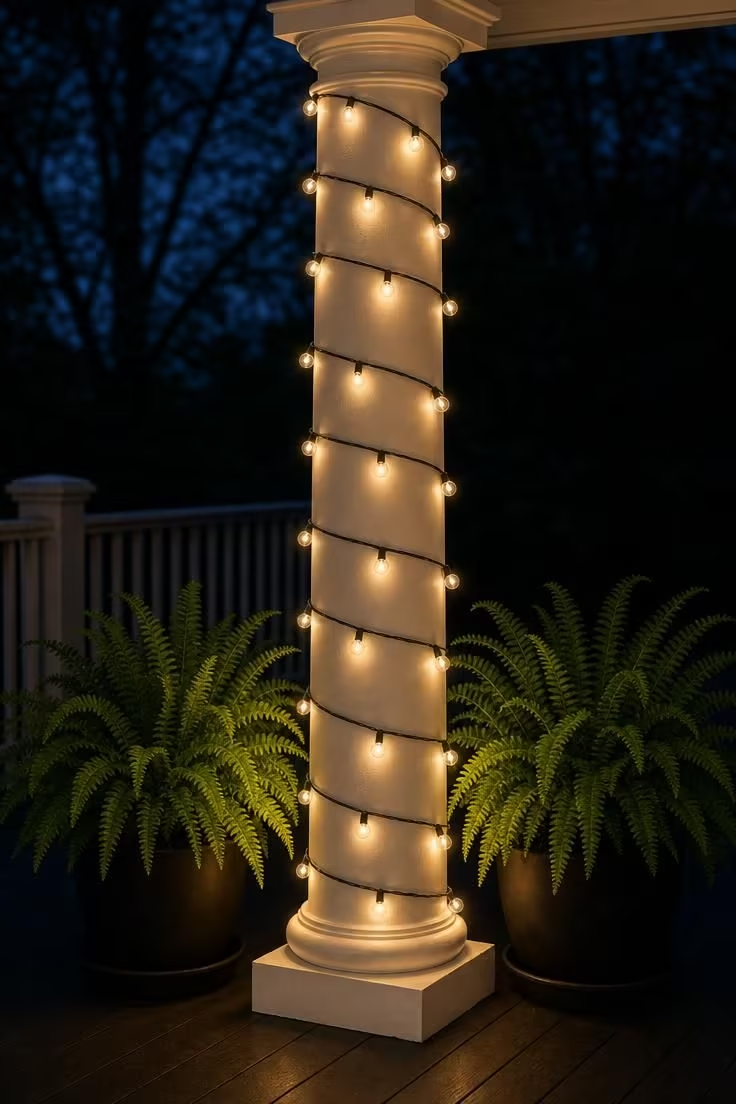
A wrapped column becomes a light source and a decorative object at the same time, solving the problem of porch lighting without adding any new fixtures to the ceiling or wall.
Solar-powered string lights are the practical choice because they charge during the day and turn on automatically at dusk, with no wiring, no outlet, and no switch to remember.
The spiral pattern is what makes this look intentional rather than tangled, and spacing the loops evenly from bottom to top gives the column a barber-pole rhythm that reads as designed.
Boston ferns at the base anchor the column to the floor and soften the hard transition between the vertical column and the horizontal porch surface.
Matte black pots against a white column create the sharpest possible contrast, making both the pots and the column look more defined than they would in matching white.
Style Blueprint:
- Solar-powered globe string lights (warm white, 2700K, at least 25 feet)
- Small adhesive clips or clear zip ties for attaching lights to the column
- Two Boston ferns in 10 to 12 inch matte black ceramic pots with saucers
- Consistent 6-inch spiral spacing from base to top of column
- Solar panel stake placed in a sunny pot or garden bed nearby
Conclusion
Summer porch decor works best when you pick one or two ideas from this list and build around them rather than trying to do everything at once.
A daybed with a rug anchors the whole space, and then a beverage cart or a set of lanterns fills in the details.
Plants do more work per dollar than any piece of furniture, and a single oversized pot at the stair landing can change the look of your porch for the cost of a few nursery plants.
Start with whatever catches your eye, live with it for a week, and add the next layer once you know how you actually use the porch.
The best summer porch decor is the setup that makes you choose the porch over the couch, night after night, all season long.