This post may contain affiliate links. If you make a purchase through these links, we may earn a commission at no additional cost to you.
Your front porch tells people who you are before you ever open the door.
It’s the first thing visitors see, the last thing they notice when they leave, and the spot where you’ll spend more time than you planned on a warm evening with nowhere to be.
Whether your porch is a generous wraparound or barely wide enough for a chair and a planter, a few smart choices can turn it into something worth lingering on.
These 19 front porch ideas cover everything from furniture and plants to lighting and seasonal touches — all designed to make your entryway feel like a real extension of your home.
Layered Neutral Textiles on a Farmhouse Rocker
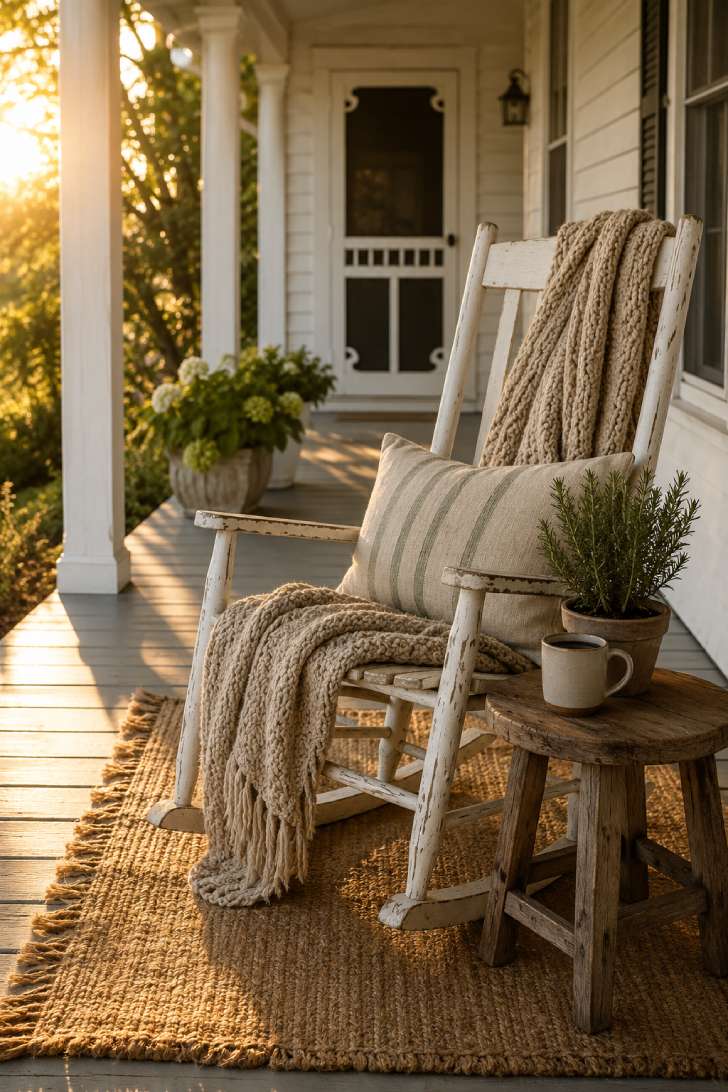
There’s something about a rocking chair on a front porch that makes a house look like people actually live there.
The trick is in the textiles you pile onto it.
A chunky knit throw in oatmeal or cream gives the chair weight and warmth without competing with anything else on the porch.
Pair it with a single lumbar pillow in a muted stripe or natural linen, and the whole corner feels pulled together.
Light plays a big role here — that late-afternoon glow hitting a textured blanket creates depth that a bare chair never could.
The subtle contrast between rough jute underfoot and soft knit above keeps the eye moving and makes the space feel considered rather than accidental.
Style Blueprint:
- Wooden rocking chair in white or natural finish
- Chunky knit throw in a neutral cream or oatmeal tone
- Linen lumbar pillow with a muted stripe
- Small reclaimed wood side table
- Jute area rug with frayed edges
Oversized Planters Flanking a Bold Front Door
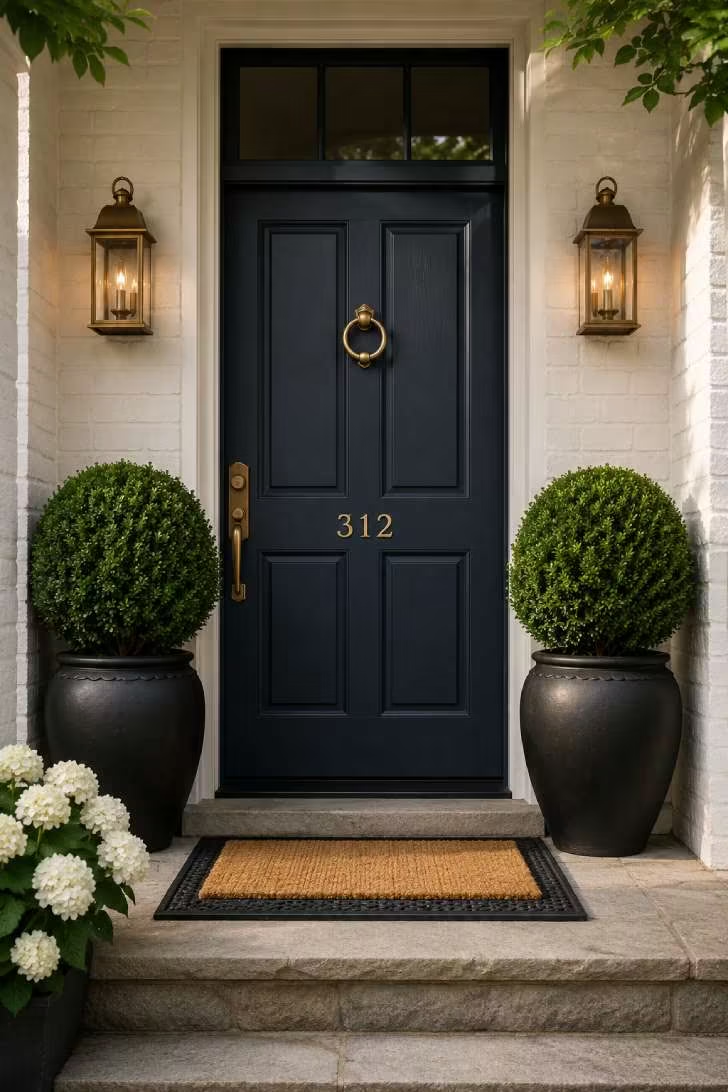
Two big planters on either side of the door do more work than almost any other single porch update.
They frame the entrance, draw the eye forward, and give the whole facade a sense of order.
Boxwood topiaries are a classic pick because they hold their shape year-round and look good from the street.
Go matte black on the pots if your door is a bold color — the contrast reads as intentional and grounded.
Symmetry affects how we perceive a space before we even think about it consciously.
Matching planters on both sides of a doorway signal balance and care, which is why real estate agents push curb appeal so hard.
Style Blueprint:
- Two oversized matte black ceramic planters
- Boxwood topiaries or similar evergreen spheres
- Bold-colored front door (navy, forest green, or deep red)
- Layered doormat set (coir over rubber)
- Brass or black metal house numbers and door hardware
Wrap Around Porch With Zoned Seating Areas
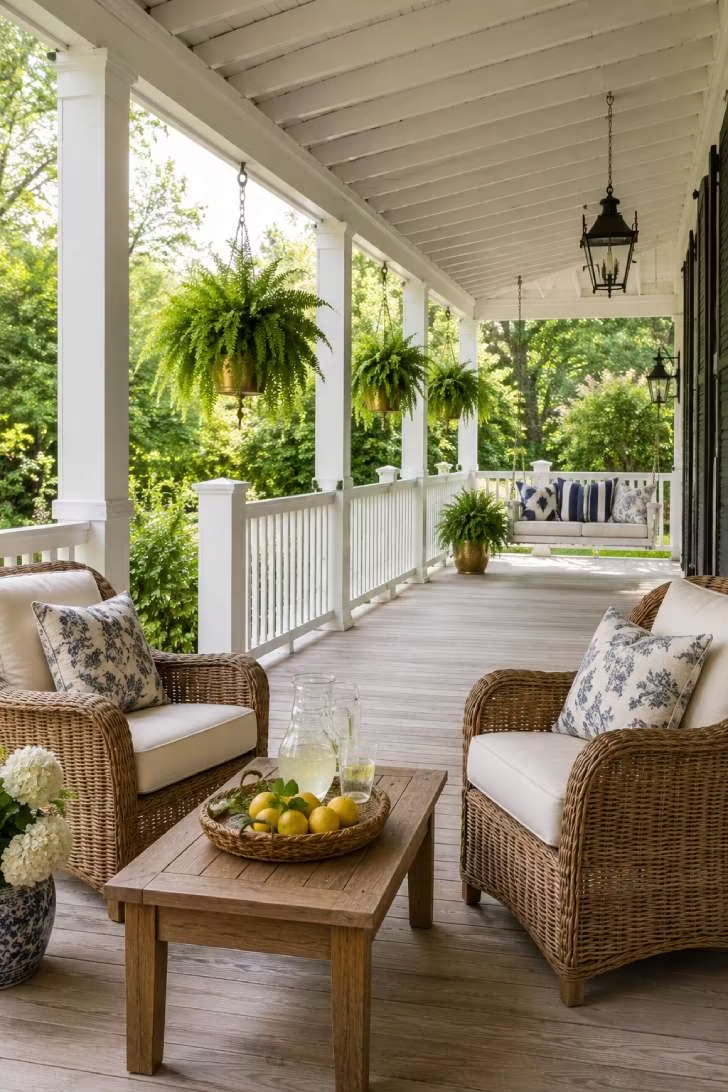
A wrap around porch gives you enough room to create separate zones — and that’s where the real comfort begins.
One section for conversation, another for swinging and reading, maybe a third for a small bistro table and morning coffee.
The key is treating each zone like its own small room with a defined purpose.
Wicker armchairs facing each other across a low table create an instant conversation spot that pulls people in.
Having separate areas on a single porch gives the brain permission to relax, because there’s a place for each activity rather than one undefined space that tries to do everything.
That sense of purpose in a room — even an outdoor one — is what separates a porch people use from one they walk past.
Style Blueprint:
- Pair of all-weather wicker armchairs with cream cushions
- Low teak or acacia wood coffee table
- Hanging porch swing with weather-resistant cushions
- Hanging ferns in brass or woven planters at regular intervals
- Continuous outdoor rug or painted floor to unify the zones
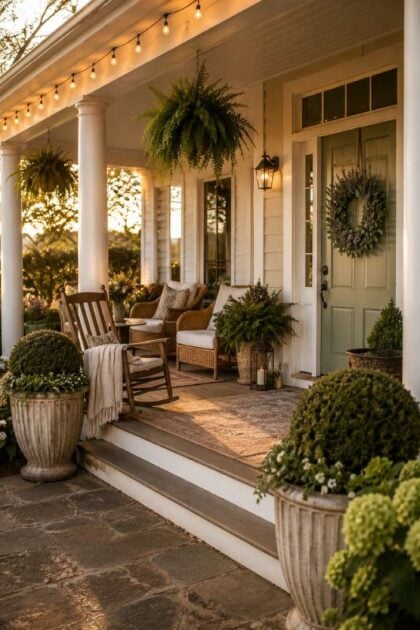
Hanging Fern Paradise
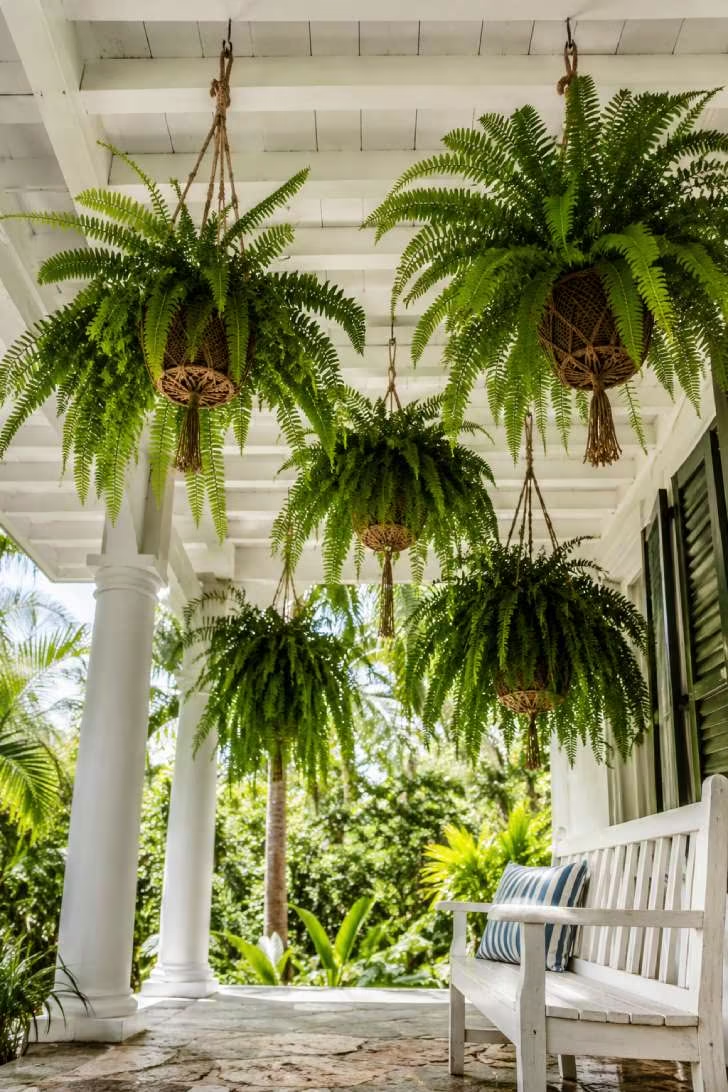
Ferns hanging from the ceiling turn a regular porch into something that feels almost tropical.
The trick is using enough of them — three to five, hung at different heights — so they create a layered canopy overhead.
Boston ferns work best for this look because their fronds drape long and full.
Macramé hangers add texture, though simple brass hooks and saucers work just as well for a cleaner line.
Overhead greenery changes how a space feels at a primal level.
Leaves above your head mimic tree cover, which signals shade, coolness, and safety — all things your body registers before your mind catches up.
Style Blueprint:
- Three to five Boston ferns in varying sizes
- Macramé or woven jute plant hangers
- Brass ceiling hooks rated for outdoor weight
- Simple bench or seating below for contrast
- Misting bottle for humid-day fern care
Design Pro-Tip: When hanging multiple plants at different heights, follow the rule of odd numbers. Three or five planters look more natural than two or four because asymmetry mimics how things grow in the wild — and your eye reads it as effortless rather than staged.
Modern Minimalist Porch With Clean Lines
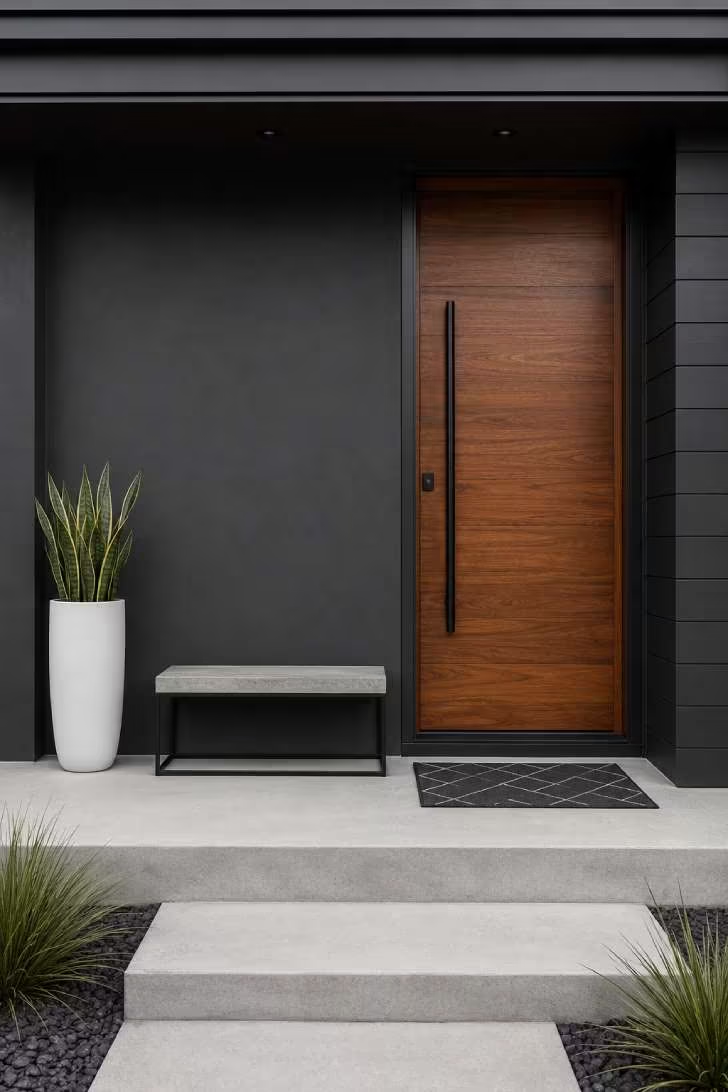
Not every porch needs layers and accessories.
Sometimes the most striking entrance is the one with the least on it.
A single concrete or steel bench, one tall planter, and a clean front door in warm wood can make a stronger statement than a porch full of furniture.
The secret is choosing every piece with care and leaving plenty of empty space around it.
Negative space — the blank areas around objects — is what gives minimalist design its power.
When there’s room to breathe between a bench and a planter, each piece gets noticed on its own terms rather than blending into a crowd.
Style Blueprint:
- Concrete or black metal bench with clean geometry
- Single tall planter with an architectural plant (snake plant or agave)
- Flush-panel front door in warm walnut or oak
- Geometric doormat in black or charcoal
- Concealed or recessed porch lighting for a seamless look
Vintage Lantern Lighting Display
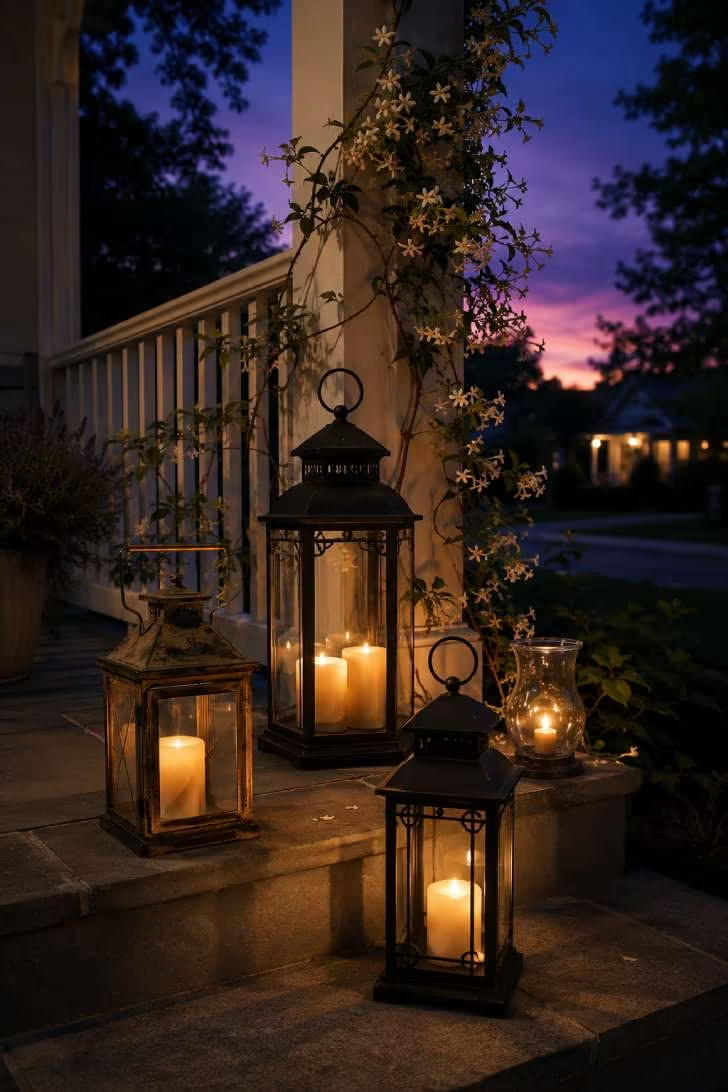
Porch lighting does most of its work after the sun goes down — and lanterns do it better than almost anything else.
A group of three or four vintage-style lanterns clustered on the steps or tucked into a corner creates a glow that overhead fixtures can’t match.
Mix heights and finishes — a tall black iron lantern next to a shorter brass one — for a collected-over-time look.
LED pillar candles inside keep things simple and safe.
Warm, low-placed light changes how we feel about a space.
It pulls the eye downward and inward, creating intimacy on what would otherwise be an exposed, open porch.
Style Blueprint:
- Three to four lanterns in mixed metals and heights
- LED pillar candles or battery-operated flickering lights
- At least one lantern in wrought iron and one in brass or copper
- Climbing vine or trailing plant nearby for softness
- Placement on steps at staggered heights
Seasonal Wreath and Doormat Pairing
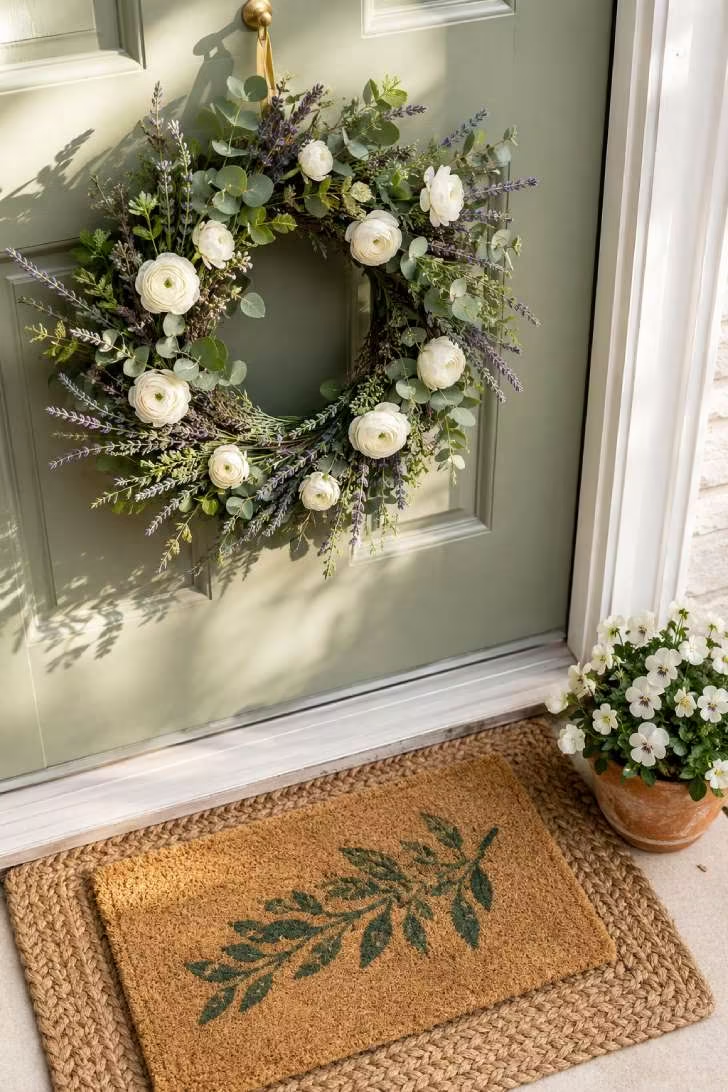
Swapping the wreath and doormat with the seasons is probably the lowest-effort, highest-impact porch update that exists.
A spring wreath in eucalyptus and soft white flowers paired with a fresh coir mat makes the whole entrance look new — for about twenty dollars and ten minutes of work.
The layered doormat trick (smaller printed mat on top of a larger woven one) adds texture and makes even a basic entry feel thought-through.
Seasonal decor works on our sense of time and freshness.
A wreath that matches the current month tells visitors the house is cared for and lived in right now, not six months ago.
Style Blueprint:
- Seasonal wreath (eucalyptus for spring, dried wheat for fall, evergreen for winter)
- Natural coir doormat with a simple print
- Larger woven seagrass or rubber base mat
- One small potted seasonal flower beside the door
- Brass or matte black wreath hook
Cozy Porch Swing Corner
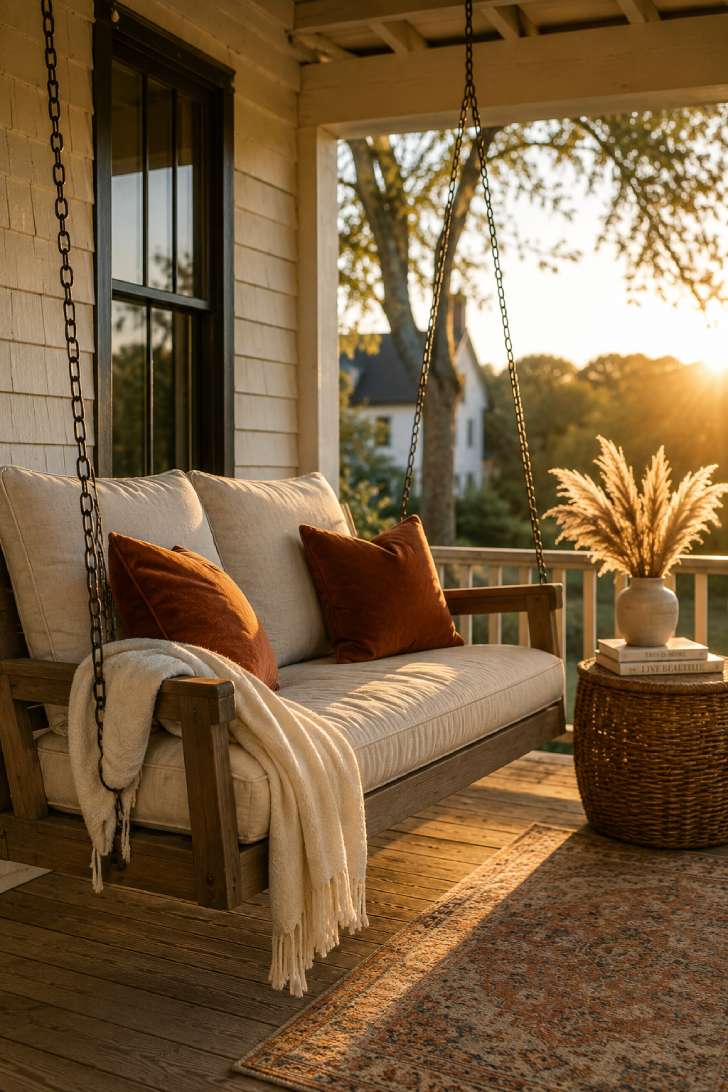
A porch swing is one of those things people always say they want and rarely regret once they have it.
The deep-seated versions with thick cushions are the ones that actually get used — not the narrow decorative swings that look good in photos but feel like sitting on a plank.
Rust and oatmeal together hit that sweet spot between warm and neutral, and a wool throw handles the transition from warm afternoon to cool evening.
Swinging activates the vestibular system — the same mechanism that soothes babies in a rocking cradle.
That gentle back-and-forth motion is why people drift off on porch swings and why the best reading happens there.
Style Blueprint:
- Deep-seated wooden porch swing (at least 22 inches deep)
- Thick linen or outdoor-fabric cushion in a neutral tone
- Two accent pillows in a warm contrasting color
- Woven basket or drum side table within arm’s reach
- Lightweight throw blanket for cooler evenings
Rattan and Wicker Lounge Setup
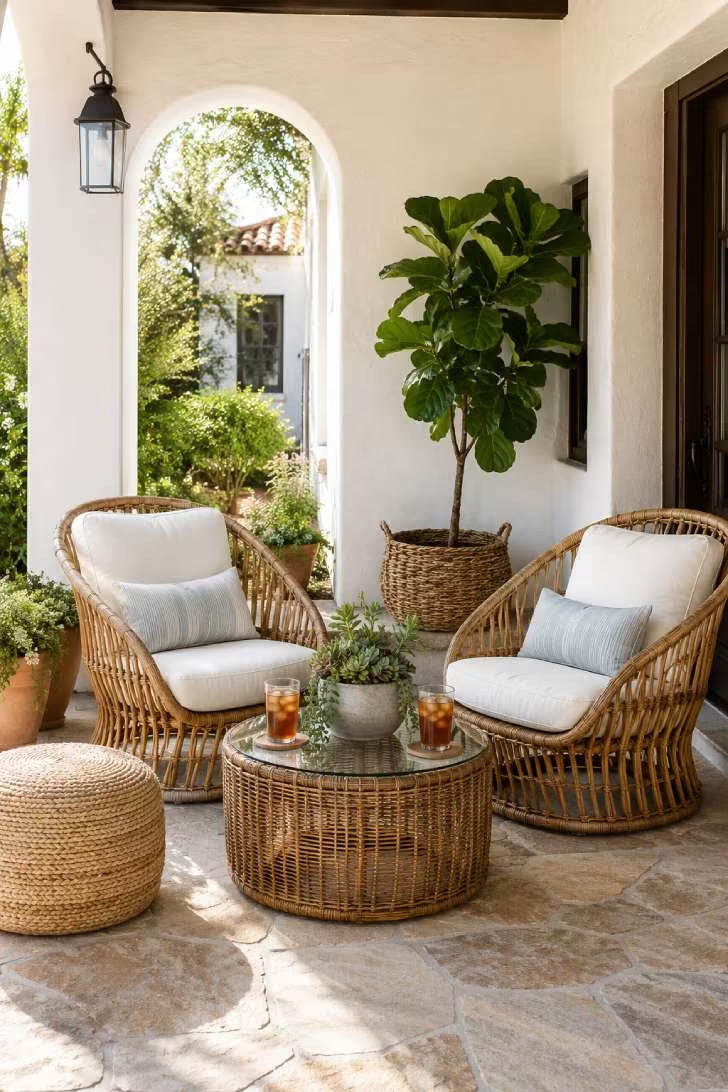
Rattan and wicker furniture brings a relaxed, resort-quality look to any porch without the price tag of teak or aluminum.
The natural curves of rattan chairs soften the hard lines of a porch’s architecture, and the woven texture adds visual interest that solid furniture doesn’t.
White canvas cushions keep things bright and open — just make sure they’re outdoor-rated with removable covers.
Natural materials like rattan connect a space to the outdoors even when it’s covered.
The woven pattern catches light differently throughout the day, creating shifting shadows and depth that manufactured materials can’t reproduce.
Style Blueprint:
- Pair of natural rattan lounge chairs with curved backs
- Thick white outdoor canvas cushions with removable covers
- Low round wicker coffee table with glass top
- Woven jute pouf for flexible extra seating
- Large potted plant (fiddle-leaf fig or bird of paradise) in a woven basket
Design Pro-Tip: When mixing woven textures on a porch — rattan chairs, jute rugs, wicker tables — vary the weave scale. A tight rattan weave next to a chunky jute knot next to a smooth wicker surface keeps the look rich instead of monotonous. Same family, different members.
Cottage-Style Window Boxes and Climbing Vines
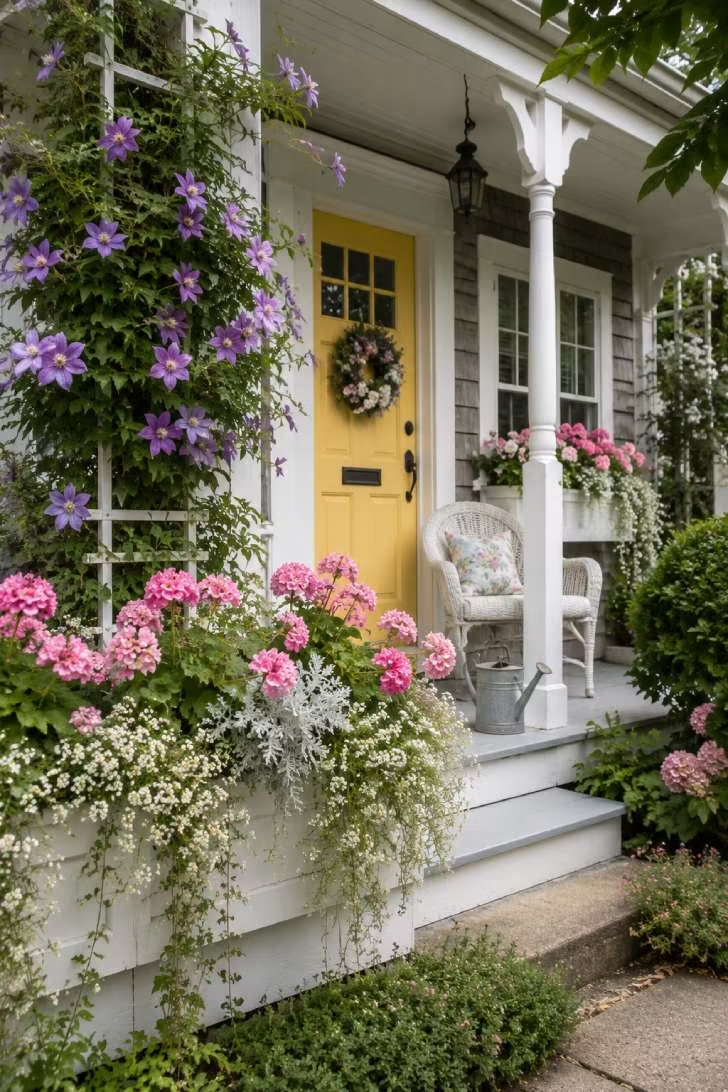
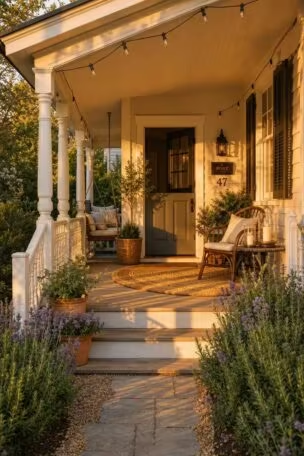
Window boxes packed with trailing flowers give a porch the look of a garden that grew there on purpose.
Pink geraniums, white sweet alyssum, and silvery dusty miller is a combination that works in almost any climate and blooms for months.
Add a climbing vine on a simple trellis — clematis or jasmine — and the porch starts to feel like it’s being gently reclaimed by nature.
The slightly overgrown cottage look works because it suggests abundance and time.
A porch that looks like flowers have been growing there for years feels more rooted and permanent than one with a single potted plant placed yesterday.
Style Blueprint:
- White-painted window boxes (at least 24 inches long)
- Trailing flower combination: geraniums, sweet alyssum, dusty miller
- Climbing vine on a simple wooden or wire trellis
- Cottage-style front door in a warm color (butter yellow, soft coral)
- Small wicker chair or stool with a floral cushion
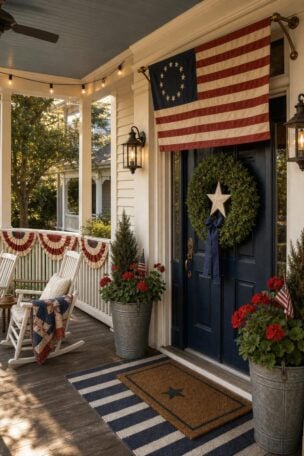
Statement Front Door Color Pop
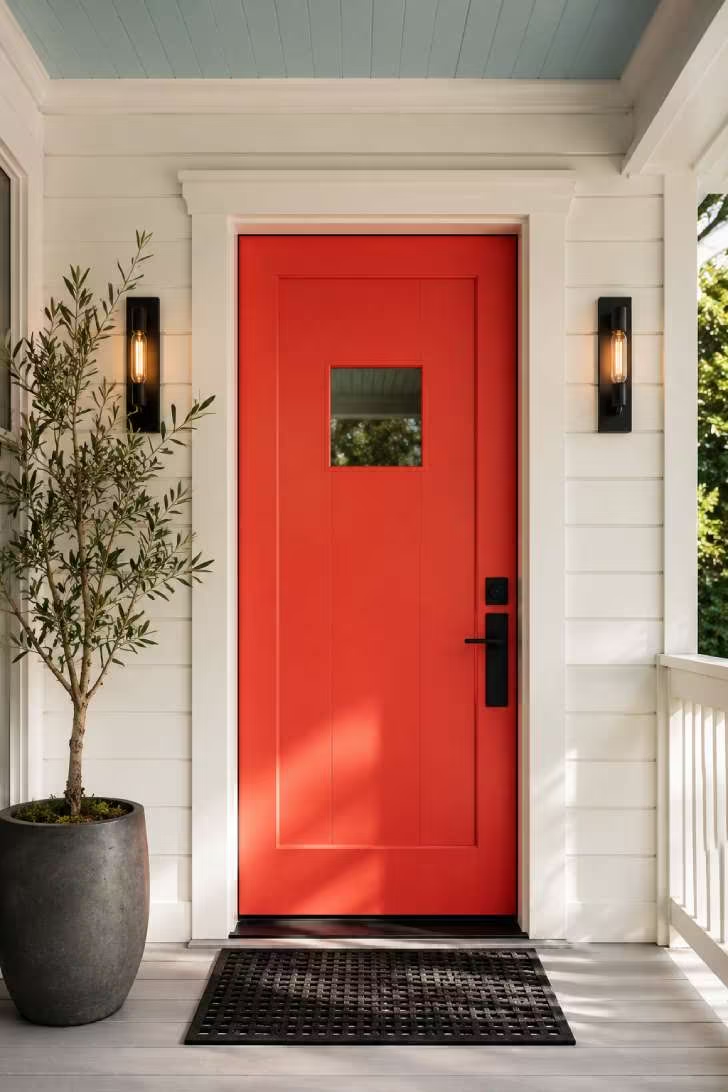
The front door is the one place where bold color almost always works.
A coral-red or deep teal door on a white house reads as confident and welcoming — it tells people someone made a choice and committed to it.
Keep the hardware simple (matte black or brushed brass) and let the color do the talking.
Color affects mood before a person even steps inside.
Warm tones like coral and terra cotta feel inviting and approachable, while cool tones like deep blue or forest green feel calm and grounded.
The door color sets the emotional tone for the entire visit.
Style Blueprint:
- Bold front door paint (coral, teal, deep blue, or forest green)
- Matte black or brushed brass door hardware
- Matching wall sconces on both sides
- Haint blue porch ceiling paint (a Southern tradition for warding off insects and spirits)
- One statement planter with an architectural plant
Design Pro-Tip: Test your bold front door color by painting a large piece of cardboard and taping it to the door for a full day. See it in morning light, afternoon shade, and under the porch light at night — because paint changes dramatically depending on the light source, and a color that looks perfect at noon can look muddy after dark.
Layered Outdoor Rug Arrangement
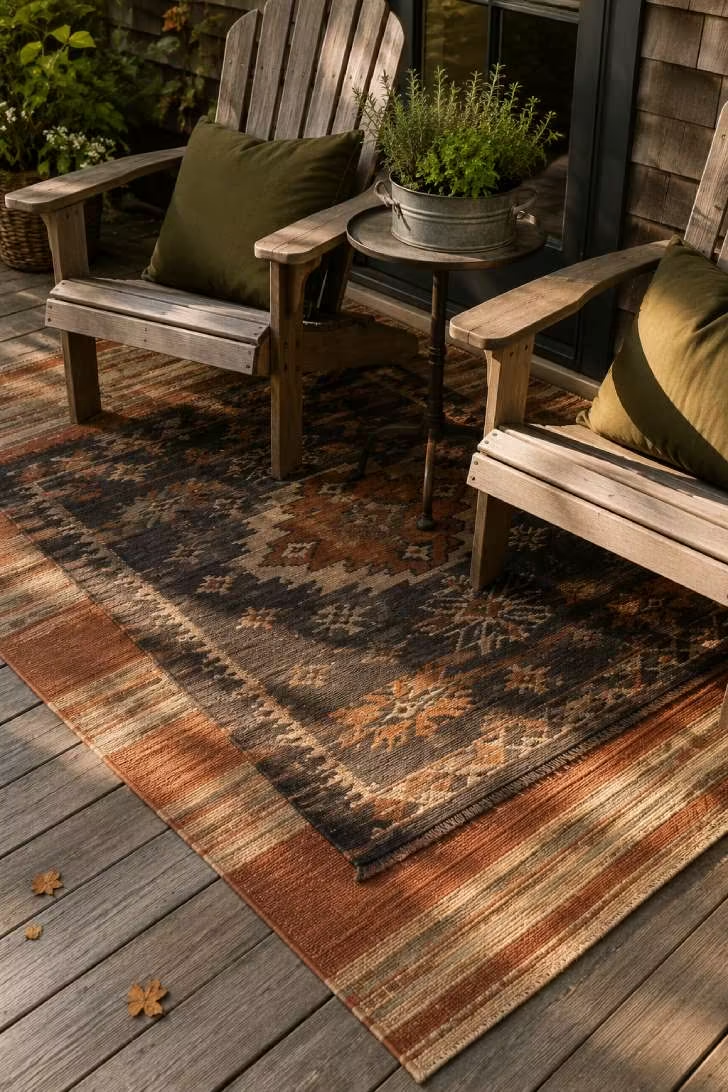
Outdoor rugs make a porch feel like a room instead of a landing pad.
Layering two — a bigger neutral one underneath, a smaller patterned one on top — adds the kind of depth and texture that usually takes a lot more effort.
The bottom rug anchors the space; the top one adds personality.
Stick to flatweaves that dry quickly and won’t trap moisture against the porch floor.
Layered textiles on a floor signal to the brain that a space is meant for staying, not just passing through.
It’s the same principle that makes a bedroom with a rug beside the bed feel cozier than a bare floor — soft underfoot equals safe territory.
Style Blueprint:
- Large flatweave outdoor rug in a neutral stripe or solid (at least 5×7 feet)
- Smaller kilim-style or geometric patterned rug (3×5 feet)
- Adirondack or slatted wood chairs
- Metal or galvanized side table
- Potted herbs or small succulents as table accents
Rustic Wood and Metal Bench Vignette
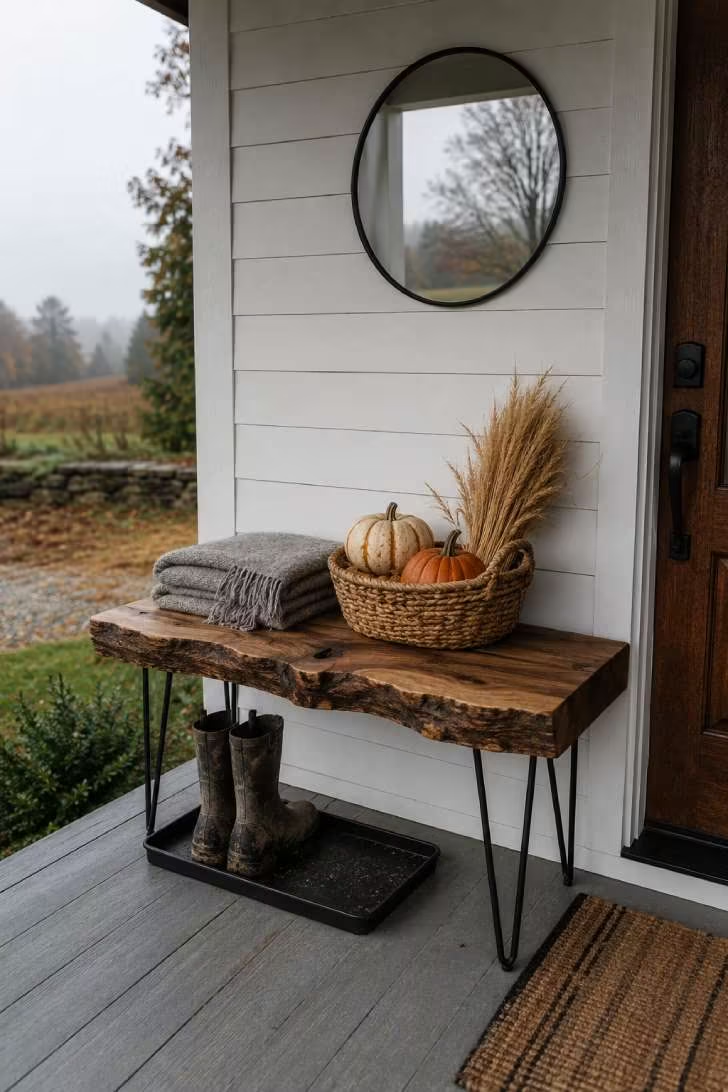
A bench by the front door solves the practical problem of having somewhere to set things down — bags, packages, boots — while doubling as a display surface.
Live-edge wood with black iron legs strikes a balance between rustic and modern that fits most house styles.
Change what sits on the bench with the seasons and it becomes a rotating vignette that keeps the porch feeling current.
The combination of raw wood and industrial metal taps into a material contrast that feels grounded.
Wood carries warmth and organic imperfection; metal adds structure and edge.
Together they create visual tension that makes an otherwise simple bench worth a second look.
Style Blueprint:
- Reclaimed or live-edge wood bench with iron hairpin legs
- Folded linen or wool blanket in a muted seasonal color
- Woven basket for seasonal display items
- Black metal boot tray below the bench
- Small round mirror or framed print hung above
String Light Canopy Over Dining Area
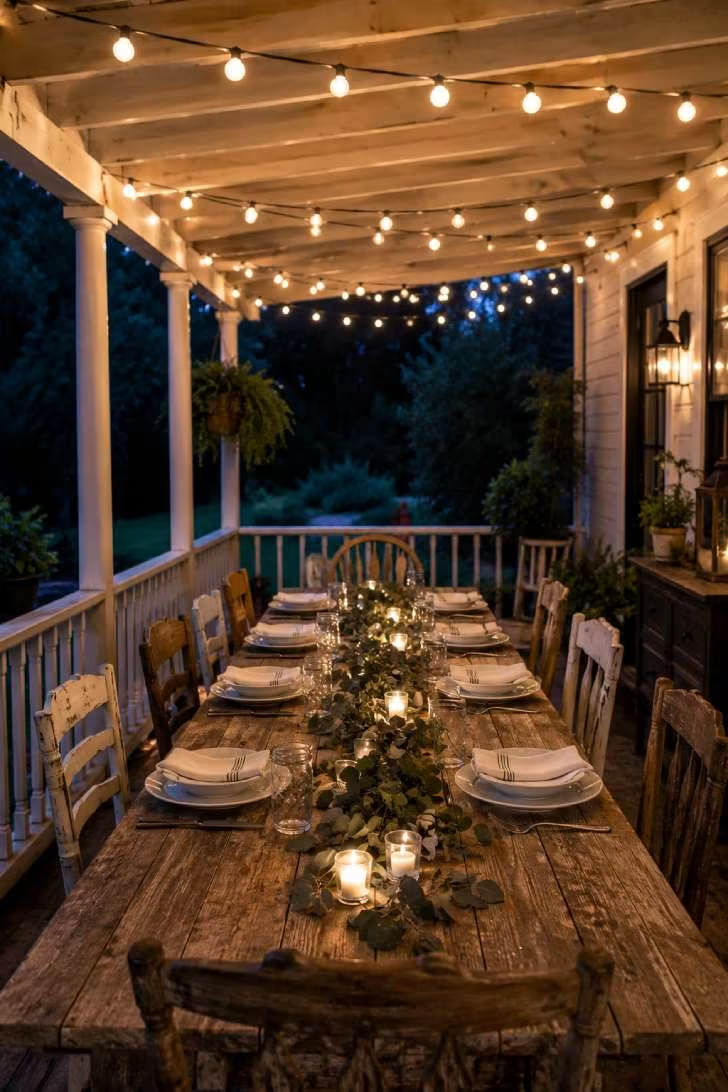
String lights overhead turn a porch into a dining room that no indoor space can compete with.
Run them in parallel lines between ceiling beams — not randomly draped — for a canopy effect that feels intentional.
A long farmhouse table with mismatched chairs keeps things relaxed and signals that this is a house where people actually eat together outside.
Overhead light at close range creates a sense of enclosure in an open space.
The string light canopy mimics a low ceiling, which makes conversation feel more intimate and focused — even though you’re technically sitting outdoors.
Style Blueprint:
- Warm white outdoor string lights (commercial-grade for durability)
- Rustic farmhouse dining table (at least 6 feet long)
- Mismatched wooden dining chairs
- Fresh greenery centerpiece (eucalyptus, olive branches, or rosemary)
- Glass votives or small hurricane lanterns along the table center
Symmetrical Topiary Entrance
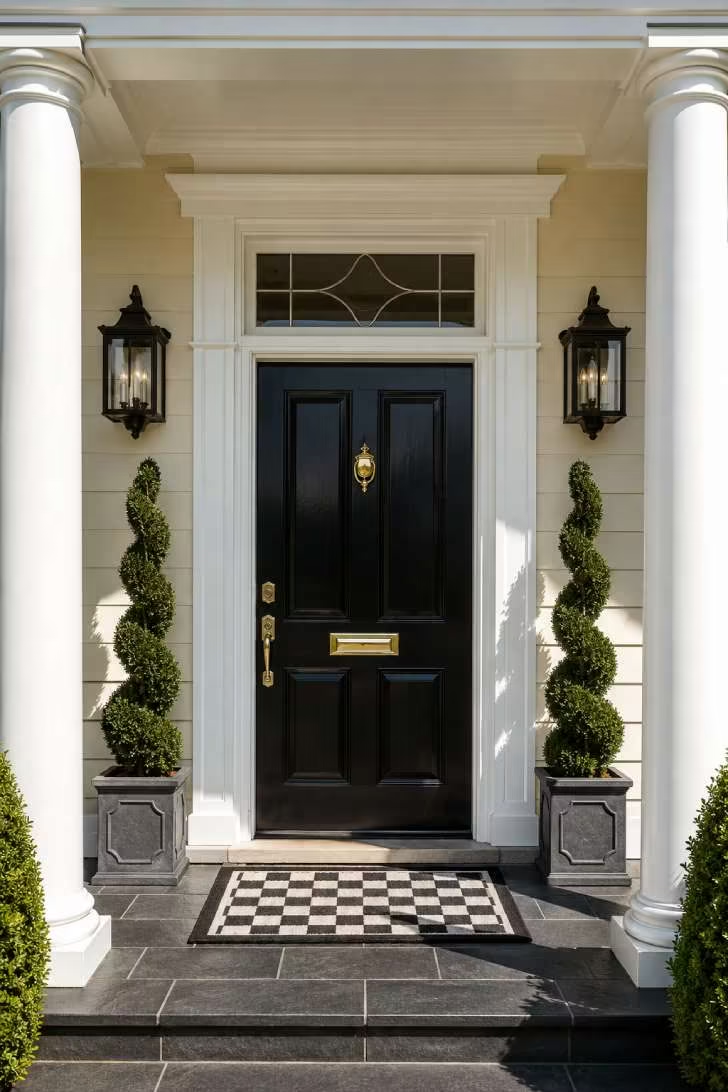
Perfect symmetry at a front door reads as order, permanence, and intention.
Spiral topiaries take it up a notch from simple round boxwoods — they show that someone is maintaining this space with real attention.
Match the planter material to something on the house (stone planters with stone steps, dark gray with a slate walkway) for a connection that looks planned.
Symmetrical arrangements activate the brain’s pattern-recognition wiring, which we associate with stability and trust.
That’s why banks, courthouses, and grand hotels almost always have symmetrical entrances — and why it works just as well on a front porch.
Style Blueprint:
- Pair of spiral or standard boxwood topiaries
- Matching square stone or concrete planters
- Classic black or dark-painted front door
- Matching coach lanterns or wall sconces
- Checkerboard or geometric doormat for added pattern
Design Pro-Tip: If spiral topiaries feel like too much commitment (they need trimming every few weeks), start with simple ball-shaped boxwoods. They give you 80 percent of the formal look with about 20 percent of the maintenance — and you can always upgrade later when you know the placement works.
Boho-Inspired Porch With Mixed Patterns
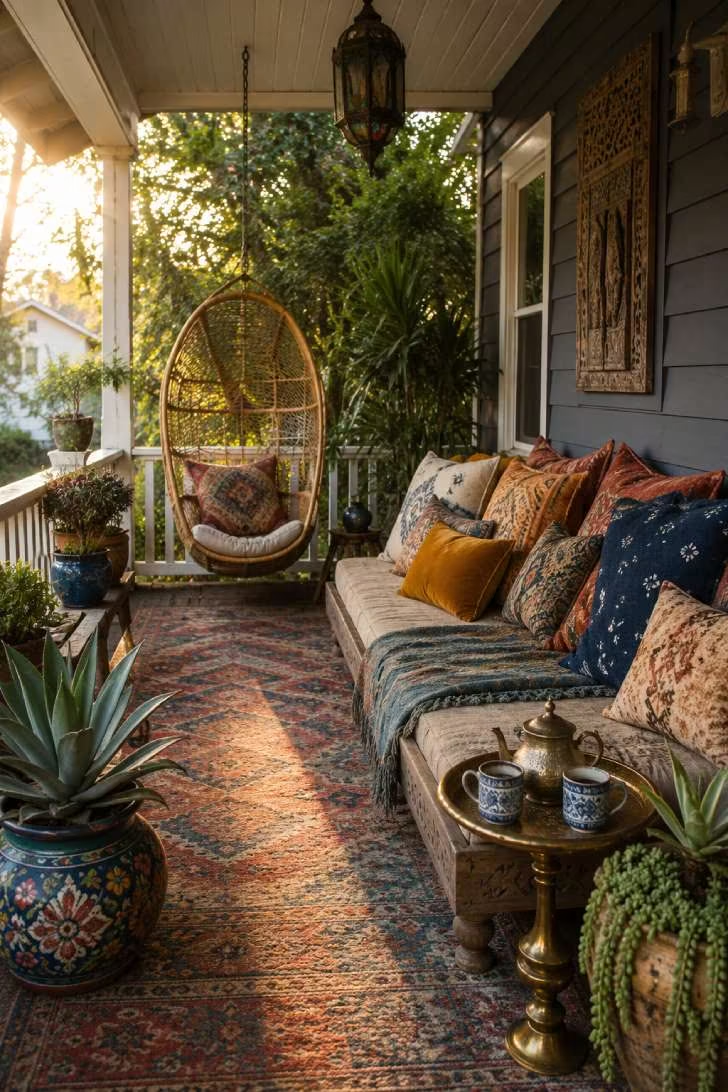
A boho porch is for people who collect things from different places and want their outdoor space to reflect that.
The key to mixed patterns without chaos is sticking to a color family — mustard, terracotta, and indigo work together because they share warm undertones.
Layer an ikat next to a block print next to a solid, and the variety reads as curated rather than random.
Pattern mixing works when there’s an underlying color thread connecting everything.
The eye bounces between different designs but keeps landing on the same warm tones, which creates energy without anxiety — like a lively conversation that still makes sense.
Style Blueprint:
- Low daybed or platform seating with removable outdoor cushion
- Five to seven throw pillows in mixed patterns (keep to 3-4 colors)
- Rattan hanging chair or egg chair
- Large vintage-look outdoor rug
- Colorful glazed ceramic planters with succulents
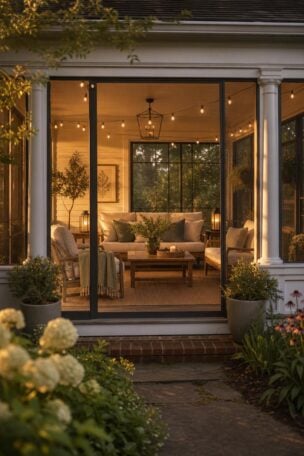
Screened Porch Retreat
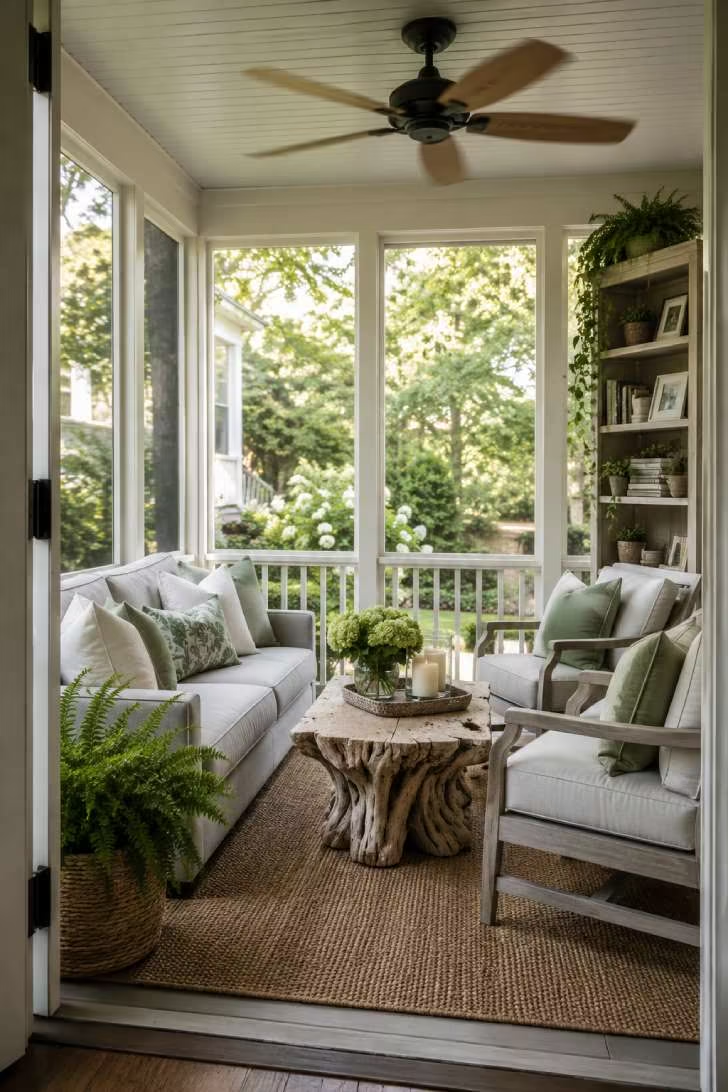
A screened porch is the compromise between wanting to be outside and not wanting to deal with mosquitoes at 7 PM.
It lets you use real upholstered furniture, keep books and cushions out without worry, and eat dinner without swatting.
The screen panels filter light in a way that’s specific and beautiful — everything beyond looks slightly softened, like a photograph with a gentle vignette.
Screened spaces create a psychological boundary between inside and outside that makes both feel more defined.
You’re not quite indoors, not quite out — and that in-between quality is exactly what makes a screened porch feel like a retreat rather than just another room.
Style Blueprint:
- Upholstered outdoor sofa and armchairs in weather-resistant fabric
- Driftwood or whitewashed wood coffee table
- Sisal or natural fiber area rug
- Ceiling fan with wooden blades
- Bookshelf or open shelving for personal items and plants
Craftsman-Style Stone Column Porch
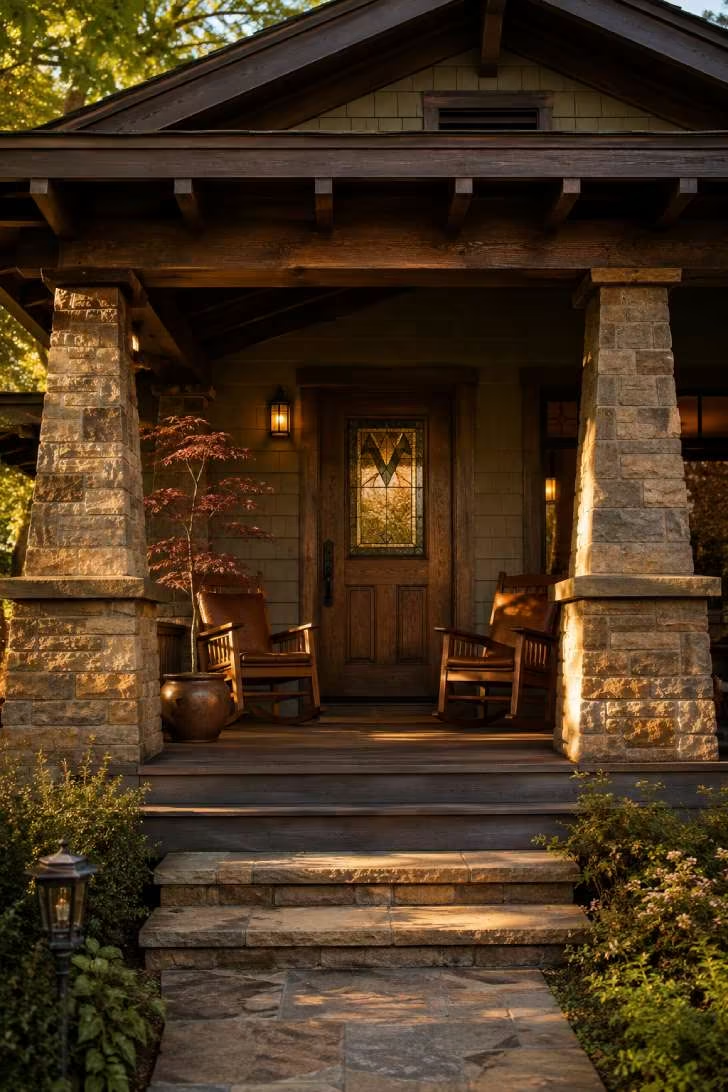
Craftsman porches were built to be used — wide enough for furniture, deep enough for shade, with columns and rafters that look like they could stand for another hundred years.
The tapered stone columns and exposed wood beams carry a sense of weight and craft that modern porches rarely match.
If your house has this architecture, lean into it with furniture that shares its DNA: Mission-style chairs, handmade pottery, and natural materials.
The honesty of exposed structure — visible beams, natural stone, real wood — affects how people feel about a building.
Materials that show their construction and age read as trustworthy, which is why Craftsman homes still command a specific kind of admiration.
Style Blueprint:
- Mission-style wooden rocking chairs or Morris chairs
- Leather or canvas cushions in warm earth tones
- Handmade pottery planters with sculptural plants
- Preservation of original stone columns and exposed rafters
- Dark wood stain on the porch floor to match the door
Mediterranean Tile and Terra Cotta Display
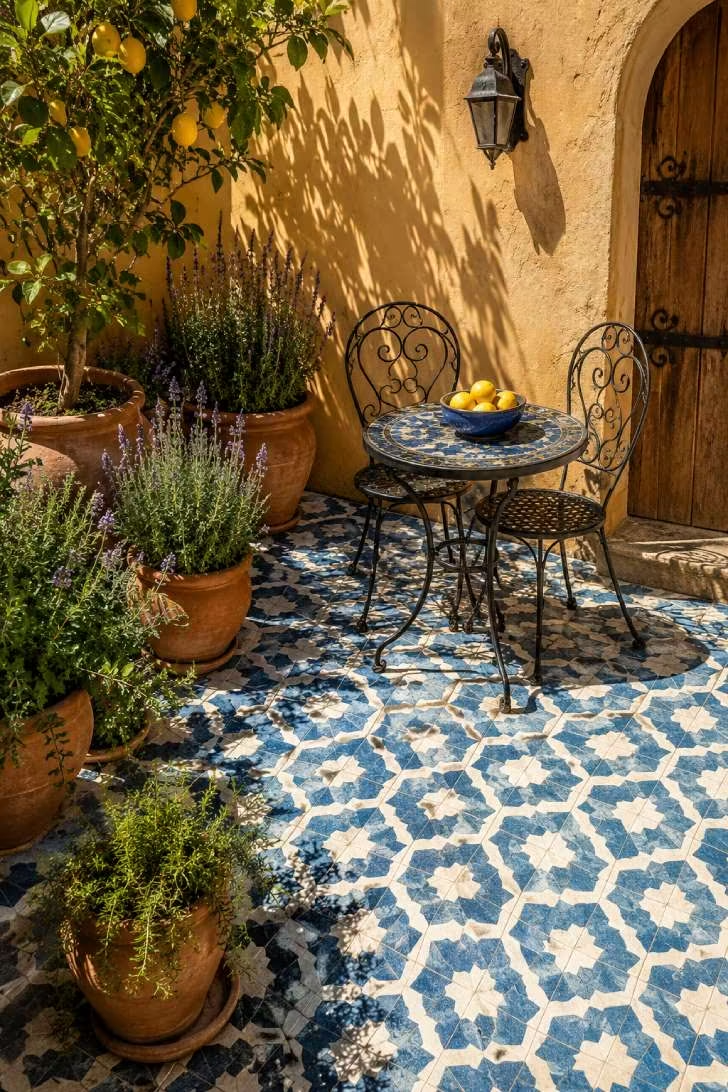
Mediterranean-inspired porches trade soft textures for hard, sun-baked materials — tile, terra cotta, wrought iron, stucco — and make warmth through color instead of fabric.
Hand-painted tiles on the porch floor are a commitment, but they give the space a personality that no amount of furniture rearranging can achieve.
Terra cotta pots holding herbs and citrus play into the Southern European vibe while actually being useful.
Color on the ground plane — the floor, the pots, the base of the space — anchors everything above it.
Blue and white tile underfoot makes even a small porch feel like it has a destination, a reason for being, rather than just a surface to cross.
Style Blueprint:
- Hand-painted or patterned ceramic tiles (or a tile-look outdoor rug as an alternative)
- Collection of terra cotta pots in graduated sizes
- Mediterranean herbs: rosemary, lavender, thyme
- Wrought iron bistro set (table and two chairs)
- Arched or rustic wooden door with iron hardware
Design Pro-Tip: If re-tiling your porch floor isn’t in the budget, a single large tile-look outdoor rug gets you 90 percent of the Mediterranean effect for about 5 percent of the cost. Look for ones printed on flat-woven polypropylene — they handle rain, dry fast, and read as tile in photos.
Conclusion
A front porch doesn’t need a complete overhaul to feel different.
Start with what bothers you most — maybe the door color feels tired, or the empty space beside the steps needs a planter.
One good rocking chair, a couple of ferns, fresh paint on the door, or a set of lanterns on the steps can shift the entire mood of your home’s entrance.
The 19 front porch ideas here range from a five-minute wreath swap to a full furniture layout redesign, and the best approach is usually somewhere in between.
Pick the idea that made you pause while reading.
That’s the one worth trying first.
Your front porch decor doesn’t need to impress anyone on the street — it just needs to make you want to sit down and stay a while before heading inside.