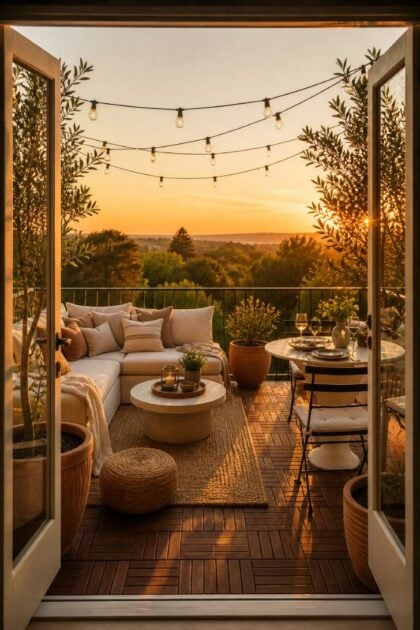
This post may contain affiliate links. If you make a purchase through these links, we may earn a commission at no additional cost to you.
A large balcony is a room without a roof.
Most people treat it like overflow storage or leave it bare for months, never quite deciding what it should become.
That changes today.
These 13 large balcony ideas show you exactly how to turn all that open-air square footage into something worth stepping outside for — whether you want a dining room, a garden, or a place to read without anyone finding you.
Each idea below pairs a specific design direction with a detailed image prompt so you can picture the finished result before you buy a single planter.
Grab a coffee and scroll through.
The Zoned Lounge-and-Dining Layout
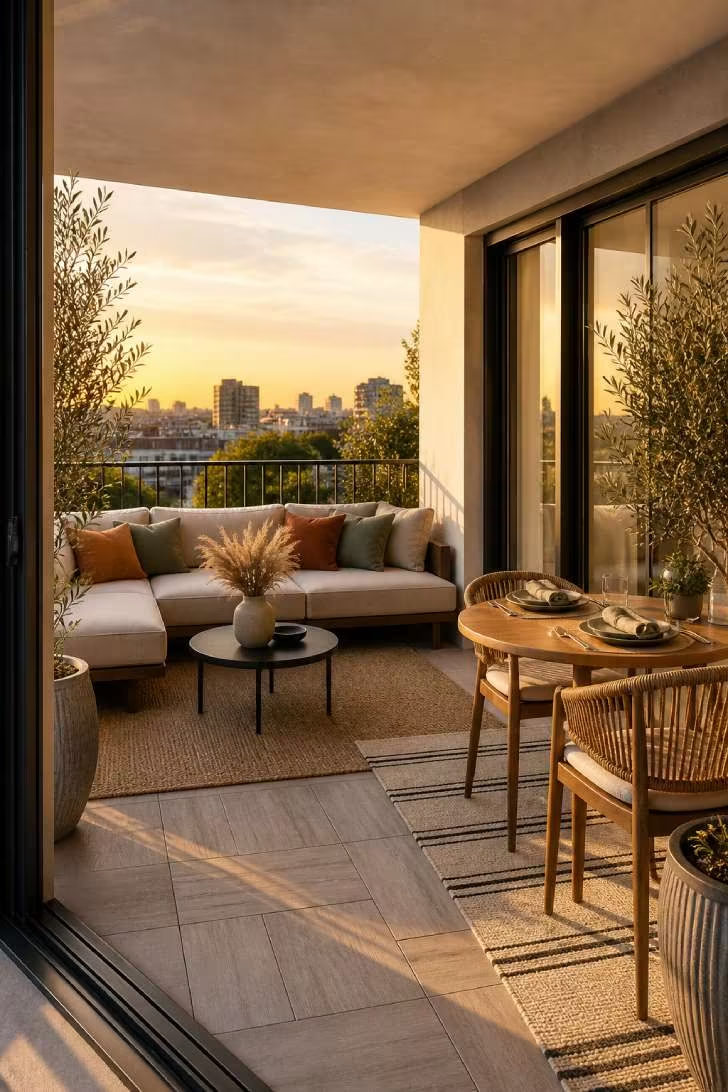
Splitting your balcony into two distinct zones is the single fastest way to make it feel intentional.
One side holds the soft seating — a sectional or a pair of lounge chairs — and the other gets a proper dining surface.
The trick is grounding each area with its own rug so the eye reads two rooms rather than one long hallway.
Warm light hits differently when it falls across two separate material textures, which is exactly why this layout reads as designed rather than dumped.
A round dining table works better than rectangular here because it softens the linear shape of most balconies and allows easier movement between zones.
Style Blueprint:
- Low-profile outdoor sectional in a neutral fabric
- Round dining table (teak or powder-coated metal)
- Two outdoor rugs in complementary but not matching patterns
- Concrete or ceramic planters with a single tall tree
- Black metal coffee table as a visual anchor
A Full Container Garden With Tiered Planters
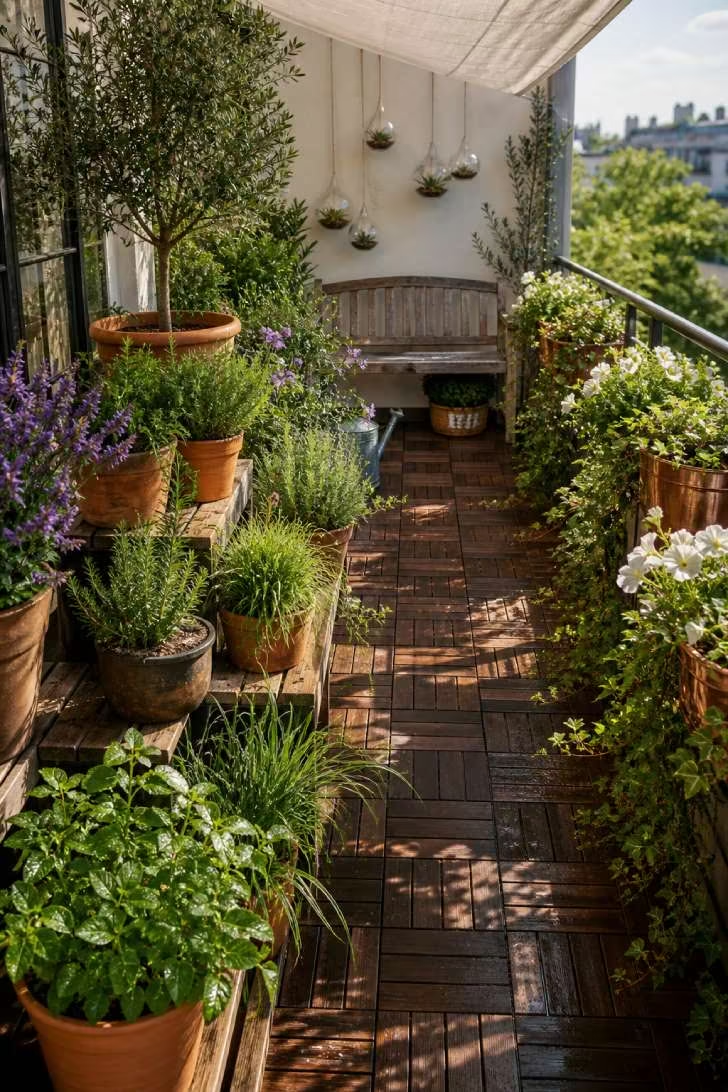
Height is everything in a balcony garden design.
Flat rows of identical pots look like a garden center display, not a personal sanctuary.
Tiered stands solve this instantly — they give the eye a journey from soil to skyline.
Mixing plant textures at different levels (spiky grasses low, feathery herbs mid, a structured tree high) creates visual rhythm that keeps you looking.
Trailing plants over the railing edge connect the balcony to the space beyond it, which makes the whole area feel less contained and more like a terrace.
The sound of wind moving through ornamental grasses adds another sensory layer that no amount of styling can replace.
Style Blueprint:
- Tiered wooden or metal plant stand (at least three levels)
- Mix of terracotta and copper planters for warmth
- One tall anchor plant (olive tree, fiddle-leaf fig, or bamboo)
- Trailing species for railing edges (ivy, petunias, string of pearls)
- Interlocking wood deck tiles as flooring base
The Outdoor Dining Room
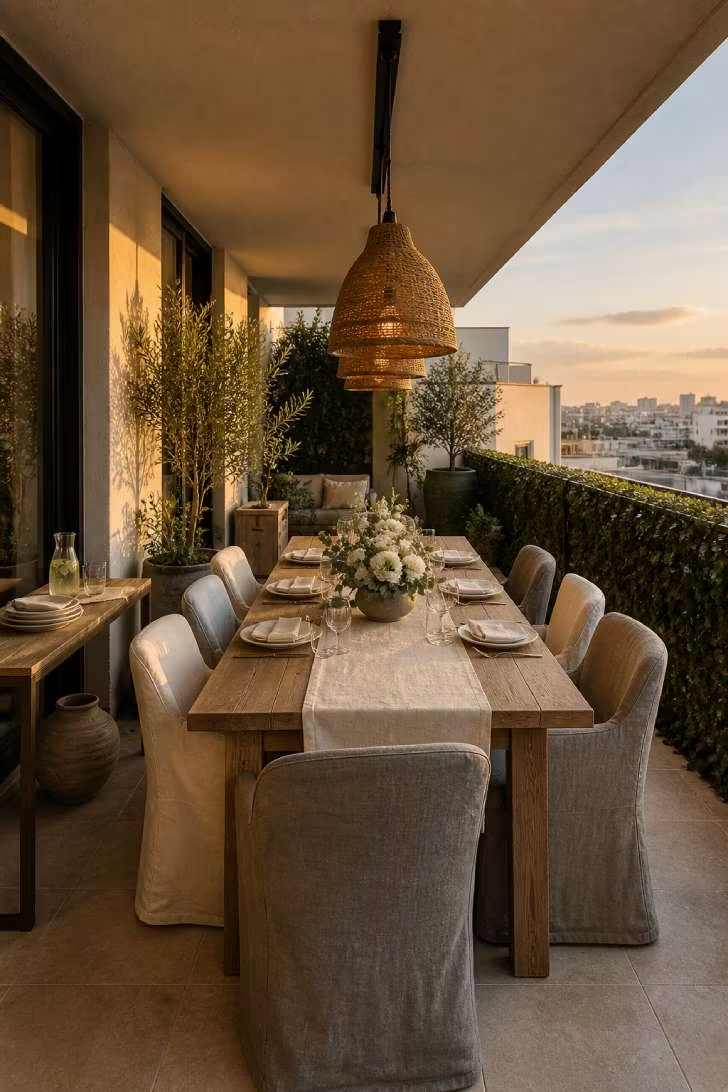
If your balcony can fit a table for four or more, you have a dining room most restaurants would envy.
The overhead lighting makes all the difference between “table outside” and “actual room.”
Pendant lights (rattan, woven seagrass, or powder-coated metal) hung from a simple ceiling track tell your brain it is inside a defined space, even without walls.
A mismatched chair approach adds personality that a matched set can not deliver.
This balcony dining area setup works year-round in mild climates and from spring through fall everywhere else.
Keep a storage bench nearby for stashing cushions during unexpected rain.
Style Blueprint:
- Rectangular teak or aluminum dining table (seats 4–6)
- Pendant lighting on a ceiling-mounted track or hook
- Linen table runner and stoneware tableware
- Narrow console or bar cart for serving
- Creeping fig or star jasmine on the railing for living walls
A Daybed Reading Nook
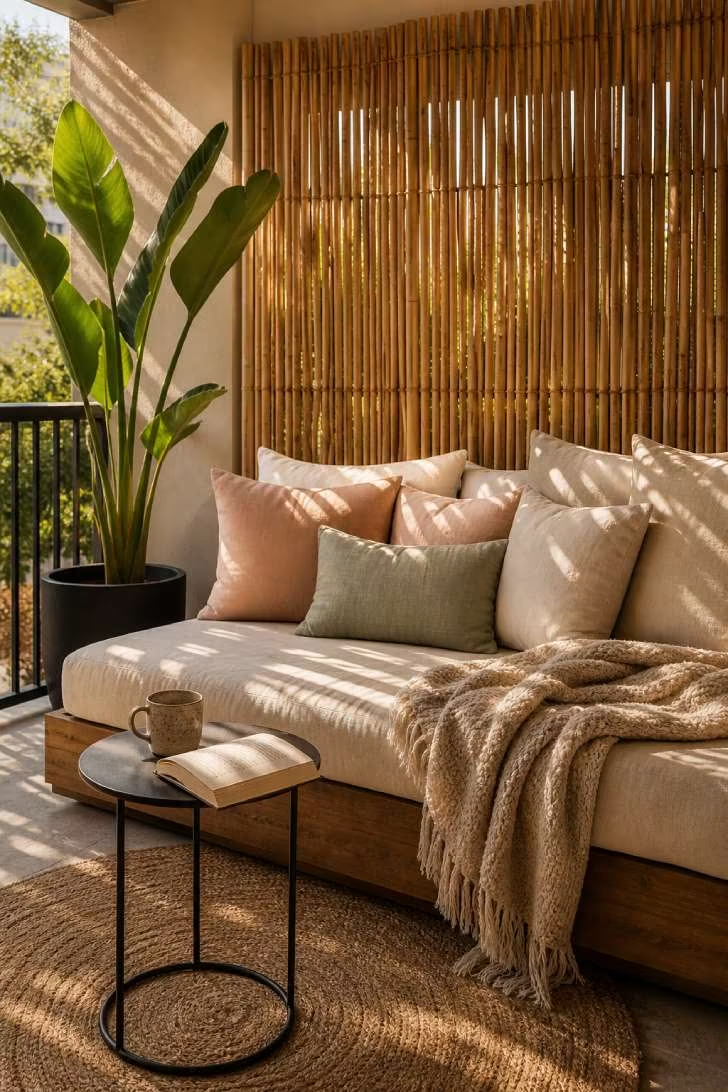
Some spaces are meant for doing nothing well.
A daybed on a large balcony turns idle time into a ritual rather than a waste.
The bamboo privacy screen behind does double duty — it blocks the neighbor’s line of sight and filters harsh sun into something soft and patterned.
That dappled light effect changes the psychology of the space completely, making it feel protected and slightly hidden.
Paired with a single tall plant, the nook feels enclosed without claustrophobia.
A side table within arm’s reach is non-negotiable; nobody wants to set a coffee on the floor.
Style Blueprint:
- Oversized outdoor daybed with teak or aluminum frame
- Layered cushions (minimum three textures: linen, knit, woven)
- Bamboo roll-up or fixed privacy screen
- Small round side table in contrasting material (iron or stone)
- One tall architectural plant (bird of paradise, bamboo palm)
Design Pro-Tip: When layering textiles outdoors, stick to a maximum of three colors but mix at least four textures. The color restraint keeps things cohesive while the texture variation prevents the flat, catalog-page look that matching sets produce.
Mediterranean-Inspired Terracotta Corner
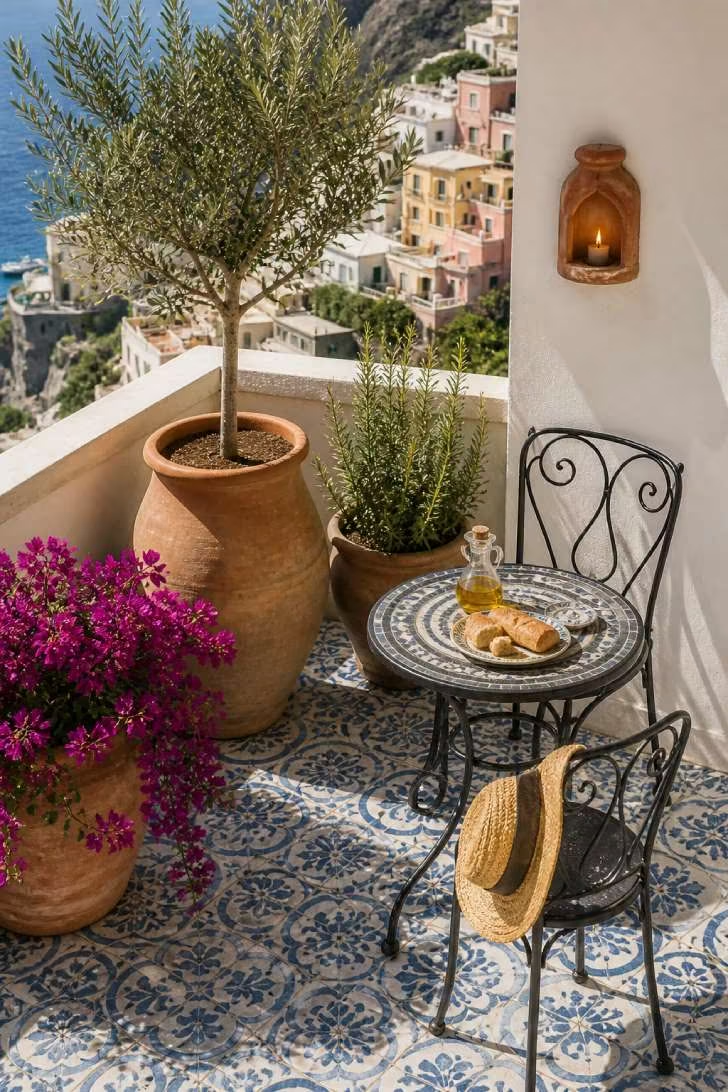
Terracotta ages in ways no synthetic material can replicate.
Each season leaves a slightly different patina, so after a year these pots look like they have been on this balcony for a decade.
The blue-and-white tile floor does the heavy visual lifting — it says “somewhere warm” before any furniture even registers.
Wrought iron works here because its thin profile doesn’t block sightlines to the view below.
This is a corner treatment, not a whole-balcony takeover, which means you can combine it with a more modern lounging area on the other side without style clash.
Bougainvillea grows quickly in sunny spots and provides natural color that no textile can match.
Style Blueprint:
- Patterned encaustic or cement tile flooring (or peel-and-stick outdoor version)
- Three terracotta pots in graduating sizes
- Wrought iron bistro set (table and two chairs)
- One flowering climbing plant (bougainvillea, jasmine)
- Wall-mounted sconce or lantern for evening warmth
The Pergola-Covered Retreat
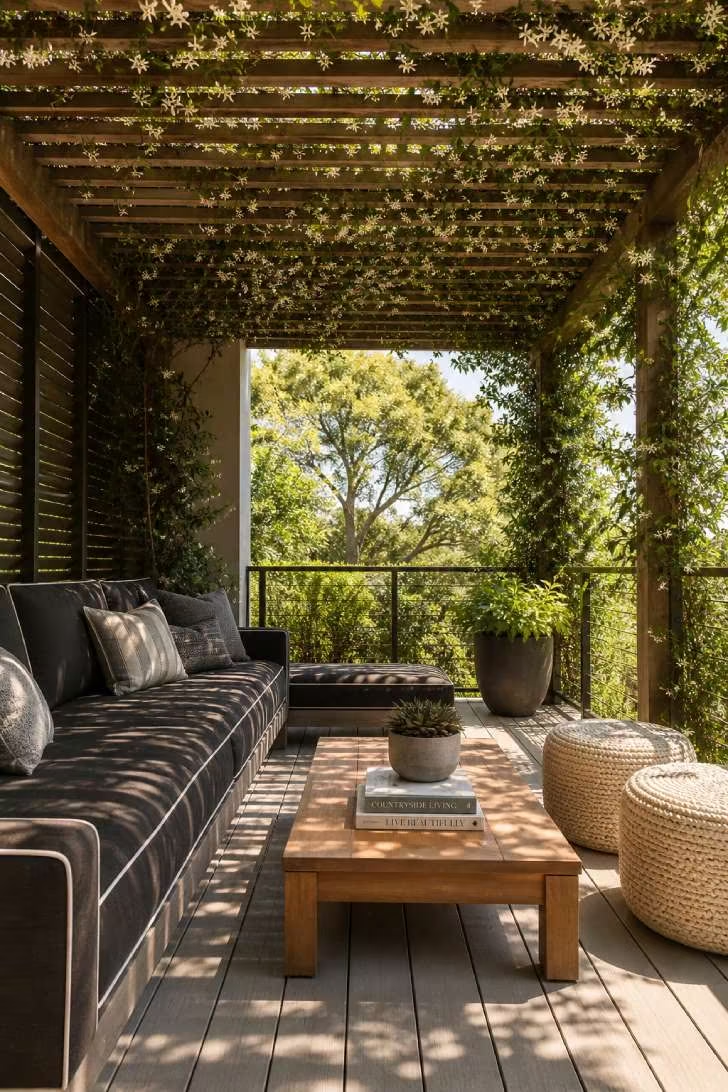
A ceiling changes everything about how a space feels.
Even a partial one — slatted wood or a fabric shade sail — triggers the same psychological response as being inside a room: safety, enclosure, rest.
The jasmine threading through the slats adds a living element to the architecture, and its scent on warm evenings is the kind of detail that makes people stay outside longer than planned.
Shadow patterns from the slats move across the floor throughout the day, giving the space a sense of time passing visually.
This outdoor living space setup costs more than a simple furniture arrangement, but it fundamentally changes how often you use the balcony.
If a permanent pergola is not possible (rental, HOA), a removable shade sail creates half the effect at a fraction of the commitment.
Style Blueprint:
- Cedar or aluminum pergola frame (or removable shade sail alternative)
- One climbing plant species trained along the overhead structure
- Deep outdoor sofa (minimum 28-inch seat depth)
- Low coffee table in natural wood
- Two poufs or ottomans for flexible extra seating
A Balcony Bar and Entertaining Station
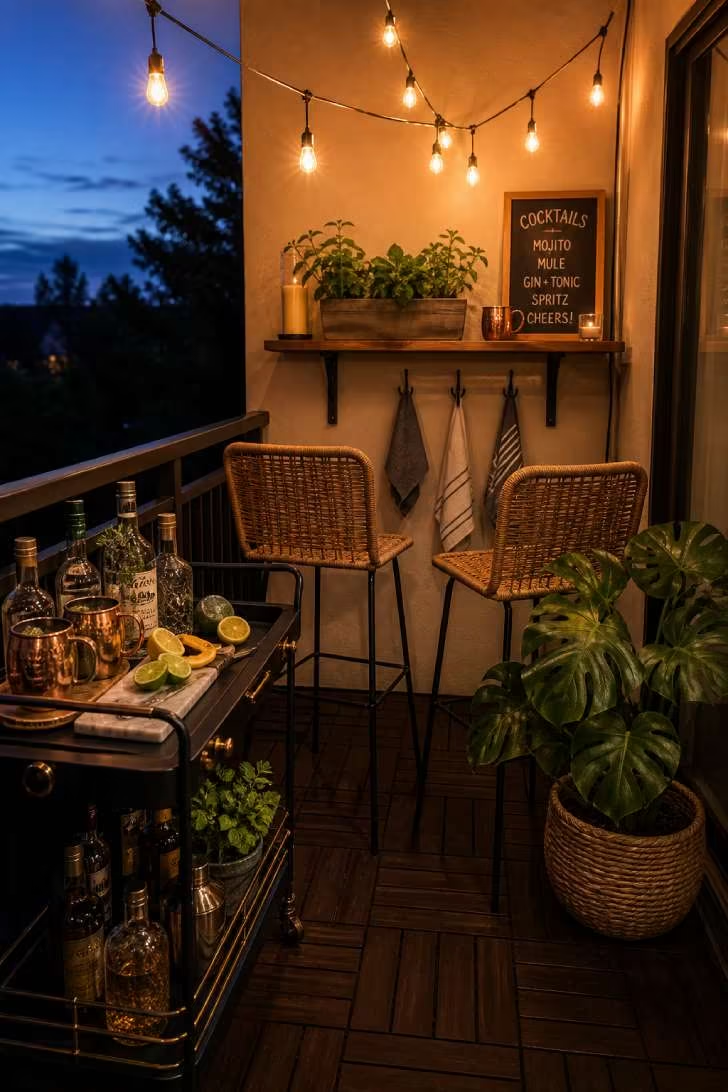
Nothing signals “this balcony is for living, not storing” like a dedicated bar corner.
You do not need a built-in — a good bar cart and two stools create the same social gravity.
The wall-mounted shelf as counter keeps the footprint tight while giving bartending a surface to work from.
Fresh herbs in a planter right at the bar mean garnishes are three seconds away, which is the kind of detail guests notice and remember.
Edison-style string lights in an irregular pattern (not straight lines) read as casual rather than staged, matching the energy of an impromptu gathering.
This works equally well for morning coffee service — just swap the cocktail tools for a French press and mugs.
Style Blueprint:
- Outdoor bar cart with at least two tiers (brass or matte black hardware)
- Two tall bar stools (rattan, metal, or teak)
- Wall-mounted narrow shelf or ledge as counter surface
- Herb planter incorporated into the bar setup (mint and basil minimum)
- Edison or globe-style string lights in an informal drape
Scandinavian Minimalist Balcony
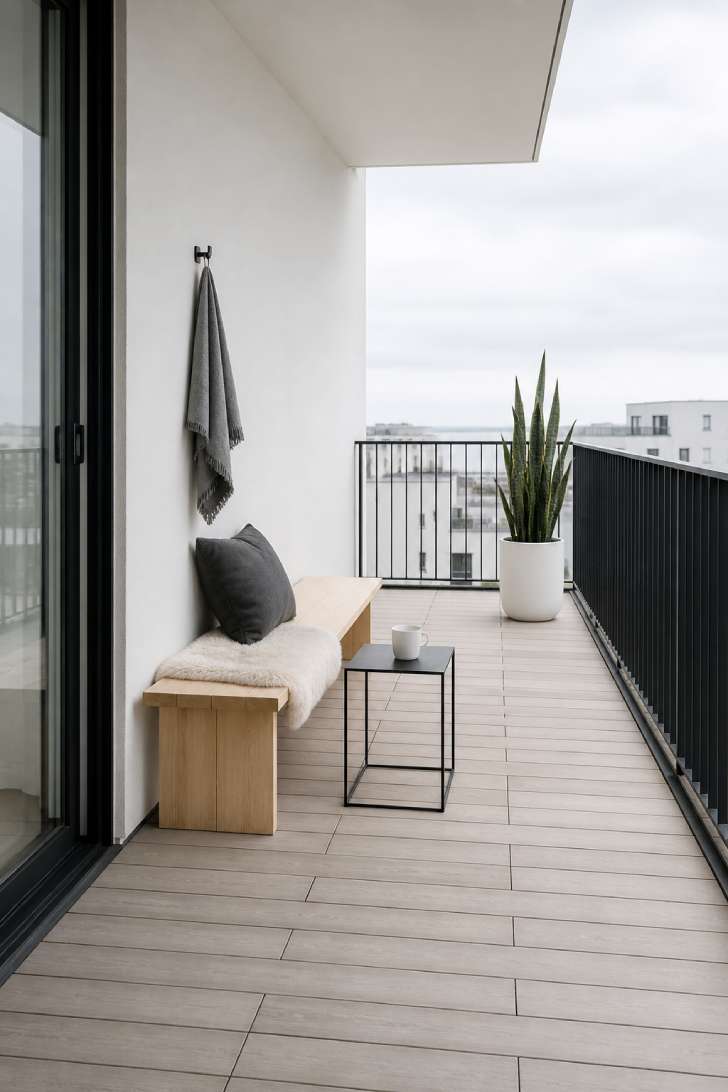
Restraint on a large balcony feels radical.
When you have 100 square feet to fill, the temptation to keep adding pulls hard — another plant, another chair, another rug.
Resisting that impulse and leaving visible open floor between objects creates a calm that cluttered spaces physically cannot achieve.
The psychology behind it is spatial breathing room: your nervous system registers empty space as low-demand, which reduces mental load the moment you step outside.
One sheepskin, one cushion, one plant — each item earns its spot by being the only one of its kind.
This approach costs less than any other idea on this list and delivers more quiet per square foot.
Style Blueprint:
- Long bench or slatted seat in pale natural wood
- Single sheepskin or faux-fur throw
- Slim black metal side table
- One architectural plant in a white or concrete planter
- Matte black railing and hardware for contrast
Design Pro-Tip: In minimalist balcony design, the negative space between objects is as intentional as the objects themselves. Measure the gap between each piece of furniture — aim for at least 24 inches of clear floor on all sides. That breathing room is what produces the calm feeling, not the furniture itself.
The Vertical Garden Wall
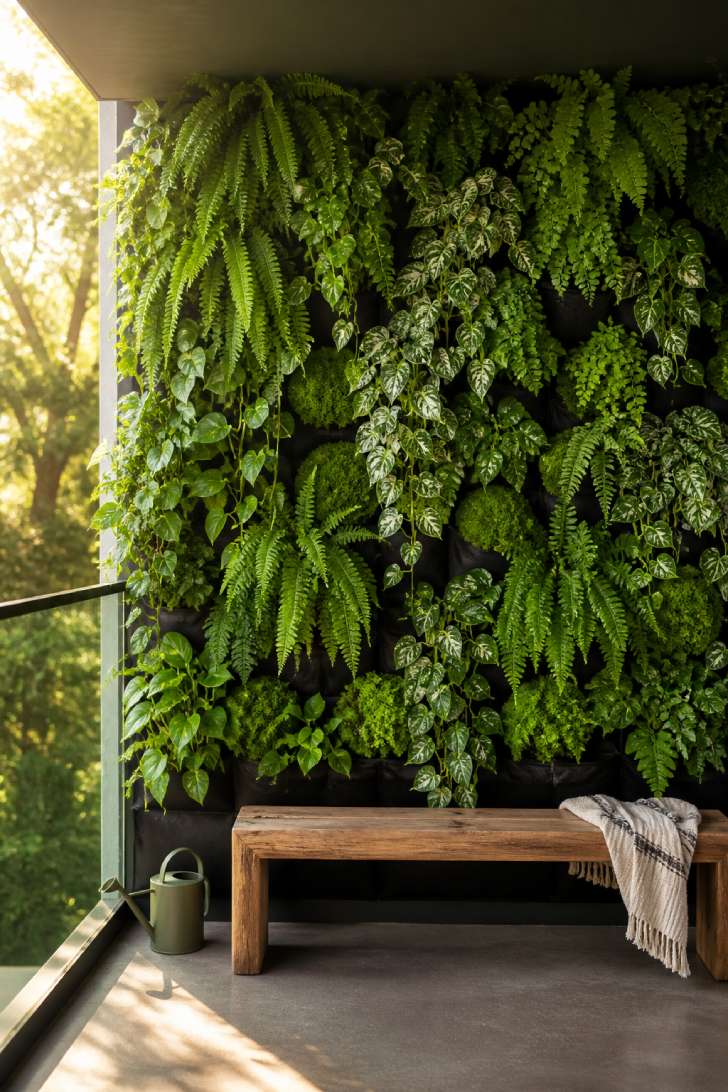
A bare wall on a large balcony is wasted real estate.
Vertical pocket planters turn that flat surface into the most visually complex element in the space — more engaging than any piece of art you could hang there.
The key is species variety within a limited color range: different leaf shapes and textures in various shades of green create depth without chaos.
Ferns and pothos handle partial shade well, making this approach viable on north-facing or shaded balconies where sun-loving plants would struggle.
Maintenance is watering twice a week and removing any yellowed leaves — less work than a traditional garden bed.
The visual payoff relative to floor space consumed is unmatched; this is pure wall, zero footprint.
Style Blueprint:
- Modular felt-pocket or wall-mounted planting system
- Mix of trailing, upright, and textural plant species
- Glass railing to avoid competing visual frames
- Simple backless bench below for contrast
- Matte-finish watering can as functional decor
Bohemian Floor-Seating Lounge
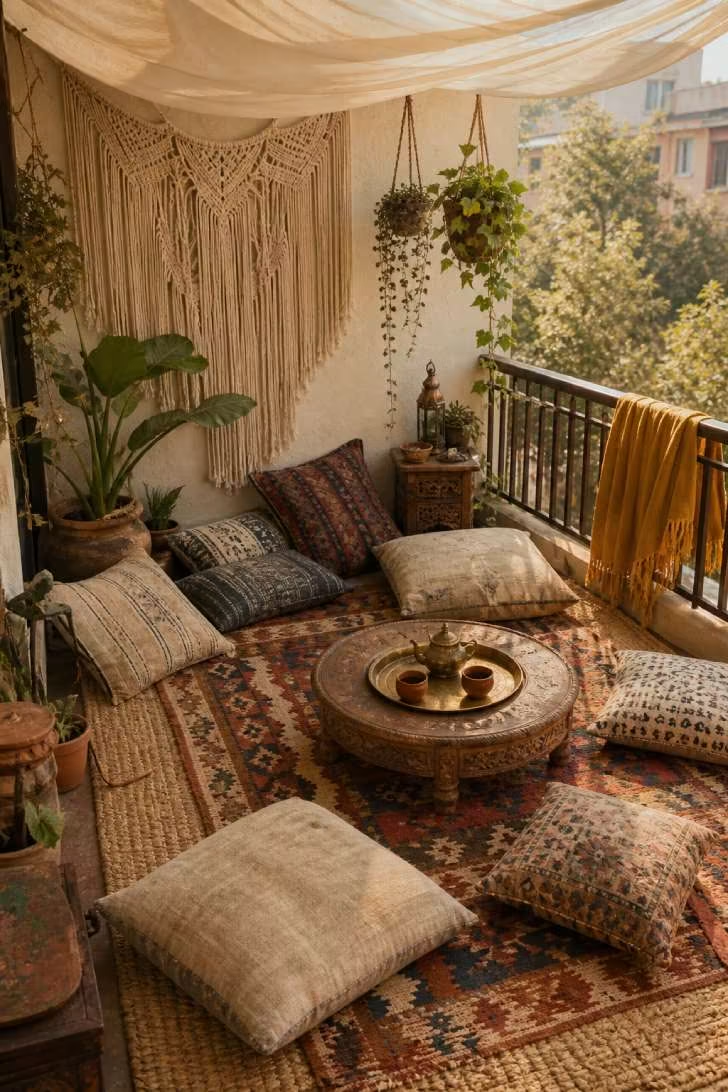
Floor seating on a balcony changes your relationship to the sky.
When you sit low, the railing rises higher in your field of vision, and everything above it — clouds, birds, treetops — becomes the dominant view.
This layout works because large balcony ideas do not require tall furniture to feel complete; sometimes going lower achieves more presence.
The layered-rug approach is critical here: a single rug on concrete looks like a picnic, but three overlapping textiles read as a designed room with a floor.
Mismatched textures and faded patterns suggest items collected over time from different places, which gives the space biography rather than a single shopping trip.
The low table should be solid wood or stone — something heavy enough to anchor the loose arrangement.
Style Blueprint:
- Two to three layered outdoor rugs (sisal base, kilim or dhurrie on top)
- Four or more oversized floor cushions in varied fabrics
- Low carved wood or stone coffee table
- Macrame or woven wall hanging
- Trailing plants in hanging planters from ceiling hooks
The Outdoor Home Office
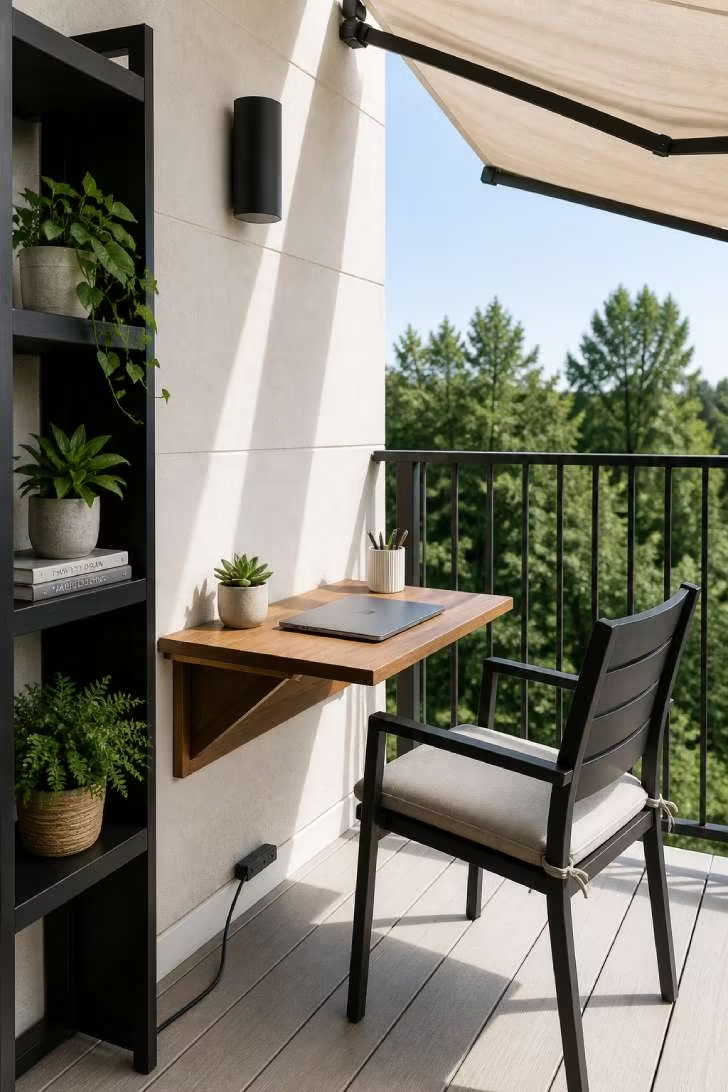
Working outside requires solving exactly two problems: glare and shade.
A wall-mounted fold-down desk with a side-lit position (sun coming from your left or right, never behind the screen) handles the first.
A retractable awning or shade sail covers the second.
Once those are managed, an outdoor office is a better work environment than most indoor ones — fresh air improves focus, and the visual distance to trees and sky reduces eye strain between screen sessions.
Keep the setup minimal: closed laptop, one plant, one pen holder.
The fold-down desk means the office disappears in seconds when the workday ends, returning the balcony to leisure mode without leftover work energy lingering in the space.
Style Blueprint:
- Wall-mounted fold-down desk in teak or bamboo
- Comfortable outdoor chair with removable cushion
- Retractable awning or shade sail positioned to block screen glare
- Narrow tall shelf for plants and books
- Discreet power solution (waterproof outdoor extension)
Cozy Evening Retreat With Layered Lighting
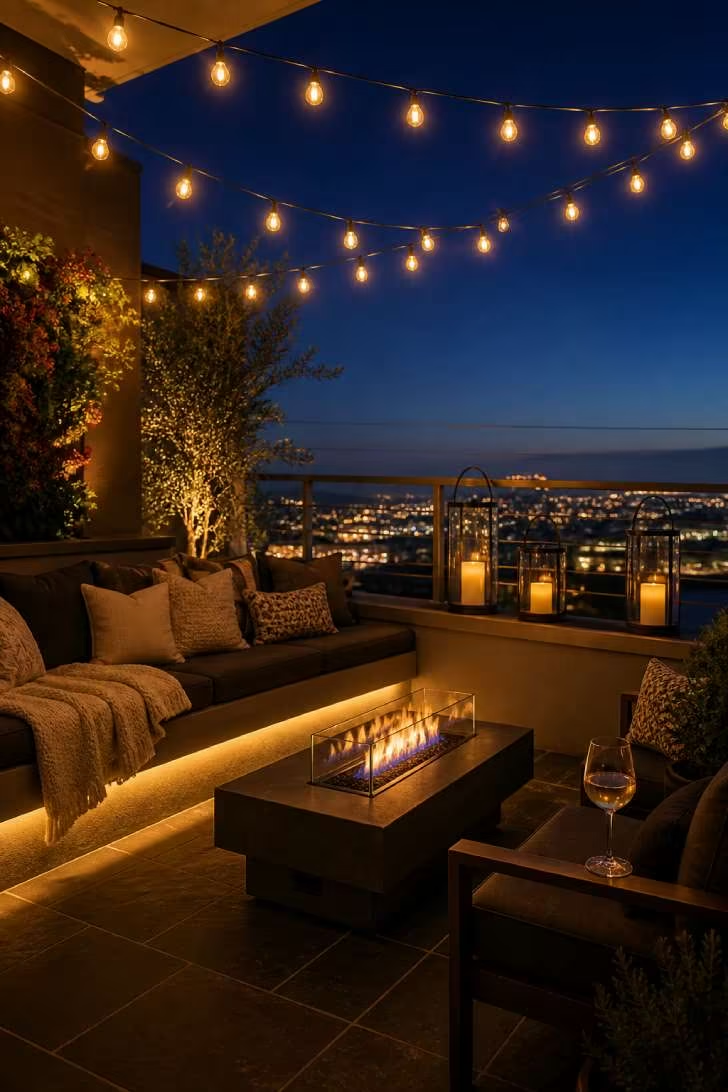
A balcony used only in daylight is a balcony used half as much as it could be.
Balcony lighting ideas that work layer three heights: overhead (string lights), mid-level (lanterns on surfaces), and low (hidden LEDs under seating).
When all three are active at once, the space feels enclosed and warm despite being completely open to the sky.
A small propane fire pit table adds a focal gathering point and extends the season by several weeks on each end — early spring evenings and late autumn nights become possible.
The blue-hour moment when natural sky light and warm artificial light coexist is the most flattering time for any outdoor space, and designing your lighting to peak at that transition rewards you every single evening.
Hidden under-bench LEDs are the secret weapon here; they define the floor plane without any visible fixture competing for attention.
Style Blueprint:
- Globe or Edison-style string lights in a loose overhead canopy
- Three or more hurricane lanterns at railing or table height
- LED strip lights hidden under built-in seating
- Small propane fire pit table (smokeless, low-profile)
- Dark floor material (slate, dark composite) to enhance glow contrast
Design Pro-Tip: Layer your balcony lighting in odd numbers of sources — three, five, or seven separate light points. Even numbers create symmetry that reads as commercial or staged. Odd numbers look collected and organic, which is the difference between a hotel terrace and your own private retreat.
The Privacy Oasis With Bamboo Screens
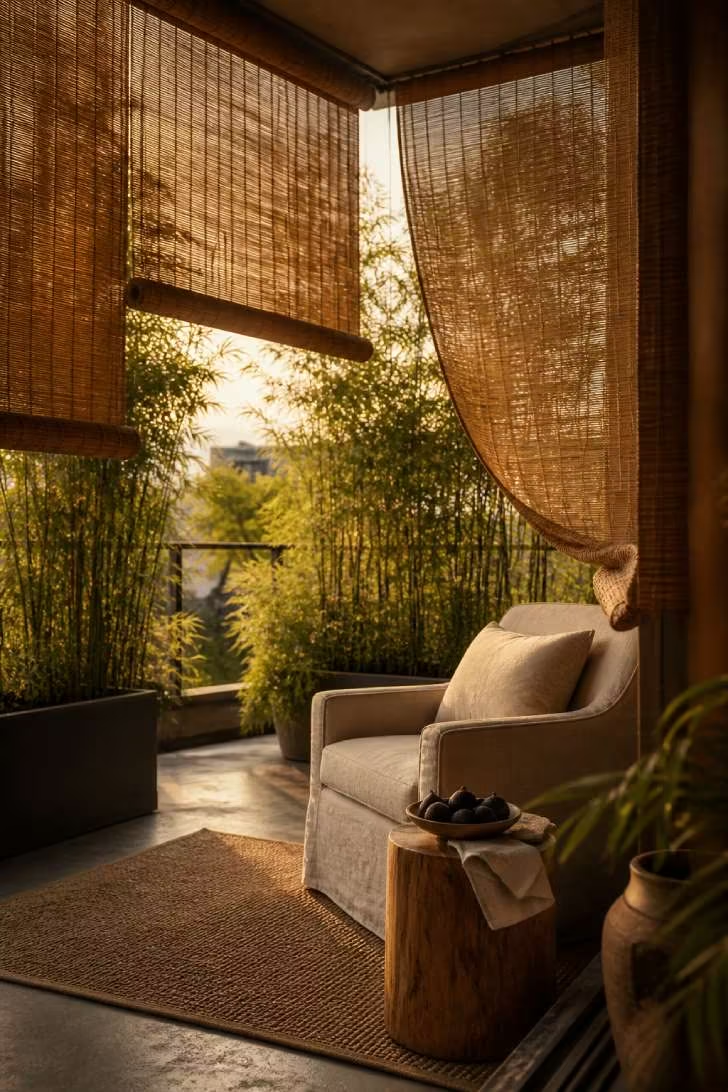
Privacy is the single biggest factor that determines whether people actually use their balcony or just look at it from inside.
A balcony privacy screen made from bamboo does three things at once: blocks sightlines, filters light into something warmer, and adds texture that solid walls can not offer.
Hanging them at different heights — one fully unrolled, one at halfway — creates depth rather than a flat barrier.
Pairing the screens with tall living bamboo behind them means even when the screens are rolled up, a green curtain remains.
The amber quality of light passing through natural bamboo is genuinely different from unfiltered sun — softer on the eyes and warmer on skin tones.
This privacy solution works on rental balconies because bamboo screens mount with tension rods or simple ceiling hooks, leaving no permanent marks.
Style Blueprint:
- Natural bamboo roll-up screens (two or three, mounted at ceiling)
- Tall planters with clumping bamboo variety for living privacy layer
- Deep armchair in washed linen or canvas
- Natural wood stump or slice as side table
- Jute or sisal area rug for ground texture
Conclusion
A large balcony gives you permission to think in rooms rather than corners.
You can mix these ideas freely — a vertical garden wall on one side with a dining table beneath the pergola on the other, or a bohemian floor lounge that transitions into a bar station near the door.
Start with one zone.
Pick the idea that solves your most immediate want — whether that is somewhere to eat dinner outside, a quiet spot to read, or a place to host four friends with drinks.
Build outward from there, and resist the urge to finish everything in one weekend.
The balconies that feel most personal are the ones that accumulated their look over seasons, not shopping carts.
Your outdoor lounge area is already out there, waiting for one good decision to set it in motion.