This post may contain affiliate links. If you make a booking or purchase through these links, we may earn a commission at no additional cost to you.
There is something grounding about walking into a corner of your home and finding a small, put-together spot dedicated to your morning cup.
A small coffee bar does not demand a full renovation or a spare room.
It asks for a clear surface, a few shelves, and a handful of pieces that make the ritual feel intentional.
The 13 small coffee bar ideas here show how a tight countertop, a rolling cart, or a sliver of wall space can become the most visited spot in your house.
A Walnut Butcher Block Counter With Matte Black Pour-Over Stand
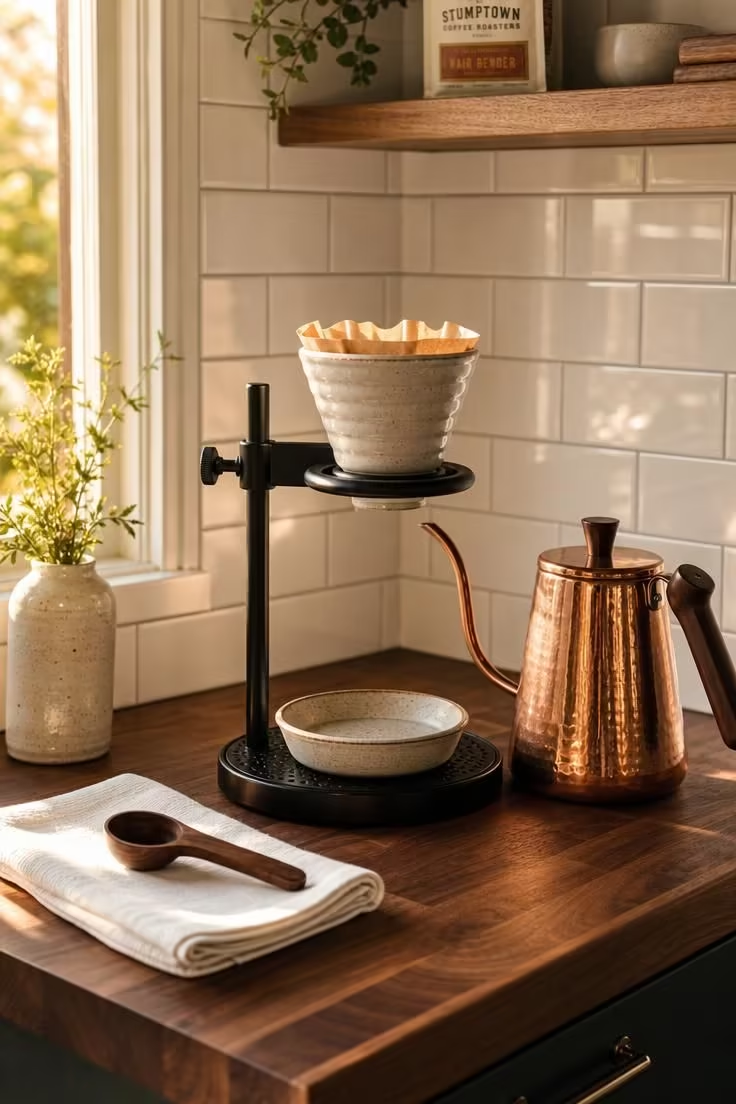
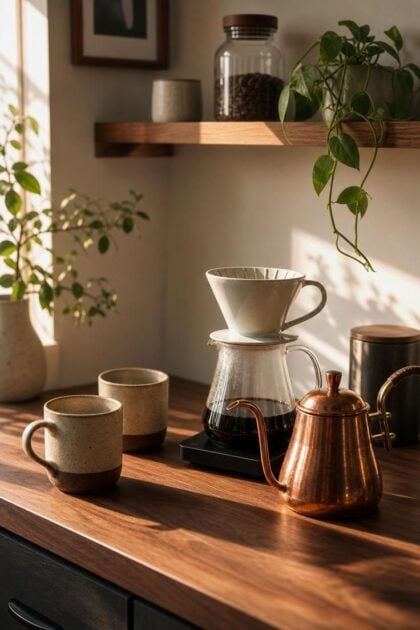
The walnut grain on a butcher block counter does something no laminate or painted surface can replicate.
It absorbs the light differently at every hour, pulling warmth into even the smallest coffee station.
Pairing that warmth with a matte black pour-over stand creates a contrast that feels deliberate without being harsh.
The copper kettle adds one more layer of warmth, and its curved spout becomes the piece your eye settles on first.
A white linen napkin and a ceramic drip tray keep the surface clean without adding clutter.
This countertop coffee bar proves that three materials and a tight footprint are enough to build a morning you look forward to.
Style Blueprint:
- Walnut butcher block counter sealed with food-safe mineral oil, cut to 30 inches wide
- Matte black steel pour-over stand with a hand-thrown ceramic dripper
- Copper gooseneck kettle with a wooden handle for controlled pouring
- Speckled oatmeal ceramic drip tray sized to fit beneath the dripper
- White linen napkin and matching walnut scoop for a finished, collected look
A Three-Tier Brass Bar Cart With Linen-Wrapped Carafes
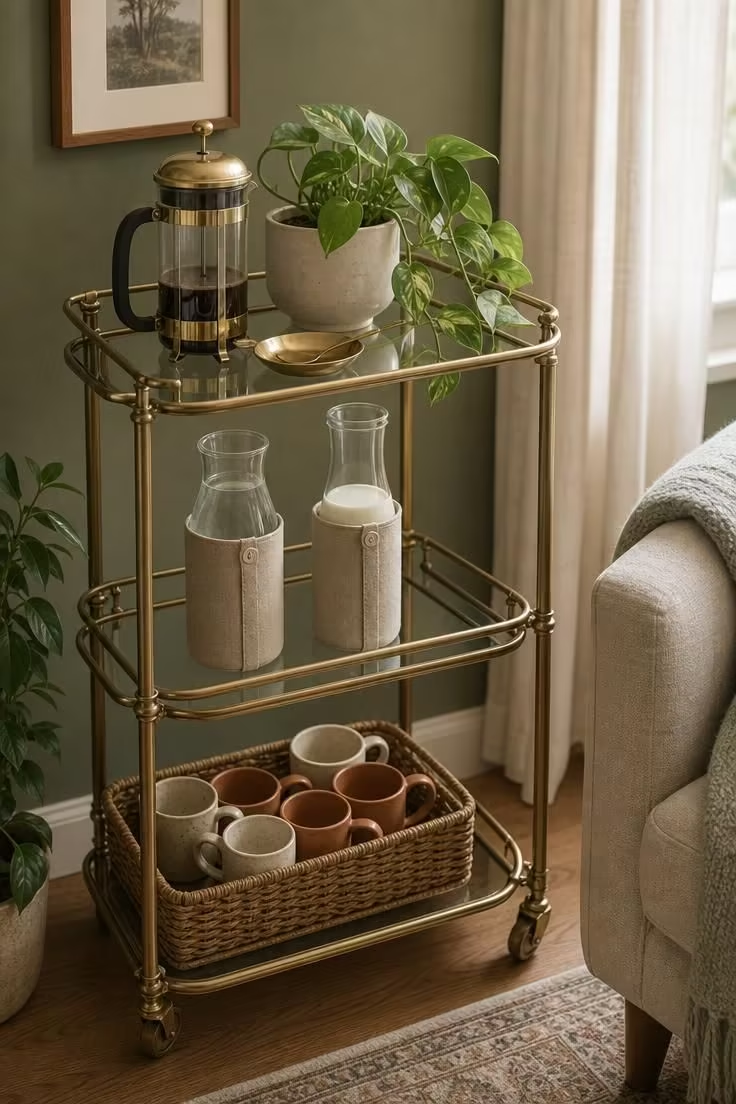
A bar cart coffee station works in rooms where a built-in counter is not an option.
The three tiers give you separation between brewing, supplies, and drinkware, which makes the small footprint feel much more organized than a single crowded shelf.
Brass ages well, picking up a patina over months that makes the cart look better, not worse.
Wrapping glass carafes in linen sleeves adds a textural layer that softens the glassware and keeps the palette warm.
The sage wall behind does the color work here, pulling the eye to the station without needing a backsplash or added decoration.
A trailing pothos on the top tier brings one living element into the arrangement, and its trailing vines will eventually drape over the edge of the cart in a way that looks completely unplanned.
This is a beverage station you can roll to a different room for a brunch or park permanently in a living room corner.
Style Blueprint:
- Polished brass three-tier bar cart with caster wheels for easy repositioning
- Glass French press with brass fittings as the centerpiece brewer
- Two tall glass carafes with removable natural linen sleeves
- Woven rattan basket sized to hold four to six stoneware mugs
- Small trailing pothos in a cream ceramic pot for the top tier
Floating Oak Shelves Over a Concrete Countertop Station
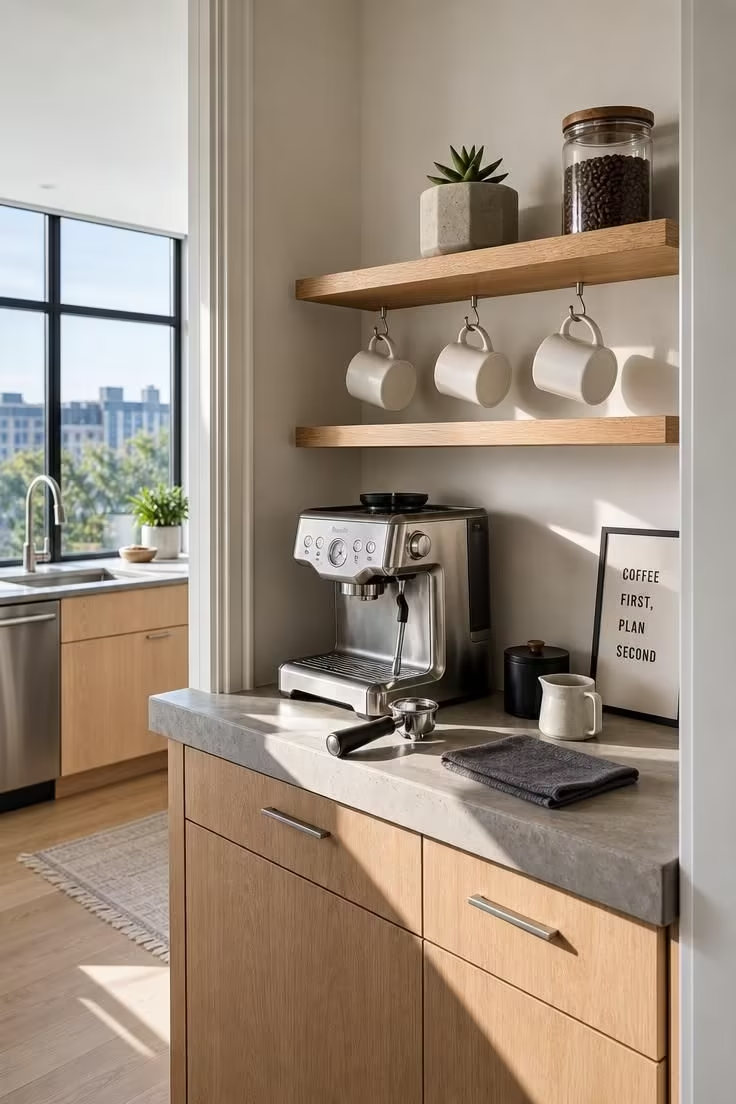
The combination of floating oak shelves and a concrete counter gives a coffee bar the kind of material tension that makes it feel designed rather than assembled.
Oak reads warm, concrete reads cool, and together they split the difference into something that works in both modern and transitional kitchens.
Hanging mugs from under-shelf hooks is one of the simplest coffee bar organization moves, and it frees up counter space that would otherwise go to a mug tree or stacking.
The wide-angle doorway perspective is worth noting here because it shows how a floating shelf coffee bar occupies vertical space without crowding the room visually.
Concrete countertops do need sealing to prevent coffee stains, but once sealed, they develop a muted surface character that improves with use.
A single succulent on the upper shelf keeps the arrangement from looking sterile.
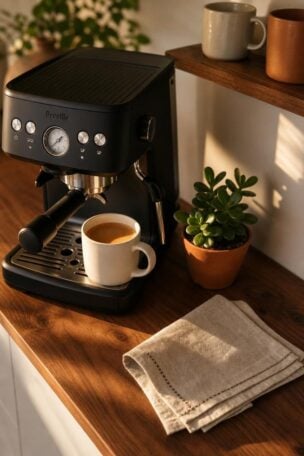
The stainless steel espresso machine anchors the whole station as the functional center, and the portafilter laid beside it suggests this spot gets used every morning.
Two shelves are enough for a mug display and a few accessories without tipping into clutter.
Style Blueprint:
- Two staggered floating oak shelves with concealed mounting hardware
- Poured concrete countertop sealed with a penetrating food-safe sealer
- Brushed steel under-shelf hooks spaced four inches apart for mug hanging
- Stainless steel espresso machine with a ceramic milk pitcher
- Small concrete planter with a low-maintenance succulent on the upper shelf
A Repurposed Pine Dresser With Chalkboard-Painted Backsplash
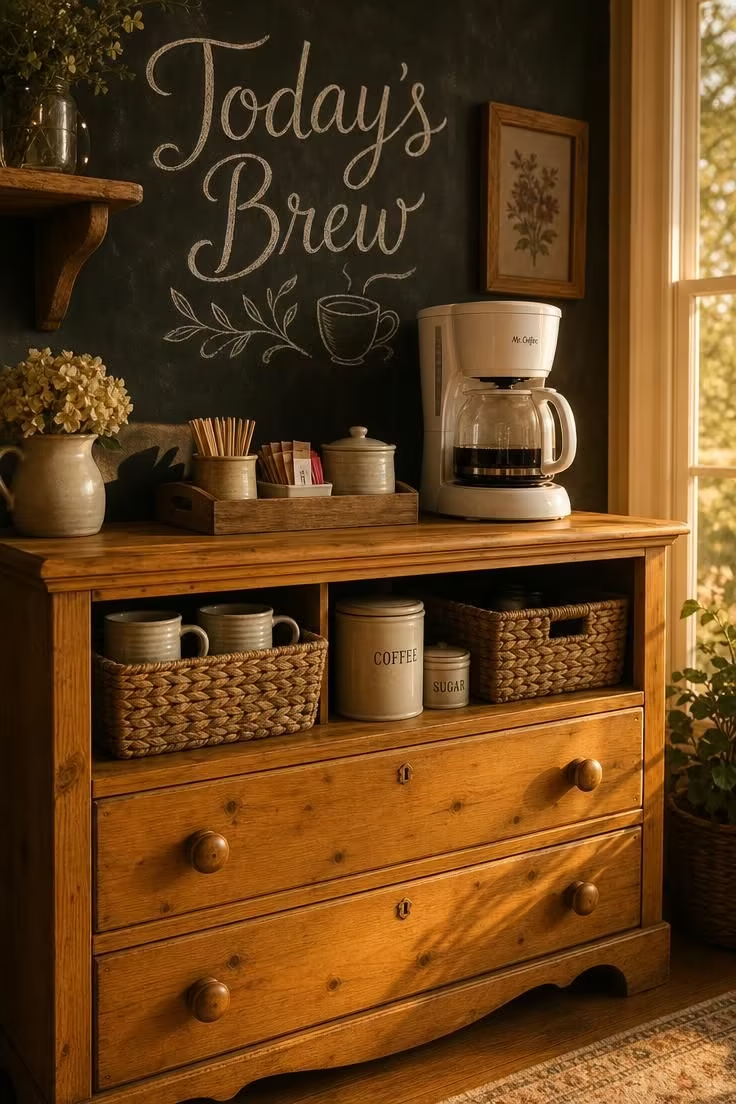
A dresser that has lost its place in a bedroom can gain a second life as a coffee station with almost no modification.
Removing the top drawers opens up cubbies that are already the right depth for mugs, baskets, and canisters.
The chalkboard-painted backsplash is the personality piece here, and it changes the whole mood of the setup by giving you a surface to write on, doodle on, or update seasonally.
Honey pine has a warmth that pairs naturally with seagrass and linen, keeping the coffee bar decor soft and approachable.
The drip machine on top is the right scale for this piece because anything larger, like a full espresso machine, would overwhelm the dresser proportions.
This is a setup that costs very little if you already have the dresser, and it can move with you to a new home without leaving a mark on the wall.
Style Blueprint:
- Vintage honey pine dresser with the top two drawers removed to create open cubbies
- Chalkboard paint applied to the wall behind the dresser (two coats, sanded between)
- Woven seagrass baskets and labeled ceramic canisters for cubby storage
- Small wooden tray on the dresser top to corral daily-use supplies
- White chalk marker for hand-lettered text on the backsplash
A Wall-Mounted Pegboard With Copper Hooks and Ceramic Canisters
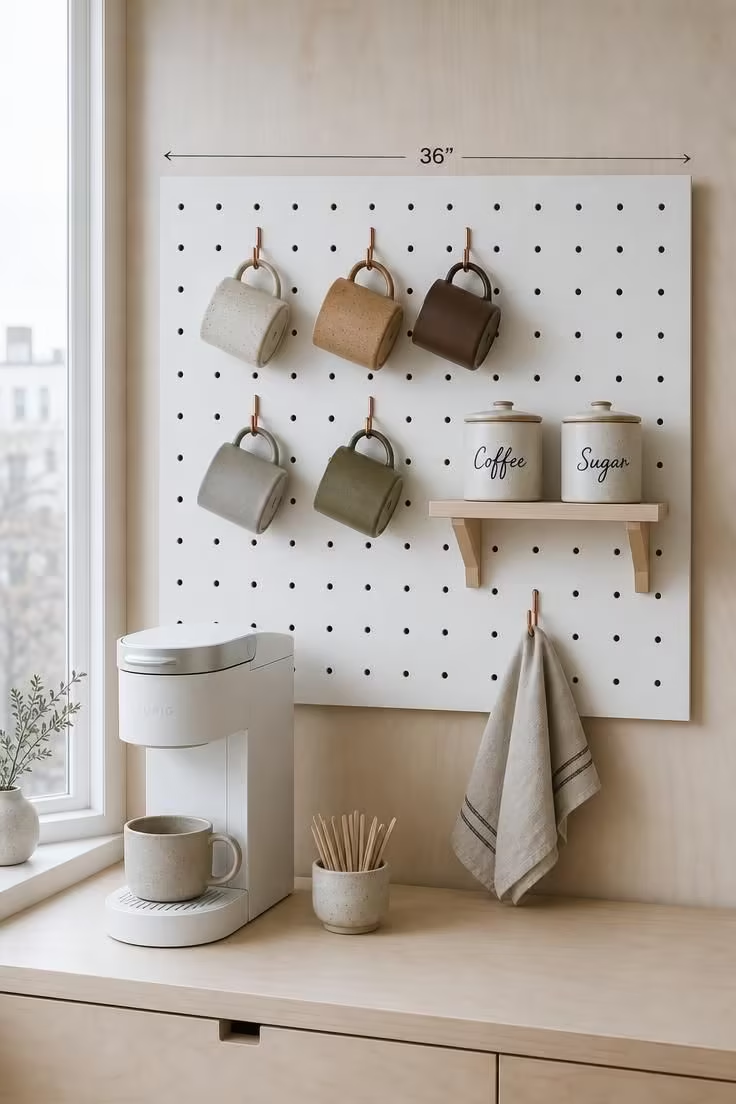
A pegboard turns a blank wall into a completely adjustable coffee bar shelving system without drilling more than two anchor points.
The copper hooks are the upgrade that separates this from a garage-style board, and they develop a warm patina over weeks that pulls the whole arrangement together.
Hanging mugs on hooks rather than stacking them on a shelf makes every piece visible and reachable, which means you actually use the full set instead of always reaching for the one on top.
The ceramic canisters sitting on a small shelf bracket keep dry goods at eye level, where they are easy to grab and refill.
Below the board, the narrow birch countertop holds only the brewer and a small bowl of stir sticks, nothing more.
That restraint is what makes the coffee nook feel spacious even in a tight kitchen corner.
Linen adds one soft texture against all the hard surfaces, and a single tea towel is enough to do that work.
The flat, straight-on camera angle emphasizes the graphic quality of the pegboard layout, which reads almost like a wall display.
This is one of the most renter-friendly small coffee bar ideas on this list because the pegboard comes down cleanly and the wall repairs are minimal.
Style Blueprint:
- White-painted plywood pegboard cut to 36 inches wide with two wall anchors
- Copper pegboard hooks in assorted sizes for mugs, towels, and utensils
- Two hand-lettered ceramic canisters on a small shelf bracket for dry goods
- Narrow birch countertop (12 inches deep) mounted below the pegboard
- Matte white single-serve brewer and a ceramic bowl of wooden stir sticks
Design Pro-Tip: When arranging any wall-mounted coffee bar, place your most-used item at elbow height and your least-used items on the highest hook or shelf. Your morning brain will thank you for not having to reach or think. Measure once from your natural standing position, mark that height with painter’s tape, and build outward from there.
A Narrow Console Table With Tiered Wooden Tray and Kettle
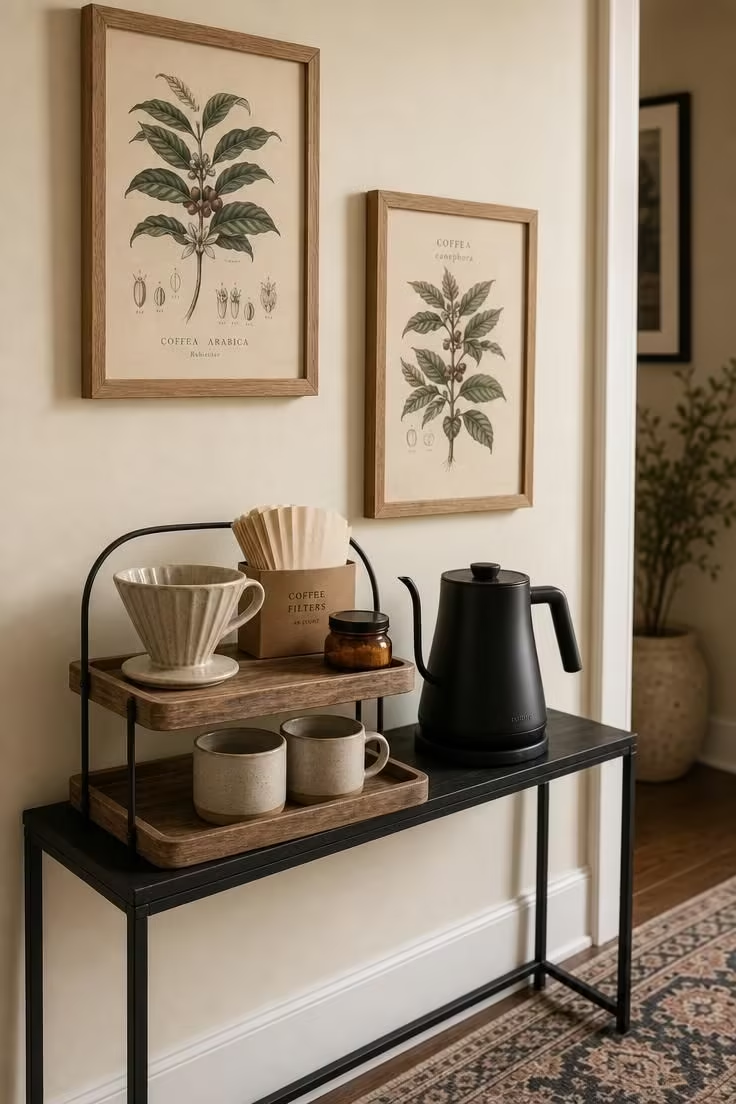
A console table solves the “no counter space” problem by creating a dedicated coffee station in a hallway, dining room, or living room wall.
The 12-inch depth is the reason this works in narrow spaces where a standard table or cart would block the walkway.
Tiered trays are one of the best coffee bar organization tools because they let you stack vertically on a surface that has very little horizontal room.
The matte black kettle and the black iron legs create a visual thread that ties the station together without needing a matching set.
Framed prints above the table define the wall space as intentional, which stops the setup from looking like an afterthought.
Coffee plant botanical illustrations are a quiet nod to the station’s purpose without being literal or heavy-handed.
Two stoneware cups on the lower tray tier are enough for a daily routine, and the pour-over dripper keeps the process simple and compact.
Style Blueprint:
- Slim black iron console table, 12 inches deep and 36 inches wide
- Two-tiered reclaimed wood tray for vertical coffee bar organization
- Matte black electric kettle with a slim profile to fit the narrow surface
- Two framed coffee plant botanical illustrations in thin oak frames
- Ceramic pour-over dripper and paper filters in a kraft sleeve
A Pantry Closet Coffee Nook With LED Strip Lighting
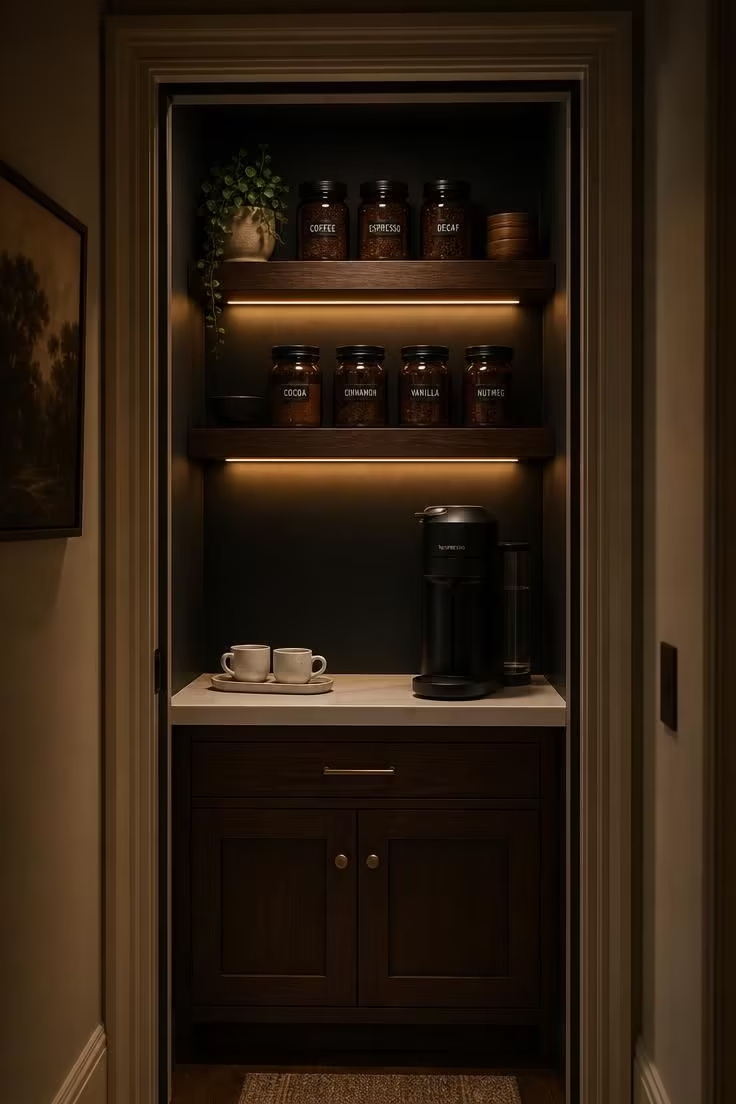
Removing a pantry door and painting the interior a deep charcoal turns a storage closet into a coffee nook that feels like a hidden alcove.
The LED strip lights under each shelf are the design move that makes this work, because without them the dark interior would feel like a forgotten cabinet.
Warm-toned strips in the 2700K range create the amber glow you see in café interiors, and they cost less than a single pendant fixture.
Labeled amber glass jars on the shelves bring an apothecary quality that makes the small space feel intentional rather than cramped.
The white counter and white ceramic tray break up the darkness just enough to keep the nook from becoming a cave.
This is the most self-contained coffee station on the list, and it tucks everything behind a single wall plane so the rest of the kitchen stays visually clear.
Style Blueprint:
- Pantry closet with door removed and interior painted in charcoal
- White composite countertop installed at waist height (36 inches)
- Warm-toned LED strip lights (2700K) mounted under each floating shelf
- Two narrow dark walnut floating shelves for labeled amber glass jars
- Compact single-serve brewer and a white ceramic tray for daily cups
A Live-Edge Maple Shelf With Hand-Thrown Stoneware Mugs
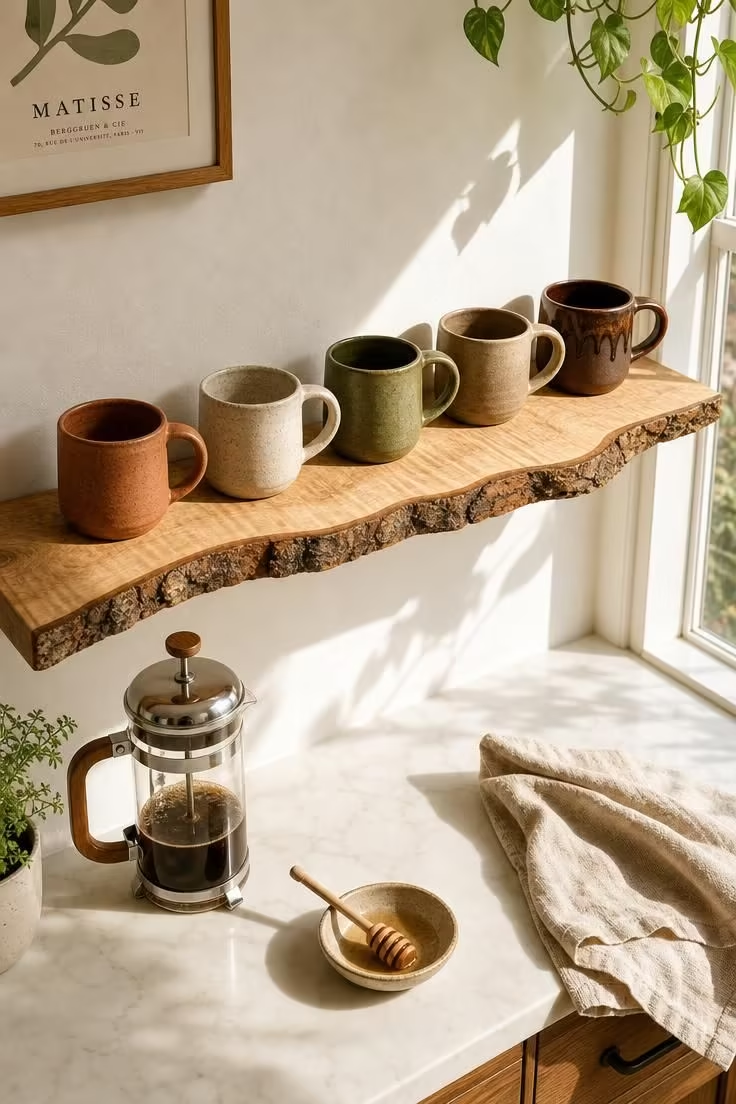
A live-edge maple shelf brings a raw, organic presence that no manufactured floating shelf can match.
The bark edge is the focal point, and mounting it with the bark facing outward makes the shelf read as a piece of the tree rather than a board.
Five mugs in graduated earth tones create a mug display that functions as wall art without trying to be decorative.
Hand-thrown stoneware has small irregularities in form and glaze that catch the light differently on each piece, which gives the lineup visual rhythm.
The French press below keeps the brewing method visible and simple, matching the handmade quality of the mugs above it.
A wooden honey dipper is a small touch, but it signals that this station is about more than just caffeine.
Bright midday light is the right condition for this setup because it reveals every grain in the maple and every glaze variation in the stoneware.
The linen cloth folded on the counter softens the arrangement and gives your hand something to reach for after wiping down the surface.
Style Blueprint:
- Single live-edge maple slab shelf (48 inches wide, 2 inches thick) with bark edge facing out
- Five hand-thrown stoneware mugs in earth tones spaced evenly across the shelf
- Heavy-duty concealed shelf brackets rated for the weight of a solid wood slab
- Glass French press and a wooden honey dipper on the counter below
- Natural linen cloth folded beside the brewer for daily surface care
A Rattan Tray Station on a Marble-Topped Side Table
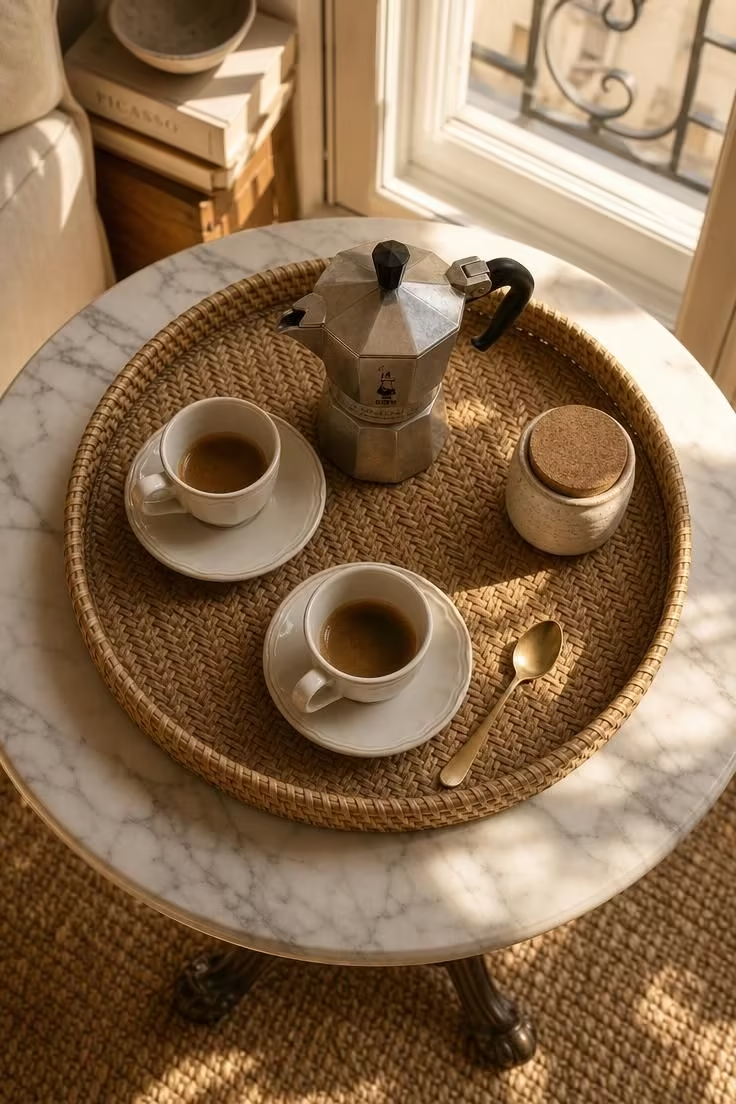
A marble-topped side table is not the first piece most people think of for a coffee station, but its small footprint and finished surface make it a natural fit for a living room or bedroom corner.
The rattan tray defines the station within the table, keeping the Moka pot and cups contained and easy to carry to the kitchen for refills.
Carrara marble veining in soft dove tones pairs well with honey rattan, and the two materials together read as relaxed Mediterranean style.
A Moka pot is the right brewer for this kind of setup because it is small, stovetop-ready, and visually sculptural in a way that a bulky drip machine is not.
Two espresso cups with saucers are all this station needs, and the brass spoon catches the light in a way that pulls the whole tray together.
Style Blueprint:
- Round marble-topped side table with an 18-inch diameter surface
- Round rattan tray with a herringbone weave pattern sized to fit the tabletop
- Small aluminum Moka pot with a black handle as the featured brewer
- Two white espresso cups with saucers and a tiny brass spoon
- Ceramic sugar bowl with a cork lid for a finished, collected look
Design Pro-Tip: If your coffee bar sits on a surface you care about (marble, wood, vintage furniture), place a thin sheet of cork or a silicone mat under the brewer. Heat, moisture, and micro-scratches from daily use will mark any surface over time. A hidden protective layer keeps the surface pristine without adding any visible clutter to your setup.
Black Steel Pipe Shelving With Mason Jar Coffee Storage
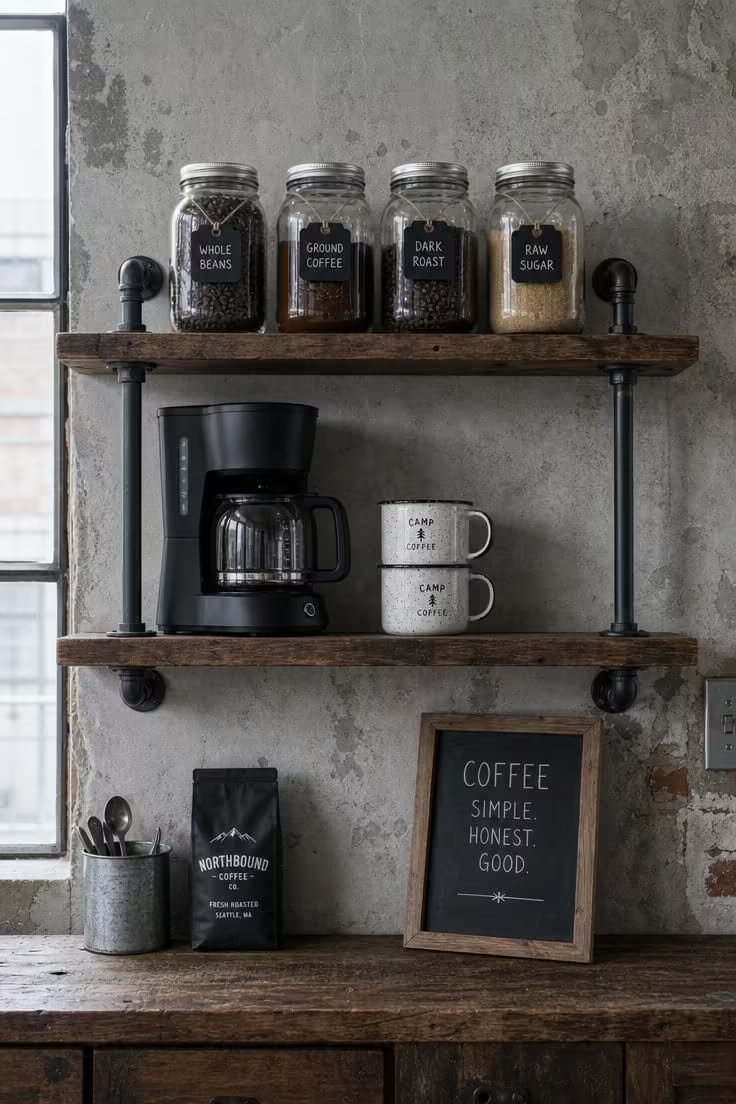
Black steel pipe fittings and reclaimed wood planks give a coffee bar shelving setup that reads as industrial without needing a full loft renovation.
The pipe brackets are structural enough to hold the weight of filled mason jars without sagging, which is a common problem with thin decorative shelf brackets.
Mason jars with zinc lids are one of the most affordable storage options for a coffee station, and the glass lets you see exactly when supplies run low.
Chalkboard tags tied with twine add a handwritten quality that keeps the labels flexible and easy to swap when you rotate bean varieties.
The matte black drip machine on the lower shelf disappears into the black pipe brackets, which is a good trick for making a bulky appliance feel less dominant.
Speckled white enamel camp mugs are a texture match for the industrial palette, and they stack cleanly without needing hooks or a separate rack.
This setup works best against a raw or lightly textured wall because the pipe fittings need a backdrop with some character to avoid looking like exposed plumbing.
Style Blueprint:
- Black steel pipe bracket shelving kit with floor flanges and reclaimed wood planks
- Mason jars with zinc lids in quart size for beans, grounds, and sugar storage
- Small chalkboard tags tied with twine for flexible labeling
- Matte black drip coffee machine sized to fit the lower shelf depth
- Speckled white enamel camp mugs that stack flat for compact storage
A White Subway Tile Backsplash With Open Cubby Mug Storage
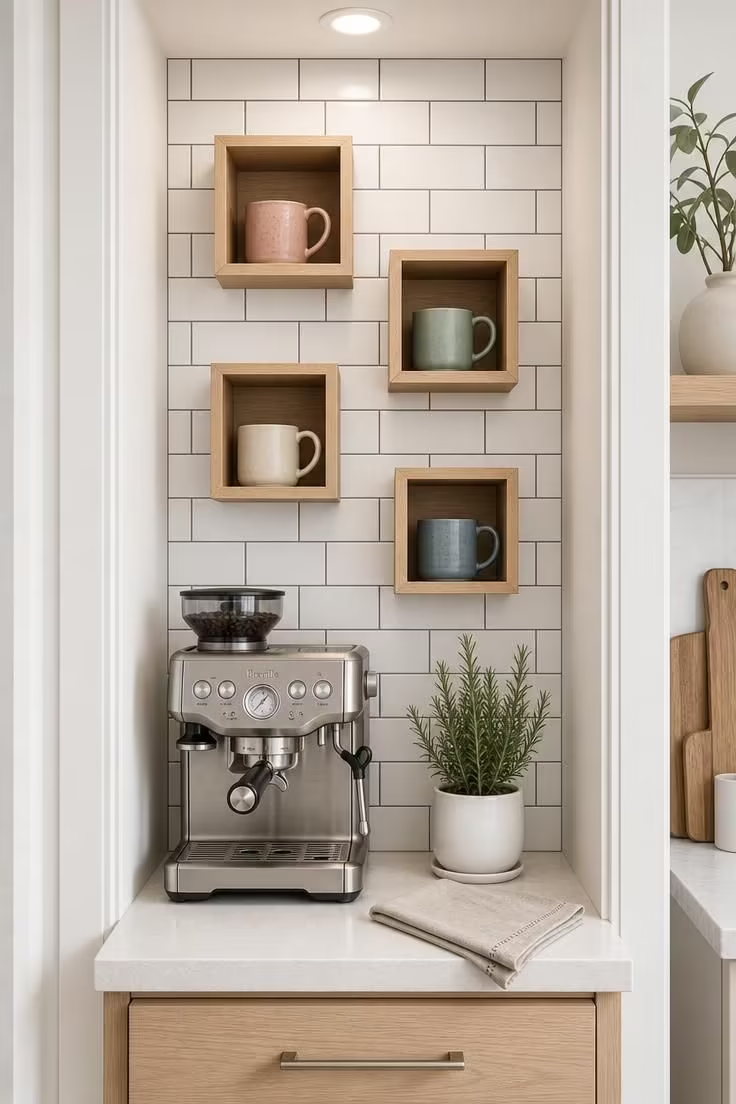
Recessing wooden cubbies directly into a subway tile wall turns mug storage into an architectural feature.
Each mug sits in its own frame, which gives the arrangement a gallery quality that open shelving cannot replicate.
The charcoal grout line is the small decision that makes the biggest visual difference here, adding enough contrast to define each tile row without darkening the space.
Light ash wood for the cubbies keeps the material palette warm against all that white tile, and the natural grain adds texture to a surface that could otherwise feel flat.
A 24-inch niche is tight, but it fits a compact espresso machine and a potted herb with room to spare.
The potted rosemary sprig adds a living element and a scent that pairs well with fresh coffee, grounding the visual arrangement in something sensory.
Style Blueprint:
- White subway tile backsplash in running bond pattern with thin charcoal grout
- Four recessed ash wood cubbies sized to hold one mug each, staggered at different heights
- Brushed nickel espresso machine scaled to fit a 24-inch niche
- Small potted rosemary in a white ceramic pot for a living accent
- Dove-toned linen napkin folded beside the machine for daily use
A Fold-Down Wall Table With Magnetic Spice-Jar Coffee Rack
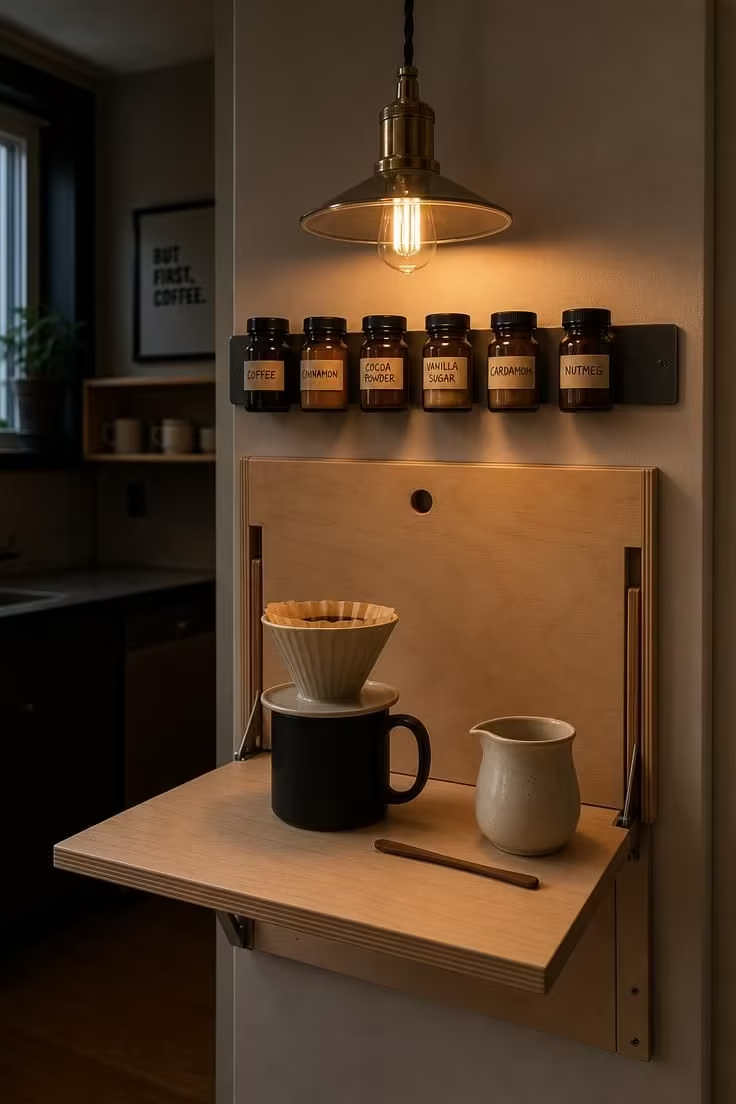
A fold-down table is the most space-efficient option on this list because it returns the wall to a flat surface when not in use.
Birch plywood is the right material for this application because it is light enough to lift easily but rigid enough to hold a brewer and a few cups without flexing.
The magnetic strip above is the organizing principle here, and repurposing small spice jars for coffee, cocoa, and spices turns a simple steel strip into a full flavor station.
Amber glass jars catch the pendant light and glow from the inside, adding warmth to the display that clear glass would not provide.
The pendant fixture hanging directly above the table creates a focused pool of light that defines the coffee nook as its own zone within the kitchen.
Below-eye-level camera angles give small setups a sense of stature, and this perspective makes the fold-down table look more permanent than it is.
A ceramic pour-over dripper placed directly on a matte black mug is the most compact brewing method for a table this size, with no carafe, no machine, and no footprint beyond the mug itself.
Cardamom and vanilla sugar in the spice jar lineup signal that this coffee bar is about more than just a basic cup, and those additions cost almost nothing.
Style Blueprint:
- Fold-down birch plywood wall table with locking hinge hardware rated for 30 pounds
- Matte steel magnetic strip (24 inches) mounted above the table for jar storage
- Six small amber glass spice jars with hand-written cream labels for coffee and flavor additions
- Single warm-toned pendant light with a brass socket hung 24 inches above the table surface
- Ceramic pour-over dripper sized to sit directly on a standard mug
A Woven Seagrass Basket Caddy on a Raw Cedar Floating Shelf
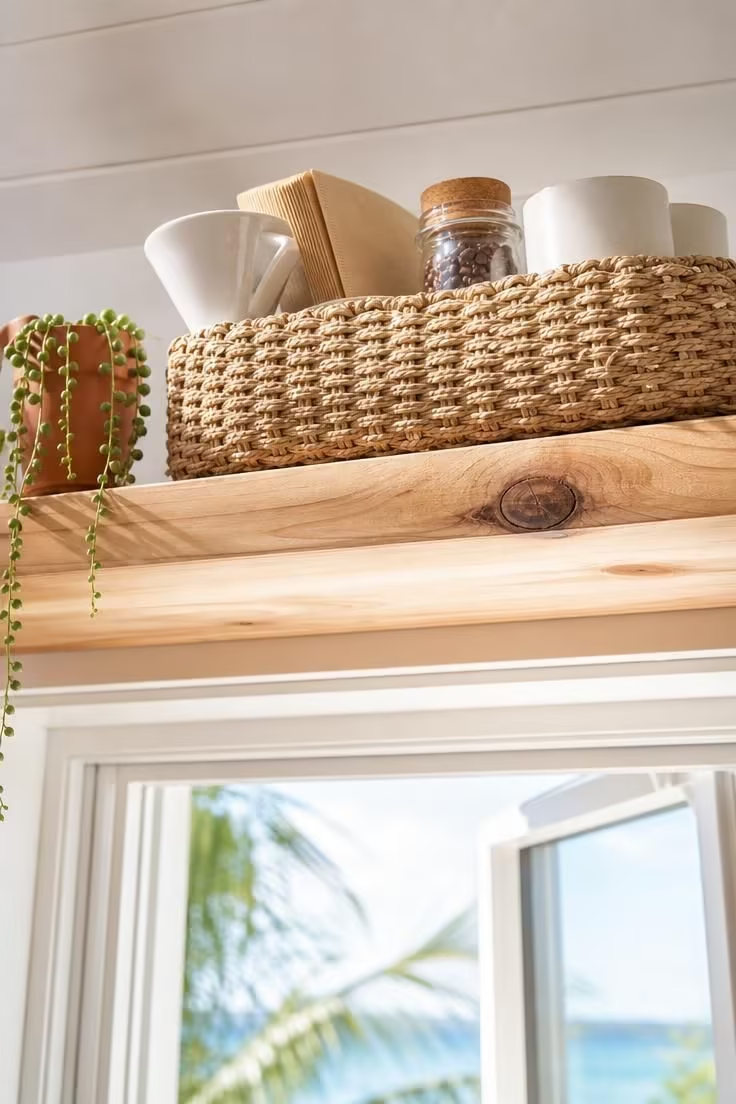
A single raw cedar shelf above a window is not the most obvious spot for a coffee bar, but it catches the best light in most kitchens and puts supplies within arm’s reach without eating into counter space.
The seagrass basket caddy acts as a portable container, so you can lift the whole thing down to the counter when brewing and return it to the shelf when finished.
Raw cedar has a scent that mixes well with fresh coffee grounds, and the knots and grain patterns give the shelf a character that a smooth, manufactured board would lack.
Kraft paper filter sleeves and corked glass jars lean into the natural material palette without any added decoration.
Matte white ceramic tumblers instead of standard mugs give the arrangement a cleaner silhouette that fits the basket profile without handles poking out.
Bright midday sun from below is unusual, and it highlights the woven seagrass texture in a way that overhead lighting would flatten.
The trailing string-of-pearls plant at the shelf edge adds one living, moving element that softens the static arrangement of supplies.
Style Blueprint:
- Raw cedar floating shelf (36 inches) with visible knots, mounted above a kitchen window
- Large woven seagrass basket caddy deep enough to hold a pour-over cone, filters, and jar
- White ceramic pour-over cone and two short matte white ceramic tumblers
- Small corked glass jar for whole beans and a kraft paper filter sleeve
- Trailing string-of-pearls plant in a small terracotta pot at the shelf edge
Design Pro-Tip: Every small coffee bar benefits from one “landing zone,” a designated tray, mat, or cleared section of counter where your mug sits during and after brewing. Without it, drips, rings, and spills spread across the full surface. A simple ceramic tray or a square of sealed cork defines that zone and keeps the rest of your station clean.
Conclusion
A small coffee bar does not need much room to become the most personal spot in your home.
The 13 ideas here cover rolling carts, floating shelves, repurposed furniture, closet conversions, and wall-mounted systems, each built to fit tight spaces without compromise.
What ties them together is a shared principle: a clear surface, a few considered pieces, and a setup that makes your morning brew feel like a ritual rather than a task.
Pick the format that fits your space, start with the brewer and the mugs, and build outward from there.