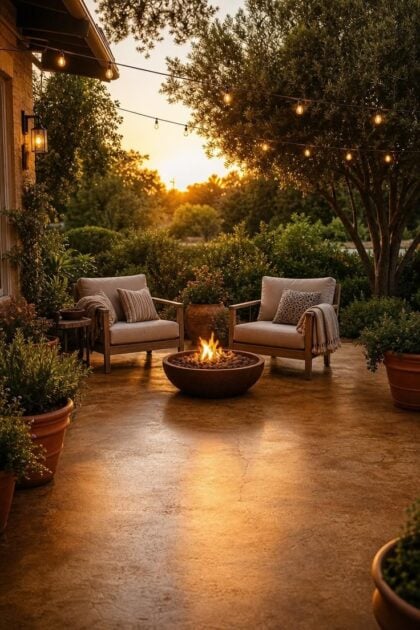
This post may contain affiliate links. If you make a purchase through these links, we may earn a commission at no additional cost to you.
A concrete slab is one of the least expensive outdoor surfaces you can pour, and it does not have to stay plain.
With the right finish, a few pieces of patio furniture, and some low-cost upgrades, a basic backyard patio becomes a place you actually want to sit in after dinner.
These eleven simple concrete patio ideas cover stained surfaces, scored patterns, stamped overlays, and smart shade solutions that keep the budget low and the comfort high.
Every one of them starts with a simple concrete slab and proves that a budget patio can still look like it belongs in a magazine.
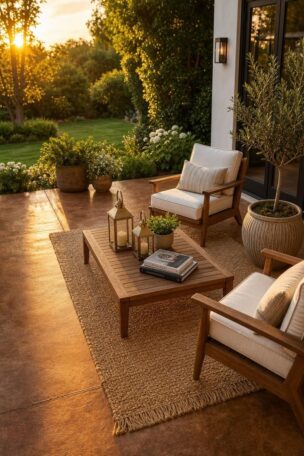
Acid-Stained Concrete in Warm Amber Tones
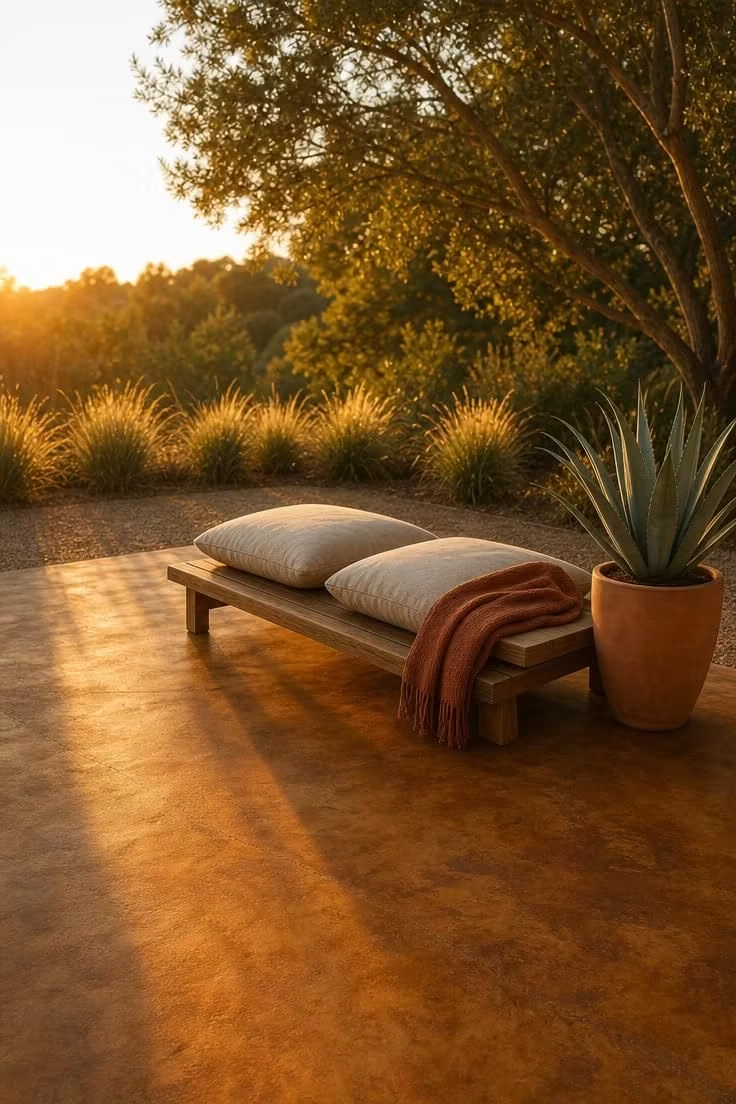
Acid stain reacts with the lime content already inside the cured concrete, so the color becomes part of the slab rather than a coating sitting on top.
The chemical reaction produces a marbled, slightly unpredictable pattern in amber, cognac, and sienna tones that no two pours share.
A single gallon of acid stain covers roughly 200 square feet and costs between $30 and $50, making this one of the most affordable ways to add color to a simple concrete patio ideas list.
Application is straightforward for a weekend DIY project: clean the slab, spray or brush the stain, neutralize with baking soda and water, then seal.
A low-profile teak bench and a pair of linen floor cushions are all the patio furniture this surface needs to feel finished.
The warm amber tones pull the outdoor living space together without competing with the surrounding landscape.
Style Blueprint:
- Acid stain in amber or cognac tone
- Low-profile teak bench
- Oatmeal-linen floor cushions
- Matte terracotta planter with a single agave
- Decomposed granite border
A Broom-Finish Slab With Sawcut Diamond Grid
Broom-finish concrete is the default builder-grade surface, and most homeowners already have one under their feet.
The texture comes from dragging a stiff broom across the wet pour, leaving parallel grooves that add slip resistance without adding cost.
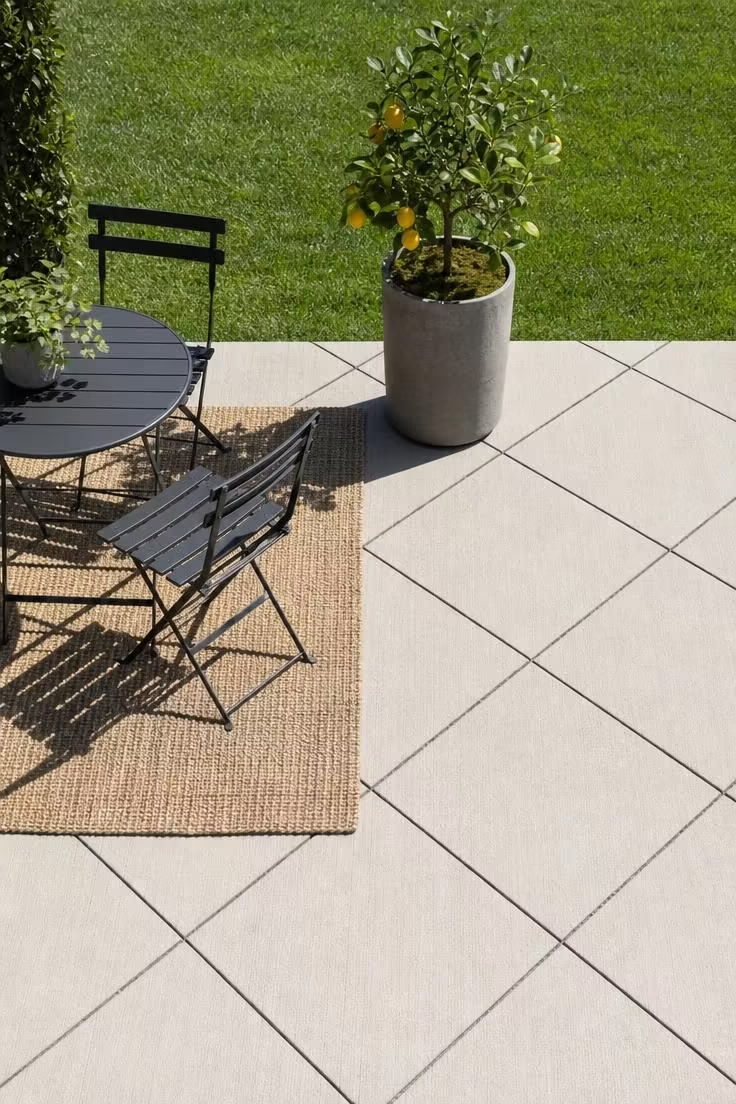
Sawcutting a diamond grid into the cured slab turns that utilitarian surface into something that reads like large-format tile from ten feet away.
The cuts are made with a concrete saw at 45-degree angles, spaced every 18 to 24 inches, and the only expense is a diamond blade.
Because the lines double as control joints, they actually reduce the risk of random cracking across the patio design.
A matte black folding bistro set keeps the look modern without cluttering the pattern.
One potted lemon tree and a jute rug complete the scene and keep the whole project well under a few hundred dollars.
Style Blueprint:
- Broom-finish concrete slab
- Sawcut diamond grid at 45-degree angles
- Matte black folding metal bistro set
- Meyer lemon tree in a concrete cylinder planter
- Natural jute outdoor rug
Exposed-Aggregate Surface With Steel Edging
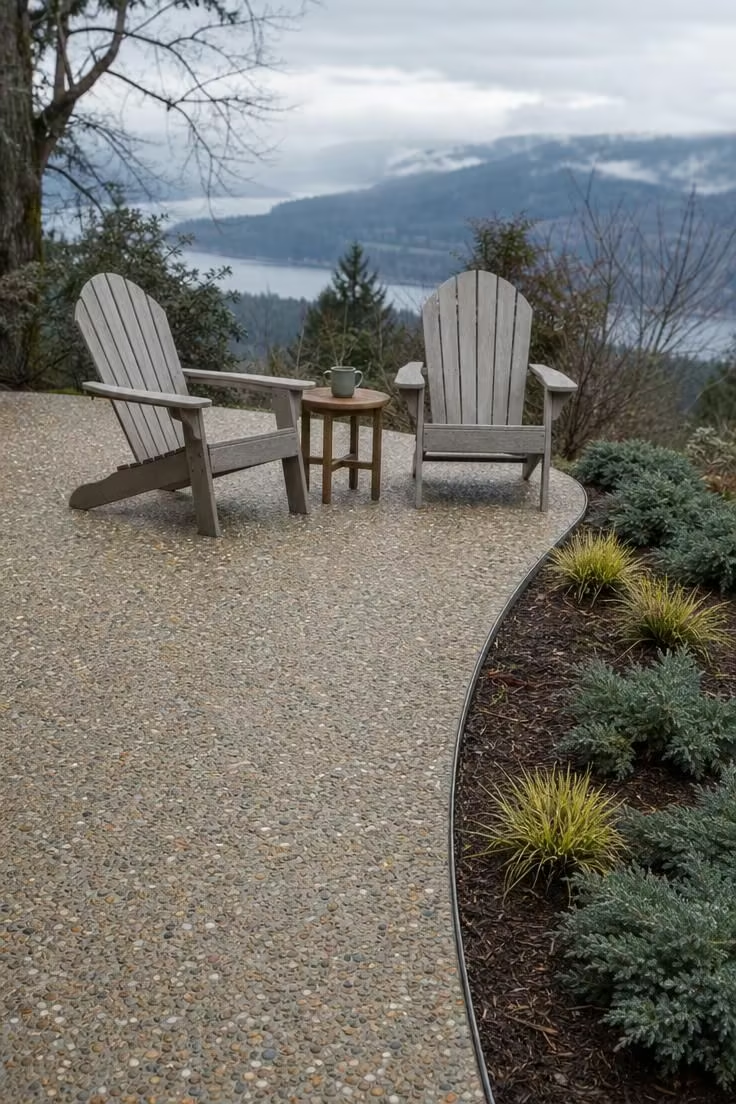
Exposed-aggregate concrete reveals the natural stone and pebble mix that is already inside every pour.
The process involves spraying a surface retarder onto the fresh concrete, then pressure-washing the top layer away the next day to uncover the aggregate beneath.
River pebble, crushed granite, and quartz are the most common aggregate types, and each one gives the surface a different color and texture range.
The visual result lands somewhere between a polished terrazzo floor and a natural creek bed, depending on the stone mix.
Steel landscape edging along the perimeter creates a sharp, modern border that separates the aggregate from surrounding mulch or lawn.
The raw steel will develop a warm rust patina over time, adding character without maintenance.
A pair of recycled poly-lumber Adirondack chairs in a weathered tone keeps the palette grounded.
This finish costs roughly $2 to $4 more per square foot than standard broom-finish concrete, a small premium for a surface that needs almost no patio decor to look complete.
Style Blueprint:
- Exposed-aggregate finish with river pebble mix
- Raw steel landscape edging
- Recycled poly-lumber Adirondack chairs in driftwood tone
- Small round cedar side table
- Creeping juniper and ornamental grass border planting
Painted Stencil Tiles on a Cured Concrete Pad
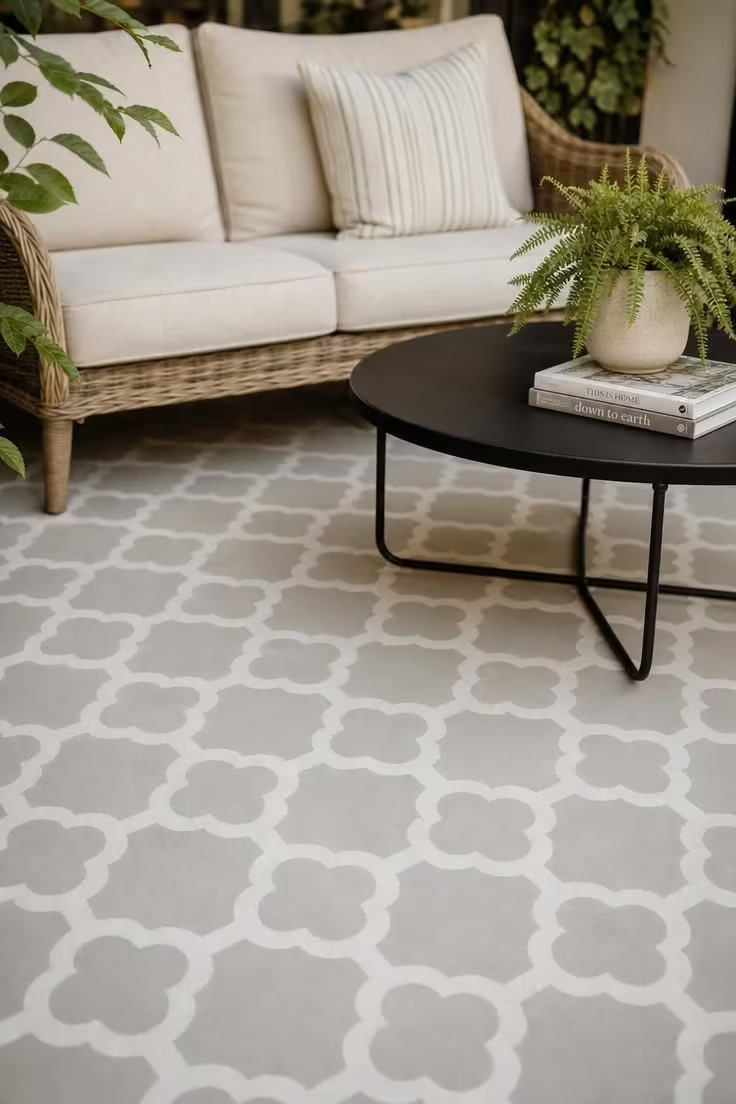
A repositionable stencil and a can of concrete-rated porch paint can make a plain slab look like hand-laid encaustic tile.
The process is simple: tape the stencil down, roll or spray the paint, lift, reposition, and repeat until the whole surface is covered.
Moorish geometrics, lattice patterns, and diamond grids are the most popular choices, and each one reads differently depending on the color combination.
A two-tone scheme in dove and white keeps the look grounded, but bolder pairings like charcoal on sandstone or navy on cream work just as well.
One gallon of porch paint runs $30 to $50 and covers 200 to 400 square feet, making this the lowest-cost decorative treatment on this list.
A wicker loveseat and a round metal coffee table are enough to turn the painted pad into a comfortable outdoor living space.
Style Blueprint:
- Repositionable Moorish geometric stencil
- Concrete-rated porch paint in dove and white
- Wicker loveseat with off-white cushions
- Round black metal coffee table
- Potted fern as a tabletop accent
Design Pro-Tip: When choosing a stencil pattern for a concrete slab, pick one with a repeat unit larger than 8 inches. Smaller patterns create visual noise at a distance and lose their definition underfoot after a season of use. A bold, simple repeat reads clearly from standing height and holds up better to foot traffic.
A Salt-Finish Slab Framed by River Rock Borders
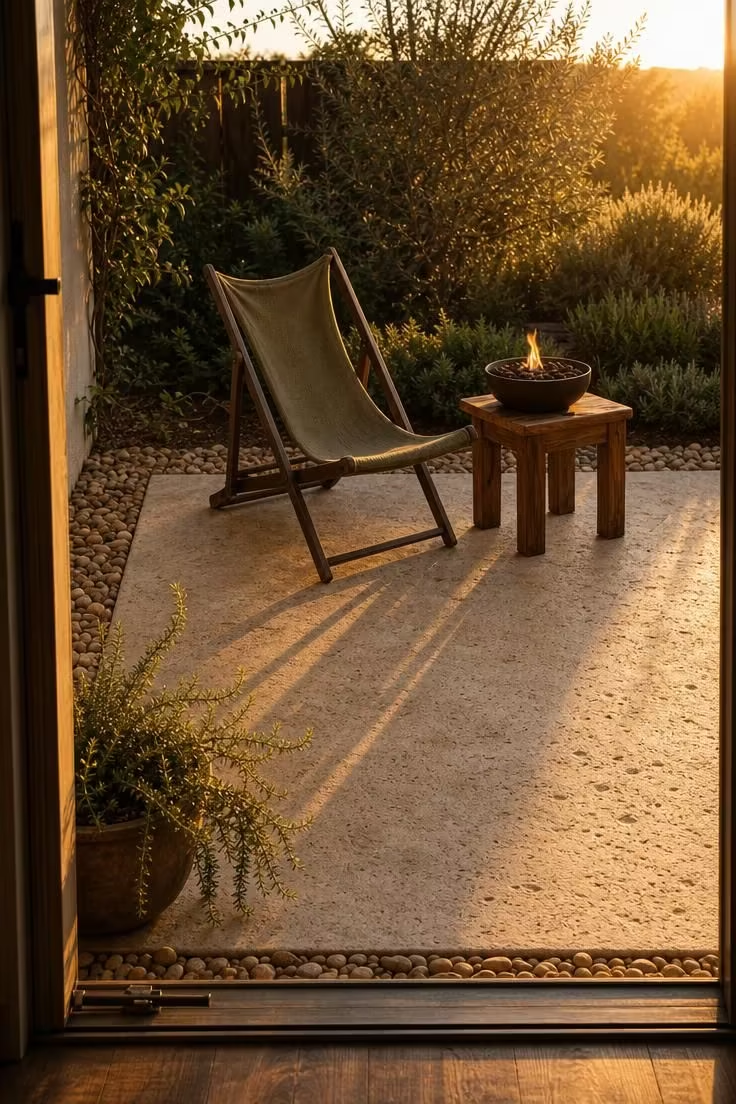
Salt-finish concrete gets its texture from a technique that costs almost nothing beyond the price of a bag of rock salt.
While the concrete is still wet, coarse rock salt crystals are pressed into the surface with a roller or a flat hand float.
After the slab cures for 24 hours, the salt is washed away with a hose, leaving behind a field of small, irregular pits that catch light and shadow.
The result looks remarkably similar to tumbled travertine, a material that costs five to ten times more per square foot.
A 12-inch border of river rock laid dry around the perimeter adds a second natural texture and doubles as a drainage channel during heavy rain.
The rock border keeps mulch and soil from washing onto the slab and gives the edges a finished look without poured curbing.
A canvas sling chair, a cedar side table, and a tabletop fire bowl are all this patio needs.
The fire pit patio setup fits in a four-foot circle and creates a focal point that draws people outside after sunset.
The pitted surface, warm stone borders, and low flame combine into a scene that feels far more considered than its price tag suggests.
Style Blueprint:
- Salt-finish concrete slab
- 12-inch river rock dry border in tan and cream tones
- Canvas sling chair in olive
- Cedar side table
- Tabletop fire bowl
Concrete Stepping Rounds Through Low Groundcover
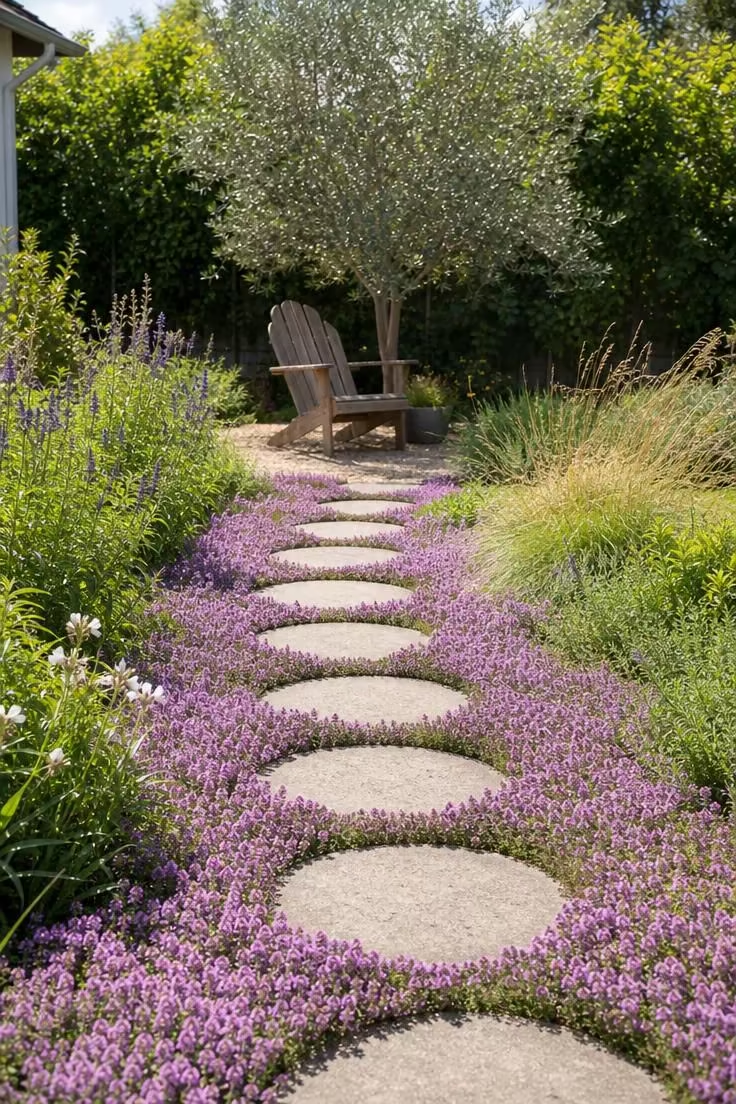
Pre-cast concrete rounds from a home center cost $3 to $6 each and come in 12-inch, 18-inch, and 24-inch diameters.
Setting them is a half-day project: dig out a shallow bed, lay two inches of leveling sand, place the rounds 4 to 6 inches apart, and fill the gaps with creeping thyme, dwarf mondo grass, or Irish moss.
The living joints between the stones soften the look of the concrete and release fragrance when stepped on, especially thyme.
This approach works well for extending a backyard patio into a deeper section of the yard without pouring a second slab.
A single destination chair at the far end of the path gives the stepping rounds a purpose and a visual endpoint.
The effect is somewhere between a garden path and a patio, and it costs a fraction of either one done at full scale.
A small gravel pad under the destination chair keeps the legs stable and separates the seating area from the planted groundcover.
Style Blueprint:
- 18-inch pre-cast concrete stepping rounds
- Creeping thyme groundcover between rounds
- Weathered teak Adirondack chair
- Small gravel pad at destination
- Native grasses at the border edges
A Scored Concrete Slab With Cantilever Umbrella Shade
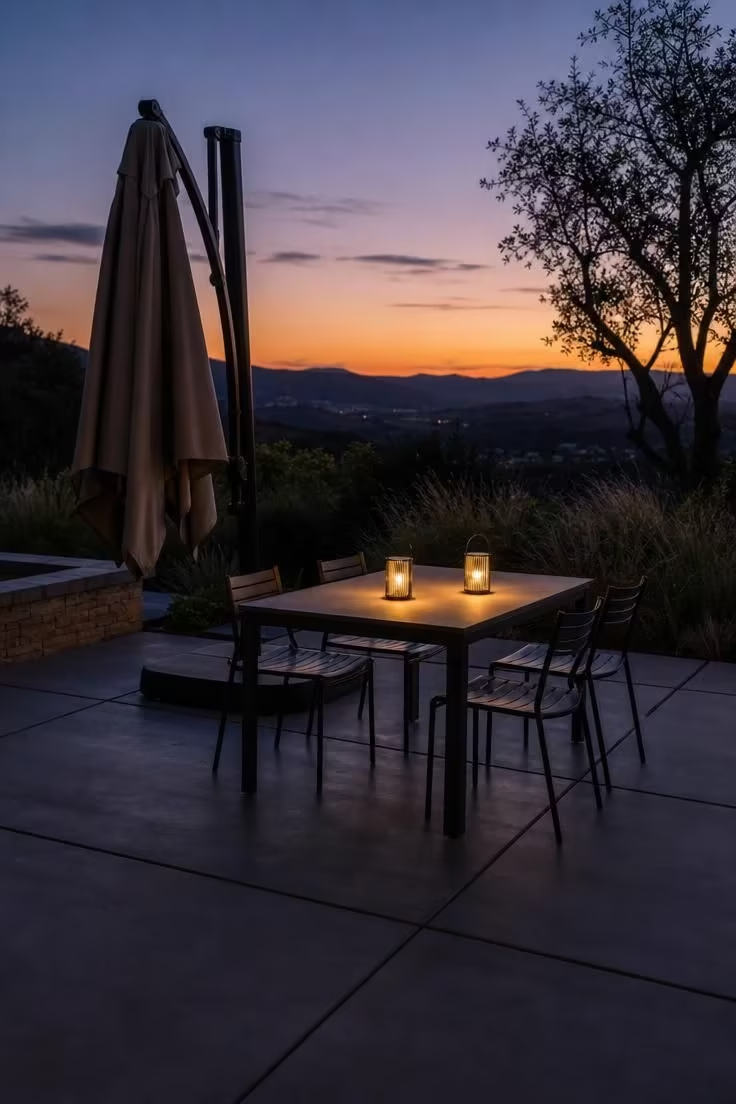
Scoring a cured concrete slab with a concrete saw creates the look of large-format tile at zero material cost beyond a diamond blade rental.
The most common layout is a 2-by-2-foot or 3-by-3-foot grid of straight lines, but staggered running-bond patterns work well too.
The shallow grooves are typically 1/8 to 1/4 inch deep, just enough to catch light and shadow and suggest separate tiles.
Like the sawcut diamond grid in section two, these lines also serve as control joints that manage cracking.
A cantilever umbrella provides adjustable shade over the dining zone without a center pole blocking the table.
The 10-foot diameter models cover a four-person table and chairs comfortably, and the offset base tucks out of the way when not in use.
At dusk, a pair of solar LED lanterns on the table picks up where the daylight leaves off, keeping the patio usable for another few hours.
This setup is one of the most practical stamped concrete alternatives for homeowners who want a polished look on a tight budget.
Style Blueprint:
- Scored large-format tile grid (2×2 or 3×3 foot squares)
- 10-foot cantilever umbrella in natural canvas
- Low rectangular powder-coated aluminum dining table
- Stackable dining chairs
- Solar-powered LED lanterns
Design Pro-Tip: If your concrete slab already has random control joints from the original pour, use those existing lines as a starting grid for your scoring pattern. Aligning new cuts with old joints creates a cohesive layout and prevents the awkward collision of decorative lines with functional ones. The result looks intentional rather than patched.
Ash-Tinted Concrete With White Powder-Coated Furniture
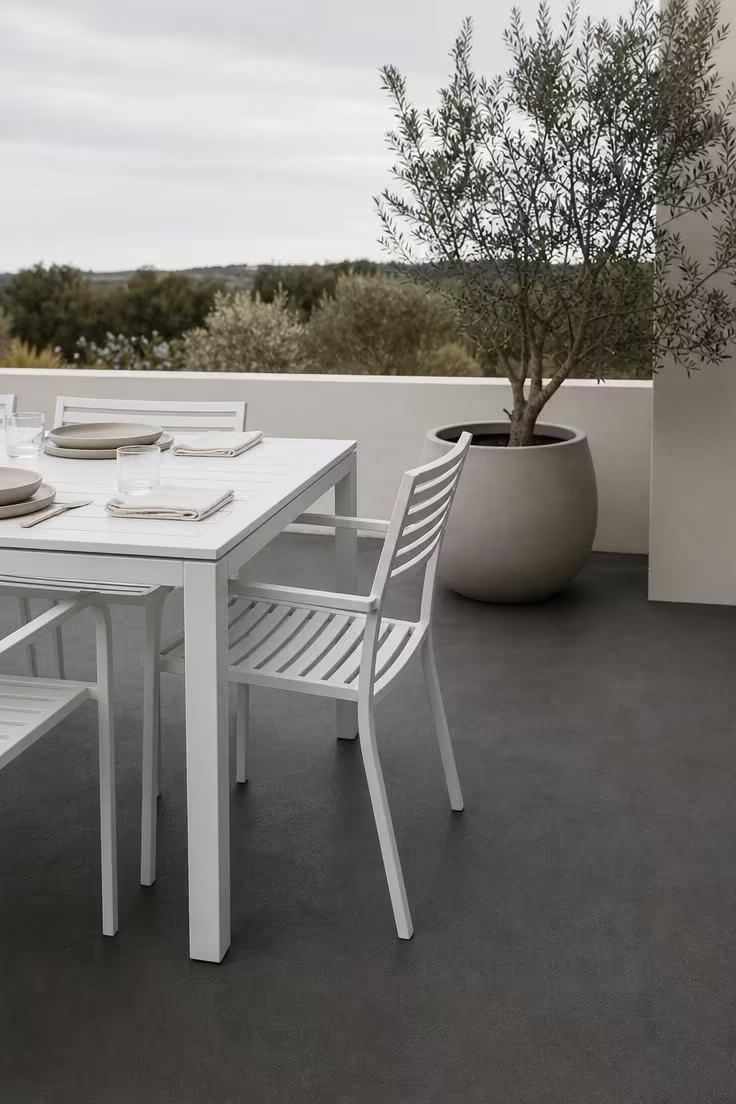
Full-depth color gets mixed directly into the concrete before the pour, so the tone runs all the way through the slab.
An ash tone produces a surface that reads as dark and grounded without the heaviness of black, and it hides scuffs and staining better than lighter pours.
White powder-coated aluminum furniture against that dark base creates a high-contrast palette that looks sharp with minimal effort.
Powder-coated metal resists rust, peeling, and fading, so the white stays clean season after season.
A single olive tree in a large ceramic planter adds a living focal point without cluttering the slab with too many pots.
Style Blueprint:
- Full-depth ash-toned concrete slab
- White powder-coated aluminum dining set
- Dove-colored ceramic planter
- Single olive tree
- Sand-tone stoneware table setting
A Stamped Wood-Plank Overlay on an Existing Slab
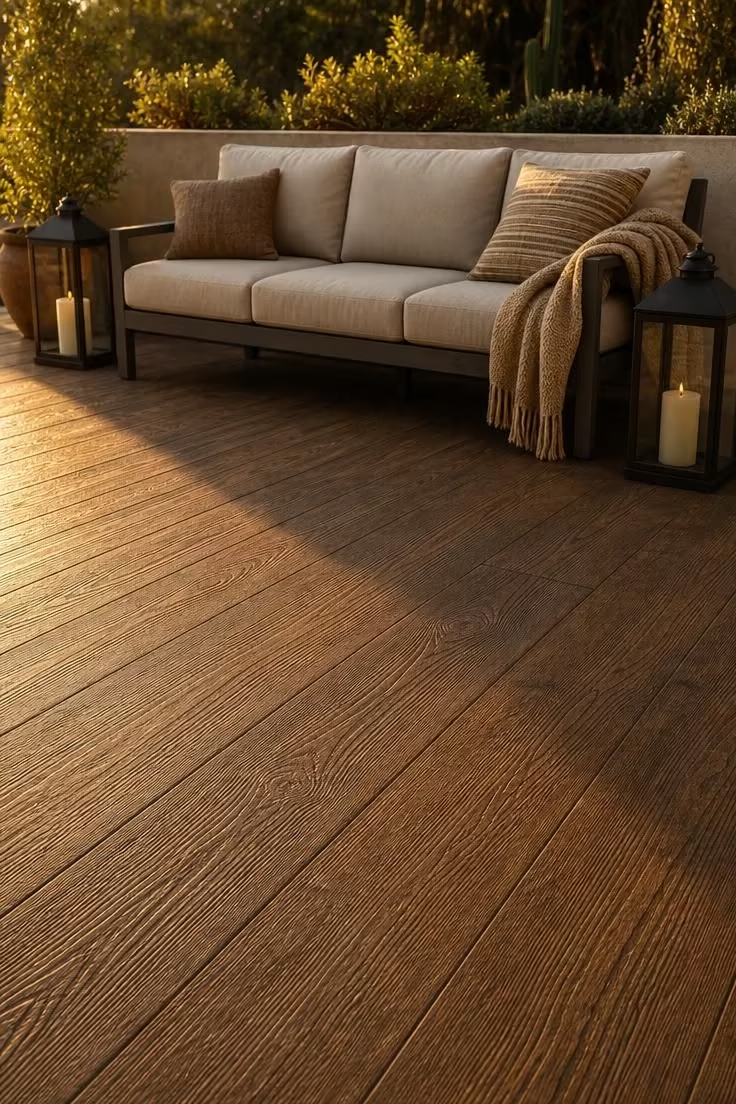
A stamped overlay goes directly over an existing concrete slab, which means skipping the cost and labor of a tear-out.
The overlay is a thin cementitious coating, typically 1/4 to 3/8 inch thick, pressed with a flexible stamping mat that carries a wood-plank or boardwalk texture.
After stamping, a colored stain in cedar, walnut, or driftwood tones is applied to mimic the look of real wood.
The finished surface holds up to foot traffic and weather better than actual wood decking, and it never needs sanding or re-staining.
This treatment costs roughly $8 to $15 per square foot, which is still less than most composite decking options.
A low-slung sofa with deep cushions takes advantage of the warm plank look and invites people to stay longer.
Floor lanterns in blackened iron and a woven throw add layers of texture that echo the wood-grain surface beneath.
Style Blueprint:
- Stamped wood-plank cementitious overlay
- Cedar-tone colored stain
- Low-slung outdoor sofa with sand-colored cushions
- Blackened iron floor lanterns
- Woven jute throw
Concrete Curb Planters Along a Smooth-Finish Patio Edge
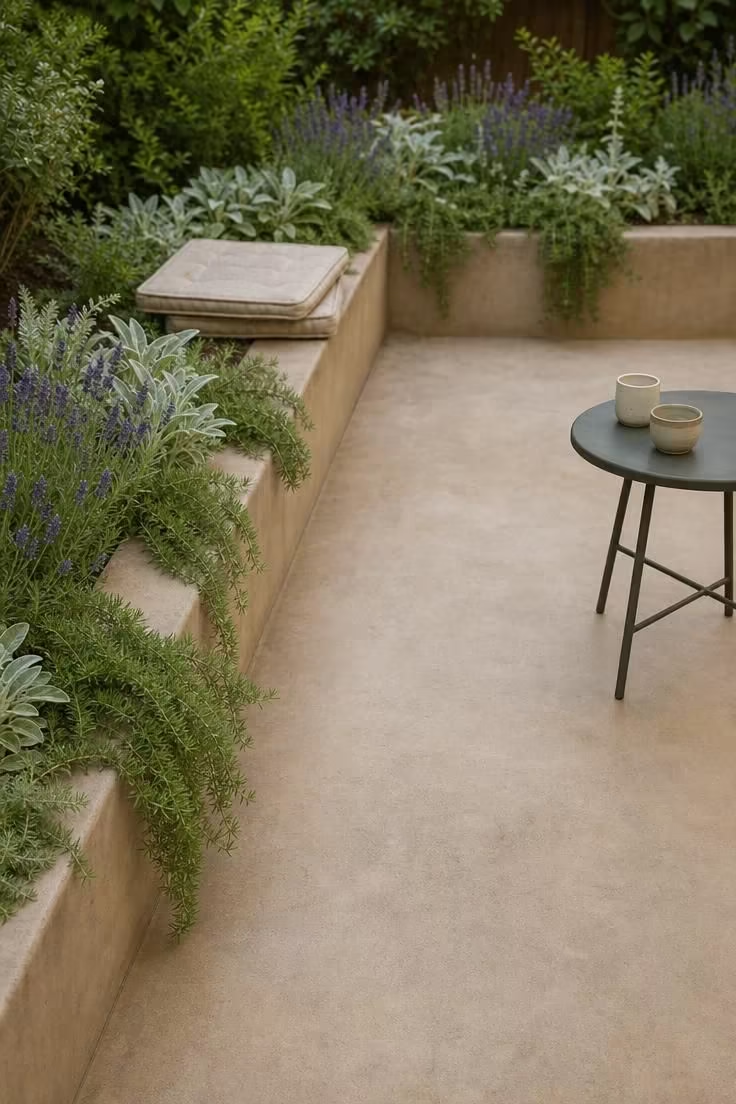
Poured-in-place concrete curbs are formed and poured at the same time as the slab or added afterward with simple 2-by-8 lumber forms.
A typical curb runs 6 to 8 inches tall and 10 to 12 inches wide, creating a raised planting bed that doubles as an informal bench.
The forms come off after 24 hours, and the curbs are ready for soil and plants the same week.
For a 20-linear-foot run, the materials, including lumber for forms, rebar pins, and a few bags of concrete mix, cost under $150.
Trailing rosemary, lavender, and lamb’s ear are strong choices because they tolerate heat, drain quickly in the shallow bed, and stay compact.
The plantings soften the hard edges of the concrete slab and bring scent and color right to the edge of the seating area.
Laying a linen outdoor cushion across a section of curb turns it into a casual bench with a built-in backrest of greenery.
This approach adds both planting space and seating to a backyard patio without a single piece of freestanding furniture.
The curb planters also prevent soil and mulch from washing onto the slab during rain, keeping the surface cleaner with less effort.
Style Blueprint:
- Poured-in-place concrete curb planters (8 inches tall, 12 inches wide)
- Trailing rosemary, lavender, and lamb’s ear
- Natural linen outdoor cushion for bench seating
- Smooth-finish sandstone-toned concrete slab
- Small round metal side table
Design Pro-Tip: When planting a concrete curb planter, layer drainage gravel in the bottom 2 inches before adding soil. Concrete holds moisture, and shallow raised beds without drainage holes can waterlog roots in a single rainy week. The gravel layer gives excess water somewhere to go and keeps your herbs and perennials healthy through wet seasons.
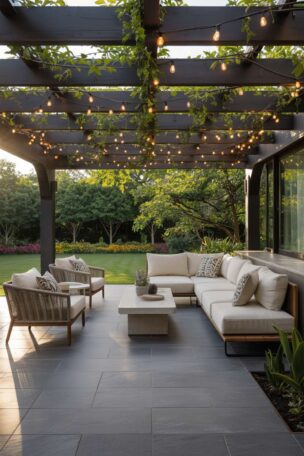
A Shade Sail Over Sandstone-Colored Concrete With String Lights
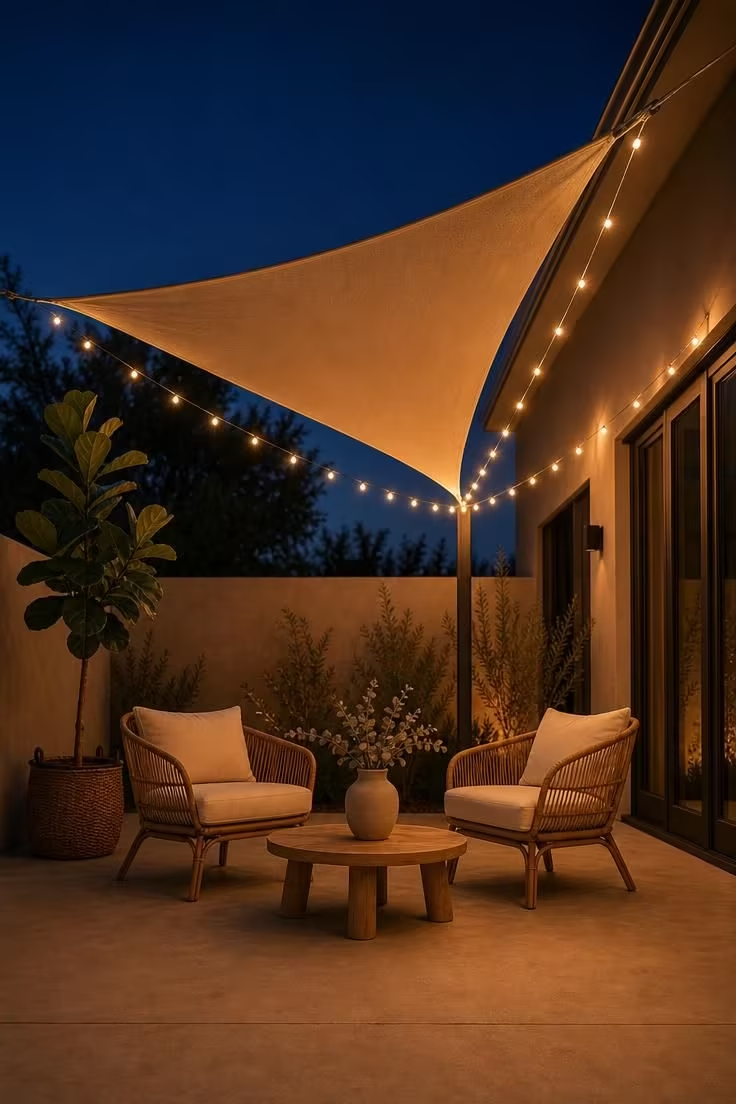
A triangular shade sail in a sand or ivory tone blocks UV rays during the day and becomes a canopy for string lights after dark.
The sail anchors to two freestanding poles and one mounting point on the house wall, and a basic hardware kit with turnbuckles runs $50 to $150 depending on size.
Sandstone-colored full-depth concrete beneath the sail creates a warm, cohesive palette where the ground and the overhead covering feel like parts of the same room.
Rattan lounge chairs with thick off-white cushions keep the seating relaxed and low to the ground, which makes the space feel larger than it is.
String lights draped from the sail’s anchor points to the house add ambient glow without any electrical work beyond an outdoor extension cord.
A tall fiddle-leaf fig in a woven basket planter fills the vertical space between the chairs and the sail, adding a living element that softens the geometry.
Style Blueprint:
- Triangular shade sail in sand tone
- Sandstone full-depth-color concrete slab
- Rattan lounge chairs with off-white cushions
- String lights draped from sail anchor points
- Fiddle-leaf fig in woven basket planter
Conclusion
A simple concrete slab does not need a full renovation to become the best seat in your yard.
Every idea on this list starts with the same affordable material and proves that a few smart choices in finish, color, or furniture can change the way you use your outdoor space.
Some of these projects, like painting a stencil pattern or setting stepping rounds through groundcover, cost less than a weekend dinner out.
Others, like a stamped overlay or an exposed-aggregate pour, sit at the higher end of the budget but still come in well under natural stone or composite alternatives.
Pick the one that fits your time, your budget, and the way you actually want to spend an evening outside, and start there.