This post may contain affiliate links. If you make a purchase through these links, we may earn a commission at no additional cost to you.
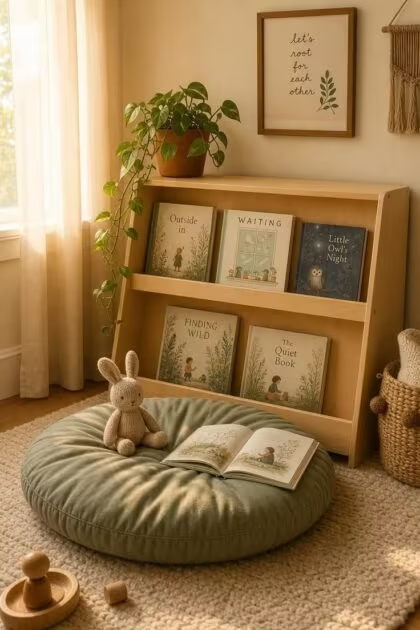
A playroom works best when it has a quiet corner carved out just for reading.
That one calm pocket, tucked between the toy bins and the art table, gives children a place to slow down and sit with a story.
The right combination of low seating, soft textures, and books stored at kid height makes the space feel like it belongs to them.
These 11 playroom reading nook setups pair smart playroom book storage with comfortable spots that draw little readers in on their own terms.
Cushioned Dormer Platform With Striped Cotton Roll Pillows and a Clip-On Lamp
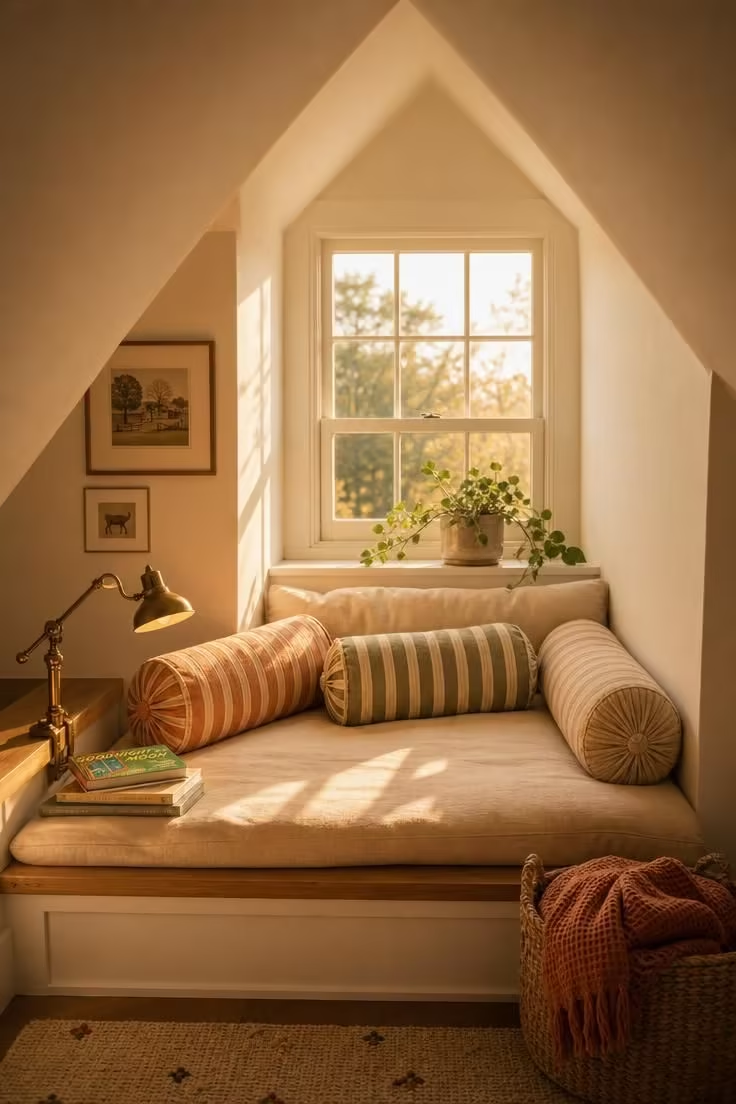
Dormer windows often go unused in playrooms because the angled ceiling feels awkward for standing play.
That low, sloped geometry is exactly what makes a dormer perfect for a kids reading corner where sitting on a cushion feels like crawling into a private hideaway.
The fitted seat cushion should span the full width of the alcove so there are no gaps where small toys or crayons disappear.
Striped roll pillows in two or three muted tones prop against the side walls, giving a child something to lean on without blocking the window light.
A clip-on lamp with an adjustable neck solves the problem of reading after the sun drops, and it takes up zero floor space.
Pine or birch ledges mounted at shoulder height inside the dormer hold a rotating selection of five or six books, covers facing out.
This kind of cozy reading spot works because it feels enclosed enough to be special without being closed off from the rest of the room.
Style Blueprint:
- Fitted oatmeal cotton seat cushion cut to the dormer width
- Three striped cotton roll pillows in muted earth tones
- Brass clip-on reading lamp with an adjustable gooseneck
- Narrow pine book ledge mounted inside the dormer
- Waffle-knit throw in a woven storage basket
Canvas Drop-Cloth Curtain Alcove With Floor-Level Book Bins
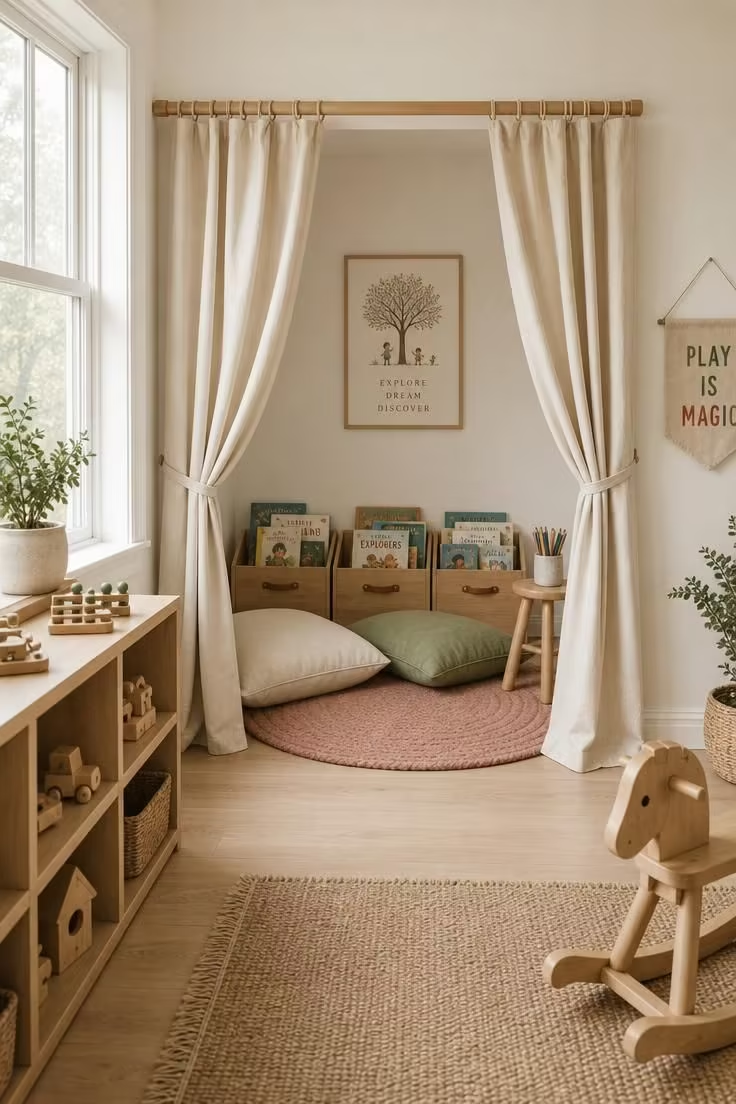
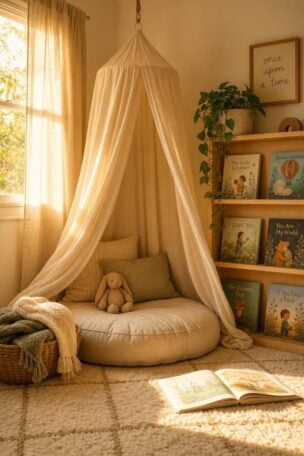
A pair of canvas drop cloths hung from a dowel rod turns any dead corner into a reading corner for kids in under an hour.
The curtains create a sense of boundary without permanent construction, and they slide open when the space needs to breathe.
Floor-level book bins with leather pulls keep everything accessible for toddlers and preschoolers who are still learning to browse by cover art.
Two or three large floor cushions in washable fabrics replace chairs and let children sprawl, stack, or rearrange their seating however they like.
The round rug beneath defines the zone and adds a layer of softness on hard floors.
Keeping the ceiling open above the curtain rod prevents the space from feeling cramped and lets overhead light reach inside.
Style Blueprint:
- Two natural canvas drop cloths on a wooden dowel rod
- Three low wooden book bins with leather pull handles
- Large floor cushions in washable linen and canvas
- Round cotton rug in a muted accent color
- Small wooden stool for accessories
Repurposed Crib Rail Bookshelf Beside a Low Linen Pouf
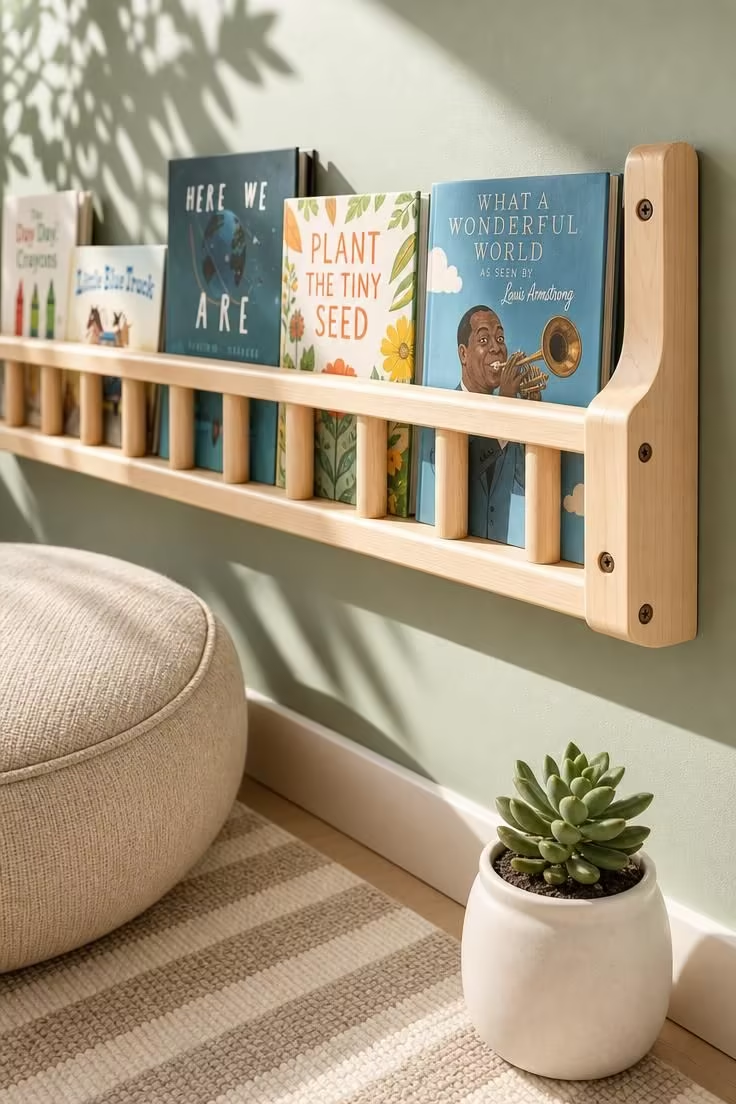
A crib rail that has served its time in the nursery can start a second life as a forward-facing book display shelf on a playroom wall.
Mounted horizontally at a child’s eye level, the rail’s slats hold books upright with their covers showing, which is how young children prefer to choose what they read.
Sanding the rail smooth and applying a food-safe sealant keeps the piece looking intentional rather than improvised.
The low linen pouf positioned directly below the shelf puts a child within arm’s reach of every title.
A pouf works better here than a chair because it has no hard edges, it weighs almost nothing, and a three-year-old can drag it into position alone.
Painting the wall behind the rail in a single muted color, like sage or dusty blue, turns the book covers into a rotating display of color.
This setup costs almost nothing if the crib is already on hand, making it one of the most practical approaches to a children’s book nook.
The scale of the rail matches the scale of the child, and that proportional fit is what makes the space feel like theirs.
Style Blueprint:
- Repurposed birch crib rail sanded and sealed
- Six to eight picture books displayed cover-forward
- Low round linen pouf in natural flax
- Striped cotton rug in cream and taupe
- Sage green accent wall behind the shelf
Arched Plywood Playroom Reading Nook With a Painted Interior and Peg Rail Hooks
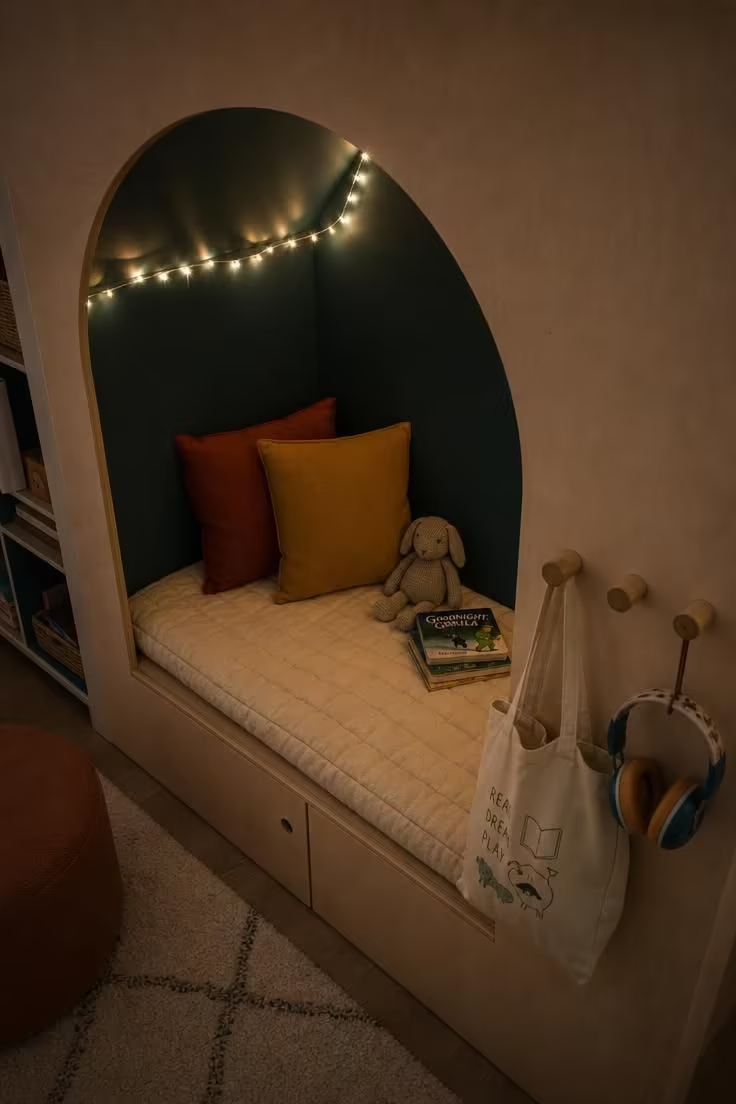
An arched plywood booth gives a playroom reading nook the feeling of a private den, and children gravitate toward small enclosed spaces when they want to decompress.
The arch opening is wide enough for a parent to sit beside a child but narrow enough to feel like a doorway into a separate world.
Painting the interior a deep saturated color, like teal or navy, makes the inside of the booth feel distinct from the rest of the playroom decor.
Peg rail hooks mounted on the outside wall keep headphones, a tote bag of library books, and a small flashlight within reach without cluttering the bench.
A quilted seat pad in a neutral tone softens the plywood and is easy to pull out for washing.
The low LED fairy lights along the arch provide just enough glow for reading without competing with the room’s main lighting.
Style Blueprint:
- Birch plywood booth frame with a rounded arch opening
- Deep teal paint on interior walls
- Quilted cotton seat pad in cream
- Three wooden peg rail hooks beside the arch
- Small LED fairy light strand along the interior curve
Design Pro-Tip: Mount book storage within arm’s reach of wherever the child sits, not on the opposite wall. A playroom reading nook gets used more when a child can grab a new book without standing up, and front-facing display shelves placed at seated eye level make browsing feel like shopping rather than searching.
Hanging Fabric Hammock Slung Between Two Wall Brackets
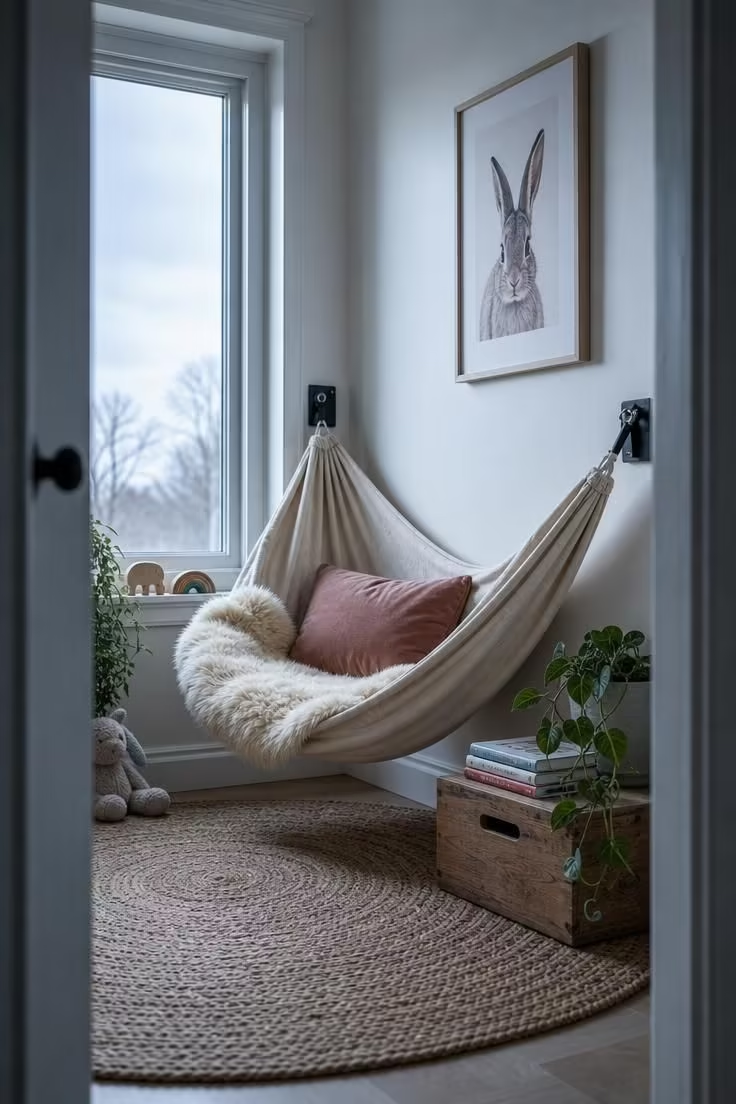
A hammock slung low between two wall brackets is one of the most magnetic forms of playroom seating a reading corner can have.
Children will climb into a hammock before they sit in a chair, and the gentle sway keeps restless bodies calm enough to focus on a page.
Heavy-duty steel brackets rated for at least 200 pounds should be lag-bolted into wall studs, not just drywall anchors, because children will swing.
The hammock fabric should be a dense cotton canvas or outdoor-grade textile that resists tearing and cleans with a damp cloth.
Hanging the hammock about two and a half to three feet off the ground lets a four-year-old climb in independently and limits the fall height.
A sheepskin or faux-sheepskin throw draped across the fabric adds warmth and softens the feel against bare legs.
Placing a low crate of books directly beside the hammock means a child never has to leave the cocoon to pick the next story.
The swaying motion itself has a calming effect that helps children who struggle with sitting still during reading time.
Style Blueprint:
- Heavy natural cotton canvas hammock in oatmeal
- Two heavy-duty steel wall brackets lag-bolted to studs
- Sheepskin throw draped across the hammock seat
- Low wooden book crate positioned beside the hammock
- Braided jute rug underneath for soft landings
Low Pine Bench With Woven Basket Drawers and a Gingham Seat Pad
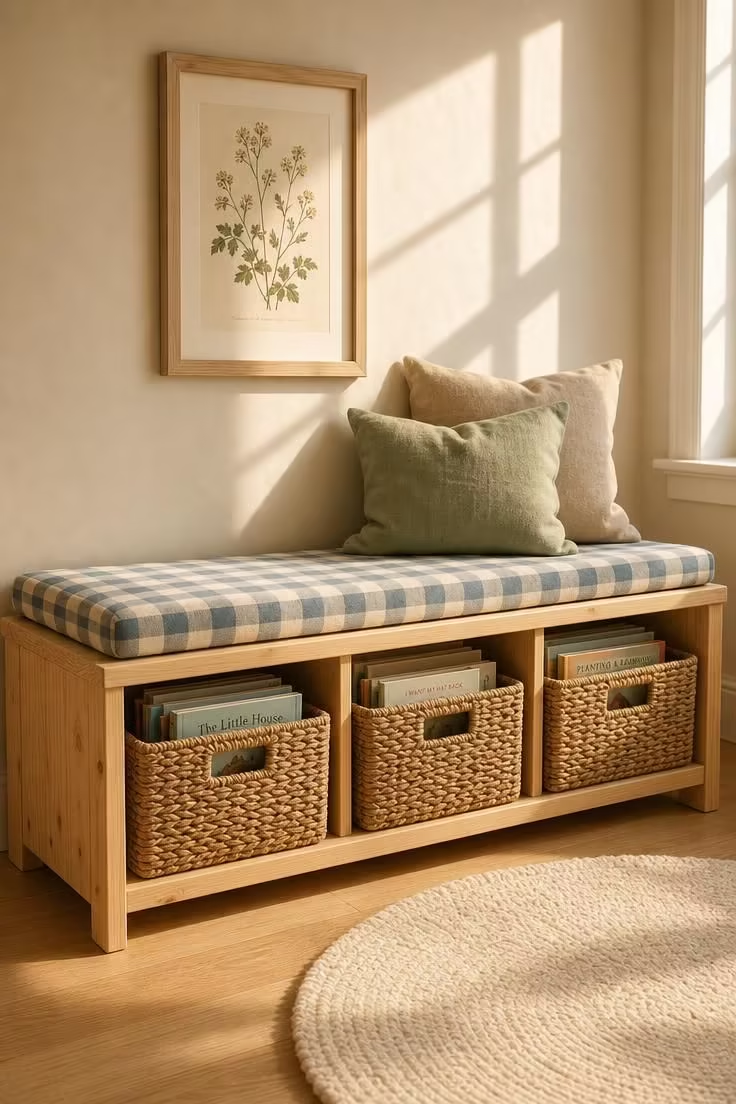
A low pine bench with open cubbies beneath the seat turns playroom book storage into furniture that works twice.
The bench itself becomes seating, and the woven baskets below organize books by category, age level, or current favorites.
Keeping the bench at fourteen inches tall, roughly knee height for a four-year-old, means children sit down and stand up without help.
Seagrass or rattan baskets with a flat bottom slide in and out smoothly and add a textured layer that softens the look of raw pine.
The gingham seat pad in a two-tone pattern, like blue and cream or rust and ivory, brings a classic playroom character to the bench without looking overdone.
A single framed print hung at seated eye level gives the child something to look at between pages, anchoring the nook as a destination rather than just a piece of furniture.
This kind of book display shelf setup works well along any wall, including under a window where a taller bookcase would block the glass.
Style Blueprint:
- Low unfinished pine bench at fourteen inches tall
- Three woven seagrass baskets for cubby storage
- Gingham seat pad in a two-tone pattern
- Two small linen pillows in neutral and sage
- Framed botanical print at child eye level
Tiered Floating Ledges on a Half-Wall Divider With a Floor Mat
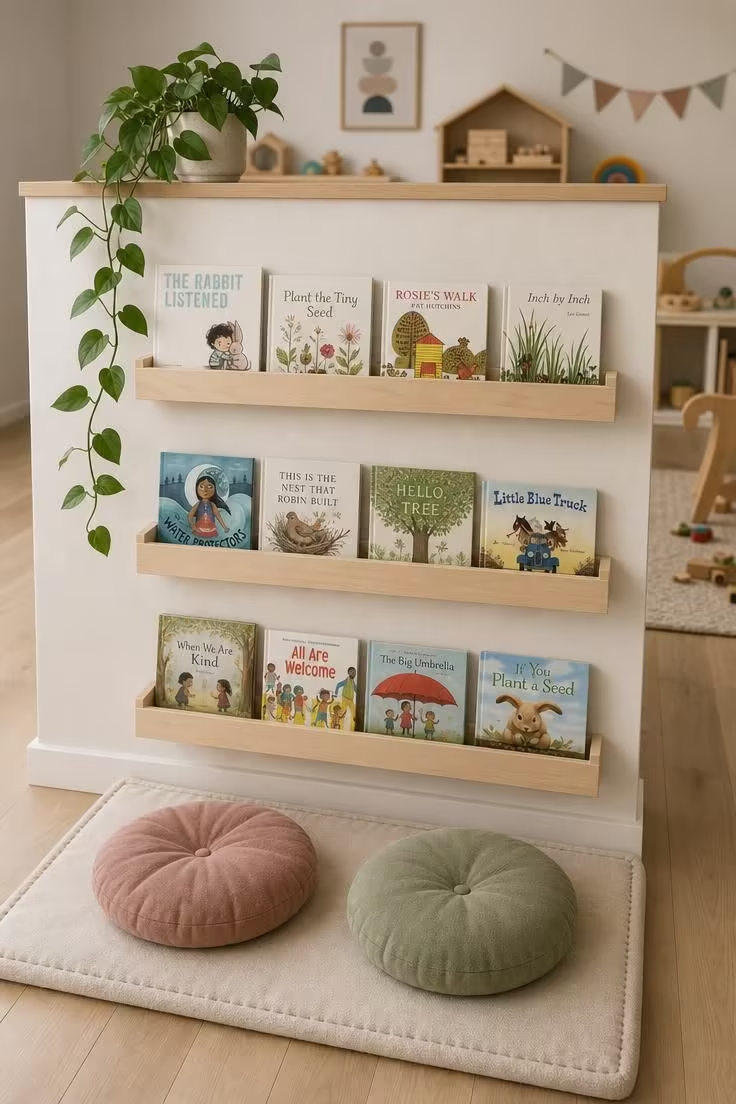
A half-wall divider that already separates the playroom from a hallway or living space becomes a natural home for a reading corner for kids.
Mounting tiered floating ledges on the playroom side of the divider puts books on display without taking up any floor space.
Staggering the ledges at three different heights creates a visual rhythm and accommodates books of different sizes.
The floor mat below the ledges marks the reading zone and gives children a padded spot to sit without needing a chair or bench.
Two round floor cushions in contrasting muted colors let a pair of siblings sit together without fighting over one seat.
A trailing plant on the cap rail adds a living element that softens the hard edge of the divider and signals this side of the wall as the calmer zone.
Style Blueprint:
- Three birch plywood floating ledges at staggered heights
- Thick rectangular cotton floor mat in oatmeal
- Two round floor cushions in dusty rose and sage
- Pine cap rail on top of the half wall
- Trailing pothos in a small ceramic pot
Converted Toy Chest With a Hinged Backrest and Stacked Throw Pillows
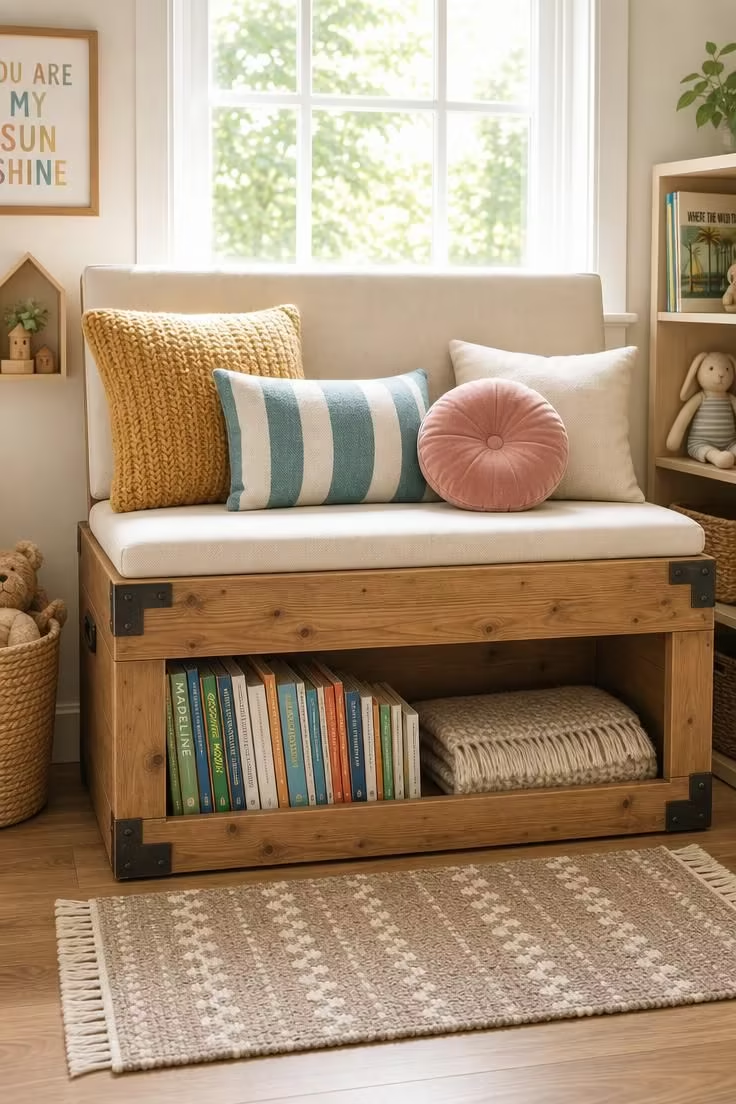
A toy chest that no longer holds toys can become the anchor of a playroom reading nook with a few simple modifications.
Removing the original lid and replacing it with a fitted seat cushion in washable linen gives the chest a new purpose in under an afternoon.
The hinged backrest panel, a rectangle of plywood upholstered in cotton twill, attaches to the back edge with two small hinges and folds flat when not in use.
Stacking four pillows of different sizes against the backrest creates depth and gives a child options for how they want to lean.
Mixing textures across the pillows, like chunky knit beside smooth velvet beside a striped cotton, keeps the arrangement from looking uniform.
The open interior of the chest still functions as storage, holding a short stack of books and a folded blanket within arm’s reach.
Iron corner brackets or metal strapping on the chest’s exterior adds character and makes the piece feel collected rather than built from scratch.
This setup is one of the easiest ways to create a cozy reading spot from something already sitting in the room.
Style Blueprint:
- Vintage-style pine toy chest with iron corner brackets
- Fitted linen seat cushion in natural tone
- Hinged plywood backrest upholstered in cotton twill
- Four throw pillows in varied textures and muted colors
- Woven runner rug in taupe and cream
Design Pro-Tip: Keep the book rotation small. A canopy reading area or nook with thirty books on display overwhelms a young child with choices, and they end up pulling everything off the shelf instead of reading. Five to eight books, swapped weekly from a stored collection, creates the novelty that keeps children coming back to the nook each day.
Ceiling-Ring Canopy Playroom Reading Nook With Pom-Pom Trim Over a Quilted Play Mat
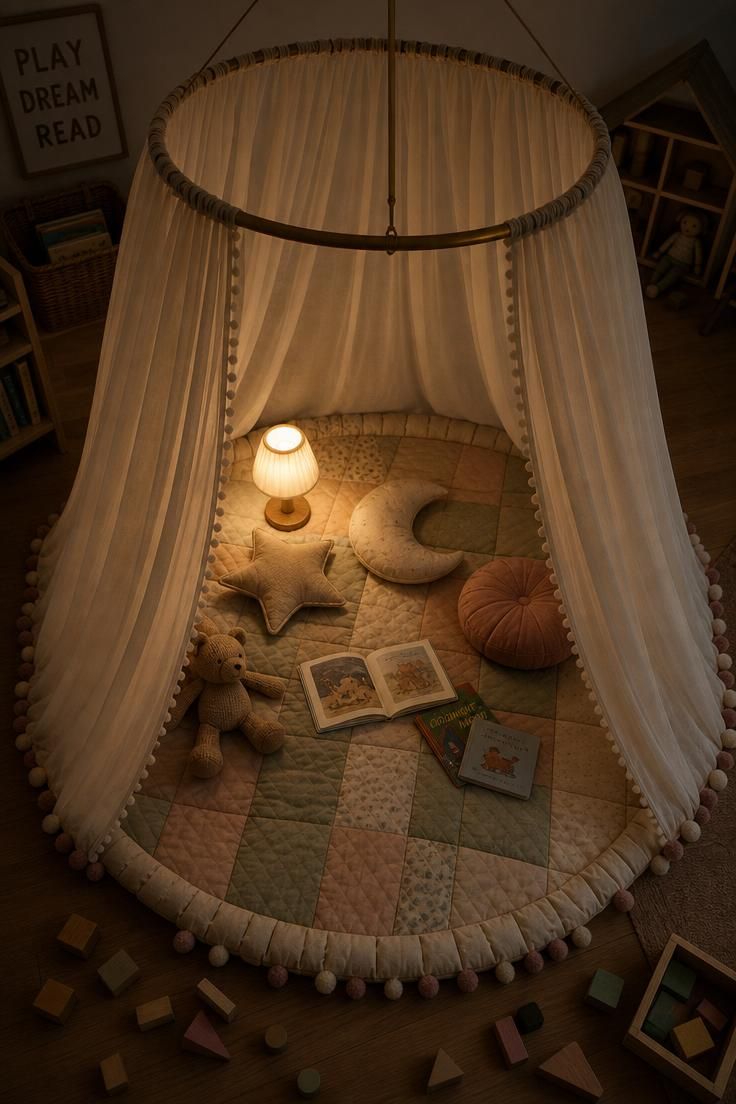
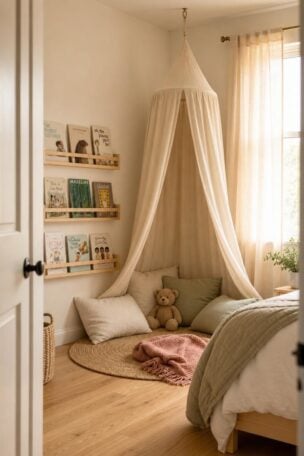
A canopy reading area made from a brass ceiling ring and sheer voile fabric creates the most dramatic sense of enclosure a playroom reading nook can offer.
The fabric fans from a gathered point at the ceiling down to the floor in a full circle, forming a tent-like space that feels hidden even when it stands in the middle of the room.
Pom-pom trim stitched along the bottom hem adds a tactile detail that children notice and touch, which makes the canopy feel like it was built for them.
Inside the circle, a quilted play mat in a patchwork of muted tones replaces the need for a rug and a separate seat cushion.
Shaped cushions, like a star or a crescent moon, appeal to younger children and serve as props during imaginative play between reading sessions.
A small table lamp placed on the floor inside the canopy creates a warm pool of light that makes the interior glow softly when the room’s overhead lights are turned down.
This setup works in the center of a large playroom or against a wall, and the canopy can be tied back with a ribbon when the space needs to open up.
Style Blueprint:
- Brass ceiling ring with gathered sheer cotton voile panels
- Hand-stitched pom-pom trim in cream and dusty rose
- Large quilted cotton play mat in muted patchwork tones
- Three shaped cushions in linen, cotton, and velvet
- Small table lamp for interior ambient glow
Rope-Hung Wooden Swing Shelf With a Corduroy Floor Cushion
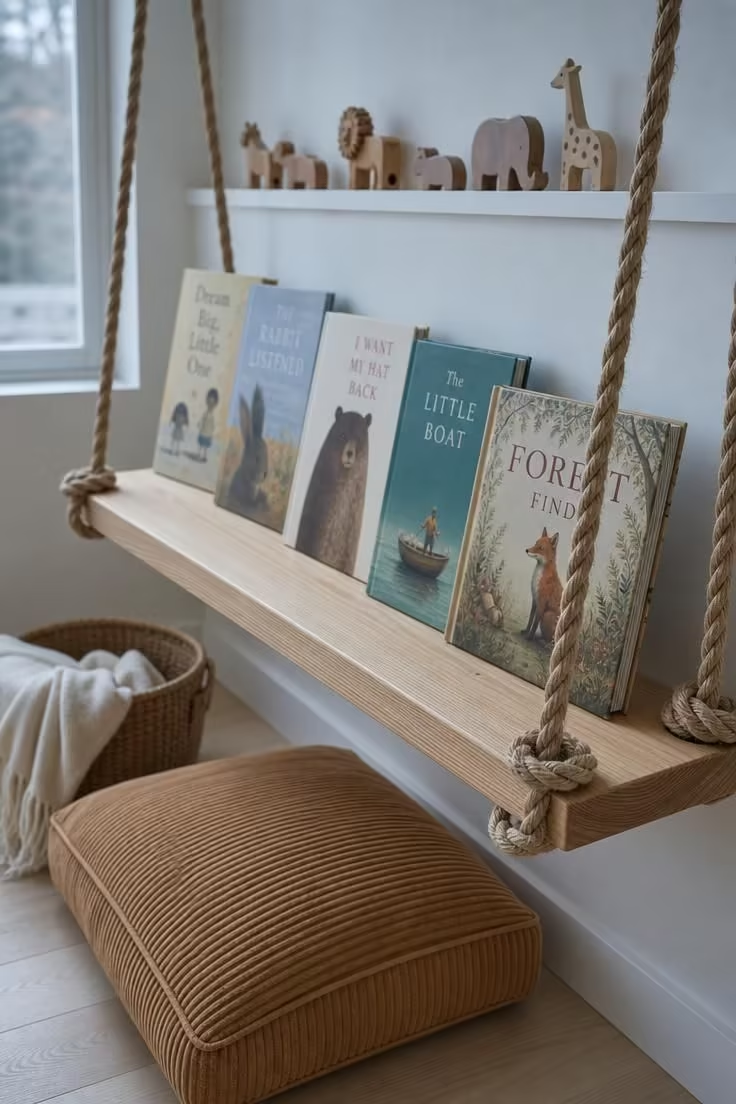
A swing shelf hung from the ceiling by thick jute rope brings a sense of movement and craft to a playroom reading nook that a wall-mounted shelf cannot match.
The gentle sway of the shelf when a child pulls a book off it adds a small tactile reward to the act of choosing a story.
Drilling the rope holes at least two inches from the plank edge prevents splitting, and tying a stopper knot beneath each hole keeps the shelf level.
The pine plank should be sanded to a smooth finish and left uncoated or sealed with a matte wax so the natural wood grain stays visible.
Six books standing upright with covers forward is the right capacity, and anything more causes the shelf to bow under the weight.
A large square corduroy floor cushion in a warm neutral tone, positioned directly below the shelf, gives a child a defined spot to land.
Corduroy has a texture that resists sliding on hardwood floors, which keeps the cushion from drifting when a child sits down or shifts position.
Small wooden animal figurines on a narrow ledge above the shelf add a decorative layer that connects the nook to nature-inspired playroom decor.
This is one of the simplest builds in the article, needing only a plank, rope, ceiling hooks, and an afternoon.
Style Blueprint:
- Sanded pine plank shelf about three feet long
- Thick natural jute rope threaded through drilled corner holes
- Large square corduroy floor cushion in warm caramel
- Small woven basket for a folded cotton throw
- Narrow ledge above with small wooden animal figurines
Bay Window Banquette With Front-Facing Book Cubbies and a Roman Shade
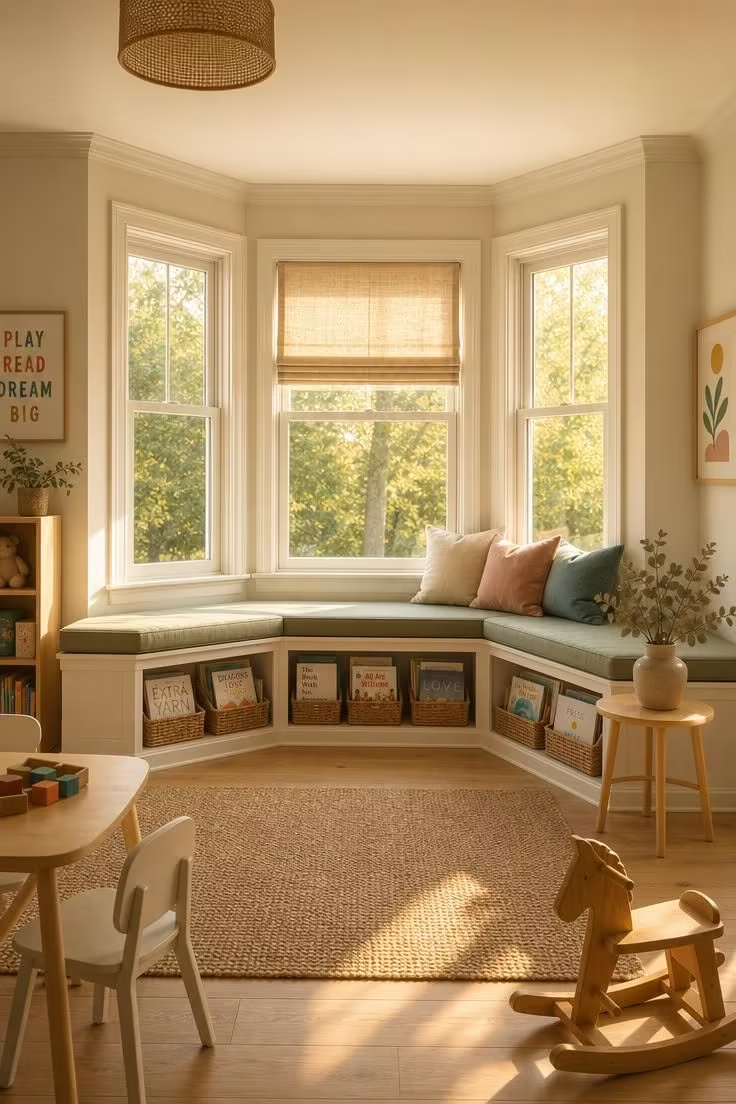
A bay window banquette turns the widest, brightest spot in a playroom into a reading destination that feels like a built-in piece of the house.
The L-shaped bench follows the window’s angle and creates enough seating for two or three children to sit side by side during group reading time.
Open cubbies beneath the seat face the room, making each wicker basket of books a front-facing book display shelf that children can browse from a standing position before sitting down.
The linen Roman shade pulled halfway down on the center pane controls glare without cutting off natural light, keeping the space comfortable for reading at any hour.
A fitted seat cushion in a washable cotton twill should extend the full length of the bench so there are no exposed wood sections where a child might bump a knee.
Sage green or dusty blue on the cushion pairs well with white-painted pine and keeps the banquette looking fresh against the natural light.
A small round side table in the corner holds a vase of dried eucalyptus or dried lavender, adding a scent element that makes the nook feel distinct from the rest of the room.
Style Blueprint:
- Built-in L-shaped white pine banquette following the bay window angle
- Fitted sage green cotton twill seat cushion, full length
- Open cubbies with small wicker baskets for front-facing book storage
- Linen Roman shade in natural oatmeal
- Small round birch side table with dried botanicals
Design Pro-Tip: Let children help arrange their own reading nook. When a child picks the cushion color, chooses which books go on the shelf, or decides where the lamp sits, they develop a sense of ownership over the space. That personal investment is what turns a playroom reading nook from a decoration into a daily habit.
Conclusion
A playroom reading nook does not need a large budget or a complicated build.
A cushion on the floor, a few books facing forward on a low shelf, and a fabric boundary that signals “this corner is for reading” are enough to change how a child uses the room.
The 11 ideas here range from a simple rope-hung shelf to a full bay window banquette, so there is something that fits every playroom layout and every skill level.
Start with the one that matches the space you already have, and adjust as your child grows into it.
The best playroom reading nook is the one that gets used every day.