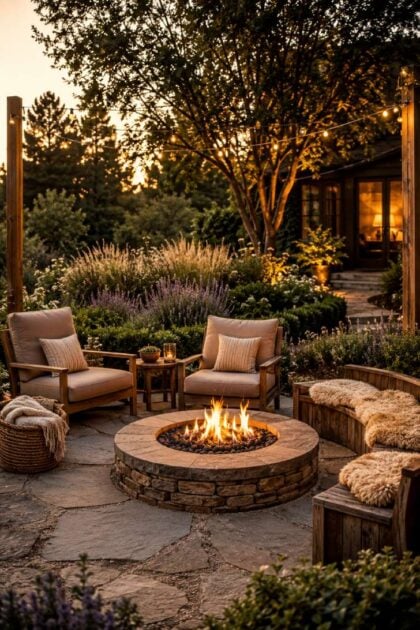
This post may contain affiliate links. If you make a purchase through these links, we may earn a commission at no additional cost to you.
There’s something about an open flame that pulls people outside — even on a weeknight, even when the air has a bite to it.
A well-planned outdoor fire pit area does more than add warmth to your backyard.
It creates a room without walls, a place where conversations stretch past midnight and Saturday mornings start with coffee and leftover embers.
Whether you’re working with a sprawling lawn or a tight patio, these 15 ideas cover styles and price points that fit real life.
Some call for a contractor; others you can finish before dinner.
All of them turn an ordinary patch of ground into somewhere you actually want to be.
Sunken Conversation Pit with Built-In Benches
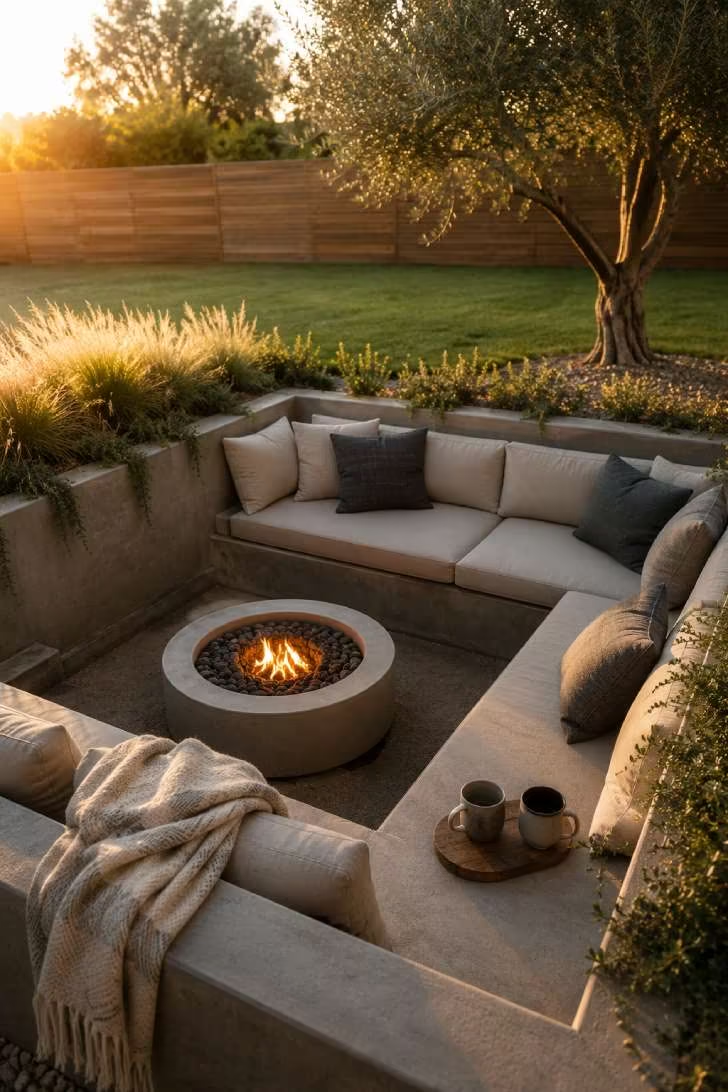
Dropping the seating below grade changes everything about how a fire pit area feels.
You step down into it, and the rest of the yard disappears.
Wind becomes less of a problem because the walls block it before it reaches the flame, which means your fire stays lit and your hair stays in place.
The built-in benches here aren’t an afterthought — they’re structural, poured right into the concrete shell, which keeps the look unified and the footprint tight.
There’s a psychological reason this layout works so well: sitting below the sightline of the surrounding landscape creates a sense of enclosure that mimics the feeling of being inside, even though you’re completely outdoors.
Your nervous system reads it as safe and contained, which is why people tend to lean back, lower their voices, and stay longer in sunken seating.
The warm grey concrete absorbs heat from the fire and radiates it back slowly, keeping the seat surfaces comfortable well into the night.
Style Blueprint:
- Poured concrete shell with a smooth trowel finish in warm grey
- Gas fire bowl insert (30-inch round, propane or natural gas)
- Outdoor linen seat cushions in a neutral palette
- Ornamental grasses planted along the perimeter wall
- One woven wool or cotton throw blanket per bench
Minimalist Concrete Fire Bowl on a Gravel Pad
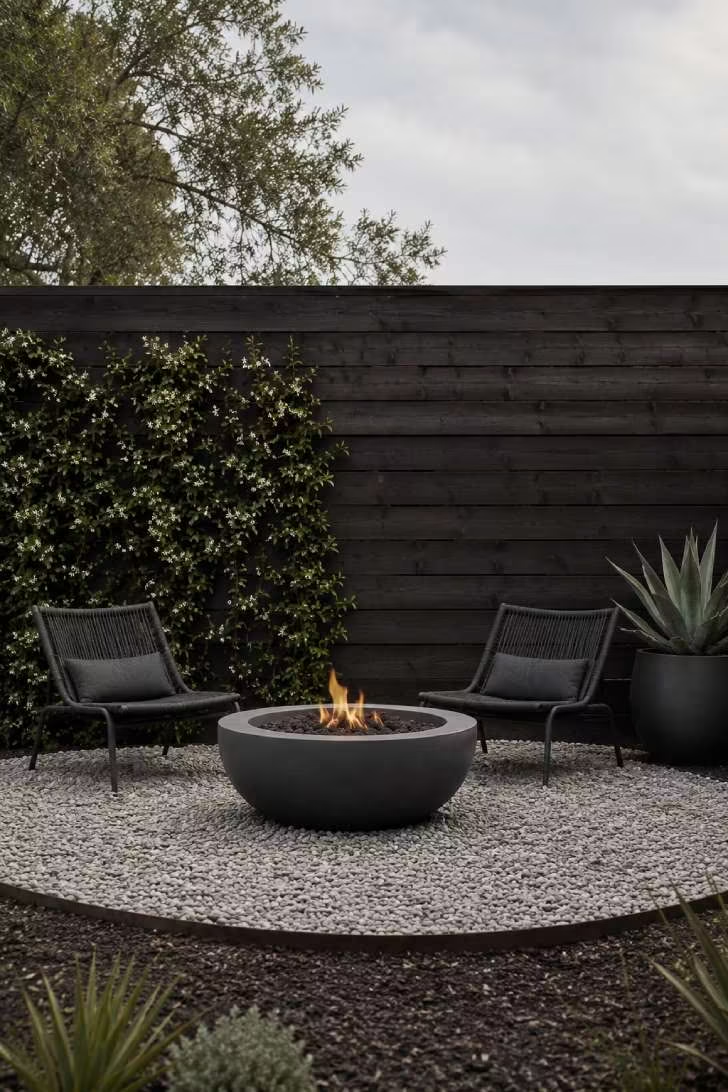
Gravel is the most forgiving surface you can put under a fire pit.
It doesn’t crack from heat the way poured concrete sometimes does, it drains instantly after rain, and it costs a fraction of stone or pavers.
The steel edge ring is the small detail that separates a “pile of rocks” from a designed space — it holds the gravel in a clean circle and gives the area a finished, intentional boundary.
Pea gravel in particular dissipates heat by letting it pass between the loose stones rather than concentrating it on a single surface.
That makes it safer, and it also means you won’t burn your feet walking to the fire barefoot on a summer night.
The charcoal concrete bowl absorbs the fire’s warmth and releases it gradually, so even after the flame goes out, the bowl stays warm to the touch for close to an hour.
Style Blueprint:
- Large concrete fire bowl (36-inch diameter, matte charcoal finish)
- Pea gravel base, 3–4 inches deep, with a steel or aluminum edge ring
- Two low-profile woven rope lounge chairs
- One architectural potted plant (agave, snake plant, or similar)
- Dark-stained horizontal cedar privacy fence as backdrop
Rustic Stacked-Stone Fire Ring
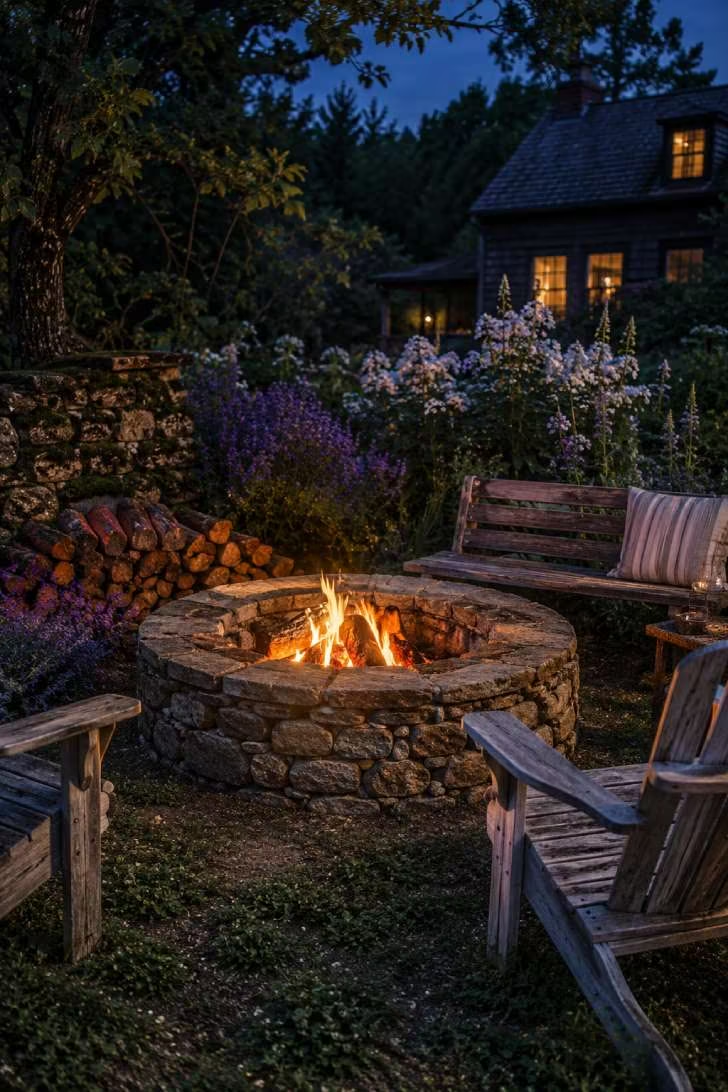
Fieldstone fire rings belong to the oldest tradition of gathering around fire.
Nothing about them tries to be clever.
You stack the stones, cap the top with a flat ledge wide enough to rest a drink on, and you’re done.
The irregularity of natural stone — the way no two pieces match — is exactly what gives this kind of fire pit area its warmth.
Your eye moves over the surface finding small differences, and that visual complexity registers as handmade and real, even if you bought the stones from a landscape supply yard.
Creeping thyme between the surrounding stones releases fragrance when you step on it, adding a sensory layer that no amount of poured concrete can replicate.
The wide capstone ledge does double duty: it holds drinks, plates, and marshmallow skewers, and it protects the inner wall from rainwater that would otherwise seep between the joints.
Style Blueprint:
- Stacked fieldstone (locally sourced tan, grey, or sandstone varieties)
- Flat capstone ledge, at least 4 inches wide
- Weathered teak or cedar Adirondack chairs
- Creeping thyme or clover planted in surrounding ground
- A nearby stack of split hardwood for easy access
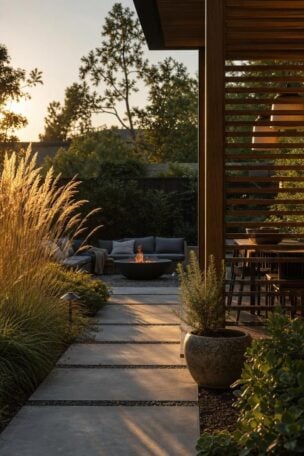
Modern Linear Fire Trough on a Paver Patio
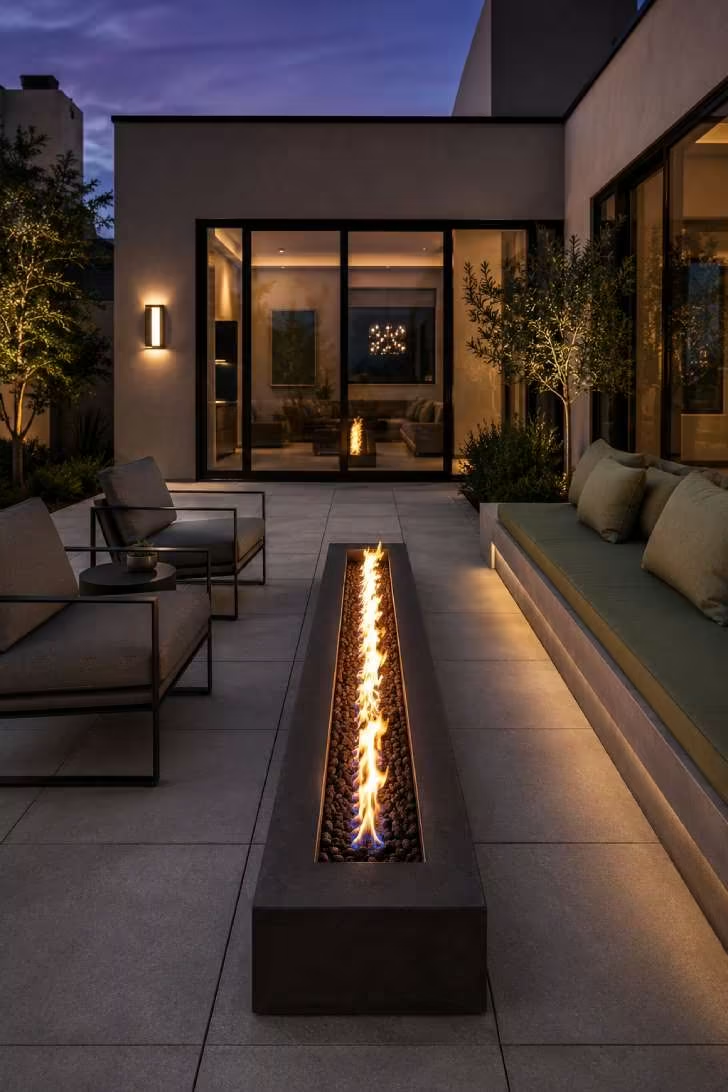
Linear fire features read as architecture, not decoration.
The long, low profile echoes the horizontal lines of modern homes, which is why they pair so well with floor-to-ceiling glass and flat rooflines.
Gas is the only practical fuel for this shape — the flame runs evenly across the full length of the trough without any tending, adjusting, or poking with a stick.
There’s a reason this layout holds your attention differently than a round fire pit: your eye follows the line of the flame rather than circling it, which creates a sense of direction and movement in the space.
It’s the same principle that makes a long dining table feel more formal than a round one.
The large-format pavers underneath keep the ground plane clean and unbroken, which reinforces the modern feel — too many small pavers or a busy pattern would compete with the fire trough for attention.
Style Blueprint:
- Linear gas fire trough (60-inch, smooth dark concrete or GFRC)
- Large-format concrete pavers in cool grey (24×24 inches or larger)
- Built-in concrete bench with deep outdoor cushions
- Two powder-coated steel club chairs with performance fabric
- Clean landscape with minimal plantings along the patio edge
Design Pro-Tip: When mixing seating types around a fire pit — benches on one side, chairs on the other — keep the seat height within two inches of each other. Mismatched heights make people feel like they’re sitting at the kids’ table, and the group never quite relaxes into conversation.
Adirondack Circle Around a Portable Fire Bowl
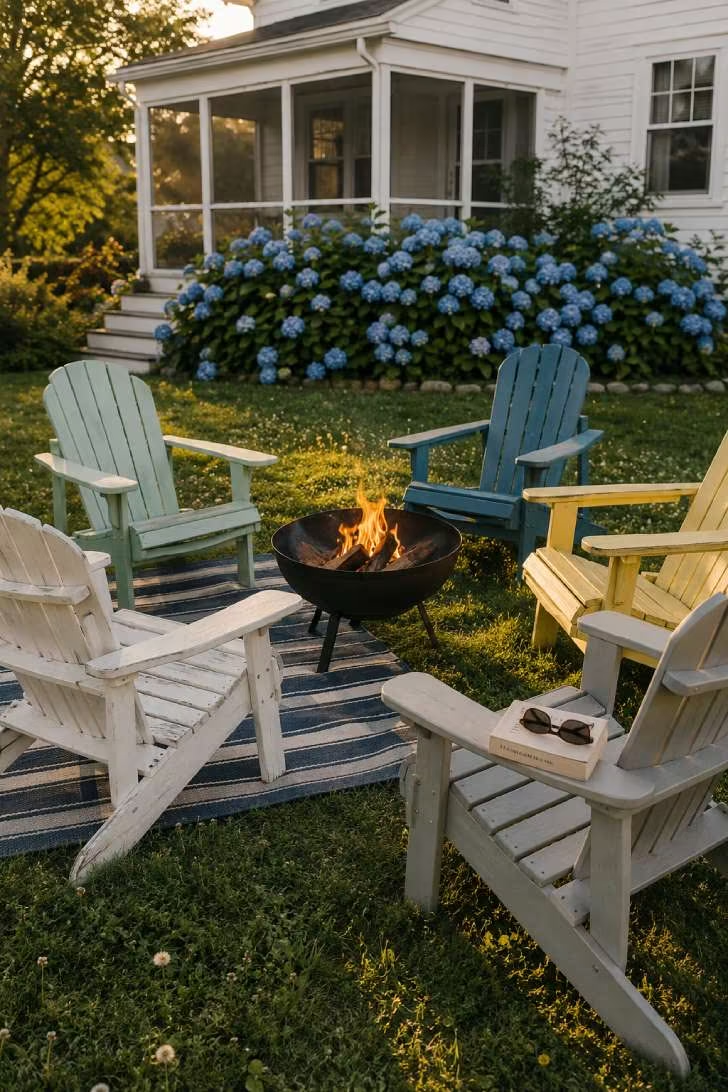
You don’t need a permanent installation to have a fire pit area that works.
A portable steel fire bowl and a handful of Adirondack chairs — that’s an entire gathering space you can set up in fifteen minutes and move when the wind changes direction.
The mismatched paint colors aren’t an accident here; they’re the point.
Matching sets look like a catalog page, but a collection of chairs gathered one at a time over several summers tells a story.
Adirondack chairs sit low to the ground with a reclined back angle of roughly 30 degrees, which positions your face closer to the fire’s warmth and tilts your gaze upward toward the sky.
That angle is why people fall asleep in them — it’s physiologically relaxing.
A flat lawn works just fine as the surface here, though laying down a section of outdoor rug under a couple of chairs gives the area an anchor point and keeps bare feet off damp evening grass.
Style Blueprint:
- Portable steel fire bowl on a tripod stand (no assembly, no gas line)
- 4–6 painted Adirondack chairs in coordinating but not matching colors
- One outdoor area rug (flatweave, weather-resistant)
- No hardscaping required — works directly on lawn
- Budget-friendly at roughly $400–$600 total for the full setup
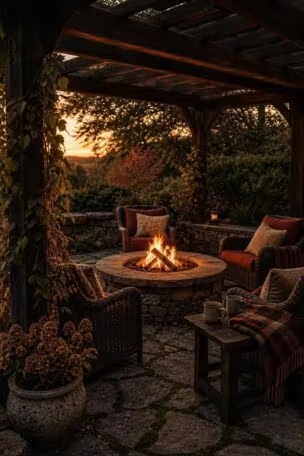
Flagstone Terrace with a Central Stone Fire Pit
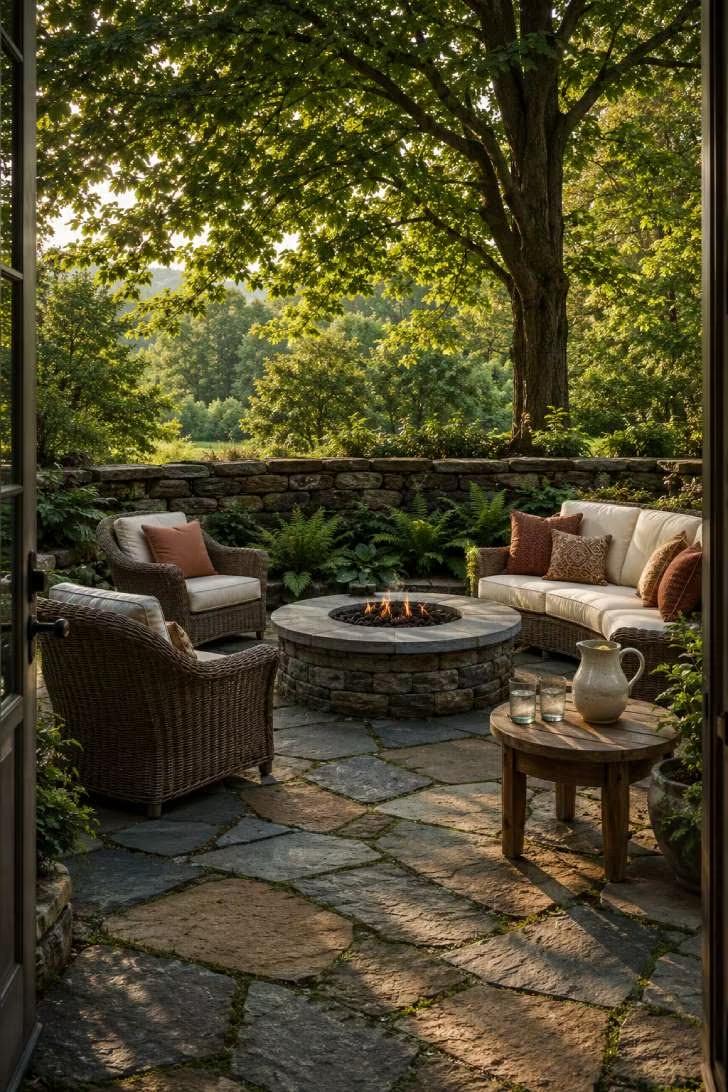
Flagstone terraces age the way good leather does — better with every year.
The moss that fills the joints, the slight unevenness underfoot, the way each stone carries a different shade — all of it says permanence.
Pairing a cut bluestone fire pit with an irregular flagstone layout creates a tension between the precise circle and the organic ground plane, and that contrast is what makes the space feel considered rather than accidental.
With gas flame, the bluestone cap stays clean and soot-free, and you can run your hand along it between fires without picking up char.
Dappled tree canopy overhead does something artificial shade structures can’t: it moves.
The shifting pattern of light and shadow keeps the space visually alive throughout the afternoon, and it drops the air temperature by several degrees compared to full sun exposure.
Just check that no low branches hang directly above the fire — a minimum of twelve feet of clearance between flame and canopy is the safe standard.
Style Blueprint:
- Irregular flagstone in blue-grey and buff tones, mortared or dry-laid
- Round cut bluestone fire pit, 42-inch diameter, gas insert
- Deep-cushioned wicker armchairs and curved loveseat
- Low dry-stacked stone border wall with shade plantings
- Mature tree canopy for filtered natural light
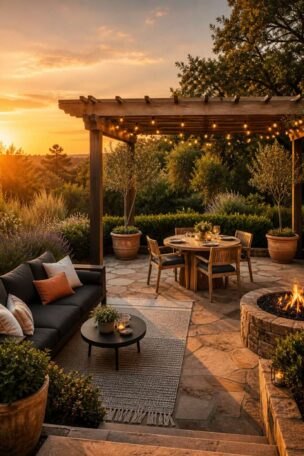
Pergola-Covered Fire Pit Lounge
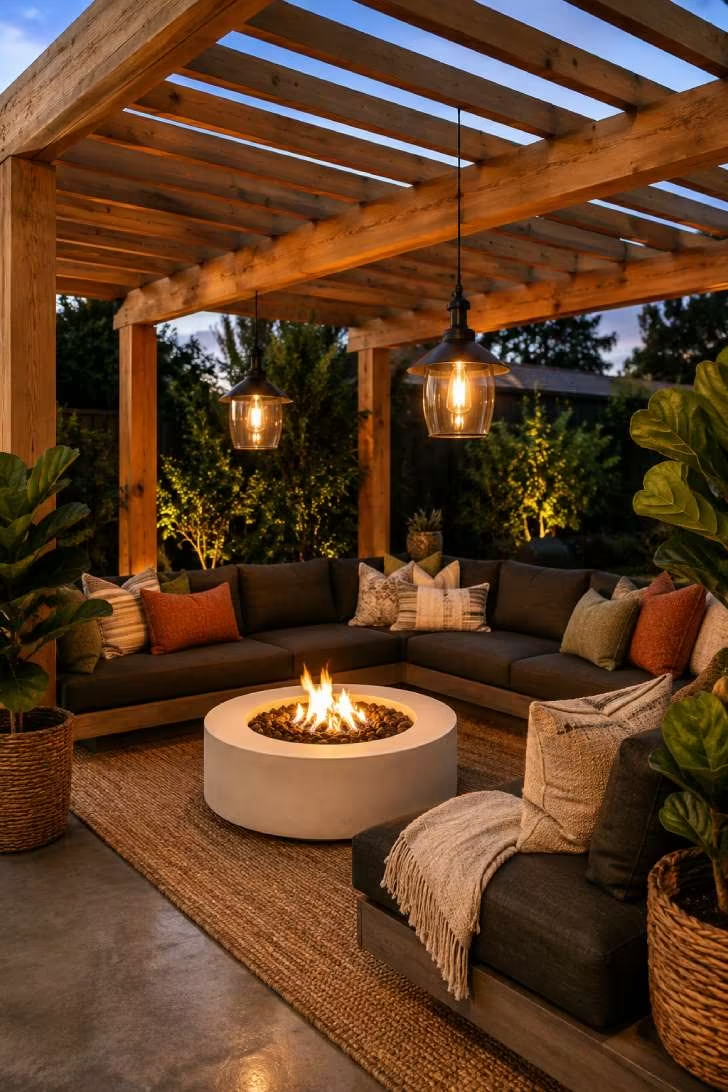
Putting a roof structure over your fire pit area bridges the gap between indoor and outdoor living more than any other single move.
The pergola doesn’t block rain completely — that’s not its job.
What it does is lower the visual ceiling, and that shift in overhead proportion makes the area feel like a room.
Your brain registers the overhead beams the same way it registers a ceiling inside, triggering a sense of shelter and intimacy that open sky doesn’t provide.
Cedar is the go-to material because it resists rot without chemical treatment and weathers into a silver-grey patina if you choose not to seal it.
The pendant lanterns hanging from the rafters are doing something important beyond lighting: they establish a vertical focal point that draws the eye upward and connects the fire’s warmth at floor level to the overhead structure.
Without them, the pergola and the fire pit would feel like two unrelated elements sharing the same square footage.
Style Blueprint:
- Cedar pergola with square-cut beams (at least 6×6-inch posts)
- Round matte white concrete fire pit, gas insert
- L-shaped outdoor sectional in dark performance fabric
- Two hanging pendant lanterns (matte black with Edison bulbs)
- Large jute or natural fiber area rug on polished concrete floor
Terraced Hillside Fire Pit with Retaining Walls
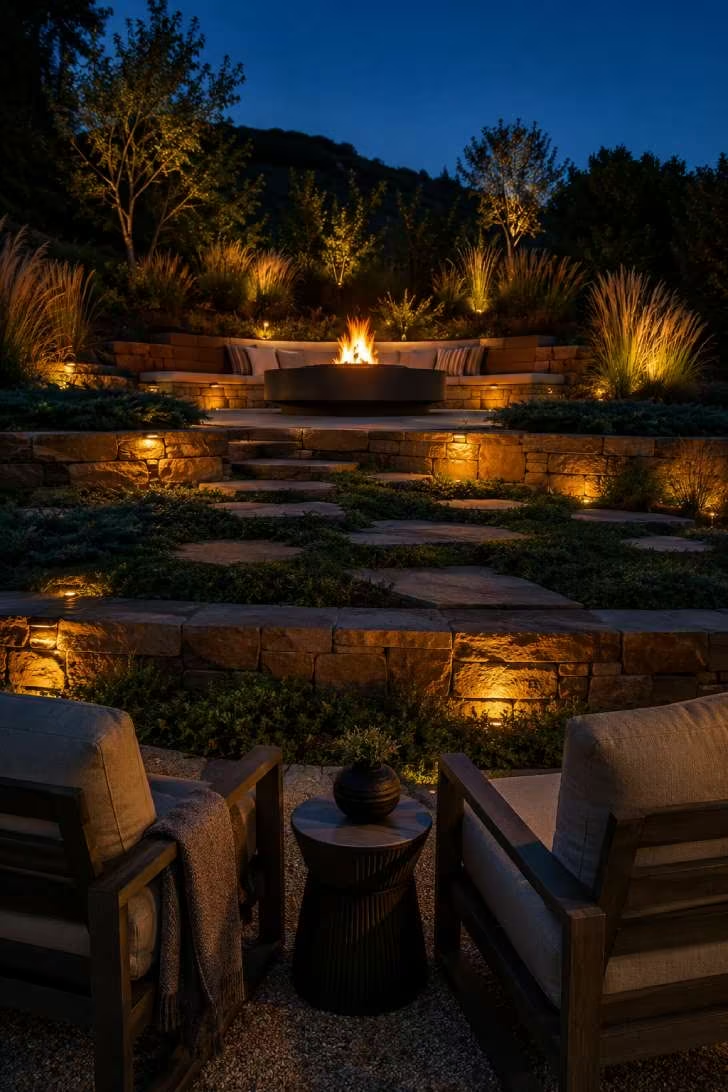
A sloped yard isn’t a limitation — it’s an opportunity most people ignore.
Terracing creates distinct levels that naturally separate the fire pit area from the rest of the landscape, and each retaining wall doubles as informal seating for overflow guests.
The eye travels upward through the levels to the fire at the top, which makes the flame the visual destination of the entire yard.
That uphill placement is deliberate: heat rises, so positioning the fire pit on the highest terrace means the warmth drifts up and away from seated guests rather than pooling around them uncomfortably.
Landscape lighting tucked at the base of each retaining wall serves two purposes — it reveals the stone texture after dark, and it prevents stumbles on the level changes.
Warm amber tones complement the fire rather than competing with it; cool white LEDs would kill the atmosphere.
Building retaining walls from natural sandstone ties the hardscaping to the surrounding soil tones, which keeps the terracing from looking like it was dropped onto the hillside by a different designer.
Design Pro-Tip: If your fire pit area has level changes or steps, install lighting at every transition point — not for decoration, but for safety. A single misstep carrying a drink down an unlit stone step will ruin a gathering faster than a rainstorm. Warm-toned fixtures (2700K or below) preserve the campfire atmosphere while keeping everyone upright.
Desert-Inspired Fire Pit with Decomposed Granite
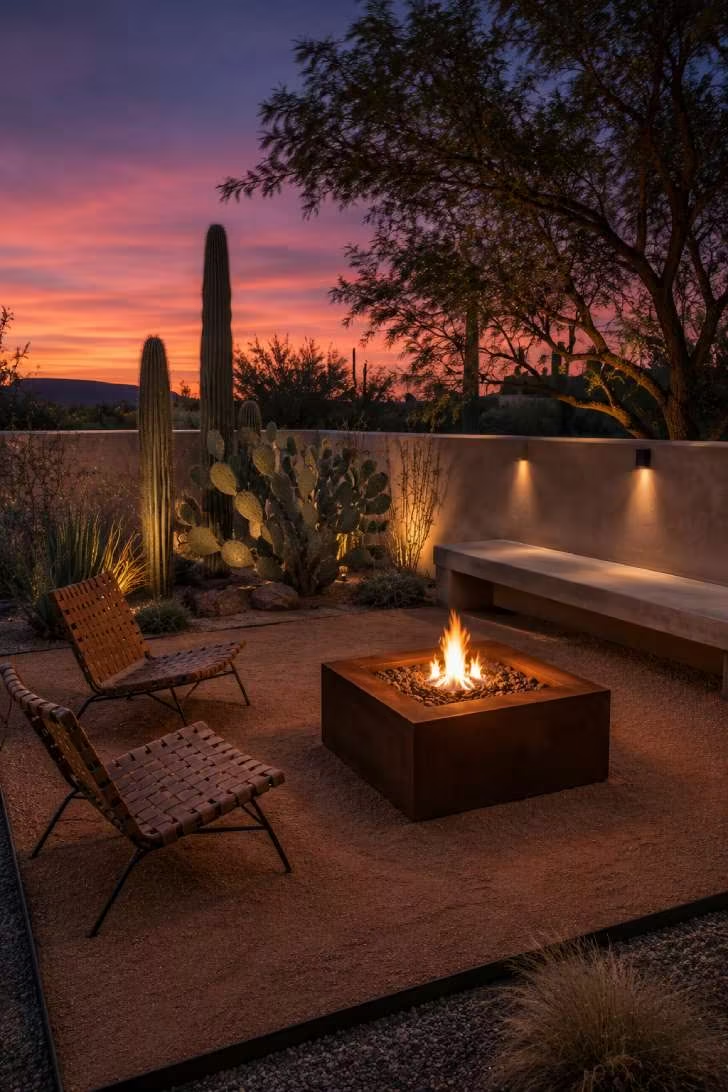
Decomposed granite is the desert equivalent of pea gravel — loose, permeable, and completely unfazed by heat.
It compacts better than round gravel, which means your chairs won’t wobble and your feet won’t sink.
The terracotta tone of the DG reflects the same warm spectrum as the fire, creating a continuous color story from ground to flame.
Corten steel and desert landscapes were made for each other.
The oxide patina that develops on the fire pit’s surface echoes the iron-rich soils and rusted rock formations of the Southwest, so the fire feature looks like it grew out of the ground rather than being delivered on a truck.
Desert fire pit areas work on less water, less maintenance, and less material than almost any other style on this list.
No irrigation, no lawn mowing, no seasonal cushion storage.
You rake the DG once a month, wipe down the chairs, and you’re done.
Style Blueprint:
- Square Corten steel fire pit (36-inch, natural patina finish)
- Decomposed granite base in warm terracotta, 3 inches deep
- Raw steel landscape edging to contain the DG
- Low-slung mid-century modern outdoor chairs (powder-coated steel frame)
- Drought-tolerant sculptural plantings (columnar cacti, paddle cactus, native grasses)
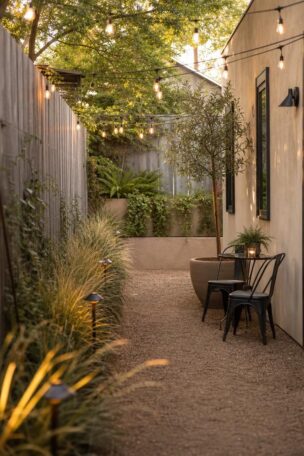
Cozy Fire Pit Corner with String Lights
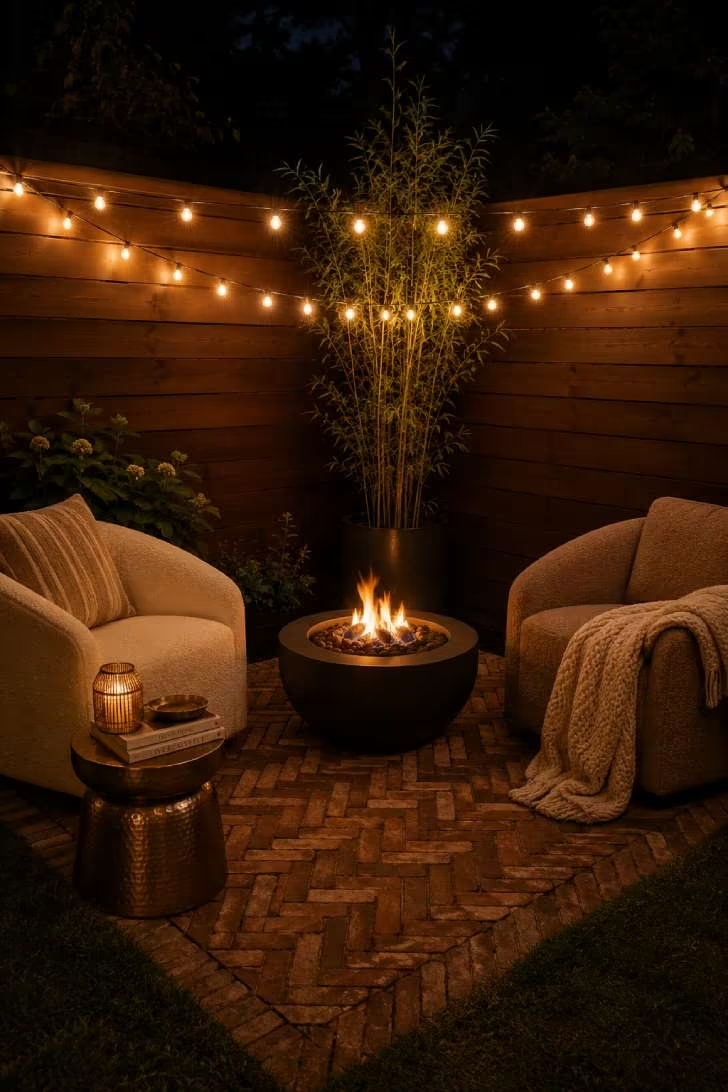
You don’t need a big yard to build a fire pit area that feels complete.
A corner where two fence lines meet gives you two walls for free — instant enclosure, instant privacy.
The herringbone brick pad is sized at just 6×6 feet, which is enough for the fire pit and two chairs without crowding.
String lights overhead do something that no other lighting option can replicate at this price point: they create a ceiling of light.
Your brain perceives the draped strands as an overhead boundary, and that perception of enclosure transforms a fence corner from leftover space into a destination.
Two strands are better than one — a single strand reads as sparse, while two create enough density to register as intentional fire pit lighting.
Warm white bulbs (2700K) are non-negotiable here; daylight-temperature LEDs would wash out the fire’s glow and make the space feel like a parking lot.
The boucle-textured fabric on the chairs adds a tactile warmth that smooth materials can’t — it invites you to touch it, which is why you sink into those chairs and don’t get up.
Style Blueprint:
- Compact round fire pit in brushed black steel (28–30 inch diameter)
- Herringbone-laid brick pad, approximately 6×6 feet
- Two oversized outdoor armchairs in boucle-textured performance fabric
- Two strands of warm-white string lights (2700K, outdoor-rated)
- Tall potted bamboo or ornamental grass in a dark ceramic planter
Poolside Fire Pit Area
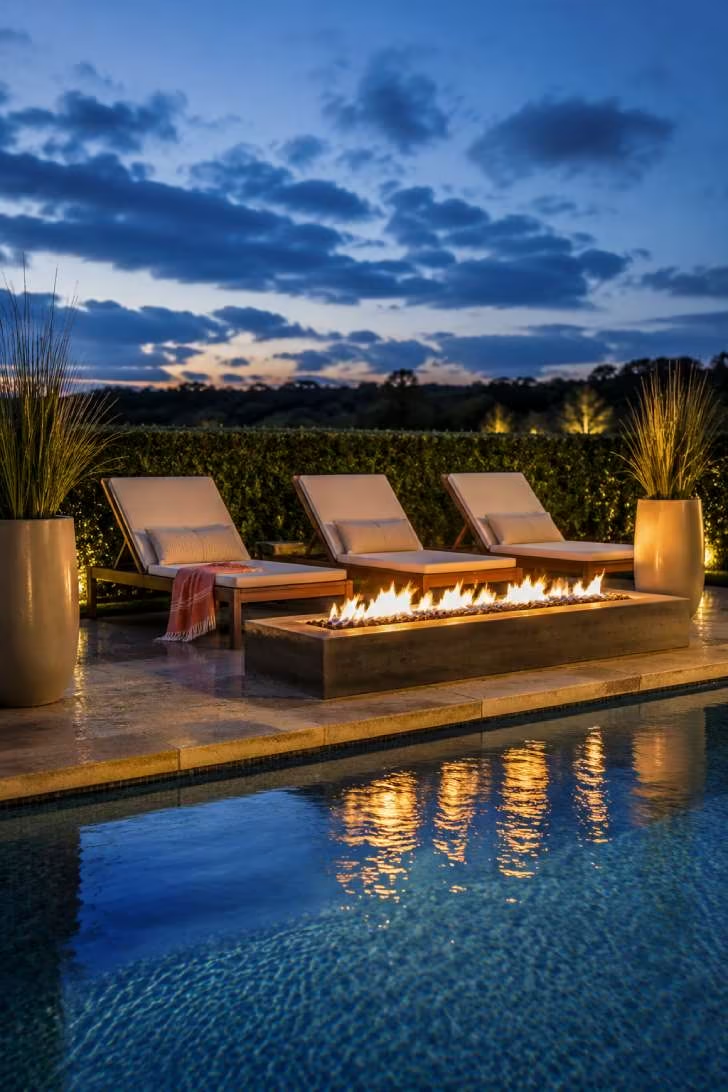
Fire and water next to each other create a contrast that holds your attention without demanding it.
The eye bounces between the warm glow of the flame and the cool shimmer of the pool surface, and that oscillation is genuinely calming — it’s the same reason people stare at waves.
Positioning the fire pit between the pool and the lounges serves a practical purpose too: it warms swimmers who’ve just gotten out of the water without making them walk to a separate part of the yard.
Travertine coping stays cool underfoot even after a full day of sun, which matters when you’re walking barefoot between the pool and the fire.
A gas fire pit is the only safe choice this close to water — no sparks, no ash blowing into the pool, and no risk of a stray ember landing on a wet deck where someone could slip.
The low hedge behind the chaises is doing quiet but important work: it separates the fire and pool zone from the rest of the yard, giving the area its own identity without blocking sightlines.
Style Blueprint:
- Rectangular gas fire pit in polished dark concrete (48×24 inches)
- Natural travertine pool coping and deck surface
- Three teak chaise lounges with cream canvas cushions
- Low boxwood hedge as a border element
- Tall ceramic planters with ornamental grasses at fire pit ends
Woodland Fire Pit Clearing
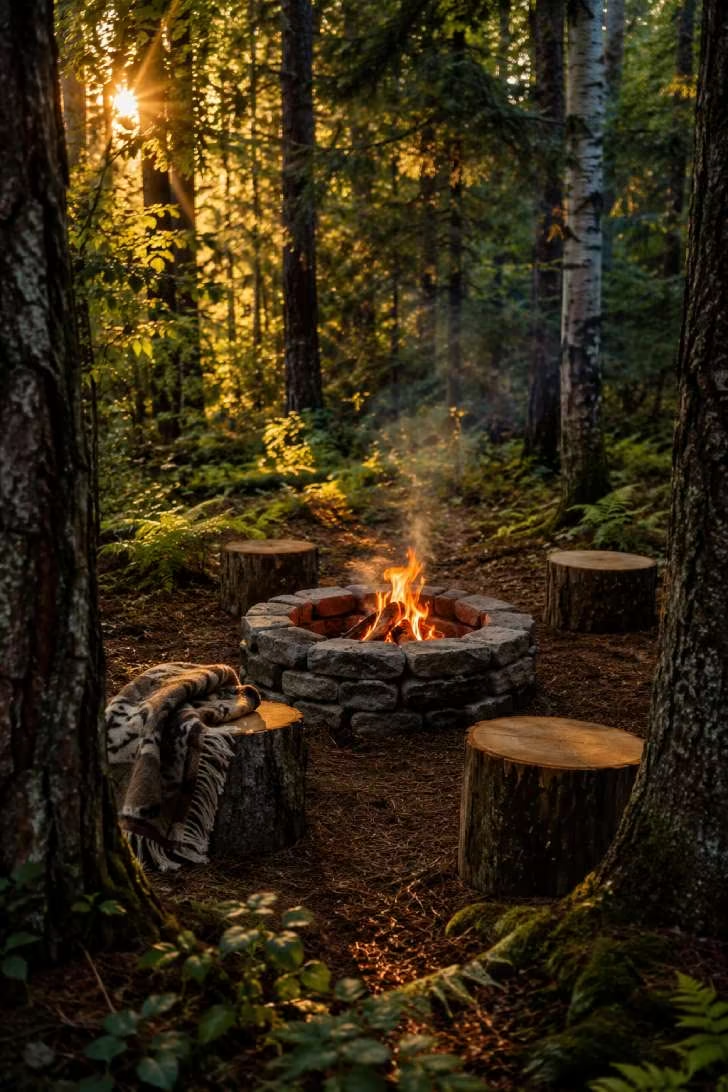
If your yard backs up to trees, you already own the best fire pit backdrop money can’t buy.
Clear a circle — fifteen feet of diameter is plenty — and let the forest floor be your surface.
Pine needles and moss are softer underfoot than any poured patio, and they smell like the weekend.
Log-slice stools cost almost nothing if you have access to a fallen tree and a chainsaw.
Sand the sitting surface smooth, leave the bark on the sides, and you’ve got seating that belongs so completely in this setting that it disappears into it.
The rough-hewn granite fire ring works without mortar because gravity and friction hold the stones in place — they’ll shift slightly over time, and that’s fine.
A fire pit garden of ferns and wild ginger at the tree bases adds layers of green texture without requiring any maintenance, since these plants thrive in shade and damp conditions.
Wood-burning is the right fuel choice for a woodland setting because the crackle, the smoke smell, and the need to tend the fire are part of the experience you’re building here.
Design Pro-Tip: Keep a three-foot ring of bare mineral soil or gravel around any wood-burning fire pit that sits near trees. Pine needles and dry leaves are fuel, and a single windblown ember can travel farther than you’d expect. That cleared perimeter is cheap insurance.
Built-In Fire Pit Dining Table
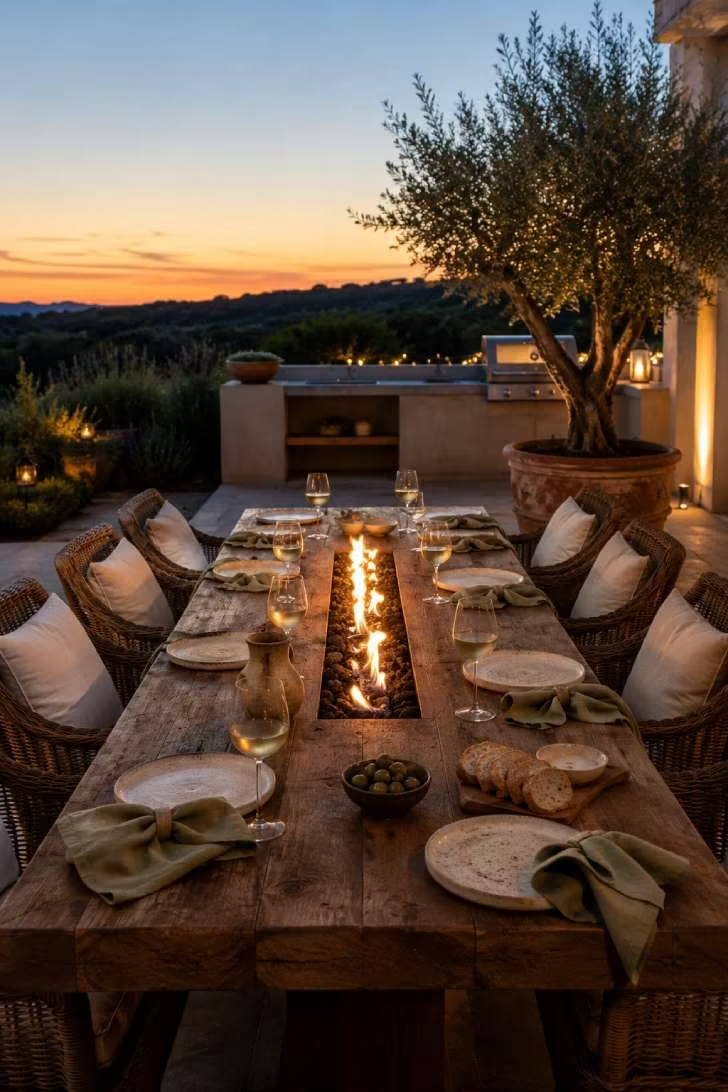
A fire trough running down the center of a dining table solves two problems at once: it keeps everyone warm during long outdoor dinners, and it replaces the candle centerpiece with something you can actually feel.
The warmth rises straight up from the table surface, which means it reaches your hands, your plate, and your face before it drifts away — the exact zones that get cold first when you eat outside.
Reclaimed wood planks on either side of the concrete fire channel create a material contrast that gives the table its character.
Smooth, polished concrete next to rough, grain-heavy walnut — your hands notice the difference every time they move from one surface to the other.
The fire trough stays narrow (eight inches is enough) so there’s still plenty of table surface for plates, glasses, and serving bowls on both sides.
Setting the table casually — mismatched stoneware, napkins tossed rather than folded — signals that this is a table for eating, not for looking at.
That informality is what makes people serve themselves, pour their own wine, and stay for a third hour.
Style Blueprint:
- Reclaimed wood dining table (8-foot length, thick planks)
- Narrow rectangular gas fire trough insert (36×8 inches)
- Polished concrete channel for the fire trough
- Eight woven rattan dining chairs with washable cushions
- Casual stoneware table setting with linen napkins
Corten Steel Fire Feature on a Deck
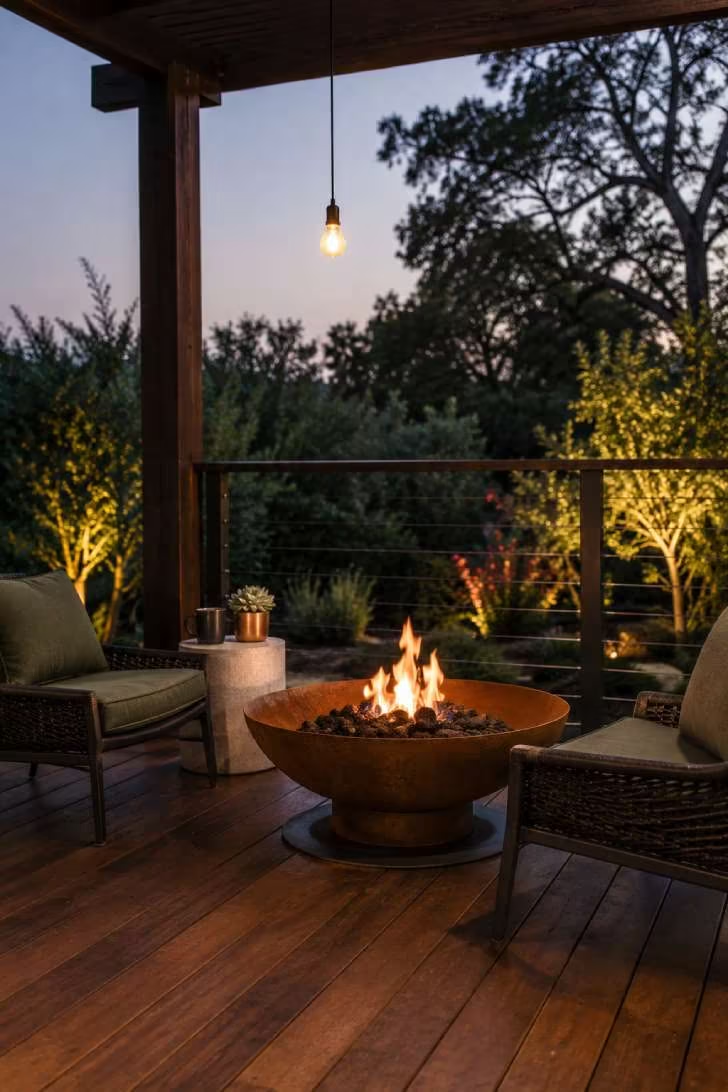
Decks and fire pits can coexist — you just need to respect the gap between flame and floor.
A heat shield disc under the pedestal base is non-negotiable on any wood deck surface.
It blocks radiant heat from reaching the boards below and keeps the ipe from scorching, warping, or discoloring.
Ipe wood is the best decking material for fire pit proximity because it has the highest fire resistance rating of any common hardwood — it chars slowly and doesn’t ignite easily, which is why it’s used in commercial boardwalks near the coast.
The Corten steel bowl develops its patina over months of exposure to rain and air.
That oxidation process is self-limiting — once the surface layer rusts, it seals the steel underneath and stops corroding, which means the fire pit actually protects itself.
The rust tones of Corten against the chocolate brown of oiled ipe create a warm, analogous color palette — two materials that look like they were chosen together, even though they come from completely different worlds.
Cable railing preserves the view without interrupting sightlines, which matters when your deck overlooks a garden.
Solid railings or thick balusters would box in the fire pit area and make the deck feel smaller than it is.
Style Blueprint:
- Shallow Corten steel fire bowl on pedestal (36-inch diameter)
- Steel heat shield disc (at least 6 inches wider than the base)
- Ipe wood decking, oiled finish
- Two woven resin wicker loungers with deep cushions
- Thin cable railing system with dark wood posts
Budget Gravel Circle with a DIY Fire Ring
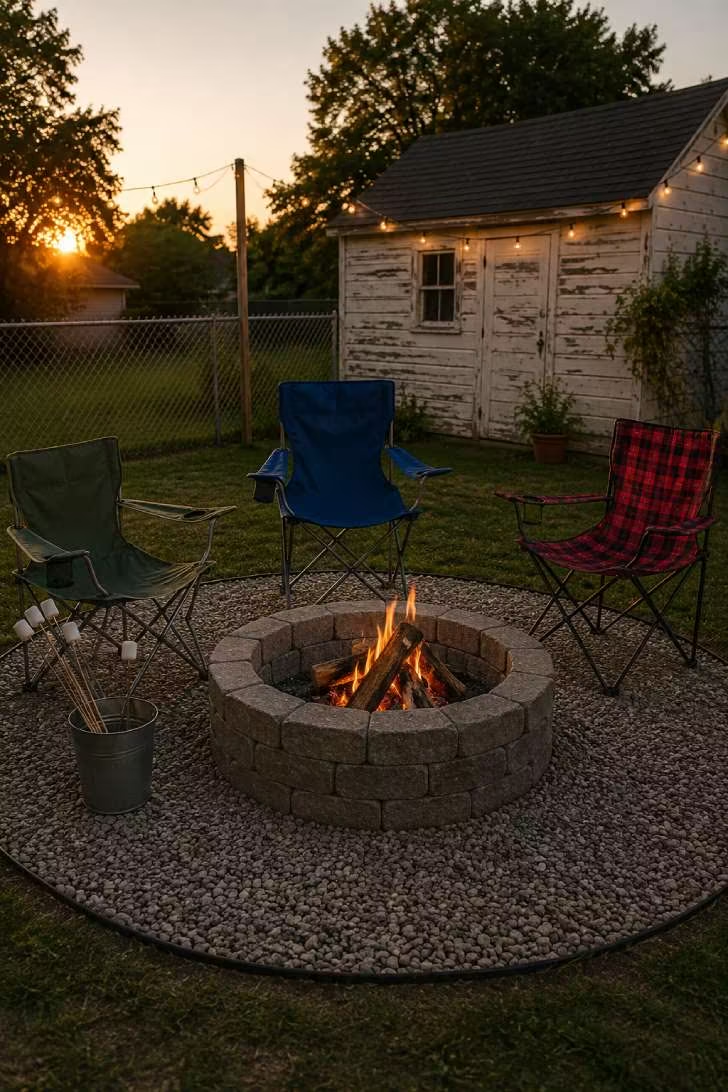
This is the fire pit area you can set up on Saturday afternoon and use Saturday night.
Start with a manufacturer-listed fire pit designed for outdoor use and install it on the noncombustible surface specified by the manufacturer, following all required clearances from structures, vegetation, furniture, and other combustible materials.
Build the surrounding area with crushed limestone gravel or pavers to create a clean, practical surface around the fire pit. The exact base requirements depend on the unit you choose, so follow its installation instructions rather than assuming that gravel or pavers alone make every location suitable.
You can still keep the project simple and affordable by concentrating the DIY work on the seating area and landscape around the listed fire pit rather than constructing a fire ring from unspecified retaining-wall blocks.
Mismatched camp chairs aren’t a compromise here; they’re a feature.
Folding chairs mean you can stow them in a shed or garage between uses, and inexpensive outdoor seating is easier to live with around a working fire pit than delicate furniture.
Place the chairs outside the fire pit manufacturer’s required clearance zone and leave enough open space for people to move safely around the seating area.
A metal bucket of marshmallow sticks beside the chairs says everything about what this fire pit area is for: it’s for using, tonight, with whoever shows up.
Design Pro-Tip: Treat the manufacturer-listed fire pit as the fixed safety element, then design the gravel, pavers, and seating composition around it. Preserve every manufacturer-required clearance and surface requirement rather than modifying the fire pit or building an improvised masonry ring around the flame.
Conclusion
An outdoor fire pit area doesn’t ask for perfection.
It asks for a decision — pick a spot, pick a style, and build it.
The sunken conversation pit and the $150 gravel circle accomplish the same thing at the end of the day: they give you a reason to go outside after dark.
What you spend matters less than whether the fire gets lit.
The best backyard fire pit landscaping is the kind that fits your yard, your weeknights, and your willingness to actually sit down and stay.
Start with the simplest version of the idea that excites you, use it for a full season, and then upgrade from experience rather than guesswork.
A fire pit seating area only needs three things: something to burn, somewhere to sit, and someone to talk to.
The rest is decoration.
Fire-safety note: Fire-pit placement and construction come before styling. Follow the fire-pit manufacturer’s required clearances and installation instructions, local fire restrictions, and any applicable permit or fuel requirements. Never assume that decorative masonry products are suitable for direct high-temperature exposure unless their manufacturer specifically approves that use.