This post may contain affiliate links. If you make a purchase through these links, we may earn a commission at no additional cost to you.
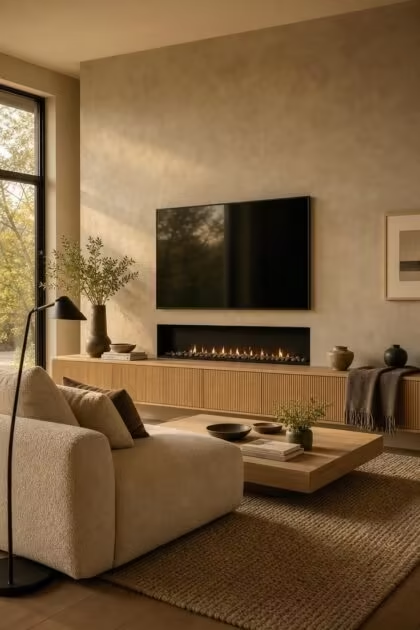
The modern living room no longer has to choose between the primal warmth of a fireplace and the sleek pull of a television.
The best contemporary designs treat these two focal points as collaborators rather than competitors, composing them into a single, intentional architectural moment.
These modern fireplace ideas with tv explore eleven distinct, approaches to pairing a fireplace with a TV, from full-height porcelain slab walls to floating room dividers and low-slung credenza integrations.
Each idea is anchored by a specific material, finish, or spatial technique, so you can move beyond vague inspiration and toward a precise, buildable direction for your own home.
Whether you’re planning a new build or retrofitting an existing living room, the following image-driven concepts will help you achieve warmth, function, and visual calm in one cohesive wall.
Installation note: There is no universal safe TV-over-fireplace layout. Fireplace heat output, required clearances, mantel or recess geometry, framing and finish materials, ventilation, wiring, and television operating limits vary by product. Follow the current installation instructions for both the fireplace and television. If their requirements cannot be satisfied together, redesign the layout rather than improvising a heat shield or clearance.
The Flush Porcelain Monolith with a Recessed Linear Firebox
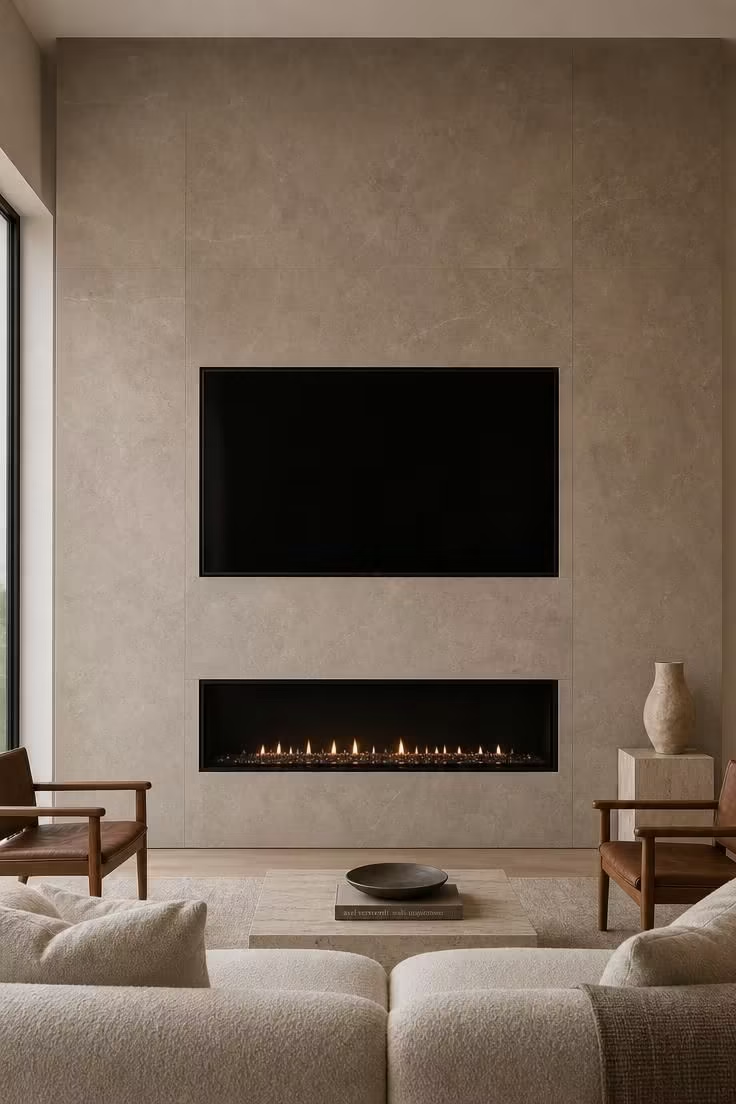
A full-height porcelain slab removes the visual noise that usually comes from drywall seams, trim, and competing textures.
When the fireplace and TV sit within that single stone field, the wall stops feeling like two separate objects and starts feeling like one deliberate architectural move.
The warm greige tone matters more than most people expect.
Pure white porcelain can feel clinical, while a soft limestone or greige finish absorbs and returns light in a way that makes the room feel cocooned rather than cold.
The flush-recessed TV is the detail that holds the whole composition together.
A TV that protrudes from the wall creates shadow lines and visual interruption, but a recessed installation lets the screen read as a dark plane within the stone, almost like a framed artwork that happens to turn on.
Style Blueprint:
- Large-format porcelain slab in warm greige or soft limestone finish
- 60-inch linear gas fireplace with black glass interior and crushed-glass media
- Flush-recessed OLED or slim-frame TV with minimal bezel
- Low-profile sofa in ivory boucle with walnut side chairs
- One sculptural object in unfinished stoneware or travertine
A Microcement Bump-Out Media Wall with Integrated Shelving Asymmetry
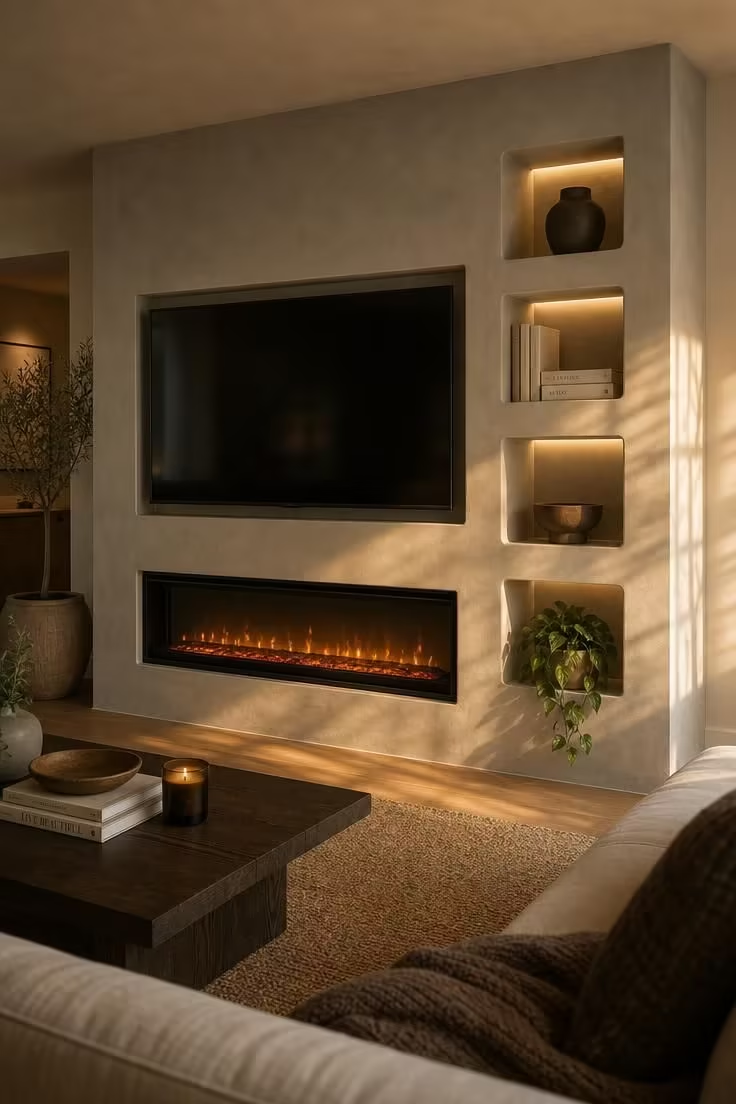
The strength of this design lies in the asymmetry.
A centered fireplace with a centered TV above it can feel rigid, but adding shelving to only one side breaks that rhythm without losing balance.
Microcement gives the entire media wall the character of a carved object rather than a framed construction.
The hand-troweled texture catches light differently throughout the day, which keeps the wall feeling alive even when both the fireplace and TV are off.
The recessed electric fireplace insert is the practical backbone here.
A recessed electric fireplace can simplify some installations, but only where the specific listed unit permits recessed installation and only with the framing, ventilation, clearances, finishing materials, and electrical conditions specified in its current installation manual.
Style Blueprint:
- Warm-gray microcement or Venetian plaster wall finish
- Recessed electric fireplace insert with adjustable flame color
- Open cubby shelving carved into one side of the bump-out
- Linen-bound books, a matte ceramic vessel, and a trailing satin pothos
- Dimmable warm-white LED strip lighting inside the recesses
The Floating Steel-Ledge Fireplace Wall with a Gallery-Style Frame TV
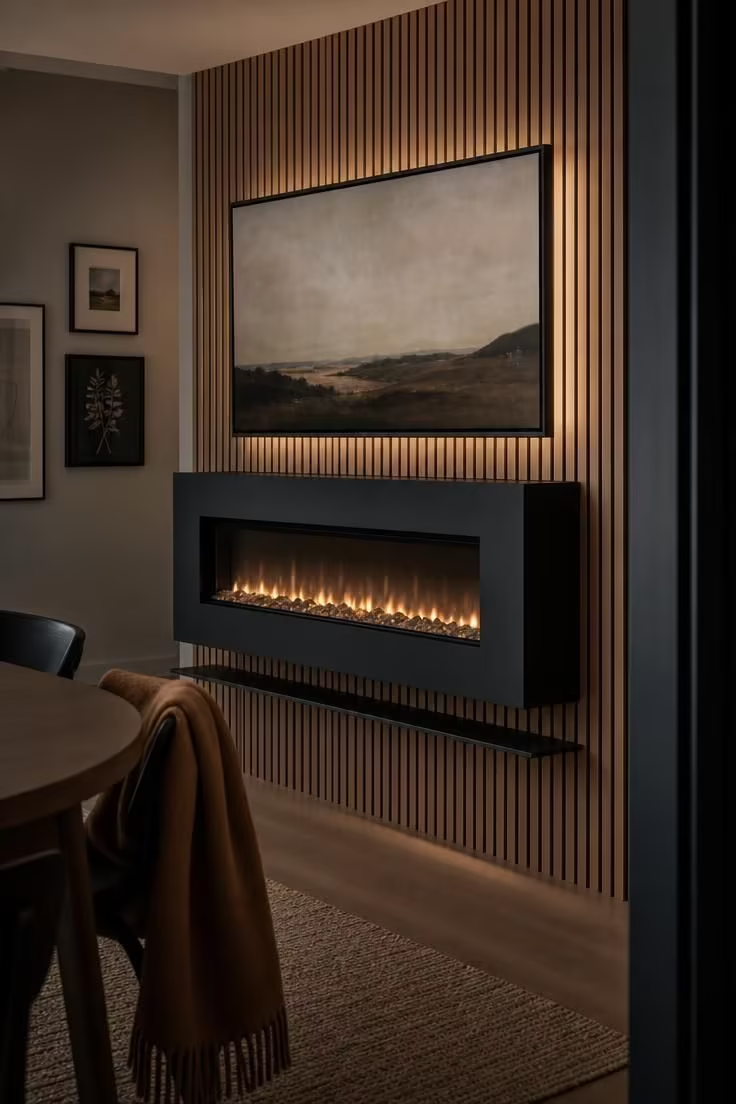
The layering here is what makes the design feel collected rather than engineered.
The floating steel box, the slatted wood wall, and the art-mode TV each occupy a different visual plane, creating depth that a flat wall treatment cannot match.
The Frame TV changes the entire psychology of the fireplace tv wall.
When the screen displays a muted abstract painting instead of a black rectangle, the wall reads as a gallery wall with a warm sculpture below, not as a media installation.
The empty steel ledge is a small but important gesture.
The empty steel ledge creates a horizontal visual break beneath the screen.
Do not rely on a decorative ledge as a heat shield unless the fireplace manufacturer specifically permits or requires that configuration.
Style Blueprint:
- Vertical white-oak slat wall paneling
- Floating matte-black steel electric fireplace box
- Samsung Frame or similar art-mode TV with matte display
- Floating black steel ledge beneath the fireplace
- Warm-neutral abstract artwork displayed on the TV
A Blackened-Steel Reveal Wall Where the Fireplace Sits at Floor Level
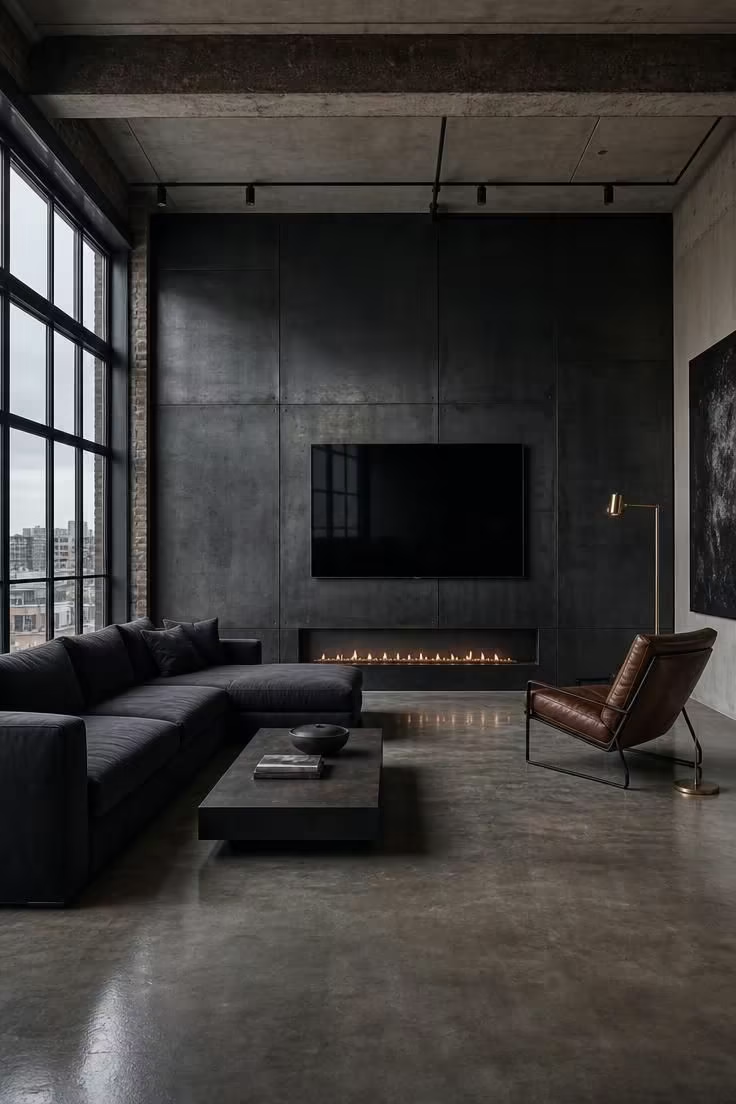
Placing the firebox at floor level solves the viewing height problem that plagues most tv above fireplace installations.
Without a tall firebox pushing the screen upward, the TV center can land at a comfortable seated eye level while the flame stays visible below.
The dark steel wall does something interesting to the room’s perceived temperature.
Despite the cool metal material, the blackened finish absorbs light and creates a sense of enclosure that feels surprisingly warm and intimate.
The near-absence of decorative objects is intentional.
With polished concrete floors, exposed structure, and raw steel, any added styling would dilute the material honesty of the space.
The flame and the screen become the only sources of visual warmth.
Style Blueprint:
- Hot-rolled blackened steel wall panels with clear coat
- Floor-level linear gas fireplace with ribbon burner
- Slim-frame TV with nearly invisible bezel
- Polished concrete floor and deep charcoal sectional
- Raw brass floor lamp as the single metal accent
Design Pro-Tip: Measure your actual seated eye height on the sofa you own before committing to a fireplace-and-TV stack. If the center of the TV will land more than 15 degrees above your resting gaze, choose a low-profile electric fireplace, a floor-level gas unit, or an adjacent rather than stacked arrangement. Comfort always outranks symmetry.
The Twin-Flanked Oak Pillars with a Floating Fireplace and TV Plinth
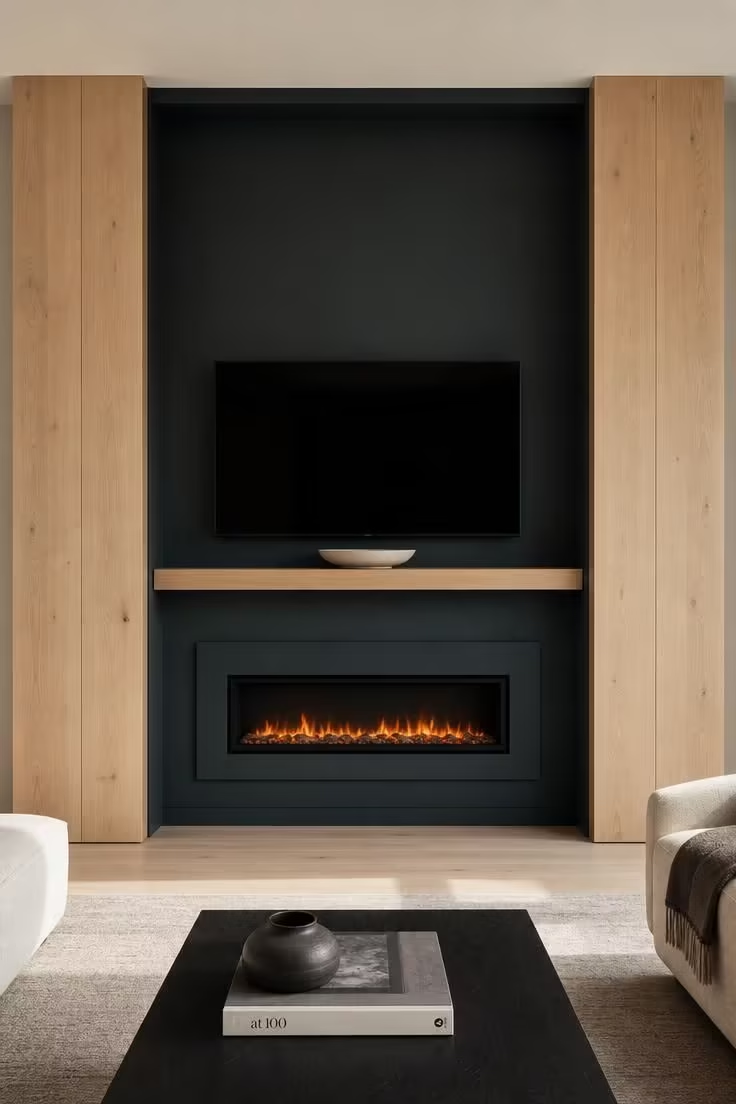
This arrangement shows that a fireplace tv wall does not require a full built-in cabinet system.
Two pillars and a painted niche can define the composition just as effectively while leaving the surrounding wall plane open and breathable.
The deep matte blue-gray niche creates the emotional weight of the design.
In bright midday light, the contrast between the illuminated oak and the shadowed void gives the wall a sense of depth that flat painted drywall cannot achieve.
The matte white fireplace body is a deliberate act of restraint.
By pulling back the fireplace housing, the flame itself becomes the only bright object in the lower half of the niche.
That draws the eye downward before the TV pulls it back up.
Style Blueprint:
- Two floor-to-ceiling white-oak pillars, each 24 inches wide
- Deep matte blue-gray painted niche interior
- Floating matte-white electric fireplace
- Suspended white-oak TV plinth
- One low wide ceramic bowl on the plinth
A Cast-Concrete Surround with a Low-Credenza Electric Fireplace Below
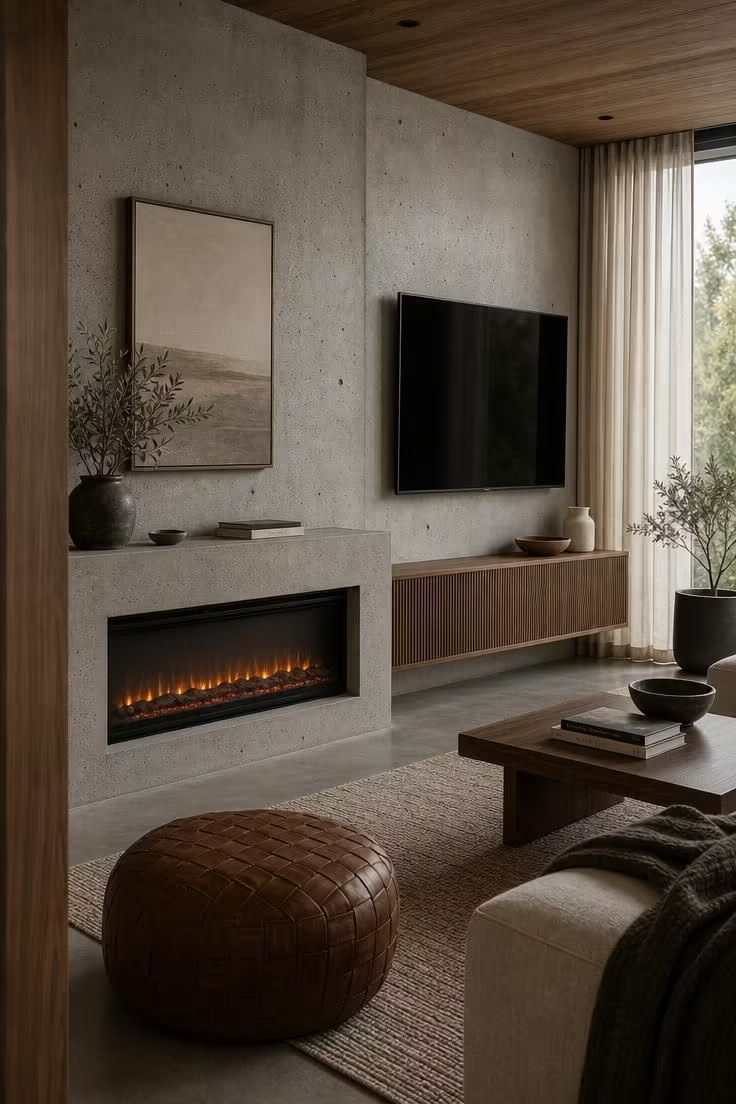
Separating the fireplace and TV horizontally solves both the heat clearance and viewing height issues in one move.
Neither element needs to compromise its position for the sake of the other, which frees the composition from the stiffness of stacking.
The cast-concrete surround reads as an art object rather than a utility wall.
Its rough, monolithic texture contrasts with the smooth warmth of the walnut credenza, and that material dialogue carries the room.
This configuration suits wider living rooms particularly well.
In spaces where centering everything on one axis would leave awkward gaps, the balanced offset arrangement fills the wall without feeling forced or symmetrical.
Style Blueprint:
- Cast-concrete or concrete-look porcelain surround
- Low-profile electric fireplace set near floor level
- Long floating ribbed-walnut credenza, 12 to 18 inches deep
- TV mounted at seated eye level on the opposite side of the wall
- Woven leather pouf or small boucle accent chair
A Back-to-Back Suspended Peninsula Where Fire and Screen Face Opposite Ways
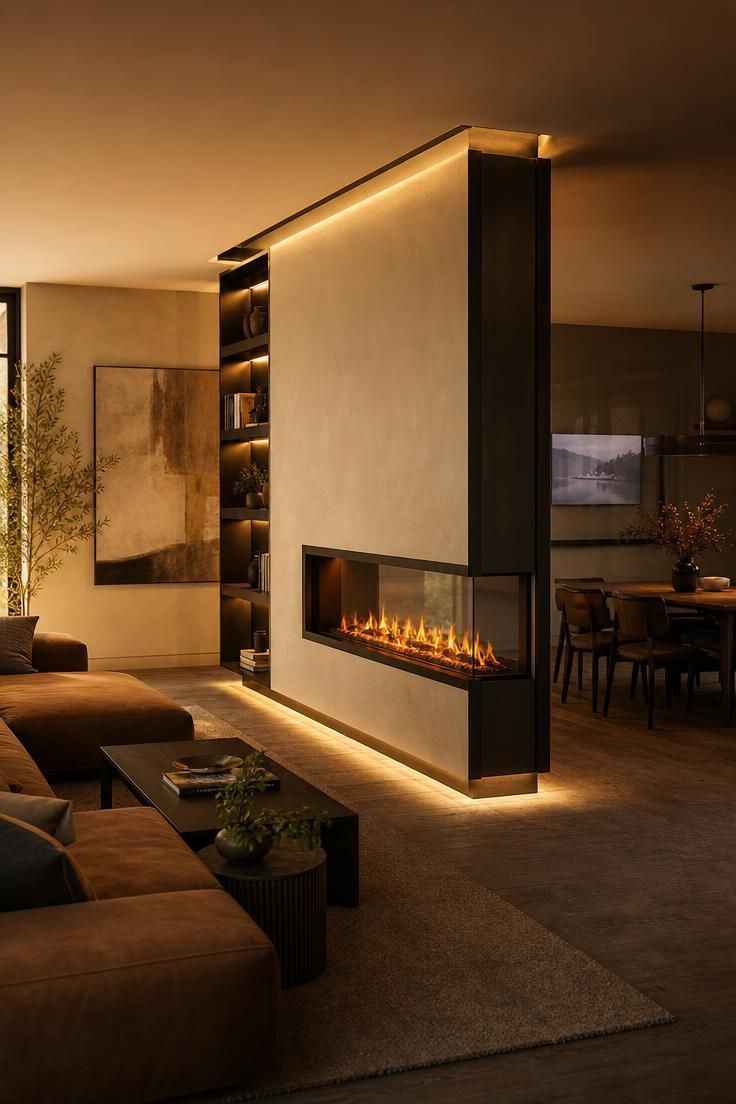
This arrangement gives each function its own orientation, which is the most honest solution for homeowners who do not want to stack a TV above a fireplace.
The fire faces the lounge side.
The screen faces the dining or kitchen side.
Neither has to apologize for its position.
The floating effect matters more than it might seem.
The floor and ceiling reveals let the peninsula read as a free-standing object rather than a partial wall, which keeps the open-plan flow intact while still defining two distinct zones.
The ivory plaster face absorbs and softens the warm-golden light beautifully, contrasting with the matte black steel frame.
That warm neutral backdrop helps the fireplace flame feel like the primary light source on the living side.
Style Blueprint:
- Matte black steel edge frame with ivory plaster face panels
- Two-sided electric fireplace with glass on both front and back
- TV mounted on the dining or kitchen side at seated eye height
- Floor reveal of 6 to 10 inches and ceiling reveal of 4 to 6 inches
- Warm-toned upholstery on both sides of the peninsula
The Vertical Fluted Plaster Surround with a Hidden Cable Chase and Halo Lighting
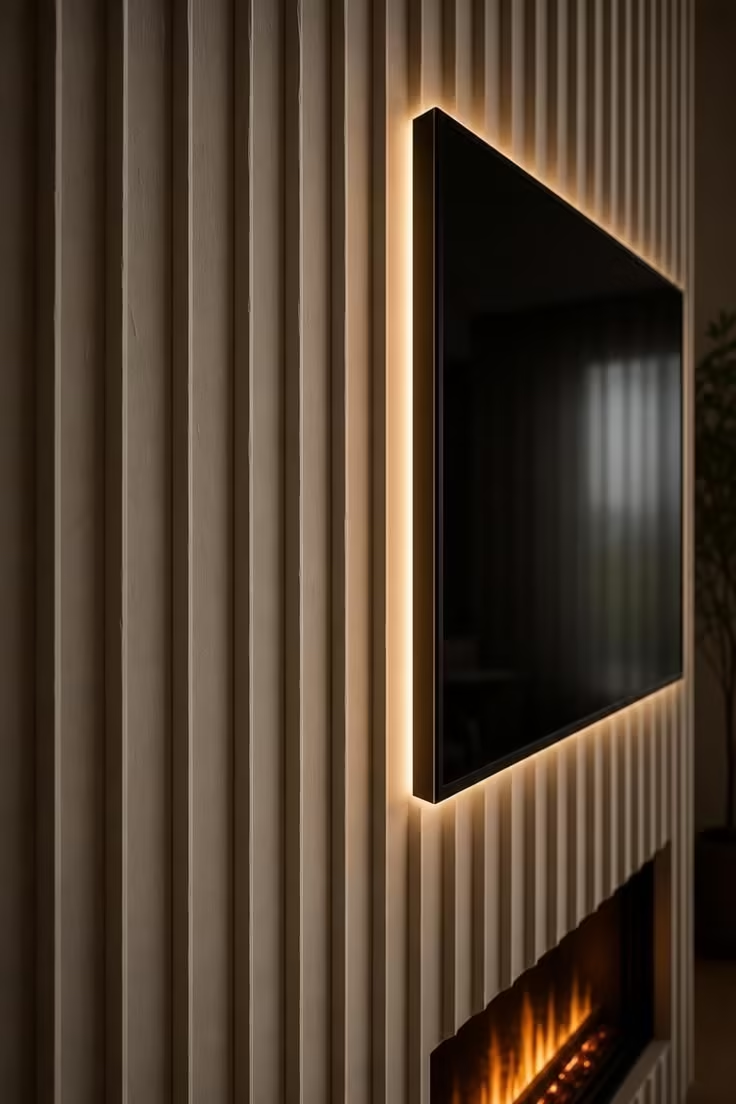
The fluted plaster becomes the defining feature here, not the fireplace or the TV.
The vertical channels draw the eye upward and give the wall a tactile, almost textile quality that reads as warm rather than architectural.
The halo lighting behind the TV softens the black rectangle into a floating panel.
A warm-white glow around the screen edges reduces the visual weight of the TV and adds a layer of ambient light that complements the fireplace flame below.
This treatment requires a hidden cable chase and a recessed outlet behind the TV.
Without those hidden services, the clean shadow gap around the screen would be broken by dangling cables.
That would destroy the entire effect.
Style Blueprint:
- Vertically fluted plaster or microcement surround
- Recessed electric fireplace with front ventilation
- TV set into a two-inch shadow-gap reveal
- Warm-white dimmable LED halo lighting behind the TV
- Low modular sofa, wool rug, and a single floor lamp
A Low-Plaster Pass-Through with Fireplace Below and TV Above in an Open Niche
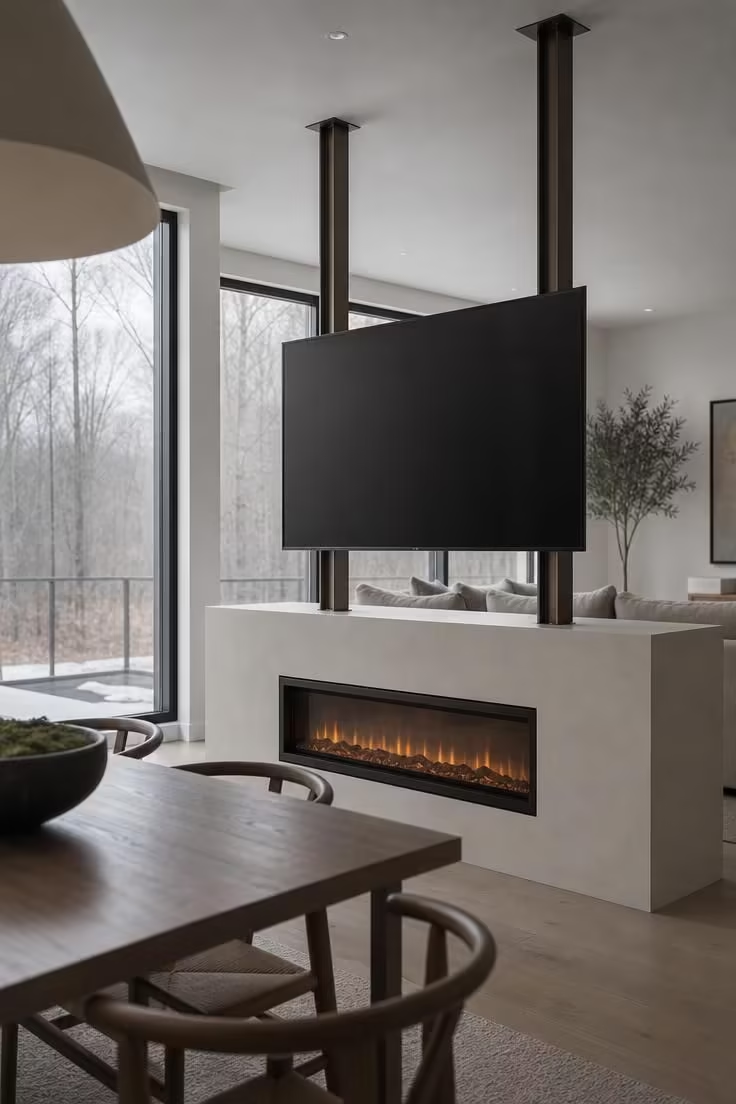
This design breaks nearly every convention of fireplace and TV placement while still reading as intentional.
The absence of a solid wall behind the TV makes the screen feel lighter and less dominant, even when it is mounted at a comfortable height.
Separating the television from the direct vertical stack can make thermal management easier in some layouts.
But fireplace clearances, television operating-temperature limits, ventilation, and mounting requirements still need to be verified for the products used.
The TV is not directly above a heat-producing firebox, just visually layered with it.
The low plaster volume absorbs and frames the fireplace while the screen floats in open air.
The steel posts are the detail that makes the composition work.
Powder-coated matte black or dark bronze, they read as a deliberate structural gesture rather than a mounting afterthought.
Their verticality echoes the low wall’s horizontal line.
Style Blueprint:
- Half-height plaster volume, 36 inches high with crisp square edges
- Recessed electric firebox with adjustable flame
- Matte black or dark bronze steel posts supporting the TV
- Open space behind the TV revealing the adjacent room
- Low-profile sofa and a flatweave wool rug in warm neutrals
Design Pro-Tip: Specify a recessed outlet and a dedicated conduit behind the TV before drywall goes up. A clean, professional-looking installation depends almost entirely on what happens behind the wall. Plan the power and signal path as part of the design, not as an afterthought.
The Elevated Hearth Room with a Projecting Oak Mantel and Cased Opening
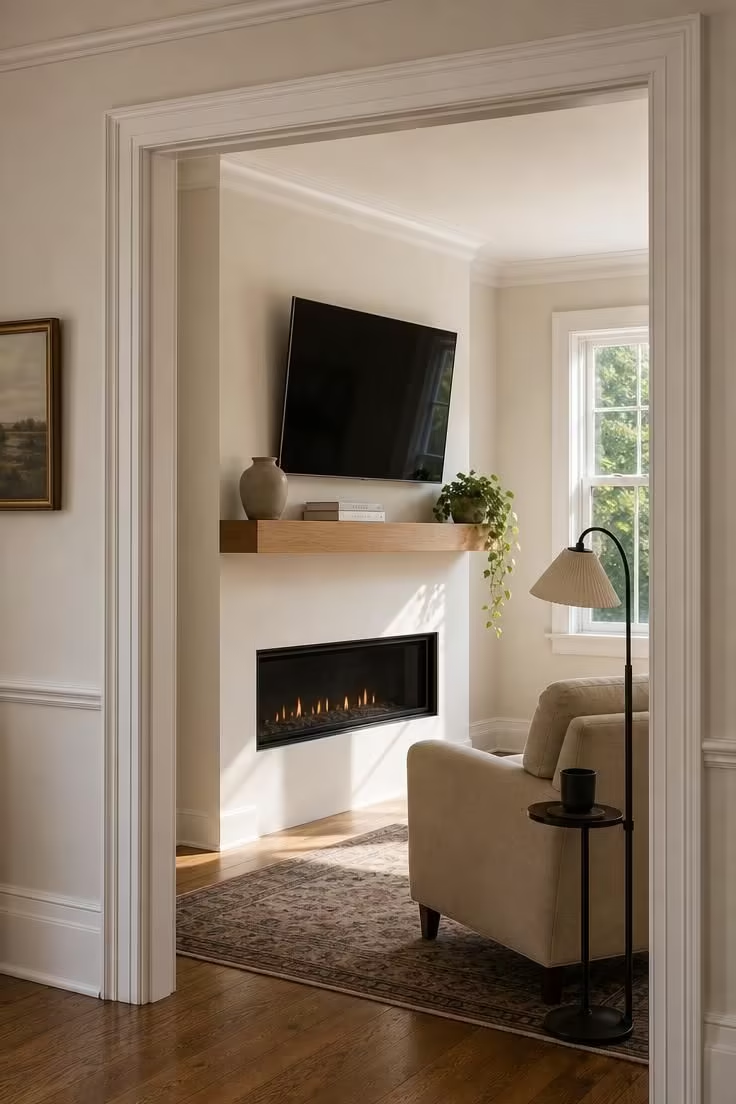
The projecting oak mantel does three jobs at once.
The projecting oak mantel creates a horizontal visual break and a shallow display surface.
Its depth, position, combustibility, and clearance from the fireplace must comply with the fireplace manufacturer’s installation requirements.
In a room with original architectural character, the modern fireplace treatment needs to be respectful rather than radically minimal.
The smooth plaster surround, warm white paint, and cased opening all work together to keep the modern insert from feeling out of place.
The elevated TV angle is acceptable here because the room reads as a secondary seating space.
In a primary living room this height would be fatiguing, but in a hearth room meant for reading and conversation, the screen is incidental.
Style Blueprint:
- Smooth plaster or painted drywall surround in warm white
- Projecting white-oak mantel, six inches deep minimum
- Linear gas fireplace with minimalist front surround
- Matte ceramic vessel, three art books, and a trailing houseplant
- A single comfortable armchair and reading lamp nearby
A Color-Drenched Media Wall in Deep Green with a Low Electric Fireplace and Sconces
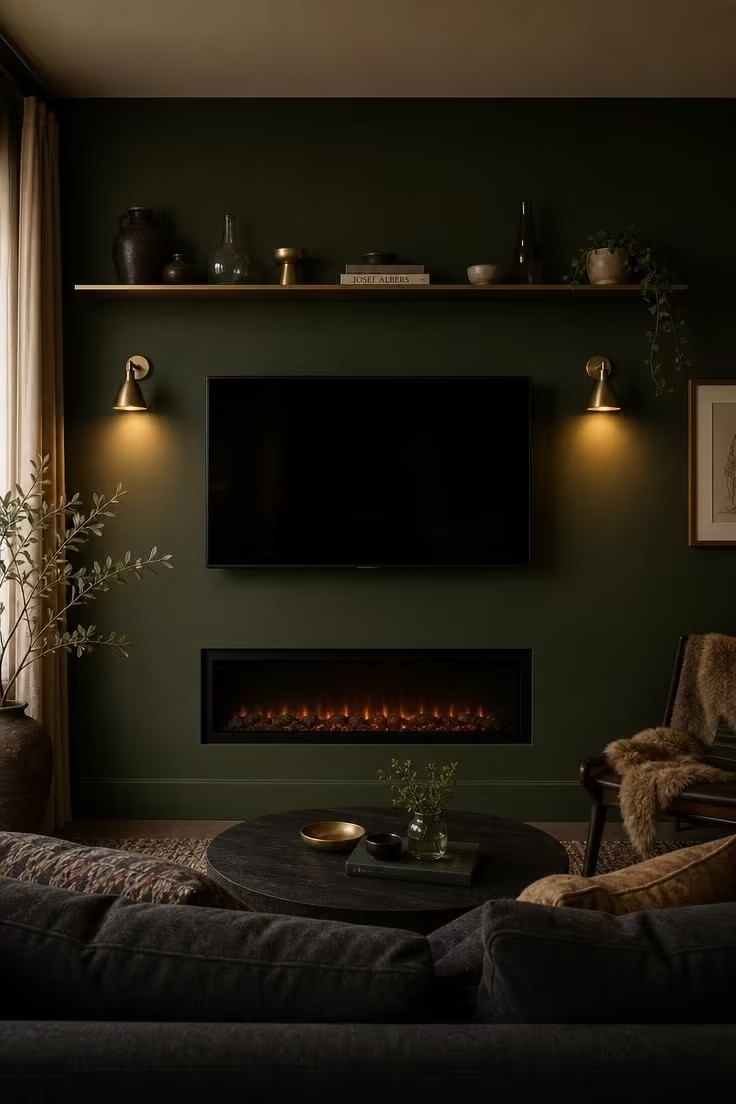
A single saturated color can unify a fireplace and TV more powerfully than any material treatment.
The deep forest green absorbs both elements into one bold architectural plane, turning the media wall into the room’s defining gesture.
The brass sconces are the warm counterpoint that keeps the green from feeling heavy or cold.
Their glow against the matte wall finish picks up the warmth of the fireplace flame and spreads it across the entire composition.
The low electric fireplace almost disappears into the dark wall, which is exactly the point.
When the fire is off, the wall reads as a calm, enveloping color field.
When the flame is on, it emerges as a small warm glow near the floor, leaving the TV to command its own visual space above.
Style Blueprint:
- Single saturated paint color in deep forest green, matte finish
- Low electric fireplace with black glass front
- Two unlacquered brass sconces flanking the TV
- Single long brass shelf above the TV with a few curated objects
- Deep charcoal sofa and warm wood side table
Conclusion
The eleven modern fireplace ideas with tv above demonstrate that there is no single correct way to pair a fire and a screen.
The most successful configurations share a few common traits: they plan for heat clearance and cable management before the finish materials are chosen, they treat the fireplace and TV as one composition rather than two competing objects, and they use materials like porcelain, plaster, oak, steel, and microcement to carry the emotional weight of the space.
A fireplace tv wall works best when the accent wall treatment, the linear gas fireplace or electric fireplace insert, and the viewing height all agree with each other.
A Frame TV in art mode can soften the black rectangle, a recessed outlet can hide the messy reality of wiring, and a well-placed mantel or ledge can deflect heat while offering a small place for warm objects.
Whether you choose a floor-level gas fireplace with the TV at true eye level, a color-drenched media wall in deep green, or a back-to-back suspended peninsula that gives each function its own side of the room, the goal remains the same.
A living room that feels warm, modern, and intentional, never like a compromise.