This post may contain affiliate links. If you make a purchase through these links, we may earn a commission at no additional cost to you.
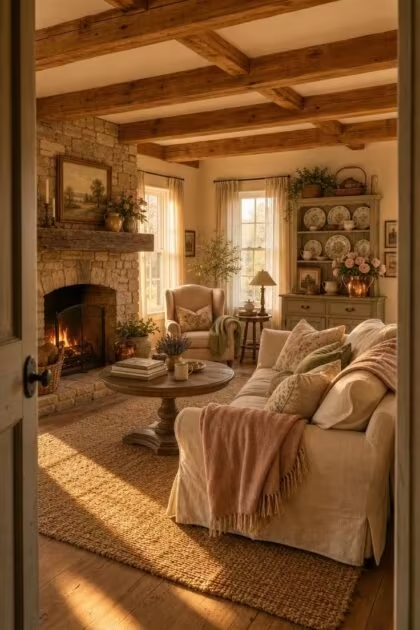
A cottage farmhouse living room never looks finished on purpose.
It looks gathered, layered over slow weekends and secondhand finds, with linen textures brushing against rough-hewn wood and soft color pulling the whole room into one quiet mood.
That quality of looking lived in rather than decorated is what makes the style so appealing right now.
These 12 ideas lean into that spirit, each one built around a specific material pairing or styling detail you can recreate in your own space.
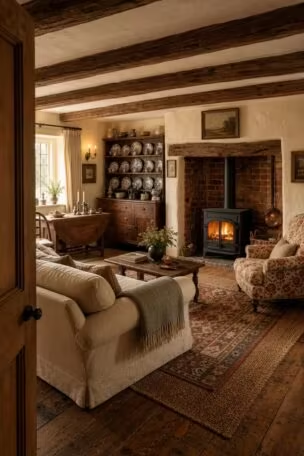
A Rolled-Arm Sofa in Oatmeal Linen Beside a Stacked Fieldstone Fireplace
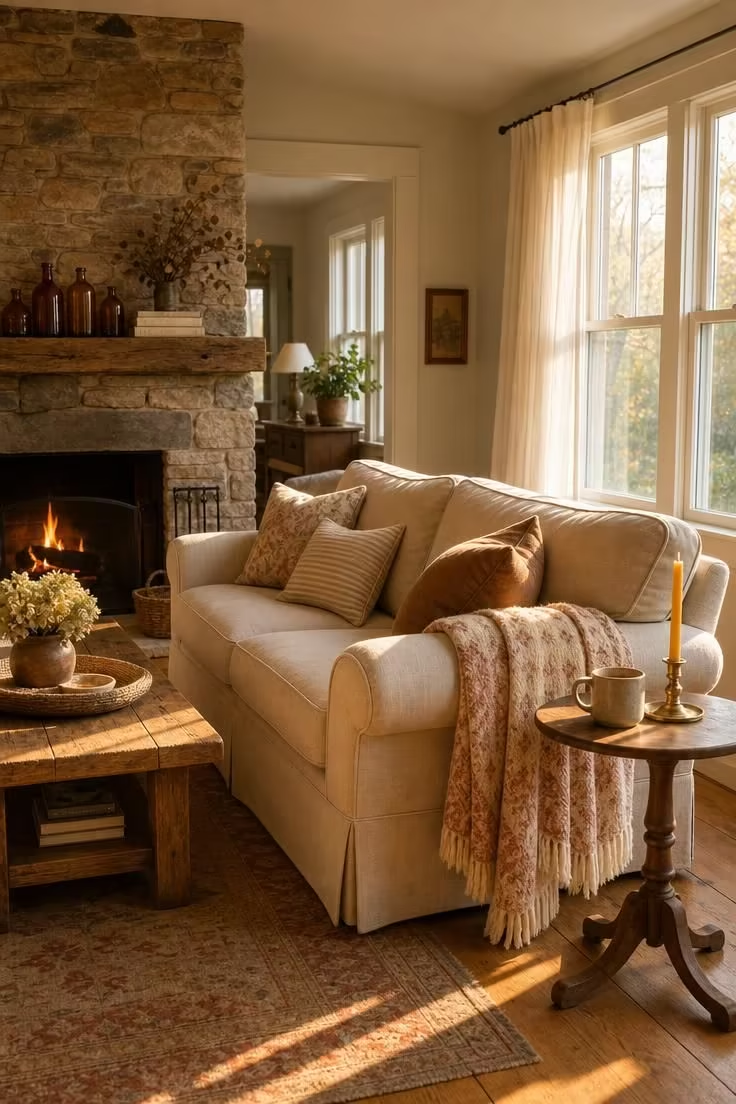
Starting with the seating arrangement matters more than most people realize in a cottage farmhouse living room.
A rolled-arm sofa in a washed oatmeal linen sets the entire tone for the space, signaling comfort over formality before anyone sits down.
The fieldstone fireplace behind it grounds the room with raw, unpolished texture that no manufactured material can replicate.
Positioning the sofa at a slight angle rather than flush against a wall creates a natural conversation zone and makes the room feel less rigid.
That dusty rose throw draped over the arm is doing quiet work, pulling warmth from the stone and connecting the cool mineral tones to the soft textile palette.
Amber glass bottles on the mantel catch light in a way that adds movement without any visual noise.
The whole arrangement works because nothing matches perfectly, and that imperfection is the point.
Style Blueprint:
- Deep-seated rolled-arm sofa in a washed linen slipcover sofa fabric
- Stacked fieldstone or natural stone fireplace surround
- Hand-knotted wool throw in muted blush or cream
- Amber glass bottle collection for mantel styling
- Brass taper holder and beeswax candle as a quiet accent
Honey Pine Ceiling Beams Crossing Over a Whitewashed Plank Floor
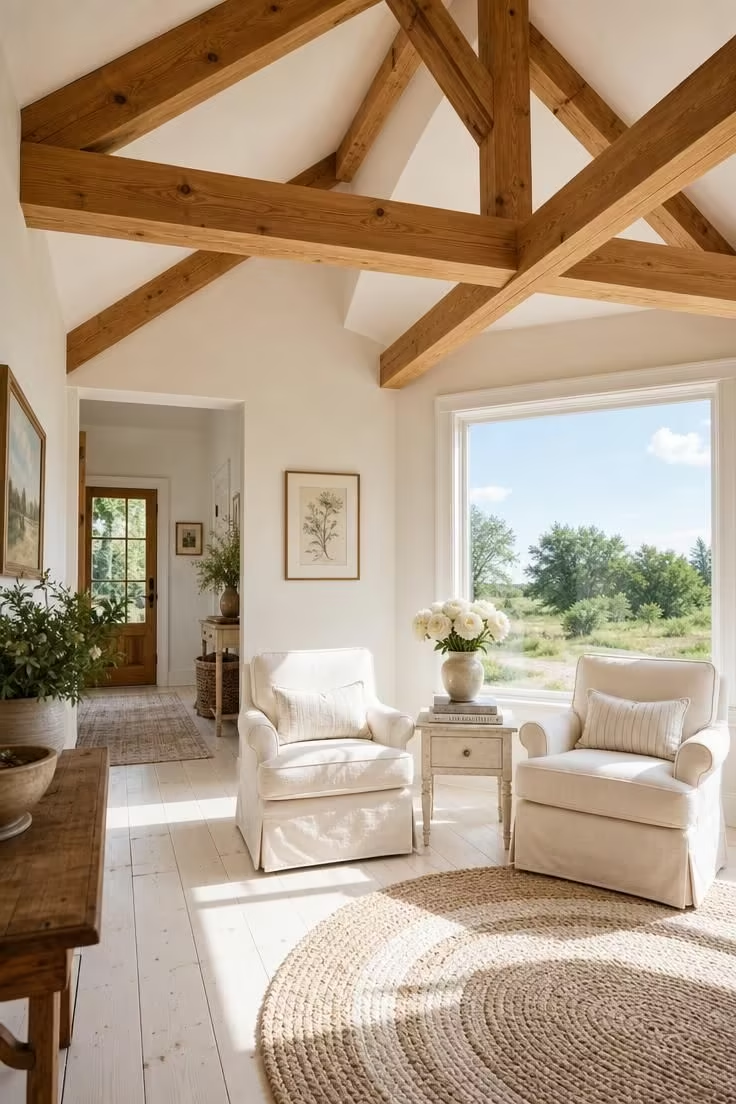
Exposed ceiling beams change the entire architecture of a room without moving a single wall.
Honey pine beams specifically bring a warmth that darker woods like walnut or reclaimed barn oak cannot, reading lighter and more approachable in a cottage context.
Pairing them with a whitewashed floor flips the typical expectation, placing the darker tone overhead and the lighter one underfoot.
That reversal draws the eye upward and makes even a modest ceiling feel vaulted and generous.
The braided cotton rug softens the painted floor beneath it and adds a handmade quality that ties the whole room to its cottage roots.
Fresh peonies on the side table are a small touch, but they reinforce the garden-connected mood that defines this style.
Style Blueprint:
- Honey pine or clear-coat pine exposed ceiling beams
- Whitewashed or lime-washed wide-plank pine floor
- Braided cotton rug in natural and cream tones
- Linen-upholstered armchairs in ivory or oatmeal
- Fresh garden flowers in a simple ceramic vase
A Caned Bergère Chair Pulled Beside a Turned-Leg Side Table With Dried Lavender
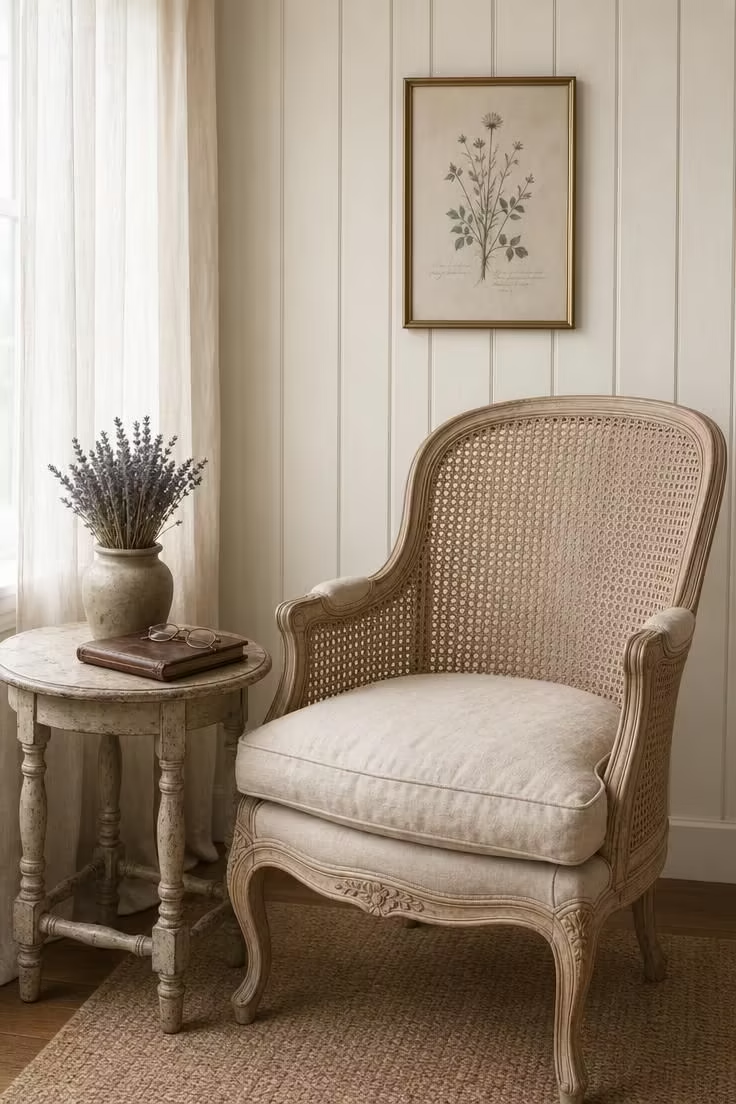
The bergère chair is one of those pieces that bridges cottage charm and farmhouse practicality without leaning too far in either direction.
Cane paneling in the back keeps the silhouette open and breathable, which prevents a heavily furnished room from feeling dense.
A bleached oak frame reads quieter than a gilded or dark-stained finish, fitting the understated palette this style depends on.
Dried lavender on the side table brings scent memory into the visual arrangement, making the room feel alive even in a still photograph.
That putty-painted turned leg on the table is a detail worth noticing, because the muted color lets the wood grain show through just enough to suggest age without looking deliberately distressed.
The tongue-and-groove paneling behind the chair adds vertical rhythm to the wall and creates a backdrop that feels architectural rather than flat.
Reading glasses on a leather journal are the kind of prop that makes a styled space feel occupied and real.
A corner like this invites you to sit with no agenda, which is the highest compliment any room arrangement can earn.
Style Blueprint:
- Caned bergère chair with a bleached or natural wood frame
- Turned-leg side table in a muted painted finish
- Dried lavender bundle in stoneware or ceramic
- Tongue-and-groove wall paneling in cream or soft white
- Single botanical print in a thin brass frame
Board-and-Batten Walls in Pale Sage Behind a Slipcovered Settee
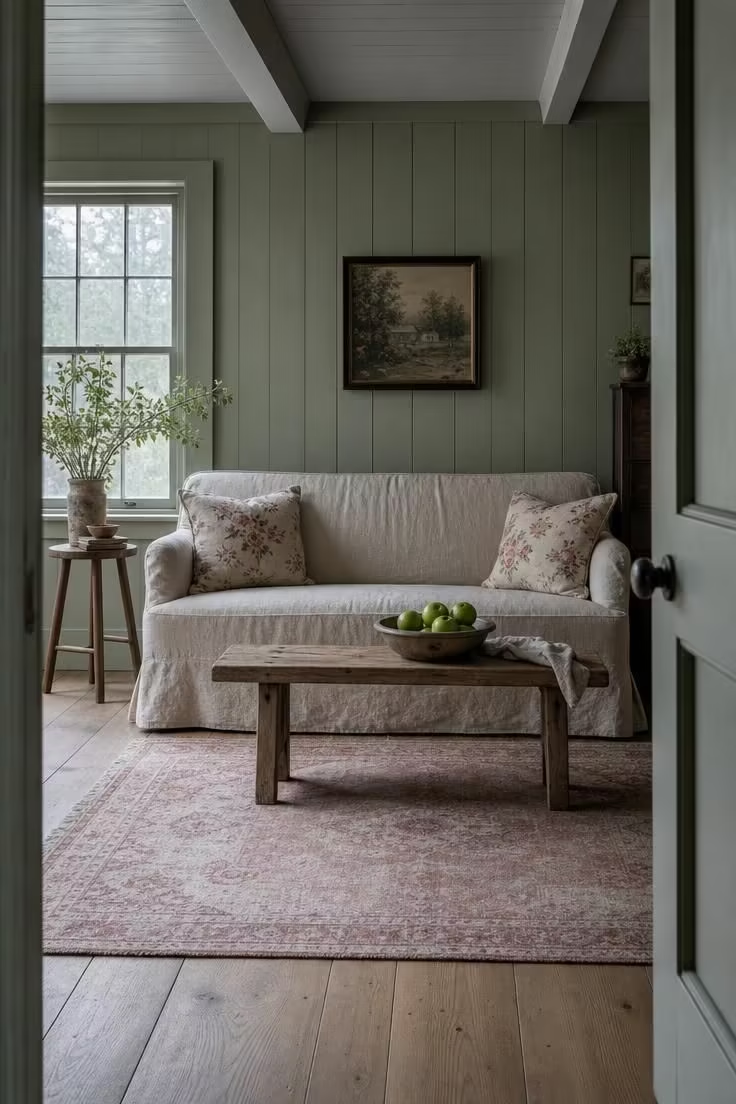
Design Pro-Tip: When choosing a wall color for board-and-batten, pick something one shade lighter than you think you need. The vertical battens create small shadows between each board, which makes the color read slightly darker on the wall than it does on a paint chip.
Color on the walls works best when it feels like it arrived by accident rather than from a carefully fanned paint deck.
Pale sage is one of those rare tones that shifts throughout the day, reading green in direct light and nearly gray under an overcast sky.
Board-and-batten paneling gives the color architectural depth by breaking the wall into vertical sections that catch and release light differently.
The slipcovered settee in unbleached cotton keeps the seating soft and unpretentious against the structured wall treatment.
Floral throw pillows in muted pink and cream connect the greenery of the walls to the warmth of the vintage area rug without forcing a color scheme.
A pine bench as a coffee table is a farmhouse living room decor choice that keeps the center of the room low and open.
Green apples in a ceramic bowl are a five-minute styling move that ties the room to its palette in the most literal and satisfying way.
Style Blueprint:
- Board-and-batten wall treatment in pale sage or muted green
- Slipcovered settee in unbleached natural cotton
- Floral throw pillow pair in muted pink and cream
- Low rustic pine bench used as a coffee table
- Vintage area rug in faded rose tones
A Woven Jute Rug Layered Under a Distressed Round Pedestal Coffee Table
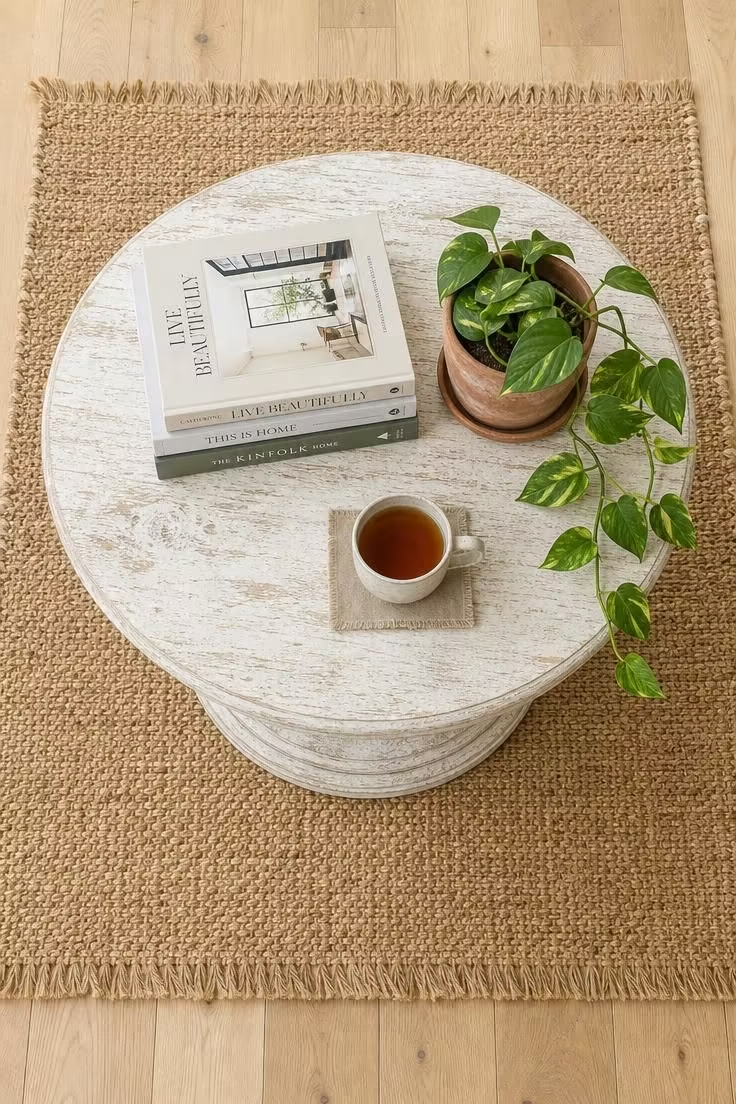
Rugs do more to define the feeling of a cottage style living room than almost any other single purchase.
A woven jute rug brings raw, unrefined texture to the floor plane, anchoring furniture without competing with patterns or colors happening above.
Layering it under a distressed pedestal table creates a conversation between two worn surfaces, one soft and one hard, both carrying visible signs of use.
The round shape of the table matters here, because it softens the geometry of a rectangular room and creates a more welcoming gathering point.
A trailing pothos on the table surface brings a living element into the arrangement that no amount of dried botanicals can replicate.
Overhead views like this one reveal just how much visual information lives in the floor layer of a room, which most people never think to style intentionally.
Style Blueprint:
- Woven jute rug with natural frayed edges
- Distressed round pedestal coffee table in whitewashed finish
- Trailing pothos or similar green plant in terracotta
- Stack of design books as a low-effort surface styling element
- Wide-plank light oak flooring visible at the perimeter
An Iron Candelabra Chandelier Hanging Above a Reclaimed Oak Dining Corner
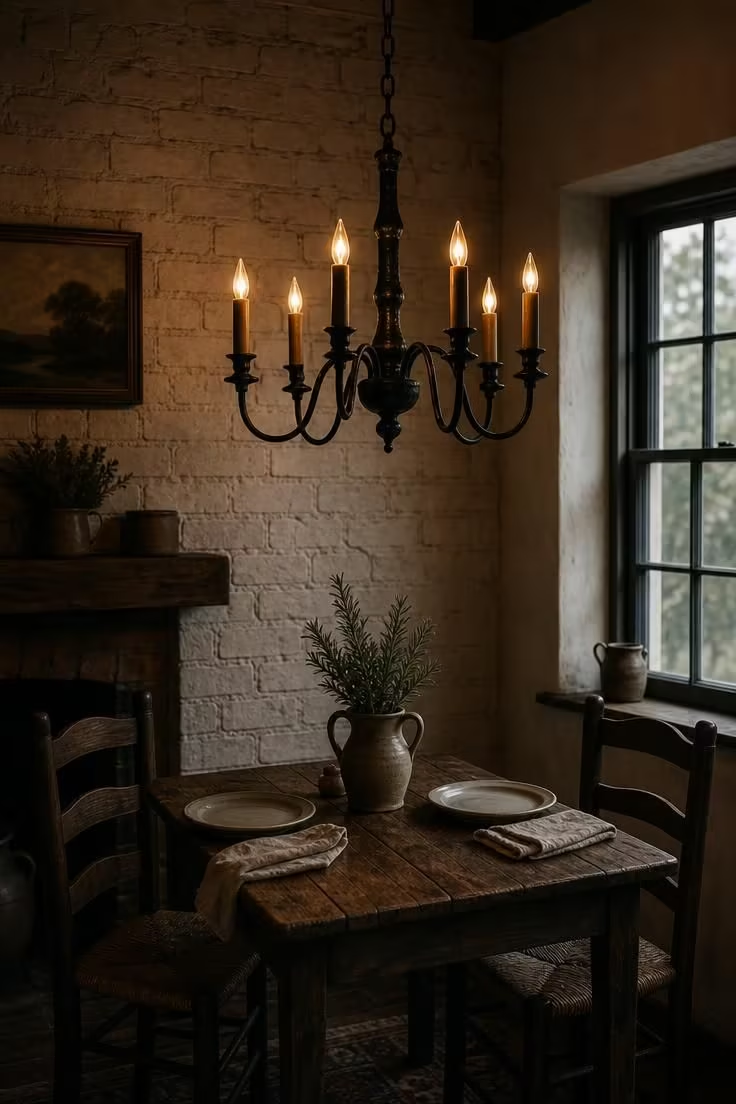
Lighting is where a lot of cottage farmhouse living room designs either commit to the style or lose their nerve.
An iron candelabra chandelier is a full commitment, bringing weight, age, and a sense of ceremony into a room that otherwise prides itself on informality.
The visible hammer marks on the iron arms are the kind of detail that separates a handmade fixture from a mass-produced reproduction.
Hanging it above a dining corner rather than the center of the room creates an intimate pool of light that draws people to the table like a hearth.
Ladder-back chairs with rush seats are a rustic cottage interior staple that never wears out its welcome because the form is so purely functional.
Rosemary sprigs in a pitcher do double duty as a centerpiece and a scent anchor, filling the dining corner with a fragrance that makes the whole meal feel more intentional.
The painted brick wall behind the table adds just enough industrial grit to keep the scene from tipping into overly precious territory.
Matte black iron hardware on the chandelier pairs with the dark metal of the chair frames, creating a through-line that ties the vertical and horizontal planes together.
Style Blueprint:
- Wrought iron candelabra chandelier with visible hand-forged details
- Reclaimed oak dining table sized for a corner or nook
- Ladder-back chairs with rush or woven seats
- Stoneware plates and linen napkins for table setting
- Fresh herb sprigs in a stoneware pitcher as centerpiece
A Gallery of Pressed Botanical Prints in Raw Birch Frames Along a Staircase Wall
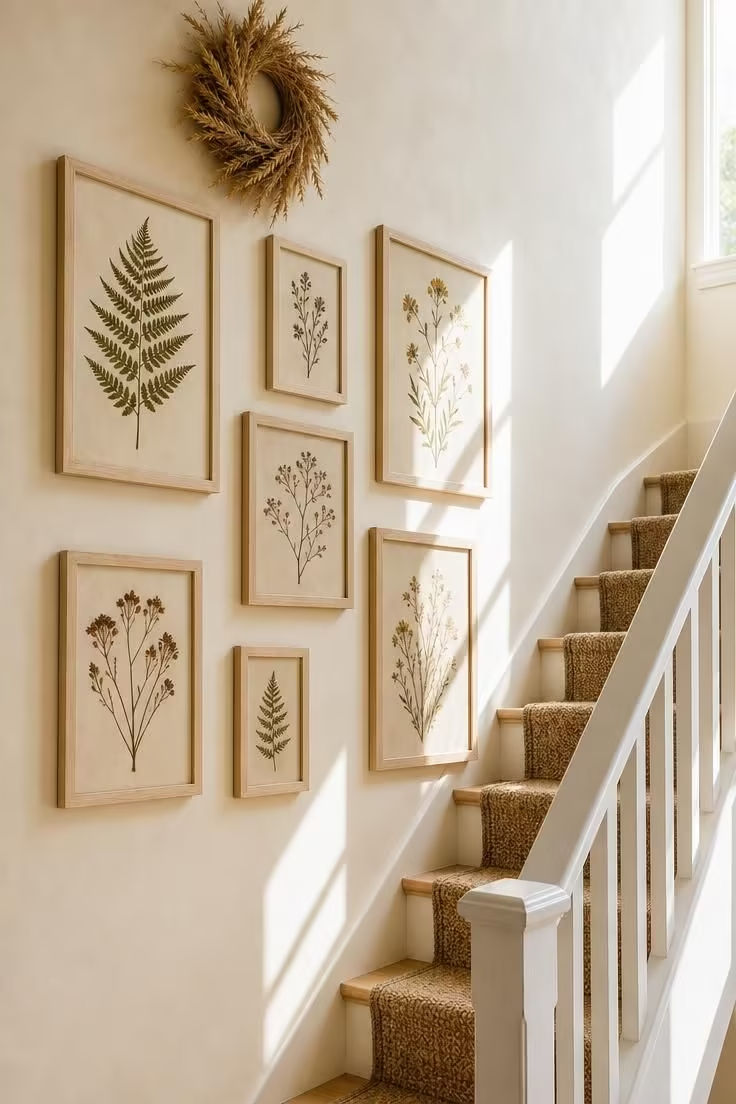
Wall art in a cottage farmhouse living room should look like something you collected on walks rather than something you ordered from a catalog.
Pressed botanical prints carry that quality naturally, because each one is an actual specimen preserved under glass, not a reproduction.
Raw birch frames leave the wood completely unfinished, showing bark edges and light knot patterns that give every frame a slightly different character.
Arranging them along a staircase wall uses the ascending line of the stairs to create a built-in visual flow that a flat wall cannot offer.
Varying the frame sizes prevents the gallery from looking too uniform, which is important because symmetry runs counter to the collected, over-time quality this style cultivates.
A dried wheat wreath at the top anchors the arrangement and marks the transition from the living space to the upper floor.
The sisal runner on the stairs adds one more natural fiber to the material palette, connecting the floor plane to the wall display in a subtle way.
Style Blueprint:
- Pressed botanical prints (ferns, wildflowers, seed pods)
- Raw unfinished birch frames in varying sizes
- Ascending gallery arrangement along a staircase wall
- Dried wheat or grain wreath as a topper
- Sisal stair runner in a natural tone
Ticking-Stripe Cushions Stacked on a Built-In Window Bench With Storage Below
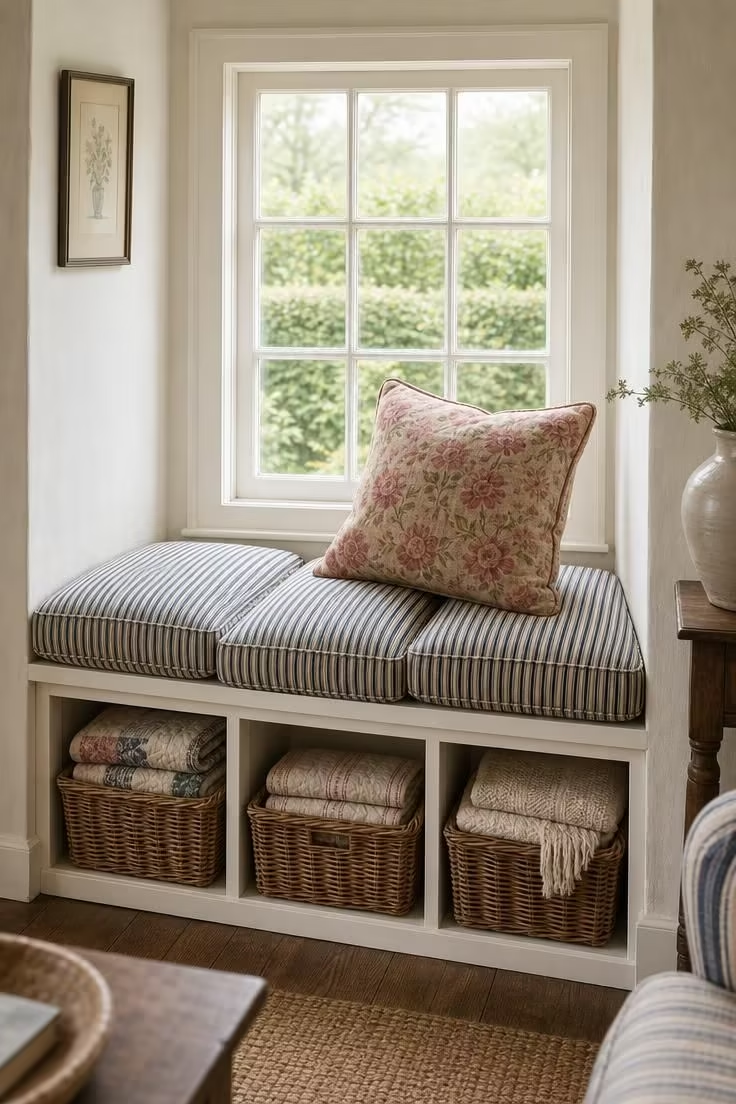
Design Pro-Tip: When building or retrofitting a window bench, make the seat depth at least 20 inches. Anything shallower reads as a shelf rather than a seat, and nobody will actually use it for sitting or reading.
A built-in window bench solves two problems at once in a cottage style living room, adding seating and storage without introducing another freestanding piece of furniture.
Ticking stripe is one of those heritage fabrics that immediately reads as cottage without trying too hard, and navy against cream gives it enough contrast to hold up visually.
Stacking the cushions at slightly different angles makes them look used and comfortable rather than display-only.
The open cubbies below are a practical nod to farmhouse function, keeping quilts and throws within reach without needing a separate blanket ladder or trunk.
Wicker basket storage containers inside the cubbies add texture and warmth to what could otherwise feel like empty shelving.
A blurred garden view through the window connects the interior to the landscape outside, which is a relationship that cottage design has always depended on.
Style Blueprint:
- Built-in window bench with open cubby storage below
- Ticking-stripe seat cushions in navy and cream
- Wicker basket storage containers for blankets and linens
- Simple white-painted wood muntin windows
- Single floral throw pillow as an accent
A Copper Pitcher Holding Garden Roses on a Painted Pine Hutch
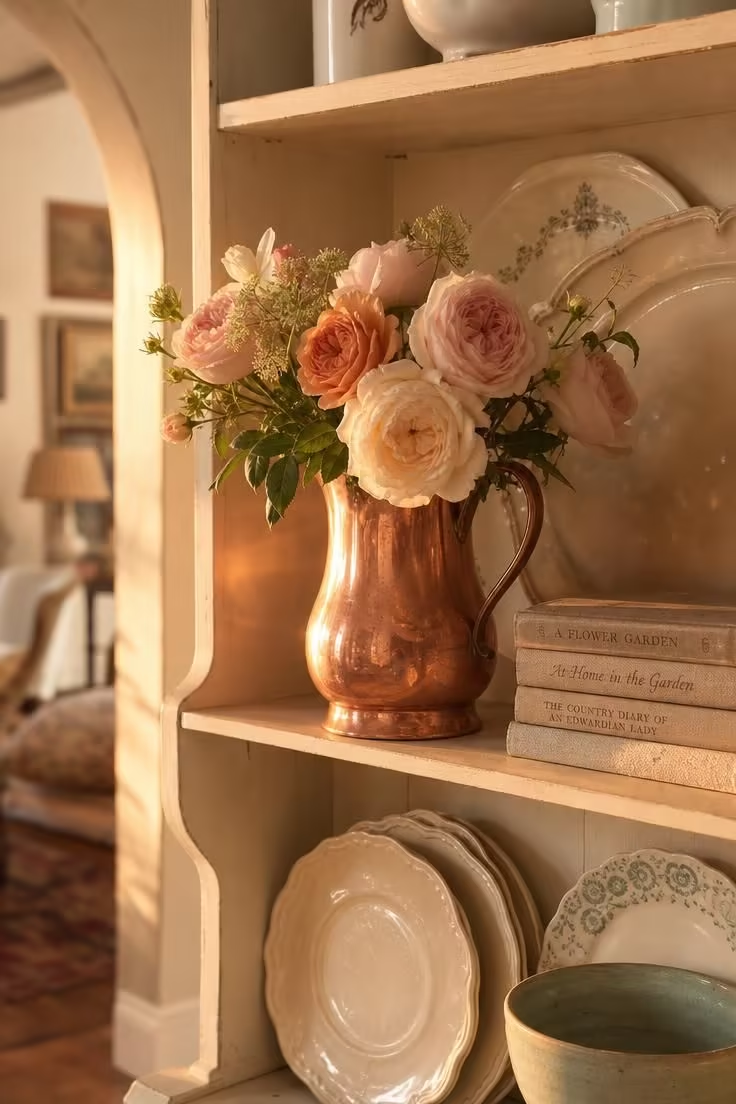
Surface styling is where this particular design approach separates itself most clearly from other interior styles.
A painted pine hutch filled with a mix of objects rather than a matched set tells a story about taste developed over time.
The copper pitcher is the star of this arrangement, and its patina shifts color depending on how much light reaches it, moving from deep brown in shade to bright penny in direct sun.
Garden roses in blush, peach, and ivory bring the outdoor world indoors without the stiffness of a formal floral arrangement.
Ironstone plates standing upright on the shelf behind the pitcher add a vertical element that breaks the horizontal line of the shelving.
A celadon green ceramic bowl introduces one unexpected color note that keeps the palette from reading as monochrome.
Cream paint worn thin enough to reveal wood grain beneath is one of those details that cannot be faked convincingly, and spotting it in a real piece of furniture is always worth the hunt.
The arch of a doorway visible in the background frames the hutch as part of a larger room rather than an isolated display, keeping the styling grounded in its actual space.
Moments like this prove that farmhouse living room decor does not require large-scale renovation, just a willingness to arrange what you already own with intention.
Style Blueprint:
- Copper pitcher with natural patina for floral arrangements
- Painted pine hutch in cream with visible wood grain
- Ironstone plate collection displayed upright on shelves
- Garden roses in blush, peach, and ivory tones
- Celadon green ceramic accent piece
A Chunky Knit Throw Draped Over a Wingback in Faded Blue Plaid
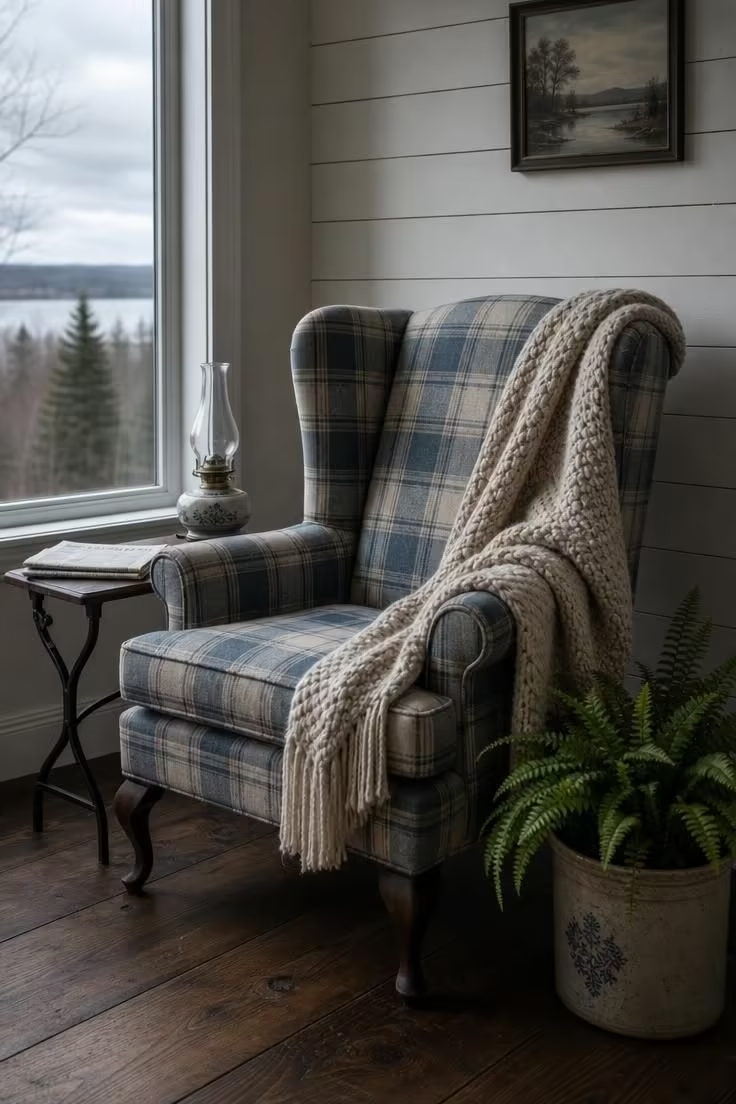
A wingback chair is one of the oldest furniture forms still in regular production, and its survival has everything to do with how well it creates a sense of enclosure.
The high sides block peripheral vision and noise, turning a single chair into a private reading space within an open room.
Faded blue plaid upholstery gives the piece a softness that solid-color options struggle to achieve, because the pattern breaks up the visual weight of the large form.
A chunky knit throw in undyed wool adds bulk and warmth to the upper portion of the chair, making it look like someone just stood up from an afternoon spent reading.
The shiplap accent wall behind the chair provides a clean, linear backdrop that contrasts with the organic textures in the foreground.
Overcast light is actually ideal for this kind of scene, because it removes harsh shadows and lets the texture of the knit, the weave of the plaid, and the grain of the walnut floor all read with equal clarity.
A potted fern at floor level rounds out the bottom of the composition and adds a living green note to the otherwise neutral palette.
Style Blueprint:
- Wingback armchair in a faded plaid upholstery
- Chunky hand-knit throw in undyed or natural wool
- Iron-framed side table with a ceramic oil lamp
- Shiplap accent wall in warm white
- Potted fern in a stoneware planter
Wicker Baskets Tucked Into Open Shelving Below a Shiplap Half-Wall
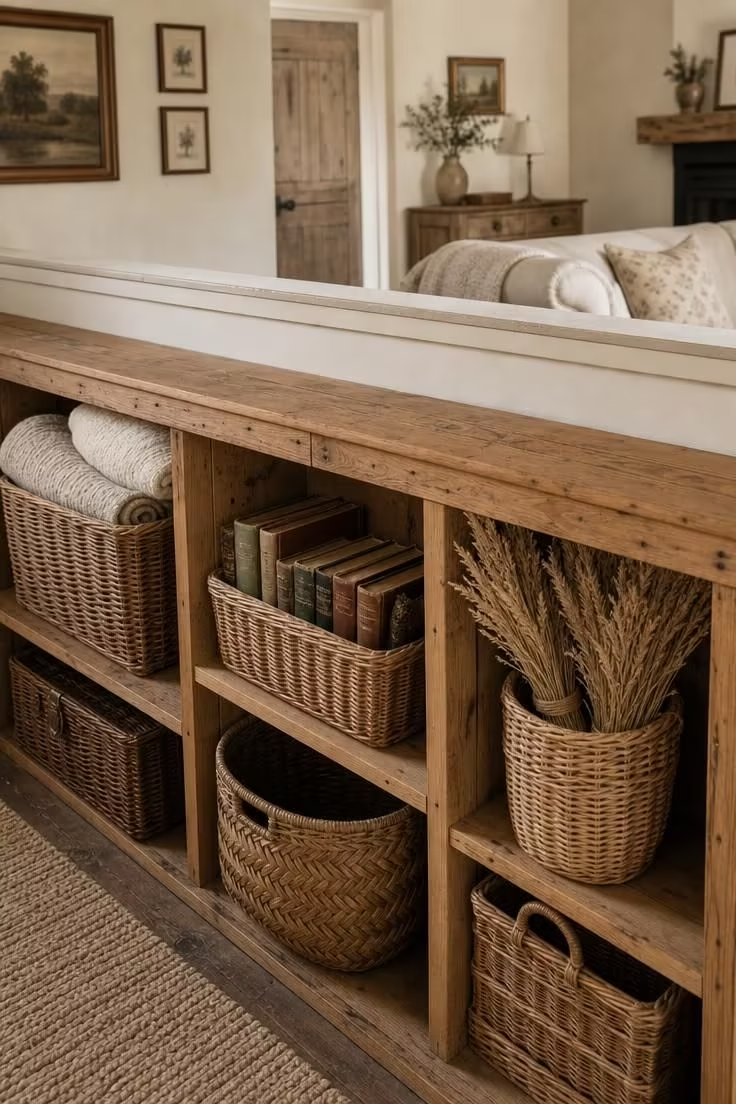
Open shelving works best when every compartment holds something functional rather than decorative.
Wicker baskets are the connective tissue of this style, appearing in kitchens, bathrooms, and living rooms because their texture is warm enough to be beautiful and their form is practical enough to be useful.
Varying the basket sizes and weave patterns within the same shelving unit prevents the display from looking like a store fixture.
A shiplap half-wall above the shelving creates a visual divider that separates storage from living space without closing off sightlines.
Reclaimed pine shelving with visible nail holes adds a material layer that reads as authentic rather than constructed.
Dried grasses wrapped in twine are one of those zero-cost styling elements that bring a seasonal, foraged quality to the room.
Old hardcover books stacked in a basket feel more casual than books standing on a shelf, which is a small distinction that shifts the entire mood of the storage piece.
The overhead angle of this photograph reveals how much organization and texture lives in the lower third of a room, a zone most people furnish last and least.
Style Blueprint:
- Wicker baskets in varying sizes and weave patterns
- Open pine shelving with visible hardware and nail holes
- Shiplap half-wall as a room divider or accent
- Dried grass bundles wrapped in twine
- Old hardcover books stored casually in baskets
A Vintage Persian Runner Leading From the Entry to a Stone-Topped Console
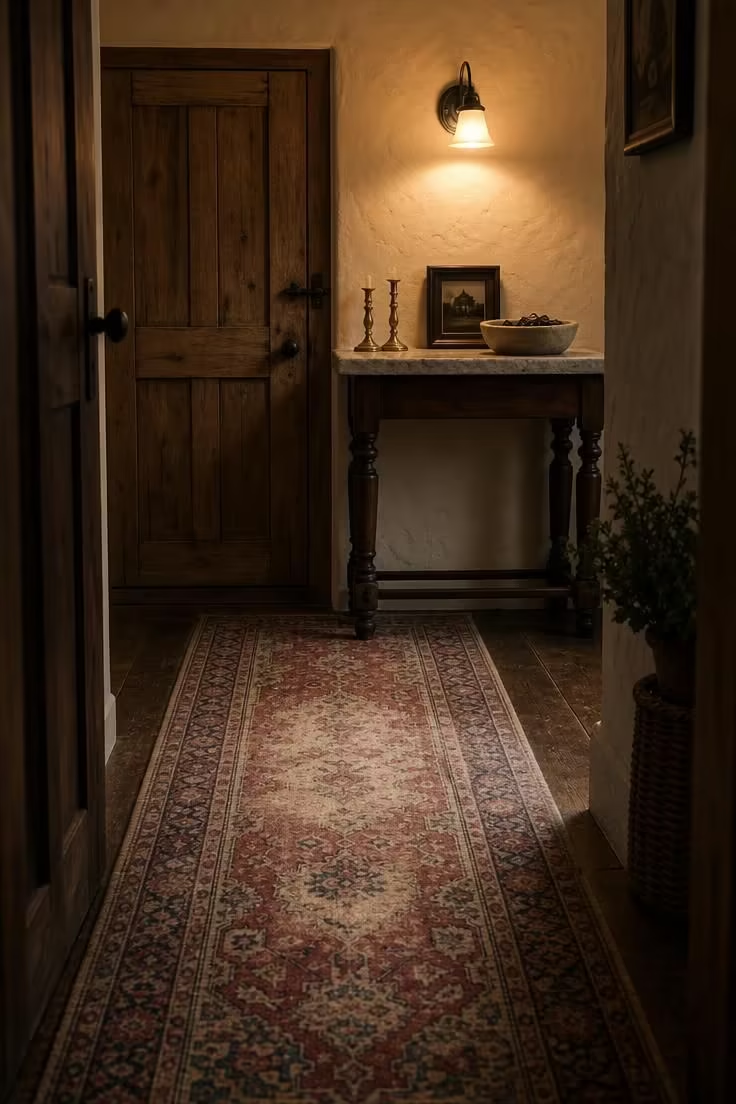
Design Pro-Tip: When shopping for a vintage runner, look for visible wear in the center path rather than avoiding it. That worn stripe proves the rug was actually used and loved, and it adds a softness and depth of color that brand-new reproductions cannot match.
The entry sequence of a cottage farmhouse living room sets the emotional tone for the rest of the house before a visitor takes five steps.
A vintage Persian runner is one of the most efficient ways to add color, pattern, and history to a narrow passage.
Faded reds and soft blues in the pile connect to both cottage and farmhouse palettes, bridging the two traditions through a single textile.
The worn center path of the runner is not a flaw but a feature, showing decades of foot traffic that give the rug more character than any new piece could carry.
A stone-topped console at the far end of the hall gives the eye a destination and the homeowner a landing spot for keys, mail, and whatever comes through the door.
Turned walnut legs on the console bring a furniture-making tradition into the entryway that signals craftsmanship from the first moment.
The single iron wall sconce above creates a focused pool of light that makes the console arrangement feel intentional and curated without over-lighting the hallway.
Conclusion
A cottage farmhouse living room is never about any single piece or finish.
It is about the accumulation of textures, materials, and small decisions that add up to a space where every surface tells a quiet story.
From linen slipcovers to fieldstone fireplaces, from faded Persian runners to painted pine hutches, the common thread is a commitment to things that look better with age rather than worse.
These 12 ideas are starting points rather than prescriptions, and the best cottage farmhouse living room you can build is the one that reflects your own pace of collecting and your own tolerance for imperfection.
Save the ones that speak to you, skip the ones that do not, and trust that the room will come together in its own time.