This post may contain affiliate links. If you make a purchase through these links, we may earn a commission at no additional cost to you.
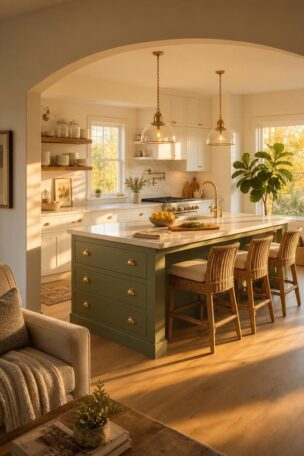
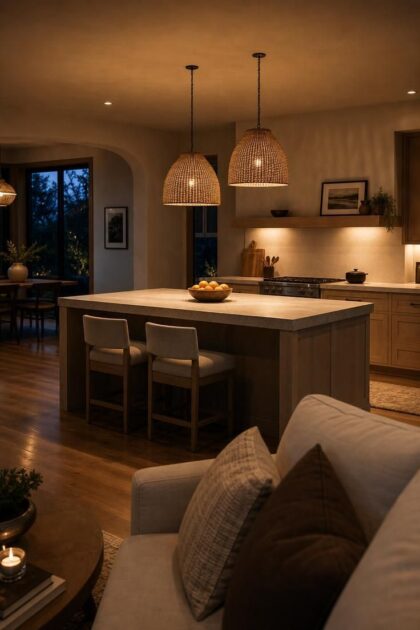
Steam curls upward from a shared plate while warm light pools across the island.
That warm light turns an ordinary weeknight meal into something closer to a small celebration.
The kitchen island carries more weight than any other surface in the room.
It is where food gets chopped, where guests lean on their elbows, and where tired hands rest after a long day.
Over-island lighting shapes how all of that feels, from the way a sauce looks mid-stir to the way a face glows during conversation.
The fixture itself matters, but what matters more is the quality of light it sends down to the surface and up toward the room.
Woven Shade Clusters in Natural Rattan and Pale Linen
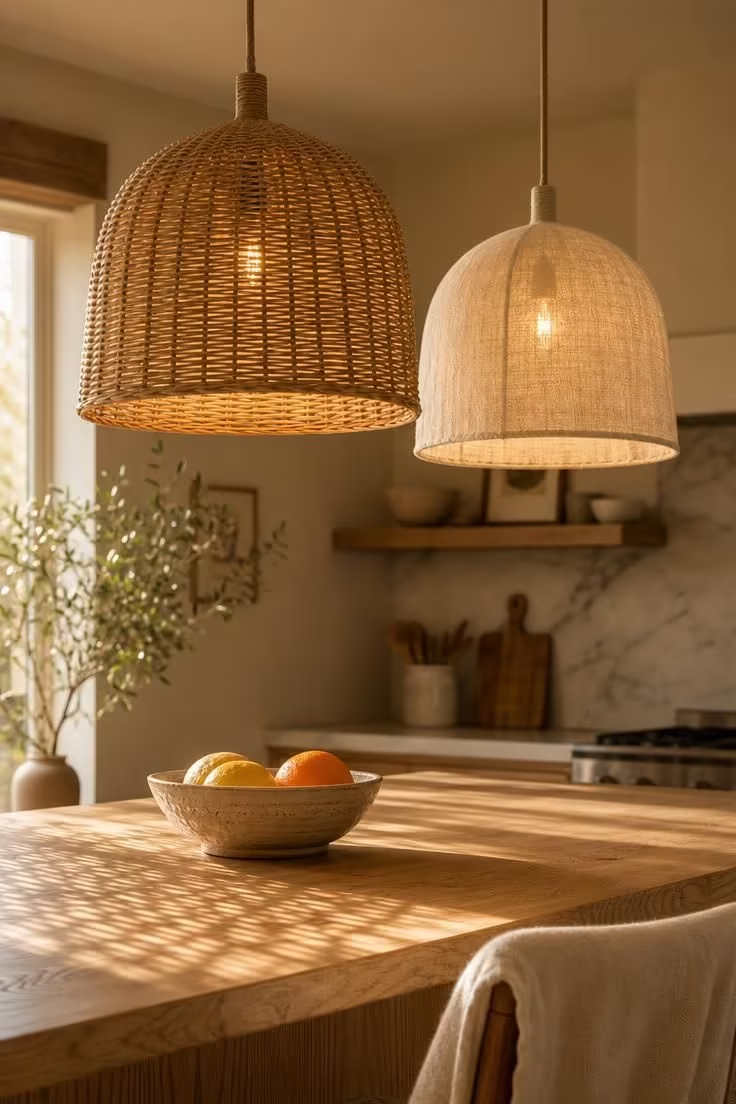
Woven shades make hardworking task light feel soft, residential, and quietly tactile.
The weave breaks the beam into patterned fragments, turning the island surface into a secondary design moment rather than a flat work zone.
Rattan and linen filter instead of aim, which reduces glare during seated meals and keeps the light easy on the eyes.
In an open-plan home, these fixtures read beautifully from the living room, since the texture of the shade becomes the subject rather than a bare bulb.
That texture also echoes the grain in wood counters and the nubby surface of handmade ceramics.
A warm 2700K bulb inside the shade keeps the golden cast from turning muddy or overly amber.
This works especially well when the kitchen already leans organic with wood, stone, and neutral textiles.
Style Blueprint:
- Two or three medium drum or bell pendants, 12 to 16 inches wide, spaced evenly along the island length
- Natural rattan, pale linen, or seagrass shades paired with wood countertops and warm white oak cabinets
- Antique brass or blackened steel stems rather than polished chrome
- 2700K LED bulbs inside each woven shade
- A simple wooden bowl or handmade ceramic tray on the island below
Single Blackened-Steel Linear Bar With Opal Diffuser
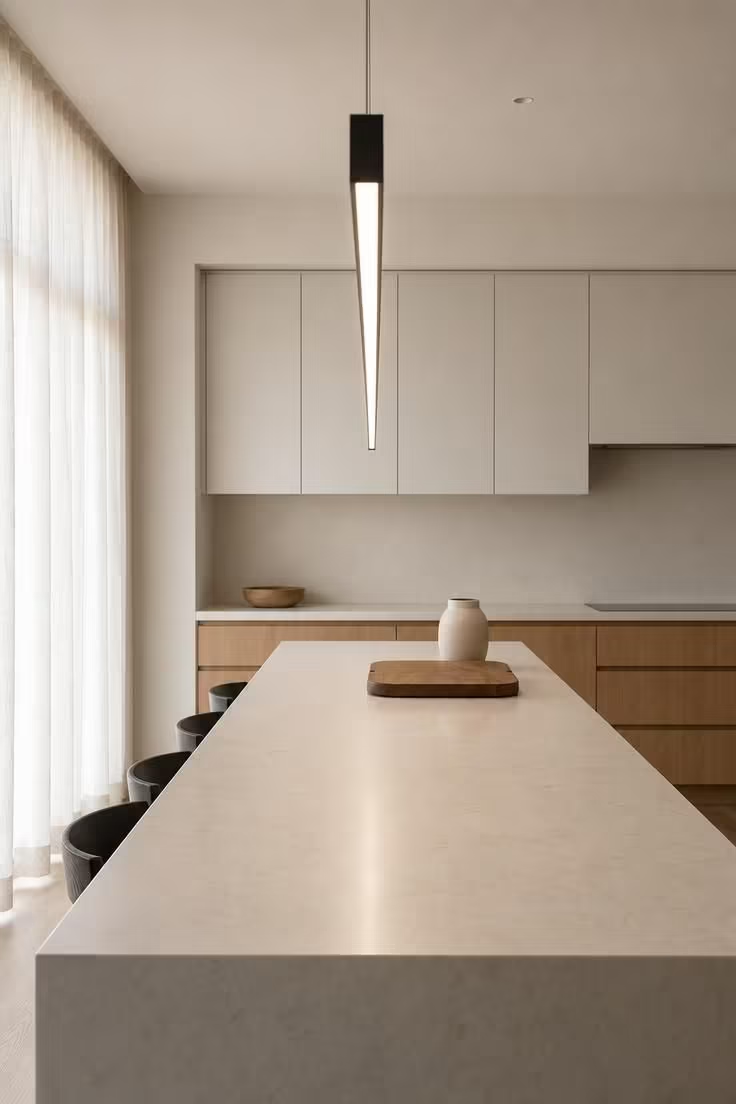
A linear bar solves the most common over-island lighting failure: uneven bright spots and dark gaps that make prep work harder than it needs to be.
The full-length opal diffuser spreads light in one continuous band, so no single point on the counter gets more attention than another.
Because the body is low-profile, it keeps sightlines clean across open kitchens where a row of pendants might feel visually cluttered.
The matte blackened steel absorbs ceiling reflections while the glowing diffuser line becomes the bright ribbon of interest.
This fixture reads as intentionally architectural, which suits longer islands that seat three or more.
Hardwired installation with an LED-compatible dimmer is non-negotiable, since a bar this bright must be tamed for evening meals.
For a household that cooks daily and wants contemporary without the visual noise, this is one of the strongest options.
One extra consideration is height: keep the bottom of the bar 30 to 36 inches above the island for the cleanest spread.
Style Blueprint:
- One 36-to-48-inch blackened-steel linear bar centered over the island
- Powder-coated black steel body with a frosted opal or acrylic diffuser running the full underside
- Pale quartz or honed marble countertops with matte black hardware nearby
- 3000K integrated LED strip on a compatible dimmer
- A single wooden board and one vessel on the island surface
Amber Seeded-Glass Pendants With Warm Brass Fittings
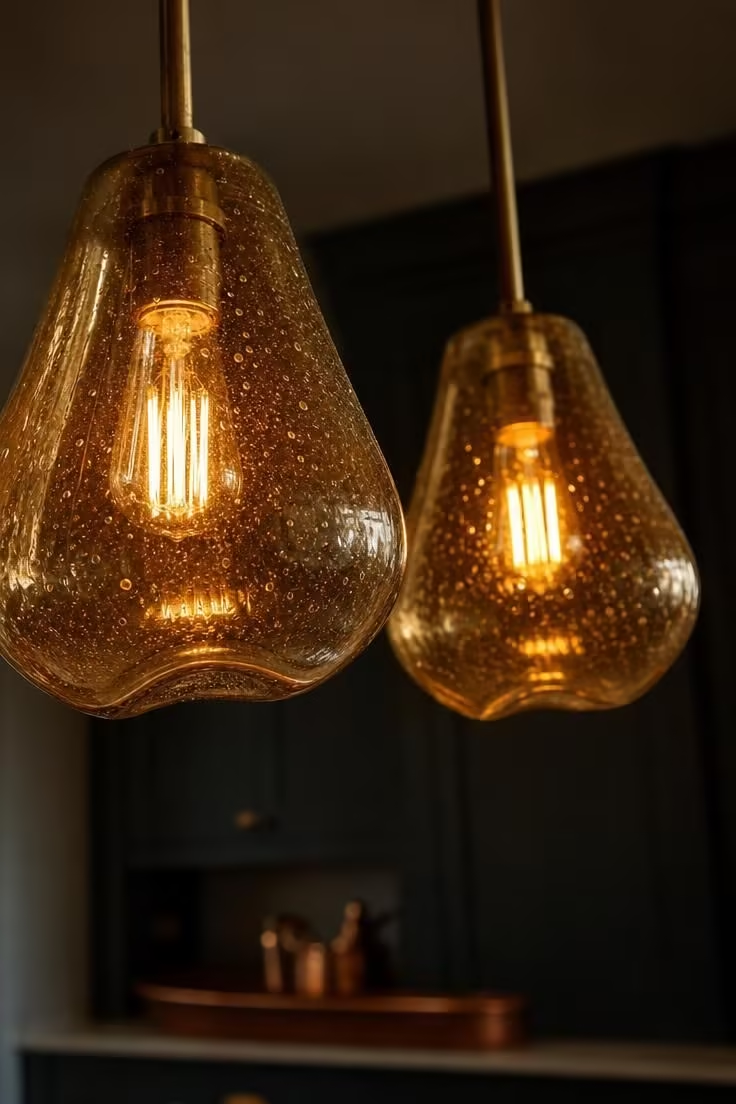
Amber glass does something clear glass cannot: it converts even neutral bulb light into a honeyed warmth that flatters skin and food.
The seeded texture breaks the light path, creating tiny internal highlights rather than a flat, see-through sheet of glow.
This pairing of amber glass with brass marks a clear turn away from the harsher industrial looks of exposed Edison bulbs toward softer, diffused shapes.
Teardrop and globe silhouettes hold that warmth at eye level in a way narrow cones simply do not.
Since the shade is only semi-transparent, the fixture looks layered but avoids the uncomfortable glinting that clear glass often causes.
Hung 30 to 36 inches above the counter, the underside of each glass catches the work-surface reflection and seems to float.
Against a dark island, the contrast makes the glow readable from clear across the room.
Seating areas nearby benefit the most from this kind of light, which encourages slower conversation and a more relaxed pace.
For a shorter island, two pendants keep the arrangement from feeling crowded.
Style Blueprint:
- Two or three teardrop or globe pendants, 10 to 14 inches in diameter, in amber or honey-tinted seeded glass
- Unlacquered brass stems and hardware, allowed to age naturally
- A dark wood island or charcoal-painted base for contrast
- 2700K Edison-style LED bulbs with warm spiral or tube filaments
- A small copper or brass tray on the island below the fixtures
Design Pro-Tip: Position the bottom of any over-island pendant 30 to 36 inches above the countertop, and raise that to 36 to 40 inches if the island includes seating on the opposite side.
Slim Brushed-Nickel Track With Three Adjustable Spot Heads
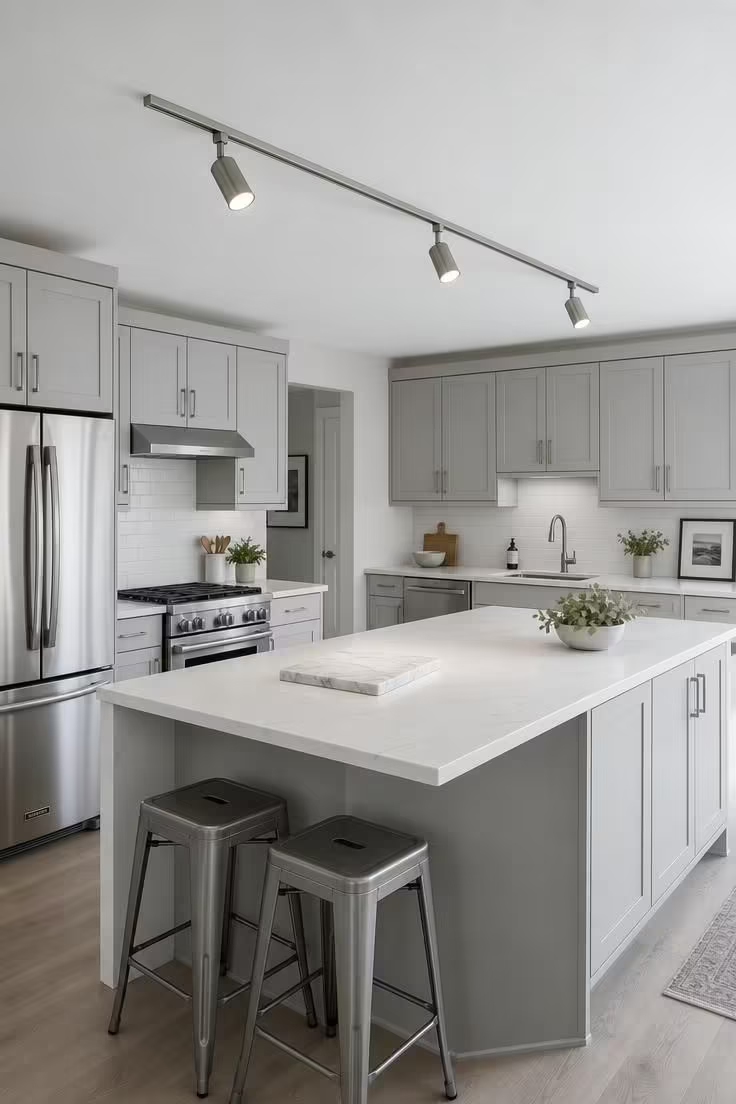
Track lighting over an island offers flexibility that fixed pendants simply cannot match.
Each head moves independently, which means the light can follow the work rather than forcing the cook to stand in the right spot.
A common failure with fixed fixtures is the shadow the user casts across the chopping area.
Adjustable spot heads solve that by moving the beam forward and to the sides.
This kind of fixture reads as technical and deliberate, pairing naturally with stainless appliances and unadorned cabinet fronts.
Since many tracks accept replacement heads, the system can evolve if the kitchen changes function down the line.
Even with its cooler, more commercial look, a 3000K bulb inside each head keeps the food from appearing sterile.
The track itself remains the only strong horizontal above eye level, which works best when stools and surrounding lines stay minimal.
Style Blueprint:
- One powder-coated or brushed-nickel track, 48 to 60 inches long
- Three directional spot heads with cylindrical or cone trims
- White or pale gray perimeter cabinetry with cool-toned quartz or concrete countertop
- 3000K integrated LED heads with medium or wide flood beam spread
- Minimal stools or chairs tucked under the island edge
Hand-Blown Clear Glass Lanterns Over a Waterfall Butcher-Block Edge
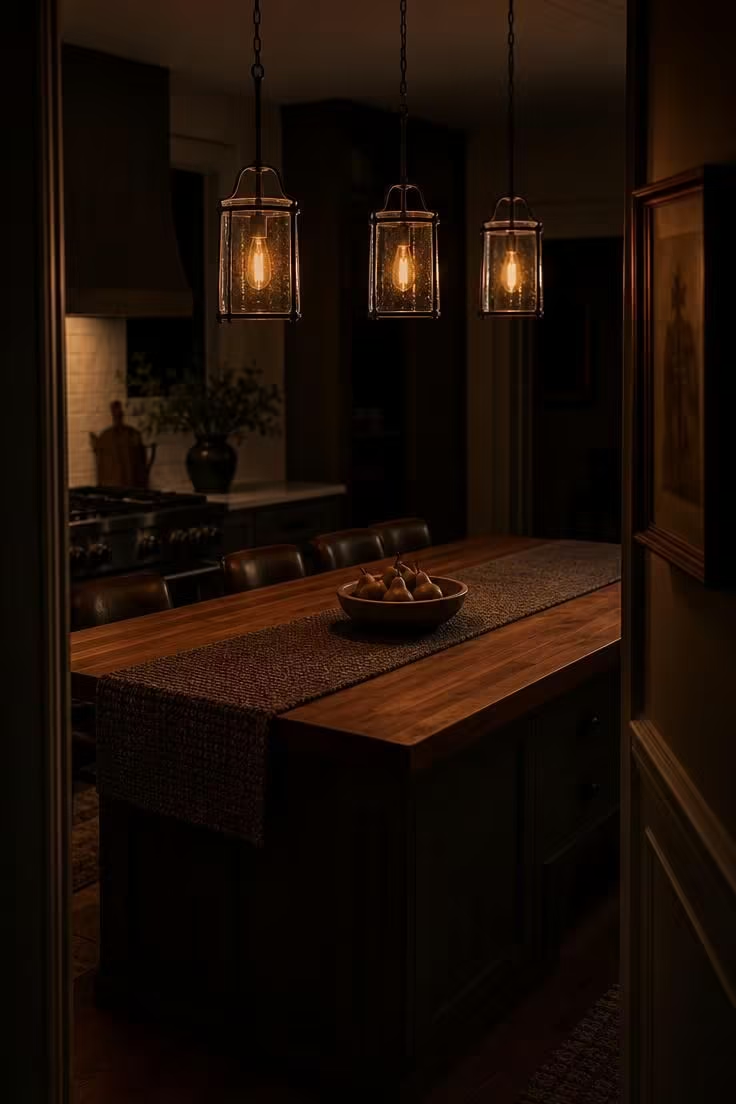
Clear glass lanterns let you see the bulb itself, but the lantern scale and mild glass warble soften that exposure compared with bare Edison pendants.
This choice reads as traditional with modern restraint, especially over a wood island where the warm material absorbs the lower light without going dim.
In a moody evening setting, the lanterns act as secondary light sources while surrounding recessed fixtures carry the heavier task load.
The taller lantern silhouette suits rooms with higher ceilings or island zones that need a bit of vertical presence.
Because clear glass does create small specular glints, a matte or honed island surface works better than polished marble, which would bounce the highlights too aggressively.
Three smaller lanterns spaced evenly keep the composition balanced, while two larger ones would suit shorter islands.
Hand-blown glass adds subtle variation from one pendant to the next, so the row never reads as mass-market repetition.
At 2700K, the glowing filament through clear glass pulls food colors toward amber and red, making meals feel like something to linger over.
This is a good match for kitchens used as much for evening gatherings as for daily prep.
Style Blueprint:
- Three small-to-medium lantern or bell-shaped clear glass pendants, 9 to 13 inches wide
- Oil-rubbed bronze or blackened iron fittings with minimal metal frames
- Rich walnut or cherry island top with a waterfall edge
- 2700K filament LEDs inside each lantern
- A woven runner or linen cloth in a deep neutral tone under a simple bowl of fruit
Sculptural White Plaster Dome Pendant Centered on a Stone Slab Island
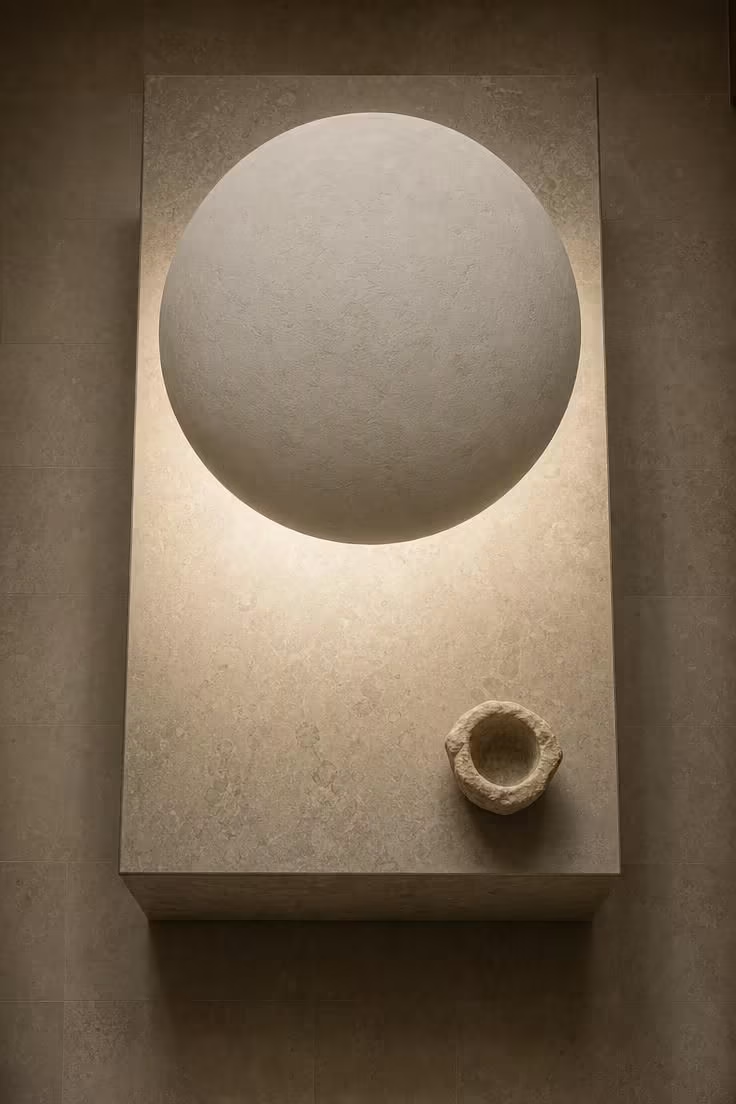
Plaster domes give light a softer, more diffuse quality than metal or glass, since the material itself is slightly porous and non-reflective.
A single large dome makes the strongest statement when the goal is one clean architectural gesture instead of a row of repeating fixtures.
This works especially well over heavy stone or masonry island tops, where the fixture reinforces the physical weight of the material below.
The overhead camera angle proves how evenly the dome spreads light across the full counter span, with no bright center and no dark corners.
Since the fixture is large, it needs a properly rated electrical box.
Plaster outweighs plastic and thin metal.
A dimmer is non-negotiable, because full brightness from such a broad source would wash out the warm plaster tone instantly.
In kitchens with long perimeter runs, pair the single dome with two or three recessed downlights on separate switches.
Style Blueprint:
- One oversized plaster or white ceramic dome pendant, 18 to 24 inches in diameter
- Limestone or travertine countertop with cream or greige cabinetry
- Visible plaster texture to avoid a plastic-looking surface
- 3000K dimmable LED with wide distribution inside the dome
- A single rough stone mortar or ceramic vessel on the island
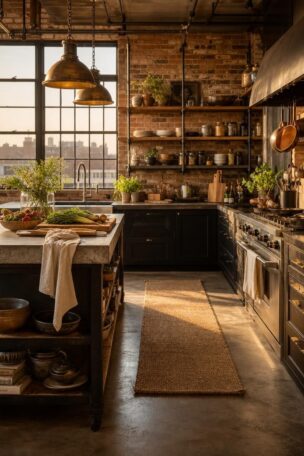
Industrial Wire-Cage Pendants in Aged Galvanized Steel
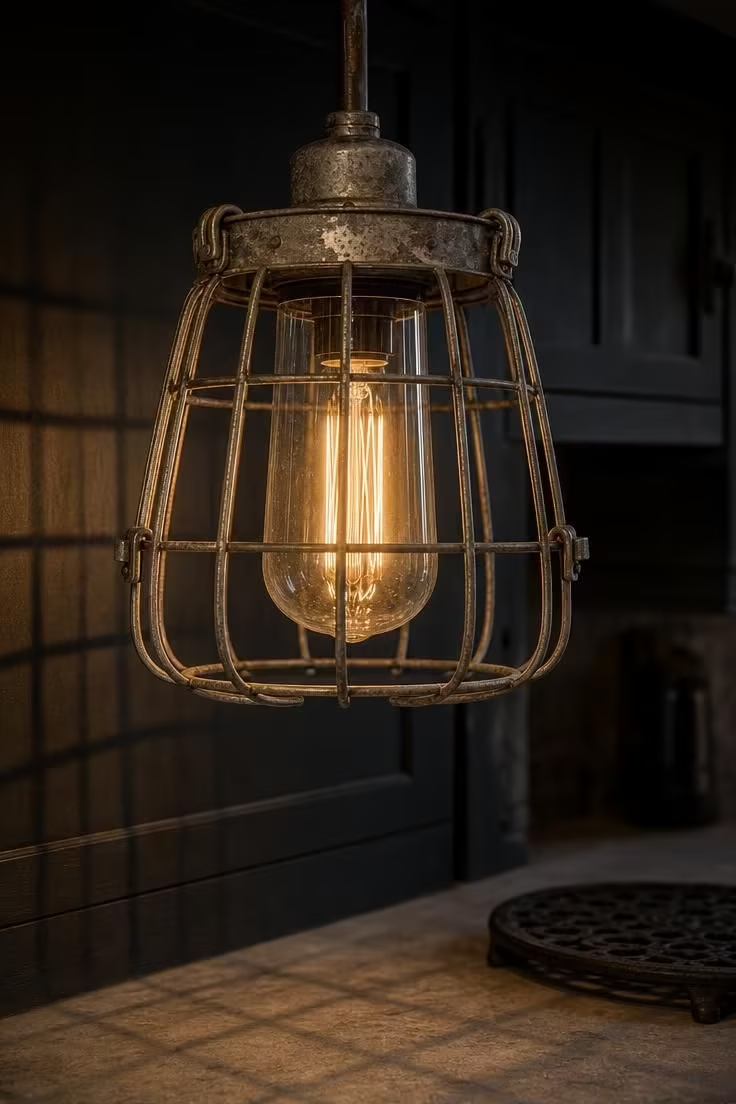
Wire-cage pendants send much of their light sideways and downward through the gaps, creating patterned highlights that move across the island surface.
This is the most explicitly industrial of the current over-island categories, and it works best in kitchens with visible structural or mechanical character.
Since the cage does not diffuse light, these fixtures should always pair with a dimmer and with separate task lights elsewhere in the room.
The aged galvanized finish prevents the cage from reading as cheap or overly shiny, and the small bits of patina are exactly what give the fixture its personality.
This is a strong choice where the island also functions as a serving station, since the moody light flatters bottles, glassware, and metal tools.
Keep the cage diameter compact enough that seated guests do not stare directly into the exposed bulb from across the island.
If the island sits near a frequently used back door, choose vibration-rated sockets so the open cages do not rattle.
Worn galvanized metal naturally coordinates with concrete, blackened steel, and deep-toned wood without demanding exact finish matches.
Style Blueprint:
- Three small cylindrical or cone wire-cage pendants, 8 to 12 inches in diameter
- Aged galvanized steel or oil-rubbed bronze cages with matte black canopy stems
- Dark charcoal or navy island base with blackened iron hardware
- 2700K Edison-style LED with a clear or amber glass sleeve inside the cage
- A small cast-iron trivet or vintage metal bread basket on the island
Design Pro-Tip: Space multi-pendant arrays evenly with their centers 24 to 30 inches from island ends, and choose a combined width that leaves at least 6 inches of clear counter on each side.
Low-Profile Matte White Flush Domes in a Galley-Style Island Run
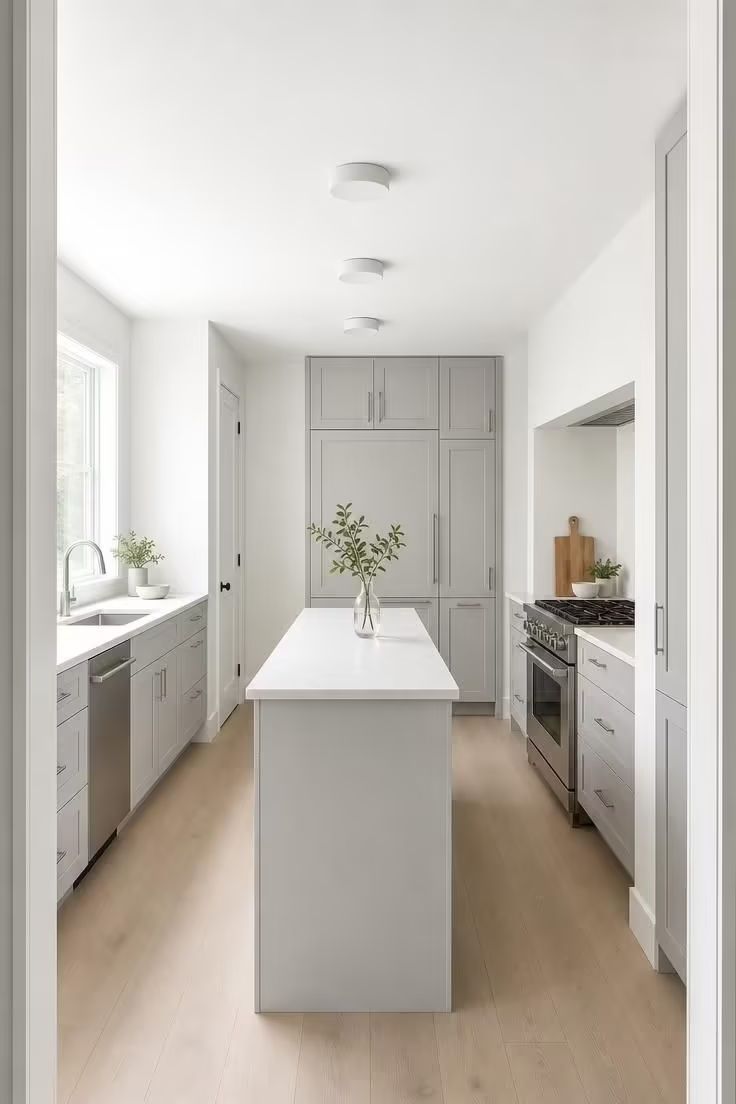
This is a low-contrast approach for narrow kitchens where larger pendants would feel like obstacles in a tight line.
Flush domes spread light broadly but without the focused pool of lower-hanging fixtures, so they work best over shorter islands or as part of a layered lighting scheme.
The matte white surface blends into the ceiling visually, which helps the room read longer and less interrupted.
In bright daylight conditions, these fixtures almost disappear, letting the window light and countertop texture lead the room.
Precision is what keeps this from feeling flat: each dome must sit exactly on the island centerline and at an identical distance from its neighbors.
This approach suits galley-style layouts where every horizontal inch matters.
Style Blueprint:
- Two or three small dome or bell-shaped matte white fixtures mounted close to the ceiling
- Powder-coated matte white metal with white or satin nickel hardware
- White quartz or pale laminate countertop with soft white or light gray cabinetry
- 3000K bulbs to keep the clean look warm without turning golden
- A small glass vase or white ceramic pitcher on the island
Polished Copper Canisters With Frosted Glass Bottoms
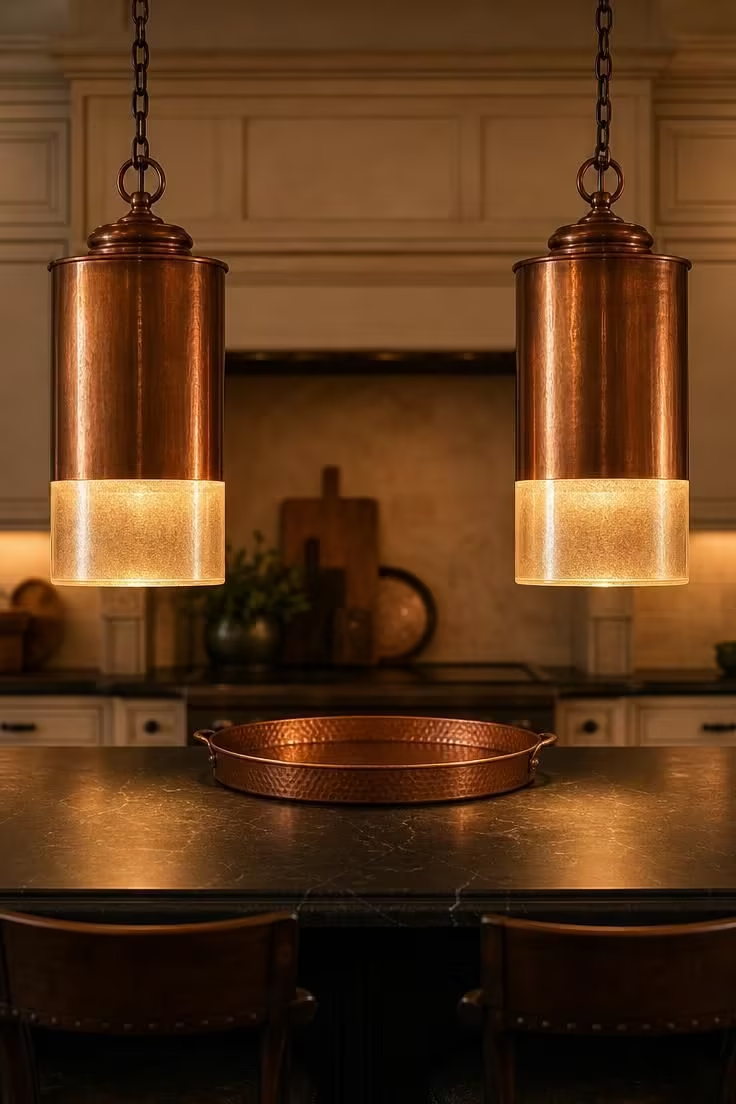
Canister fixtures with frosted bottoms solve the harshest glare problem that often comes with downward-facing metal cylinders.
Polished copper reads warm even at low dimming levels, making it an ideal evening fixture over an island used for serving or bar seating.
Since the upper cylinder is opaque, the visible light source stays soft and contained at the bottom ring rather than spraying sideways across the room.
This material commands attention, so the rest of the kitchen should stay restrained with painted cabinets and matte stone.
Copper remains somewhat reactive to oils and humidity, so a sealed or lacquered finish is the practical choice in a busy kitchen.
Two canisters are sufficient over a five-to-six-foot island, since a third would create too much metallic mass at eye level.
The vertical height of this fixture style suits rooms with nine-foot ceilings where low-profile domes would feel undersized.
Downward light pools directly over the food and prep area while the copper body catches soft highlights from surrounding recessed lights.
No other fixture category in this list delivers such a warm metallic presence without sacrificing usable task light.
Style Blueprint:
- Two taller cylindrical canister pendants, 10 to 14 inches wide and 15 to 20 inches tall
- Polished copper bodies with frosted or etched glass diffusers at the bottom
- Warm cream or caramel cabinetry with dark honed granite or soapstone countertop
- 2700K LED bulbs mounted high inside each canister
- A hammered copper serving tray or warm terracotta bowl on the island
Terrazzo-Style Composite Pendants With Satin Nickel Stems
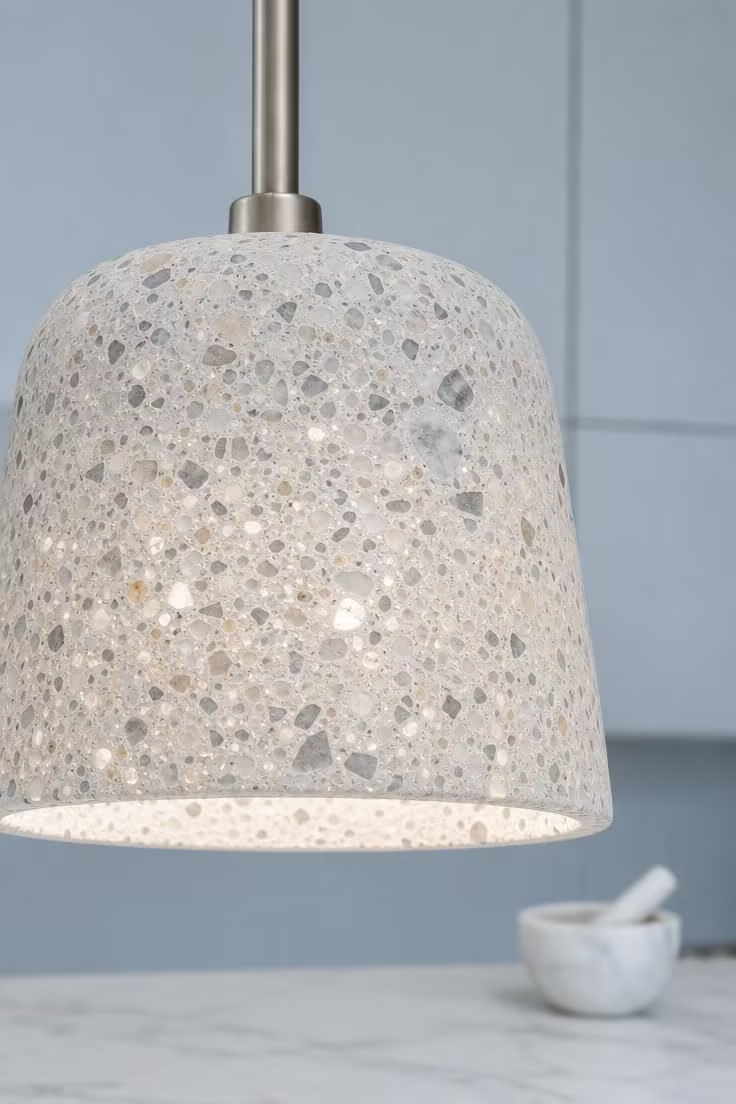
Terrazzo composite pendants bring an architectural material language to the ceiling plane that most kitchens reserve for floors or counters.
The speckled surface catches and scatters light in many small directions, which makes the fixture body feel more dimensional than solid-color metal or glass.
This is a cooler palette choice that works best when the kitchen already leans gray, blue, or concrete-toned.
The wall thickness of the composite dulls the internal light a bit, so a pale, reflective island surface helps keep usable brightness strong.
Two or three compact pendants in this material create rhythm over the island without dominating the sightline.
Since the material is composite, weight is generally moderate, but the mounting canopy still needs to support the full fixture weight during install.
This is an underused alternative for households wanting texture without the opacity of metal or the fragility of clear glass.
Style Blueprint:
- Two or three medium dome or cone pendants in composite terrazzo-style material
- Visible stone chips in white, gray, and beige with satin nickel or brushed steel stems
- Cool gray quartz or terrazzo-like countertop with pale blue-gray or white cabinetry
- 3000K dimmable LED inside a frosted or opal inner diffuser
- A small white marble or polished concrete object on the island
Cased-White Glass Globe Trio Over a Midnight Blue Island
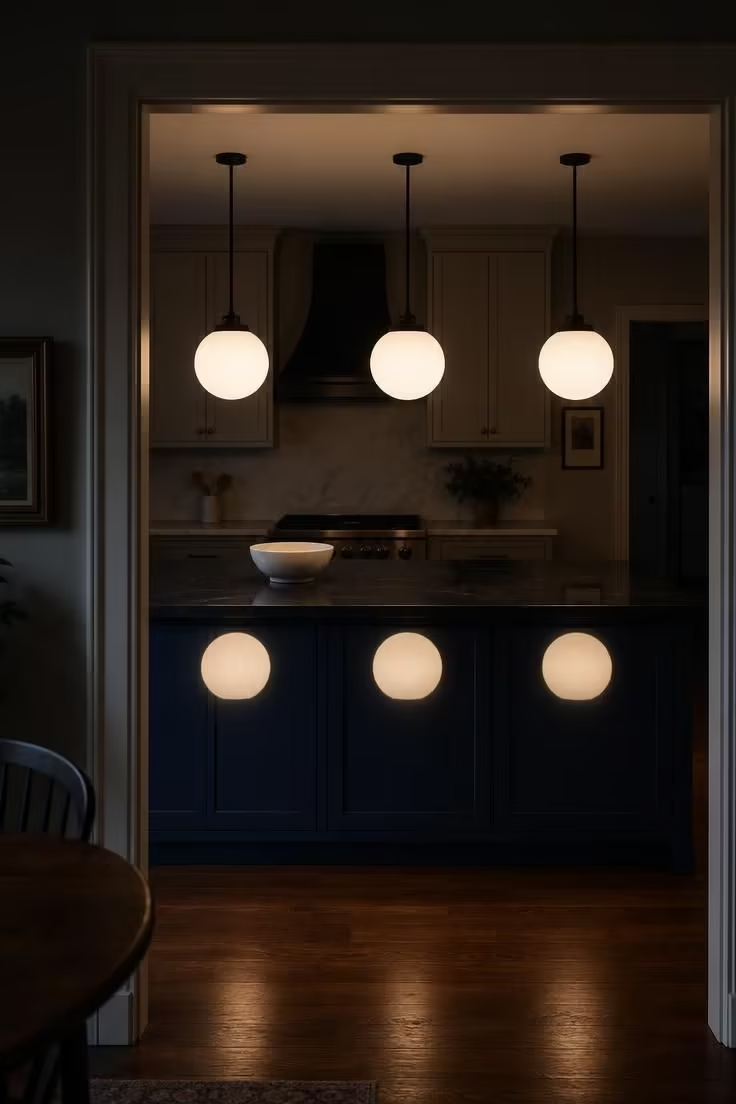
Cased-white glass differs from ordinary frosted glass because it has an inner layer that produces a deeper, more even glow with no visible hot spots.
Three matching globes create a rhythmic, almost musical line over the island, especially against a dark blue or black background.
The dark island acts as a reflecting surface for the lower half of each globe, visually doubling the weight of the spheres.
This approach feels classic without tipping into dated, and it adapts from cottage to modern settings depending on the stem finish.
Keeping the metal components matte black prevents the composition from reading too precious or shiny.
A trio works best over islands from six to eight feet; smaller islands may feel overwhelmed by three separate spheres.
Style Blueprint:
- Three round cased-white glass globes, 8 to 12 inches in diameter, hanging at identical height
- Matte black stems and canopies with cased or opal glass
- Deep blue or navy island base with warm wood floor beneath
- 2700K LED bulbs for a low, glowing quality with enough output for evening prep
- A simple white ceramic bowl on the dark island to link surface and globes
Design Pro-Tip: Never allow over-island lighting to be the only source in the room. Add separate recessed or under-cabinet layers so shadows cast by the island fixtures never fall across your working surface.
Brushed-Antique Brass Lantern With Wicker Diffuser Panels
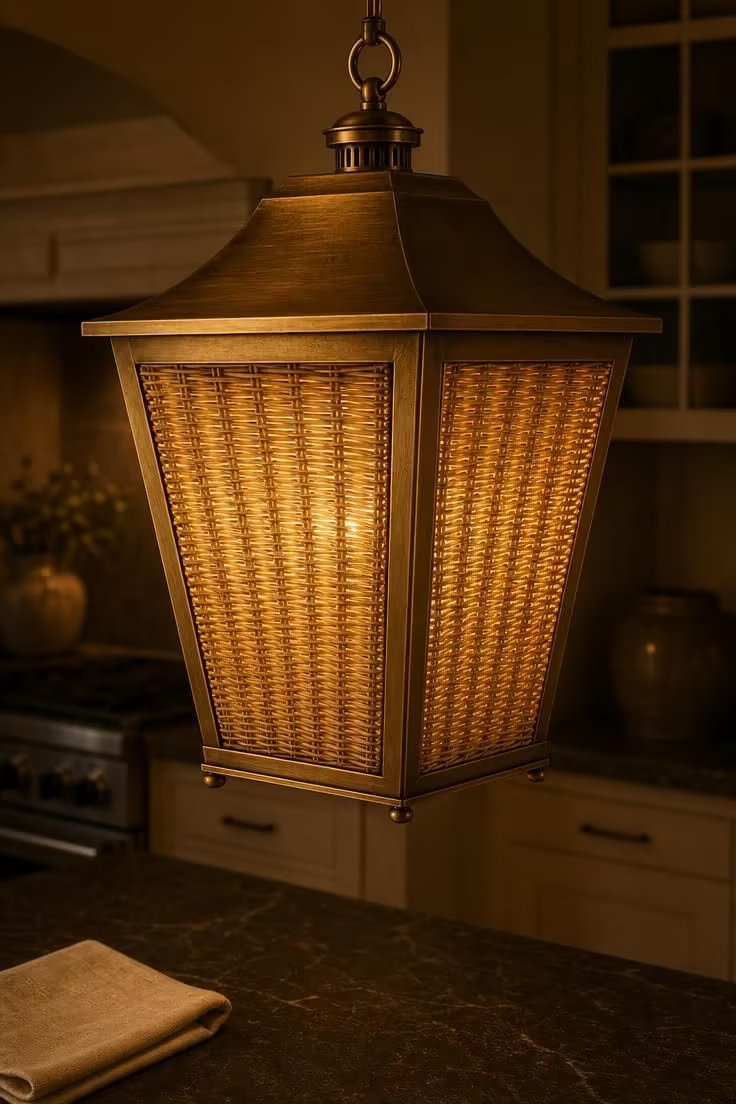
A lantern in brushed antique brass with wicker panels solves the glare problem of clear glass while keeping the lantern silhouette intact.
The wicker diffuses the bulb into a soft, golden wash that reads warm and even from every side of the fixture.
This is a quieter alternative to standard clear-glass lanterns, with more texture and less sparkle.
The aged brass frame gives the fixture a sense of history without veering into heavy traditional styling.
Because the lantern emits light in all directions, it works well over an island that doubles as a serving surface, where low glare matters for seated guests.
One larger lantern over a five-foot island or two smaller ones over a seven-foot island keeps the composition balanced.
Pair it with separate recessed downlights for prep work, since the wicker softens the main beam considerably.
This fixture category proves that warm materials and practical light distribution can exist in the same object.
Style Blueprint:
- One or two brushed-antique brass lantern pendants with tightly woven wicker diffuser panels
- Aged brass frames with visible patina rather than uniform shine
- Dark honed granite or matte soapstone countertop with warm neutral cabinetry
- 2700K LED bulbs to maintain the soft golden wash
- A folded linen napkin or small tray on the island edge
Conclusion
Good kitchen lighting ideas over island surfaces rarely succeed on the fixture alone.
The light has to land on food, faces, and the edges of a room in a way that invites people to stay.
Island pendant lighting, kitchen island light fixtures, and pendant lights over island runs all start with the same questions: how high, how many, and how wide.
Modern kitchen lighting works best when a kitchen island chandelier or a row of pendants pairs with separate task lighting for kitchen island prep zones.
LED island lighting, kitchen island lighting spacing, and island lighting height all shape how usable the space feels long after the first impression fades.
Farmhouse kitchen lighting never has to mean rough or unfinished, and the right fixture can make even the most ordinary meal feel like something worth sitting down for.
Let the light do the quiet work, and the island will gather people on its own.