This post may contain affiliate links. If you make a booking or purchase through these links, we may earn a commission at no additional cost to you.
A cottage porch does more than shelter your front door from the rain.
It sets the mood for everything that follows once you step inside, acting as a quiet introduction to the personality of your home.
The right combination of weathered finishes, soft textiles, and planted greenery can turn a few square feet of covered outdoor space into a room you actually want to spend time in.
These 11 cottage porch ideas pair specific materials, colors, and arrangements to help you build a front entry that feels collected, comfortable, and completely your own.
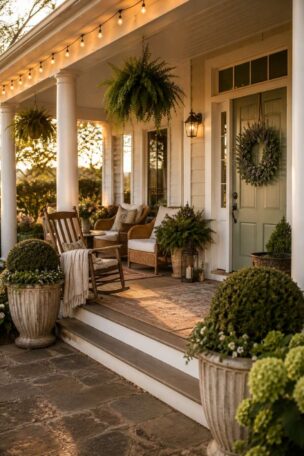
A Whitewashed Ladder-Back Rocker Beside a Zinc Watering Can
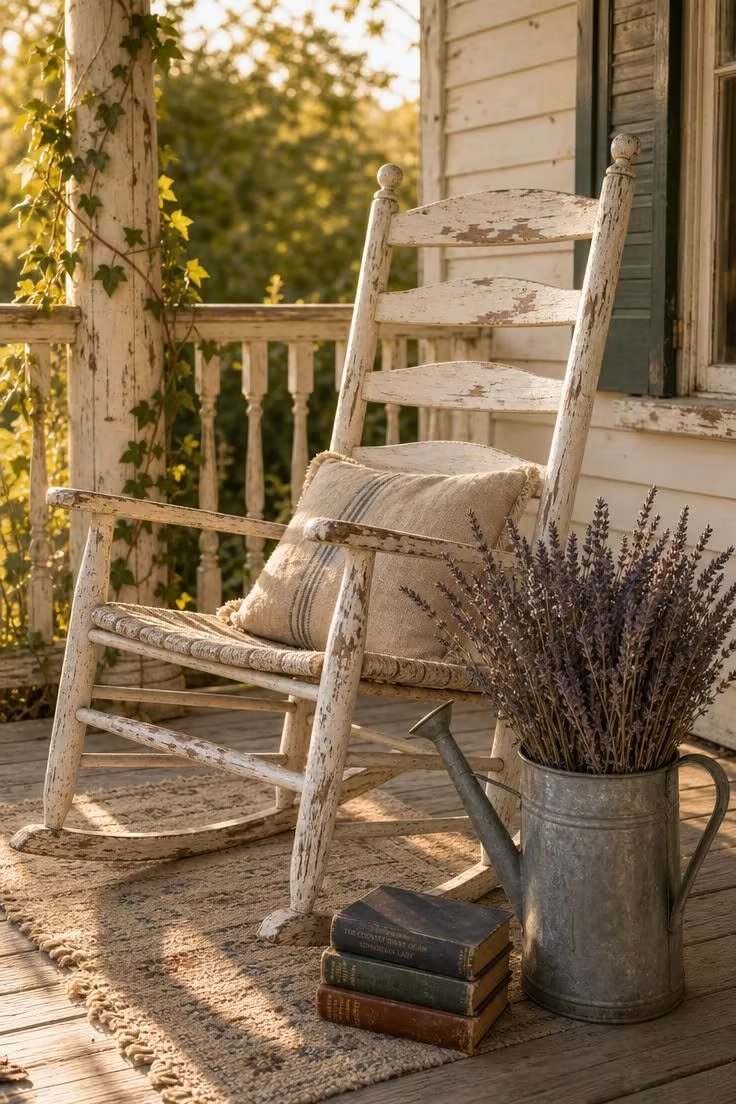
A single porch rocking chair can anchor an entire cottage porch without crowding it.
The ladder-back silhouette reads as handmade and traditional, especially when the whitewash finish has worn through enough to show the wood grain underneath.
Placing a zinc watering can nearby, filled with dried lavender rather than fresh flowers, adds a layer of texture that requires zero maintenance.
The silver tone of aged zinc pairs well with whitewash because both materials share a quiet, mineral-like quality that avoids competing for attention.
Keeping the surrounding details sparse, just a faded rug and a few books, lets the chair remain the focal point instead of disappearing into a cluttered tableau.
This kind of restraint is what separates a cottage porch from a porch that simply has a lot of things on it.
Style Blueprint:
- Ladder-back rocking chair in chipped whitewash finish
- Tall zinc watering can (vintage or reproduction)
- Dried lavender bundle
- Faded oatmeal cotton porch rug
- Stack of weathered hardcover books
Sage Green Shutters Framing a Dutch Door With Brass Hardware
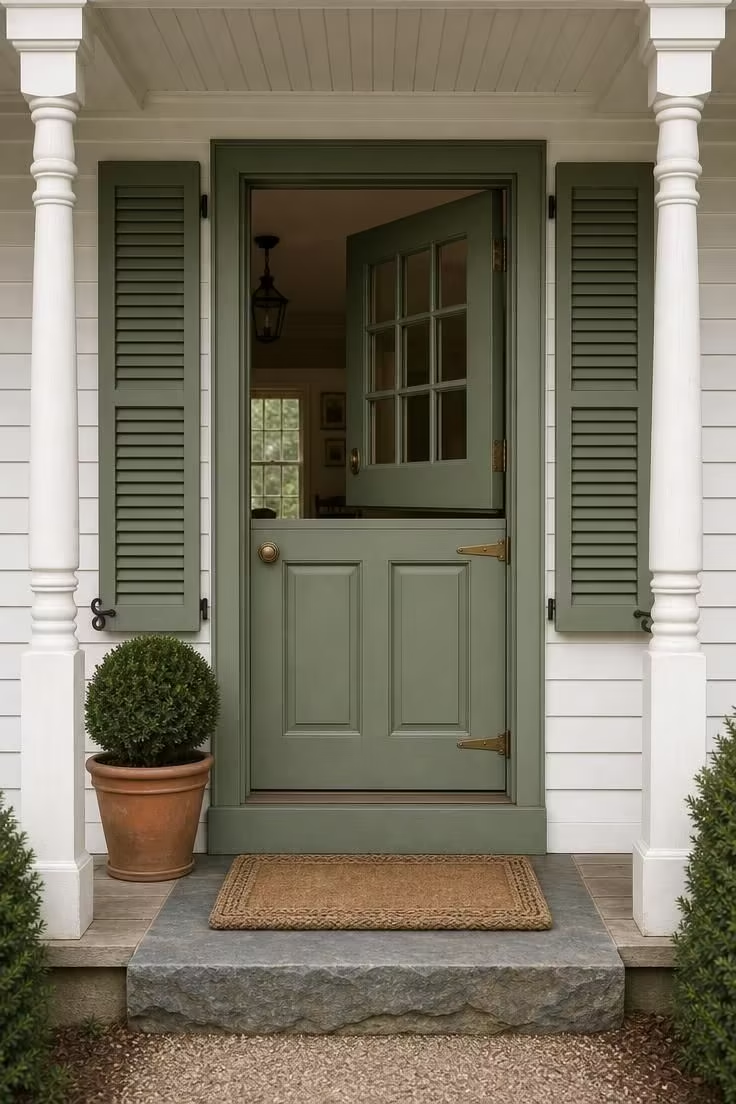
The Dutch door is one of those architectural details that immediately signals cottage character without needing any extra decoration around it.
Opening the top half while the bottom stays latched creates a visual invitation, letting light and air flow while maintaining a sense of boundary.
Sage green shutters deepen the effect because the color sits between blue and green in a way that reads as natural and grounded, especially against white or cream trim.
Brass hardware with a worn patina adds age and warmth, giving the door a sense of history that polished nickel or matte black cannot replicate.
The key is choosing a shutter color that feels muted enough to blend with the surrounding landscape rather than standing out as a bold accent.
Pair this entrance with a simple coir mat and one potted evergreen to keep the composition clean.
A cottage porch entry like this says everything about the home before you cross the threshold.
Style Blueprint:
- Paneled Dutch door with aged brass hinges and knob
- Pair of louvered or paneled shutters in sage green
- Bluestone or flagstone threshold step
- Woven-border coir doormat
- Single boxwood in a terra cotta pot
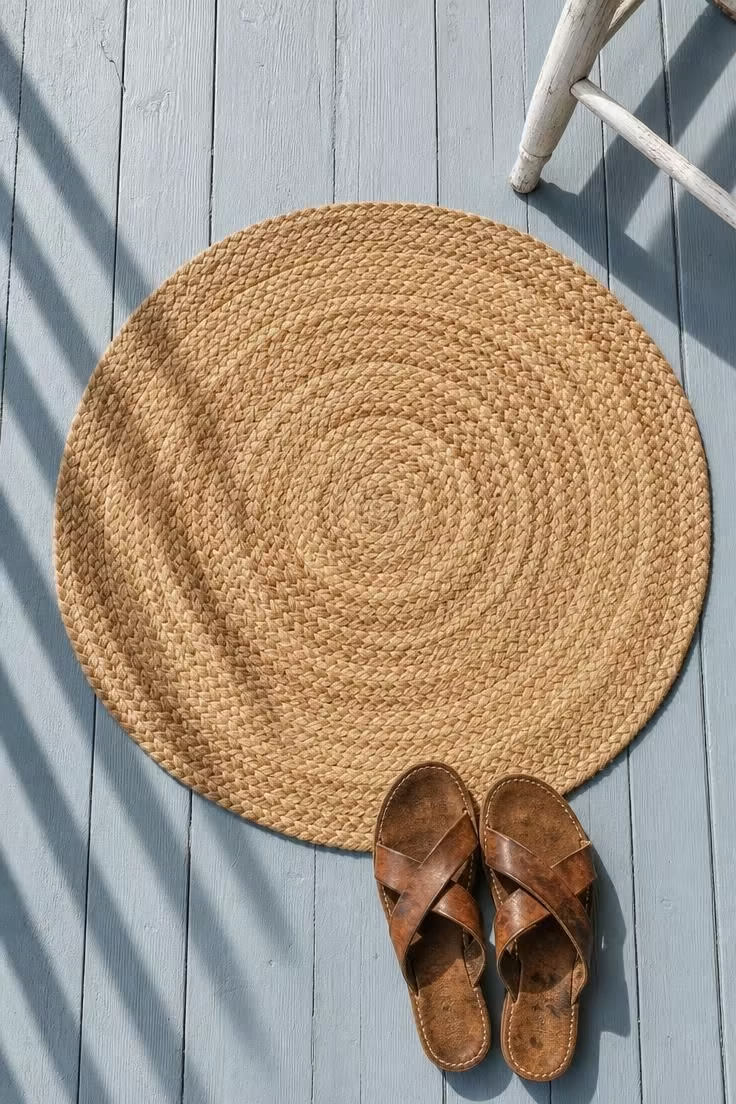
A Braided Jute Rug Layered Over Blue-Gray Painted Floorboards
Most people overlook the porch floor entirely, treating it as a surface to walk on rather than a decorating opportunity.
A painted porch floor in blue-gray creates a ground plane that cools the entire palette of the space above it, making warm-toned furniture and textiles stand out more clearly.
Layering a braided jute rug on top adds a second texture without competing with the paint, because jute’s honey color sits naturally between warm and neutral.
The round shape of a braided rug softens the straight lines of porch planking and railing posts, introducing a subtle curve that makes the space feel less rigid.
Choosing a wash finish rather than a solid coat lets the wood grain show through, so the floor reads as painted wood rather than painted-over wood.
This small distinction matters on a cottage porch, where the appeal comes from materials that show their age and use.
A painted porch floor also protects the wood from moisture and foot traffic far better than bare boards or stain alone.
Blue-gray works especially well because it bridges the gap between the blue sky overhead and the neutral tones of most cottage furniture.
Style Blueprint:
- Wide-plank porch floor painted in blue-gray wash
- Round braided jute rug (36 to 48 inch diameter)
- Porch-grade floor paint in a flat or satin finish
- Visible wood grain through the wash layer
- Leather or natural-fiber sandals as a lived-in prop
Trailing Sweet Potato Vine Spilling From a Copper Trough Planter
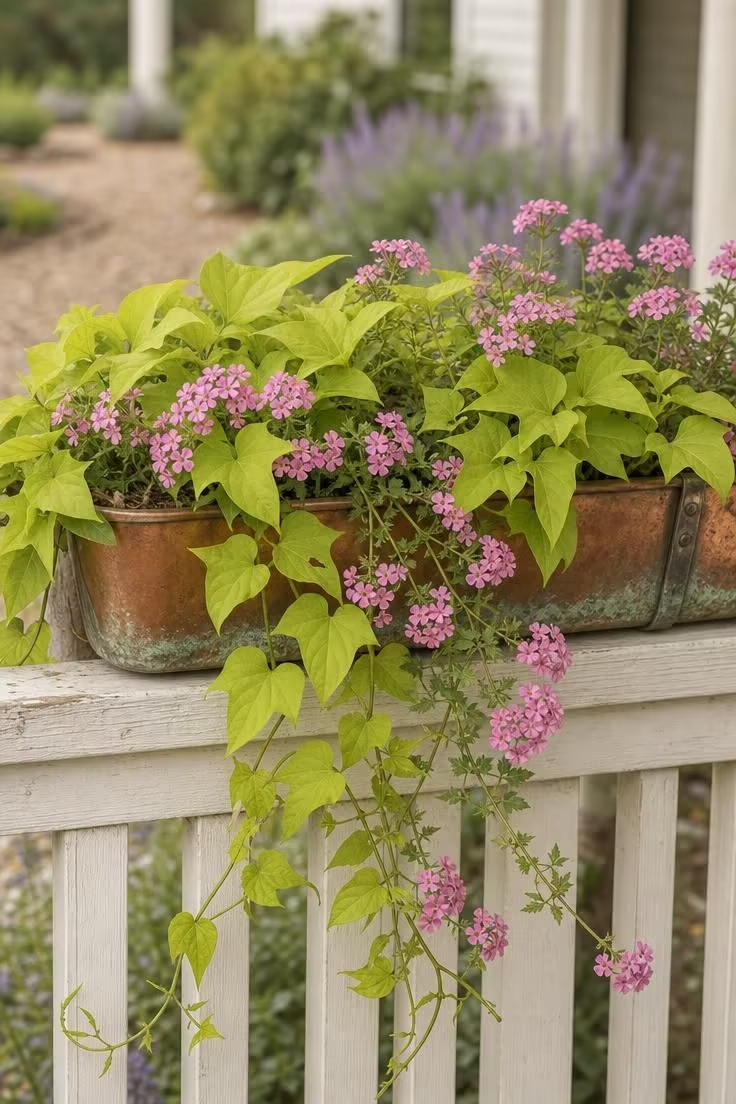
A copper trough planter mounted along the railing turns the edge of your cottage porch into a living border that changes with the seasons.
Sweet potato vine is the workhorse trailing plant for this kind of display because its chartreuse leaves grow fast, tolerate heat, and create a curtain of color that softens the hard horizontal line of the railing.
The copper itself develops a green and brown patina over time, which means the planter becomes more beautiful the longer you leave it outdoors.
Mixing in a secondary trailing plant like verbena adds a color accent without overwhelming the green cascade.
Dusty pink verbena against chartreuse vine creates a color combination that feels accidental and garden-grown rather than designed.
Mounting the trough directly on the railing, rather than setting pots on the porch floor, keeps the walking space clear and draws the eye outward toward the garden beyond, doing the same job as window boxes but at railing height.
Style Blueprint:
- Copper trough planter (30 to 36 inches long)
- Chartreuse sweet potato vine as primary trailer
- Trailing verbena in dusty pink as secondary accent
- Railing-mount brackets in wrought iron or brass
- Natural copper patina (no lacquer or sealant)
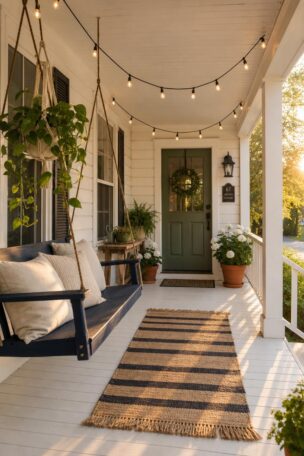
A Slatted Wood Porch Swing With a Rolled Ticking Stripe Pillow
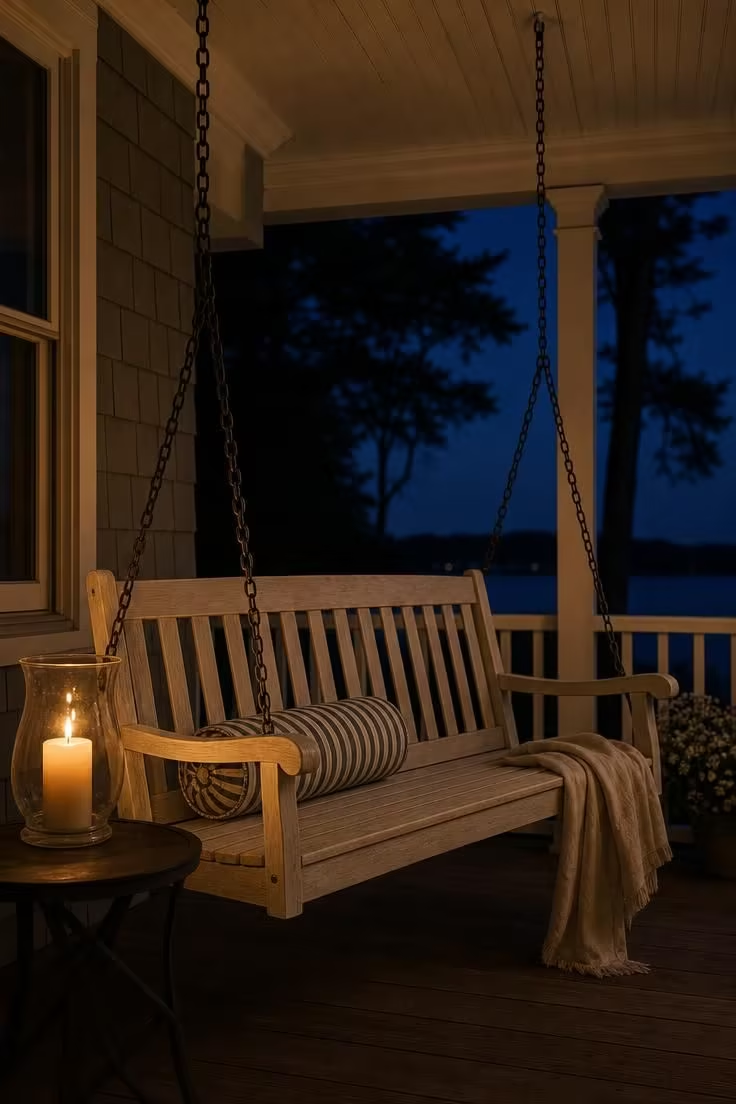
A porch swing changes the way people use a cottage porch because it shifts the body into a rocking motion that naturally slows conversation and breathing.
The slatted wood design is more forgiving in wet weather than an upholstered seat, drying quickly after a rainstorm and aging into a silver-gray tone that looks better each year.
Matte black chain provides a visual weight that grounds the swing against a light-painted ceiling, creating contrast without adding ornament.
The rolled ticking stripe pillow serves both a practical and decorative purpose, supporting the lower back while introducing a classic pattern that reads as cottage without trying too hard.
Navy and cream ticking has stayed relevant in cottage decorating for over a century because the stripe scale is narrow enough to feel refined but bold enough to read from across the porch.
Adding a linen throw in a neutral flax tone extends the evening use of the swing into cooler months, when the temperature drops but the porch remains the most appealing seat in the house.
Keeping the surrounding area simple, just one side table and one light source, focuses attention on the swing itself as the primary piece of front porch decor.
A cottage porch with a swing becomes a destination rather than a passageway.
A porch swing like this turns your front entry into the kind of spot where neighbors stop and stay.
Style Blueprint:
- Slatted white oak porch swing (5-foot width)
- Matte black suspension chain and ceiling hooks
- Rolled cylinder pillow in navy and cream ticking stripe
- Lightweight linen throw in natural flax
- Hurricane glass candle holder on a small wood side table
Design Pro-Tip: Hang your porch swing so the seat rests 17 to 19 inches above the floor, matching standard chair height so your feet land flat and the rocking motion stays gentle.
Hurricane Glass Candle Holders Grouped on a Reclaimed Elm Side Table
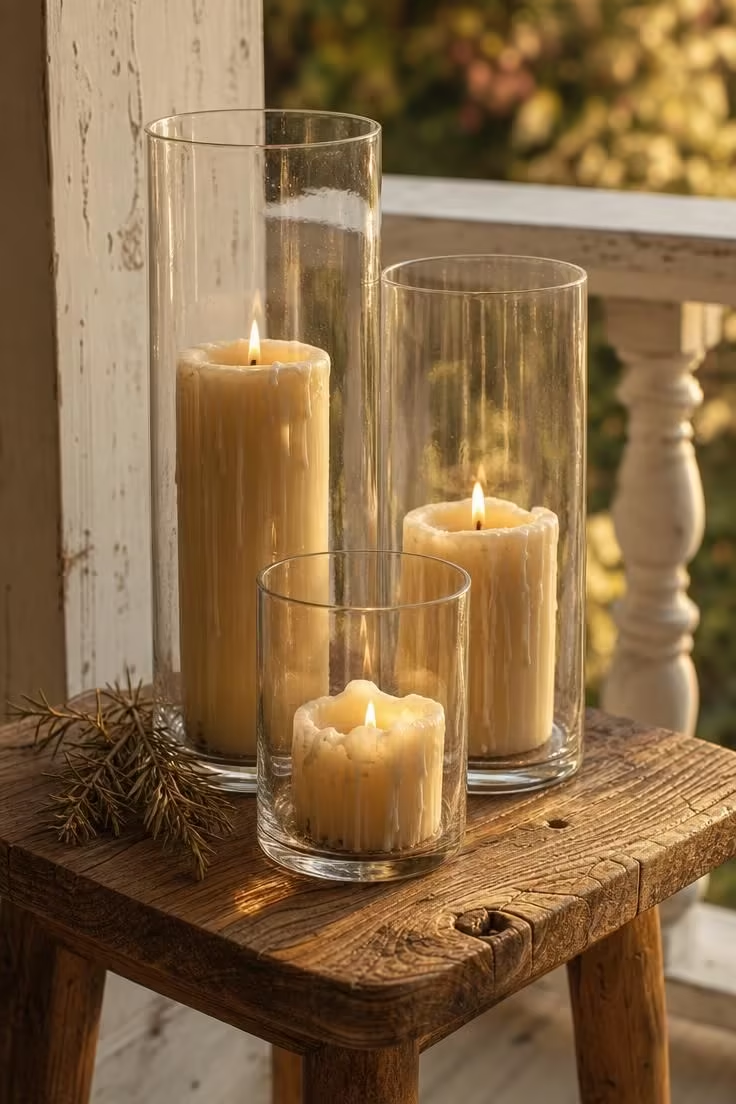
Grouping candle holders at different heights on a single surface creates a collected look that reads as intentional without appearing staged.
Hurricane glass protects the flame from wind, which makes these holders practical on an open cottage porch where a breeze can extinguish a bare pillar in seconds.
The thick glass refracts and multiplies the candlelight, throwing amber patterns onto the tabletop that shift as the flame moves.
Reclaimed elm works especially well as the surface underneath because its deep grain and knot holes give the candles a backdrop with built-in visual texture.
Choosing cream-colored pillars rather than white keeps the overall tone warm and prevents the candles from looking too bright against the aged wood.
Letting the candles burn down unevenly, with visible wax drip patterns, adds an imperfect quality that fits the cottage approach to decorating.
A small dried herb sprig beside the base reinforces the garden-adjacent feeling of a cottage front porch without requiring a full arrangement.
Style Blueprint:
- Three hurricane glass candle holders in graduating heights
- Cream-colored pillar candles (varying burn stages)
- Reclaimed elm side table with visible grain and knot holes
- Dried rosemary or thyme sprig as an accent
- Clear thick-walled glass (not tinted or etched)
A Chippy Milk-Paint Bench Under a Row of Iron Coat Hooks
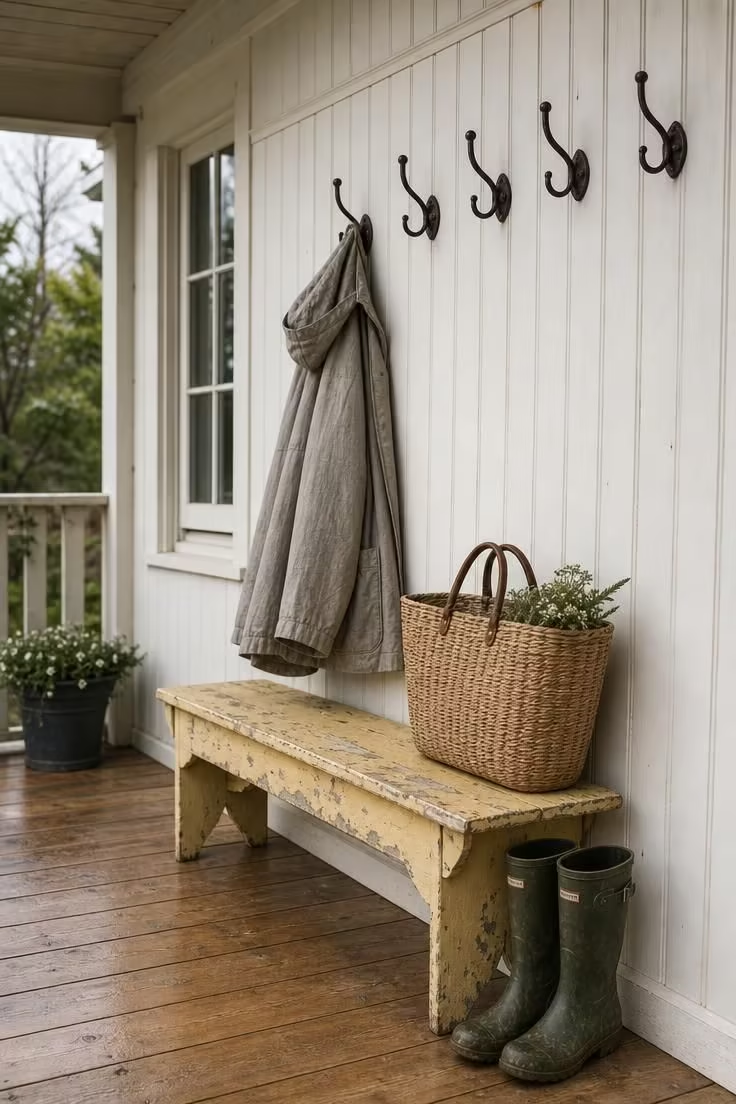
A cottage porch with a dedicated drop zone for coats, bags, and boots functions more like a mudroom entry than a decorative space, and that practicality is part of its charm.
The milk-paint finish is central to the look because it flakes and chips in a way that synthetic paints do not, revealing layers of wood and previous coats underneath.
Pale butter yellow is a strong choice for the bench because it adds warmth to the porch palette without the visual weight of a darker color.
Forged iron coat hooks above the bench create a vertical line that draws the eye upward and provides genuine utility for jackets, hats, and tote bags.
Mounting the hooks on beadboard rather than flat drywall adds a second texture layer, reinforcing the cottage vocabulary of narrow vertical planks.
The addition of a woven market basket and rubber garden boots on the floor beside the bench signals that this porch belongs to someone who gardens, walks, and spends real time outdoors.
Front porch decor like this works hardest when every object earns its spot through daily use rather than appearance alone.
A bench like this anchors your farmhouse porch entry with both character and function.
Style Blueprint:
- Narrow bench (36 to 42 inches wide) in milk paint, pale butter yellow
- Five forged iron coat hooks mounted to beadboard
- Woven market basket (natural rush or seagrass)
- Olive green rubber garden boots
- Linen or cotton rain jacket as a lived-in prop
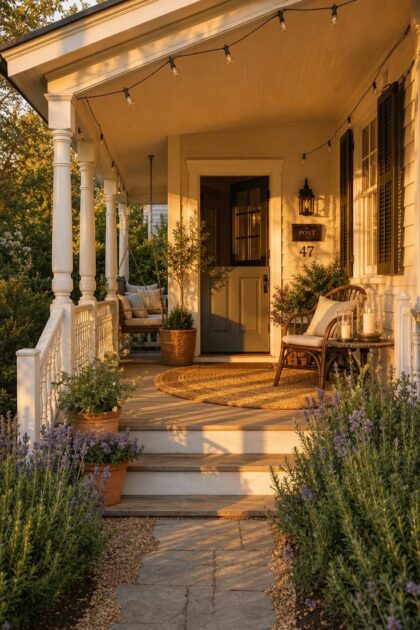
Potted Rosemary Topiaries Flanking a Stone-Topped Threshold
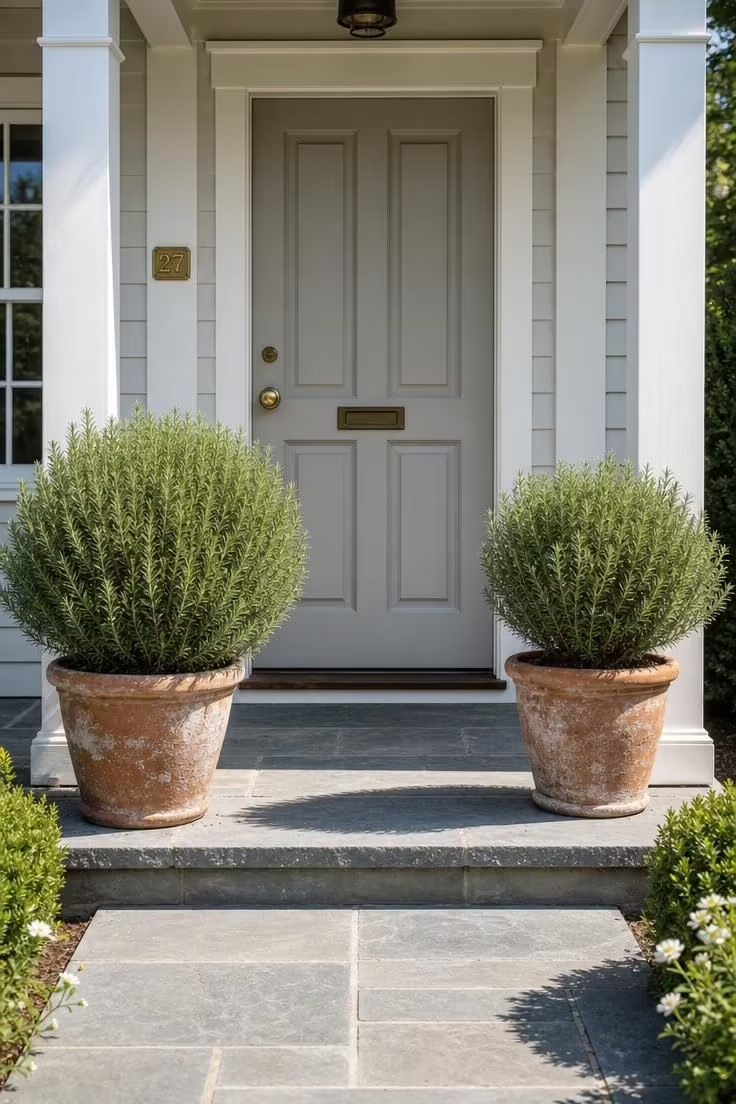
Symmetry at the front door creates order, but perfect symmetry can feel stiff and uninviting on a cottage porch where the whole point is relaxed character.
Placing two rosemary topiaries of slightly different sizes solves this by giving the eye a matching pair that still reads as hand-trimmed and organic.
Rosemary is a strong choice for porch topiaries because it stays green through mild winters, releases fragrance when brushed against, and tolerates the heat reflected off a south-facing entry.
Aged terra cotta pots with salt deposits and weathering stains connect the plants to the ground, literally and visually, in a way that smooth ceramic or plastic containers cannot.
The bluestone threshold step beneath the pots adds a material that bridges the garden path and the porch floor, tying the outdoor landscape to the architecture above.
Keeping the arrangement to just two pots and nothing else at the door maintains the clean composition that makes symmetry work as a cottage porch strategy.
Style Blueprint:
- Two rosemary topiaries trimmed into loose sphere shapes
- Aged terra cotta pots (12 to 14 inch diameter) with natural patina
- Bluestone or flagstone threshold step
- Brass house number plate
- Dove-toned front door paint
A Quilted Cotton Throw Draped Over a Bent-Willow Armchair
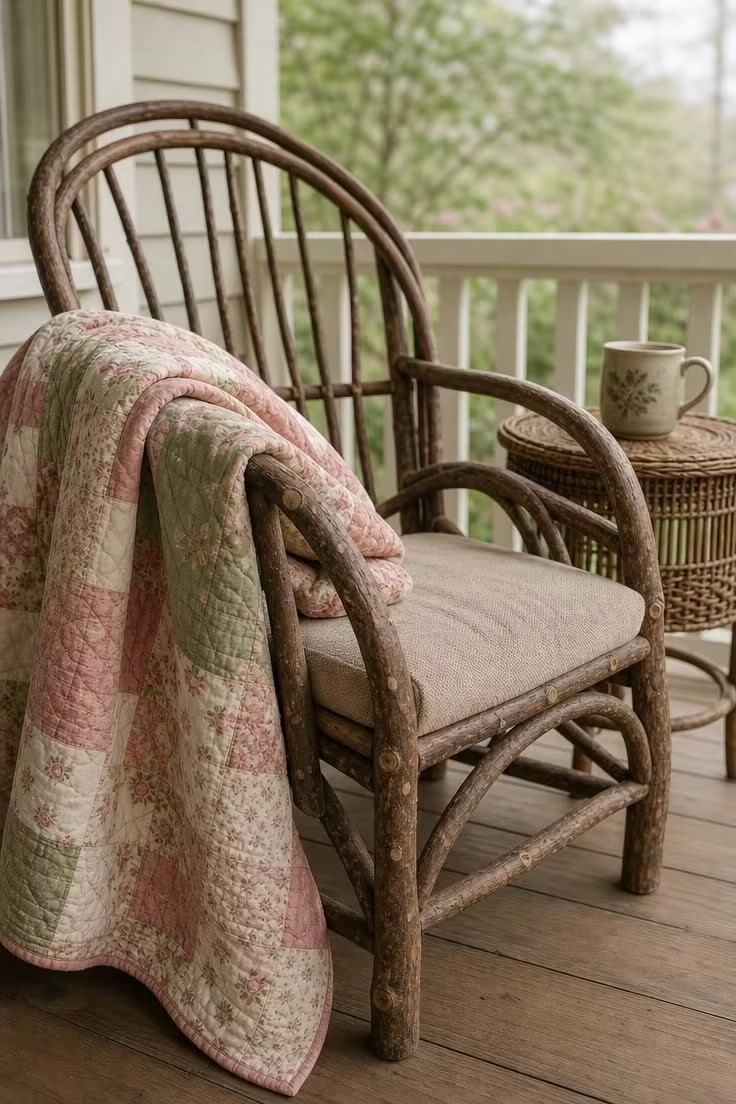
The bent-willow armchair is one of the most tactile pieces of furniture you can place on a cottage porch because every inch of it shows the hand of the person who built it.
The natural bark, the slight wobble in the curved arms, the knots where branches forked, all of these irregularities are what give the chair its warmth and presence.
Draping a hand-stitched quilt over the arm introduces a second layer of handcraft that reinforces the same idea: this porch values things that were made slowly and by hand.
Faded patchwork in rose, cream, and sage works especially well against the neutral bark tones of willow because the colors are soft enough to blend rather than contrast.
A quilted cotton throw also signals comfort in a specific way, suggesting that someone sits in this chair long enough to need a blanket pulled across their lap.
Placing a stoneware mug on a wicker side table nearby completes the scene with a small detail that implies a morning spent outdoors with coffee and quiet.
This kind of cottage porch vignette is less about the individual objects and more about the story they tell together, and it pairs well beside wicker furniture pieces that share the same organic, handmade quality.
Style Blueprint:
- Bent-willow armchair with natural bark finish
- Hand-stitched quilted cotton throw in faded patchwork (rose, cream, sage)
- Small wicker side table
- Stoneware mug in a matte glaze
- Natural wood porch floor with matte sealant
Design Pro-Tip: Choose outdoor fabrics that mimic the look of natural cotton or linen but carry a solution-dyed acrylic core, so your cottage porch textiles survive rain without sacrificing that soft, lived-in feel.
A Painted Checkerboard Ceiling in Cream and Dove Above Exposed Rafters
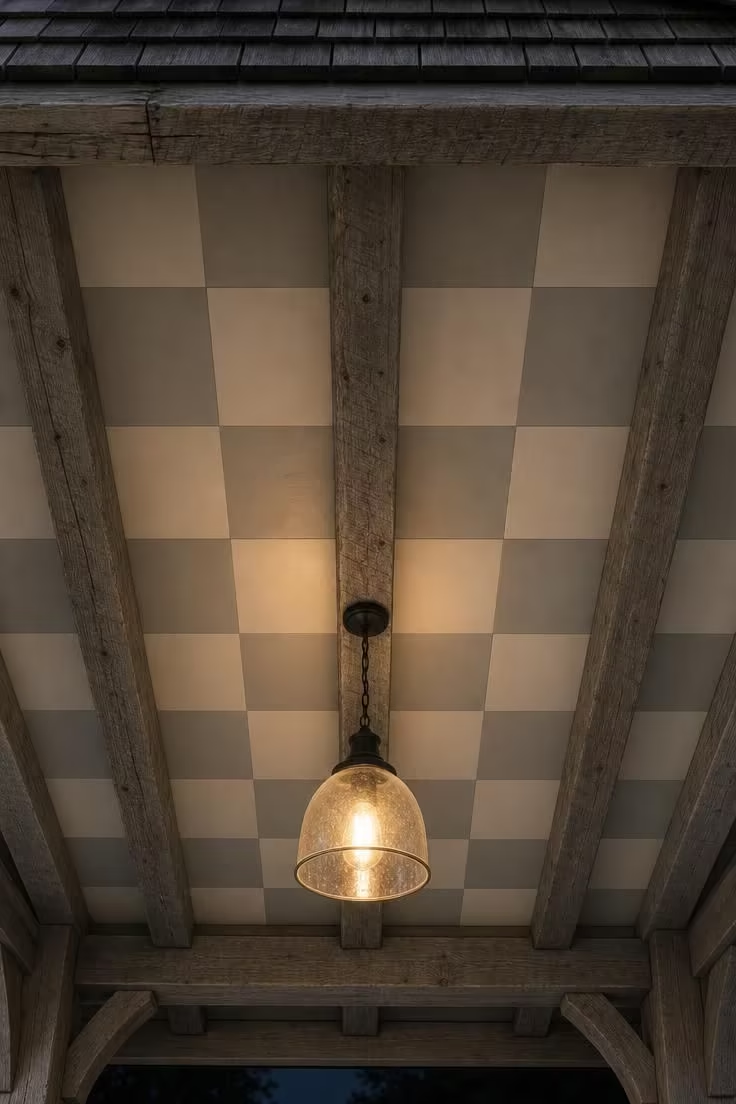
The ceiling is the largest uninterrupted surface on most porches, and leaving it plain white wastes an opportunity to add pattern and depth overhead.
A checkerboard in cream and dove creates a subtle geometric rhythm that draws the eye upward without the intensity of a darker color combination.
Dove is a soft, neutral gray-beige that reads as shadowed white rather than gray, making the pattern feel integrated rather than contrasting.
Leaving the rafters exposed between the painted panels adds an architectural layer that gives the ceiling structural honesty, showing how the porch was built rather than hiding it.
The rough-hewn texture of the rafters against the smooth painted squares creates a tension between refined and rustic that defines cottage decorating at its best.
A seeded glass pendant hung from the center rafter provides functional light in a style that suits the age and character of the ceiling around it.
Painting a porch ceiling is one of the least expensive changes you can make to a cottage porch, and the checkerboard pattern requires nothing more than painter’s tape, two paint colors, and a free afternoon.
The haint blue ceiling gets all the attention in porch design conversations, but a cream and dove checkerboard is a quieter alternative that adds just as much personality.
Style Blueprint:
- Porch ceiling painted in alternating cream and dove squares
- Rough-hewn exposed rafters in natural weathered gray
- Seeded glass pendant light hung from center rafter
- Porch-grade ceiling paint in flat finish
- Painter’s tape for crisp checkerboard lines
An Iron Birdcage Lantern Suspended From a Cedar Pergola Beam
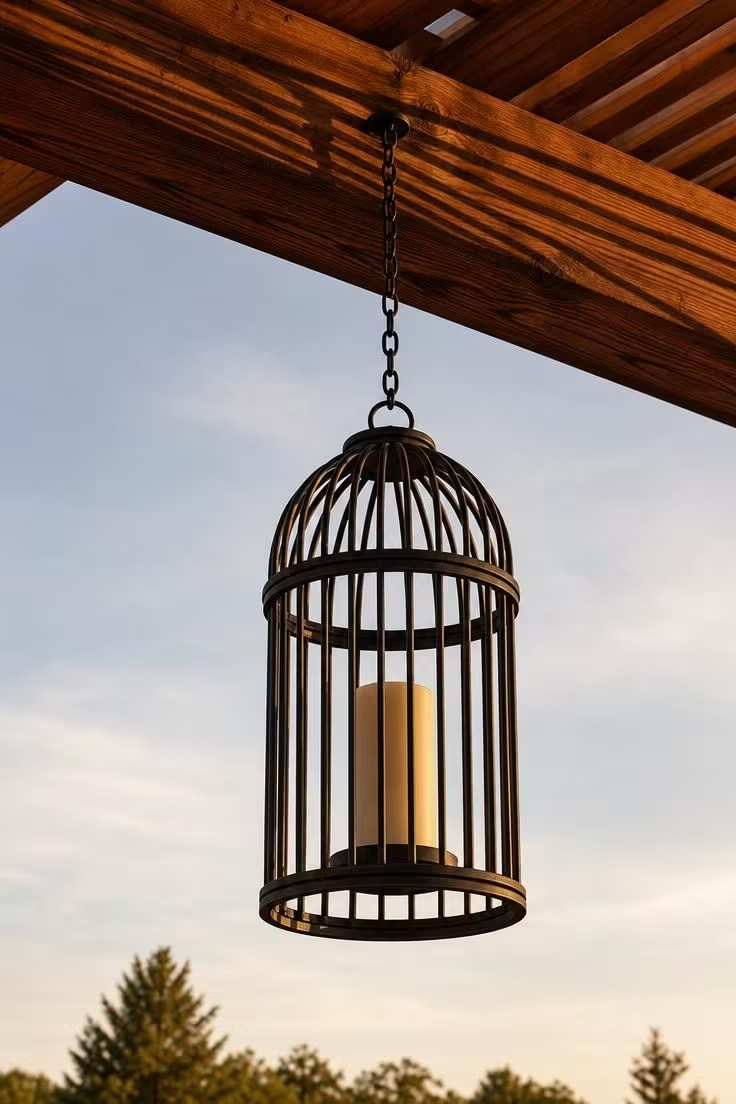
Hanging a single oversized lantern from a pergola beam above the porch creates a focal point that works during the day as sculpture and at night as a light source.
The birdcage shape adds an architectural quality that a standard lantern or string lights cannot match, giving the porch a vertical anchor that pulls the eye upward.
Matte black iron reads as both historic and grounded, making it a fitting companion to the warm red-brown tones of a cedar pergola.
Cedar is a natural choice for the pergola structure itself because it resists rot and insects without chemical treatment, aging into a silver-gray patina that cottage porch owners often prefer to the original color.
A single tall pillar placed inside the lantern provides enough glow to light a small seating area below without the glare of an exposed bulb.
Style Blueprint:
- Oversized iron birdcage lantern (18 to 24 inches tall)
- Thick cedar pergola crossbeam with natural oil finish
- Matte black chain and ceiling hook
- Tall cream pillar candle (battery or wax)
- Minimal surrounding decoration to keep the lantern as focal point
Conclusion
A cottage porch pulls together when every piece, from the floor paint to the ceiling pattern, feels chosen by someone who cares about comfort more than perfection.
The 11 cottage porch ideas here focus on specific materials and arrangements rather than broad categories, because the details are what make a porch feel genuinely lived in rather than decorated.
Start with the element that appeals to you most, whether that is a porch swing, a painted floor, or a single rocking chair, and let the rest of the cottage porch come together around it at your own pace.