This post may contain affiliate links. If you make a purchase through these links, we may earn a commission at no additional cost to you.
A poured concrete slab is one of the most underrated starting points for an outdoor living space.
Most patios already have the bones, a flat, stable surface that can support almost any upgrade you throw at it.
The problem is rarely the slab itself, it is the bare, gray look that makes the backyard feel unfinished.
These 10 concrete slab patio makeover ideas cover surface treatments, furniture groupings, and planter arrangements that change the feel of your patio without tearing anything out.
Every idea here focuses on a single scene you can picture, plan, and finish on your own timeline.
1. A Charcoal Acid Stain With Brass Lantern Clusters
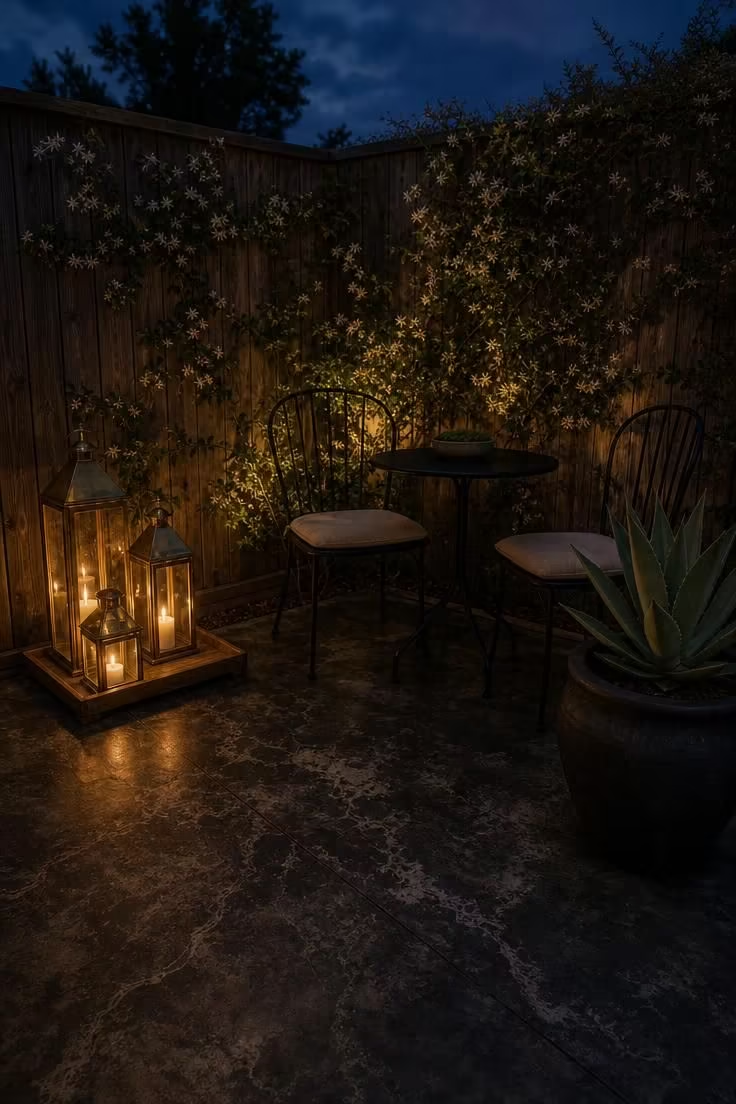
Acid staining a concrete slab in charcoal tones gives the surface a depth that flat gray concrete never has.
The chemical reaction between the stain and the minerals in the slab creates unpredictable veining, so no two slabs look alike after treatment.
That randomness reads as natural stone from a few feet away, especially under low light.
Grouping brass lanterns on a single tray keeps the arrangement intentional rather than scattered.
The warm glow against the dark floor pulls attention downward, making the patio surface itself part of the decor instead of something you cover up.
A single architectural plant like an agave in a dark vessel adds structure without competing with the lantern light.
This is a concrete slab patio makeover that works best at night, which is exactly when most people actually use their patios.
Style Blueprint:
- Charcoal acid stain with matte sealer coat
- Three brass lanterns in graduated heights on a teak tray
- Matte black iron bistro chairs with linen seat cushions
- Dark clay planter with a single sculptural agave
- Weathered cedar fence backdrop with climbing jasmine
2. Snap-Together Composite Deck Tiles Over the Full Slab
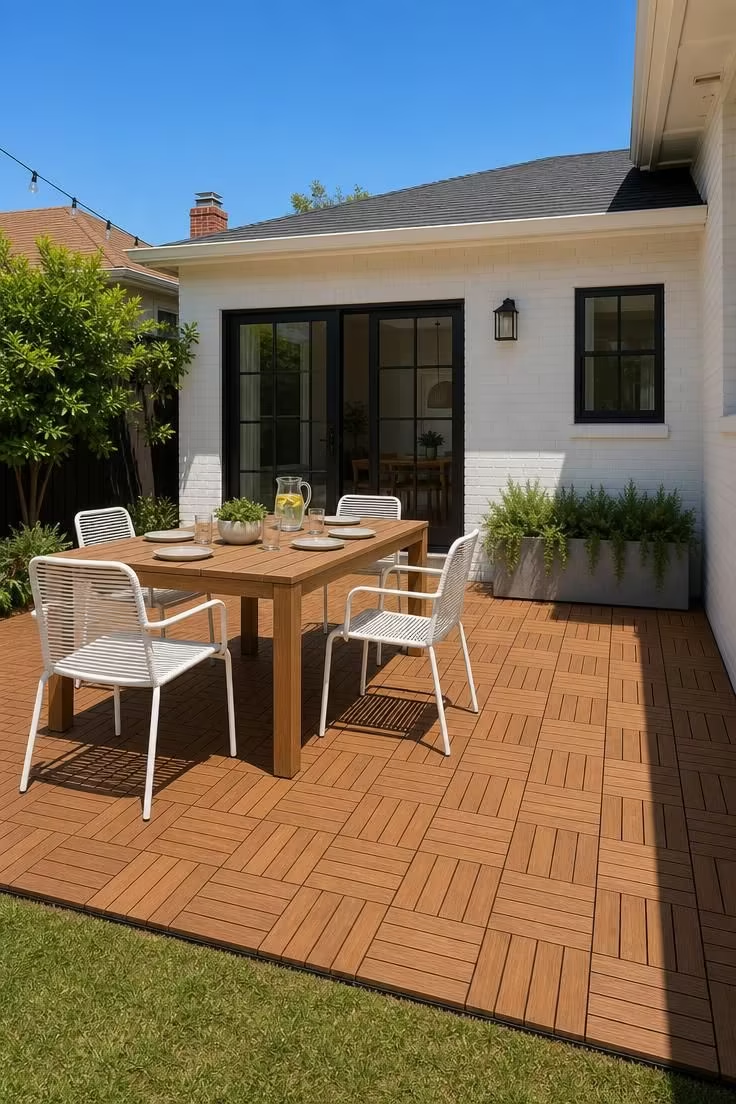
Interlocking deck tiles are one of the fastest ways to cover a concrete slab without any adhesive or mortar.
Each tile snaps into the next with a plastic grid backing, and you can cut edge pieces with a standard saw.
The cedar-toned composite resists moisture, fading, and splitting in ways that real wood decking cannot match over bare concrete.
Covering the full slab in a single material makes the patio feel like an intentional deck rather than a covered-up problem.
White aluminum chairs against the warm wood tone create a color separation that reads as clean and deliberate.
A trailing herb planter along the house wall connects the patio to the kitchen without taking up floor space.
This approach works especially well for renters or anyone who wants a reversible patio resurfacing option.
The tiles lift out as easily as they snap in, leaving the original slab untouched underneath.
Style Blueprint:
- Cedar-toned composite interlocking deck tiles across the full slab
- White powder-coated aluminum dining chairs
- Rectangular teak dining table with stoneware place settings
- Low rectangular planter with trailing rosemary along the house wall
- Painted white brick house exterior as backdrop
3. A Dry-Laid Bluestone Border Framing a Stained Center Panel
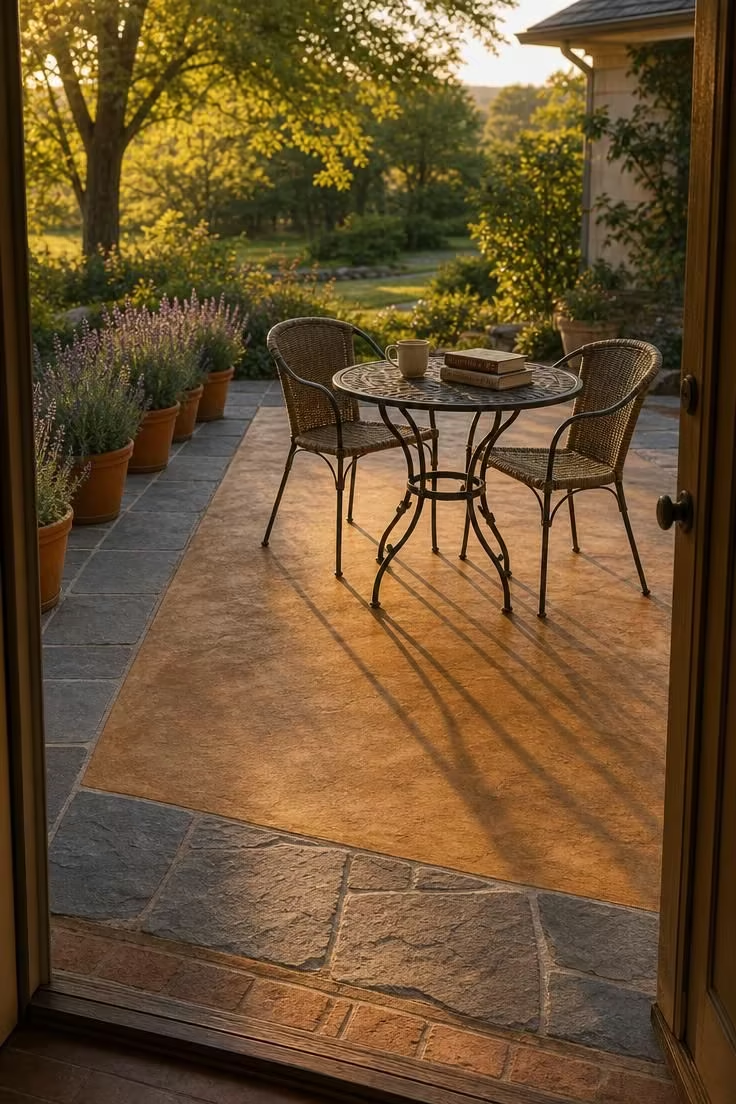
Framing the edges of a slab with bluestone pavers creates a visual border that makes the concrete look intentional.
The blue-gray tones of natural-cleft bluestone pair well with a honey-toned stain on the center panel, giving the surface two distinct materials without a full paver installation.
That contrast reads like an area rug on a hardwood floor, a defined zone within a larger surface.
The doorway perspective matters here because it frames the patio as a destination, not just an extension of the house.
Terracotta pots with lavender along the border add a soft, fragrant edge that blurs the line between hardscape and garden.
This two-material approach costs less than a full paver overlay and finishes in a single weekend.
Style Blueprint:
- Natural-cleft bluestone pavers mortared around the slab perimeter
- Honey-toned water-based concrete stain on the center panel
- Round wrought-iron cafe table with two woven rattan chairs
- Terracotta pots with lavender along the bluestone border
- Low-angle golden-hour light for warmth
4. A Corten Steel Planter Wall Along the Back Edge
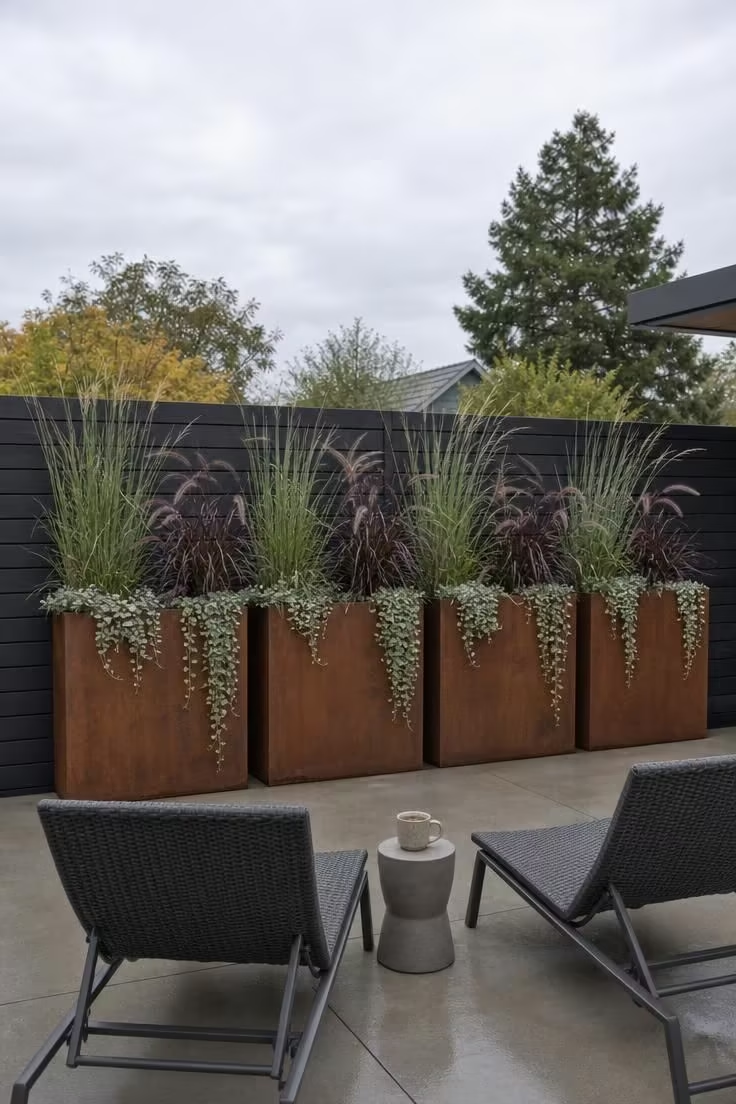
A row of tall Corten steel planters turns a bare fence line into a living wall without any construction.
The rusted patina of Corten steel develops naturally over a few months of outdoor exposure, and once it stabilizes, it stops corroding and holds that warm orange-brown finish permanently.
That raw, weathered texture against smooth gray concrete creates a material contrast that feels deliberate and grounded.
Ornamental grasses add height and movement, swaying in even a light breeze, which brings life to what would otherwise be a static scene.
Trailing succulents spilling over the planter edges soften the rigid geometry of the rectangular forms.
Keeping the slab surface clean and unadorned lets the planter wall do all the visual work.
Low-profile lounge chairs facing the greenery turn the patio into a place to sit and look at something worth looking at.
The concrete side table between the chairs echoes the slab material, tying the furniture to the ground plane.
This setup works on any slab size because the planters sit right at the edge and take up almost no floor area.
Style Blueprint:
- Five tall rectangular Corten steel planters in a tight row
- Ornamental grasses and trailing silver-green succulents
- Dark painted fence as backdrop
- Low-profile dark gray woven resin lounge chairs
- Small concrete side table with stoneware coffee cup
Design Pro-Tip: When placing tall planters along a fence, stagger the plant heights rather than matching them all. Put the tallest grasses at the center or off-center, and let the flanking planters drop a few inches lower. That asymmetry reads as a garden, not a barricade.
5. A Stamped Herringbone Overlay in Warm Sandstone
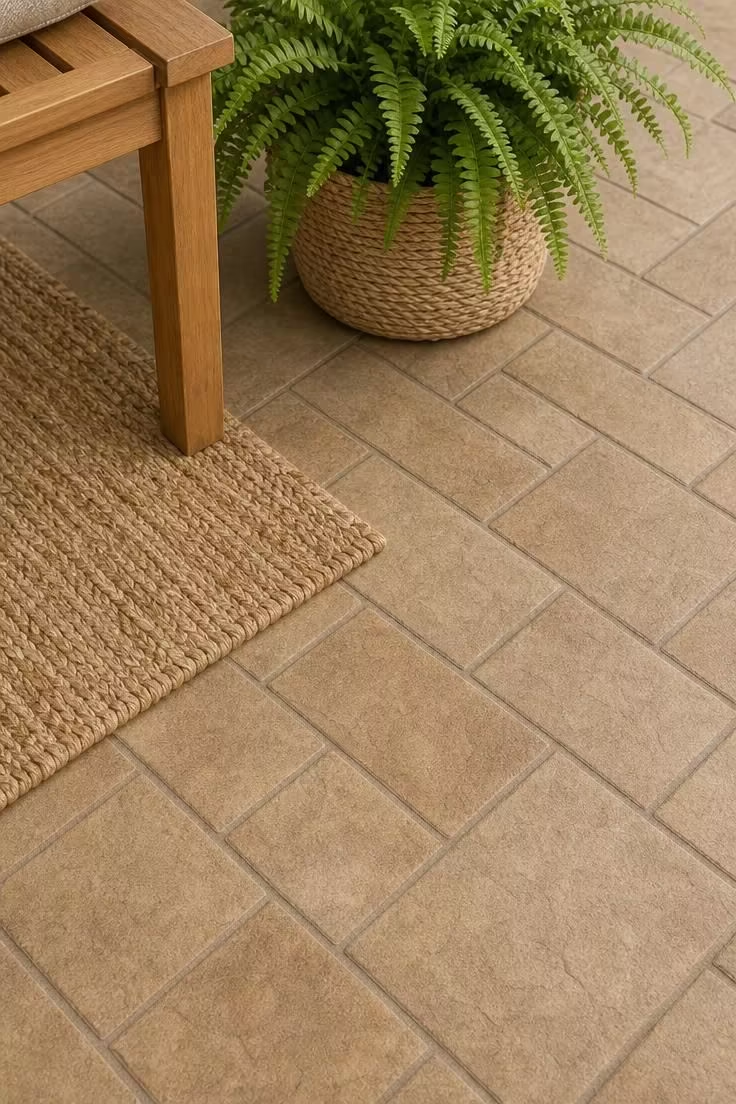
A stamped concrete overlay goes directly over an existing slab, adding a new texture and color without removing anything.
The herringbone pattern has a visual rhythm that makes a flat surface feel handcrafted, especially in a warm sandstone shade that shifts slightly from brick to brick.
Unlike a painted or stained finish, stamping adds physical depth, grooves and ridges that catch light and shadow throughout the day.
A matte sealer keeps the color rich without adding any artificial shine.
Patio resurfacing with a stamped overlay runs about half the cost of tearing out and replacing a slab with real brick pavers.
The jute rug layered on top adds another texture without hiding the work underneath.
A single potted fern in a seagrass basket ties the natural materials together and breaks up the geometric pattern.
Style Blueprint:
- Stamped concrete overlay in herringbone brick pattern
- Warm sandstone color with matte sealer
- Woven jute outdoor rug layered on the stamped surface
- Teak bench with clean lines
- Potted Boston fern in a woven seagrass basket
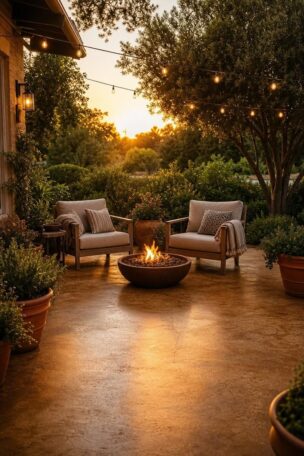
6. Low-Profile Modular Seating Around a Matte Black Fire Bowl
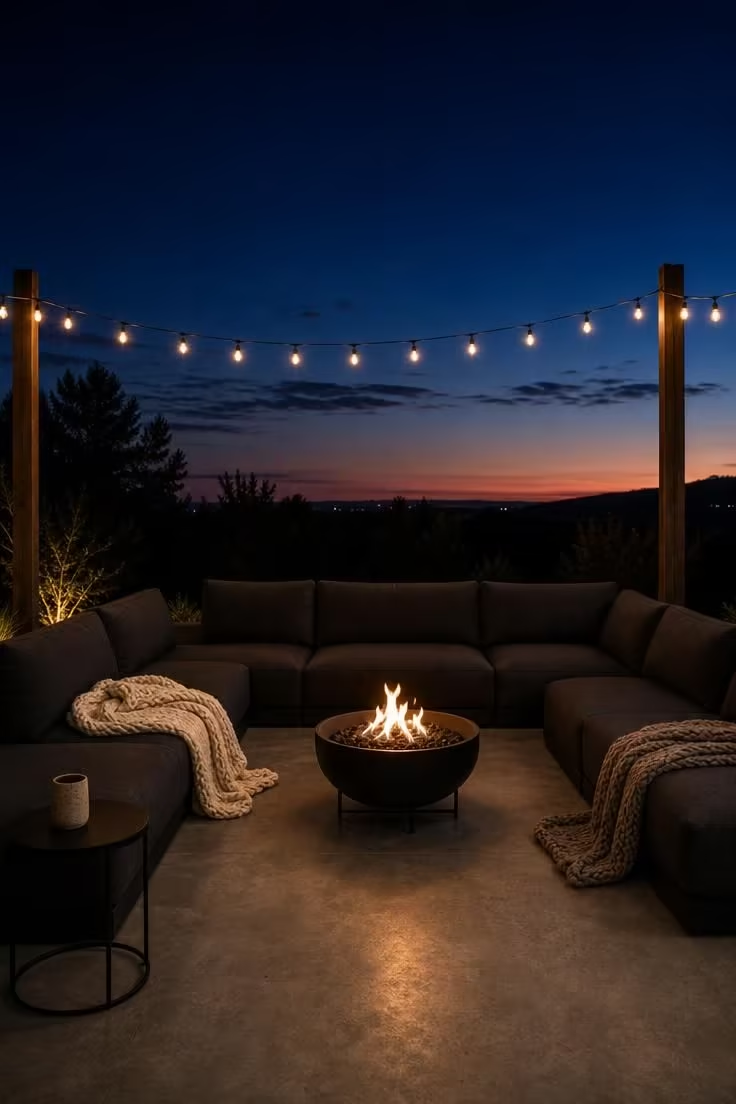
Sometimes the best concrete slab patio makeover is no surface treatment at all, just good furniture on a clean slab.
Pressure washing the concrete to a uniform gray and letting the patio furniture layout do the rest keeps the budget low and the look modern.
A U-shaped modular arrangement creates an enclosed conversation area that feels like a living room without any walls.
The matte black fire bowl at the center gives everyone something to face and gives the seating group a reason to exist.
Dark charcoal fabric on the sofa sections absorbs into the evening light, letting the fire become the brightest element in the scene.
Chunky knit throws in cream add a softness that bare concrete and metal alone cannot deliver.
Outdoor string lights draped loosely overhead fill in the ambient light without competing with the fire.
This setup proves that a bare slab can work if the furniture grouping is strong enough to carry the space on its own.
Style Blueprint:
- Low-profile modular outdoor sofa sections in dark charcoal fabric
- Matte black propane fire bowl on a short steel stand
- Chunky knit throw blankets in cream and taupe
- Black metal side table with ceramic tumbler
- Warm Edison bulb string lights on wooden posts
7. Painted Geometric Diamonds in Sage and Cream
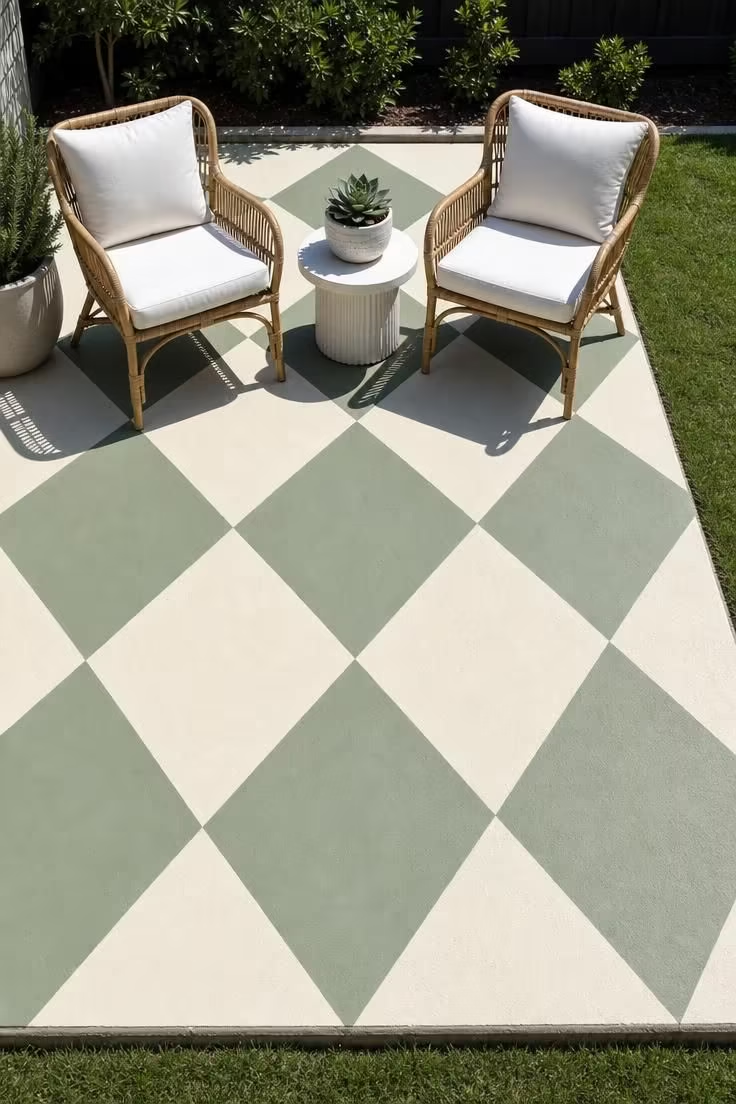
Painting a geometric pattern directly onto a concrete slab is the most budget-friendly surface treatment on this list.
A roll of painter’s tape, two colors of concrete-rated patio paint, and a free afternoon are all it takes.
The diamond pattern adds visual movement to a flat surface, tricking the eye into reading depth where there is none.
Sage green and warm cream work as a pair because they sit close enough on the color wheel to feel calm rather than busy.
Lightweight rattan chairs keep the scene relaxed and prevent the painted surface from feeling too formal.
The sharp paint lines look best from a slight overhead perspective, which is also the angle most people see from a kitchen window or second-floor balcony.
Style Blueprint:
- Concrete-rated patio paint in sage green and warm cream
- Painter’s tape for crisp diamond geometry
- Lightweight rattan armchairs with white seat cushions
- Small round white side table with a potted succulent
- Clean paint edge where slab meets lawn
Design Pro-Tip: If you paint a pattern on a concrete slab, apply a clear concrete sealer over the finished design. Without it, foot traffic wears through the paint within a single season. A penetrating sealer rated for exterior concrete adds about a year of durability per coat.
8. Porcelain Wood-Look Pavers on Pedestal Risers
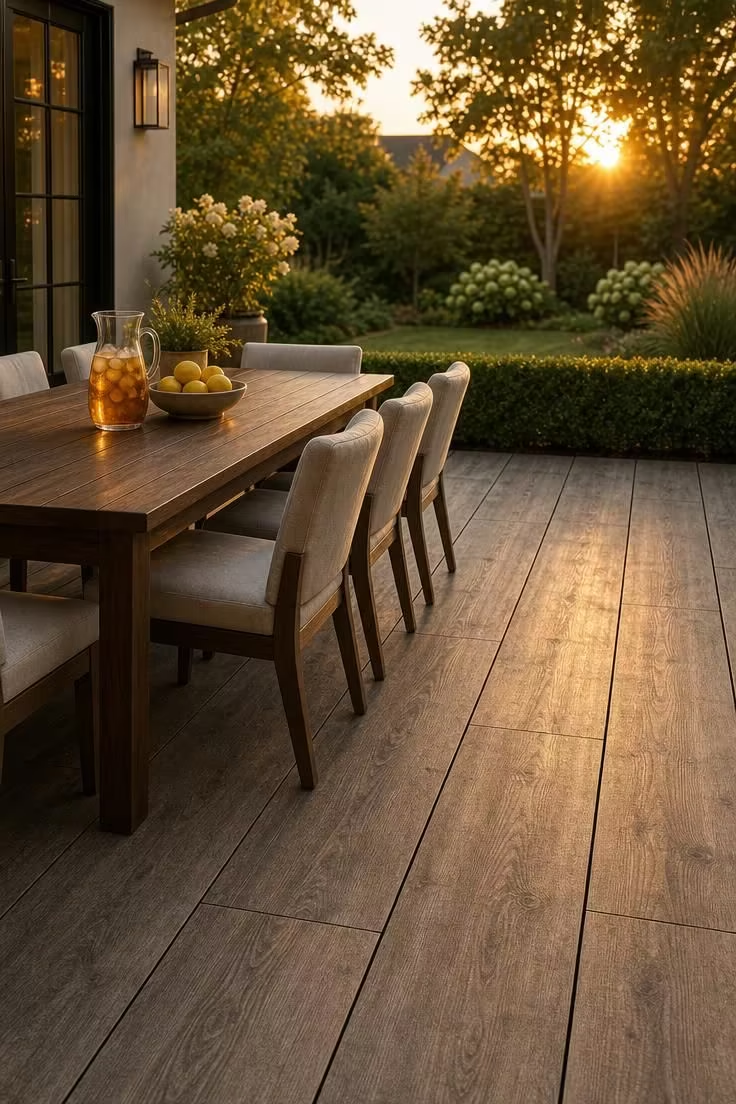
Porcelain pavers that mimic weathered oak planks give a slab the warmth of a wood deck without any of the maintenance.
The 20mm thickness is rated for outdoor foot traffic and freeze-thaw cycles, making them a permanent upgrade rather than a seasonal fix.
Pedestal risers lift the pavers about an inch above the slab, creating a hidden drainage layer that prevents water from pooling after rain.
Those slim shadow lines between each plank add a sense of dimension that flat tile installations miss.
The paver installation goes directly over the existing concrete, so there is no demolition and no concrete waste to haul away.
A long dining table in dark walnut finish anchors the space for evening meals, and the wood-tone pavers make the whole patio feel like an outdoor dining room.
Linen-upholstered chairs dress the table up without looking stiff.
The low boxwood hedge at the far edge creates a clean green border that separates the patio from the lawn beyond.
This is one of the more involved options on the list, but the finished result is hard to distinguish from a custom-built deck.
Style Blueprint:
- 20mm porcelain pavers in weathered oak wood-look finish
- Adjustable pedestal risers for hidden drainage
- Long rectangular outdoor dining table in dark walnut
- Six linen-upholstered dining chairs
- Low boxwood hedge along the patio perimeter
9. A Fabric Shade Sail With Potted Citrus Trees at Each Corner
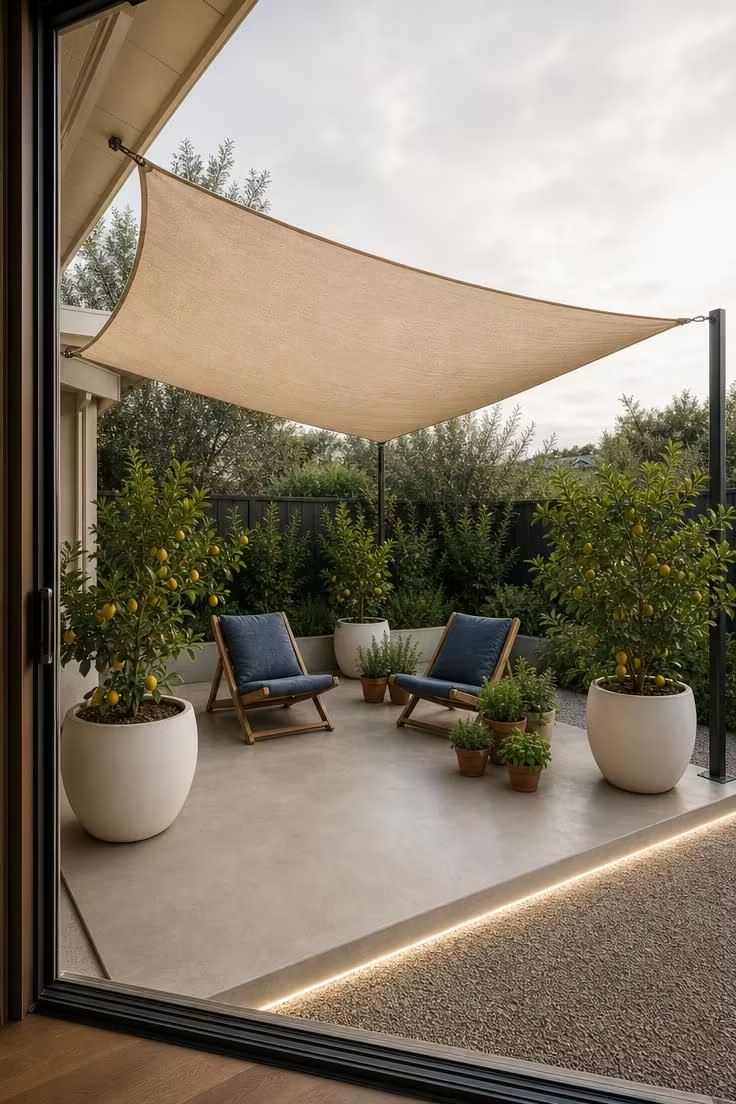
A shade sail solves the biggest complaint about bare concrete patios: they get too hot in direct sun.
The natural linen tone filters light without darkening the space, keeping everything bright but comfortable.
Potted citrus trees at each corner of the slab serve double duty as shade anchors and living decor.
Meyer lemons and kumquats produce fruit in most temperate climates, adding seasonal interest that cut flowers cannot match.
The large matte white ceramic pots read as architectural elements rather than garden accessories.
Ground-level LED strip lights along the slab edges define the patio boundary after dark, creating a floating effect that makes the concrete surface feel intentional.
Low wooden lounge chairs with faded indigo canvas cushions add a coastal note that pairs naturally with citrus and linen.
Style Blueprint:
- Triangular shade sail in natural linen tone
- Four potted Meyer lemon trees in large matte white ceramic pots
- Ground-level LED strip lights along exposed slab edges
- Low wooden lounge chairs with faded indigo canvas cushions
- Small terra cotta pots with herbs near the seating area
Design Pro-Tip: When mounting a shade sail, angle it so one corner sits about 18 inches lower than the others. That tilt channels rainwater to one drainage point instead of letting it pool in the center of the fabric. It also adds a sculptural quality that a flat, taut sail does not have.
10. An Epoxy Flake Finish With Industrial Pipe Shelving
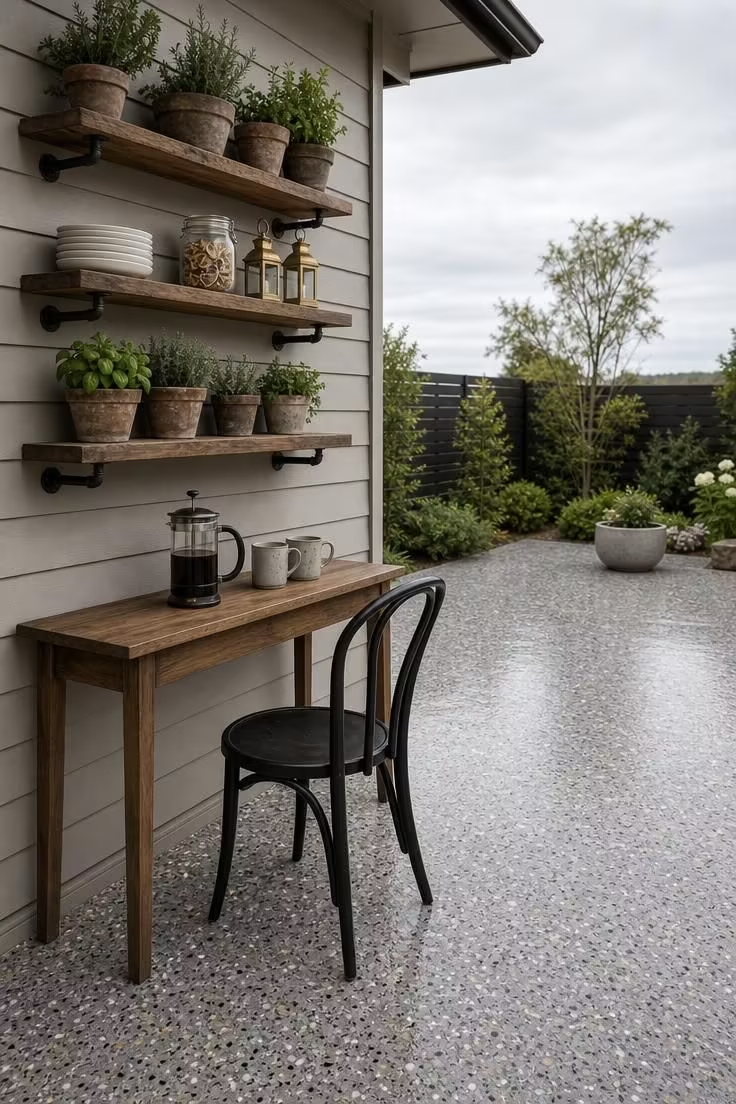
An epoxy flake finish turns a rough or stained concrete slab into a surface that looks like polished terrazzo.
The base coat seals every crack and imperfection, and the scattered vinyl flakes add visual texture that hides dirt between cleanings.
Dove, charcoal, and warm tan flakes blend into a neutral palette that works with almost any outdoor living space style.
The low satin sheen resists moisture, oil, and UV fading, making it one of the most durable surface options on this list.
Industrial pipe shelving mounted to the house wall adds vertical storage without taking up any floor space on the slab.
Reclaimed wood shelves soften the industrial hardware, and small aged clay pots with herbs bring life to what could otherwise feel cold.
A French press and stoneware mugs on the console turn the shelving into a functional coffee station, giving the patio a reason to be used every morning.
The single bentwood cafe chair keeps the footprint small and the look unfussy.
Style Blueprint:
- Full-coverage epoxy coating with decorative vinyl flake blend
- Black iron pipe shelving brackets with reclaimed wood shelves
- Small aged clay pots with potted herbs
- Narrow teak console table with French press and stoneware mugs
- Matte black bentwood cafe chair
Conclusion
A concrete slab is a starting point, not a limitation.
Every idea on this list works with the slab you already have, no jackhammers, no heavy equipment, no full tearout required.
Some of these concrete slab patio makeover options cost less than a weekend dinner out, like painting geometric diamonds or pressure washing and adding good furniture.
Others, like porcelain pavers on pedestal risers or a stamped concrete overlay with a pergola shade structure, take more time and money but deliver a surface that rivals any custom outdoor build.
The key is picking the one idea that matches how you actually want to use the space, whether that is morning coffee, evening fire, or a long dinner with friends.
Start with the surface, add a few pieces of furniture, and let the slab do what it was always meant to do: hold up the best room in your house.