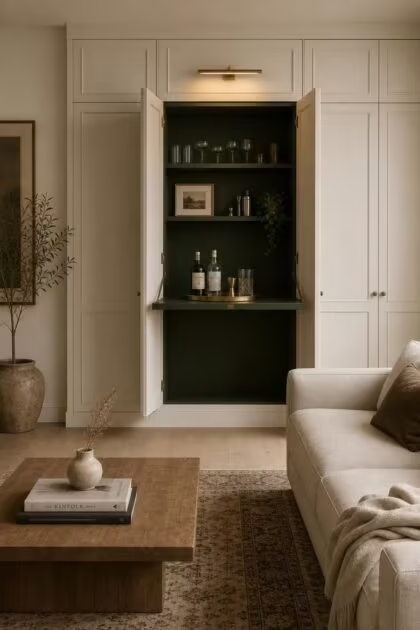
This post may contain affiliate links. If you make a purchase through these links, we may earn a commission at no additional cost to you.
A living room bar is less about replicating a commercial counter and more about creating a small, intentional zone of hospitality within the room's existing architecture and furnishings.
The strongest versions read as layered compositions: a surface for service, a backdrop with visual weight, and storage that hides utilitarian clutter.
Whether carved into a shallow alcove, anchored by a single piece of case furniture, or floating on a wall, the bar should feel legible at a glance yet integrated enough to avoid becoming a theme-park prop.
These approaches move beyond the predictable cart-on-wheels to consider material, light, placement, and how the bar participates in the life of the room.
Without one key piece, any of these setups can feel unfinished: the right home bar furniture anchors the zone and gives every bottle and glass a proper place.
A Lacquered Armoire Turned Dry Bar with Ribbed Glass Doors and a Pull-Out Mixing Shelf
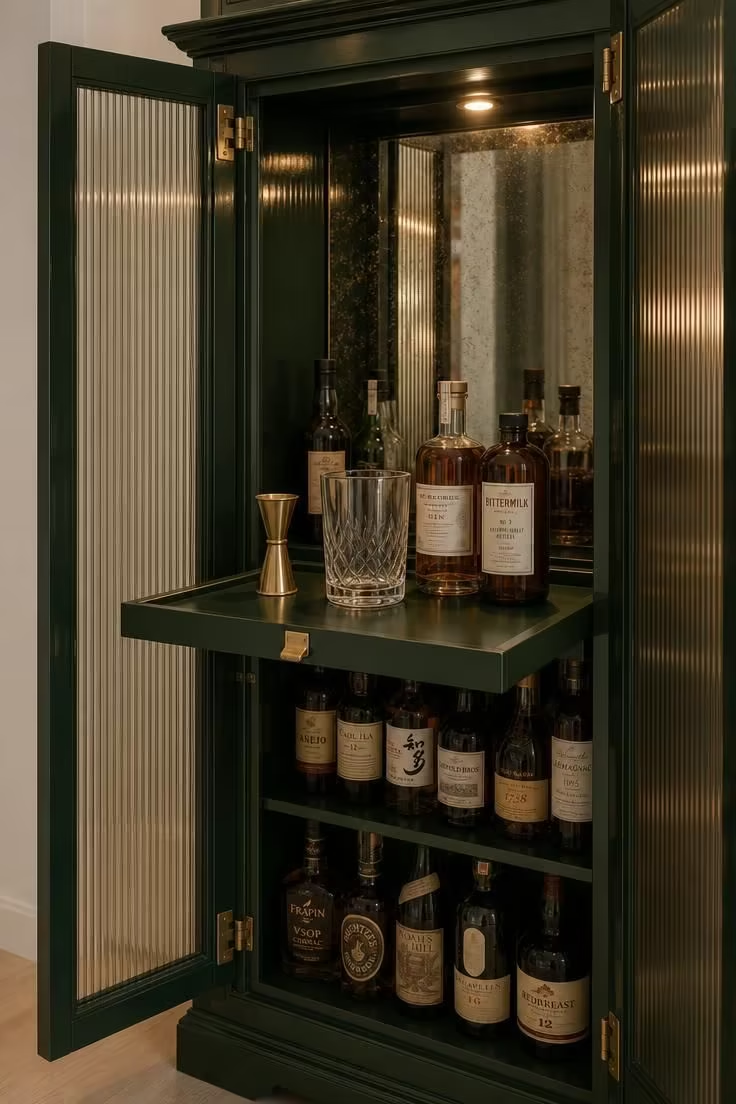
When floor space is limited but the room has vertical clearance, a tall bar armoire offers the storage of a built-in without touching the walls.
This piece reads as closed case furniture when not in use, then opens to reveal a fitted interior with dedicated zones for bottles, glassware, and tools.
The most practical versions run at least seventy inches tall and eighteen to twenty inches deep, allowing standard spirit bottles to stand upright on adjustable shelves.
The pull-out shelf is the piece that transforms an armoire from storage into an actual bar.
Mounted at counter height, roughly thirty-six to forty inches above the floor, it slides forward to create a stable mixing surface for a shaker, jigger, and cutting board.
When closed, it disappears into the cabinet's face, preserving the clean exterior line.
Ribbed or fluted glass doors are the detail that keeps this piece from feeling like a wardrobe doing an unrelated job.
The glass allows a hint of the collection to show through without exposing every label and smudge.
It also diffuses interior light if the cabinet is wired for a small fixture or battery-operated puck light.
The exterior finish should relate to the room's other case goods.
A deep lacquer in oxblood, forest green, or midnight navy gives the piece deliberate presence against a pale wall.
Unlacquered brass hardware will patina over time, while polished nickel reads crisper.
The key is choosing one metal and repeating it on hinges, handles, and the stemware rack inside.
Inside, organization separates a useful bar armoire from a bottle closet.
A stemware rack mounted under the top panel keeps glasses off the working shelf.
A felt-lined drawer or a divided insert in one lower shelf holds jiggers, strainers, bar spoons, and openers without letting them slide into a cluttered heap.
Adjustable shelves allow tall cognac or Japanese whisky bottles to stand where a gin bottle might not fit.
Design Pro-Tip: Treat the open armoire as a three-layer still life: tall bottles at the back, a low tray of tools and bitters in the middle, and one sculptural object such as a small vase or candle at the front to break the retail-display rhythm.
The armoire's height also gives it a moment of ceremony.
Opening both doors feels like beginning the evening.
Closing them returns the living room to its daytime calm.
That rhythm suits households that entertain periodically rather than daily, because the bar can exist quietly without demanding constant attention.
Style Blueprint:
- A tall lacquered armoire with ribbed glass doors and a pull-out shelf at counter height
- Unlacquered brass hinges, handles, and a matching stemware rack mounted inside
- A mirrored interior back panel that reflects the bottles and soft interior light
- A felt-lined drawer or divided insert for jiggers, strainers, and bar spoons
- A low tray holding two or three working bottles and a small sculptural object at the front
A Floating Shelf Bar with a Plaster Arch Backdrop and a Narrow Picture Light
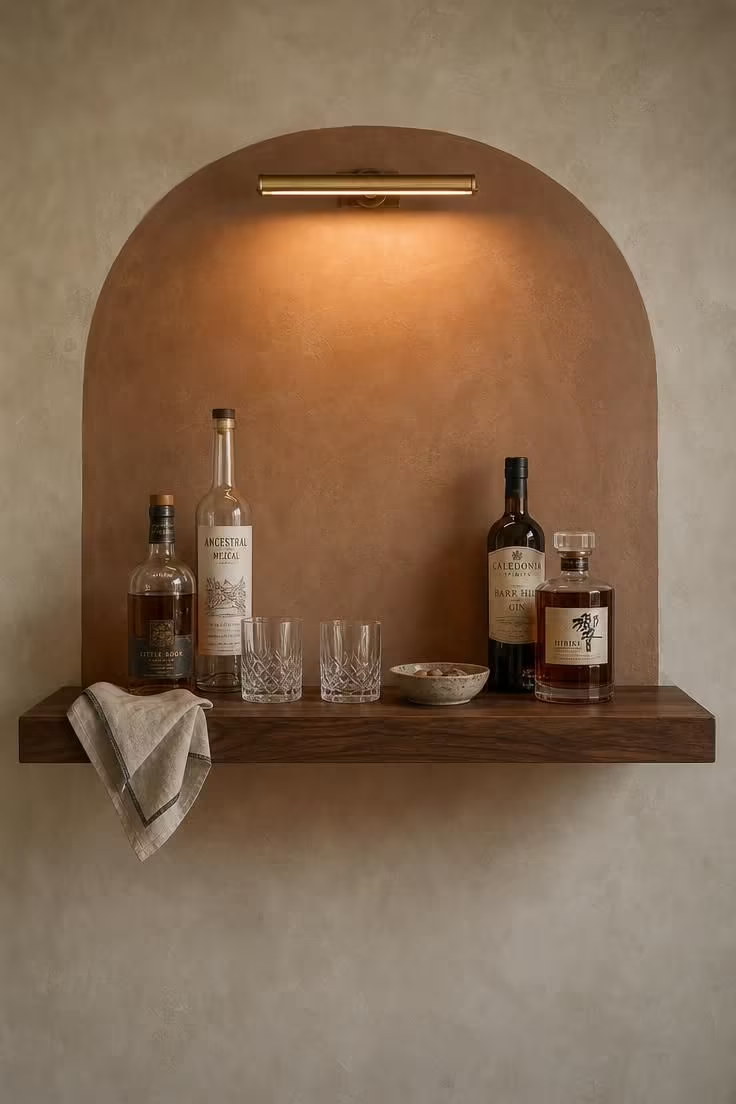
A floating bar uses the wall as its only support, keeping the floor entirely clear and working especially well in narrow living rooms, near balcony doors, or along circulation paths where a cabinet would obstruct movement.
The basic structure is a shelf fourteen to sixteen inches deep, mounted at forty to forty-two inches above the floor and anchored into studs or a French cleat.
What makes this version visually distinct is the painted arch or geometric shape behind the shelf.
Rather than mounting the shelf on a blank wall, a soft plaster arch in a slightly deeper tone such as clay, warm taupe, or muted sage defines the bar zone without adding a single piece of furniture.
The arch borrows a classical architectural gesture and translates it into a domestic, almost gallery-like frame.
A narrow picture light mounted above the arch does the work of a traditional bar lamp.
It pulls the eye toward the bottles, creates a warm pool of light on the working surface, and gives the whole arrangement a museum-display quality.
At night, the lit arch reads as an intentional focal point even when no one is mixing a drink.
The floating shelf itself should be the strongest material in the composition.
Walnut, white oak, or a stone-topped shelf in honed marble or soapstone each give the surface enough weight to feel permanent rather than temporary.
Hidden brackets keep the mounting invisible, so the shelf appears to grow out of the wall.
Because there is no closed storage in this arrangement, editing becomes the primary discipline.
The shelf should hold no more than four or five bottles, two to four glasses, and a small tray for tools.
A single tray in lacquered wood, stone, or metal corrals the working bottles and prevents the surface from becoming a scattered line of labels.
A floating bar shelf like this lives or dies by its editing.
Every object must earn its place.
Design Pro-Tip: Choose bottles with repeating shapes or color families for an open floating bar. Three amber spirits and one clear gin read as a deliberate collection; six mismatched bottles read as pantry overflow even if the labels are expensive.
This idea works best in rooms where the bar is used for a rotating selection rather than a full collection.
The shelf can be restyled seasonally, shifting from spritz-friendly bottles and citrus in summer to brown spirits and a candle in winter, keeping the small composition alive.
Style Blueprint:
- A floating walnut or white oak shelf fourteen to sixteen inches deep mounted on hidden brackets
- A painted plaster arch behind the shelf in clay, taupe, or muted sage
- A narrow brass picture light mounted above the arch for a warm downward glow
- A small tray holding four or five bottles with repeating shapes or color families
- Two to four lowball glasses and one small ceramic or sculptural object
A Repurposed Lowboy Dresser as a Belly-Height Bar Station with a Stone Top
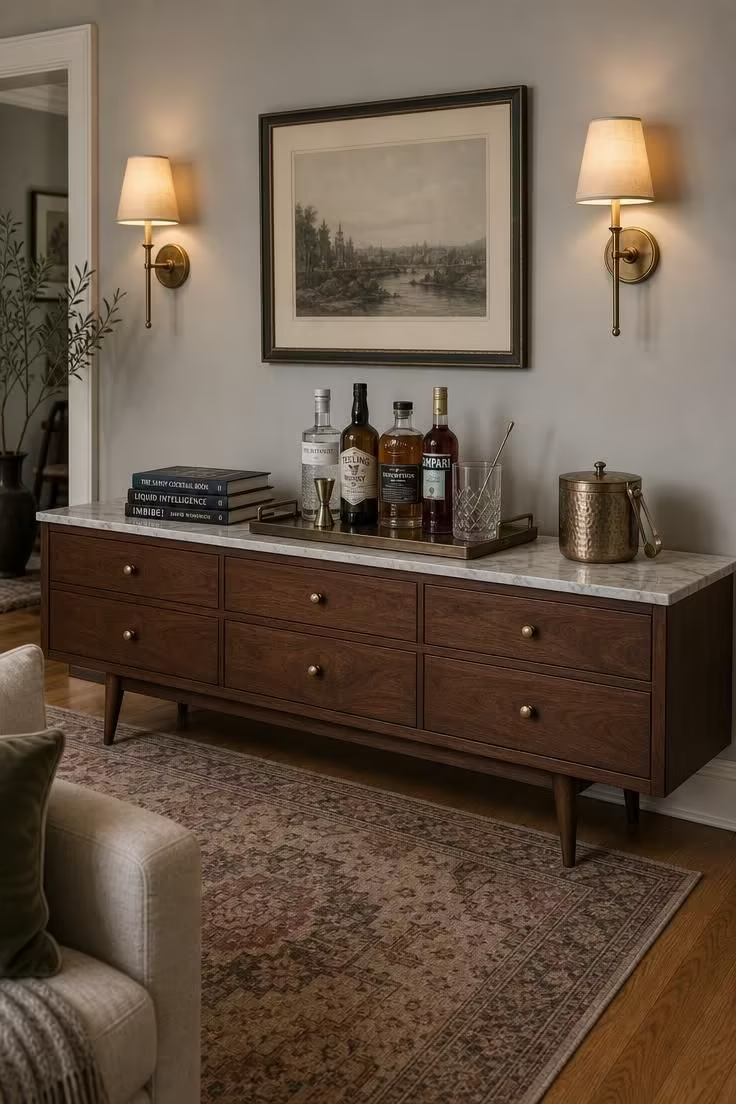
A lowboy dresser, typically thirty to thirty-four inches tall and fifty to seventy inches wide, offers a lower, more horizontal bar surface than a traditional credenza or armoire.
Its height is closer to a coffee table, which changes how the bar functions.
Guests can sit near it, reach for a glass without standing, and the host can mix from a seated or low-crouching position rather than standing at counter height.
The piece needs only two modifications to become a functional bar.
First, the top should be durable enough to handle condensation, citrus, and the occasional spill.
A honed marble offcut, sealed wood, or a piece of tempered glass cut to size transforms a dresser top into a working surface.
Second, at least one drawer should be reorganized.
Felt inserts or a divided tray hold jiggers, openers, and other small tools.
The dresser's drawers are its greatest asset.
Unlike an open shelving unit, a lowboy hides its clutter behind closed faces.
That allows the top to stay clean and composed while the interior holds backup bottles, mixers, and linens.
The bar becomes a surface, not a storage problem.
Flanking sconces at sixty to sixty-six inches above the floor give the dresser a sense of architectural permanence.
Because the piece is low, the wall above it needs attention.
Sconces frame the bar zone, provide light for mixing, and keep the arrangement from reading as a lonely piece of furniture against a blank expanse.
The style of the dresser determines the room's tone.
A mid-century walnut piece with tapered legs and simple hardware feels warm and modern.
A painted French provincial lowboy lightened with a stone top leans more romantic.
A flat-front lacquered dresser in a saturated color reads contemporary.
The key is choosing a piece whose proportions and finish already live comfortably in the room.
Styling on the top should be horizontal rather than vertical.
A large tray holds the working bottles and tools.
A stack of two or three cocktail books anchors one end.
A small ice bucket and tongs sit at the other.
The arrangement should feel like a composed still life, not a lineup.
If storage is a concern, a living room bar cabinet with closed doors may be the better call.
Design Pro-Tip: Keep a small folded bar towel in the top drawer, draped just over the edge so it is reachable. It solves the condensation problem before it becomes a ring on the stone or wood.
One caution: a lowboy used as a bar must be level.
A wobbly dresser on an uneven floor will rattle glass and make pouring feel unstable.
Felt pads or adjustable levelers under the legs solve this in minutes and are worth doing before the first bottle is placed.
Style Blueprint:
- A low mid-century dresser with tapered legs and simple brass pulls
- A honed marble or sealed wood top that can handle condensation and citrus
- Two flanking brass sconces with fabric shades mounted at sixty to sixty-six inches
- A large tray holding spirits, a jigger, and a mixing glass
- Felt drawer inserts or a divided tray for small bar tools and linens
A Corner Converted Wet Bar with a Soapstone Counter and Zellige Tile Backsplash
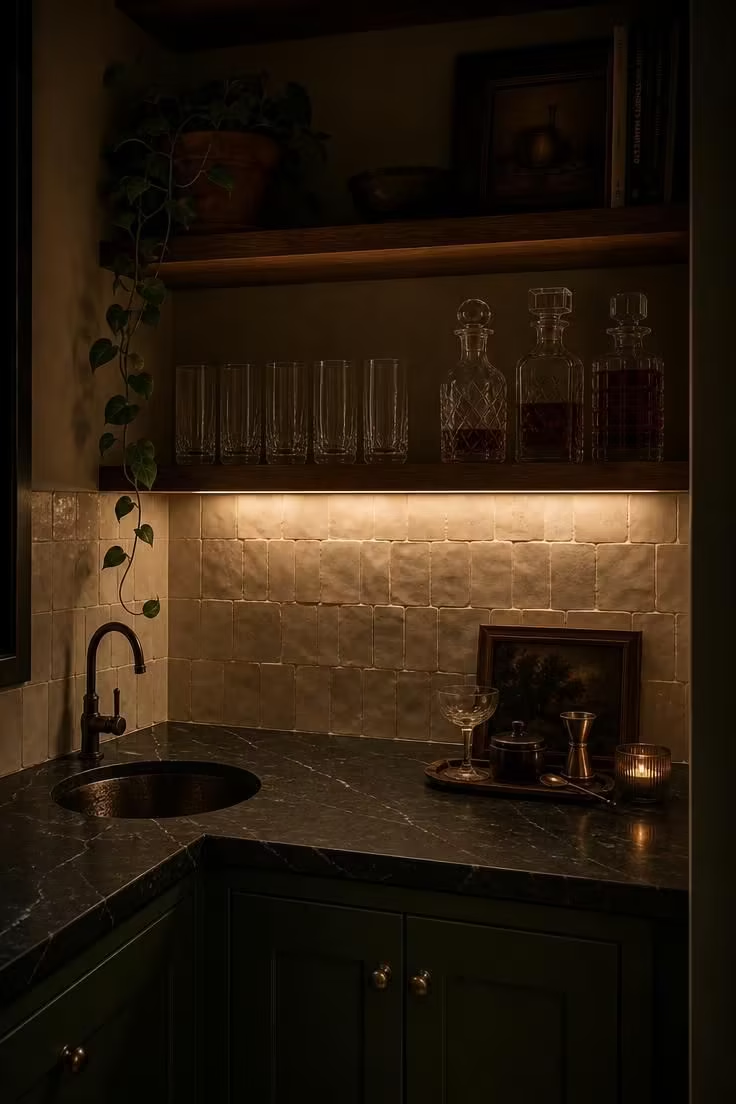
A corner is often the least usable space in a living room, but it can become the room's most functional bar zone.
Two short cabinet runs meeting at a corner, or a single angled cabinet with a triangular top, create a distinct service area without consuming floor space or interrupting the main circulation path.
The corner bar feels like it was always meant to be there, tucked into the room's geometry rather than placed against a wall.
The soapstone counter is what elevates a corner bar from a shelving project to a permanent architectural feature.
Soapstone is dense, non-porous, and resistant to both acid and staining, which makes it ideal for a surface that will see citrus, bitters, and the occasional spill.
It also darkens beautifully with use, developing a patina that feels lived-in rather than damaged.
The backsplash in zellige tile introduces reflection and texture.
Zellige is a glazed Moroccan tile with irregular surfaces and slight color variation from piece to piece.
In a corner bar, it catches the small amount of light that reaches a recessed space and bounces it back toward the room.
Soft ivory or warm cream keeps the corner from feeling heavy.
Deeper green or blue would push the bar toward a more jewel-box effect.
A small round sink, if plumbing access allows, changes the bar's utility entirely.
It allows the host to rinse glassware, dump ice, and wash hands without leaving the room.
The sink can be as small as ten inches in diameter, utility-grade rather than a statement, and still transform the bar from a display station into a working service point.
The cabinetry below should be closed and shallow.
Twelve to sixteen inches of depth is enough for two rows of bottles, a small ice bin, and backup mixers.
Adjustable shelves allow tall bottles to stand upright.
A single drawer, if space permits, holds tools and linens.
Open shelving above works in a corner because the angles naturally frame the display.
Two or three shelves in a matching wood such as walnut, oak, or a painted wood that matches the cabinetry hold glassware, decanters, and a few decorative objects.
The key is to keep the shelves lighter than the lower run so the bar does not feel top-heavy.
Design Pro-Tip: In a corner wet bar, run an undercabinet light strip beneath the lowest upper shelf and angle it toward the backsplash. The zellige will scatter the warm light and make the entire corner glow without adding a visible fixture.
The corner bar works best when it is planned as a zone, not an afterthought.
That means the wall behind and beside it should be treated, the flooring should be able to handle a few drips, and the corner should not become a dumping ground for unrelated objects.
The bar needs to feel inevitable, as if the corner had been waiting for exactly this purpose.
Style Blueprint:
- Two short cabinet runs meeting at a corner with closed lower storage
- A soapstone counter that darkens and patinas with use
- A zellige tile backsplash in soft ivory or warm cream
- A small round utility sink if plumbing access allows
- Two or three open upper shelves in wood for glassware and a few objects
A Wall-Mounted Stemware Rack and Marble Shelf Above a Deep Window Sill
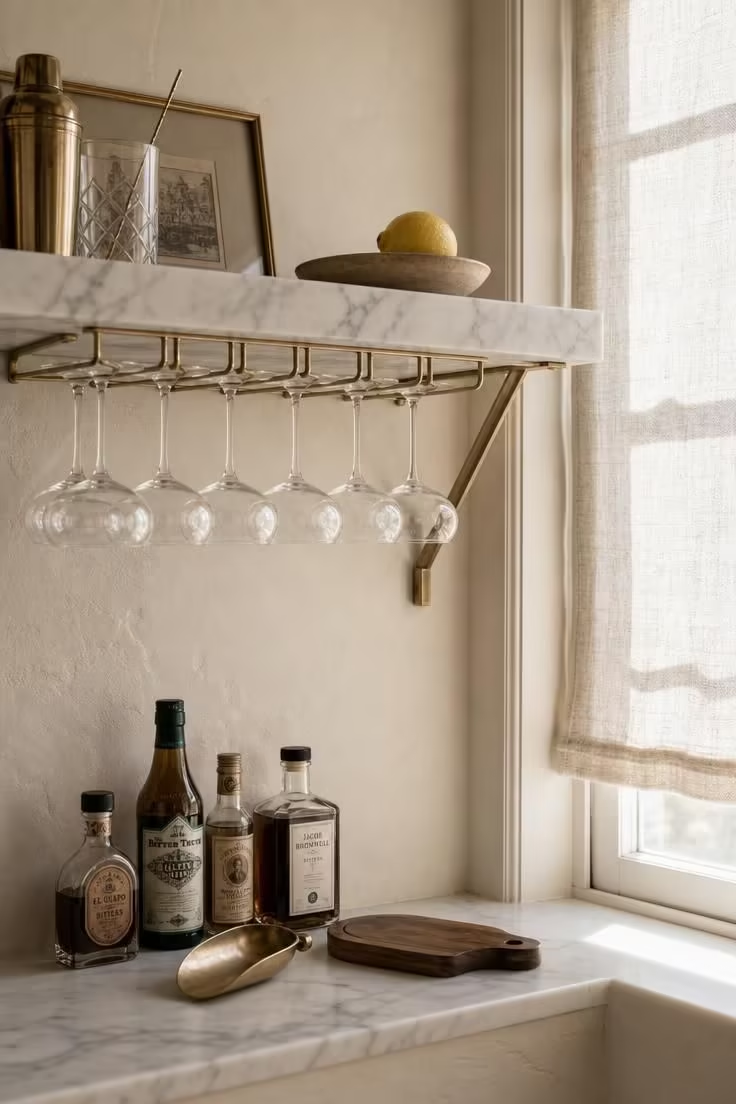
When floor and wall space are both scarce, the bar can move upward and inward toward a window.
A deep window sill of eight inches or more, paired with a wall-mounted marble shelf and a stemware rack, creates a vertical bar zone that uses no floor area at all.
The window provides natural light, a view, and a sense of airiness that no cabinet can replicate.
The marble shelf, mounted at bar height above the sill, becomes the working surface.
At twelve to sixteen inches deep, it holds a small tray of two or three bottles, a mixing glass, and a hand juicer.
The sill below then takes the overflow: bitters bottles, a small cutting board, a dish of citrus, or an ice bucket.
A brass stemware rack mounted under the marble shelf, or above it on the wall, keeps glasses off the working surface and turns them into a sculptural element.
Six to eight coupes or stemmed glasses hanging by their bases read as intentional display.
The rack should be placed high enough that glasses can be lifted off without tilting into the shelf below.
Because the arrangement sits near a window, direct sun is a real concern.
Spirits degrade slowly in heat and UV light, and labels fade.
A linen or cotton shade, even a sheer one, cuts the strongest light while preserving the airy feel.
Alternatively, use the visible shelf for glassware and non-perishable objects, keeping actual bottles in a closed cabinet elsewhere nearby.
This idea is best in living rooms where the bar is more about a moment than a collection.
It is a quiet idea, less about hospitality display and more about a private, daily ritual.
Style Blueprint:
- A wall-mounted marble shelf twelve to sixteen inches deep at bar height
- A brass stemware rack hung under the shelf for six to eight coupes
- A deep window sill with a sheer linen shade to soften direct sun
- A small cluster of bitters bottles and a brass ice scoop on the sill
- A single piece of citrus or a small cutting board as a working accent
A Brass and Glass Bar Cart Loaded with Amber Glassware and a Marble Top
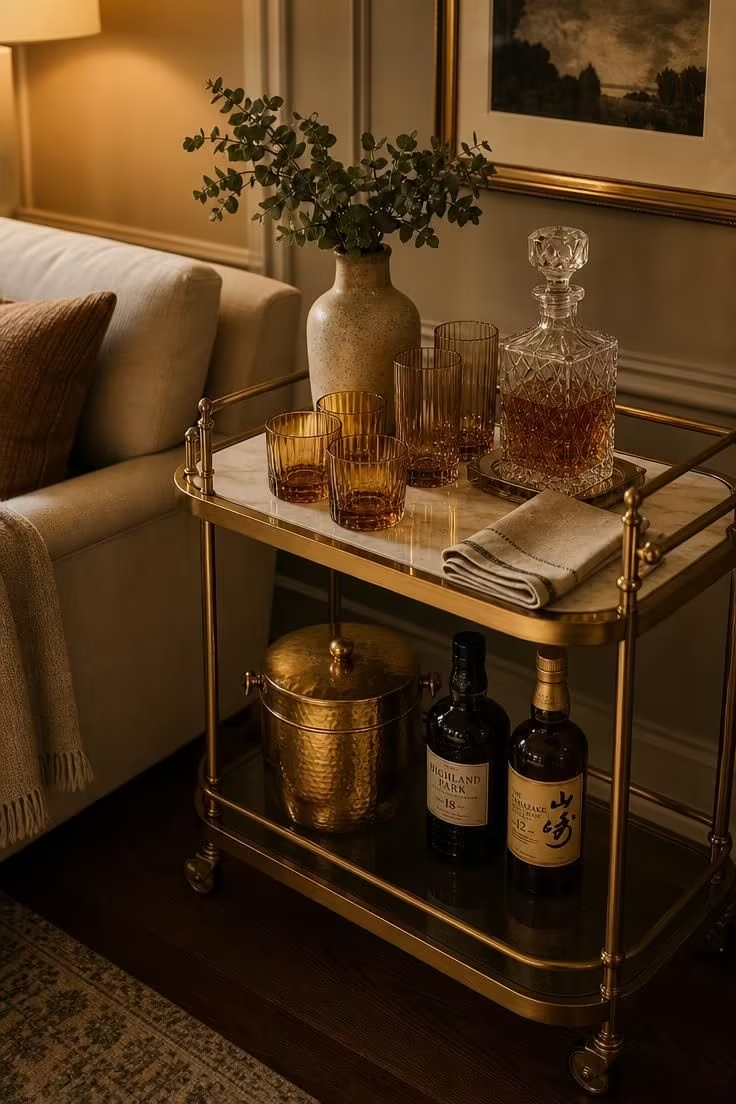
The bar cart is the most visually alive option in a living room bar, and the most fragile function.
Its role is not capacity but display: a small, moveable stage for a curated selection of bottles and glassware.
Everything on the cart is visible from every angle, which makes styling both the appeal and the discipline.
Bar cart styling rewards a light hand and punishes overloading.
A brass and glass cart with a marble top is the most enduring version of this piece.
The brass reflects warm light, the glass shelves keep the silhouette light, and the marble top provides a durable surface for a shaker and a cutting board.
The combination reads as both glamorous and practical, suited to rooms with velvet upholstery, vintage rugs, or dark walls.
Amber glassware is the detail that makes this cart feel composed rather than cluttered.
A set of matching lowball and highball glasses in amber or smoked glass unifies the upper shelf and gives the cart a color story.
The bottles themselves, with their varied labels and shapes, recede behind the glassware's consistent tone.
A single decanter, also amber or cut glass, anchors the arrangement.
The cart should be loaded lightly.
Four to six bottles on the top shelf, a large ice bucket on the lower, and a stack of cocktail napkins tucked to one side.
The cart should be able to roll without rattling, which means leaving breathing room between objects and keeping heavier items lower.
Because it is portable, the cart can move between the living room and dining area when guests shift rooms.
That flexibility makes it useful in smaller homes, but it also means the cart needs a hard surface to roll on.
Casters struggle on deep carpet, so the cart should sit on wood, stone, or a low-pile rug.
Design Pro-Tip: Restyle the cart seasonally. Switch amber glass for clear in summer, add a small candle in winter, and rotate the spirit selection. A bar cart should feel alive, not like a museum installation that never changes.
The cart's finish needs to relate to the room's other metals.
If the living room already has brass lamps or hardware, a brass cart will feel coherent.
If the room leans toward blackened steel or chrome, choose that instead.
The cart should be one voice in a conversation, not a soloist shouting over the room.
Style Blueprint:
- A brass and glass bar cart with a white marble top
- A set of matching amber or smoked glass lowball and highball glasses
- A single cut glass or amber decanter as the anchor
- A hammered brass ice bucket on the lower shelf
- A small stoneware vase with eucalyptus or another simple stem
A Built-In Dry Bar Behind Fluted Oak Doors with an Integrated Beverage Refrigerator
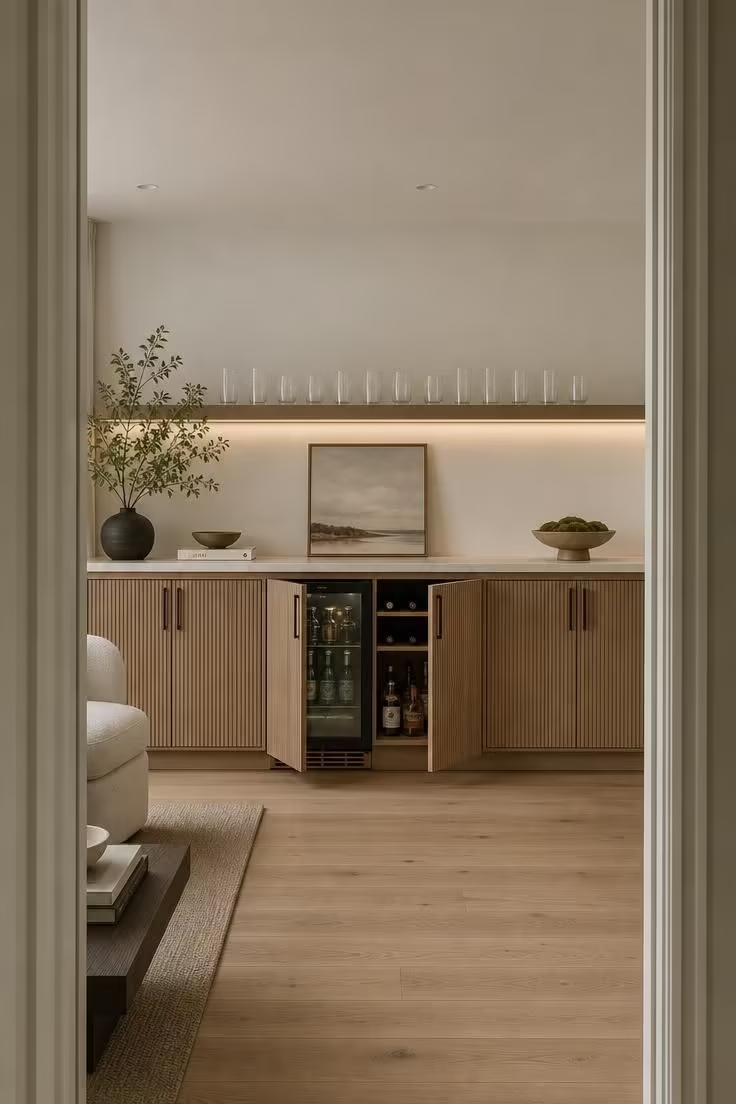
A full-scale built-in dry bar is the most permanent option and the most expensive in construction and wall space, but it offers capacity and integration that no freestanding piece can match.
The bar wall combines closed cabinetry below, open shelving above, and a small beverage refrigerator at one end, all set into a shallow run of cabinets that protrudes only twelve to sixteen inches into the room.
The fluted oak doors are the visual signature of this idea.
Fluting, or vertical grooves routed into the door fronts, adds texture and movement to a long cabinet run without introducing pattern or color.
Oak in a natural or lightly fumed finish keeps the wall warm and relates to wood flooring or case pieces elsewhere in the room.
The fluting also hides fingerprints, which matters on a bar.
An integrated beverage refrigerator changes the bar's utility.
Unlike a standard kitchen refrigerator, a beverage fridge is designed to hold bottles and cans at a consistent serving temperature, usually between thirty-four and sixty-four degrees.
It fits flush into the cabinetry run, so it does not break the visual line.
It also keeps white wine, beer, mixers, and chilled glassware out of the open air.
The upper shelf should be lit from beneath.
A narrow LED strip, recessed into the shelf's underside, throws warm light down onto the counter and across the drinkware.
Because the shelf is open, the glow becomes part of the room's ambient light at night.
The bar wall should share the room's paint color or wall treatment, not stand apart as a separate architectural event.
The goal is cohesion.
The bar reads as part of the room, not a restaurant feature transplanted into a domestic space.
The fluted oak, the beverage fridge, and the lit upper shelf are enough.
Adding tile, mirror, and paneling would tip the composition into noise.
One risk of a built-in bar wall is visual dominance.
A long run of cabinetry, especially with open display above it, can overwhelm a living room that was not designed to accommodate it.
The solution is restraint: close the lower cabinets, limit open display to one shelf, and keep the counter surface mostly clear when the bar is not in active use.
Style Blueprint:
- A long built-in cabinet run with fluted oak doors
- An integrated beverage refrigerator set flush at one end
- A single open upper shelf in matching oak lit from beneath
- A pale honed stone counter with a subtle grain
- Wall paint that matches the surrounding room for visual cohesion
A Painted Built-In Alcove Bar with an Antique Mirror Backsplash and a Single Brass Rail
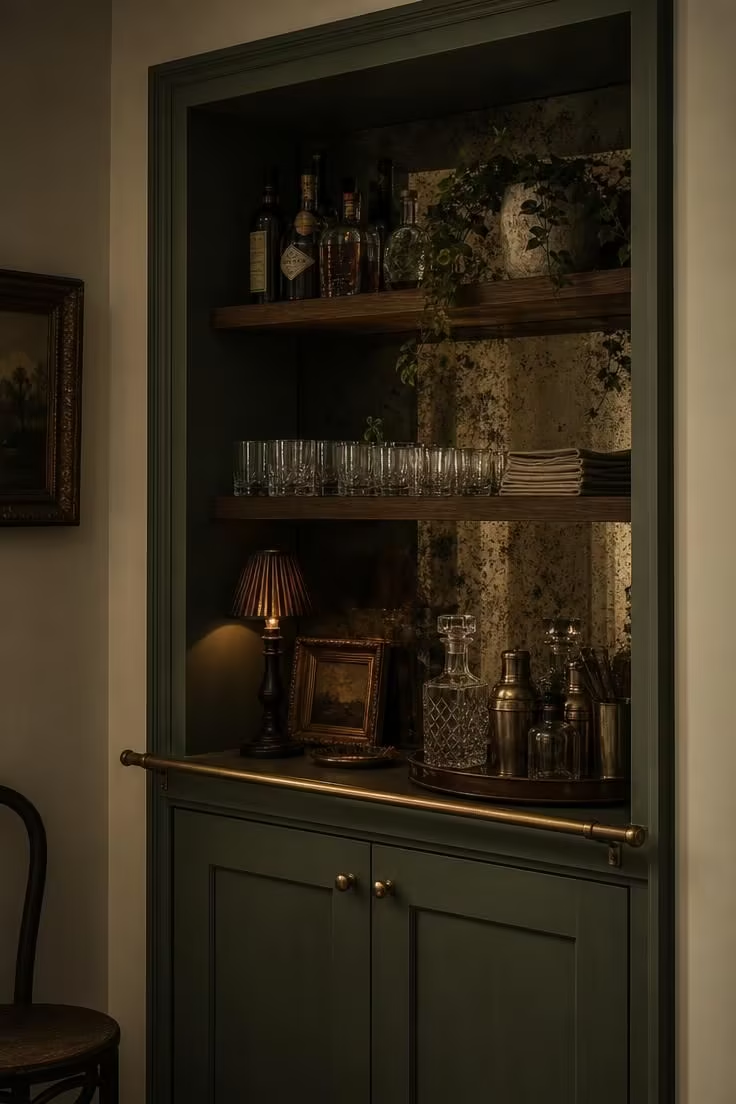
A built-in bar alcove can become the most efficient bar in the house without consuming a single square foot of living room floor.
The typical alcove depth of twelve to sixteen inches is exactly what a bar needs: enough for bottles, glassware, and a small working ledge, but shallow enough to feel like an architectural feature rather than a room within a room.
The antique mirror backsplash is the element that transforms an alcove from a plain recess into a bar with atmosphere.
Antique mirror, with its soft foxing and smoky tone, reflects light without the harsh clarity of a new mirror.
It hides small splashes, adds depth to a shallow space, and suggests a long history without saying a word.
Under a small light, the mirror doubles the bottles and makes the collection feel larger.
A bar backsplash mirror made of antiqued glass gives a shallow niche far more depth than painted drywall.
A single brass rail across the front of the alcove, mounted at counter height, adds a traditional barroom note without tipping into pub decor.
The rail serves as a visual frame, a resting spot for a folded towel, and a subtle cue that this recess is a bar, not a bookshelf.
One rail is enough.
There is no need for a foot rail, beer taps, or any other commercial fixture.
The alcove should be painted a deeper tone than the surrounding wall to create depth.
Soft deep green, muted navy, or warm charcoal each work well.
The deeper color recedes visually, making the alcove feel larger than it is, while the mirror pushes the wall back even further.
The exterior trim and surrounding wall should stay lighter so the alcove reads as an intentional shadow.
Inside, the configuration is straightforward.
A lower cabinet or open shelf for bottles and tools, a counter surface at bar height, and one or two upper shelves for glassware.
The counter can be a stone offcut, a matching wood slab, or simply the painted base of the alcove itself if the finish is durable.
Design Pro-Tip: If the alcove has electrical access, mount a small outlet inside for a compact icemaker or an undercabinet light. If not, a rechargeable puck light on the upper shelf provides enough evening light for mixing.
The alcove bar's greatest advantage is what it does not require: no new furniture, no floor plan changes, no loss of circulation space.
It takes a space the room was already using poorly and gives it one clear job.
That directness is what makes it feel architectural rather than added.
Style Blueprint:
- A former closet or shallow niche painted in soft deep green, muted navy, or warm charcoal
- An antique mirror backsplash with visible foxing and a smoky tone
- A single brass rail across the front at counter height
- One or two upper wood shelves for glassware and a small plant
- A lower cabinet or open shelf for bottles and tools
A Travertine-Topped Console Table Converted to a Bar with a Row of Brass Sconces Above
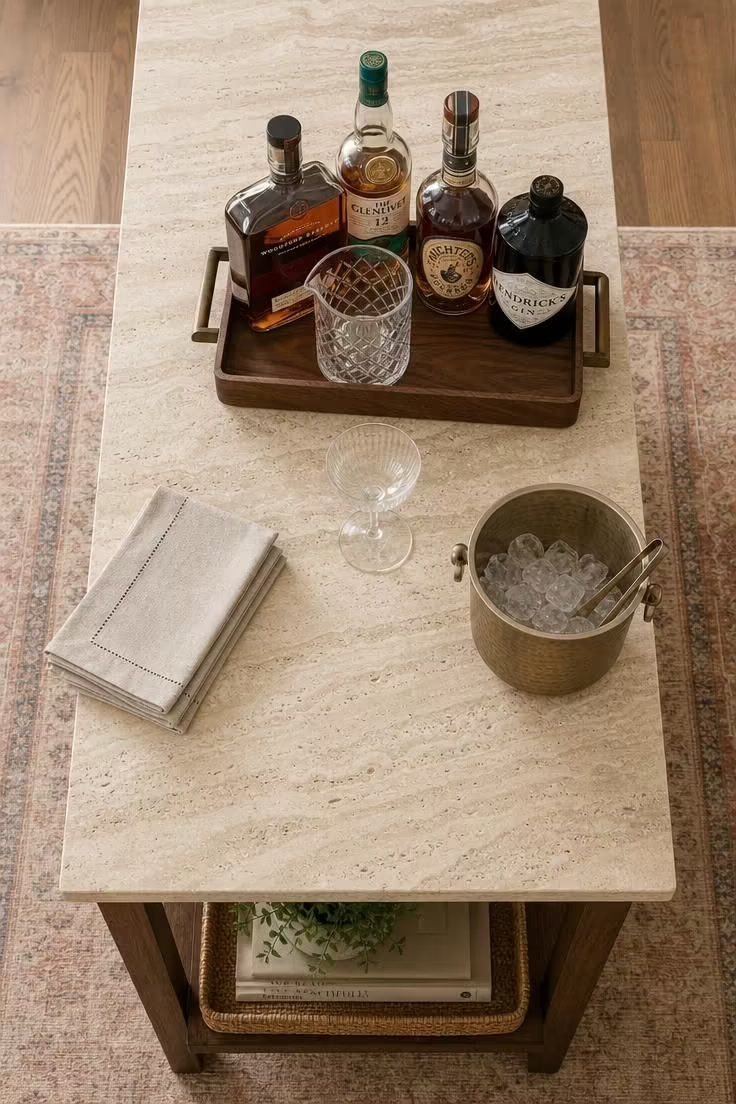
A console table is the most underrated starting point for a living room bar.
It is narrow enough, twelve to eighteen inches deep, to sit against a wall without blocking circulation, and its height, usually around thirty to thirty-six inches, works as a comfortable serving surface.
The right console can be converted into a bar with no structural work beyond a stone top and a few well-placed objects.
Travertine is the material that makes this idea specific and enduring.
The stone's soft beige tones, natural veining, and open pores give it a texture that feels warm rather than clinical.
Travertine is durable enough for direct contact with citrus and condensation, and it develops a subtle patina as it absorbs oils and waxes.
A honed, unfilled finish is best for a bar surface, as it hides small marks and feels softer under glass.
A row of brass sconces above the console, spaced evenly and mounted at sixty to sixty-six inches, gives the bar a sense of ceremony.
The sconces should be small and narrow: picture lights, shaded brass cylinders, or simple metal cones.
They should read as a row rather than four competing fixtures.
Their warm light pools on the travertine and defines the bar zone without needing to be on during the day.
Home bar lighting with small brass fixtures above a console keeps the whole setup looking intentional.
The console's lower shelf, if it has one, should hold closed storage rather than open bottles.
Two or three low baskets, a lidded wooden box, or a pair of small cabinets keep backup bottles and tools hidden.
The lower shelf is too close to the floor for open display.
It reads as clutter even when organized.
Styling the top follows the same logic as any bar.
A large tray holds the working bottles and tools, a small ice bucket sits at one end, and a stack of linen cocktail napkins or a bud vase breaks the horizontal line.
The travertine should remain partially visible.
It is not just a surface but part of the composition.
This idea works in rooms where a full built-in feels too permanent and a cart feels too casual.
The console bar is a middle path: furniture that performs like architecture, a surface that changes function without changing anything else in the room.
Style Blueprint:
- A console table with a honed, unfilled travertine top
- A row of small brass sconces mounted at sixty to sixty-six inches above
- A low wooden tray holding spirits and a mixing glass
- Closed lower storage such as baskets or a lidded box for backup bottles
- A hammered ice bucket and a stack of linen napkins on the surface
A Paneled Dry Bar Wall with a Fold-Down Shelf and Hidden Cabinet Hardware
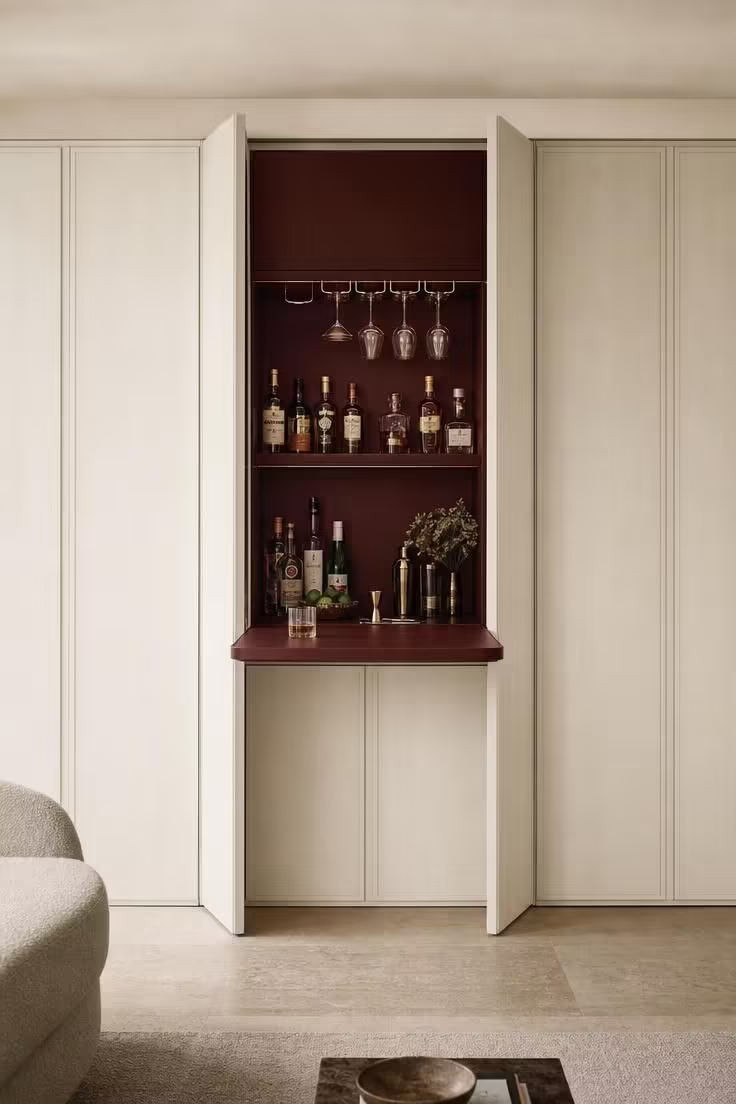
The most discreet version of a living room bar is one that disappears entirely when closed.
A paneled dry bar wall, floor-to-ceiling wood paneling with a recessed bar section hidden behind two of the panels, offers complete camouflage.
When the doors are shut, the wall reads as architectural paneling.
When opened, it reveals a shallow, fully fitted bar with a fold-down shelf.
The fold-down shelf is the key to this idea's directness.
Mounted at bar height within the recess, it swings down on brass hinges to create a working surface, then folds back up against the back panel when the bar is closed.
The shelf should be at least sixteen inches deep when open, which means the recess itself needs to be roughly eighteen to twenty inches to accommodate the shelf's folded position and the depth of the bar's interior.
Hidden cabinet hardware is what preserves the illusion.
Touch-latch or push-to-open mechanisms eliminate handles and knobs, so the panels read as continuous surface.
The only visible clue that the wall contains a bar is a slight seam where the doors meet.
That seam can be disguised with the paneling's vertical joints.
Inside, the bar should be fitted as thoroughly as any built-in.
Adjustable shelves for bottles, a stemware rack under the top panel, a small drawer or divided tray for tools, and a narrow LED strip recessed into the back panel.
The interior can be painted a contrasting color such as deep green, black, or oxblood, so that the moment of opening reveals a small jewel box within the wall.
The paneling itself should match or closely relate to the room's existing trim and millwork.
In a room with traditional crown molding and wood floors, the paneling might be painted the same warm white as the walls with only the grain of the wood showing.
In a more contemporary room, walnut or white oak paneling in a matte finish adds warmth without ornament.
Design Pro-Tip: Install a small magnetic catch that holds the fold-down shelf fully open and releases with firm pressure. A shelf that wobbles or drops unexpectedly will make every pour feel unstable, and a strong magnetic catch solves it without visible hardware.
The paneled bar wall is the most demanding idea to execute well because it requires precision.
The reveal must be flush, the hinges must align with the panel joints, and the interior depth must be exactly planned.
When it works, though, it is the only version that has no daytime presence at all.
Style Blueprint:
- Floor-to-ceiling wood paneling with two center panels hinged as hidden doors
- A fold-down shelf mounted at bar height inside the recess
- Touch-latch or push-to-open hardware with no visible knobs or handles
- An interior painted deep green, black, or oxblood for a jewel-box moment
- A recessed LED strip and a small brass stemware rack inside
A Compact Tall Cabinet Bar for Small Spaces with a Fold-Down Front and Vertical Bottle Racks
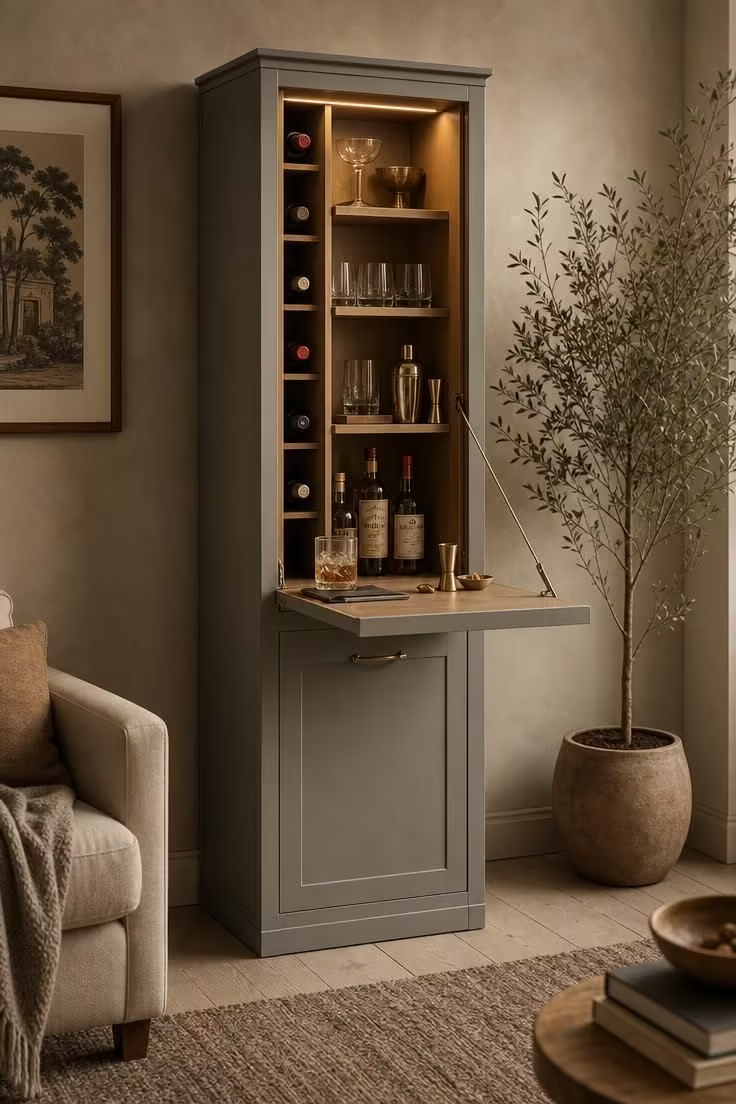
Small-space bar ideas for home living rooms usually fail when they try to do too much.
A compact tall cabinet, around twenty-four to thirty inches wide and at least seventy inches tall, solves the problem by going vertical rather than horizontal.
Its footprint is smaller than a side table, yet its interior can hold a complete bar: bottles in vertical racks, glassware on shallow shelves, tools in a small drawer, and a fold-down front that creates a working surface.
A small space bar like this trades width for height and comes out ahead.
The fold-down front is the most useful detail.
Mounted on hinges at the bottom, it drops forward to become a mixing shelf at roughly counter height.
When closed, it disappears into the cabinet's face, leaving a clean vertical line.
A small gas strut or chain holds it level and stable.
Vertical bottle racks on one interior side are more efficient than flat shelves in a narrow cabinet.
They hold bottles by the neck or base, allowing six to ten bottles to stand in a space that would otherwise hold four.
The racks should be padded at the contact points to prevent rattling.
On the other side, shallow shelves of eight to ten inches hold lowball glasses, a mixing glass, and a small tray of tools.
A narrow LED strip recessed into the cabinet's top panel lights the interior when the front is folded down.
The exterior finish should stay quiet.
Muted warm gray, soft sage, or a pale mushroom tone lets the cabinet read as case furniture rather than a bar.
A single brass pull or a recessed finger groove is enough.
This piece works for renters who cannot alter walls and for small living rooms where every square foot of floor matters.
The bar organization inside is what makes it feel usable rather than cramped.
Bottles grouped by spirit type, tools in one small tray, and no more glassware than the cabinet can hold without stacking.
The goal is a compact, fully functional station that can make three or four types of drinks well.
The narrow cabinet bar succeeds when it respects its own limits.
Style Blueprint:
- A narrow tall cabinet twenty-four to thirty inches wide and at least seventy inches tall
- A fold-down front panel that becomes a working shelf at counter height
- Vertical bottle racks padded at the contact points
- A recessed LED strip inside the top panel for evening use
- A muted exterior finish in warm gray, soft sage, or pale mushroom
Conclusion
A living room bar succeeds when it is treated as a layered composition rather than a furniture purchase.
The surface, the light, the stored objects, and the surrounding wall all participate.
Some of these setups lean on architecture: a painted alcove, a paneled wall, a corner with a stone counter and tile.
Others lean on furniture: a lacquered armoire, a low dresser, a round pedestal table.
The common thread is restraint.
A small number of bottles, a consistent material story, and a single light source do more than a larger collection ever could.
Home bar essentials matter less than home bar editing.
The goal is a zone that feels inevitable, as if the room had been waiting for it.