This post may contain affiliate links. If you make a purchase through these links, we may earn a commission at no additional cost to you.
Vintage interior design style turns the warmth and beauty of past decades into something you can live in every day.
This decorative approach draws from the early 20th century through the 1980s, pulling the most distinctive furniture, color palettes, and handmade details from each era to create rooms that feel layered with personality.
Where passing trends fade within a few seasons, vintage style holds its appeal through a devotion to quality craftsmanship, one-of-a-kind character, and the kind of nostalgic comfort that makes a house feel genuinely loved.
What Defines Vintage Interior Design?
Time Periods and Influences
Vintage interior design draws from a wide range of historical periods, each with its own palette, silhouettes, and decorative details that can be mixed freely to build personal, eclectic spaces.
Many designers focus on mid-century aesthetics from the 1940s through the 1970s, though the style references everything from Victorian parlors to early-1980s country kitchens.
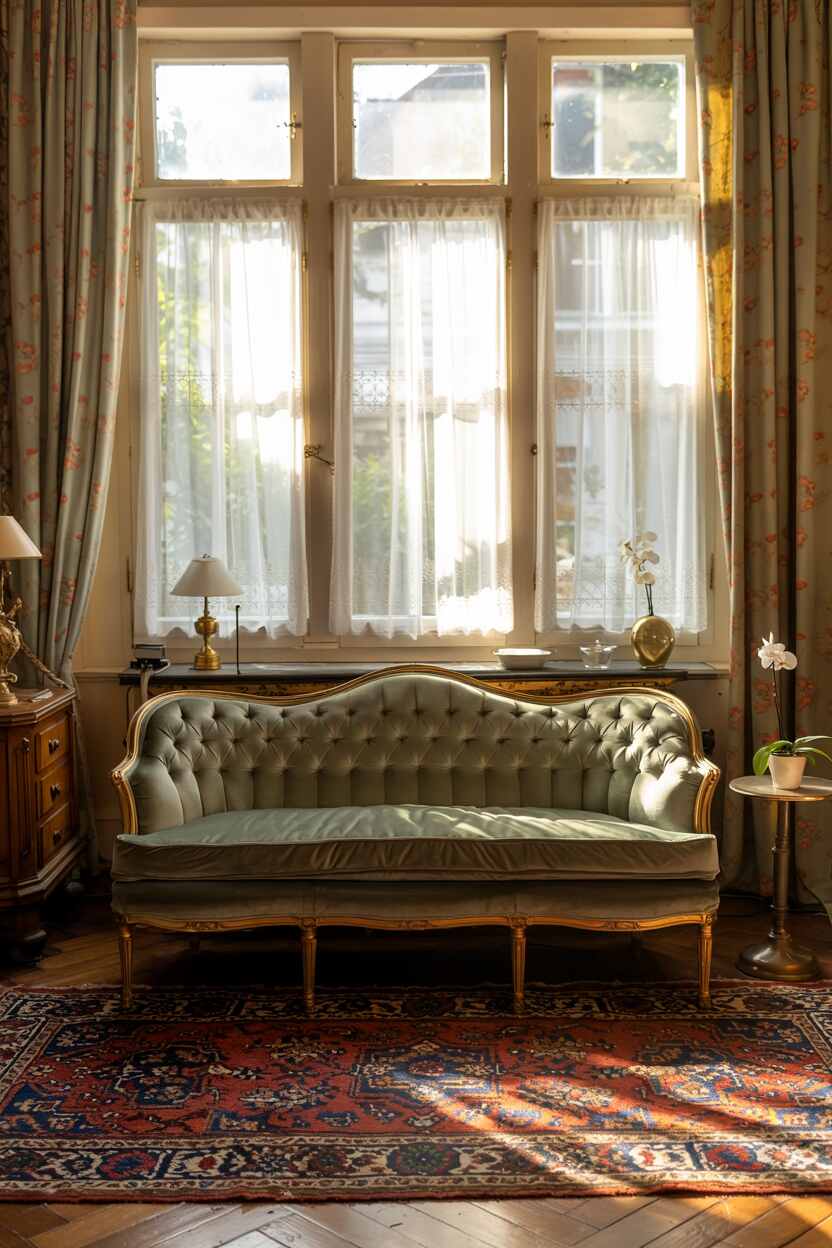
The Victorian era brought ornate carvings, dark woods, and richly layered textiles that still anchor formal sitting rooms today.
Art Deco from the 1920s and 1930s introduced bold geometric patterns and glamorous finishes like lacquer, mirrored glass, and polished chrome.
Mid-century modern design, spanning the 1940s through the 1960s, favored clean lines, organic forms, and a confident mix of wood, metal, and molded plastic.
The retro energy of the 1960s and 1970s pushed bolder colors, playful patterns, and experimental furniture shapes into the mainstream, and early vintage pieces from the 1980s layered in warm tones with country-inspired charm.
The Philosophy Behind Vintage Design
At its heart, vintage interior design honors craftsmanship and character over mass-produced uniformity.
Pieces with visible tool marks, a hand-stitched seam, or a gentle patina carry stories that factory furniture simply cannot replicate.
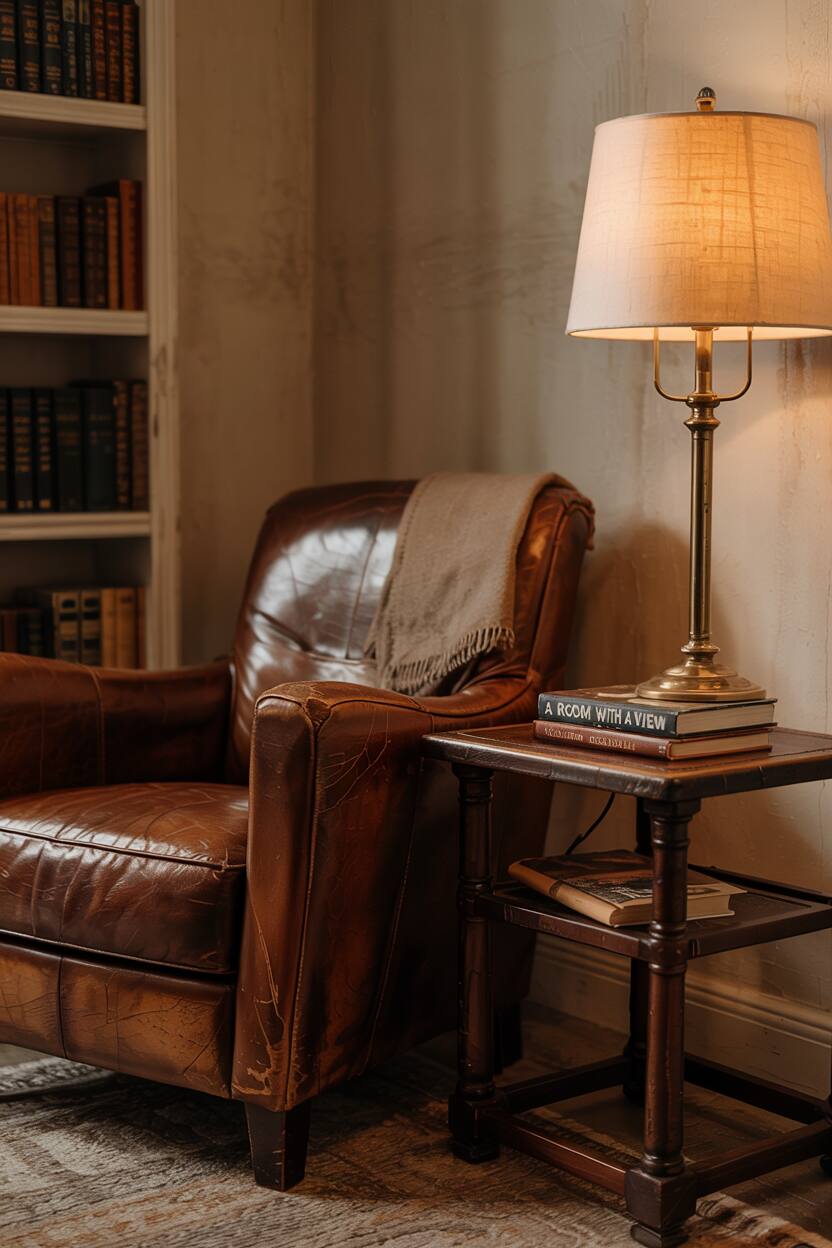
The approach prizes natural materials that deepen in beauty over time, from leather that softens with sitting to brass that mellows to a honeyed glow.
One-of-a-kind finds, whether a flea-market lamp or a grandmother’s writing desk, add a personality to rooms that no catalog purchase can match.
True vintage interiors balance older treasures with newer pieces, creating rooms that look collected across years rather than purchased in a single afternoon.
Design Pro-Tip: Start with one anchor piece from a specific era, like a mid-century credenza or a Victorian side table, and let the rest of the room respond to its wood tone, scale, and mood.
Signature Elements of Vintage Style
Furniture Characteristics
Vintage furniture often reveals superior construction the moment you flip it over or pull open a drawer, with solid wood frames, dovetail joints, and hand-planed surfaces that signal real attention to detail.
Mahogany, oak, and walnut show up frequently, their natural grain patterns deepening in richness with every passing year.
Carved spindles, inlaid veneers, and turned legs give each piece a silhouette tied to its specific decade.
Upholstery fabrics run toward velvet, brocade, and tightly woven tweeds, materials chosen for their durability and tactile warmth.
Traditional joinery, visible through exposed tenons or carefully fitted tongue-and-groove backs, tells you the piece was built to survive generations.
That longevity explains why so many vintage chairs, dressers, and dining tables remain beautiful, fully functional anchors in contemporary homes.
Color Palettes
Vintage color schemes shift dramatically depending on the decade, but they share a common thread: slightly softened, lived-in versions of the bold shades that defined their time.
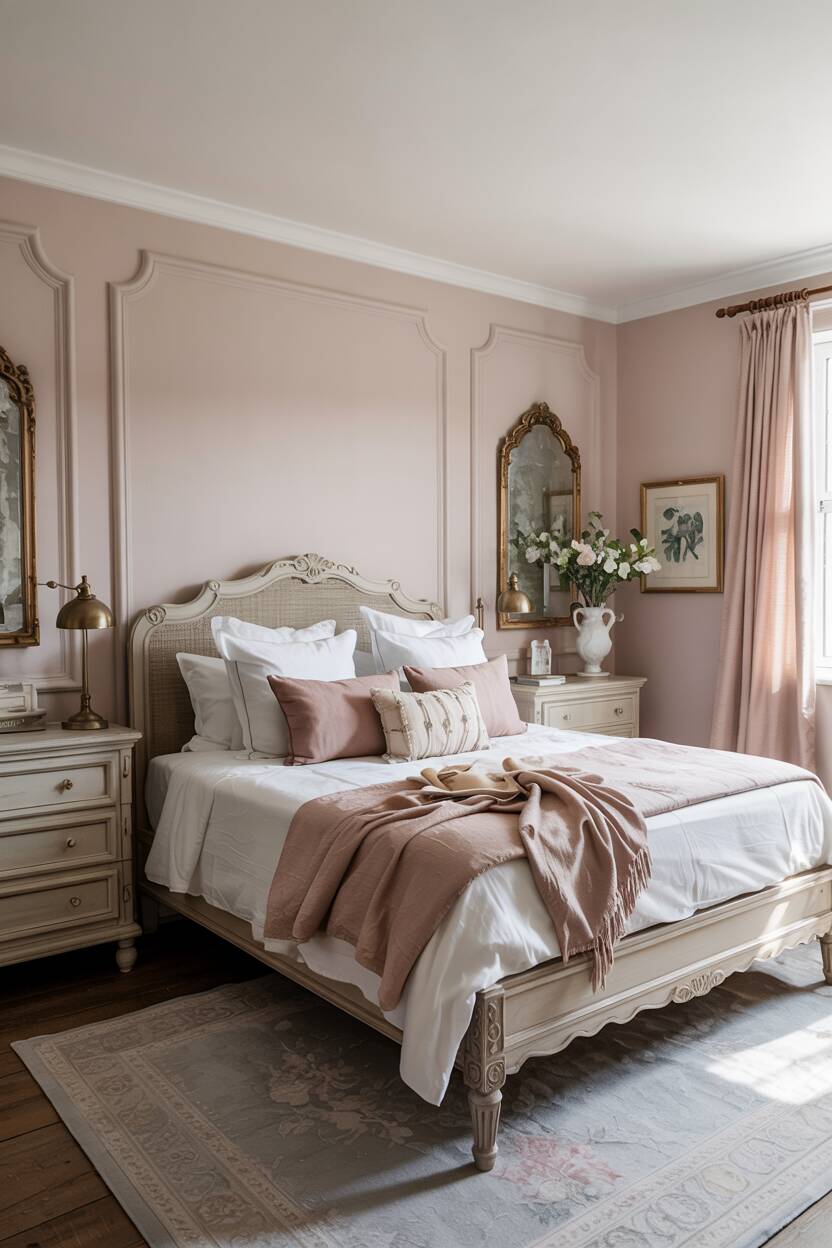
Victorian palettes lean toward deep burgundy, forest green, navy, and burnished gold, colors that feel rich without screaming for attention.
Art Deco rooms play with high-contrast black and white, punctuated by jewel-toned accents like jade green or warm coral.
Mid-century spaces favor burnt orange, olive green, mustard yellow, and teal, a palette that radiates optimism and warmth.
The 1970s brought earthy browns, rust, avocado, and harvest gold into kitchens and living rooms, and early vintage 1980s pieces introduced mauve, dusty blue, sage, and cream for a gentler effect.
Design Pro-Tip: Pull your accent colors from one era and your neutrals from another to keep the palette feeling personal rather than like a period replica.
Patterns and Textiles
Textiles play a starring role in vintage interior design, layering warmth, color, and visual rhythm into every corner of a room.
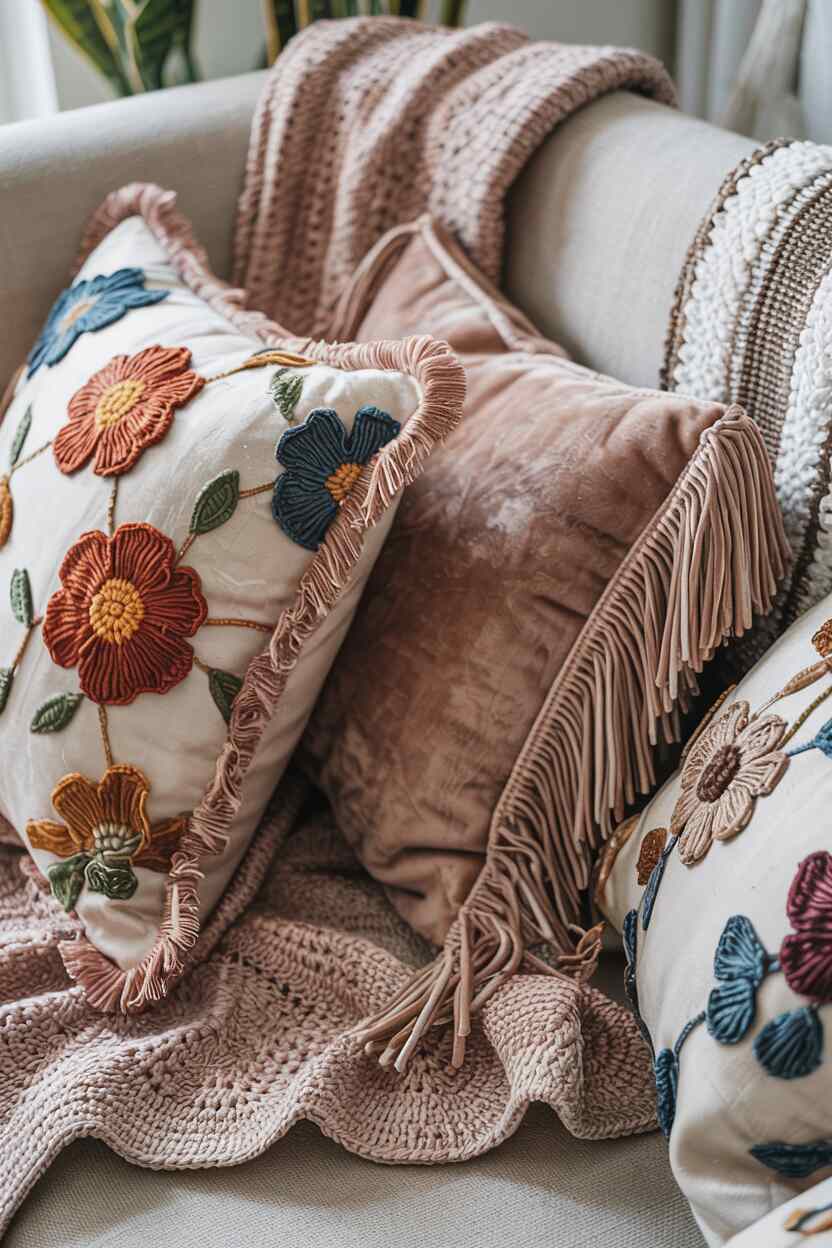
Floral motifs range from tiny cottage prints on kitchen curtains to large-scale cabbage roses sprawling across upholstered armchairs.
Geometric checks, bold stripes, and abstract mid-century prints add energy and structure to pillows, rugs, and table linens.
Damask weaves, paisley swirls, and delicate bird-and-butterfly prints bring a softer, more romantic mood to bedrooms and reading nooks.
Hand-stitched embroidery, crocheted doilies, and needlepoint pillows introduce texture that machine-made fabrics cannot replicate.
Layering these textiles at different scales, pairing a small gingham with a larger floral in the same color family, builds depth and comfort without overwhelming the eye.
Materials and Finishes
Vintage design gravitates toward natural materials that age with grace, gaining character and surface interest over decades of use.
Hardwoods like cherry, maple, and walnut develop a richer luster with every polishing, and their visible grain patterns tell a story no veneer can imitate.
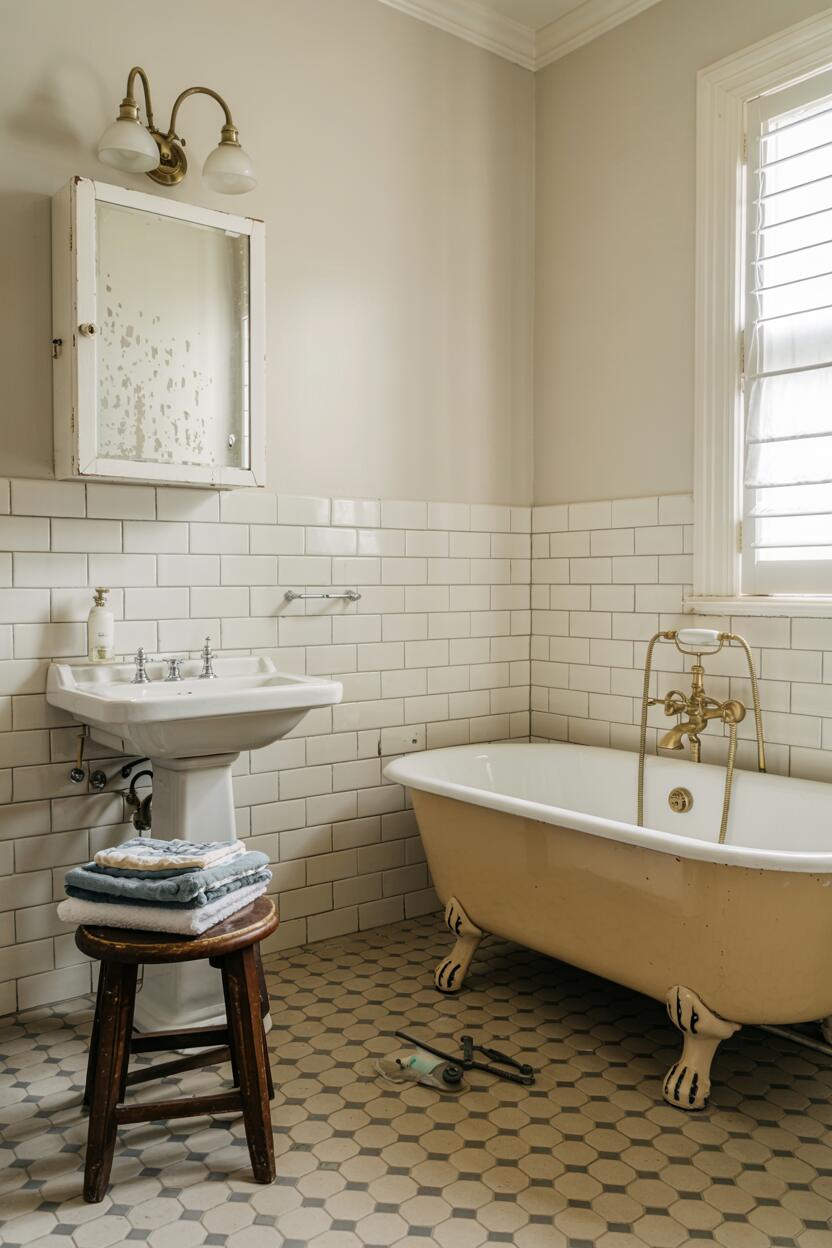
Brass, copper, and aged chrome hardware catch the light differently as their patina shifts, adding a lived-in gleam to cabinet pulls, lamp bases, and picture frames.
Marble countertops and granite thresholds acquire minor marks from daily life, and those subtle imperfections only add to their appeal.
Classic ceramic tiles, whether hexagonal mosaics on a bathroom floor or white subway rectangles on a kitchen backsplash, tie a room to a specific architectural moment in time.
Creating a Vintage Interior
Mixing Eras Successfully
One of the great pleasures of vintage interior design style is combining furniture and accessories from entirely different decades into a room that looks intentional and personal.
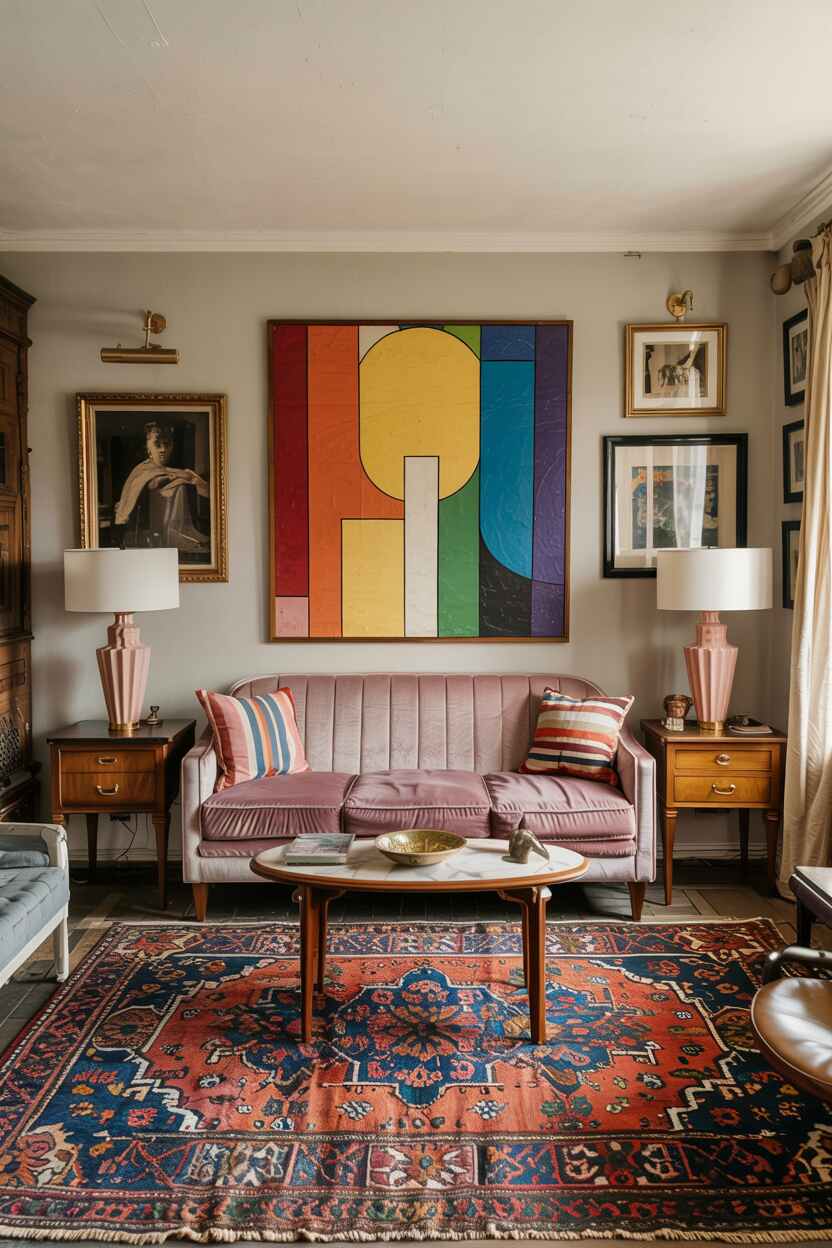
Start by identifying a unifying thread, whether that’s a shared wood tone, a complementary color, or a consistent metal finish like warm brass.
Design Pro-Tip: Pair one ornate piece with two or three simpler companions so the statement item gets breathing room and the overall composition stays balanced.
Balance heavier, more decorated furniture with cleaner-lined pieces so the room reads as gathered-over-time rather than cluttered.
Consistent textile colors, a dusty rose or a warm ivory repeated across throw pillows and curtains, can quietly unite a Victorian settee with a mid-century coffee table.
Give your most striking finds open space around them so their details are visible and their proportions feel deliberate.
The goal is not perfect matching but a thoughtful conversation between pieces that reveals your personal taste and the way your eye gravitates toward certain shapes, textures, and eras.
Finding Authentic Pieces
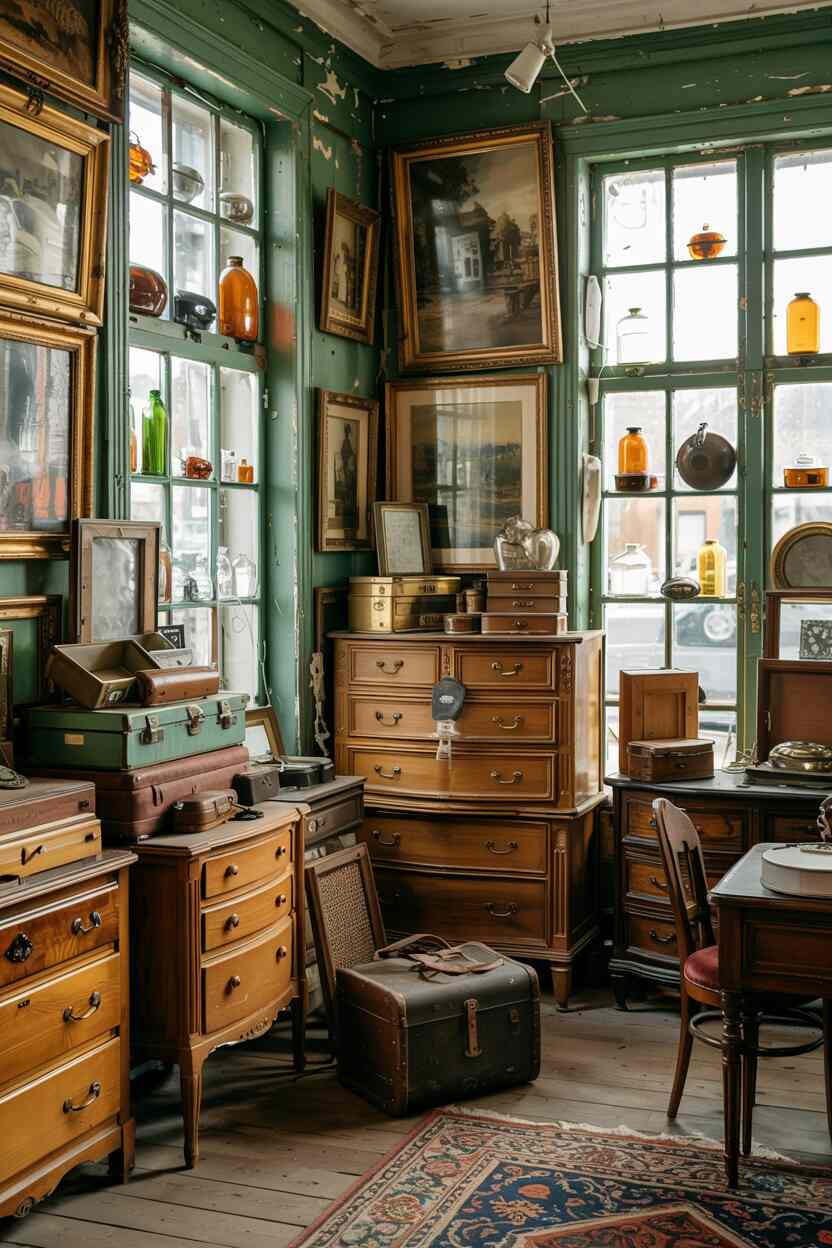
Sourcing genuine vintage items takes patience, a willingness to dig, and the ability to look past surface-level wear to the structure underneath.
Estate sales in older neighborhoods often turn up mid-century sideboards, solid-oak dining chairs, and ceramic lamps that haven’t been picked over by dealers.
Local antique shops and weekend flea markets reward regular visits, as inventory rotates and the best finds go quickly.
Online marketplaces specializing in vintage and antique goods expand the search beyond your city, connecting you with sellers who photograph joints, hardware, and maker’s marks up close.
Family hand-me-downs carry sentimental weight that no store purchase can match, turning a grandparent’s mirror or a childhood rocking chair into the emotional anchor of a room.
Upcycling and Restoration
Bringing a worn vintage piece back to life preserves its character and gives it a second chapter in a contemporary home.
Gentle cleaning with the right product for each material, saddle soap for leather, beeswax for wood, a soft cloth for brass, can reveal beauty hidden under years of dust and neglect.
Minor structural repairs like re-gluing loose joints or replacing a cracked drawer runner restore function without erasing the signs of age that give a piece its charm.
Reupholstering a worn seat cushion in a period-appropriate fabric refreshes the look and extends the piece’s useful life by decades.
Modern Vintage Fusion
Balancing Old and New
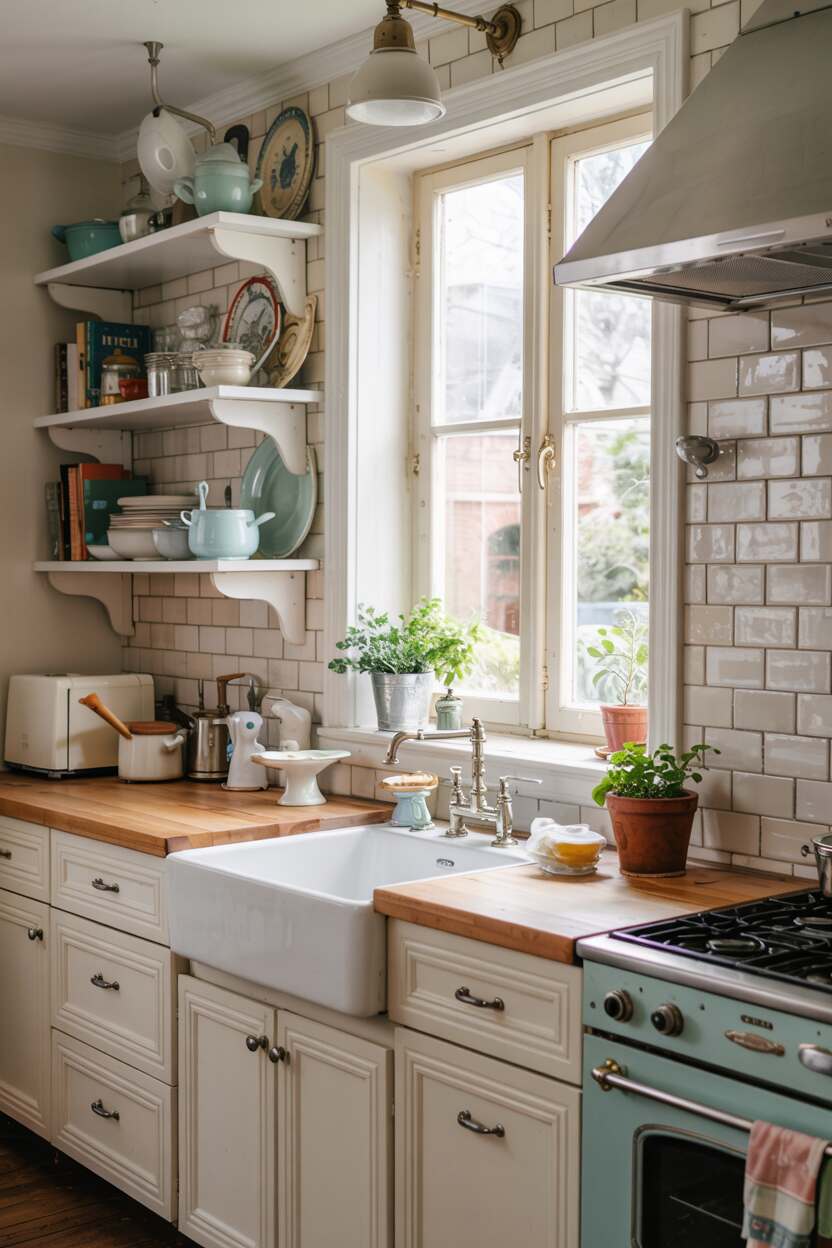
Modern vintage interiors weave period furniture into rooms that meet every demand of contemporary life, from smart lighting to open-plan flow.
Updated light fixtures, a sculptural pendant above a farmhouse table or recessed spots illuminating a gallery wall, bring older rooms into the present without sacrificing warmth.
Design Pro-Tip: Conceal modern technology inside a vintage cabinet, like a turntable console repurposed as a media center, to keep the room’s visual character intact.
A fresh coat of paint in a clean, neutral tone gives vintage furniture a calm backdrop where carved details and warm wood grains can stand out.
New upholstery on a vintage sofa frame lets you keep the proportions and craftsmanship of a mid-century silhouette with a fabric that fits your daily life.
Hanging a contemporary photograph next to an antique oil painting creates a visual dialogue between eras that keeps the room feeling alive and current.
Retro-Inspired New Pieces
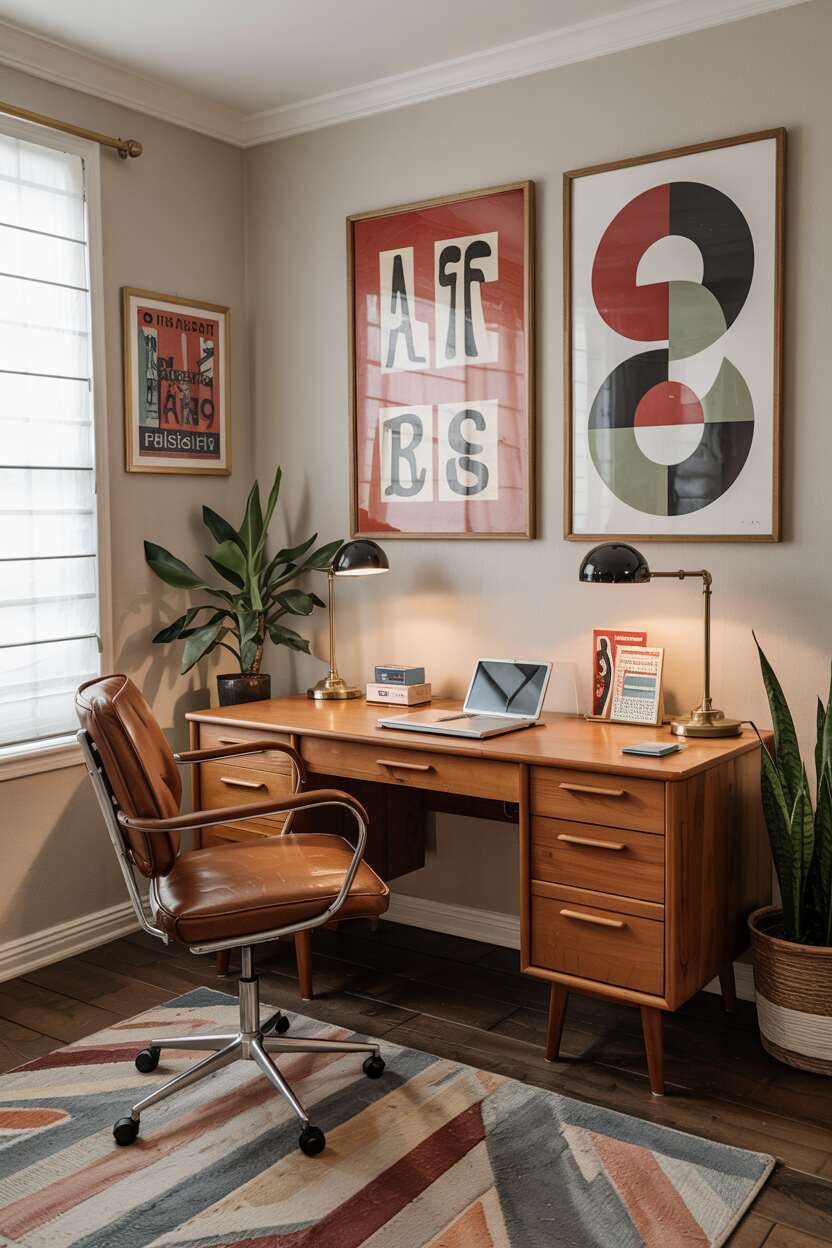
When authentic vintage items prove hard to find or impractical for a specific space, today’s manufacturers produce faithful reproductions with modern engineering beneath the surface.
Reproduction armchairs and dining tables echo classic lines and proportions, often built with improved joinery and more durable finishes.
New lighting fixtures styled after Deco torchieres or mid-century sputnik chandeliers come pre-wired to current safety codes and fitted for LED bulbs.
Fresh fabrics printed with archival patterns from the 1950s or 1960s bring the color and energy of those decades to pillows, curtains, and bench seats without the fragility of original textiles.
Contemporary appliances styled with retro curves, pastel enamel, and chrome trim let you achieve a vintage kitchen look with full modern performance underneath.
Visual Inspiration Gallery
Victorian-Inspired Elegance
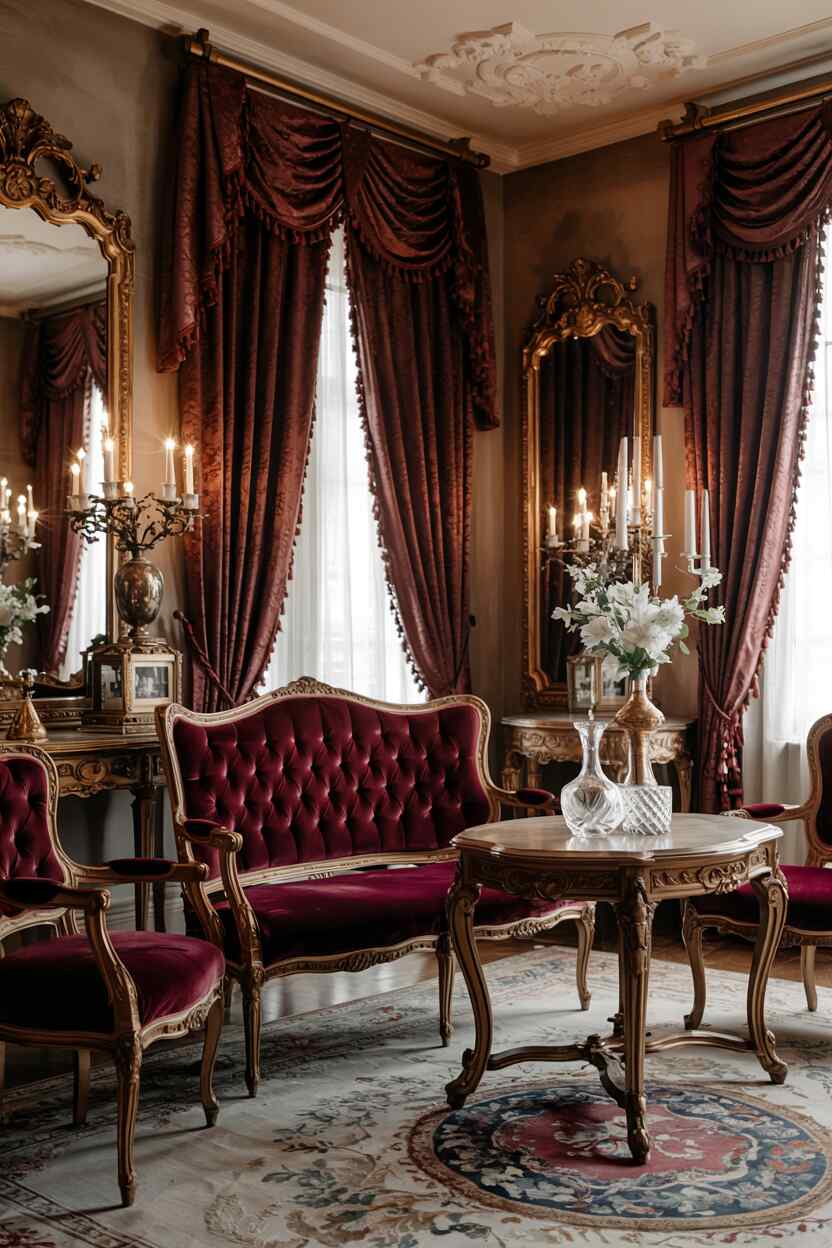
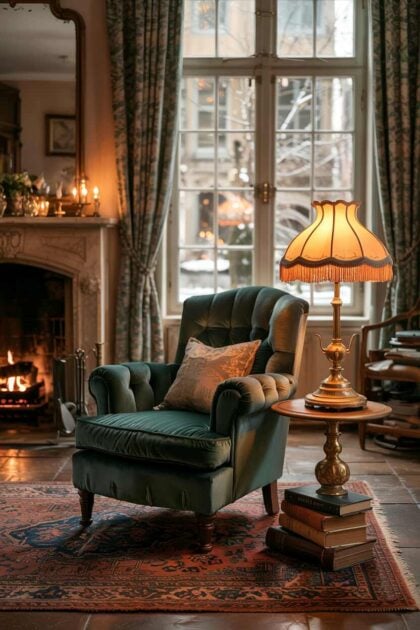
Victorian vintage interior design celebrates dense layering, from tufted velvet settees in deep burgundy to carved mahogany tables with serpentine legs.
This aesthetic suits older homes with crown molding, tall baseboards, and arched doorways where ornate furniture feels right at scale.
Heavier drapes, antique frames clustered on a papered wall, and crystal decanters catching lamplight build a sense of traditional grandeur collected over generations rather than assembled from a single source.
The darker wood tones and jewel-toned textiles create an atmosphere of warmth and formality that transforms a sitting room into a space worth lingering in.
Mid-Century Modern Simplicity
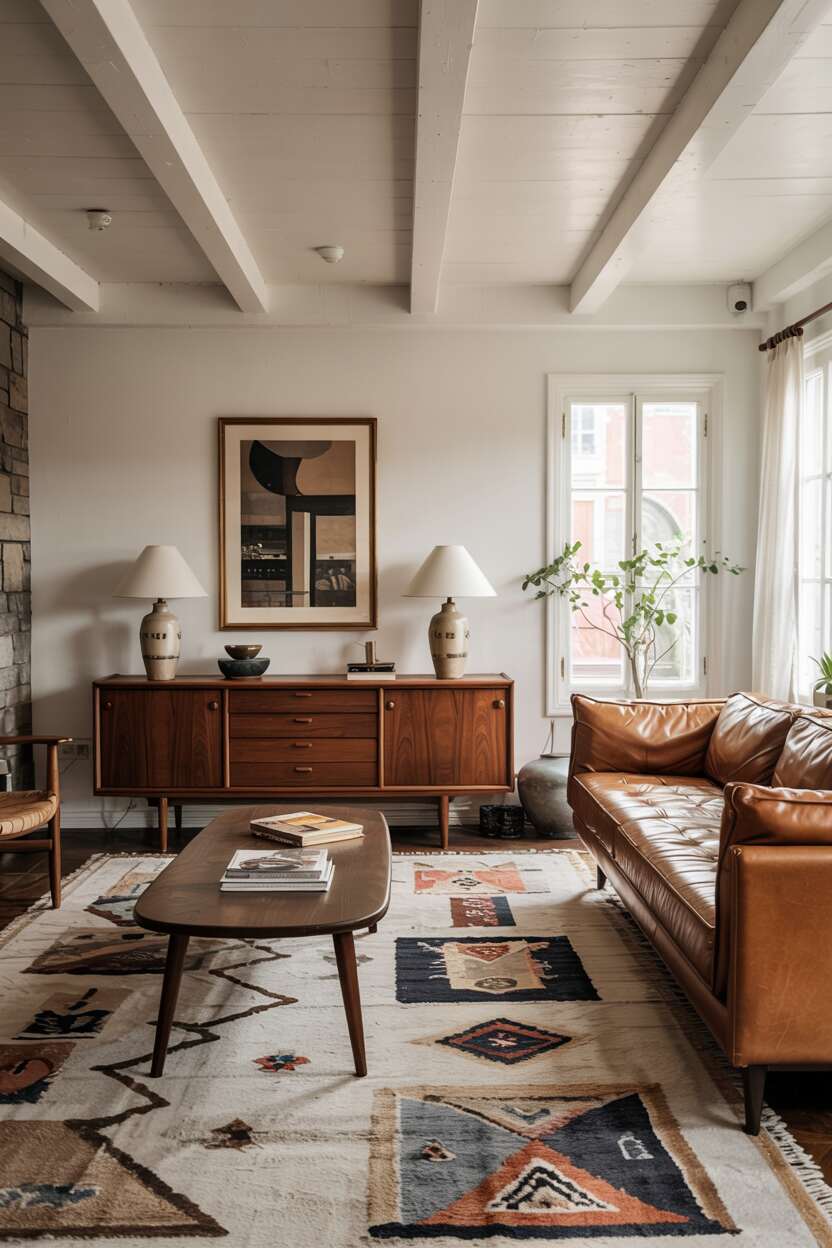
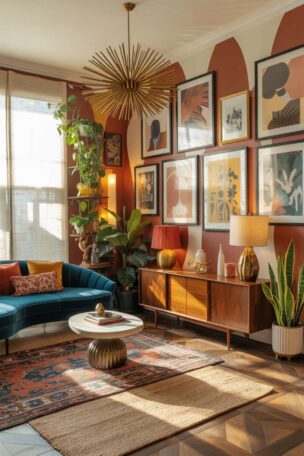
Mid-century vintage design opens a room up with low-profile furniture, warm teak and walnut tones, and geometric rugs in muted palettes.
Design Pro-Tip: Anchor a mid-century space with one iconic silhouette, such as a low-slung leather lounge chair, and surround it with simpler pieces so the room breathes.
Open floor plans and walls of glass suit this style perfectly, letting natural light play across the organic curves of molded plywood and tapered legs.
The emphasis on function and clean geometry makes mid-century pieces particularly compatible with contemporary living, adding warmth through rich wood grain and tactile upholstery.
Rustic Vintage Farmhouse
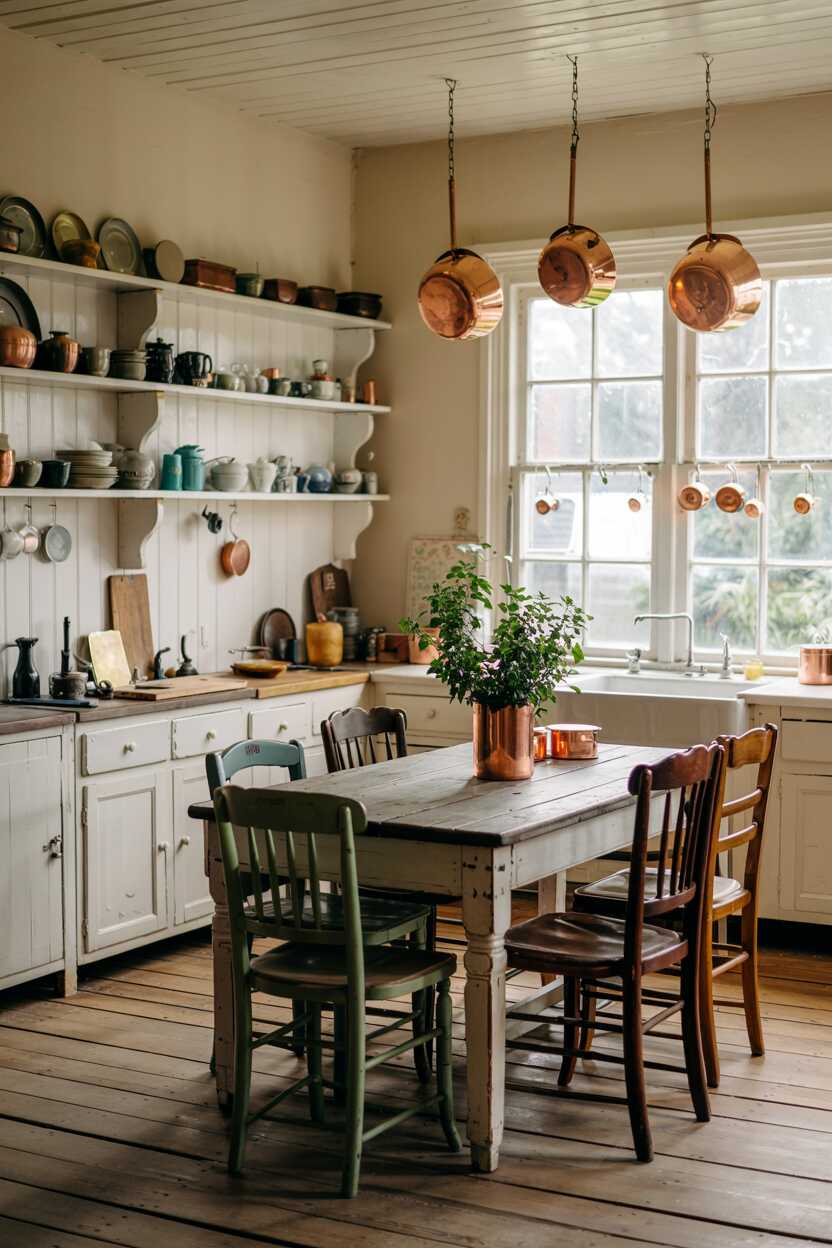
Rustic vintage brings country practicality and handmade charm into kitchens, dining rooms, and mudrooms where everyday life happens.
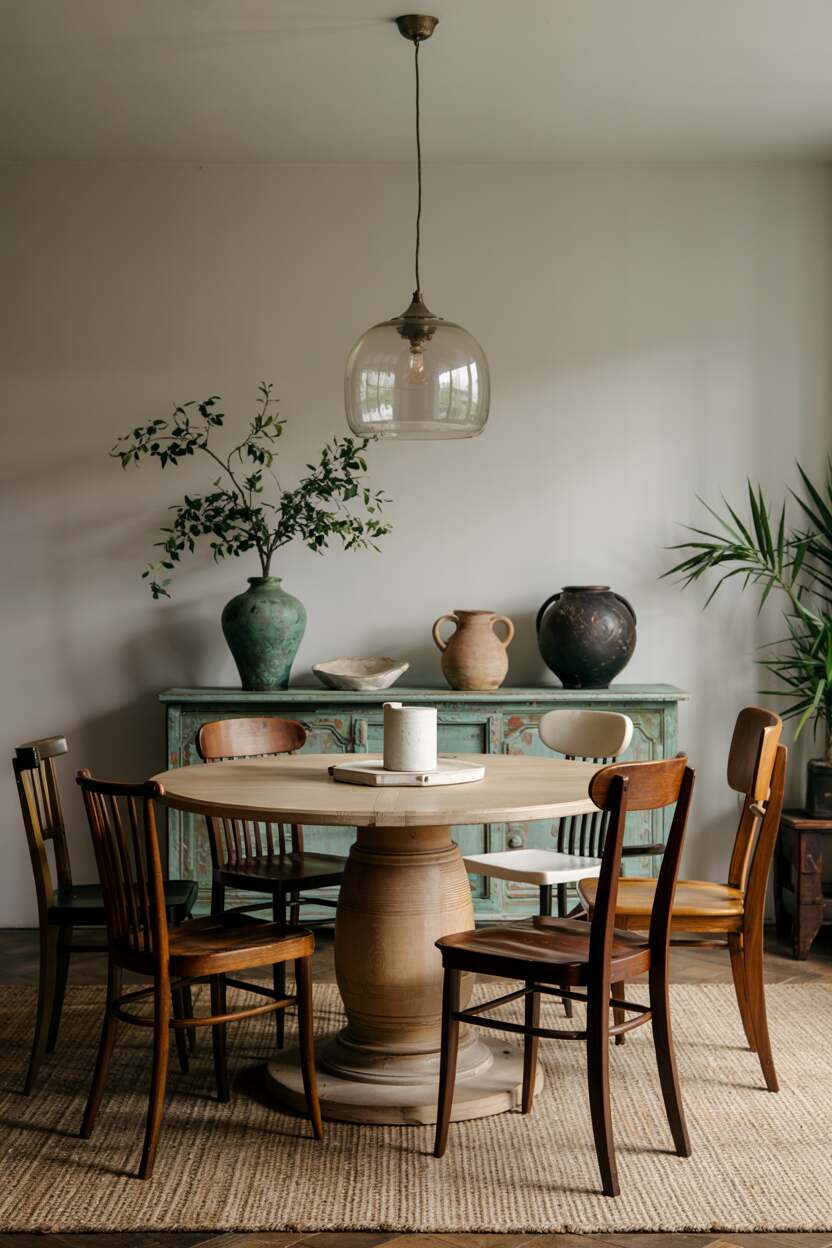
White-painted cabinets with edges worn down to bare wood, open shelves lined with collected crockery, and a sturdy farmhouse table surrounded by mismatched chairs all tell a story of daily use and easy hospitality.
Copper pots hanging from a ceiling rack, their surfaces mottled with natural patina, double as decoration and functional cookware.
The casual, gathered-over-time atmosphere of this style makes it one of the most approachable ways to bring vintage interior design into a busy household.
Art Deco Glamour
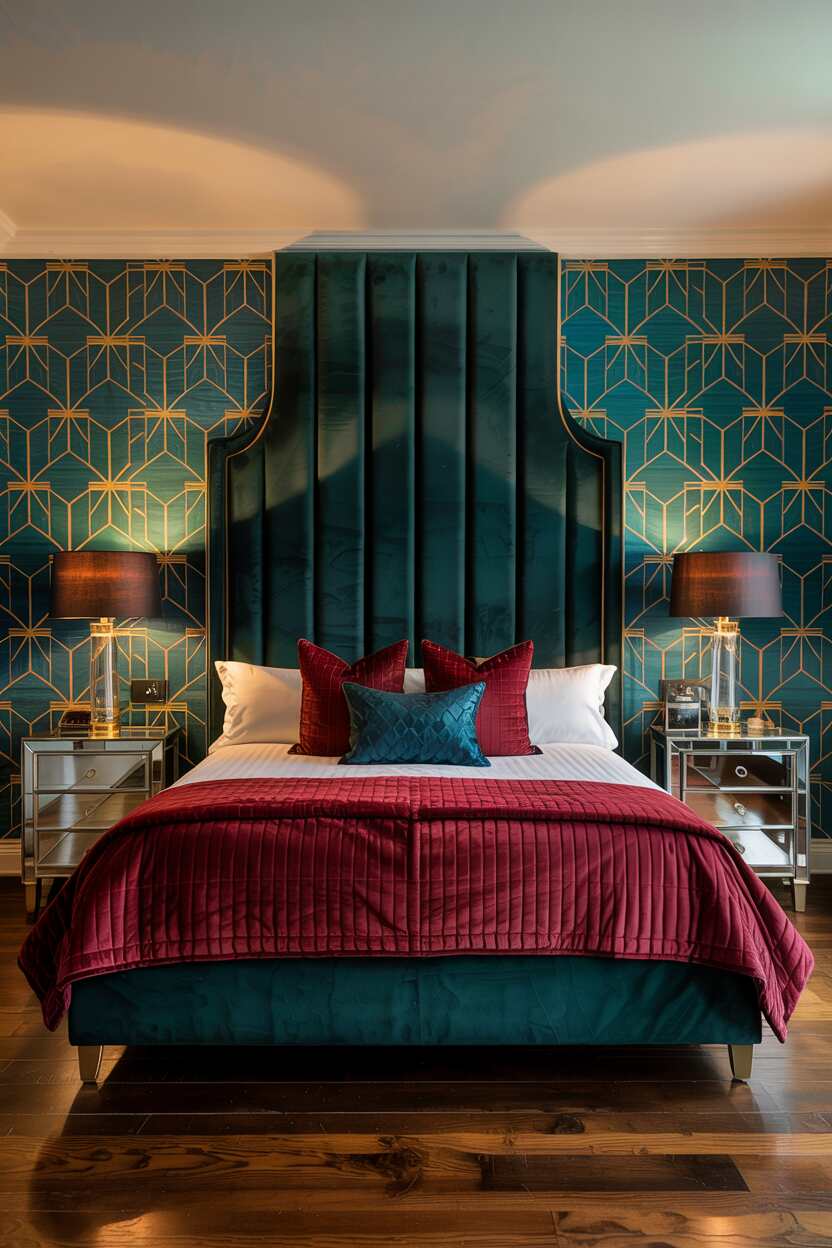
Art Deco vintage delivers drama through bold geometry, high-contrast color, and surfaces that catch and reflect light.
A bedroom with teal-and-gold wallpaper, a tall upholstered headboard, and mirrored nightstands feels theatrical in the best sense, every detail placed for maximum visual impact.
Reflective materials, from mercury glass to polished lacquer, bounce light around the room and create depth that makes even compact spaces feel opulent.
1970s Bohemian Flair
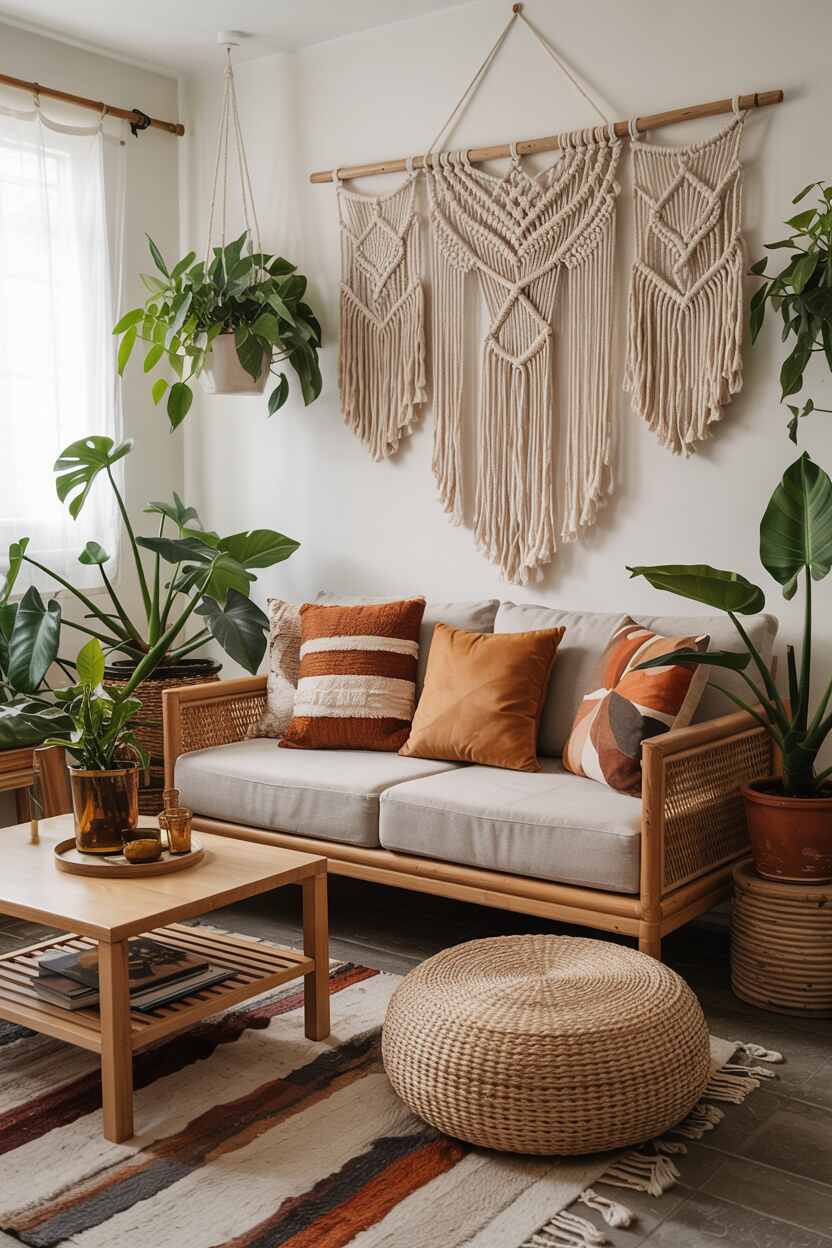
1970s vintage wraps a room in earthy comfort, with macramé wall hangings, low-slung rattan seating, and ceramics glazed in warm ochre and terracotta.
Sun-filled corners packed with trailing pothos, fiddle-leaf figs, and spider plants turn a living room into a green retreat.
Textured cushions in burnt orange, deep mustard, and chocolate brown pile onto floor seating and daybeds, inviting long afternoons of reading or conversation.
The free-spirited mix of natural fibers, handmade details, and warm color creates a laid-back atmosphere that feels nostalgic and strikingly current at the same time.
Conclusion
Vintage interior design style gives every room a sense of soul, character, and depth that mass-produced furniture rarely delivers.
Pieces with real history, visible craftsmanship, and the patina of years lived bring a warmth no trend cycle can duplicate.
From Victorian richness to mid-century geometry to 1970s bohemian ease, the breadth of vintage design means there is an era and an aesthetic for every taste, every home, and every story you want your space to tell.