This post may contain affiliate links. If you make a purchase through these links, we may earn a commission at no additional cost to you.
A vintage cottage bedroom is never finished, and that is the whole point.
The best ones look like they took twenty years to put together, not twenty minutes in a furniture store.
Every chipped edge and faded pattern tells a small story about someone who chose comfort over perfection.
These 12 ideas will show you how to build that same collected, lived-in character from the ground up, one piece at a time.
If you have ever walked into a room and felt instantly at home, you already know the feeling a good farmhouse bedroom can create.
A Carved Mahogany Sleigh Bed Piled With Patchwork Quilts
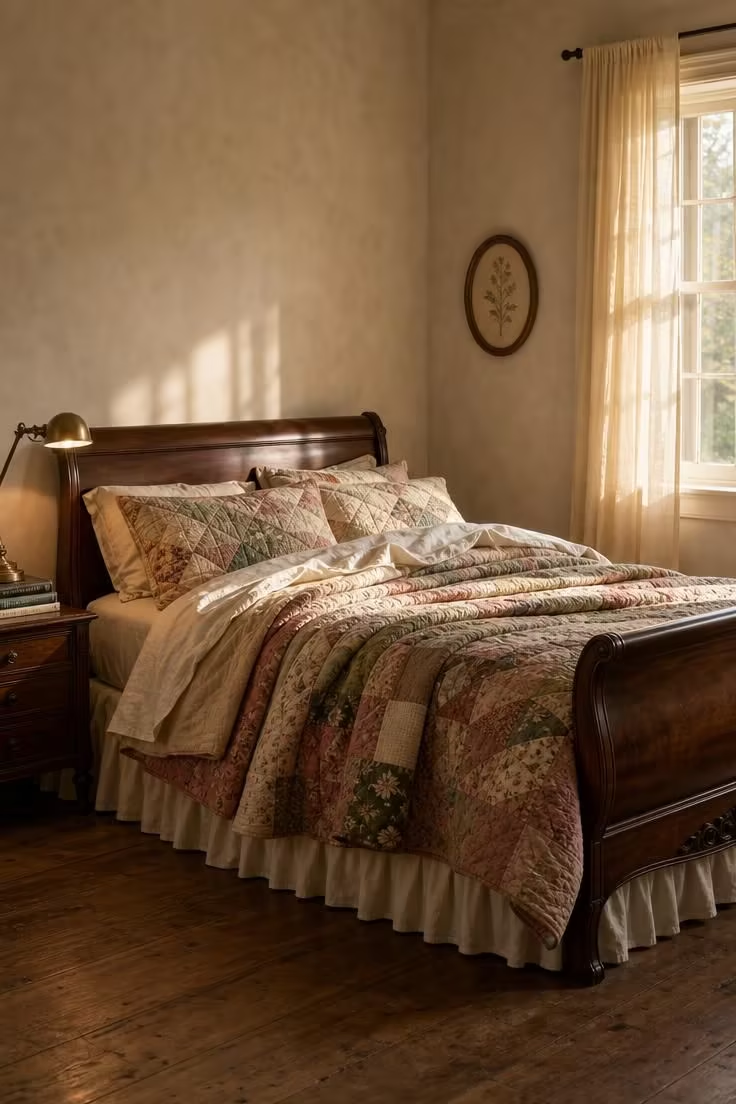
The sleigh bed does something no flat headboard can replicate.
Its curved silhouette draws the eye upward and inward, making the bed feel like a destination rather than a surface.
Piling it with mismatched patchwork quilts adds depth to the vintage cottage bedroom without requiring a single matching set.
Each quilt carries a different color story, and the overlap between them creates a palette that no decorator could plan on purpose.
A cotton dust ruffle softens the transition from bed to floor, hiding the frame and grounding the whole arrangement.
The brass reading lamp is deliberate here, because its warm metal tone echoes the mahogany without competing with it.
Keep the nightstand small so the bed stays the main event in the room.
Style Blueprint:
- Carved mahogany or walnut sleigh bed frame
- Three to four mismatched patchwork quilts in muted florals
- Cotton dust ruffle in cream or natural
- Brass reading lamp with a cloth shade
- Linen fitted sheet in warm white
A Milk Glass Lamp on a Chippy Paint Nightstand
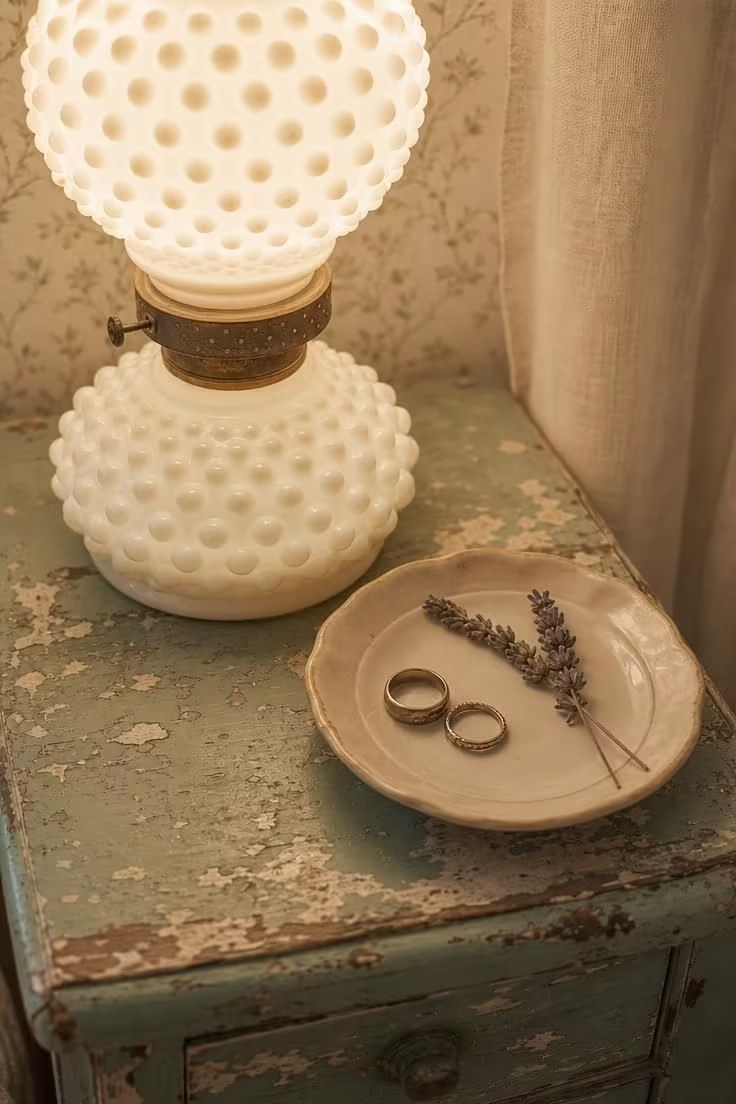
The milk glass lamp is one of the most reliable shortcuts to cottage style in any bedroom.
Its white translucent glow turns a corner of the room into something softer than overhead lighting can manage.
Placing it on a nightstand with peeling paint creates a contrast between the smooth glass and the rough, layered surface beneath it.
Genuine hobnail milk glass from the 1950s and 1960s has a heavier weight and a slightly irregular dot pattern compared to modern reproductions.
The ceramic dish beside the lamp serves a real purpose, giving rings and small jewelry a home each night.
A dried lavender sprig adds scent without adding clutter.
Style Blueprint:
- Hobnail milk glass table lamp with a fabric shade
- Small nightstand with naturally aged or chippy paint
- Shallow ceramic dish for jewelry
- Dried lavender bundle or sprig
- Pale wallpaper backdrop in cream or soft floral
Pressed Tin Ceiling Tiles Above a Spool-Turned Bed Frame
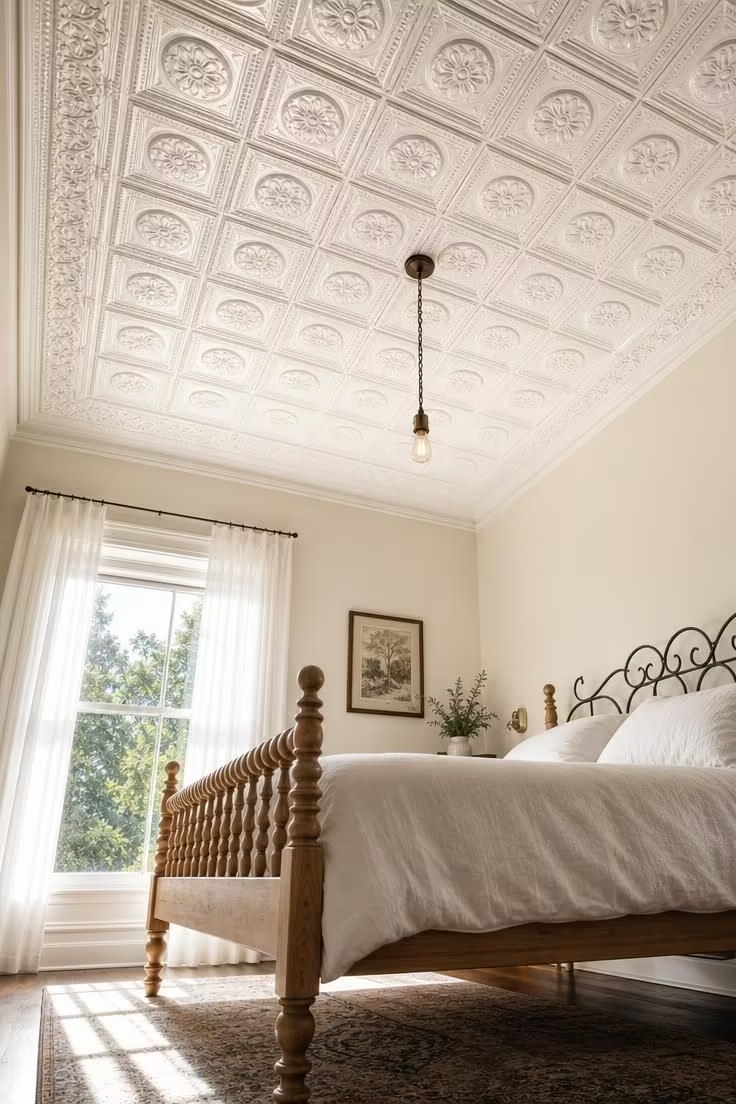
Most vintage cottage bedroom makeovers focus on what sits at eye level, but the ceiling is the largest undecorated surface in any room.
Pressed tin tiles turn that blank space into an architectural feature that makes the entire room feel older and more grounded.
A spool-turned maple bed frame is the right partner for this ceiling because it has its own period character without fighting for attention.
Keeping the bedding plain in white cotton is a deliberate restraint here.
If the ceiling is ornate and the bed frame is detailed, the textiles need to step back.
Reclaimed pressed tin panels from salvage yards carry genuine age marks that adhesive-mount reproductions cannot match.
A single pendant bulb hung from the center of the tin tiles acts as both a light source and a visual anchor that ties the ceiling to the room below.
This is the kind of vintage nightstand moment where a bare maple surface with nothing on it actually says more than a styled vignette.
Style Blueprint:
- Pressed tin ceiling tiles in antique white or cream
- Spool-turned maple or birch bed frame
- Crisp white cotton bedding with no pattern
- Simple pendant light with a single exposed bulb
- Warm cream wall paint
A Gingham-Lined Wardrobe With Glass Knob Hardware
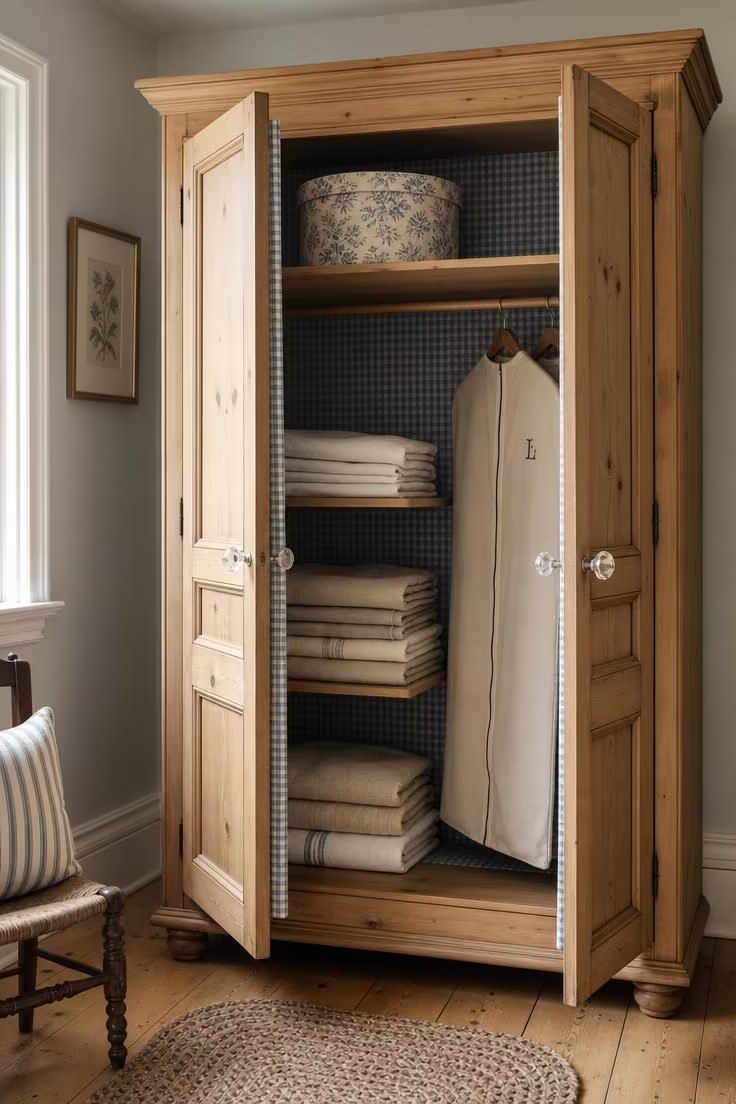
A wardrobe lined in gingham fabric changes the experience of opening it every morning.
The pattern adds a layer of visual warmth that a bare wood interior cannot deliver.
Clear glass knobs are the right hardware choice because they catch light without introducing a competing metal finish.
Original glass knobs from the early 1900s have small air bubbles trapped inside the glass, a detail that modern reproductions skip.
Lining a wardrobe interior takes fabric starch, a staple gun, and about two hours.
The hatbox on the upper shelf is not just decoration, it stores off-season scarves and delicate items that need protection from dust.
This piece of distressed wood furniture becomes the room’s storage anchor and its most personal piece at the same time.
Style Blueprint:
- Tall pine wardrobe with paneled doors
- Blue-and-white gingham fabric for interior lining
- Clear glass doorknobs (vintage or reproduction)
- Stacked linen bedding in natural tones
- Round floral hatboxes for upper shelf storage
Design Pro-Tip: When mixing vintage furniture from different decades, keep the wood tone within one family. A walnut nightstand beside a walnut-stained dresser looks collected. A walnut nightstand beside a honey oak dresser looks like a yard sale.
Faded Toile Curtains Framing a Double-Hung Window
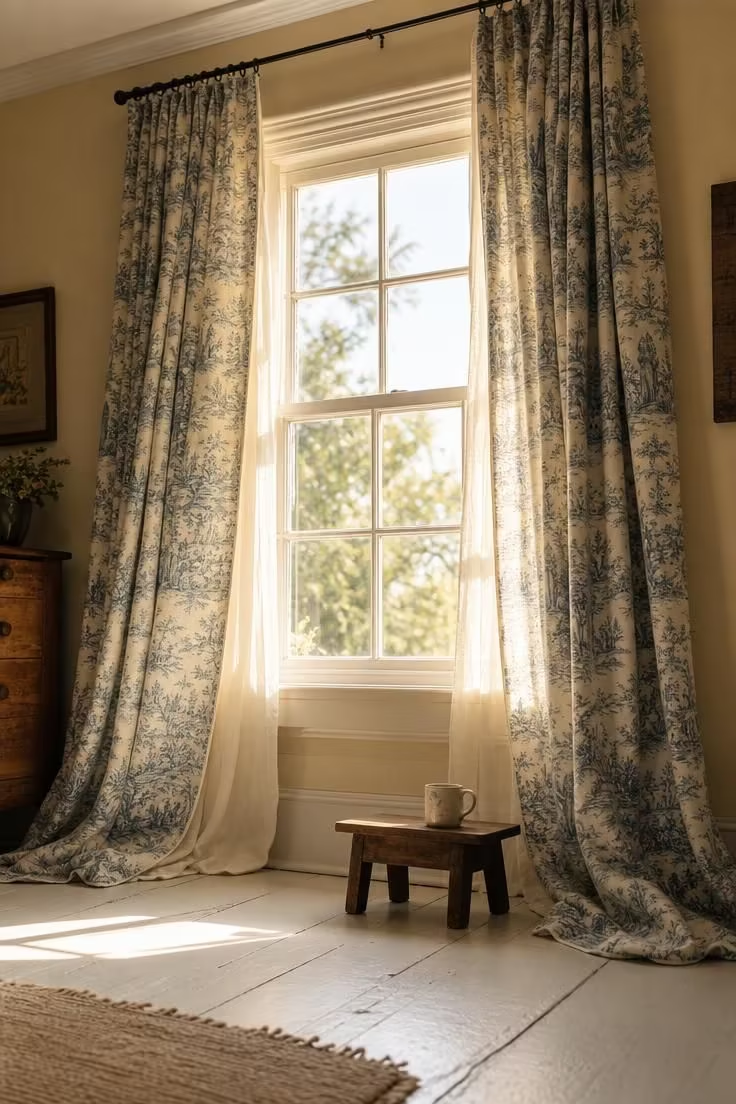
Toile curtains belong in a vintage cottage bedroom the way a good quilt belongs on the bed.
The pattern tells a narrative, usually a pastoral or botanical scene, that gives the window wall something to say.
Sun-fading along the fold lines is not damage here, it is proof that the curtains have been in place long enough to earn their character.
Hanging them high and letting the hem puddle on the floor creates a generous, unhurried silhouette.
Sheer under-panels filter the light and protect the toile from further fading without blocking the view.
The low stool beneath the window is a small touch that makes the space feel used, not just decorated.
Style Blueprint:
- Floor-length toile curtains in blue and cream
- Sheer cotton or linen under-panels
- Six-over-six double-hung window (or similar period style)
- Painted white or cream floorboards
- Low wooden stool or bench beneath the window
A Brass Vanity Mirror Over a Painted Pine Washstand
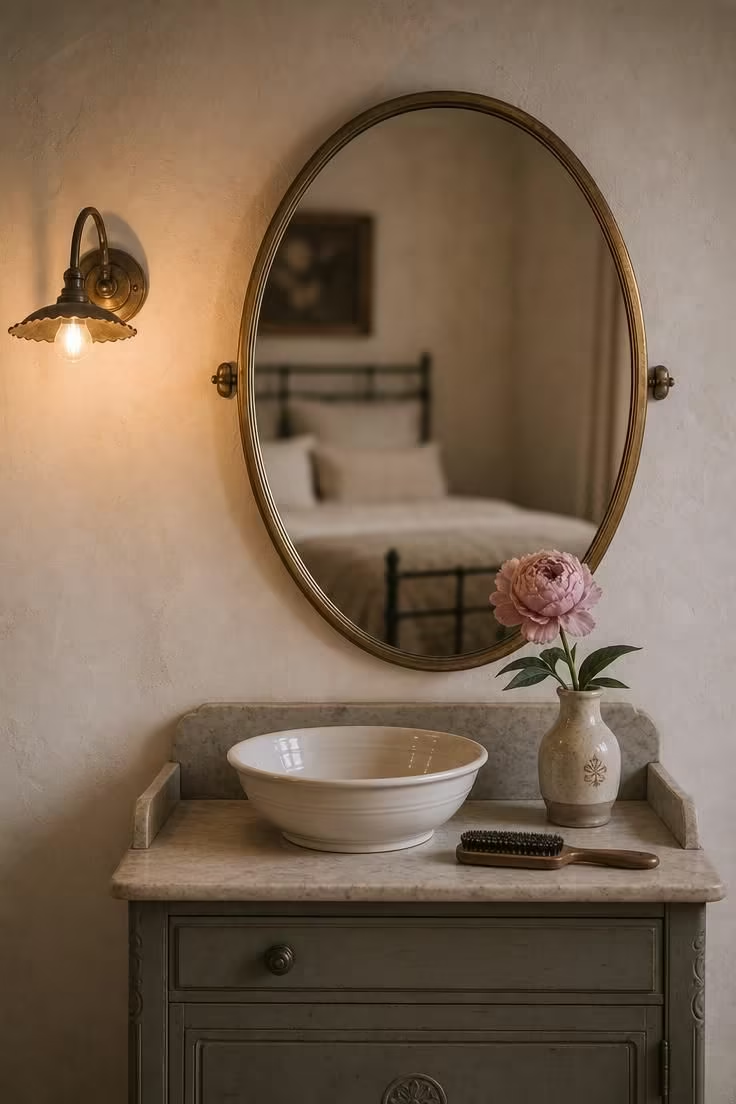
The washstand is one of the most underused pieces in vintage bedroom design.
Before built-in sinks, every bedroom had a small table near the door with a basin, a pitcher, and a mirror.
Recreating that arrangement gives the room a secondary focal point that keeps all the visual weight from landing on the bed.
An antique bed frame in wrought iron or brass across the room reflects in the mirror and doubles the sense of depth in a small space.
Leaving the brass un-polished is the right move, because the patina creates a surface that looks like it has seen fifty years of mornings.
The single peony stem is more effective than a full bouquet because it leaves negative space on the washstand surface.
Marble top pieces from stone yards cost a fraction of a full slab and fit these narrow tables perfectly.
A horsehair brush and porcelain bowl complete the tableau with objects that are beautiful and functional.
Linen bedding visible in the mirror reflection ties this vignette back to the rest of the room.
Style Blueprint:
- Oval brass-framed mirror with natural patina
- Painted pine washstand with a marble top piece
- White porcelain bowl and horsehair brush
- Small ceramic vase for a single stem
- Wall sconce with warm bulb
A Hand-Hooked Wool Rug on Painted White Floorboards
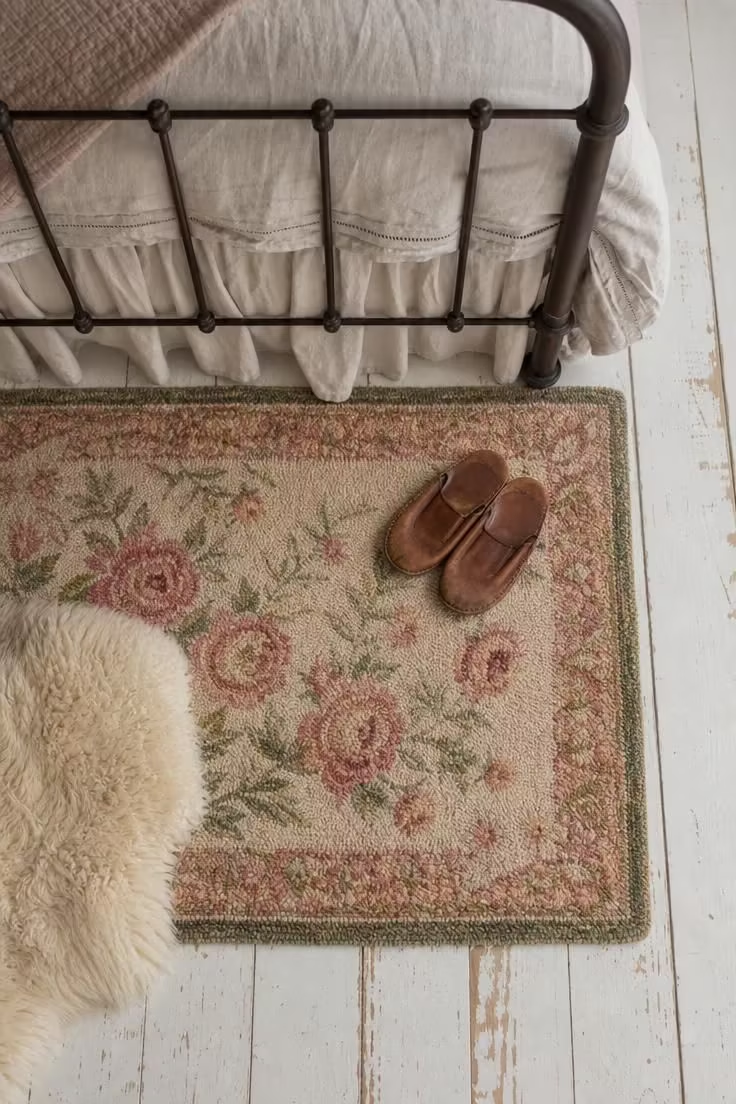
The rug beside the bed is the first thing bare feet touch each morning, and a hand-hooked wool rug makes that moment feel intentional.
Genuine hand-hooked rugs have a slightly uneven texture on the back, with visible loop ends that a machine-made rug will not show.
Faded colors in rose, green, and cream work well against white painted floors because the soft tones create warmth without visual noise.
Layering a small sheepskin at one corner of the wool rug adds a second texture that makes the floor feel deeper and more inviting.
White-painted floorboards with visible wear marks at the edges are part of the cottage style appeal.
A floor paint formulated for foot traffic will hold up better than wall paint, and the slight sheen adds a subtle reflective quality to the room.
The worn leather slippers on the rug are a small styling detail that makes the scene feel lived-in rather than arranged.
Style Blueprint:
- Hand-hooked wool rug in faded florals (rose, green, cream)
- Painted white wide-plank floorboards
- Small sheepskin layered at one corner
- Iron or brass bed frame overhead
- Worn leather or canvas slippers for styling
An Iron Chandelier With Linen Drum Shades
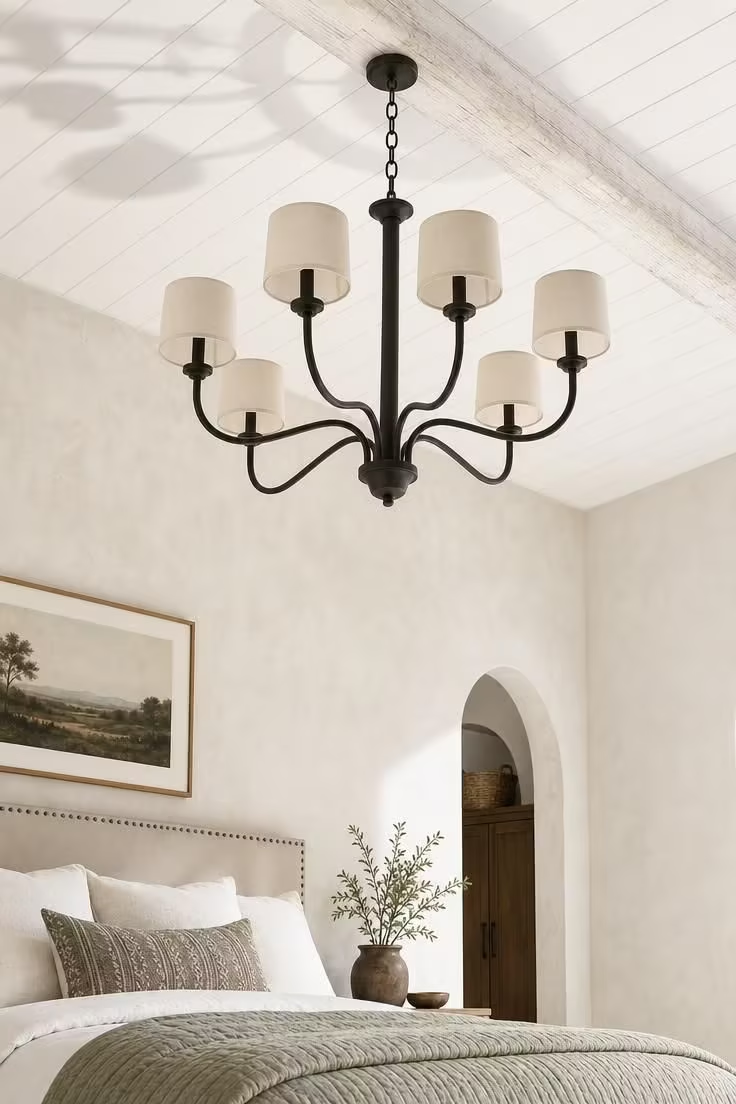
A wrought iron headboard gets most of the credit in cottage bedrooms, but a wrought iron chandelier above the bed does more to set the room’s character.
The iron arms give the fixture weight and age, and the linen drum shades soften the light into something that fills the room instead of spotlighting it.
Six arms is the right count for a bedroom because it provides enough light without overwhelming a space that should feel restful.
A whitewashed beam adds a structural anchor for the fixture and breaks up a flat ceiling.
Pairing this chandelier with a dimmer switch is a practical detail that most vintage-style rooms overlook.
Style Blueprint:
- Six-arm wrought iron chandelier
- Individual cream linen drum shades
- Whitewashed ceiling beam for mounting
- Dimmer switch for adjustable light levels
- White beadboard ceiling
Design Pro-Tip: Cottage lighting works best in odd numbers and mixed heights. Pair a tall floor lamp in one corner with a short table lamp on the nightstand and a medium pendant or chandelier overhead. The triangle of light sources keeps the room from feeling flat.
A Grain Sack Pillow Collection on a Cane-Back Settee
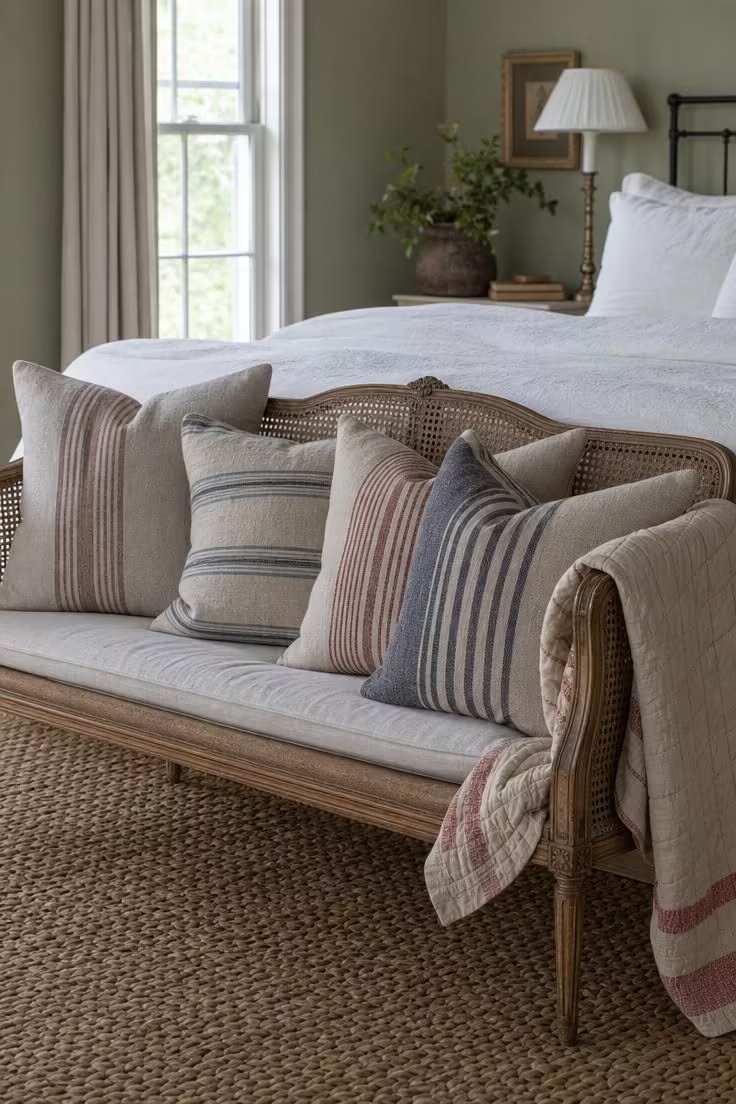
The settee at the foot of the bed is an old tradition that modern bedrooms forgot.
It gives you a place to sit that is not the bed itself, and that separation changes how the room functions.
Filling it with grain sack pillows brings in a textile that has real history, since these fabrics originally carried flour, coffee, and seed across European trade routes.
Authentic grain sack fabric has a center seam running vertically through the middle, a construction detail that reproductions rarely include.
Mixing stripe widths across the pillow collection creates visual rhythm without introducing a second pattern family.
The crochet lace trim on a quilted throw draped over the arm adds a third textile layer that bridges the rough grain sack and the smooth cane.
A braided jute rug beneath the settee anchors it to the floor and keeps the legs from sliding on hardwood.
The cane-back itself is a texture that rewards close attention, with its woven pattern catching light differently depending on the angle.
Style Blueprint:
- Small cane-back settee or loveseat
- Five European grain sack pillows in mixed stripes
- Quilted throw with crochet lace detail
- Braided jute rug beneath the settee
- Simple white linen bedding behind
Weathered Shutters Repurposed as a Headboard
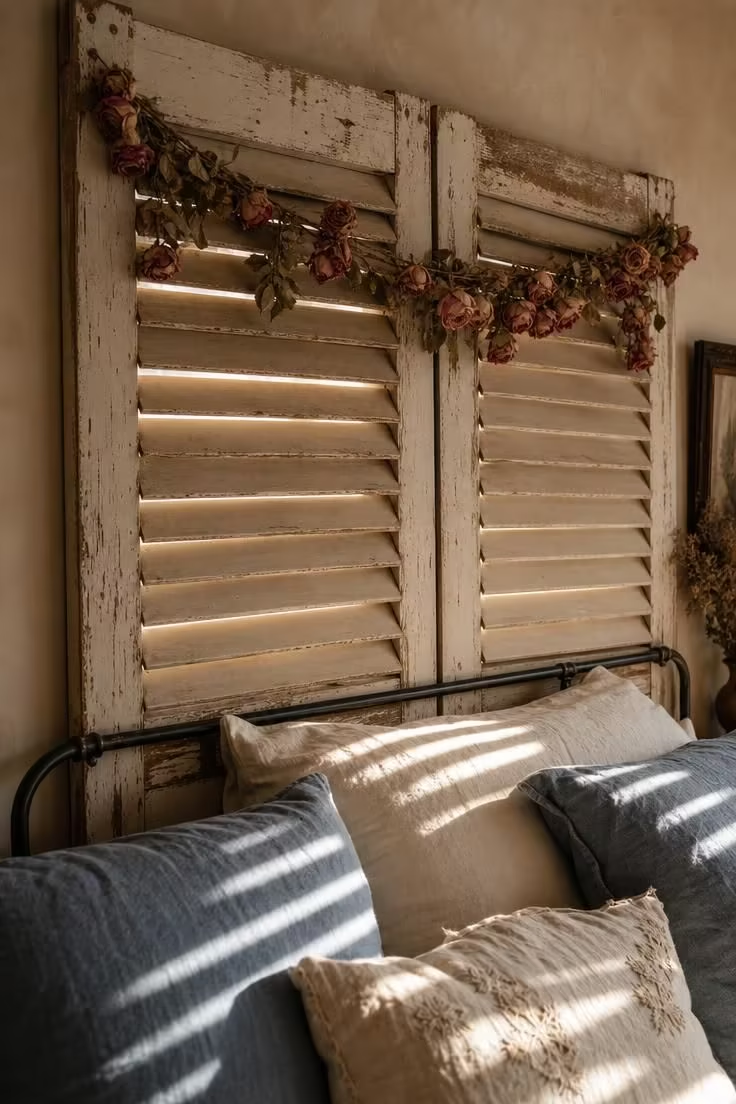
A pair of salvaged shutters mounted behind the bed creates a headboard that no furniture store can replicate.
The louvers add a geometric pattern to the wall that plays with light differently throughout the day, casting thin shadow lines across the pillows in the afternoon and going dark at night.
Chippy cream paint on the shutter surface gives the piece a history that reads as authentic from across the room.
Mounting them requires a French cleat system, which is a flat bracket that holds the shutters flush against the wall without visible hardware.
Size the shutters to match the bed width or extend two to three inches beyond each side for a more generous proportion.
A small garland of dried roses along the top edge is the right finishing touch because it introduces an organic shape against all those straight lines.
Style Blueprint:
- Two salvaged louvered shutters in chippy paint
- French cleat mounting hardware
- Dried rose garland for the top edge
- Cream and faded blue linen pillow cases
- Simple iron bed rail beneath
A Porcelain Pitcher Display on an Open Shelf Rail
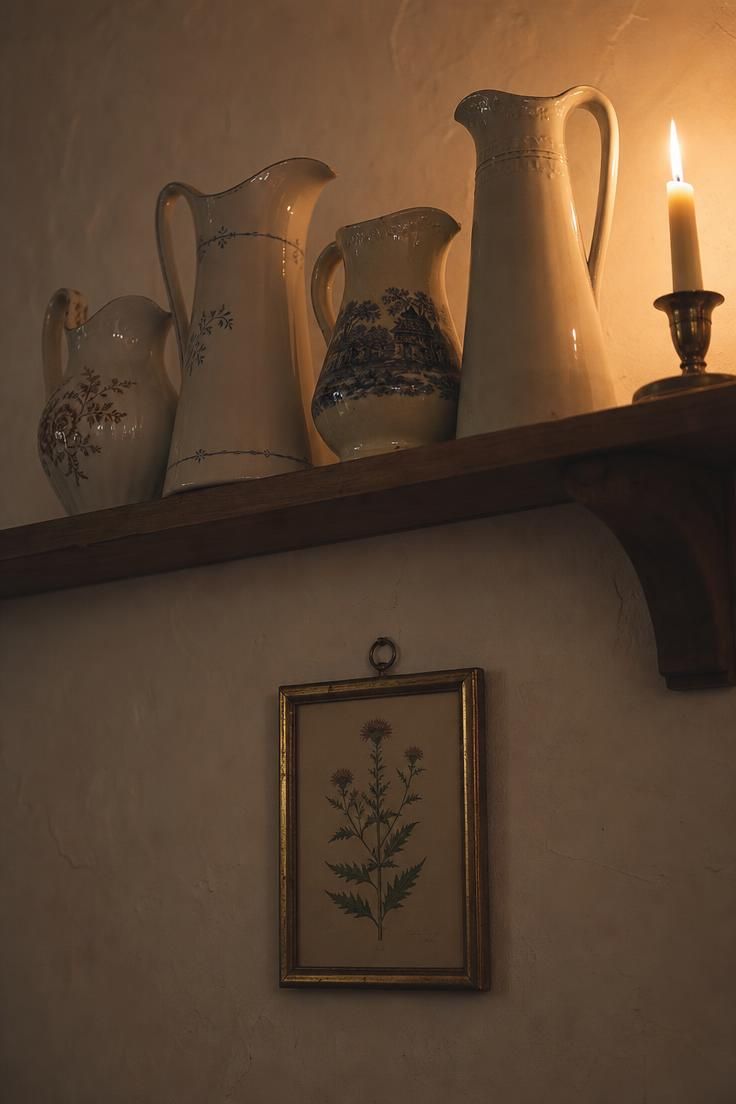
A shelf rail or plate rack mounted high on the wall is one of the oldest display solutions in cottage homes.
It keeps beautiful objects visible without sacrificing surface space on dressers and nightstands.
Grouping three to four porcelain and ironstone pitchers of different heights creates a skyline effect that adds visual interest to a wall that might otherwise hold nothing.
The key to making this display work is keeping the color palette tight, either all white or all cream, so the shape differences carry the composition.
Ironstone pitchers from the late 1800s have a heavier weight and a warmer tone than porcelain, and mixing the two materials adds subtle variety.
A brass-framed botanical print hung below the shelf connects the display to the wall and keeps the arrangement from floating.
Floral wallpaper would also work as a backdrop here, since the pitchers’ smooth surfaces contrast well against a patterned wall.
Style Blueprint:
- Wood shelf rail or plate rack mounted at picture rail height
- Three to four ironstone and porcelain pitchers in white or cream
- Small framed botanical print in a tarnished brass frame
- Brass taper holder with a single taper
- Plaster or papered wall behind
A Vintage Trunk and Hatboxes at the Foot of a Jenny Lind Bed
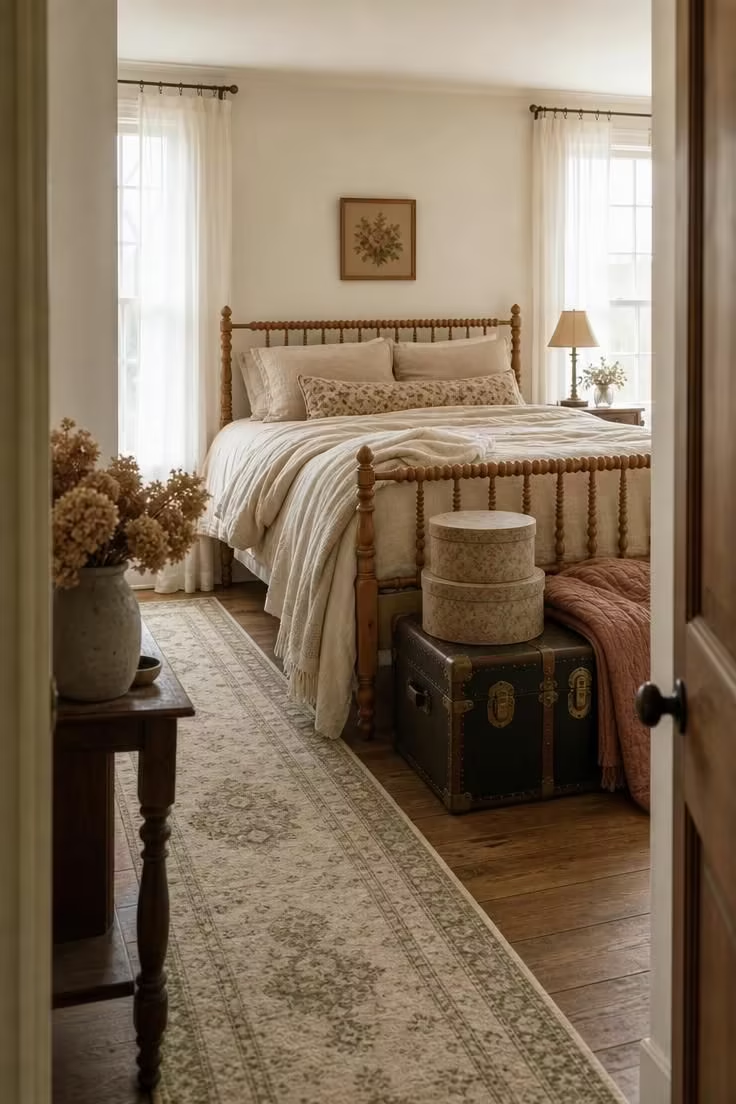
The foot of the bed is the most underused real estate in any bedroom, and a vintage steamer trunk claims it with authority.
A trunk with leather straps and tarnished brass hardware carries its own biography, the scuffs and scratches speaking to decades of use.
Functionally, it stores extra blankets, off-season clothing, and anything you want accessible but hidden.
Look for trunks with a flat top rather than a domed lid, because you need the surface for stacking hatboxes and a folded quilted throw.
The Jenny Lind bed frame, with its turned spindles in natural maple, is one of the most recognizable silhouettes in American cottage furniture.
Pairing it with the trunk creates a dialogue between two different eras, the trunk suggesting early 1900s travel and the bed suggesting mid-century domesticity.
The faded wool runner leading from the door to the bed is a practical addition that also guides the eye through the room in a single sweep.
A dried flower arrangement on a narrow console by the door gives guests something to notice before they see the bed, which is a small hospitality detail that makes the room feel considered.
Style Blueprint:
- Leather-strapped steamer trunk with flat top and brass hardware
- Two round hatboxes in faded floral paper
- Jenny Lind turned-spindle bed in natural maple
- Faded wool runner in cream and sage
- Folded quilted throw in dusty rose
Design Pro-Tip: A vintage cottage bedroom should never look like a museum display. Leave one drawer slightly open, let a book sit face-down on the nightstand, drape a scarf over the mirror. The room needs to look mid-use, not mid-shoot.
Conclusion
A vintage cottage bedroom is not a look you buy in one trip.
It is a collection that builds over months and years, one antique bed frame at a time, one faded quilt layered over another.
The rooms in this list work because every object in them has a reason to be there, either for comfort, for function, or for the quiet pleasure of looking at something beautiful.
Start with one piece that speaks to you, a sleigh bed, a milk glass lamp, a steamer trunk, and let the rest of the room grow around it.
The cracks, the faded colors, the slightly crooked shelf rail are not flaws to fix.
They are the difference between a room that looks like a vintage cottage bedroom and one that actually feels like one.