This post may contain affiliate links. If you make a purchase through these links, we may earn a commission at no additional cost to you.
An english cottage bedroom is the kind of room that asks you to stay a little longer.
It earns that feeling through layers, not through any single statement piece, but through the slow accumulation of linen, old wood, soft florals, and light that shifts with the hour.
These 14 ideas each describe one specific scene you could recreate, down to the materials and finishes that make it work.
Whether your home has original beams or plain white walls, the approach is the same: start with something real, something worn, something soft, and build from there.
A Cream Linen Bed With a Hand-Stitched Welsh Wool Blanket
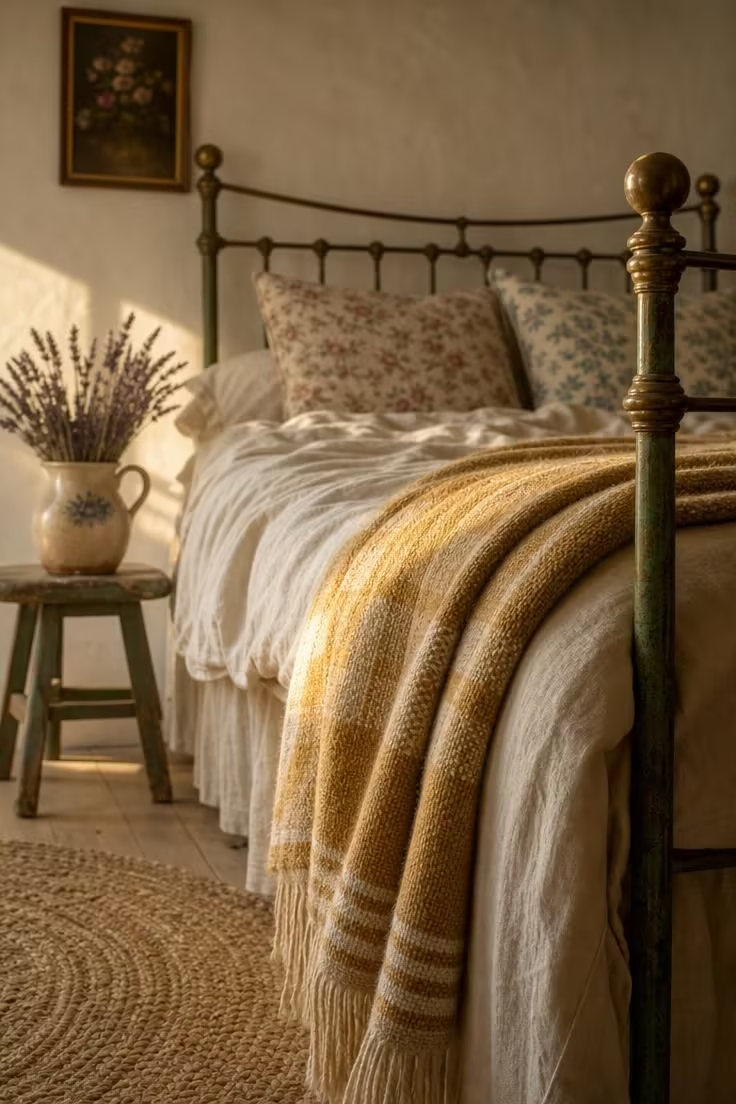
The weight of a hand-stitched wool blanket at the foot of a bed changes everything about how a room feels when you walk in.
It signals comfort before you even touch it, the kind of warmth that comes from something made slowly, by hand, with heavy yarn.
Cream linen keeps the bed from looking too deliberate or too decorated.
The brass bed frame does not need to be polished, and the patina is what makes it belong here rather than in a showroom.
Mismatched pillowcases in different floral prints bring the feeling of a room that has been slept in for decades, collecting its personality season by season.
A stoneware jug of dried lavender on a painted stool is the smallest possible gesture, yet it fills the corner with scent and shape.
This is how english cottage decor works best: not through coordination, but through accumulation.
Style Blueprint:
- Cream linen duvet cover with button closures
- Hand-stitched Welsh wool blanket in muted ochre stripes
- Aged brass bed frame with visible patina
- Stoneware jug with dried lavender stems
- Painted wooden stool as a bedside surface
Exposed Oak Ceiling Beams Above a Low Iron Bedstead
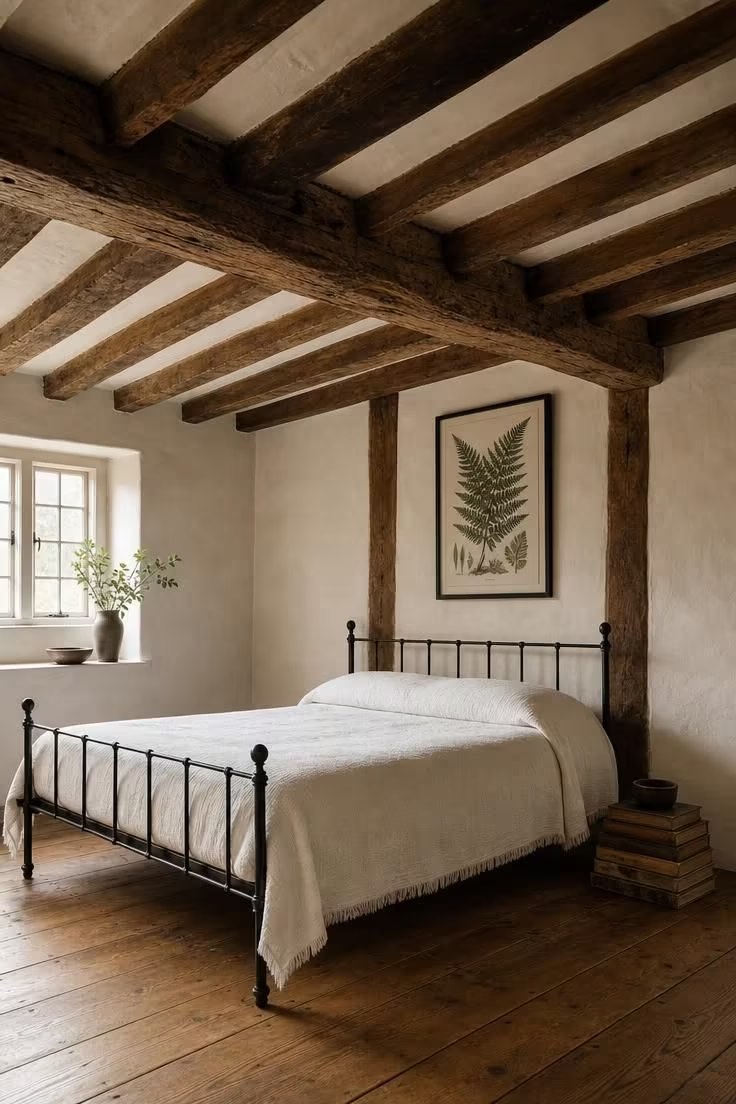
Exposed timber beams overhead do something to a bedroom that painted ceilings never quite manage.
They lower the visual weight of the room and pull your eyes upward at the same time, creating a sense of shelter that feels ancient and earned.
A low iron bedstead keeps the furniture from competing with the architecture above.
White cotton on the bed, plain and unadorned, lets the wood do the talking.
The single fern print hung between beams is deliberate restraint, one image chosen well rather than a cluster of frames fighting for attention.
Soft diffused light fills a room like this evenly, and that evenness is part of the calm.
There is no bright pool of sun, no deep shadow, just the quiet grey-white glow of an overcast English morning coming through old glass.
This kind of vintage bedroom earns its mood through subtraction, not addition.
Style Blueprint:
- Exposed oak ceiling beams with natural wax finish
- Low-profile black iron bedstead
- White cotton coverlet with subtle weave texture
- Framed botanical fern print in thin black frame
- Wide reclaimed pine floorboards
A Faded Liberty Floral Wallpaper Behind a Brass Headboard
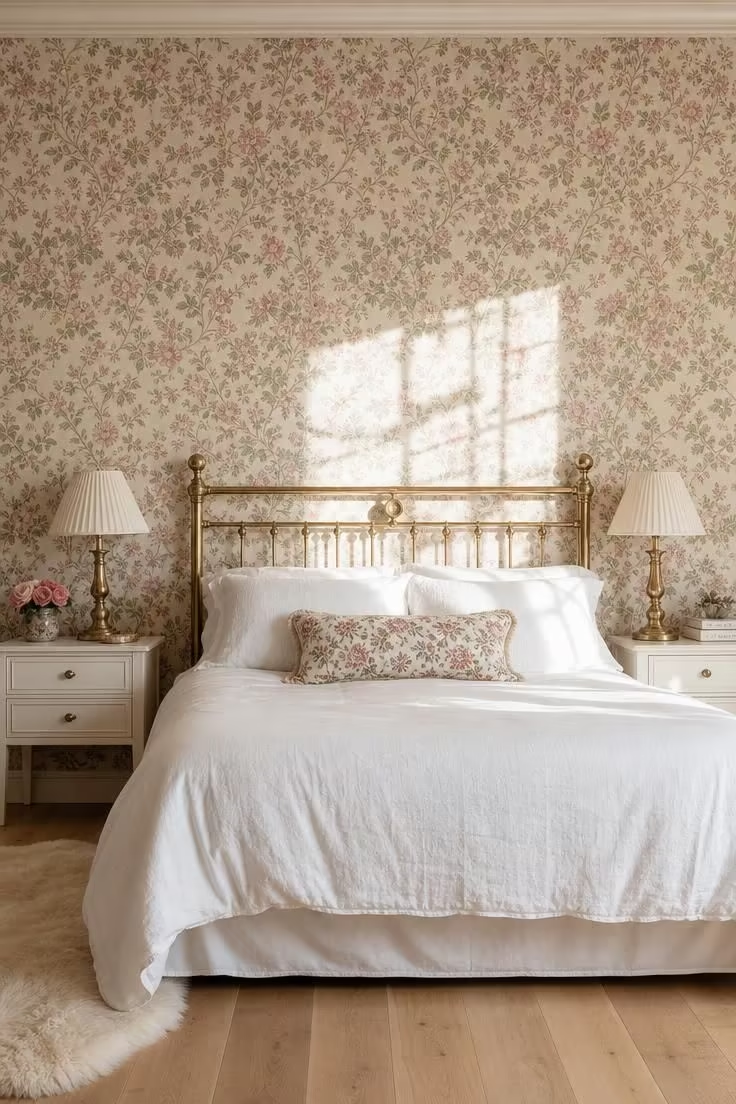
A whole wall of floral wallpaper can feel overwhelming, but the faded tones of a Liberty print pull it back to something softer.
Dusty rose and sage read as color without shouting, and the trailing vine pattern keeps the eye moving rather than fixing on a single motif.
The brass bed frame here is polished rather than aged, and that brightness against the muted wall creates a focal point that anchors the room.
White linen on the bed is the right counterweight, enough blankness to let the wallpaper breathe.
A single floral lumbar cushion ties the bed to the wall without overdoing the pattern.
Bright midday light is the best friend of a room like this, washing out any heaviness and making the florals look bleached by sun rather than printed by machine.
Style Blueprint:
- Liberty-style floral wallpaper in dusty rose and sage
- Polished brass headboard
- Crisp white linen bedding
- Floral lumbar cushion in a coordinating print
- Pleated cream lamp shades on brass bedside lamps
A Deep Stone Window Sill With Stacked Leather-Bound Books
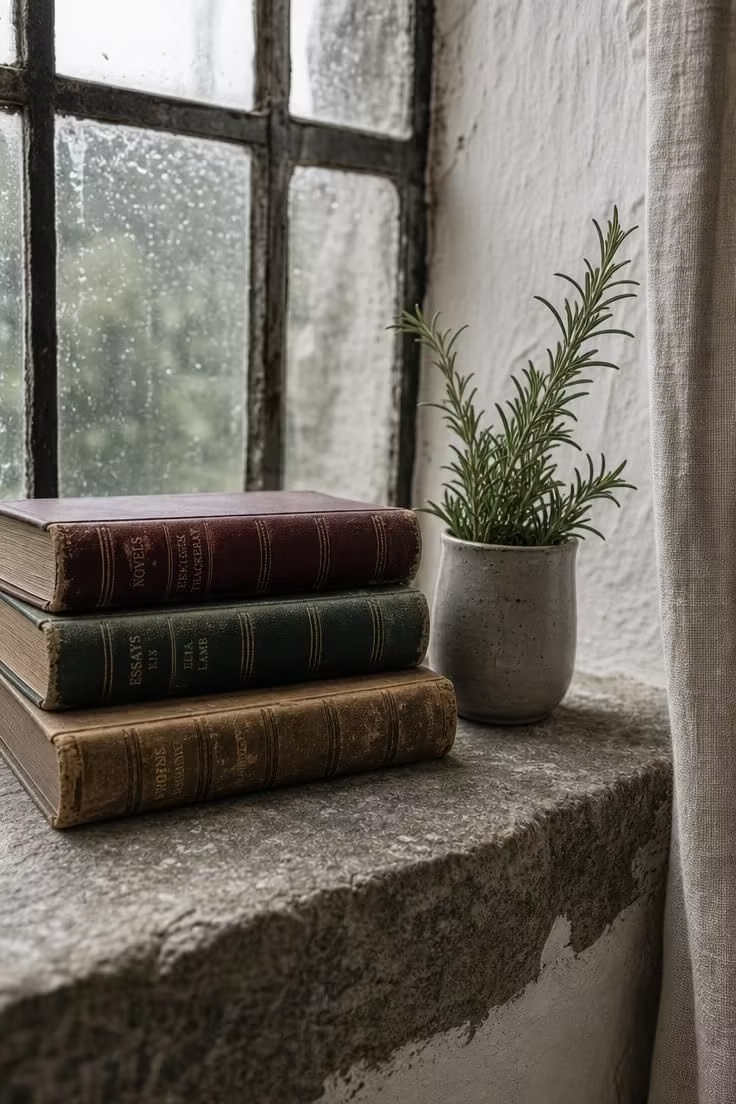
The sill of a deep-set cottage window is a room within a room, a small stage for the objects you reach for most.
Stacked leather books with cracked spines belong here because they look like they have been read, not arranged.
A ceramic cup with a sprig of rosemary brings a living green accent that changes every few days as the herb dries and curls.
Cool overcast light through leaded glass has a particular quality, softer and more even than sunlight, with none of the sharp contrasts that make a room feel exposed.
That grey light is what gives old English cottage rooms their famous sense of enclosure and comfort, the feeling of being wrapped in stone and quiet.
Linen curtains pulled to one side frame the sill without blocking the view.
The stone itself, cold and smooth under your hand, is a texture that no modern material has managed to replicate.
A moment like this reminds you that the smallest corner of a bedroom can hold the most character.
Even a narrow sill becomes something worth pausing at when the objects on it are honest and few.
Design Pro-Tip: When styling a window sill or small surface, use odd numbers. Three books, one cup, one sprig. Odd groupings look arranged by accident rather than by plan, and that casual quality is what makes english cottage decor feel real rather than performed.
Style Blueprint:
- Deep stone window sill, at least 25 centimeters
- Worn leather-bound books in muted colors
- Handmade speckled ceramic cup
- Fresh herb sprig (rosemary or thyme)
- Linen curtains in natural oatmeal
Tongue-and-Groove Paneling Painted in Farrow and Ball Pointing
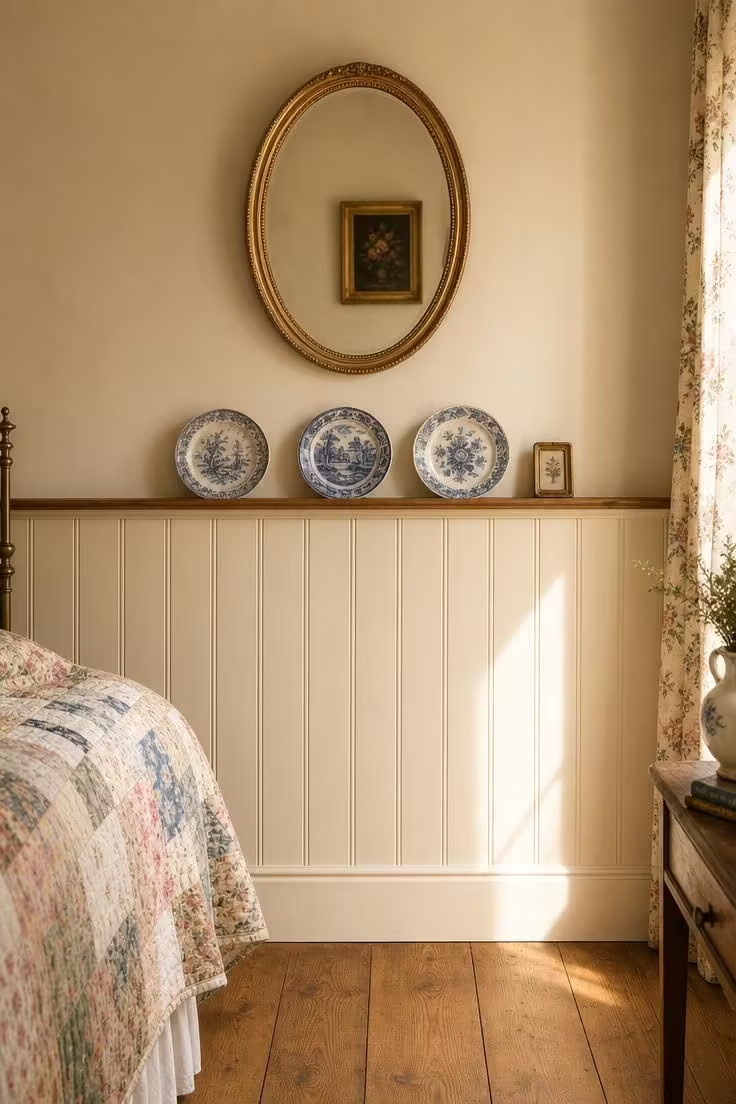
Tongue-and-groove paneling on the lower half of a wall does practical work and decorative work at once.
It protects plaster from scuffs and furniture bumps, and it gives the wall a rhythm of vertical lines that makes a low-ceilinged room feel taller.
Farrow and Ball Pointing is a warm off-white with enough yellow in it to feel like old cream rather than fresh paint.
A narrow shelf at the top of the paneling is a detail borrowed from Victorian sculleries, repurposed here to hold a few pieces of blue-and-white transferware.
Those plates propped on a shelf are not serving a function, but they are doing the work of art without the formality of frames.
A patchwork quilt at the edge of the frame ties back to the handmade quality of the paneling itself, both are things built from small repeated pieces.
The oval gilt mirror overhead catches the warm light and sends it back into the room, doubling the glow.
Style Blueprint:
- Tongue-and-groove paneling painted in a warm off-white
- Narrow pine shelf at chair-rail height
- Blue-and-white transferware plates for display
- Oval gilt mirror with thin ornate frame
- Patchwork quilt in faded florals
A Freestanding Painted Pine Wardrobe With Paneled Doors
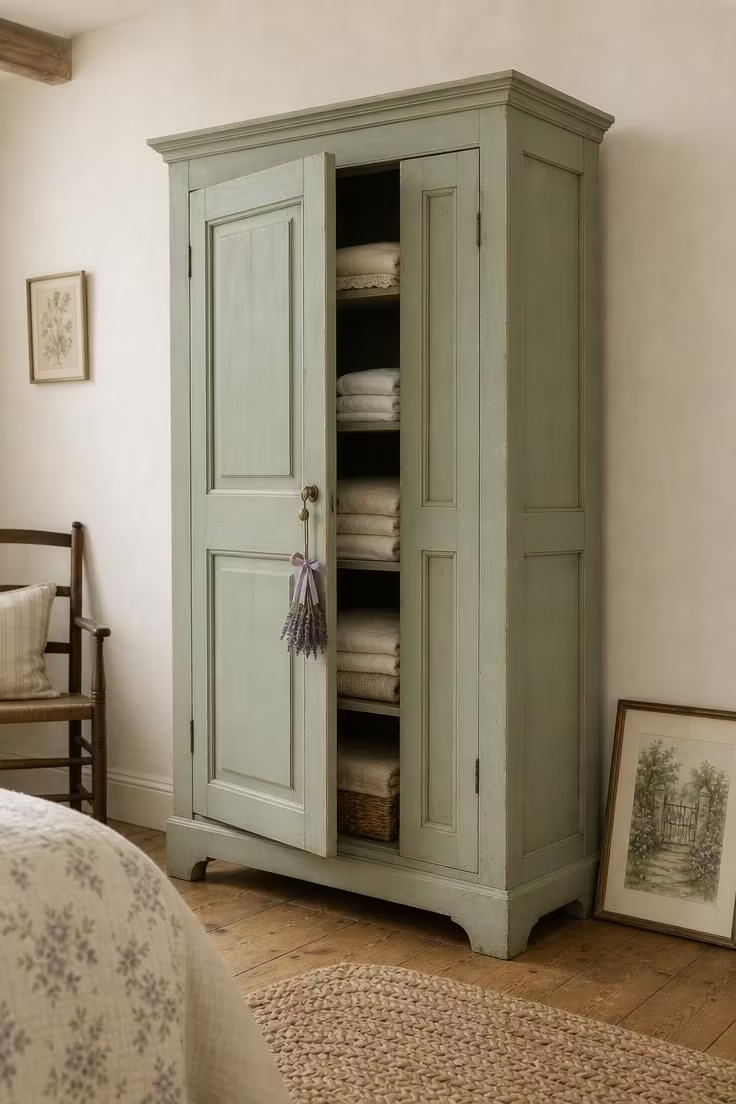
A painted pine wardrobe standing against a wall has a presence that built-in closets never achieve.
It takes up space honestly, like a piece of furniture that arrived in the room decades ago and never left.
Chalky sage green paint with visible brush strokes reads as handmade even when it is not, and the slight distressing at the corners tells a story of daily use.
The door left ajar is a quiet invitation, a glimpse of folded linen and the faint scent of dried lavender from the sachet on the handle.
This is cottage bedroom furniture at its most characteristic: freestanding, painted, and more beautiful for being slightly worn.
A braided jute rug grounds the wardrobe without competing, and the waxed oak floor beneath gives the whole arrangement a warm base tone.
The framed watercolor propped at floor level is the kind of casual placement that looks unplanned but fills an empty corner with a gentle point of interest.
A painted pine wardrobe like this becomes the anchor of any english cottage bedroom.
Style Blueprint:
- Freestanding pine wardrobe painted in chalky sage green
- Brass door handles with ribbon-tied lavender sachets
- Wide-plank waxed oak floorboards
- Braided jute rug
- Small framed watercolor leaned at floor level
A Wrought-Iron Candle Sconce on a Plastered Wall
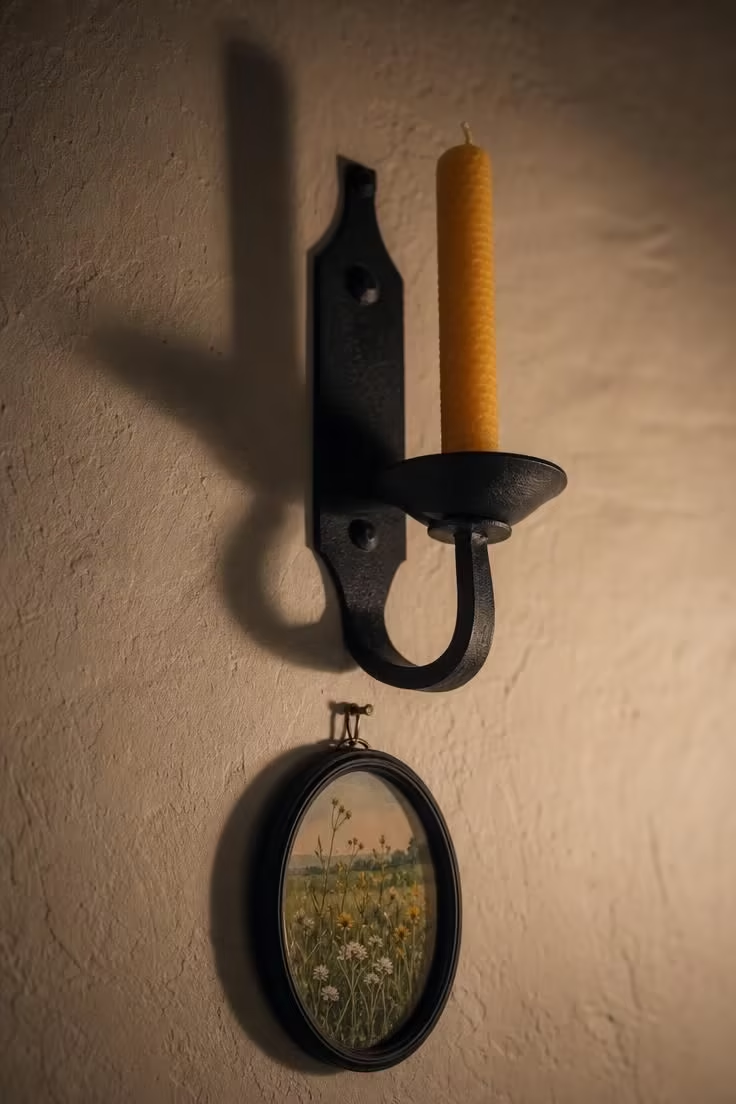
A wrought-iron sconce is one of those details that shifts a bedroom from decorated to atmospheric.
The matte black metal against rough white plaster creates a contrast that modern fixtures cannot match, because the irregularity of both surfaces gives the pairing its tension.
Beeswax tapers have a color that paraffin never achieves, a deep honey gold that looks warm even unlit.
The shadow a sconce casts upward at night, angular and slightly dramatic, turns a plain wall into something worth looking at from bed.
A small oval watercolor hung just below adds a second layer without crowding, and the wildflower subject keeps the mood rural and soft.
This kind of moody low light is best in winter, when the room pulls inward and every warm surface matters more.
Design Pro-Tip: Mix your metals freely in an english cottage bedroom. A brass bed frame, wrought-iron sconce, and pewter candlestick on the dresser look more collected and authentic than matching sets. The key is keeping each metal in a different finish, polished brass with matte iron with brushed pewter, so they read as gathered over time.
Style Blueprint:
- Matte black wrought-iron wall sconce
- Beeswax taper candle in natural honey gold
- Rough lime-plaster wall with visible texture
- Small framed oval watercolor in soft tones
- Thin nail mounting for the casual leaned look
Mixed Ticking Stripe and Gingham Cushions on a Window Seat
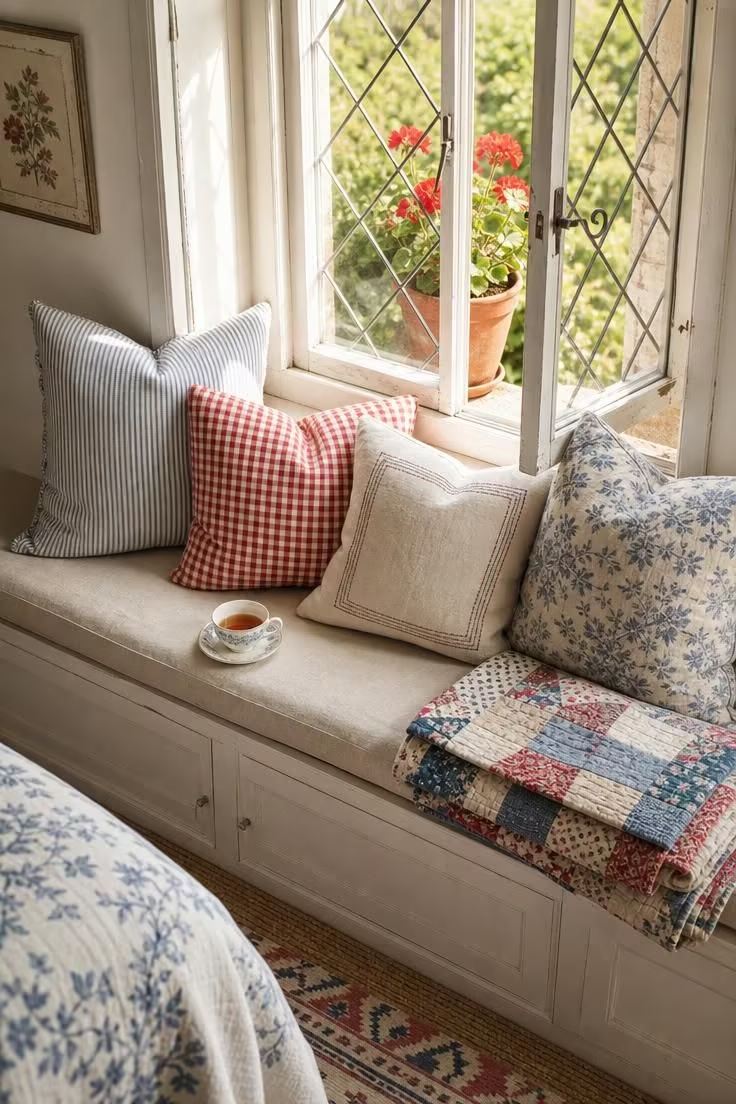
A window seat covered in mismatched cushions is the most inviting corner a bedroom can have.
The trick is keeping the patterns loose and varied, ticking stripes next to gingham next to a faded floral, so the arrangement looks gathered rather than purchased as a set.
Blue and red are the traditional cottage pairing here, bright enough to feel cheerful but grounded by the natural linen beneath them.
Floral bedding in faded prints softens the graphic lines of the stripes and checks, and that mix of structured and organic pattern is what gives English cottage textiles their layered quality.
A folded patchwork quilt at one end of the seat signals that this spot is used, not just styled, someone sits here with tea and a book on grey mornings.
Bright midday light through a casement window bleaches the colors slightly and makes everything look sun-washed.
The ceramic teacup on its saucer is the smallest prop in the frame, but it turns the scene from a photograph into a story.
An open window behind the cushions lets the garden in, and the scent of geraniums drifting through the gap completes what the eye started.
A window seat like this works in any bedroom, even without original cottage architecture, all you need is a bench, a cushion, and the willingness to mix your fabrics freely.
Style Blueprint:
- Built-in or freestanding window seat with thick linen cushion
- Scatter cushions in ticking stripe, gingham, and faded floral
- Folded patchwork quilt in mixed prints
- White ceramic teacup and saucer
- Leaded-glass or casement window with painted timber frame
A Sheepskin Draped Over a Ladder-Back Oak Chair
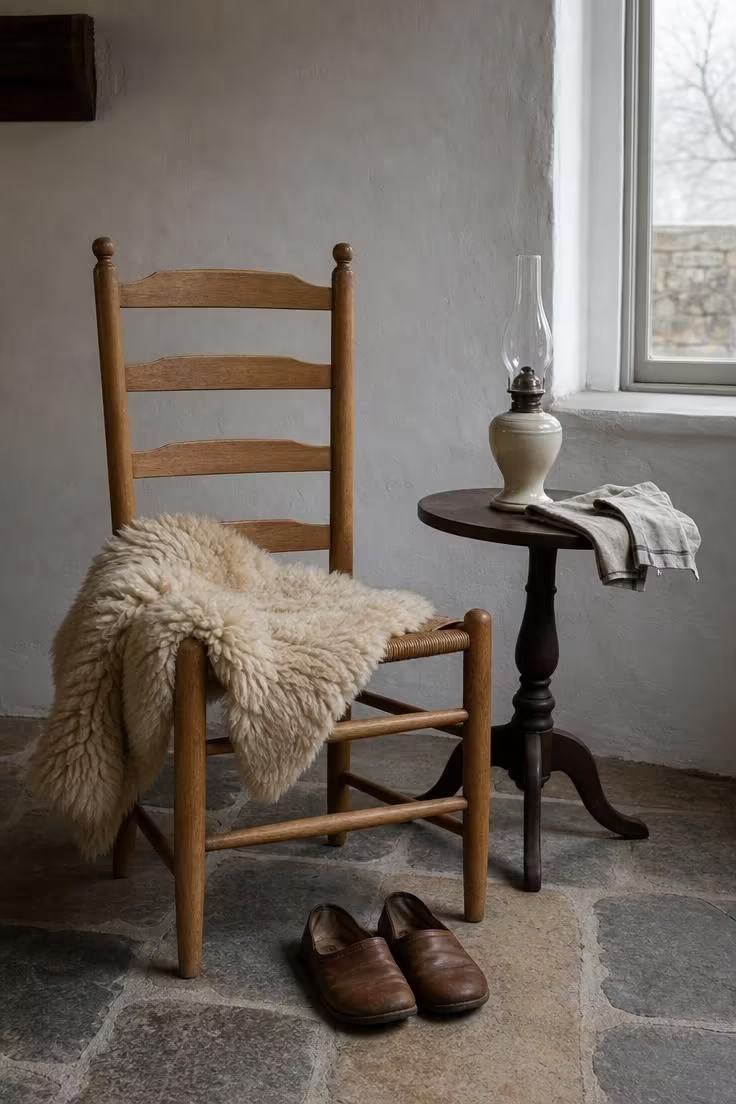
A sheepskin over a chair is one of the oldest comfort gestures in English country homes, and it still works because the texture is so unlike anything else in the room.
Against the hard geometry of a ladder-back chair, the wool is all softness and irregularity.
Honey oak and cream sheepskin together make a color combination that feels warm even in cool morning light.
The round side table beside the chair holds just enough, a ceramic oil lamp, a folded napkin, nothing more.
Flagstone floors in a bedroom are cold underfoot at dawn, and that coldness is part of the experience, the sheepskin chair and the eventual warmth of tea being the remedy.
Cool overcast light through an English window has a particular quietness to it, filling the room without drama.
Leather slippers tucked beneath the chair finish the scene with a note of daily ritual that no amount of styling can fake.
Style Blueprint:
- Ladder-back oak chair in natural honey finish
- Cream sheepskin throw
- Small round side table in dark walnut
- Ceramic oil lamp with glass chimney
- Flagstone flooring in mixed grey tones
Dried Hydrangea Stems in a Blue Stoneware Jug on a Mantel
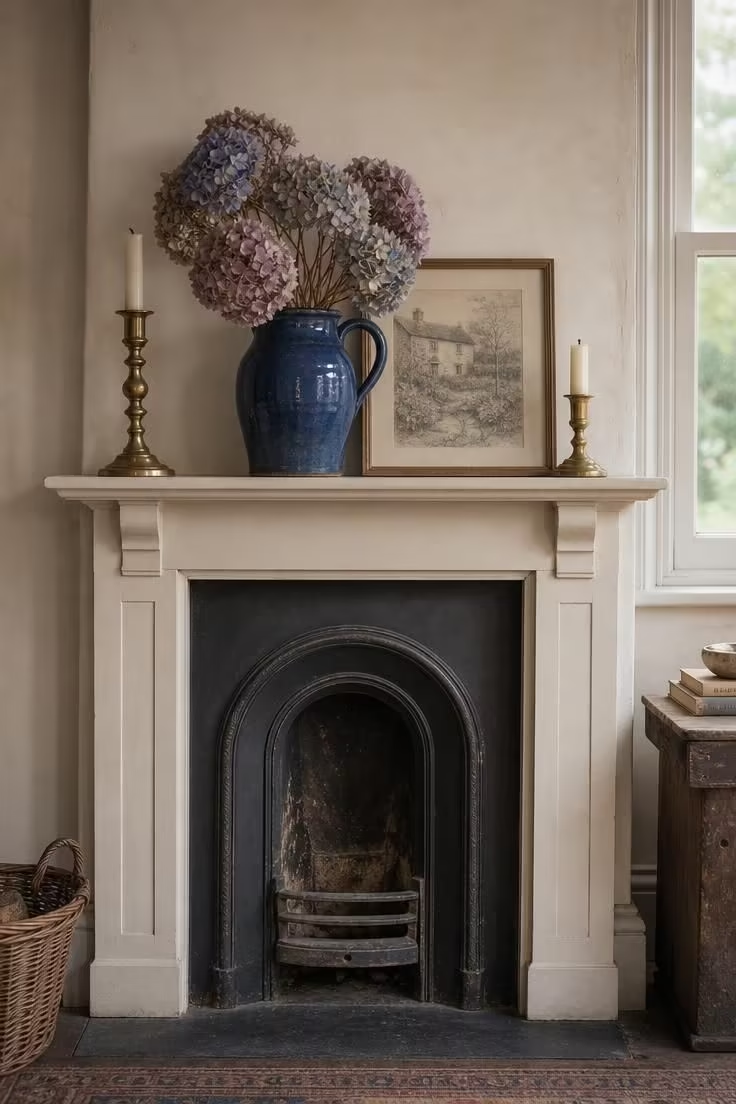
A mantelpiece in a bedroom serves as a shelf for the things that are too pretty to put away and too personal for anywhere else.
Dried hydrangeas keep their color for months, fading slowly from blue to mauve to a pale grey-green that looks better with each passing week.
A handmade stoneware jug in cobalt blue gives the arrangement a weight and solidity that a glass vase would not, and the rough glaze catches the light differently on every surface.
Brass candlesticks at different heights create a gentle asymmetry that keeps the mantel from looking like a mirror reflection.
Half-burned candles are better than new ones here, because the dripped wax and shortened taper suggest evenings spent reading by firelight.
The small cast-iron fireplace below, with its soot marks and simple arch, is the architectural heart of the room even when it is not lit.
A pencil sketch of a cottage garden leaned against the wall rather than hung is the kind of casual placement that makes a surface feel inhabited.
Soft diffused light treats a vignette like this kindly, smoothing the shadows and letting the textures speak without competition.
Design Pro-Tip: When arranging a mantel or shelf display, vary the height of every object. Tall jug in the center, shorter candlesticks at the sides, a low frame leaned behind. Height variation keeps the eye moving and prevents the flat, lined-up look that makes a surface feel like a store display.
Style Blueprint:
- Handmade cobalt blue stoneware jug
- Dried hydrangea stems in pale blue and mauve
- Mismatched brass candlesticks with ivory taper candles
- Small framed pencil sketch leaned casually
- Narrow painted timber mantelpiece in cream
A Crocheted Cotton Throw Over a Whitewashed Iron Daybed
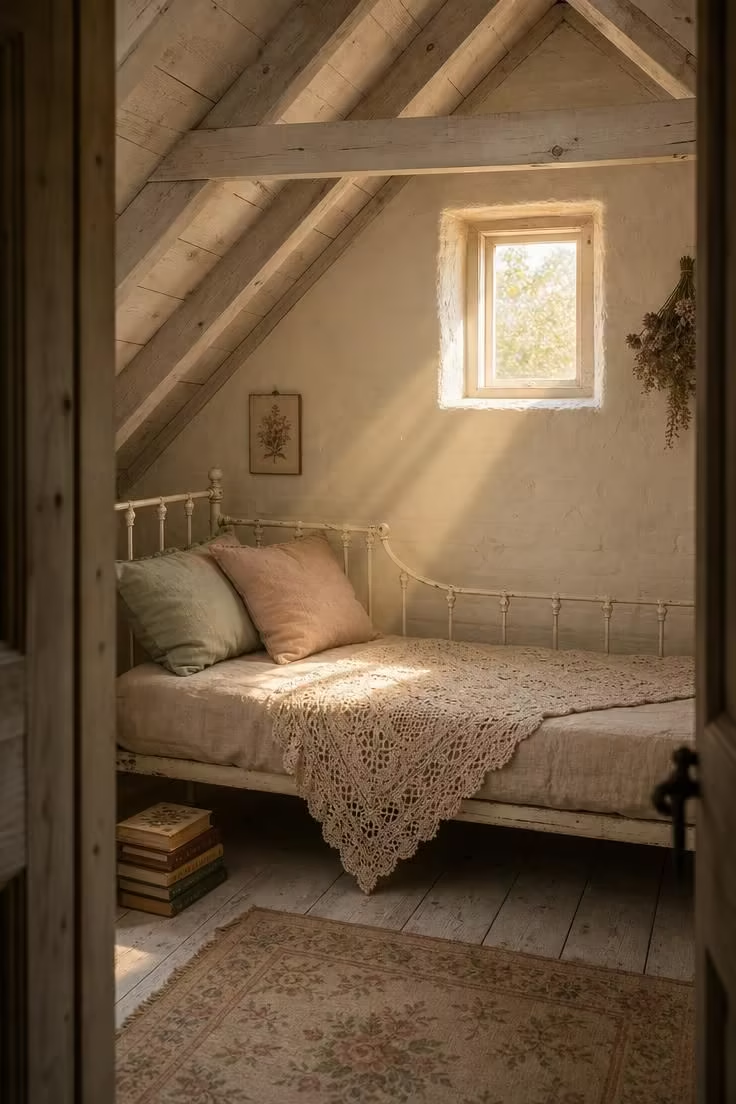
A daybed under a sloped ceiling turns wasted attic space into the most desirable spot in the house.
The whitewashed iron frame keeps the piece from looking heavy in a room where the ceiling closes in, and the thin cotton mattress adds to that sense of lightness.
A crocheted throw is all texture, the open pattern of the stitches creating shadows within shadows when the afternoon light hits.
Three cushions in faded sage, blush, and natural linen are enough to soften the iron without burying it.
Golden afternoon light through a small gable window is the kind of light you cannot plan for, but when it arrives, it turns every surface it touches into something worth photographing.
The exposed rafters above, weathered to pale pine, give the ceiling its own visual interest and make the room feel like a secret found at the top of a narrow staircase.
Style Blueprint:
- Whitewashed iron daybed with thin cotton mattress
- Cream crocheted cotton throw
- Linen cushions in faded sage, blush, and natural
- Exposed weathered pine rafters
- Small square gable window for directional light
William Morris Strawberry Thief Fabric on an Upholstered Headboard
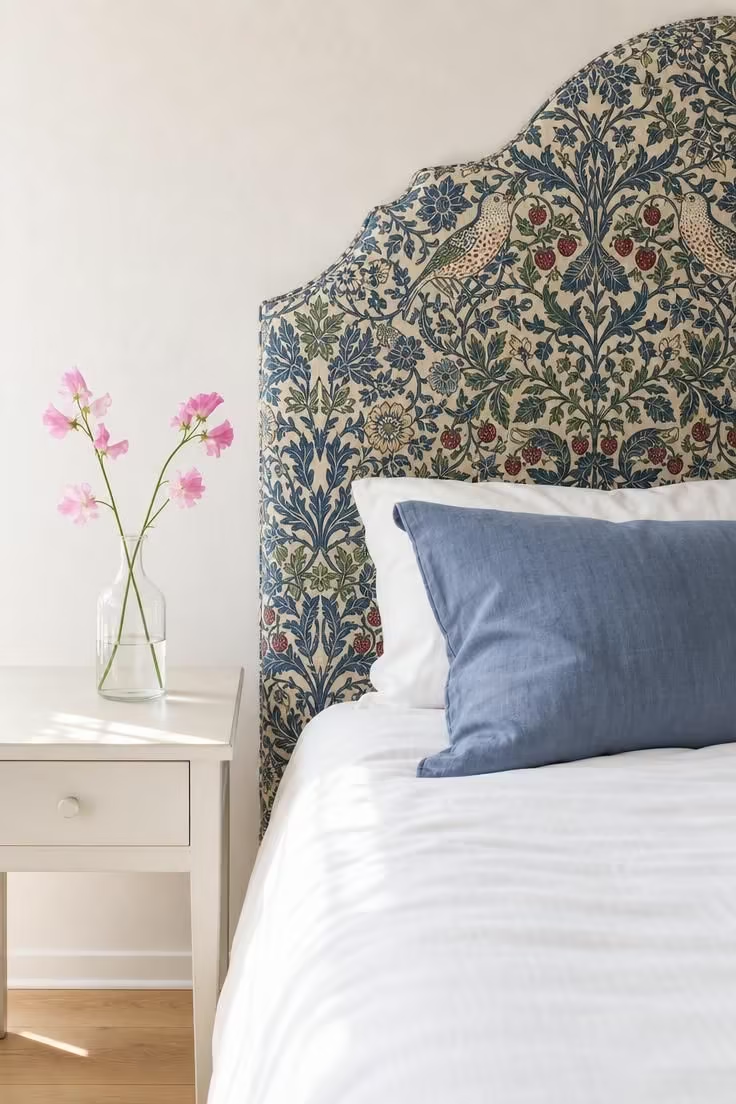
William Morris wallpaper is the pattern most associated with English country interiors, but using the Strawberry Thief print as upholstery fabric on a headboard concentrates its impact in one place rather than spreading it across every wall.
The indigo and green palette against a cream ground has a richness that digital prints cannot replicate, because the original design was block-printed and carries a slight irregularity in every repeat.
Crisp white sheets beside the headboard create a breathing space that lets your eye rest before returning to the birds and berries in the pattern.
A single blue linen pillowcase picks up the indigo without competing with it.
Fresh sweet peas in a clear glass vase bring the garden into the frame, and their soft pink is the perfect accent against all that blue and green.
Bright midday light is the right condition for a fabric this detailed, because it reveals the interlocking leaves and berries that get lost in low light.
Keeping the rest of the room plain, white walls, simple furniture, light oak floor, is the discipline that makes a statement headboard work.
Style Blueprint:
- Tall padded headboard in William Morris Strawberry Thief fabric
- Crisp white cotton sheets
- Muted blue linen pillowcase
- Clear glass vase with fresh sweet peas
- Simple white painted bedside table
Reclaimed Pine Floorboards With a Faded Persian Runner
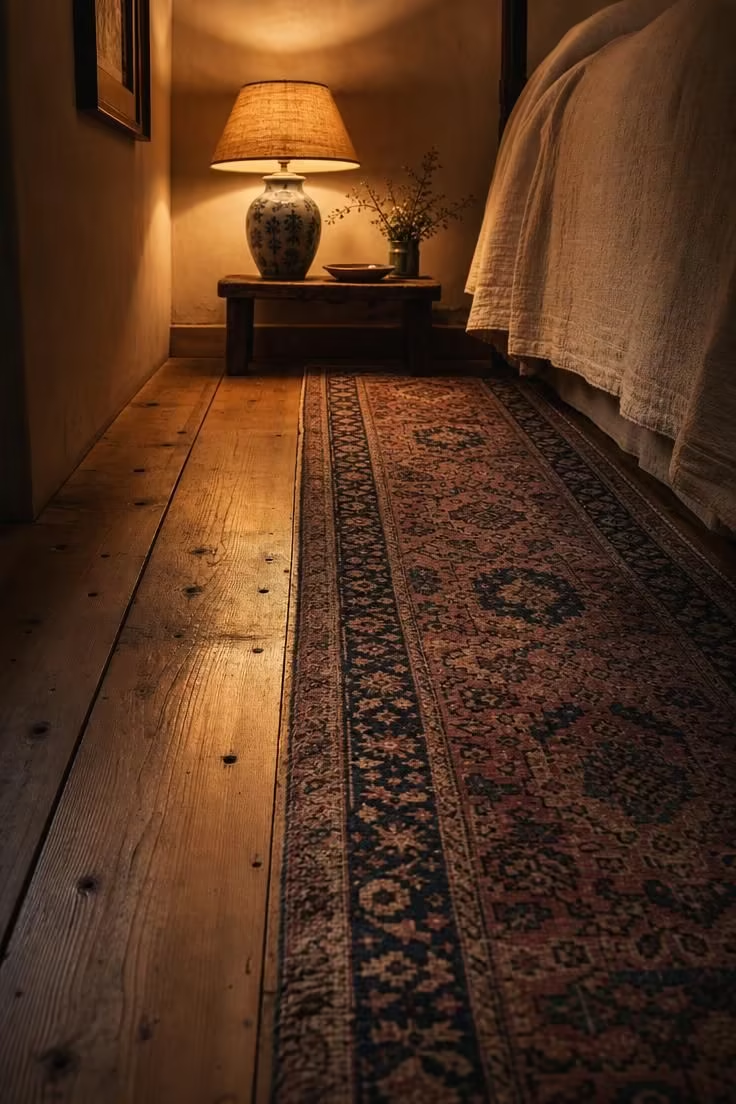
The floor is the largest surface in any bedroom, and reclaimed pine boards with their knots and nail holes carry more character than any other material in the room.
A faded Persian runner laid alongside the bed is the first thing your feet touch each morning, and the worn silk-and-wool weave has a softness that new rugs take decades to develop.
Rose and indigo are the classic colors of these runners, and against the golden tone of waxed pine, they glow rather than sit flat.
Low evening lamplight stretches the shadows of each floorboard groove into long parallel lines that give the room a cinematic depth.
A ceramic lamp base and linen shade keep the light source soft and warm, none of the blue-white harshness that overhead fixtures bring.
The cream linen coverlet hanging down from the bed edge adds a vertical drape that softens the horizontal lines of the boards and runner.
Linen curtains at the window, if drawn at this hour, would complete the enclosure, wrapping the room in fabric and warm light.
This is a bedroom that looks its best at night, when the lamp does all the work and the pine and Persian wool trade warmth back and forth across the floor.
Design Pro-Tip: Faded is better than new for Persian runners in a cottage bedroom. The worn areas where the pattern has softened actually help the rug blend with aged wood floors. If you find a new reproduction, leave it in direct sunlight for a few months to take the edge off the colors before placing it.
Style Blueprint:
- Wide reclaimed pine floorboards with soft wax finish
- Faded Persian runner in rose, indigo, and cream
- Ceramic table lamp with linen shade
- Low bedside table in aged wood
- Cream linen coverlet with a relaxed drape
A Linen Roman Blind in Oatmeal With a Cottage Casement Frame
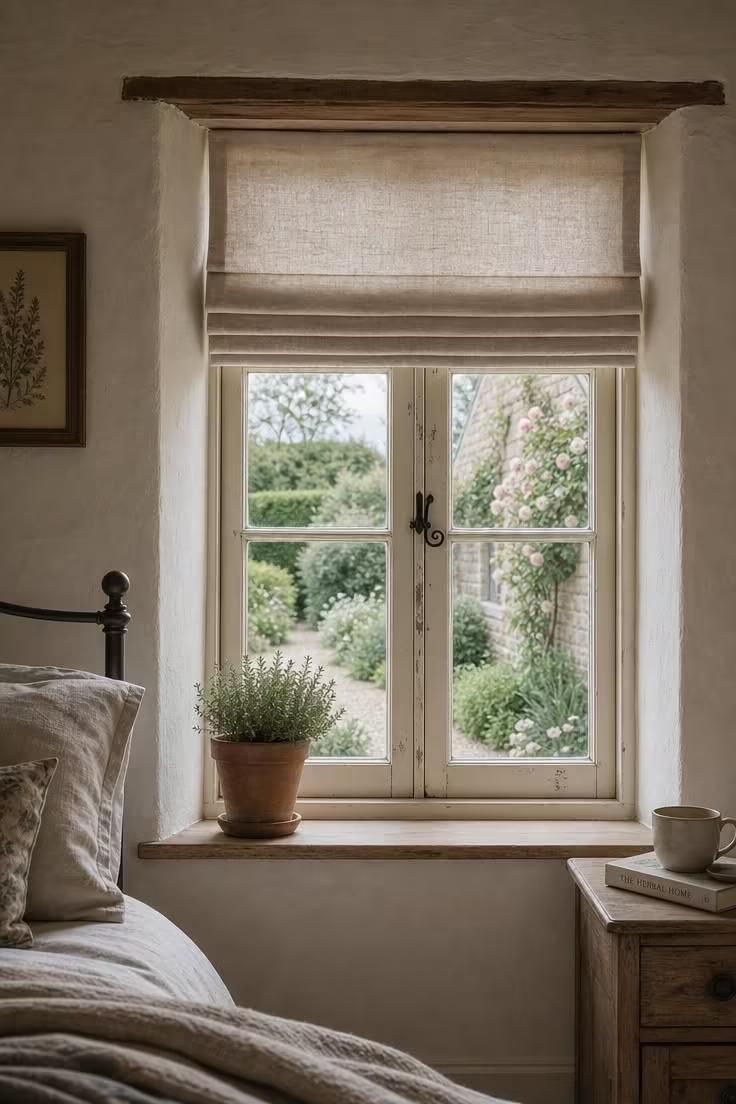
A linen Roman blind is the modern replacement for lace panels in cottage windows, and it does the same job, filtering light, softening the frame, while looking far cleaner.
Oatmeal linen has enough warmth to avoid the clinical feel of white, and the horizontal folds when raised give the window a structured softness that curtains do not.
Deep-set casement windows are one of the defining features of English cottage architecture, and the thick timber frame and stone or plaster reveal create a natural border that needs very little dressing.
A terracotta pot of thyme on the sill brings the garden inside without the maintenance of cut flowers, and the herb’s scent drifts through the room when the window is cracked open.
Cool overcast light is kind to a window treatment like this, showing the linen’s texture without washing it out.
The garden visible through the glass, climbing roses, stone walls, gravel paths, is the final layer of decoration in a room that borrows its beauty from what is just outside.
Style Blueprint:
- Oatmeal linen Roman blind with clean horizontal folds
- Deep-set timber casement window in painted cream
- Small terracotta pot with fresh thyme
- Rough plaster wall surround in warm white
- View of a cottage garden through the glass
Conclusion
Every english cottage bedroom in this collection comes back to the same handful of principles: natural materials over synthetic ones, soft color over bright, and furniture that looks lived with rather than just lived around.
You do not need a centuries-old stone house to borrow these ideas.
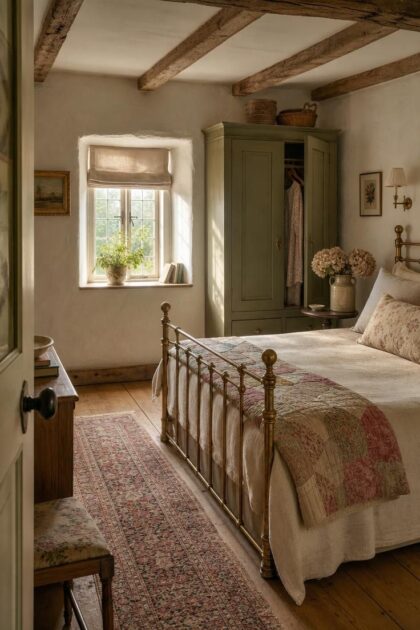
A brass bed frame, a wool blanket, a Roman blind in oatmeal linen, these are all starting points that work in any room with any ceiling height.
The character comes from layering, adding a faded runner to a plain floor, propping a watercolor against a wall, folding a patchwork quilt at the foot of the bed.
Start with one element that feels honest, something with real texture or a visible history, and let the room build itself from there.