This post may contain affiliate links. If you make a purchase through these links, we may earn a commission at no additional cost to you.
Summer arrives quietly in a kitchen, asking for softer textiles, lighter color, and a thinner crowd of objects on the counters.
The shift is rarely a renovation; more often it is a curtain swap, a new arrangement of fruit on a marble board, and a brass pull replacing a cold chrome one.
The 15 summer kitchen ideas below move from small accents to bigger styling moments, each pictured as a single scene you can recreate over a weekend.
Read on for fresh ways to lift your everyday cooking space without buying a new kitchen.
A Bowl of Meyer Lemons on a Marble Pedestal Beside Cobalt Glassware
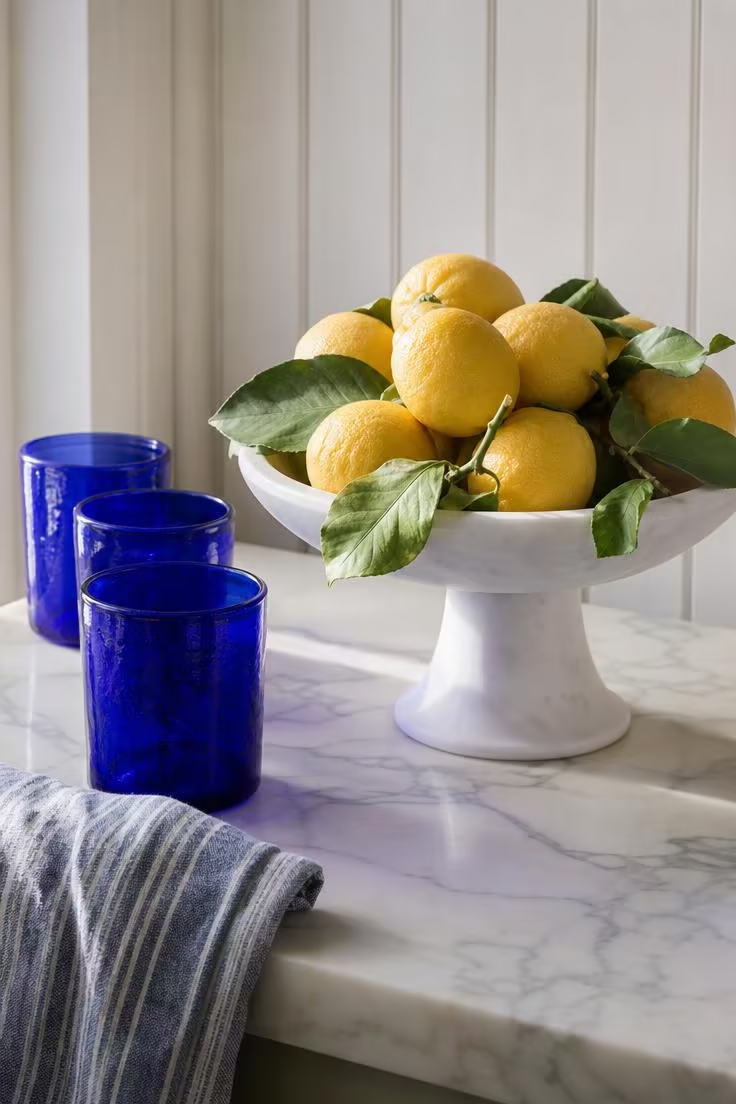
Lemons in summer feel like a small act of generosity toward a room.
The reason a single bowl works so well is that it pulls warm yellow tones forward against cool stone, making the counter feel sunlit even on a gray morning.
Cobalt glassware beside the fruit adds the one cool note the eye needs to register the scene as fresh rather than only warm.
A footed pedestal raises the lemons just enough to read as a decor object rather than groceries, which is the difference between styled and tidy.
Keep the rest of the counter empty within an arm’s reach of the pedestal so the eye lands on the fruit first.
If your lemons are out of season, swap them for limes, blood oranges, or small green pears, but match the bowl’s height to the fruit’s natural pile.
Style Blueprint:
- Footed white marble or stone pedestal, 8 to 10 inches tall
- A dozen unwaxed Meyer lemons with leaves intact
- Three cobalt blue hand-blown water glasses
- A washed linen tea towel in faded indigo stripes
- A clean stretch of counter, at least 18 inches around the pedestal
Washed Linen Cafe Curtains in Buttermilk Cream Over the Sink Window
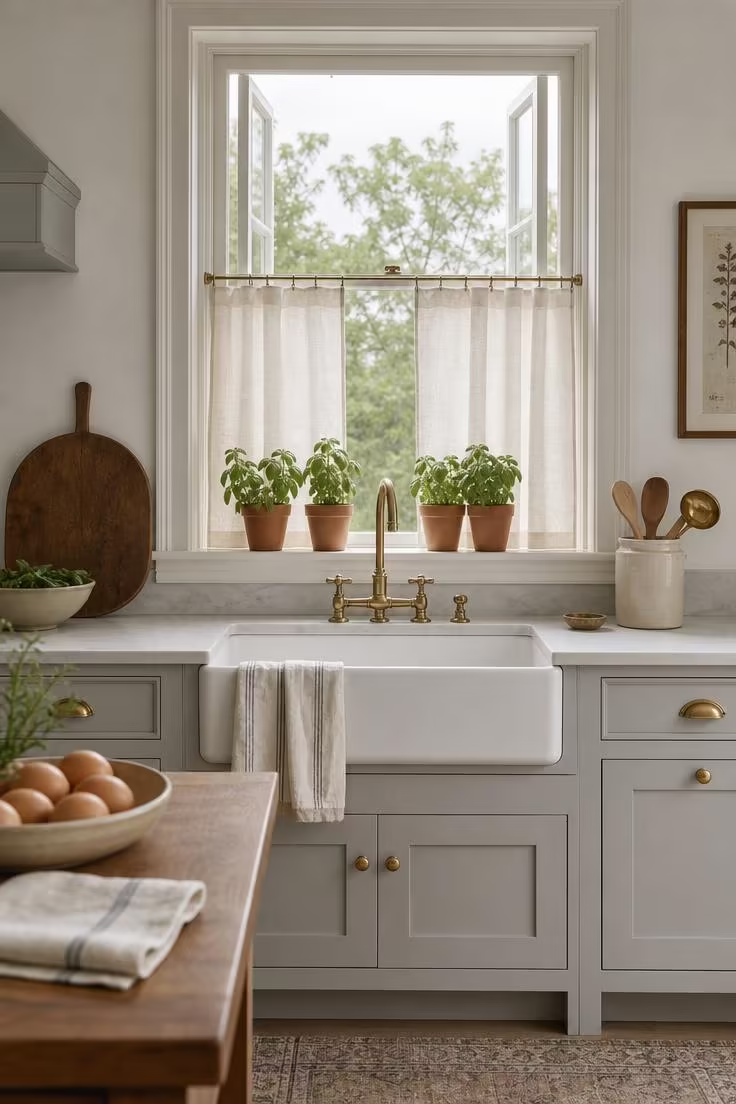
Cafe curtains do something a full panel never can.
They give privacy at the sink without blocking the upper half of the window, so the kitchen still pulls in afternoon light from above.
Washed linen reads as informal and a little crumpled, which keeps the look from drifting into formal dining-room territory.
Buttermilk cream as the curtain color sits between true white and beige, warm enough to soften the stone of a sink and cool enough to feel summery.
A slim brass rod with simple ring clips makes the curtains easy to swap with a seasonal pattern later, which is part of the point.
Hang the rod just below the middle horizontal muntin of the window for the proportions to feel intentional rather than makeshift.
These summer kitchen textiles cost less than a single cabinet pull and shift the whole tone of the room.
Style Blueprint:
- 2 panels of washed linen in buttermilk cream, sized for cafe height
- Slim brass tension rod or wall-mounted brass rod, 5/8 inch diameter
- Brass clip rings, eight to ten per panel
- Three small terracotta herb pots with basil
- A ceramic crock with one wooden spoon and one brass utensil
Open Shelves Styled with White Ironstone and Garden-Cut Hydrangea
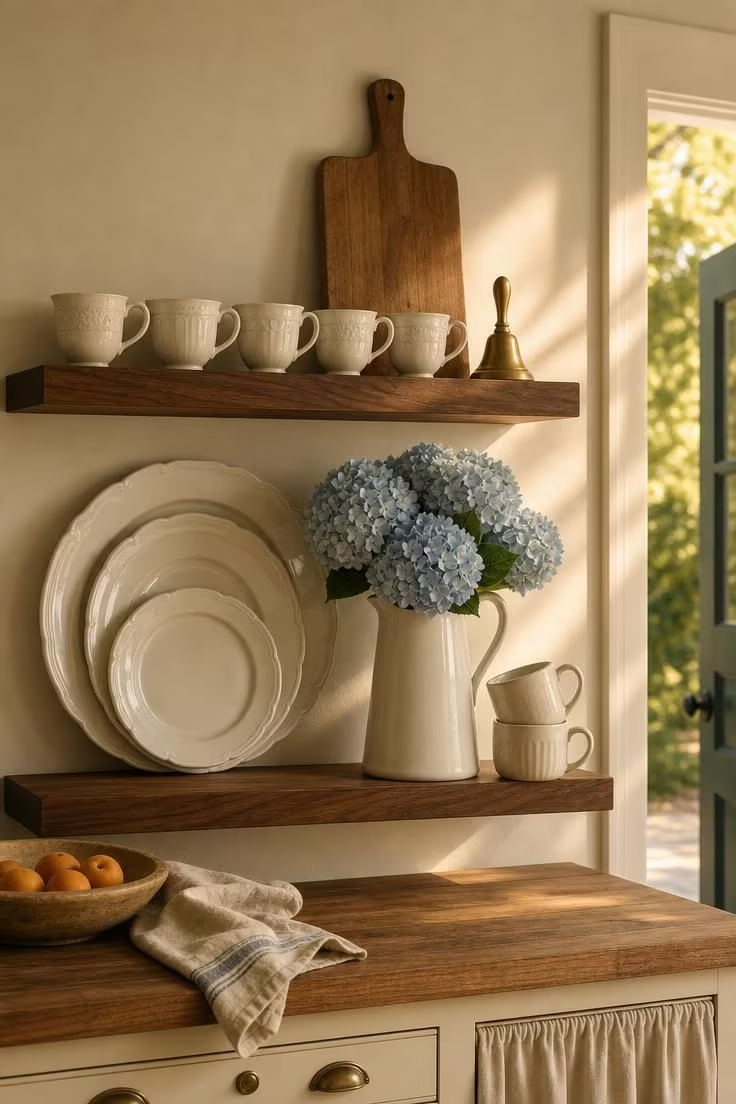
Open shelving styling earns its place in a summer kitchen by giving you somewhere to put the season.
A stack of white ironstone reads as cooling visual relief next to warm wood tones, like a glass of milk against a maple counter.
The hydrangea pitcher is the work of the scene; everything else simply frames it.
Pale blue garden-cut blooms pull a single cool note into a mostly warm color story, which keeps the shelves from feeling monotone.
Place taller objects toward the back and shorter ones forward so the eye reads layers rather than a flat wall of stuff.
The walnut grain matters here; lighter oaks would let the ironstone disappear, and darker woods would feel too heavy for July.
Refresh the flowers every five to seven days, even when summer makes you lazy, because brown hydrangea heads read as neglect rather than dried charm.
Leave a third of each shelf bare so the styling has room to breathe.
Style Blueprint:
- Two solid walnut floating shelves, 36 to 48 inches long
- A stack of three white ironstone platters in graduated sizes
- A tall ironstone pitcher (10 to 12 inches)
- Six to eight stems of pale blue hydrangea, cut from a garden or farmers’ market
- Five vintage white teacups arranged in a single row
Design Pro-Tip: When styling open shelves, use the “rule of unequal thirds.” Group objects in clusters that take up roughly one third of the shelf length, leaving the other two thirds bare. The empty space is what makes the styled portion read as intentional rather than cluttered.
A Brass Bridge Faucet Paired With a Honed Carrara Backsplash Slab
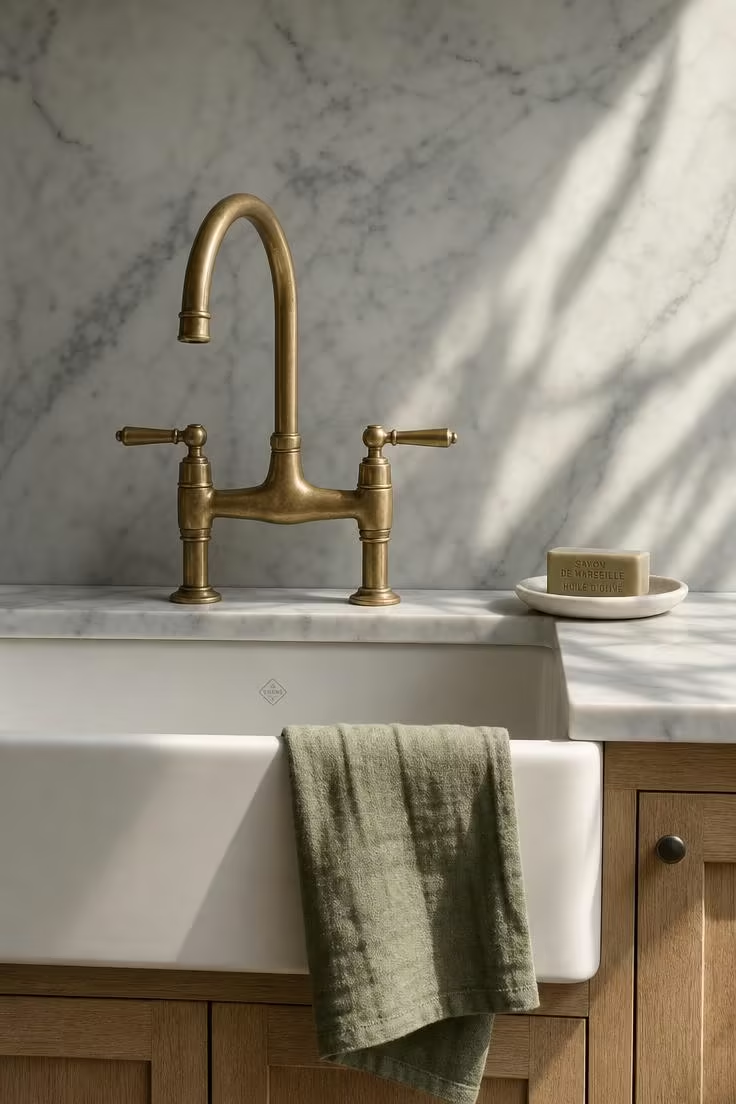
A brass bridge faucet asks to be looked at, which is the point.
Replacing a single chrome or stainless faucet with one in warm metal will read as the biggest seasonal change in the kitchen for the cost of a long afternoon.
A honed Carrara slab behind it eliminates grout lines, which keeps the eye moving from the marble veining straight to the faucet without visual interruption.
Sage green in the dish towel is the soft third color the room needs; pure white would feel sterile against the warm metal.
Unlacquered brass will patina over months of contact with water, which is the reason to choose it over polished or lacquered finishes for a working kitchen.
The patina is the point of the summer kitchen color palette here, not a flaw.
Style Blueprint:
- Unlacquered brass bridge faucet with side spray or pot filler
- Full-height honed Carrara marble slab backsplash
- A small white ceramic soap dish
- Bar of olive oil soap or castile soap
- Sage green washed linen dish towel
A Trio of Terracotta Herb Pots With Basil, Mint, and Lemon Thyme on the Windowsill
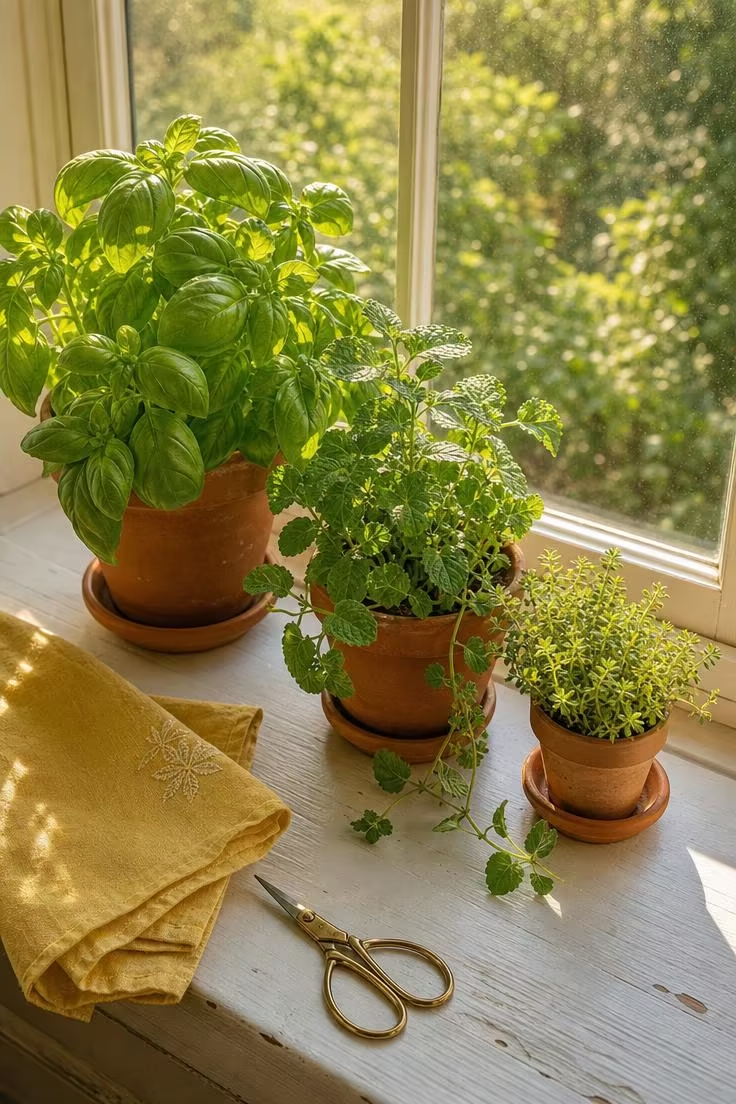
Living herbs do more for a summer kitchen than any framed print could.
Their green is bright in a way that no painted color matches, and their scent reaches you before you see them.
Three pots of different heights look right because the eye reads the variation as a small garden rather than a row of identical decor objects.
Unglazed terracotta breathes, which is good for the plants, and it darkens over time as it absorbs water, which is good for the room.
Basil rewards a sunny windowsill more than almost any other plant, but it sulks below sixty-five degrees, so this is a late-spring-through-September move.
Mint will try to take over its pot, which means you can pinch the tips often without harming the plant.
Lemon thyme stays small and tidy, threading the trio together with its citrus scent.
Brass scissors beside the pots signal that the herbs are actively used, not only displayed.
A pair of small brass shears costs less than ten dollars and reads as the most styled object in the scene.
Style Blueprint:
- Three unglazed terracotta pots in graduated sizes (4, 6, and 8 inches)
- A vigorous Genovese basil plant
- Trailing spearmint or peppermint
- Lemon thyme or English thyme
- Small brass garden shears or kitchen scissors
Block-Printed Cotton Runner in Indigo and Bone Across a Pale Oak Island
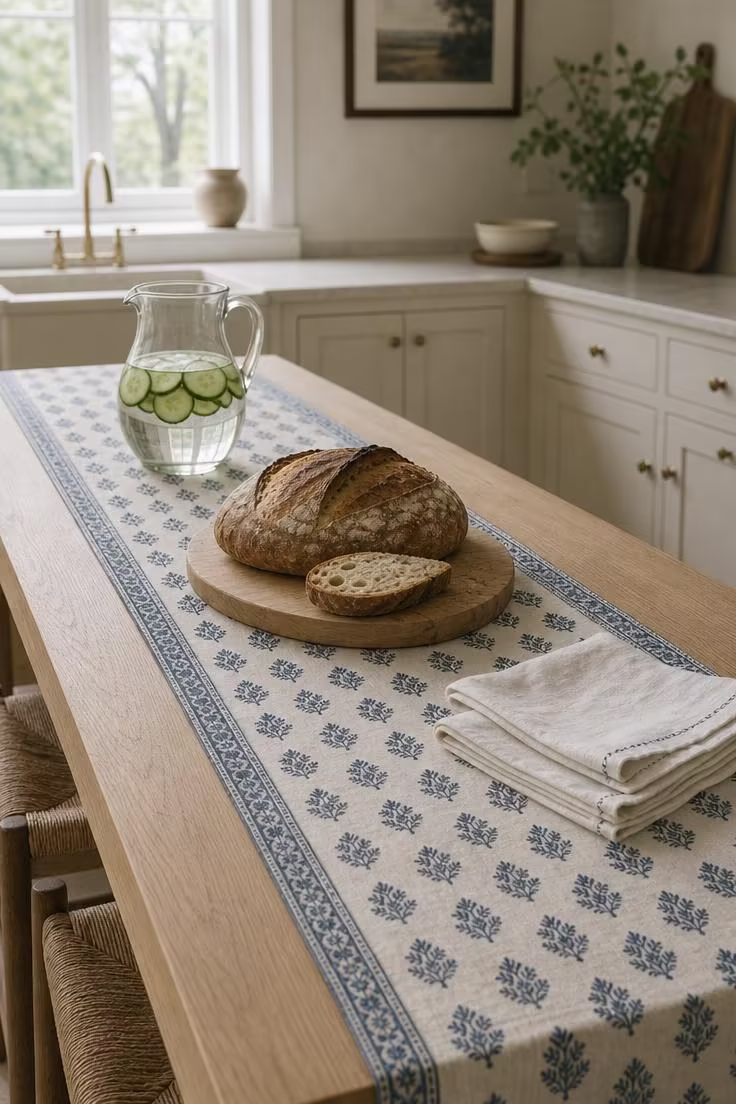
An island runner is the lowest-commitment way to bring summer pattern into a kitchen.
Block-printed cotton in indigo carries the slightly imperfect repeat that machine-printed fabric never quite manages, and the irregularities read as warmth.
The pale oak underneath does half the work; bleached or limed wood gives the indigo somewhere to sing against.
A glass pitcher of cucumber water at one end is a tiny styling lift, the kind of detail that makes a photograph look lived in.
Cotton washes easily, which matters in a working kitchen, and a fresh runner can be rotated through three or four patterns over a single summer.
Stack the napkins rather than fan them; a small pile reads as more honest than a fan.
Skip a centerpiece taller than four inches so the runner remains the long line of color across the room.
Style Blueprint:
- Block-printed cotton runner, 18 inches wide by island length
- A pale oak or bleached wood island top
- Clear glass pitcher with cucumber and ice water
- A stack of two or three white linen napkins
- A round wooden bread board with a small loaf
A Footed Wooden Bread Board Stacked With Stone Fruit and Sprigs of Lavender
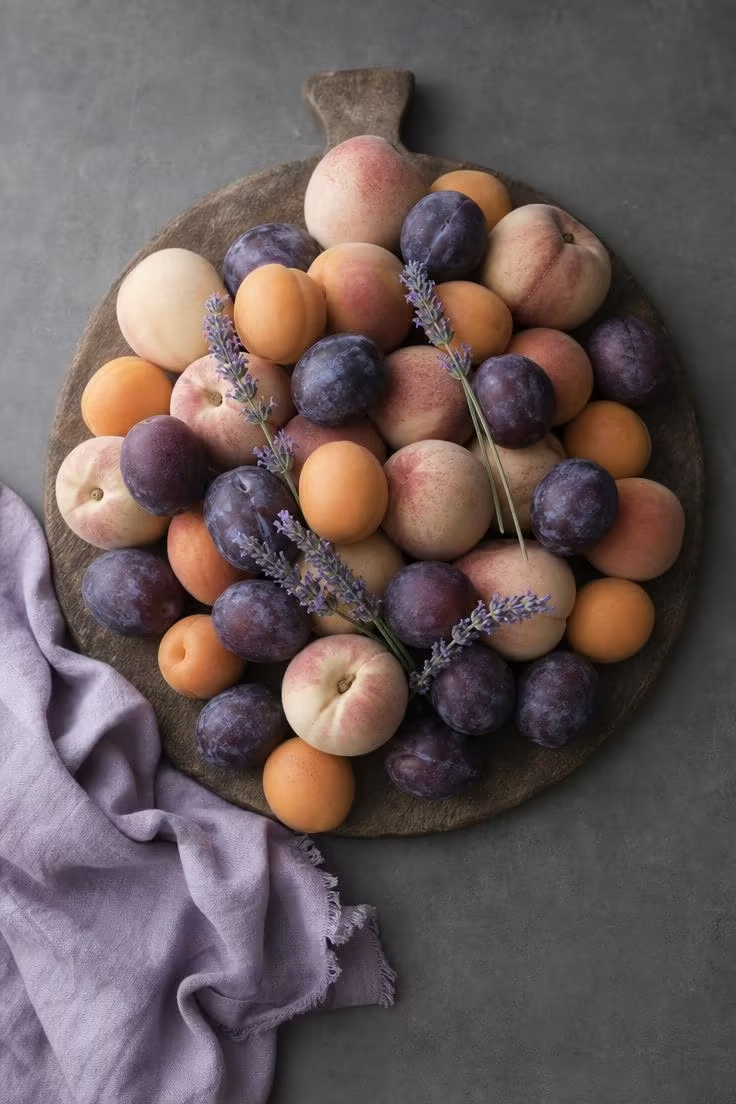
Stone fruit and lavender together is a small color trick learned from Provençal kitchens.
The peach and lavender share a chromatic neighbor; deep plum sits between them as the anchor.
A footed board lifts the fruit just an inch above the counter, which gives the pile a kind of importance, the way a cake stand makes a layer cake feel like an event.
Cool overcast light flatters this palette in a way bright sun would flatten; the colors come forward without competing.
Avoid the urge to wash the fruit; a thin natural bloom on plums and the soft fuzz on peaches photograph better and signal market-fresh.
A purple linen napkin alongside is the only other styling move needed, and even that is optional.
Stone fruit lasts on a counter for two to four days before it needs to be eaten, refrigerated, or made into something, so this is a styling move that rewards you with breakfast.
Cluster the fruit higher in the center and let pieces fall toward the edges; geometric stacks look fussy.
Style Blueprint:
- A round footed wooden bread board, 10 to 14 inches diameter
- Mixed stone fruit: white peaches, plums, apricots
- Three short sprigs of fresh lavender
- A pale purple linen napkin
- A honed dark stone counter or dark wood underneath
Design Pro-Tip: Match flower or herb sprig color to the fruit, not the room. A bowl of red strawberries with red zinnias reads as styled. A bowl of strawberries with lavender reads as random. The closer the floral note is to the dominant fruit color, the more the pile feels composed.
Cane-Front Cabinet Door Inserts Replacing Solid Upper Panels
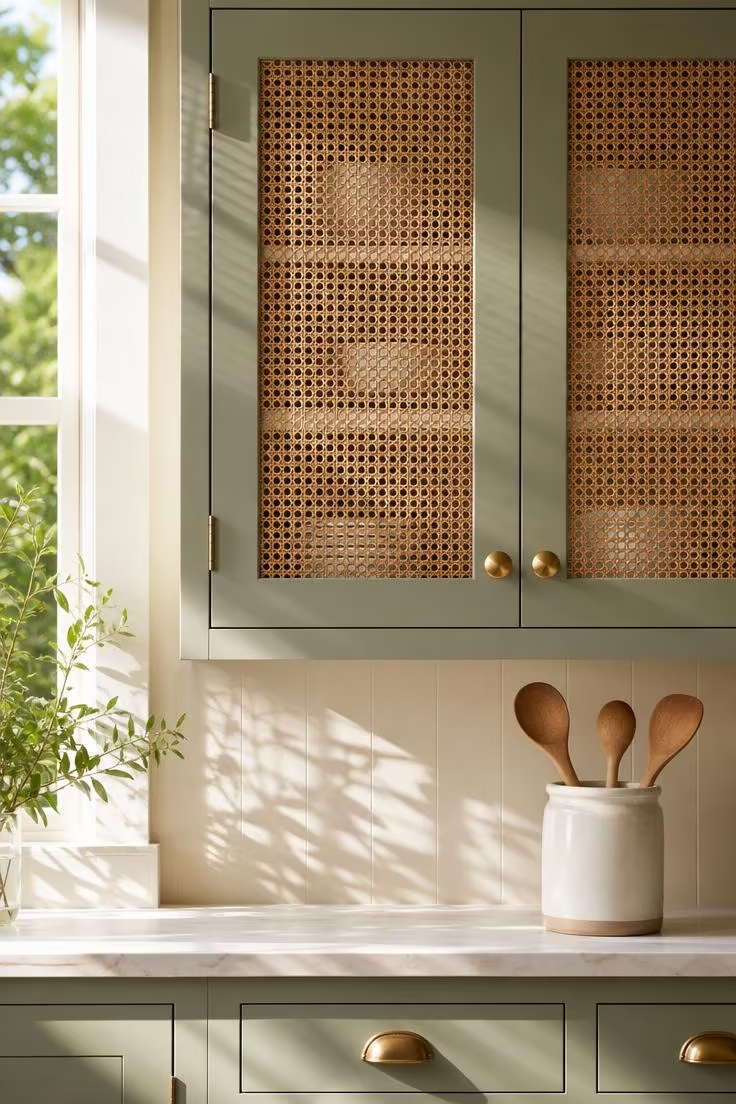
Cane inserts are a rental-friendly cabinet move with disproportionate impact.
Pop out the center panel of a flat shaker cabinet door, staple a piece of pre-woven cane behind the opening, and the cabinet reads as bespoke rather than builder-grade.
Sage green paint around natural cane is one of the more flattering combinations in current summer kitchen decor; the green pulls the warm tan of the cane forward.
What you see through the weave matters; load the visible cabinet with white dishes or pale glassware so the inside reads as clean.
Brass cup pulls finish the look in a single hardware story.
Style Blueprint:
- Two upper cabinet doors with center panels removed
- Pre-woven natural cane sheet in hexagonal or open weave
- A staple gun and 1/4-inch staples
- Soft sage green cabinet paint in eggshell finish
- Brass cup pulls for the lower drawers
A Single Rattan Pendant in Belly-Basket Shape Above a Round Bistro Table
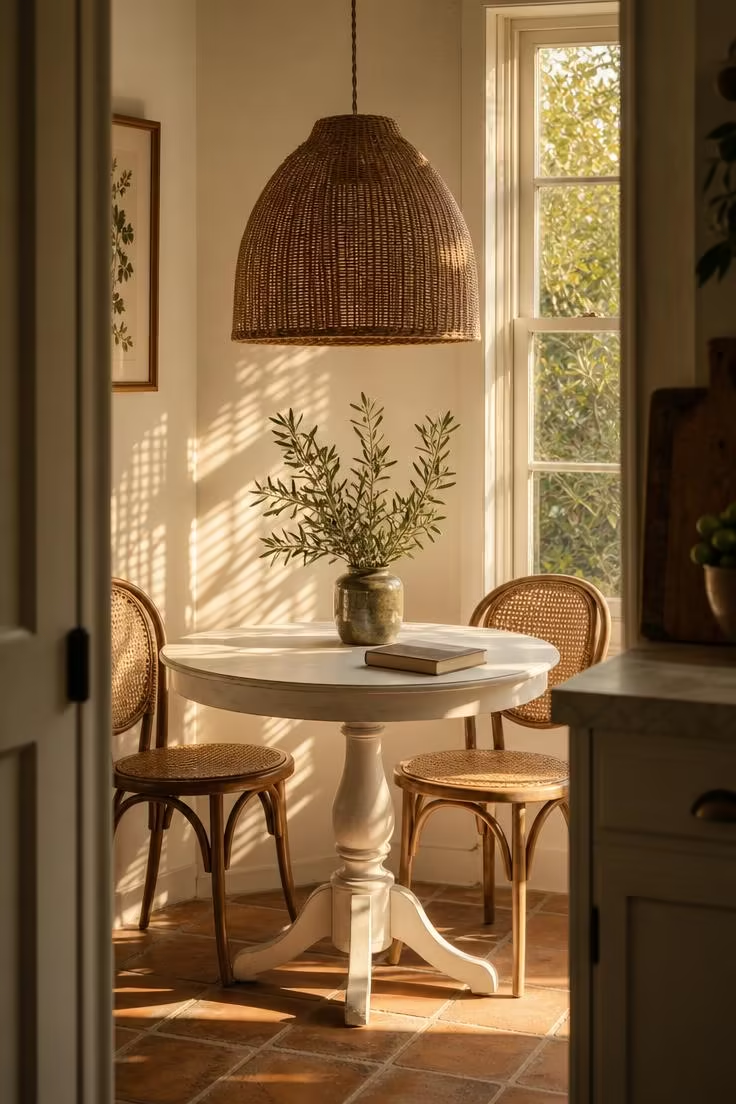
A single large rattan pendant does what twenty smaller decisions cannot.
It lowers the visual ceiling above a small table, makes the corner feel like its own room, and casts patterned shadows that read as both texture and time of day.
Belly-basket shapes are softer than tall cylinders, which suits a kitchen corner rather than a dining room.
Hang the pendant 30 to 34 inches above the table for the right proportions.
Cane-back chairs continue the natural fiber story without matching exactly, which keeps the corner from looking like a furniture set.
Olive branches in a small vase echo the rattan’s warm tone and need no water, only an occasional dusting.
A linen-bound book on the table is the kind of small lie a styled photograph tells; in real life, leave a magazine or a cookbook.
Style Blueprint:
- A large belly-basket rattan pendant, 18 to 24 inches diameter
- A round white-painted bistro table, 30 inches diameter
- Two cane-back side chairs
- A small glazed ceramic vase with olive branches
- A linen-bound book or a small stack of cookbooks
Gingham Ticking Striped Roman Shades in Faded Hydrangea Blue
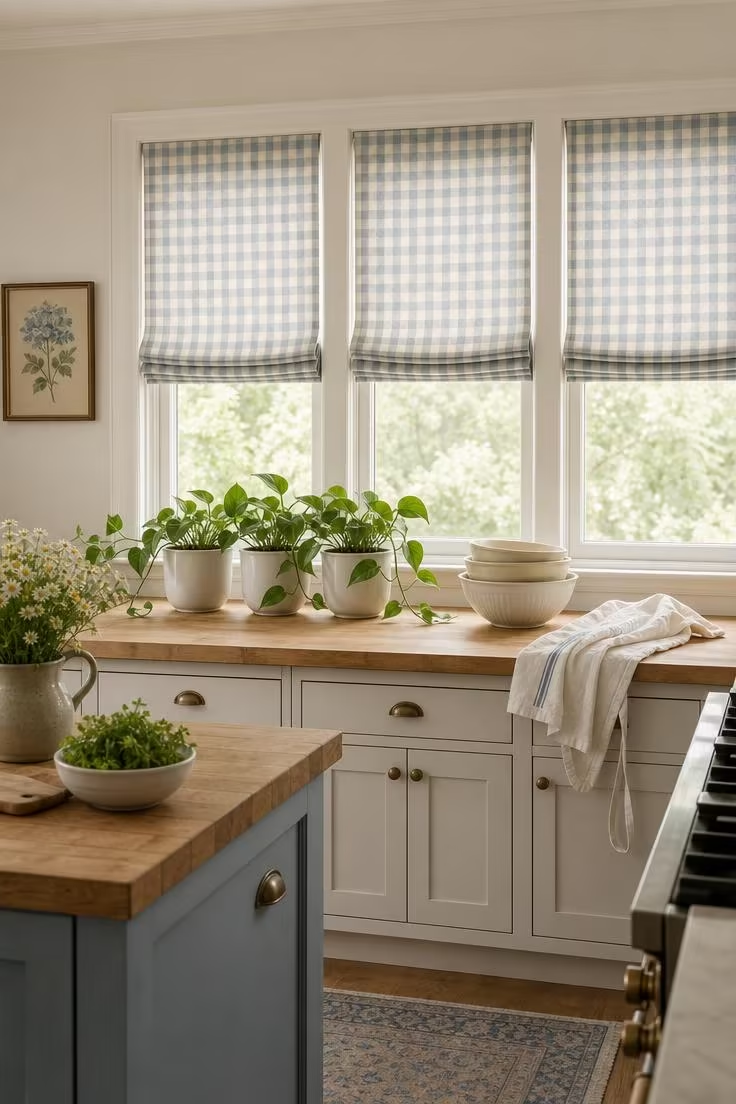
Gingham makes most rooms feel like a kitchen, which sounds redundant until you walk into a kitchen that does not feel like one.
The pattern signals warmth and informality more reliably than almost any other.
A faded hydrangea blue carries enough cool to read as summer rather than autumn, which is the difference between a kitchen that lives across seasons and one that gets put away in September.
Roman shades sit flat against the window when raised and pool gently when lowered, which suits a working kitchen better than billowing curtains over a sink.
Choose a tight ticking stripe over a large gingham check for a more grown-up read; small patterns scale down to the size of the window.
Bone white as the second color keeps the stripe from feeling like a child’s bedroom.
Pothos trailing along the counter below echoes the green note that summer light brings even through filtered shades.
Three mixing bowls stacked are a working object, not a decor object, but their cream tone keeps the palette warm against the cooler blue.
A folded apron is the smallest signal of a room being used, and it costs nothing to leave one out.
Style Blueprint:
- Three faded hydrangea blue and bone gingham ticking Roman shades
- A bank of windows above counter height
- Three small white ceramic pots with pothos
- A stack of three cream ceramic mixing bowls
- A folded white linen apron
Unlacquered Brass Cup Pulls Swapped Onto White Shaker Drawers
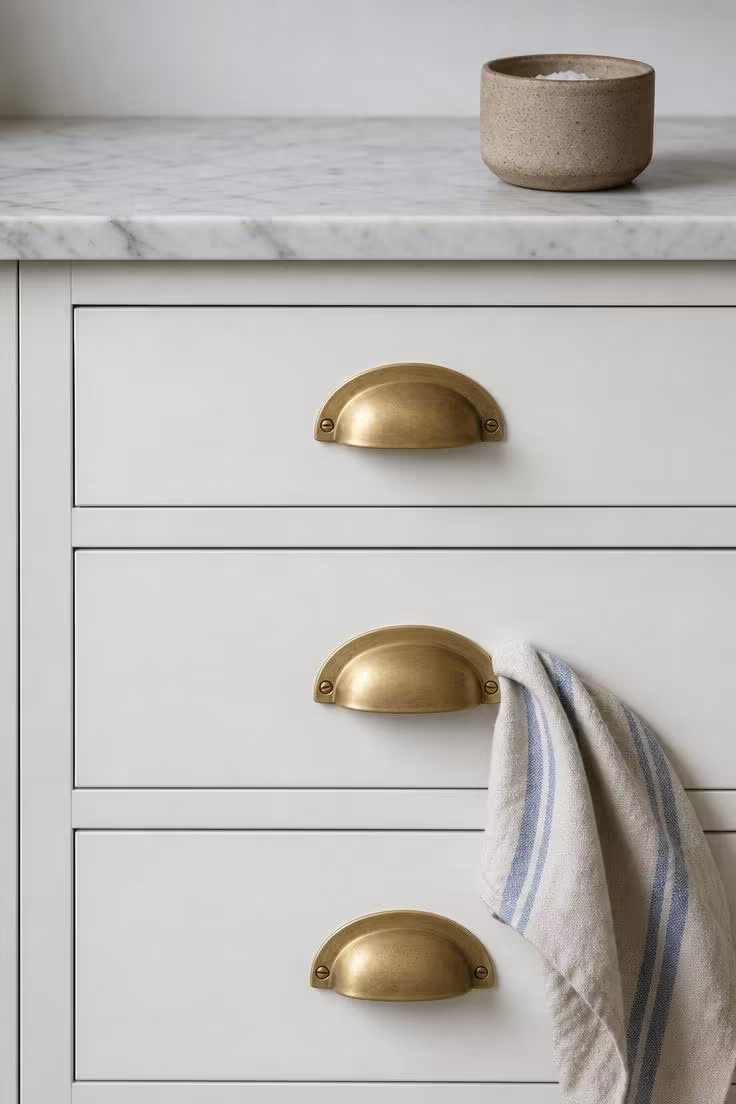
Hardware is the smallest change with the biggest visual return.
A bag of unlacquered brass cup pulls replaces a row of polished chrome ones in an afternoon and reads as a different kitchen by evening.
The cool overcast light here is on purpose; it shows brass without flattering it, which is the test of whether the finish will hold up across seasons.
Unlacquered brass will deepen, mottle, and patina with use, which is the choice you make when you buy it.
A chambray dish towel tucked into the pull is the smallest possible styling, and it carries the soft summer signal without trying.
The clay salt cellar above is the only counter object visible; everything else has gone away for the photograph.
Style Blueprint:
- Six to eight unlacquered brass cup pulls
- A drawer screwdriver and a measuring tape
- White shaker drawer fronts in soft eggshell paint
- A chambray striped linen dish towel
- A small unglazed clay salt cellar
Design Pro-Tip: Always buy one extra brass pull beyond what you need. Hardware finishes vary slightly between batches, and an extra in the drawer lets you replace a damaged or lost one years later without rebuying a whole set.
A Stoneware Crock of Hand-Painted Wooden Spoons Beside the Range
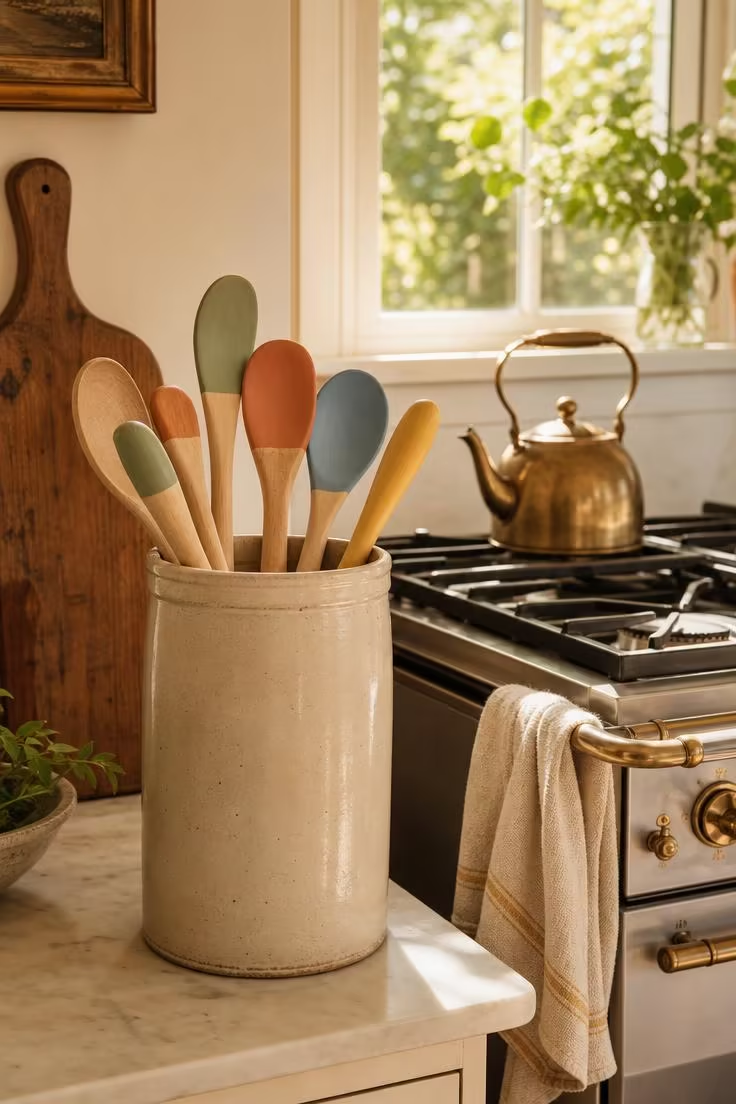
Wooden spoons are a forgotten styling object in most kitchens.
A crock full of them next to the range is genuinely practical, which is why the photograph feels honest rather than staged.
Hand-painted handles in summer tones read as a small art project the cook took on one weekend, which is the kind of detail that makes a kitchen feel personal.
The painted color story should match the rest of the room’s summer kitchen color palette, not introduce new tones, so look at your other accents before choosing paint.
Acrylic craft paint sealed with a thin coat of food-safe mineral oil holds up to washing if the painted portion stays away from the bowl of the spoon.
Cream as the crock color recedes against most counters, which lets the painted handles do the work.
A brass kettle on the back burner is a separate styling move that earns its place by carrying the same warm metal note as the brass pulls or faucet elsewhere in the room.
Style the crock with the longest spoons at the back and shortest at the front; otherwise the front handles obscure the painted detail behind them.
Style Blueprint:
- A tall cream stoneware crock, 8 to 10 inches tall
- Five to seven natural wooden spoons of varied lengths
- Acrylic craft paint in summer tones (butter yellow, sage, terracotta, faded blue)
- Food-safe mineral oil for sealing
- A small brass kettle for the stovetop
A Glass Cake Dome Holding a Lemon Loaf on a Scalloped Marble Cake Stand
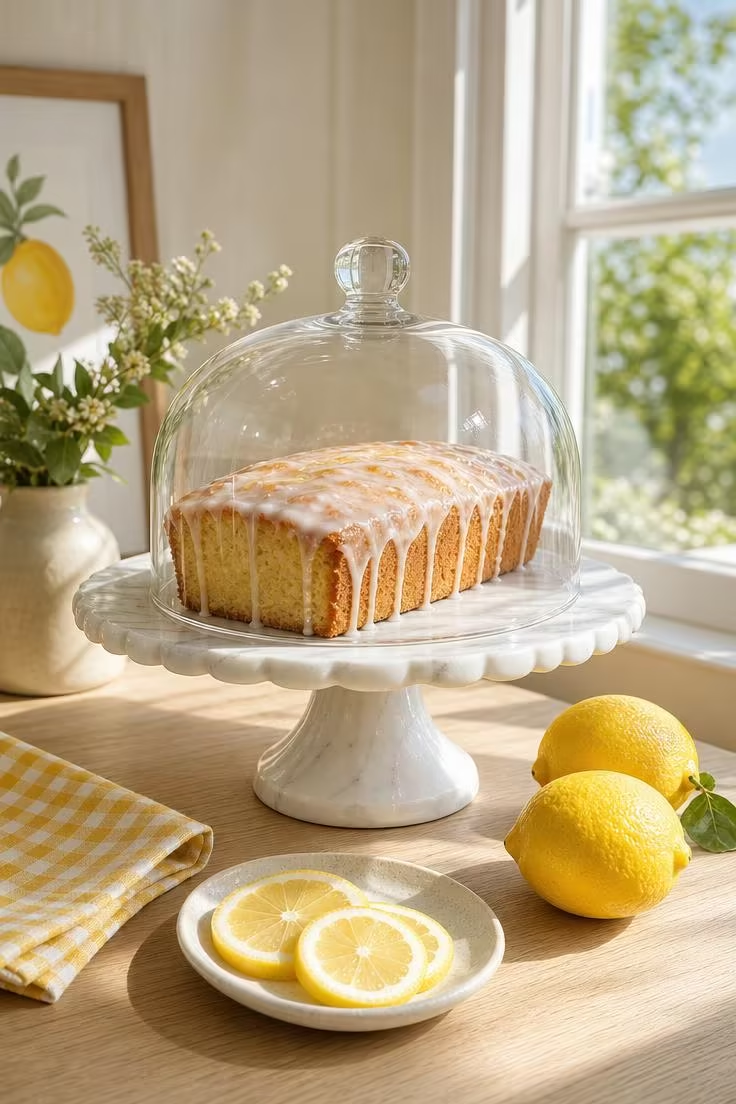
A glass cake dome is permission to leave something out on the counter.
The dome protects the cake from kitchen air and keeps it photogenic for a day or two longer than an uncovered loaf.
A scalloped marble base elevates the cake into an event, which is more than a flat plate can do.
Lemon loaf is the loaf of the season; the glaze catches summer light in a way chocolate never will.
Yellow as the styling accent reads as cheerful without tipping into cloying, especially when the lemons themselves carry the color.
A gingham napkin is the smallest hint at the larger cottage style without committing the whole kitchen to it.
This is one of those summer kitchen accents that earns its counter space by being both useful and beautiful, which is the test of every working kitchen object.
Style Blueprint:
- A footed scalloped white marble cake stand, 10 to 12 inches diameter
- A clear glass cake dome that fits the stand
- A freshly baked lemon loaf with glaze
- Two whole lemons and a small plate with sliced lemons
- A folded yellow gingham napkin
Hanging Bunches of Drying Lavender From a Forged Iron Pot Rack
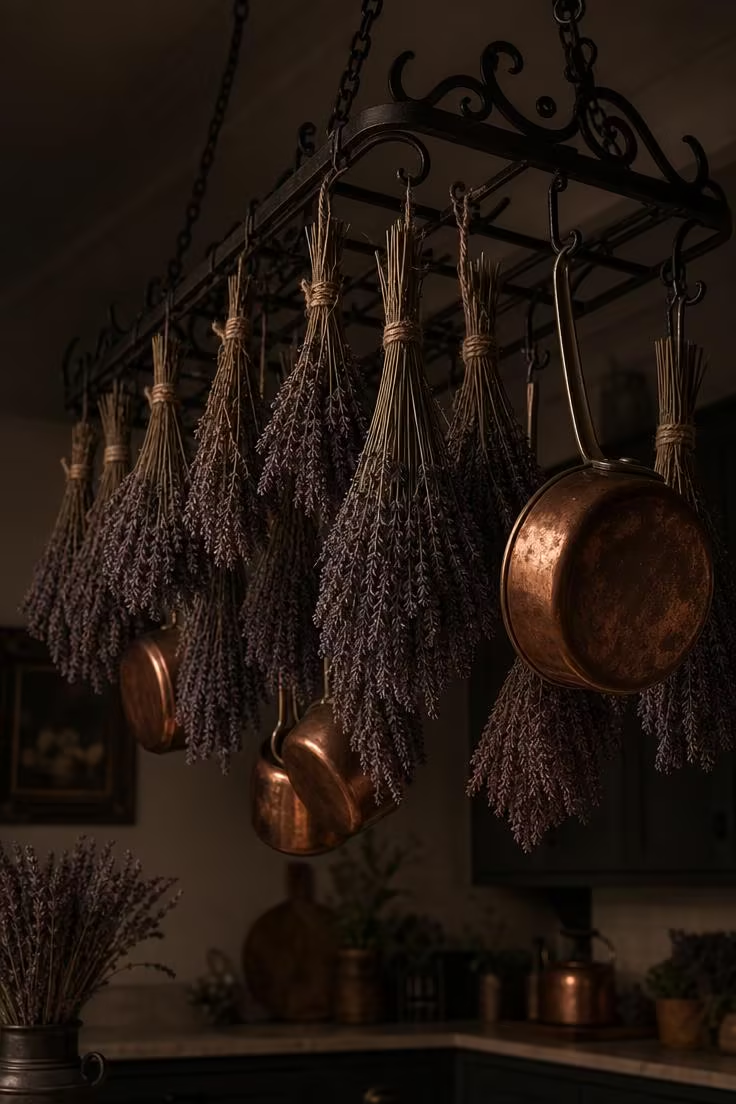
Lavender drying overhead is one of the oldest summer kitchen ideas in this list and one of the most underused.
Cut fresh lavender in late June or early July, tie bundles of seven to ten stems with kitchen twine, and hang upside down from a pot rack for two to three weeks.
The scent fills the room for the first few days and softens to a gentle background note afterward.
Forged iron as the rack material reads as warm and old, which suits drying herbs better than chrome or stainless.
Copper saucepans alongside are not strictly necessary, but they share the warm metal story and look right beside the dusty purple.
Once the lavender is fully dry, transfer it to small linen sachets or leave it hanging through the season.
Style Blueprint:
- A forged iron ceiling-mounted pot rack with hooks
- Eight to ten bunches of fresh-cut lavender, seven to ten stems each
- Natural jute or cotton twine
- Two or three small copper saucepans
- A low warm pendant lamp nearby for evening light
A Vintage Demijohn of Olive Branches on Top of the Refrigerator
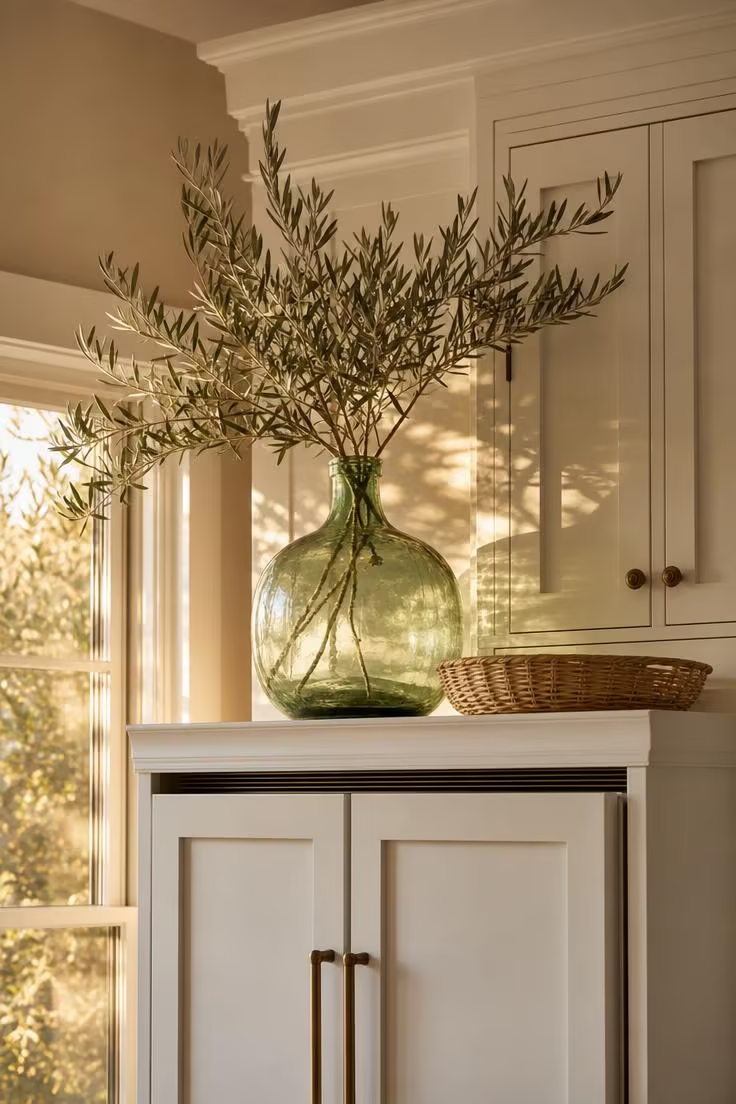
The top of the refrigerator is the most ignored real estate in a kitchen, and it answers loudly when you give it something to hold.
Olive branches stretch tall, which suits the height, and they need no water, which suits the dust and warmth up there.
A vintage demijohn in soft green is the kind of object that costs more than you would guess and pays for itself in five years of seasonal styling.
The wide round body of a demijohn holds long branches upright without tipping, which a tall thin vase cannot.
Silver-green olive leaves carry a Mediterranean note that ties this idea to the larger farmhouse summer kitchen story.
A small woven wicker basket flat beside the demijohn breaks up the verticality and gives the eye somewhere to land at the base.
Refrigerator tops gather dust quickly, so dust around the demijohn weekly while you cook; this is the only catch of a styling move that otherwise pays you back for months.
The branches will hold their shape for six to twelve weeks before needing replacement, which is a generous interval for any cut greenery.
Style Blueprint:
- A vintage green glass demijohn, 16 to 24 inches tall
- Six to eight long olive branches, 30 to 40 inches tall
- A flat woven wicker basket, 14 to 18 inches across
- A microfiber dust cloth for weekly cleaning
- A panel-front or matching cabinetry refrigerator surround
Conclusion
A summer kitchen earns its name from small accumulations rather than one big change.
A bowl of lemons here, a brass pull there, a linen curtain hung in the morning and a lavender bunch hung in the afternoon will lift a kitchen more reliably than any single dramatic gesture.
Each of these 15 summer kitchen ideas can stand alone or layer with the others; choose the three or four that suit your existing room and skip the rest without guilt.
The thread that runs through all of them, whether the look leans coastal kitchen decor or modern farmhouse summer kitchen, is the willingness to subtract before adding.
This kind of seasonal kitchen styling is small and reversible, which is its quiet power.
Take down the heavy textiles, move the off-season appliances to a cabinet, and leave wide stretches of counter open for light to land on.
A bright kitchen refresh is more about what you take away than what you bring in, which is the gentlest renovation a room can have.