This post may contain affiliate links. If you make a purchase through these links, we may earn a commission at no additional cost to you.
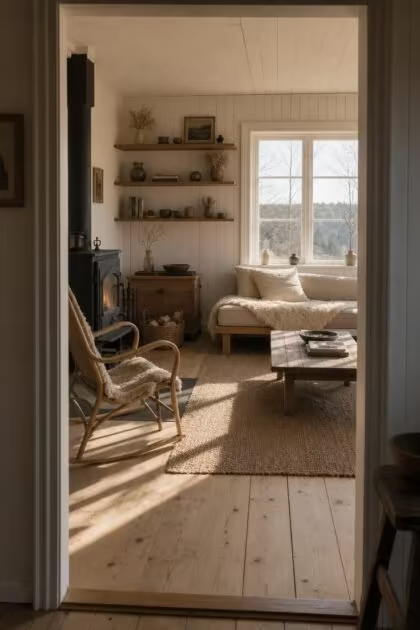
There is something about walking into a room where every surface has been touched by natural light and left mostly alone.
Scandinavian cottage interior design works because it trusts its materials, letting raw pine, rough stone, and soft linen do the talking without heavy decoration or forced styling.
The 10 ideas here pull from Nordic cabin traditions where warmth comes from texture, not from adding more objects to a shelf.
Each one gives you a scene worth recreating, whether you have a lakeside retreat or a city apartment that could use a quieter mood.
A Raw Pine Ceiling With Exposed Collar Ties and a Linen Pendant Shade
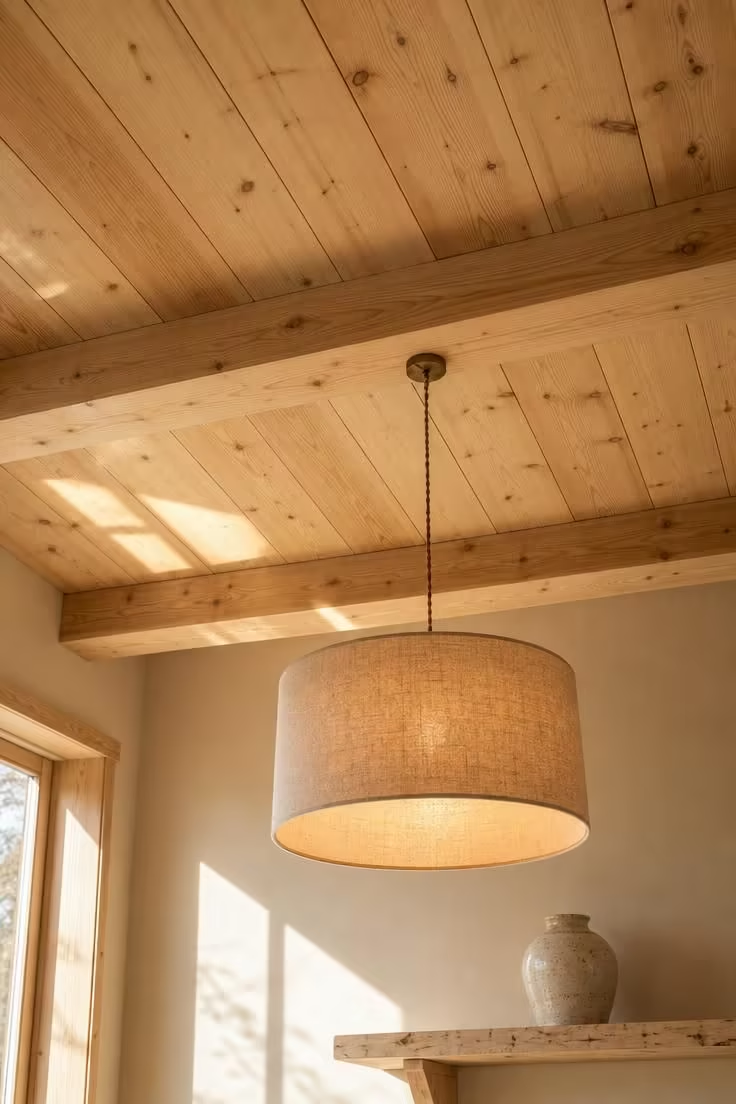
The ceiling is the most overlooked surface in any room, and here it becomes the entire story.
Unfinished pine planks in their natural state bring a warmth overhead that painted drywall never can, and the visible grain gives every glance upward something new to notice.
Collar ties, those horizontal beams connecting the rafters, add structural honesty that makes the space feel handmade rather than assembled from a kit.
The single linen pendant keeps the lighting simple, casting a diffused glow that softens the wood tones further as the afternoon fades.
A scandinavian cottage interior like this one works because the materials are doing all the heavy lifting, not the accessories.
There is no need for a complicated light fixture or a painted accent wall when the ceiling itself carries this much character.
What makes this approach feel especially Nordic is the restraint, just pine, linen, and light, nothing competing for attention.
Style Blueprint:
- Raw pine plank ceiling boards with visible knot detail
- Exposed collar tie beams in matching pale wood
- Oversized linen drum pendant on a cloth cord
- Matte cream wall paint below the ceiling line
- Birch wood display shelf with a single ceramic piece
Whitewashed Tongue-and-Groove Walls Framing a Cottage Wood Stove
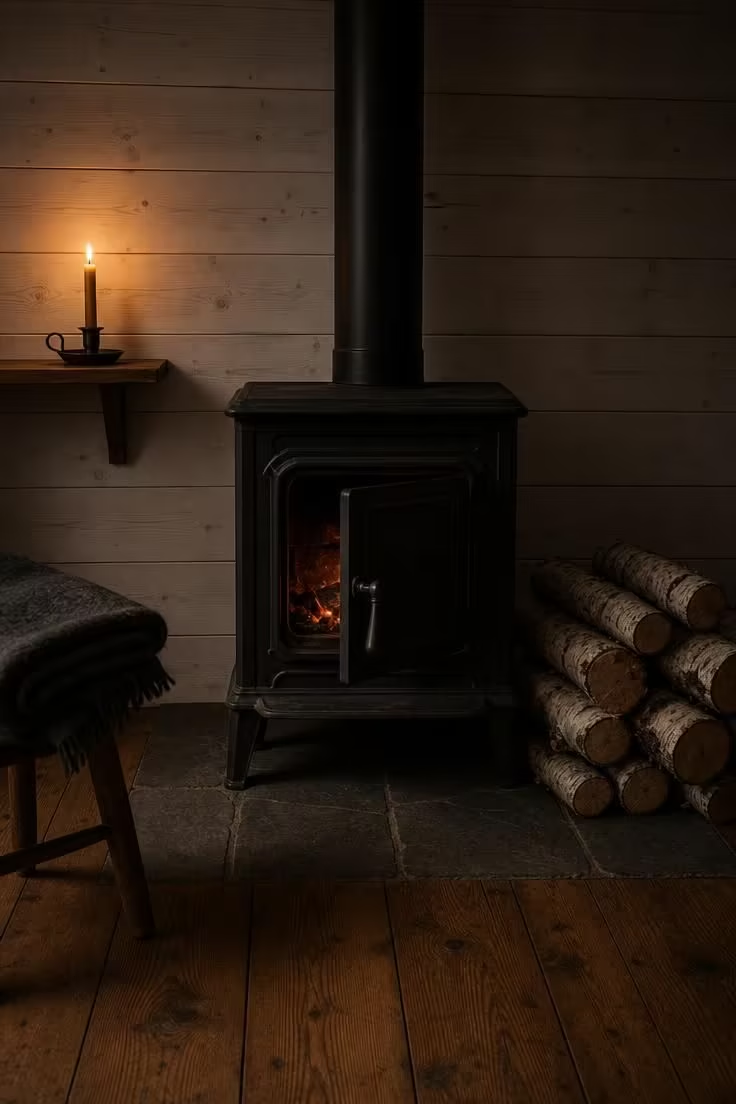
A wood burning stove against pale walls creates one of the strongest contrasts in Nordic cabin design.
The whitewash lets the wall paneling read as texture rather than pattern, keeping the backdrop quiet while the dark iron stove pulls every eye in the room.
Birch logs stacked beside the stove serve a double purpose, fuel and decor, and their papery bark adds a white-on-white detail against the paneling.
The ember glow from a dying fire gives this kind of scene its soul, a light source that shifts and breathes in a way no lamp can replicate.
Heart pine flooring in a darker honey tone grounds the space and keeps the whitewashed walls from feeling too cold or clinical.
This is where hygge living room philosophy becomes physical, not a concept but a room you can actually sit in and feel the heat on your face.
The charcoal wool blanket on the stool is not decoration, it is there because the corner farthest from the stove gets cold after midnight.
Every element in this scene has a reason to be here, and that honesty is what separates a Nordic interior from a room that is merely white and minimal.
Style Blueprint:
- Matte black cast-iron wood burning stove
- Whitewashed tongue-and-groove pine wall paneling
- Stacked birch logs with papery bark
- Iron taper candle holder on a pine shelf
- Wide-plank heart pine flooring in dark honey
A Sheepskin-Draped Birch Rocking Chair Beside a Stone Hearth
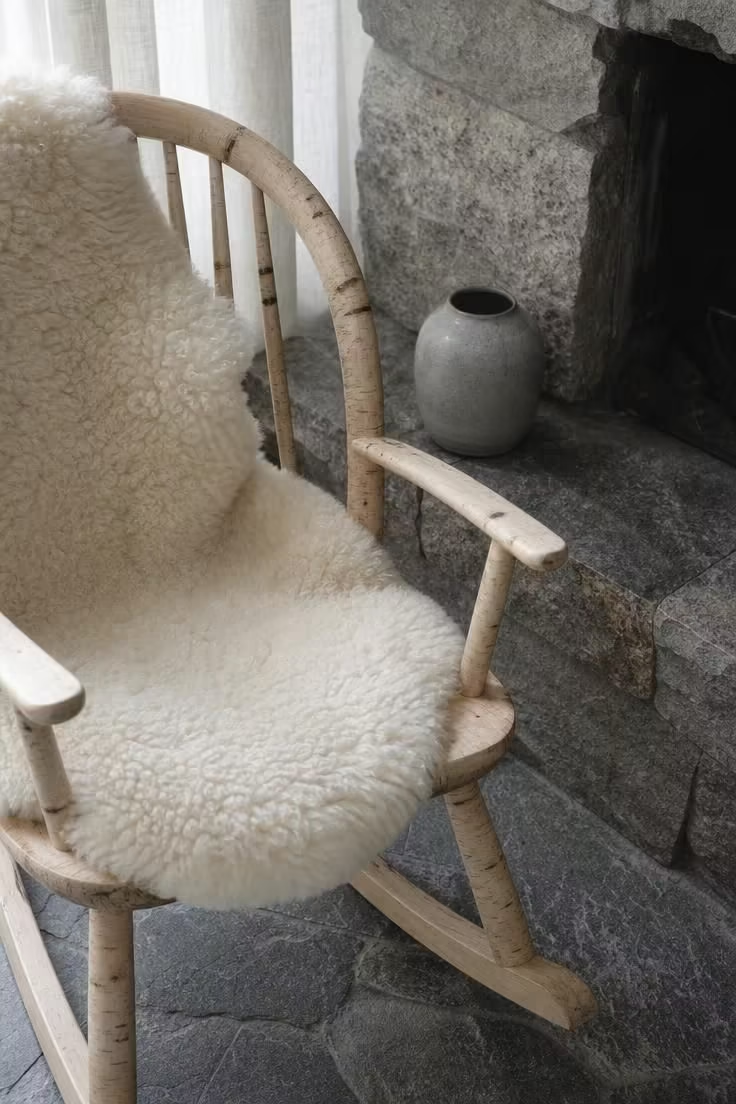
The texture contrast here tells you everything about this design philosophy before you read a single word.
Soft sheepskin curls against smooth birch rungs, and both rest on rough-cut slate, three completely different surfaces speaking the same quiet language.
Birch wood furniture like this rocking chair belongs in Nordic interiors because its pale tone and fine grain disappear into the room rather than dominating it.
The sheepskin is not tossed on casually for a photograph, it stays there because birch gets cold to sit on when the fire has gone out.
A small ceramic jar on the hearth ledge is the kind of restraint that makes Scandinavian rooms feel calm, one object instead of five.
This scene earns its stillness by letting materials and light do every bit of the work.
Style Blueprint:
- Birch rocking chair with natural pale grain
- Creamy white sheepskin throw draped over the seat
- Rough-cut slate stone hearth surround
- Dove gray ceramic jar as sole hearth accent
- Sheer natural linen textiles filtering window light
A Long Pine Farmhouse Table Set With Handmade Stoneware and Linen Napkins
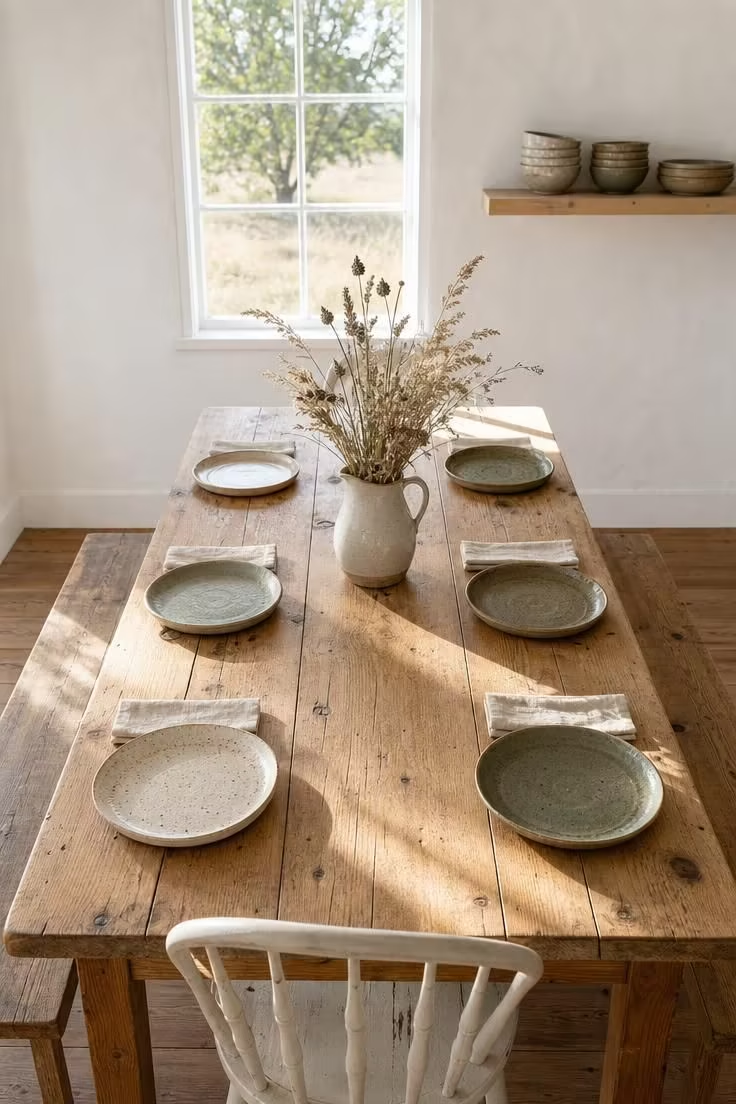
A long pine table is the social center of every Nordic cabin, and how you set it says more about your design philosophy than any piece of art on the wall.
Handmade stoneware in mixed earthy tones brings the kind of imperfection that factory plates can never offer, with each piece slightly different in glaze thickness and rim shape.
Natural linen textiles at each setting connect the table to the cottage tradition of using what the land provides, flax grown and woven into cloth that softens with every wash.
The dried meadow grass centerpiece stays low enough that everyone can see each other across the table, a practical choice that also happens to look beautiful.
Pine bench seating on both sides keeps the setup flexible, accommodating two guests or six without rearranging furniture.
Bright midday light through a bare window is the best backdrop for stoneware, showing every speckle and glaze variation that artificial light would flatten.
The floating birch shelf on the back wall holds extra bowls in plain sight, open storage that doubles as decor in the scandinavian farmhouse style tradition.
Style Blueprint:
- Long rustic pine farmhouse table with visible grain
- Handmade stoneware plates in speckled cream and sage
- Natural linen napkins folded at each setting
- Low ceramic pitcher with dried meadow grasses
- Pine bench seating with one painted spindle-back chair
Design Pro-Tip: When buying handmade stoneware for a Scandinavian cottage table, choose pieces from the same potter but in two or three different glazes. The slight inconsistency reads as collected rather than coordinated, and it gives the table the lived-in warmth that matching sets always lack.
A Chunky Wool Throw Over a Scandinavian Ash Wood Daybed
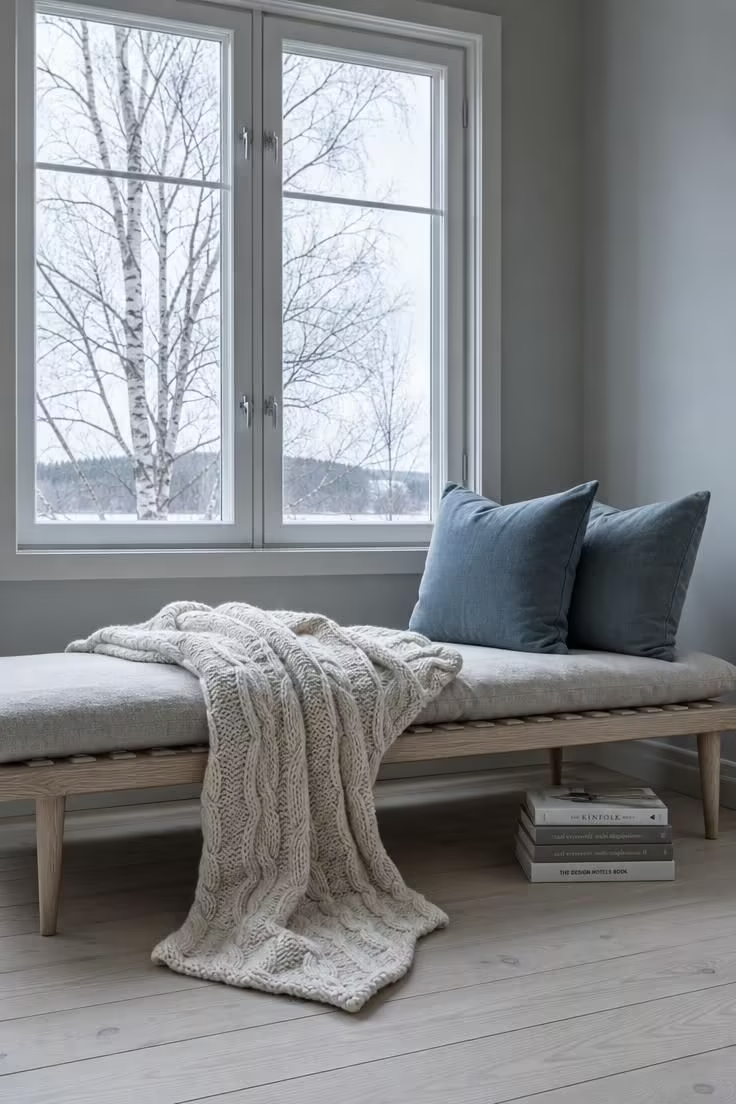
The daybed is the most underused piece of furniture in Nordic design, and it deserves more attention than it gets.
A low ash frame with tapered legs keeps the silhouette close to the floor, which makes even a small room feel wider and more open.
The cable-knit throw in undyed cream is not just texture, it is weight, the kind of cozy knit throws that make you sink in rather than perch on the edge.
Dusty blue linen cushions against a pale gray wall keep the color story tight without adding any competing warmth to the cool overcast light.
An ash wood daybed like this one works as a sofa, a guest bed, and a reading spot, three functions from a single piece with no conversion hardware.
The books stacked on the floor are not styled, they are there because someone fell asleep reading and set them down within reach.
This is a minimalist cottage approach to living room furniture, fewer pieces that each work harder.
What the overcast light does in this scene matters, it strips away all the golden flattery and shows the materials exactly as they are, honest and unfiltered.
Style Blueprint:
- Low-profile ash wood daybed with tapered legs
- Oversized cable-knit wool throw in undyed cream
- Dusty blue linen cushions for back support
- Wide plank flooring in natural pale tone
- Cool gray walls with no warm undertones
Open Birch Plywood Shelving Displaying Ceramic Pitchers and Dried Grasses
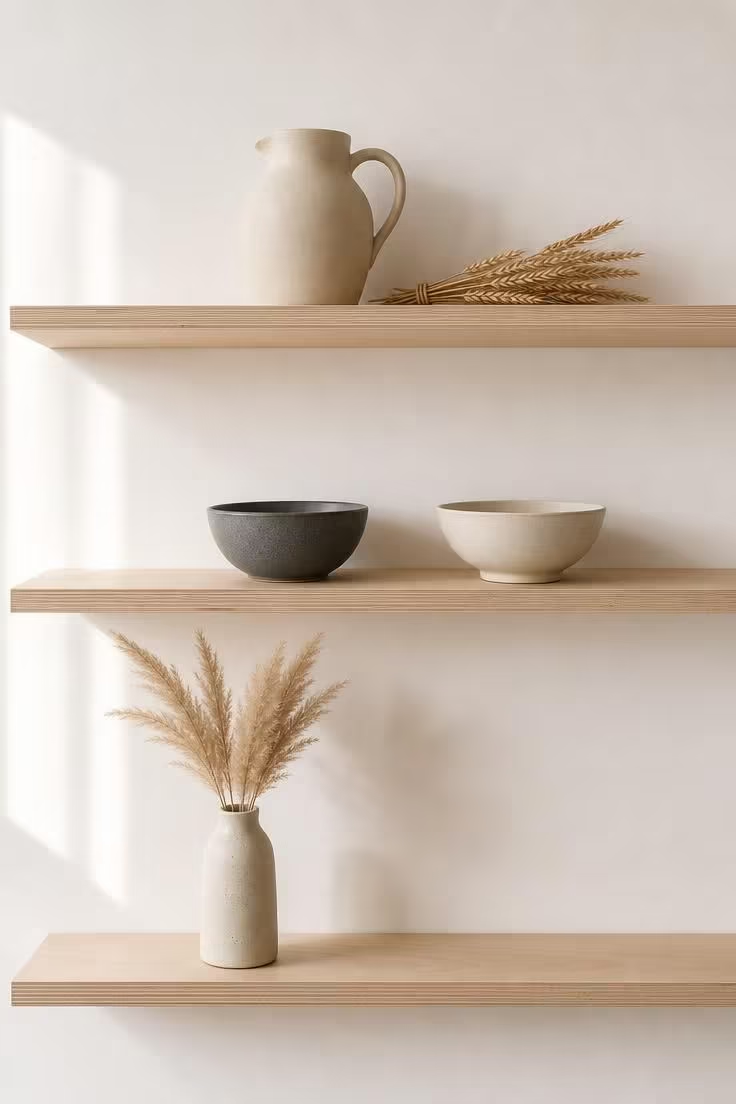
Open shelving in Nordic interiors is not about showing everything you own, it is about showing only what deserves to be seen.
Birch plywood has an honesty to it that solid wood furniture sometimes lacks, the visible layered edge tells you exactly what the material is and how it was made.
A matte ceramic pitcher in oatmeal tones reads as both a useful kitchen object and a sculptural form, which is the exact duality that Scandinavian design prizes.
Dried wheat and pampas grass bring organic movement to what would otherwise be a static display, their feathered tops catching even the slightest draft.
The generous spacing between objects matters as much as the objects themselves, giving each piece room to cast its own shadow and exist independently.
Two stoneware bowls in contrasting tones break up the vertical rhythm without cluttering the middle shelf.
Style Blueprint:
- Birch plywood shelving with visible edge layers
- Matte ceramic pitcher in warm oatmeal glaze
- Stoneware bowls in slate and cream tones
- Dried wheat stalks and pampas grass arrangements
- Generous spacing with more empty shelf than full
A Waffle-Weave Cotton Curtain Filtering Light Into a Pale Wood Bathroom
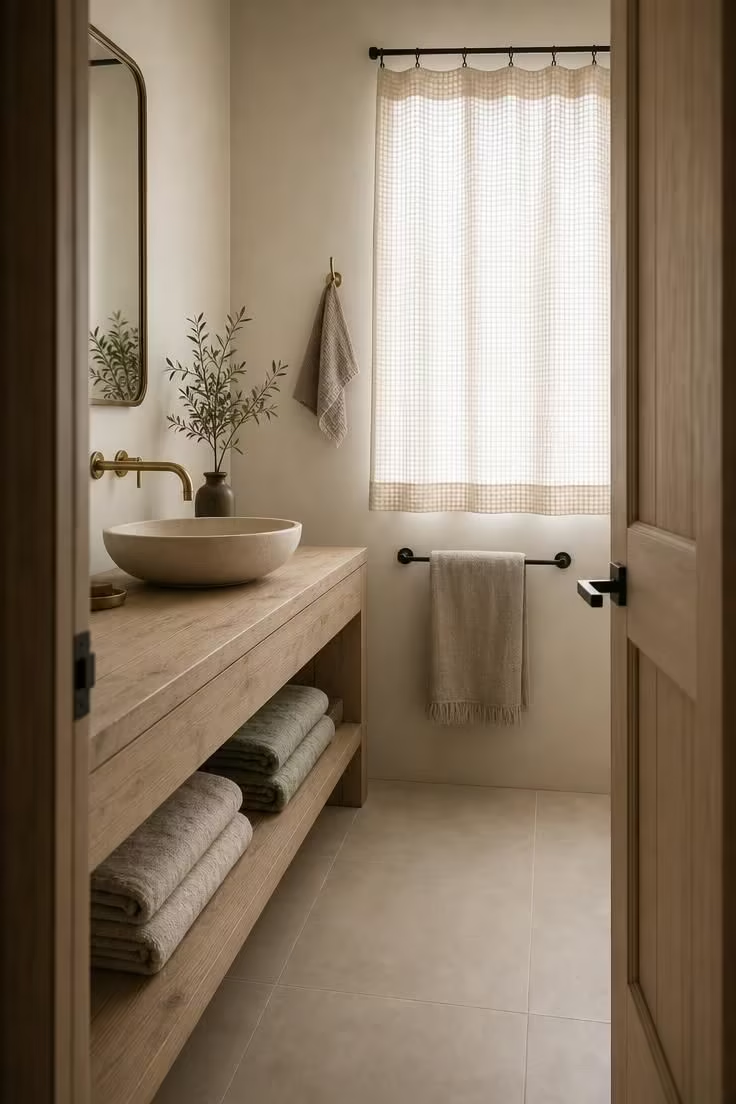
Bathrooms in Nordic cabins follow the same material honesty as the rest of the house, just with fewer objects and more attention to water-resistant surfaces.
The waffle-weave cotton curtain is a better choice than sheer linen here because its texture catches light differently at every fold, creating depth in a room that could otherwise feel flat.
An ash wood vanity top with visible end grain brings warmth to a space dominated by tile and ceramic, a small detail that changes the entire feeling.
The brass wall-mount faucet paired with matte black fixtures on the towel bar is a common Nordic pairing that avoids the matchy quality of single-finish hardware.
Folded linen towels on an open shelf below the vanity serve as both storage and color accent, the oatmeal and pale sage breaking up the neutral backdrop.
Large-format matte tile in putty keeps the grout lines minimal, which makes the small room read larger and cleaner.
A single brass hook holding one washcloth is the kind of restraint that turns a utilitarian space into one you actually notice and appreciate.
Style Blueprint:
- Waffle-weave cotton curtain in natural off-white
- Wide-plank ash wood vanity top with visible grain
- Brass wall-mount faucet and matte black fixtures
- Folded natural linen textiles in oatmeal and sage
- Large-format matte ceramic tile in warm putty
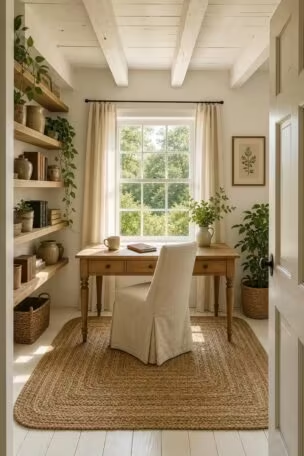
A Woven Jute Rug Anchoring a Reading Nook With Built-In Pine Bookshelves
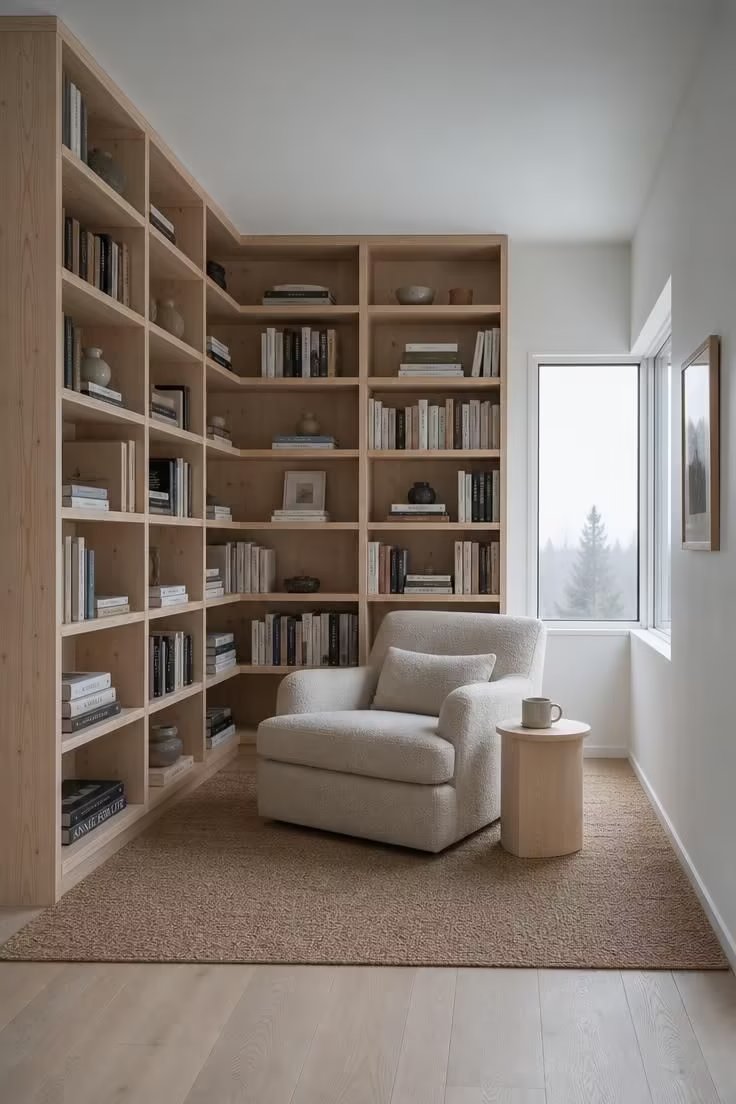
A reading nook needs only three things to work: a good chair, enough books to get lost in, and a clear boundary that separates it from the rest of the room.
The woven jute rug handles that boundary, its natural tan tone marking the nook as its own zone without any wall or partition.
Built-in pine bookshelves running floor to ceiling make the corner feel purposeful rather than leftover, a space that was designed for sitting and reading from the start.
Leaving the shelves loosely filled is a deliberate choice, the gaps between book clusters keep the wall from feeling heavy and allow each spine to be seen individually.
The deep armchair in nubby oatmeal fabric is the kind of seat you sink into and forget to leave, wide enough for tucking your legs underneath.
A small birch side table holding a ceramic mug completes the setup without adding complexity, just a flat surface within arm’s reach.
Nordic cabin decor often builds reading corners like this one because winter nights are long and a dedicated spot for books changes how you spend them.
The cool flat light through the window adds to the contemplative mood, softer than direct sun and easier on the eyes for long reading sessions.
Style Blueprint:
- Floor-to-ceiling built-in pine bookshelves
- Woven jute rug in natural tan defining the nook
- Deep upholstered armchair in nubby oatmeal fabric
- Small round birch side table for a mug or book
- Loosely filled shelves with ceramic accents between books
Design Pro-Tip: When building a reading nook, pick a rug that extends at least 15 centimeters past the front legs of your chair on all sides. A rug that stops under the chair makes the nook feel cramped, while one that reaches beyond it pulls you in and makes the whole corner feel like a room within a room.
Matte Black Iron Candle Sconces Flanking a Whitewashed Bedroom Headboard
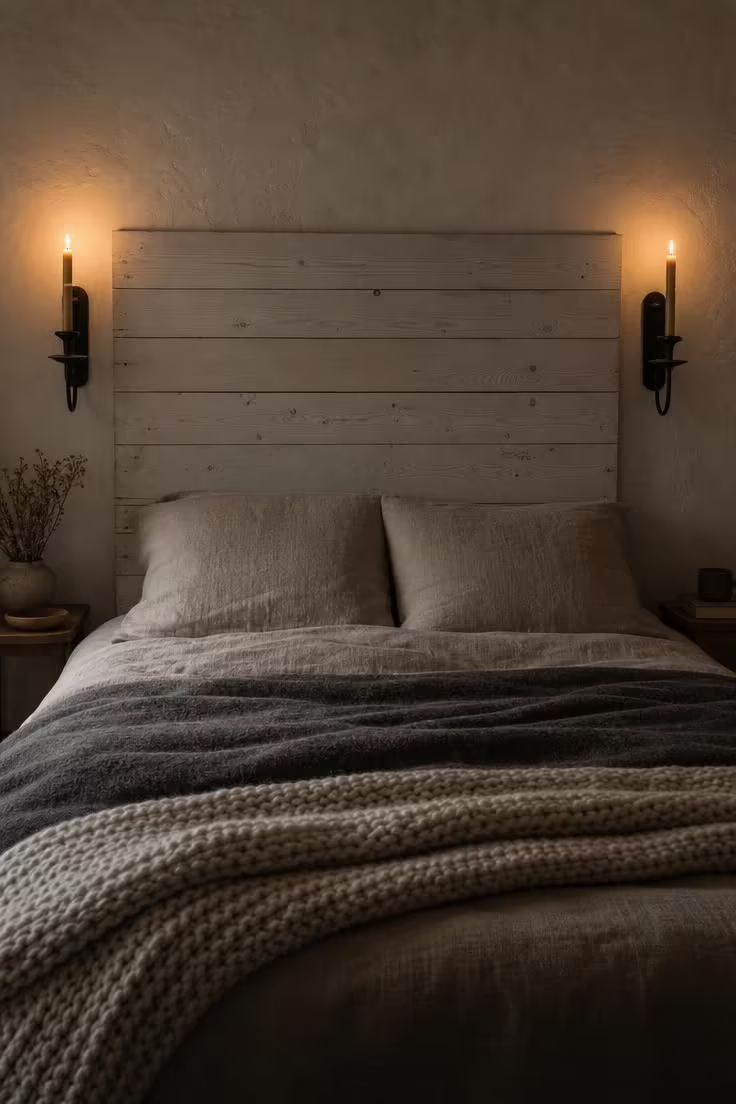
A bedroom that relies on candle sconces for its primary evening light commits to a pace that electric switches cannot provide.
The twin iron sconces flanking a whitewashed headboard create symmetry without precision, their hand-forged forms slightly different from each other in the way all wrought iron is.
Beeswax tapers burn with a warmer, steadier flame than paraffin, and their faint honey scent adds a sensory layer that a photograph cannot capture but your bedroom will.
Layered bedding in oatmeal and charcoal follows the Scandinavian rule of building warmth through stacking rather than buying one heavy comforter.
The whitewashed wood walls in this bedroom connect it to the tongue-and-groove paneling in the living room, carrying the same material language through the entire home.
This is the kind of room where you read by candlelight until your eyes get heavy, and the last thing you do before sleep is blow out a flame instead of pressing a switch.
Style Blueprint:
- Matte black wrought-iron candle sconces with beeswax tapers
- Whitewashed pine plank headboard in flat mount
- Oatmeal linen sheets with a soft charcoal wool blanket
- Chunky cream knit throw folded at the foot
- Pale plaster walls with slight hand-applied texture
A Reclaimed Driftwood Shelf Above a Deep-Set Window With Potted Herbs
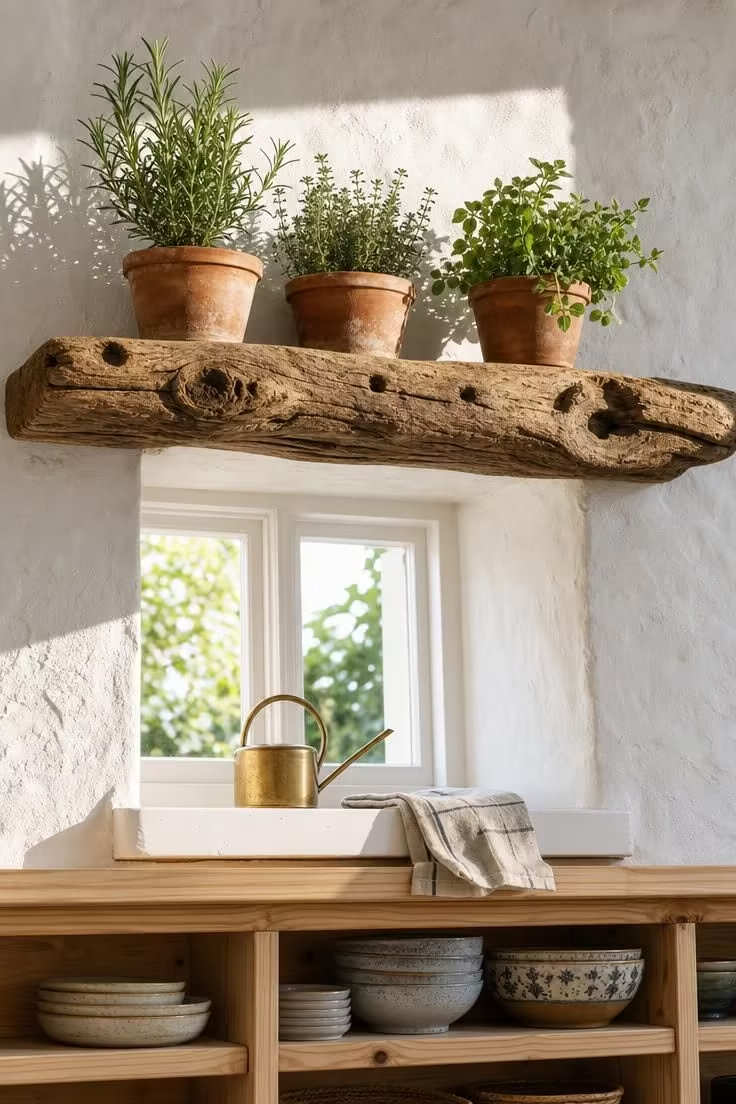
A driftwood shelf has a form that no saw can produce, curved and tapered by water over months or years, each one completely unlike the next.
Mounting one above a kitchen window puts it in the brightest spot in the room, where the organic shape catches shadows that shift throughout the day.
Potted herbs in terra cotta are the most practical version of indoor greenery, plants you actually use rather than simply look at.
The deep-set window common in older cottages creates a natural display ledge, a small brass watering can and a folded linen towel turning the sill into a styled vignette without any effort.
Bright midday light is the most honest light in any home, it shows every crack in the plaster and every dried leaf on the thyme, and somehow that honesty makes the room more appealing rather than less.
The open pine shelf below holds stacked ceramic bowls in the same tradition of visible storage found throughout whitewashed wood walls in Nordic kitchens.
This scene captures the connection between inside and outside that every scandinavian cottage interior relies on, bringing the natural world through the window in both light and living plants.
Style Blueprint:
- Reclaimed driftwood shelf with natural irregular edge
- Terra cotta pots with fresh rosemary, thyme, and oregano
- Deep-set window frame in flat white paint
- Small brass watering can as a functional sill accent
- Whitewashed plaster walls with handmade texture
Conclusion
These 10 ideas share a common thread: every piece in the room has a reason to be there, and nothing exists purely for show.
A scandinavian cottage interior earns its calm by trusting natural materials, letting light work as a design element, and resisting the pull to add one more object to a shelf that already feels complete.
The approach is not about spending more or buying specific brands, it is about editing down to what genuinely brings warmth and function to a space.
Start with what you have, remove what you do not reach for, and let the wood, wool, and stone that remain tell the story of how you actually live.