This post may contain affiliate links. If you make a purchase through these links, we may earn a commission at no additional cost to you.
The best modern cottage bedroom doesn’t try too hard.
It holds onto warmth, texture, and the feeling of a room that has been loved for years, but it strips away the clutter that makes traditional cottage style bedroom spaces feel heavy.
The look works because it pairs natural materials with clean, simple shapes, letting each piece breathe instead of competing for attention.
A neutral bedroom palette does most of the work here, creating a quiet backdrop that lets linen, wood grain, and woven textures speak on their own terms.
These 13 ideas focus on specific combinations of finishes, objects, and materials that bring the modern cottage bedroom look together in a way that feels restful from the first step through the door.
A Lime-Washed Oak Headboard Against Matte Sage Walls
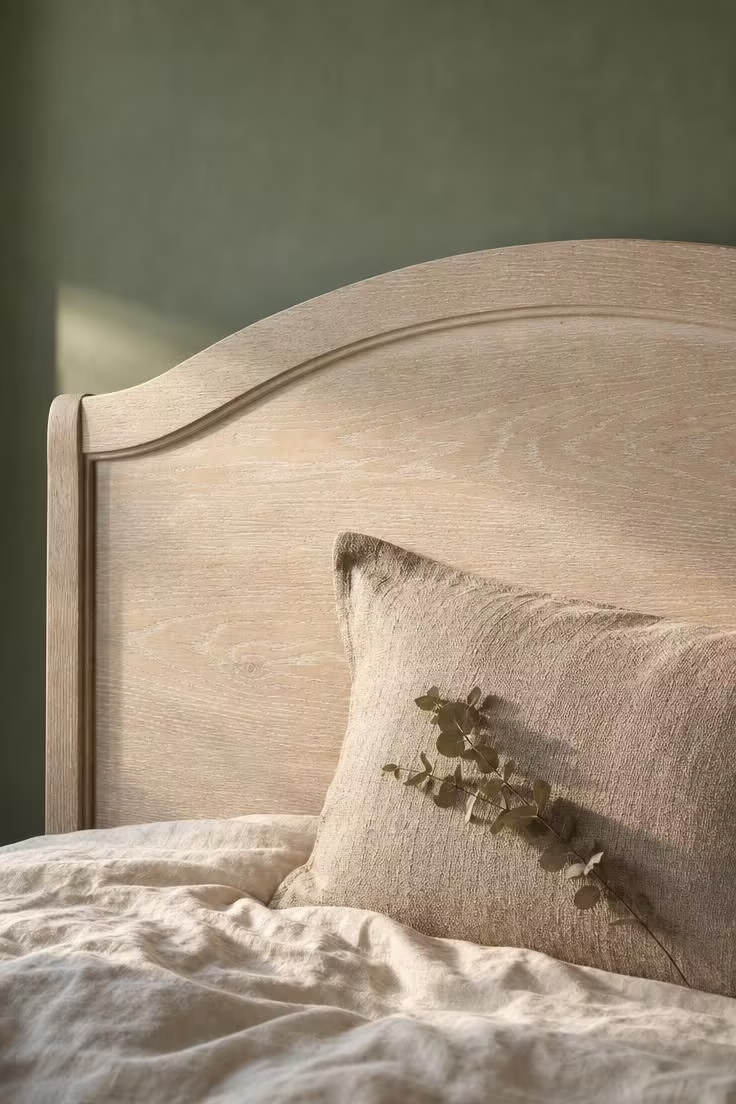
Lime wash gives oak a milky, translucent finish that lets every knot and ring show through, which is what makes it different from paint.
The technique works by soaking into the wood fibers rather than sitting on top, so the headboard still feels like wood, not like a painted surface pretending to be something else.
Pairing it with a matte sage wall creates a combination that reads as calm without going cold, because the green leans warm enough to hold the golden tones of the oak.
This is one of those setups where the color story does the decorating for you, so the linen bedding can stay simple and underfussed.
A single textured pillow in oat or flax is enough to complete the bed without piling on layers that compete with the headboard.
The whole corner feels like it belongs in a room that has been this way for a long time, which is exactly the point.
Style Blueprint:
- Solid oak headboard with lime wash finish (not whitewash paint)
- Matte sage green wall paint in a flat or eggshell sheen
- Cream or flax linen duvet cover
- One textured accent pillow in a warm neutral tone
- Dried eucalyptus sprig or small ceramic vase on the nightstand
Matte Black Iron Sconces Flanking a Board-and-Batten Panel
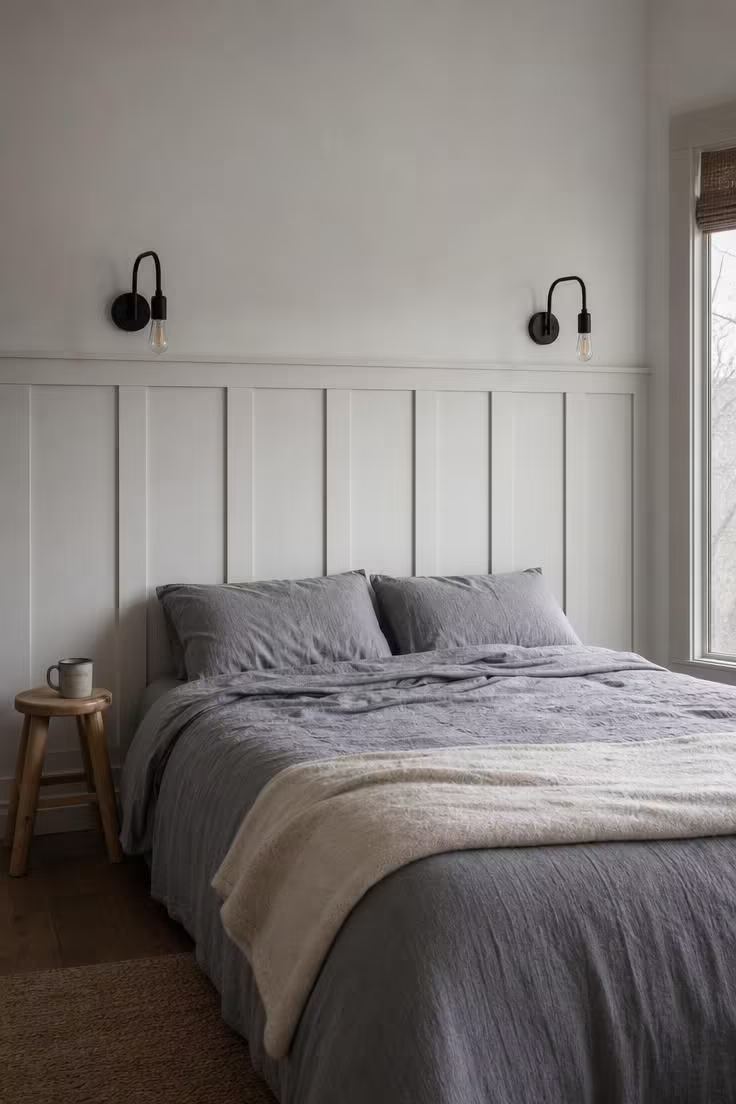
Board-and-batten paneling at headboard height gives a wall structure without overwhelming a small room the way a full shiplap accent wall sometimes can.
The vertical lines draw the eye upward and make the ceiling feel taller, which matters in older cottage rooms where the proportions tend to run low.
Mounting matte black hardware sconces just above the paneling line puts the light source at the right height for reading and creates a clean visual break between the textured lower wall and the smooth upper surface.
Simple curved arms with no shade let the bulb shape do the work, and an exposed filament in warm white keeps the light soft enough for bedtime.
The dark iron reads as grounded and slightly industrial, which stops the white paneling from feeling too precious or too country.
This is the kind of update that takes a weekend and changes the way the entire room feels when you walk in.
A plug-in sconce with a fabric-covered cord is the simplest path if running new wiring feels like too much.
Style Blueprint:
- Board-and-batten paneling installed to headboard height (approximately 48 inches)
- Two matte black iron wall sconces with exposed filament bulbs
- Warm white paint in flat or matte finish on paneling and wall
- Low-profile bed with linen sheets in gray or warm white
- Raw pine or weathered wood stool as a nightstand
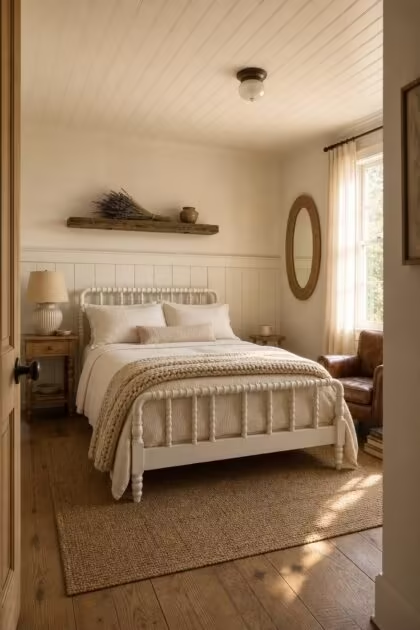
A Chunky Merino Wool Throw Draped Over a Painted Spindle Bed
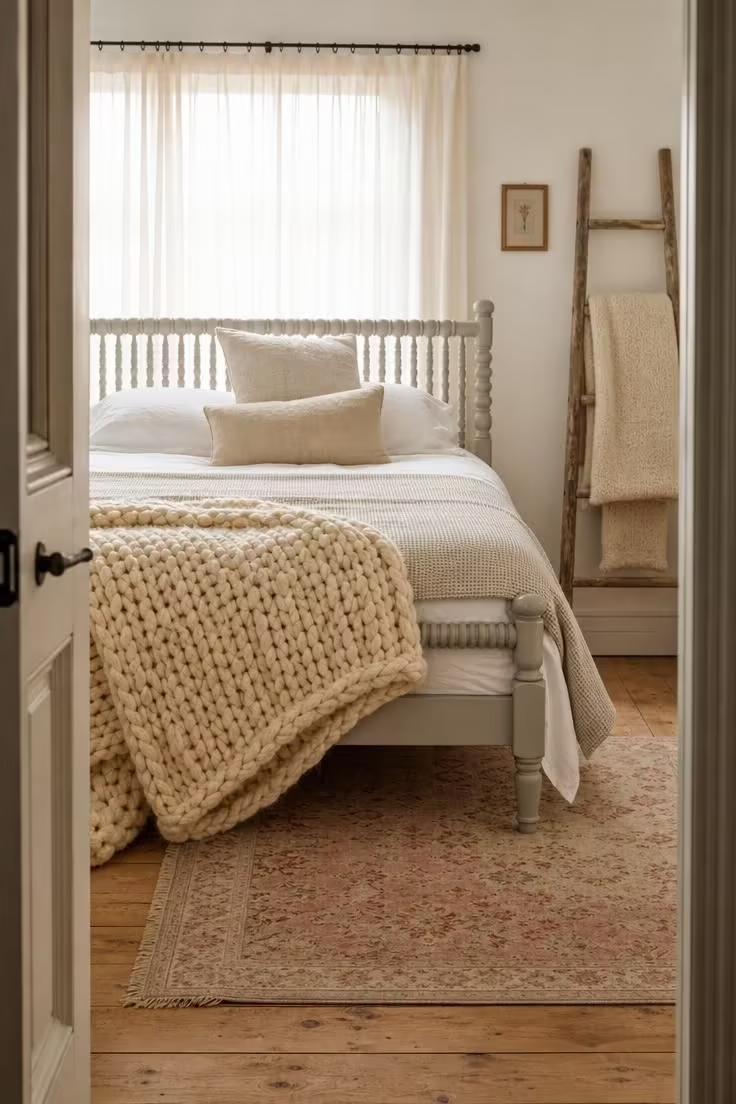
The spindle bed is one of those cottage pieces that has never really gone out of style, and painting it in a soft gray or chalky white gives it a cleaner read than a natural wood finish.
What makes the room here is the contrast between the delicate spindle frame and the heavy, oversized texture of the chunky knit throw.
A merino wool throw in natural cream or oatmeal weighs just enough to drape with real body, folding over the foot of the bed in thick, soft folds that catch light along every ridge.
The bed underneath stays flat and simple: cotton sheets, a thin waffle-weave blanket, and linen pillows that look like they were tossed rather than arranged.
That layered bedding approach keeps the bed from looking staged, because the throw becomes the statement and everything else recedes.
The spindle silhouette also lets light pass between the turnings, which means even a large bed feels lighter in a small room.
Picking a throw that is genuinely oversized, large enough to spill past the mattress edge, makes the texture read from across the room.
A muted vintage rug in faded tones on the floor echoes the softness without pulling focus from the bed.
Style Blueprint:
- Spindle bed frame painted in dove gray, soft white, or pale sage
- Chunky hand-knitted merino wool throw in natural cream (oversized)
- Flat white cotton sheets and a thin waffle-weave blanket in oatmeal
- Mismatched linen pillows in warm neutral tones
- Faded vintage wool rug in muted tones on the floor
An Oval Rattan Mirror Hung Above a Raw Pine Side Table
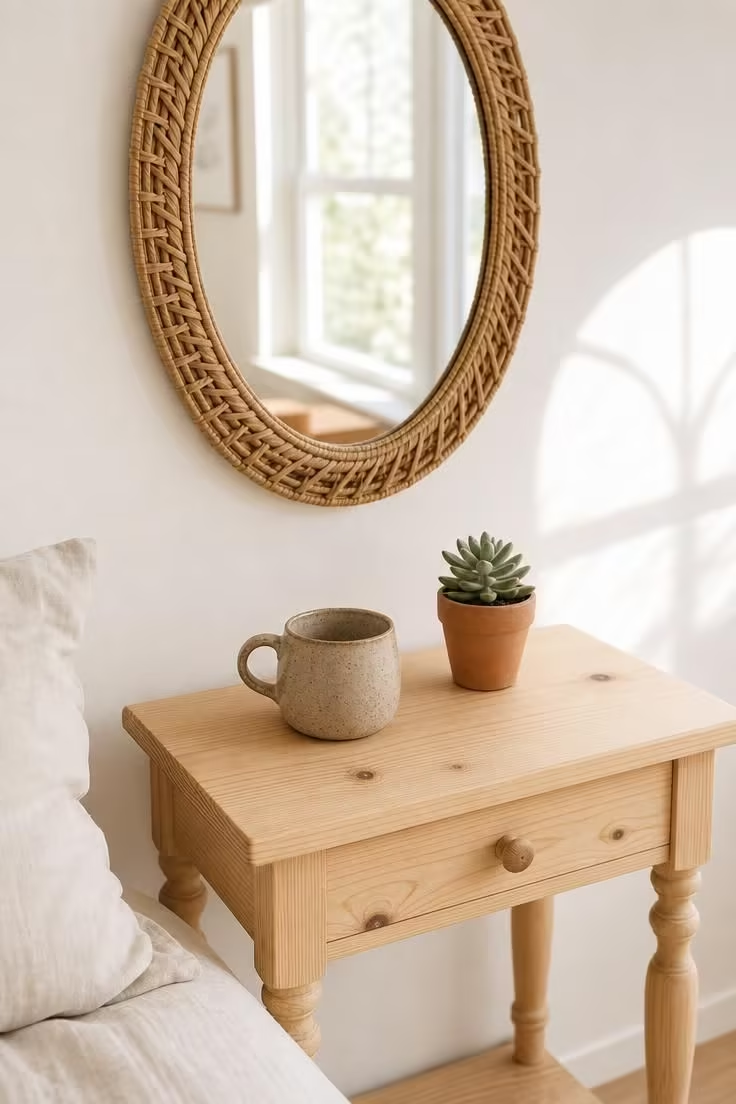
Swapping a heavy rectangular mirror for an oval rattan frame is one of the easiest moves in a modern cottage bedroom, and it changes the feel of a whole corner.
The curved shape softens the geometry of the wall, and the woven frame adds organic texture that flat glass alone cannot deliver.
Raw pine underneath, left unsealed or finished with just a light coat of oil, shows every knot and grain line and deepens in color over years of use.
A rattan pendant light overhead would pair naturally with the mirror frame, connecting the two woven textures without matching them exactly.
Keeping the table surface nearly empty, just one small object and a tiny plant, lets the pine and rattan do the talking.
Midday light bouncing off the mirror floods the corner and makes even a north-facing room feel open.
Style Blueprint:
- Oval mirror with a natural woven rattan frame
- Raw pine side table with turned legs, unsealed or lightly oiled
- One hand-thrown stoneware piece in a sandy or clay tone
- Small succulent or potted herb in a terracotta pot
- Wall painted in warm white to let the natural materials stand out
Design Pro-Tip: Mixing two natural wood tones in the same corner, like rattan and pine, creates depth. Matching wood tones across every piece reads as a furniture set. Letting them contrast reads as collected over time, which is the whole point of cottage style.
A Waffle-Weave Cotton Coverlet on a Low Walnut Platform
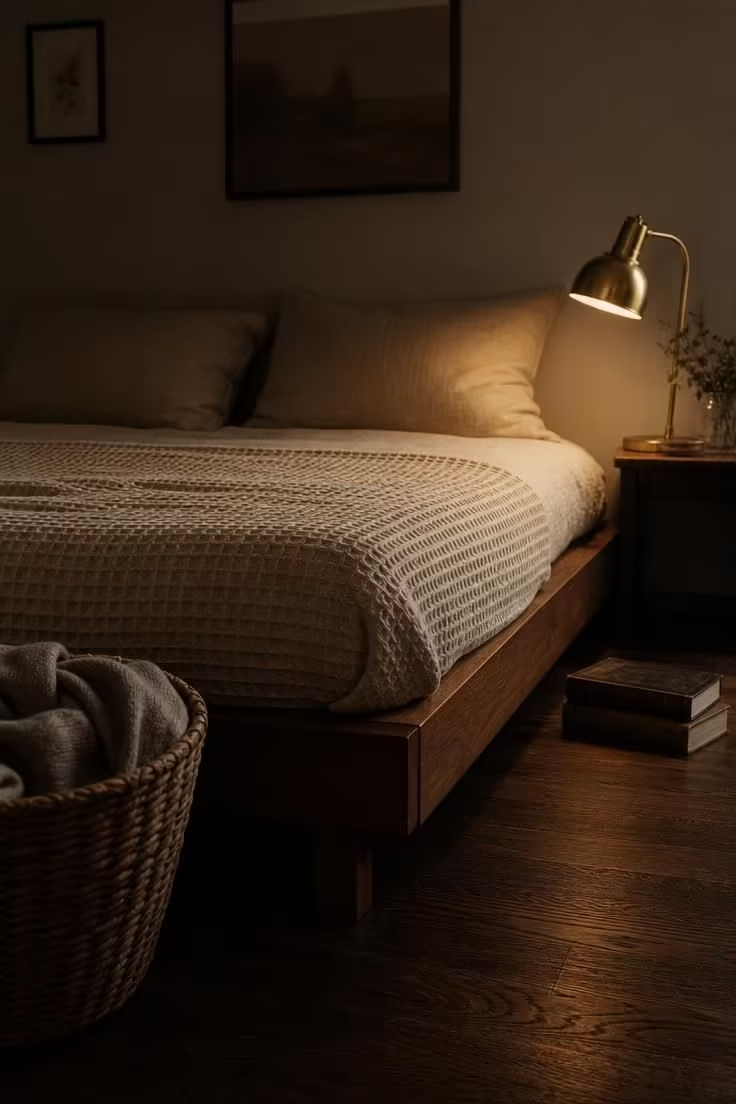
A low walnut platform bed is not the first thing most people picture in a cottage bedroom, but the pairing works because the waffle-weave coverlet bridges the gap between modern structure and cottage softness.
Walnut’s warm mid-tones hold their own against lighter textiles, and the clean lines of a platform frame give the room a grounded, horizontal feel.
The waffle-weave texture is the key here, because it catches light in tiny repeating squares that create visual richness without any pattern or color.
In a room where the furniture leans modern, the coverlet is what pulls the mood back toward cottage territory.
Skipping a headboard and letting the pillows lean against the wall keeps the frame low and the sightlines open, which makes a smaller room feel wider.
A single brass lamp on one side, not matching pairs, casts a warm pool of light that deepens every shadow in the weave.
The floor beside the bed becomes part of the scene: a short stack of old books, a woven basket with a folded blanket inside.
These small details at floor level make the low bed feel intentional rather than unfinished.
Evening light is where this setup comes alive, because the waffle texture flattens in bright light but opens up under a warm bulb.
Style Blueprint:
- Low walnut platform bed frame with clean lines and visible wood grain
- Waffle-weave cotton coverlet in pale cream or warm white
- Natural linen pillows leaned against the wall (no headboard)
- Single brass bedside lamp with a warm-toned bulb
- Woven basket at the foot of the bed holding a folded wool blanket
A Reclaimed Barn Wood Floating Shelf With Dried Lavender Bundles
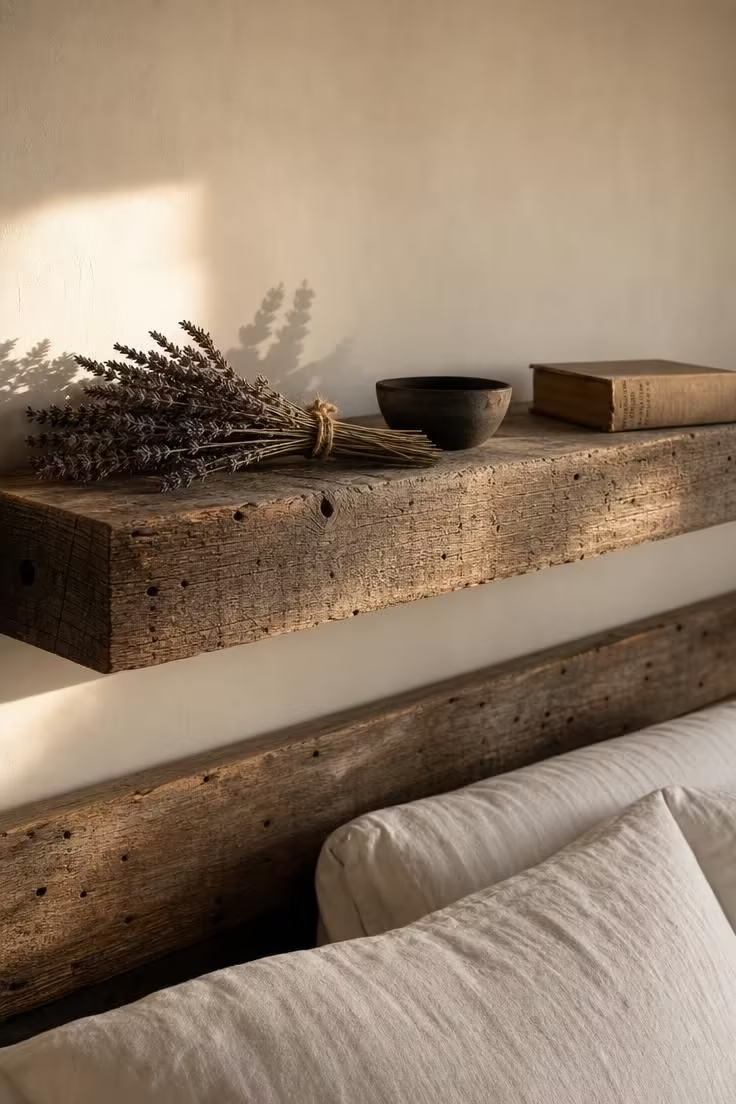
One thick beam of reclaimed barn wood mounted above the bed gives a room its center of gravity without requiring a large piece of furniture.
The rough surface, full of nail holes and saw marks and natural aging, does something that new wood cannot: it carries a sense of time.
Below it, a reclaimed wood headboard in a similar weathered finish ties the two pieces together and anchors the bed to the wall.
Dried lavender is a better choice than fresh flowers here because it lasts for months, fading slowly from purple to a dusty gray that blends into the wood tones.
A small bundle tied with linen twine, a single pottery piece, and one old book are enough to fill the shelf without crowding it.
The rule is to leave more open space than filled space, because a sparse shelf reads as intentional, and a full shelf reads as storage.
Golden afternoon light raking across the rough surface is what brings the texture to life, turning every groove and grain into a shadow line.
Style Blueprint:
- Thick reclaimed barn wood floating shelf (single plank, at least 2 inches deep)
- Reclaimed wood headboard in a similar weathered finish
- Dried lavender bundles tied with natural linen or cotton twine
- One small hand-thrown pottery piece in matte charcoal or clay
- Warm white wall paint to let the wood tones stand forward
A Cane-Panel Wardrobe Door With Brushed Brass Cup Pulls
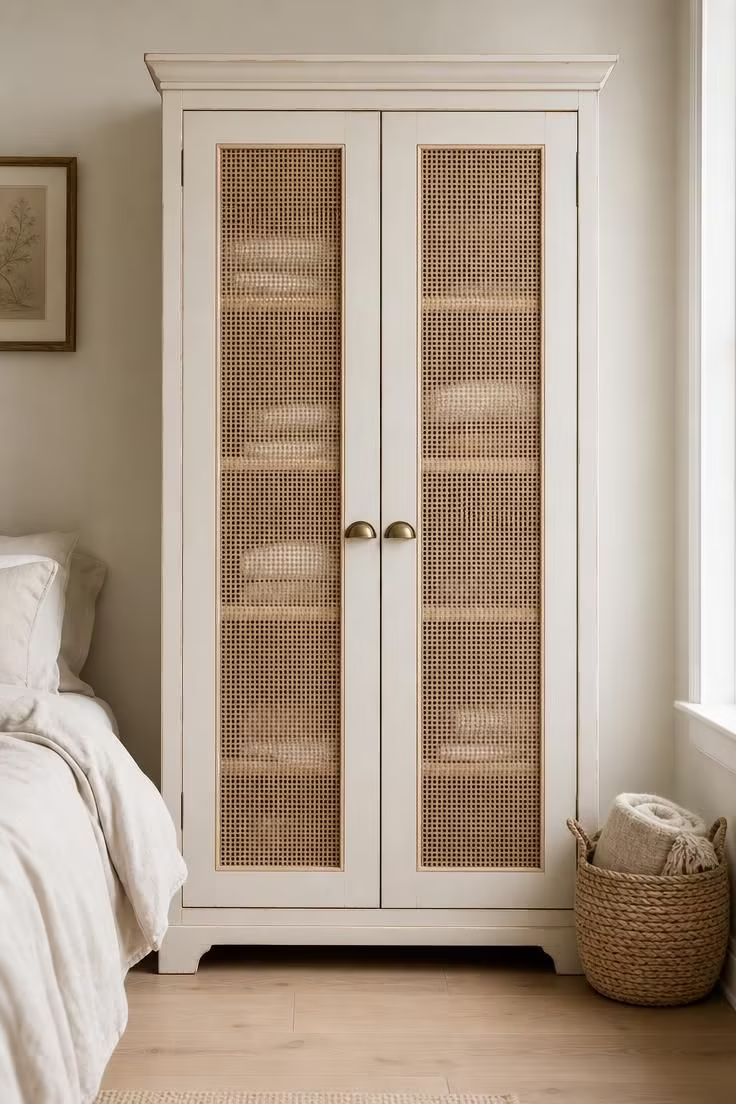
Cane webbing inserts in a wardrobe door add texture and airflow at the same time, which matters in an older cottage bedroom where closets were often an afterthought.
The woven pattern filters light in a way that makes stored textiles visible as soft shapes behind the panel, giving the piece a sense of depth.
Brushed brass cup pulls are the right hardware scale for a wardrobe this size, large enough to grip easily but low-profile enough to stay out of the way.
The cup shape itself is a nod to older cottage and farmhouse furniture, where brass hardware aged into a warm patina over decades of daily use.
If the wardrobe is an existing piece, swapping solid panels for cane is a weekend project that changes the character of the entire room.
Pre-woven cane sheets come in rolls and trim to size with sharp scissors, and spline holds them in a routed groove along the door frame.
For a painted wardrobe, letting the paint wear slightly at the edges and corners gives the piece the kind of gently worn quality that new furniture rarely has.
The cool overcast light in this setup keeps the brass from flashing too bright, letting it read as warm metal rather than shiny hardware.
Style Blueprint:
- Freestanding wardrobe with cane webbing panel inserts (pre-woven cane sheets)
- Brushed brass cup pulls (two, one per door)
- Warm white paint with slightly distressed edges
- Interior organized with folded neutral textiles visible through the cane
- Small woven basket beside the wardrobe for overflow storage
Stacked Linen Pillows in Oat and Stone on a Slipcovered Bench
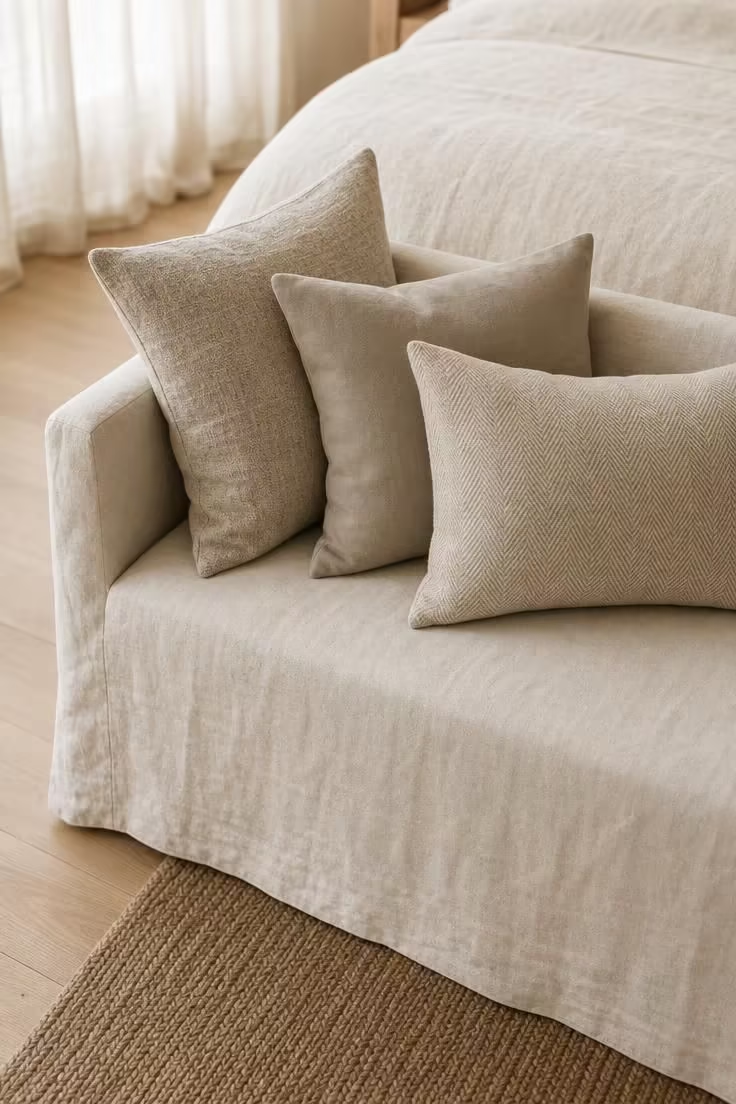
A bench at the foot of the bed serves double duty as a place to sit while putting on shoes and as a spot to drop a blanket at night.
Slipcovering it in natural canvas gives it a relaxed, cottage-right look that reads completely different from a tightly upholstered piece.
The pillows here stay within a narrow tonal band, oat and stone and pale flax, because the variety comes from texture, not color.
One slubby weave next to one smooth linen next to one herringbone: the eye picks up the differences without the brain having to work at sorting loud colors.
A jute rug peeking out beneath the bench grounds the whole vignette and adds one more layer of woven texture at floor level.
Style Blueprint:
- Bench slipcovered in natural unbleached canvas or heavy linen
- Three linen pillows in oat, stone, and flax (varied textures, tight tonal range)
- Jute rug beneath the bench
- Relaxed fit on the slipcover with visible wrinkles and soft folds
- Pillow arrangement: casual stack, not symmetrically placed
Design Pro-Tip: Keeping accent pillows within two or three shades of each other prevents a room from reading as “decorated.” The eye registers variety through texture differences, not color jumps, and the result feels quieter because nothing competes for attention.
A Ceramic Table Lamp With a Fluted Base on a Turned-Leg Stand
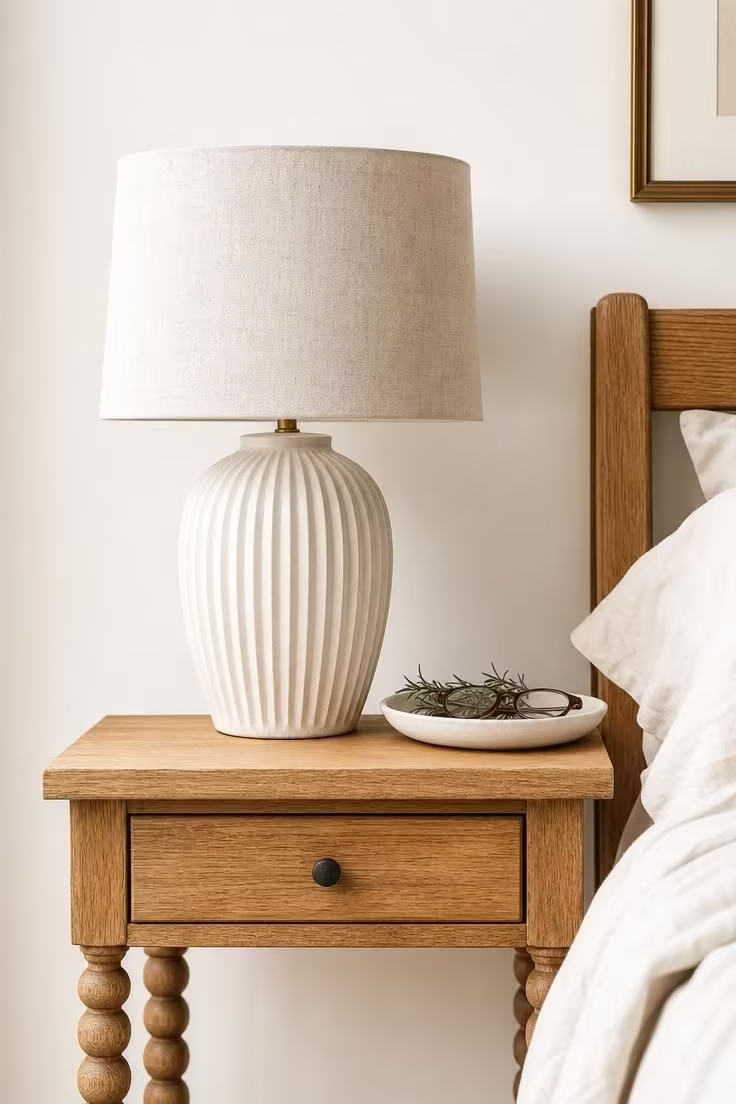
A ceramic lamp with a fluted base brings handmade texture to the nightstand in a way that glass or metal simply cannot match.
The vertical ridges catch light along their edges and hold tiny shadows in the grooves, which means the surface shifts depending on the time of day.
Matte warm white is the best glaze choice here, because it avoids the shiny, gift-shop quality of a glossy finish and lets the clay form speak.
On a turned-leg nightstand, the combination of two handcrafted shapes, the fluted lamp and the turned wood, creates a pairing that feels rooted in cottage heritage.
The linen drum shade should be slightly oversized for the base, which softens the lamp’s proportions and diffuses the light into a wide, even glow.
One lamp, not a matching pair, feels more honest to the way a real cottage bedroom comes together over time.
Bright midday light is when this piece shows best, because every ridge and surface irregularity becomes visible.
Style Blueprint:
- Handmade ceramic table lamp with a fluted or ribbed base in matte warm white
- Natural linen drum shade, slightly oversized
- Turned-leg oak nightstand with visible wood grain
- One lamp per side (mismatched with the other nightstand’s lighting)
- Small ceramic dish or tray for everyday objects beside the lamp
Beadboard Ceiling Panels Painted Warm White Above Wide-Plank Floors
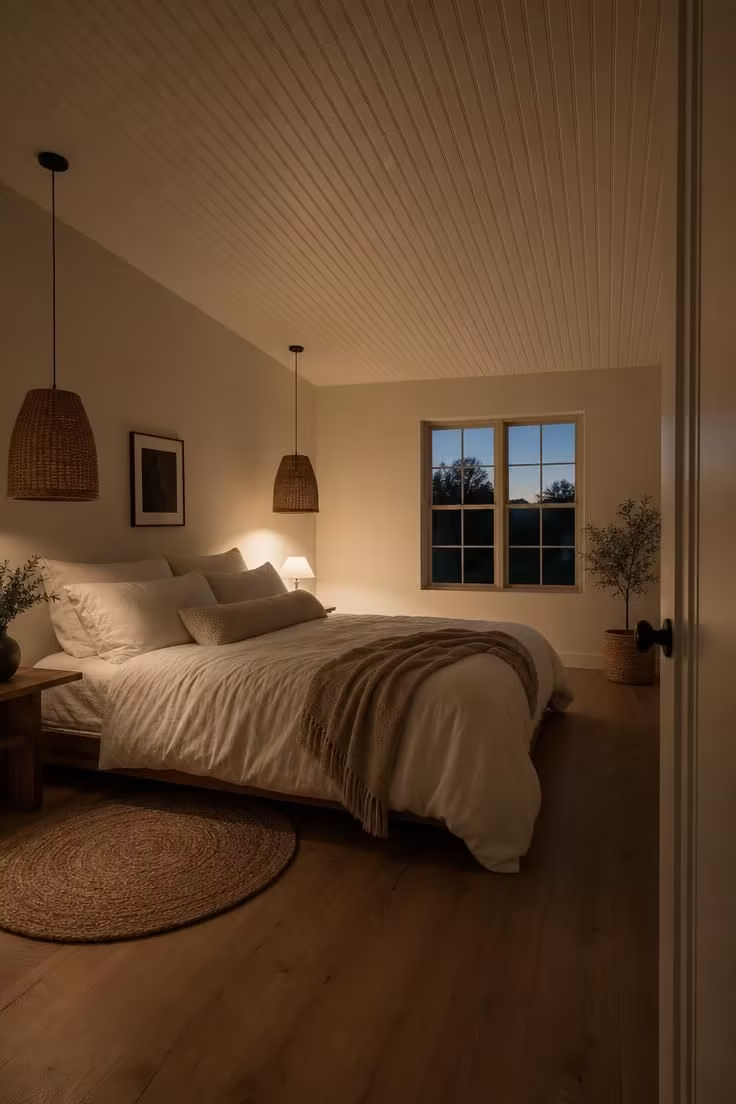
The ceiling is the surface most people forget, and covering it in beadboard paneling gives a cottage bedroom a finished, wrapped-in quality that paint alone cannot create.
Beadboard’s narrow grooves are lighter and more refined than shiplap, which makes it a better fit overhead where wide planks can feel heavy.
Painting it in warm white rather than bright white avoids the sterile look of a new-construction ceiling, because the warm tone absorbs light instead of bouncing it back hard.
Below, wide-plank oak floors in a natural or honey stain set up a visual contrast: narrow lines above, wide boards below, with the bed sitting in between.
A pair of rattan pendant lights hanging from the beadboard ceiling bring woven texture into the upper half of the room, connecting the cottage mood from floor to overhead.
In evening light, the beadboard grooves fill with shadow and the ceiling becomes a textured surface rather than a flat plane.
This is the setup that makes a room feel smaller in the best possible way, like a cocoon rather than a box.
The effect works in rooms of any height, but it is strongest in spaces with ceilings under nine feet where the beadboard feels close and warm.
A small round jute rug beside the bed adds one more natural texture at floor level, tying the oak and rattan together.
Style Blueprint:
- Beadboard paneling on the ceiling, painted in warm white (not bright white)
- Wide-plank oak flooring in a natural or light honey stain
- Two small rattan pendant lights hung from the ceiling beside the bed
- Low bed with simple white linen bedding
- Small round jute rug beside the bed
A Hand-Thrown Stoneware Vase With Field Grasses on a Driftwood Tray
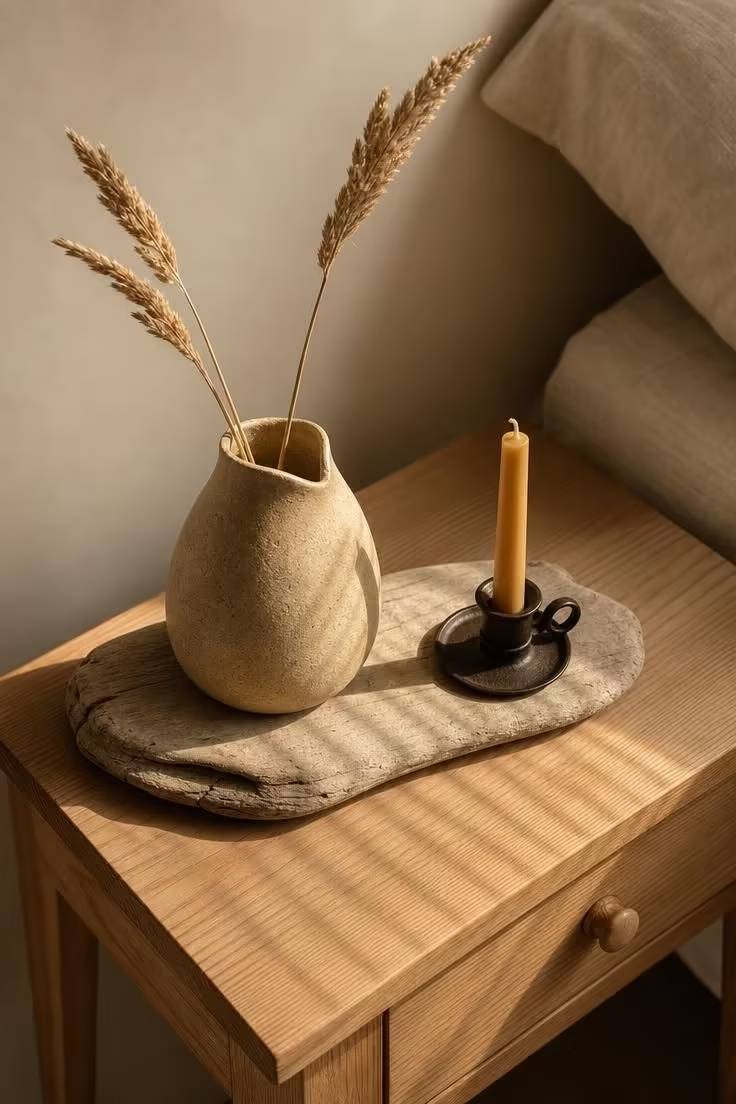
A nightstand vignette in a modern cottage bedroom works best when it looks like it was gathered rather than bought as a set.
Hand-thrown stoneware in a sandy or clay glaze has the slight irregularity that makes it feel like a real object with a history, not a factory product.
Dried field grasses or wheat stems are a better fit than a full bouquet because they last indefinitely and their muted gold and beige tones blend into the room’s neutral palette.
A flat piece of driftwood as a tray gives the grouping a boundary without boxing it in, and the bleached surface adds one more natural texture.
Keeping the number of objects to three or fewer, vase, taper, and tray, leaves enough open nightstand surface to feel spacious rather than crowded.
Golden afternoon light is when this vignette comes alive, because the sandy glaze on the stoneware shifts from matte to slightly luminous as the sun angle drops.
Style Blueprint:
- Hand-thrown stoneware vase in sandy clay or warm charcoal matte glaze
- Dried field grasses or wheat stems (three to five stems, not a full bunch)
- Flat driftwood piece used as a tray or base
- Small beeswax taper in a simple iron holder
- Simple pine or oak nightstand with minimal hardware
A Woven Jute Runner Beneath a Simple White Iron Bedframe
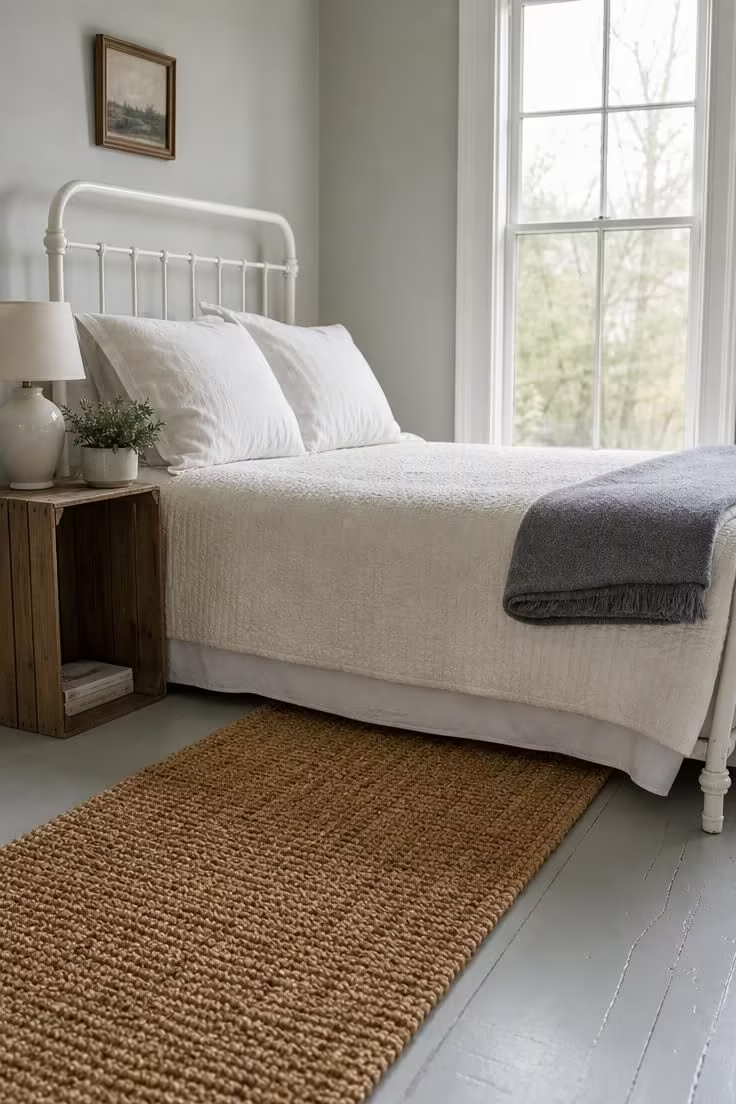
A white iron bedframe has lighter visual weight than wood, which makes it a strong choice for smaller cottage rooms where a heavy headboard would shrink the space.
The thin round rails and minimal curves keep the frame from reading as ornate or vintage, pulling it firmly into modern cottage territory.
Running a narrow jute rug beneath the bed, a runner rather than a full area rug, grounds the frame with natural texture while leaving most of the floor visible.
The exposed floor gives the room an open, airy quality, and the jute runner adds just enough warmth to keep bare feet comfortable on a cool morning.
Cool overcast light is where this combination shows best, because the soft illumination brings out the nubby texture of the jute weave without washing out its golden-brown color.
On the bed, a cream cotton coverlet and a single folded wool blanket at the foot keep the layered bedding restrained and functional.
A wooden crate turned sideways as a nightstand adds a found-object quality that reinforces the cottage feeling without costing anything.
The overall effect is a room that feels edited down to the pieces that matter, nothing more.
Style Blueprint:
- Simple white iron bedframe with thin round rails and minimal curves
- Narrow woven jute runner in natural golden-brown (not a full area rug)
- Pale gray painted wood floors
- Cream cotton coverlet with a single gray wool blanket folded at the foot
- Wooden crate or vintage box as a nightstand
A Weathered Leather Accent Chair Beside Stacked Vintage Hardcovers
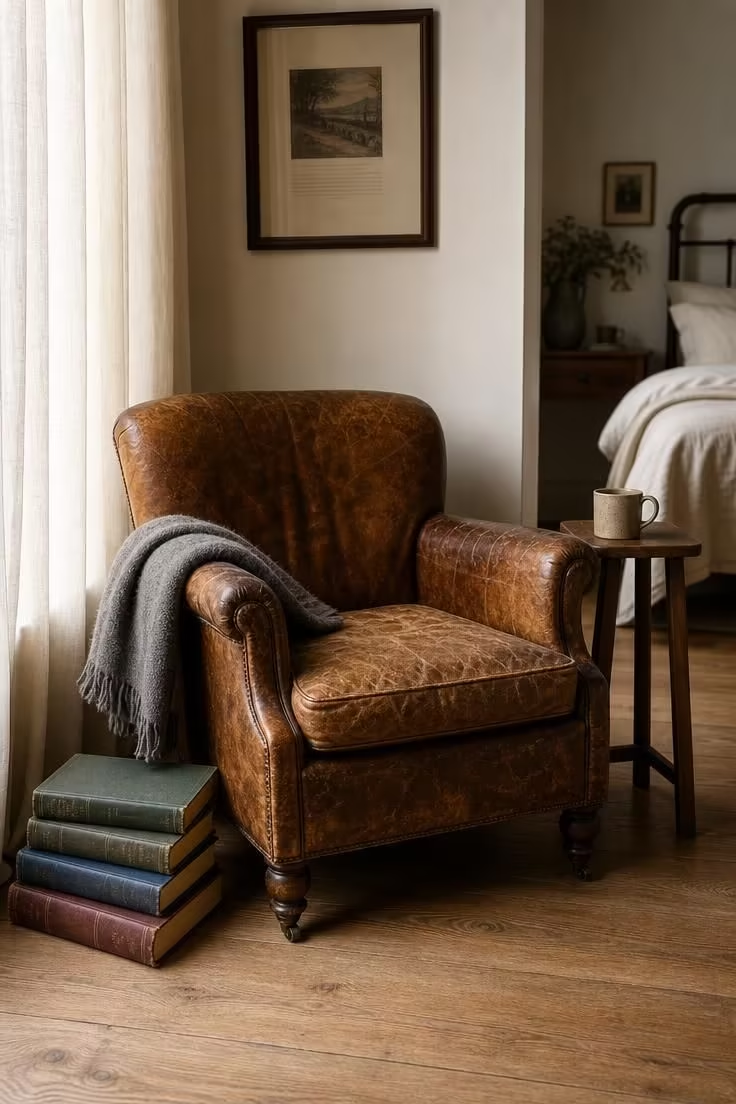
Every cottage bedroom benefits from one piece that is not linen, not cotton, not woven fiber, and leather fills that role with warmth and age.
A chair in cognac or saddle brown that has been sat in long enough to crease and soften brings a sense of personal history that no amount of careful styling can fake.
Placing it beside a window gives the corner purpose, a reading spot with natural light, and the vintage hardcovers stacked on the floor make that purpose visible.
The books themselves are not decoration: they are faded, handled, read things with soft cloth spines and slight foxing on the pages.
A small wool throw over one arm is enough to soften the leather and invite sitting, without covering the patina that gives the chair its character.
This is the piece that keeps a modern cottage bedroom from feeling too coordinated, too matchy, too careful.
One chair, a few old books, good light: that is a corner worth sitting in every morning.
Style Blueprint:
- Weathered leather accent chair in cognac or saddle brown with visible patina
- Stack of four to six vintage hardcover books with faded cloth spines
- Small heathered gray or oatmeal wool throw draped over one arm
- Narrow oak side table or wooden stool for a cup or small lamp
- Positioned beside a window with sheer cotton or linen curtains
Design Pro-Tip: One non-fabric texture, whether leather, stone, or aged metal, prevents a cottage bedroom from reading as a linen catalog. It adds friction and age, which is what makes a collected room feel real rather than assembled from a single shopping trip.
Conclusion
These 13 modern cottage bedroom ideas share a common thread: restraint with warmth.
Every piece earns its place by adding texture, natural material, or a sense of age to the room without introducing clutter or visual noise.
The approach works because cottage style has always been about comfort first, and the modern version simply strips away the layers that get between you and that feeling.
Start with one idea, a lime-washed headboard, a chunky throw on a spindle bed, a reading chair with real patina, and let the room build itself slowly.
The best cottage bedrooms were never decorated all at once, and yours should not be either.