This post may contain affiliate links. If you make a purchase through these links, we may earn a commission at no additional cost to you.
A living room can have a bright ceiling fixture and still feel dim, because brightness depends on where light lands rather than how much of it a single bulb produces.
Most dark rooms share a few overlapping conditions, and treating them in the wrong order wastes effort and money.
Understanding that order is the difference between a room that looks lighter and one that merely has more bulbs switched on.
Diagnose Where Brightness Disappears
The first useful distinction is between raw light output and visible brightness, because a strong ceiling fixture can leave walls and corners in shadow while the center of the room glows.
Walk into the room at midday and note whether sunlight actually reaches the seating area, or stops a few feet past the glass.
Then look at what sits between the window and the rest of the space: tall bookcases, oversized plants, and solid-backed furniture all interrupt the light path before it travels anywhere useful.
Artificial light deserves the same scrutiny, since one central fixture creates a bright pool and a ring of dimness rather than even coverage.
A quick self-check covers most of the problem: heavy curtains that overlap the glass, tall pieces positioned in front of windows, and a ceiling fixture that leaves the area near the walls noticeably darker than the middle of the room.
Mirrors and pale surfaces help once the worst light blockers are reduced, but placing a reflective panel in a room where daylight never arrives simply reflects a dim view.
Anyone searching for how to brighten a dark living room eventually learns that sequence matters more than any single purchase.
Start With the Window Zone, Not the Walls
Daylight is the highest-value brightness resource in most homes, and freeing it costs far less than repainting.
Begin with the glass itself, because a film of dust and grime quietly reduces how much light passes through, and the difference after cleaning is noticeable on a sunny afternoon.
Next, clear the brightest zone by moving tall plants, bookcases, and bulky furniture away from the window area so nothing competes with the light.
Dark opaque curtains are the most common offender, and swapping them for light-filtering or sheer panels changes the room before any other change.
Rod placement is a visual-composition move worth understanding: mounting a rod wider and slightly higher than the frame keeps fabric off the glass and makes the window read as taller, even though the opening itself is unchanged.
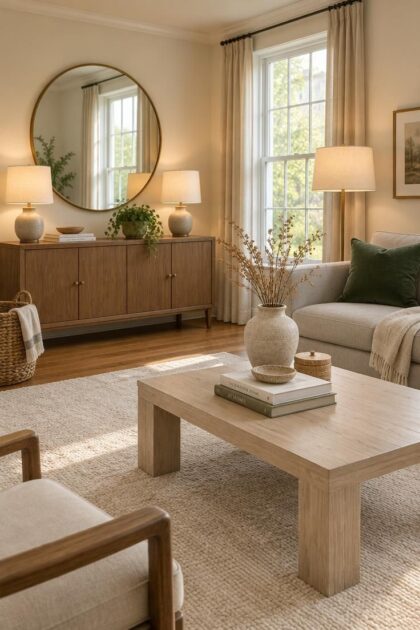
Placement also shapes mirror placement opposite window, where one broad mirror facing the brightest glass bounces daylight across the seating area instead of letting it stop at the sill.
Several small mirrors scatter that reflection into fragments and rarely match the effect of a single large one.
Privacy is the tradeoff nobody should skip, since light-filtering treatments admit more daylight while softening the view and offering less screening than opaque fabric, so the right choice depends on how exposed the window is to neighbors or the street.
Design Pro-Tip: Layer two curtain panels on the same rod, a sheer inner layer for daytime brightness and a heavier outer layer for evening privacy, so the window can shift with the hours.
Reflective Surfaces: Glass, Metal, and Paint Finish With Limits
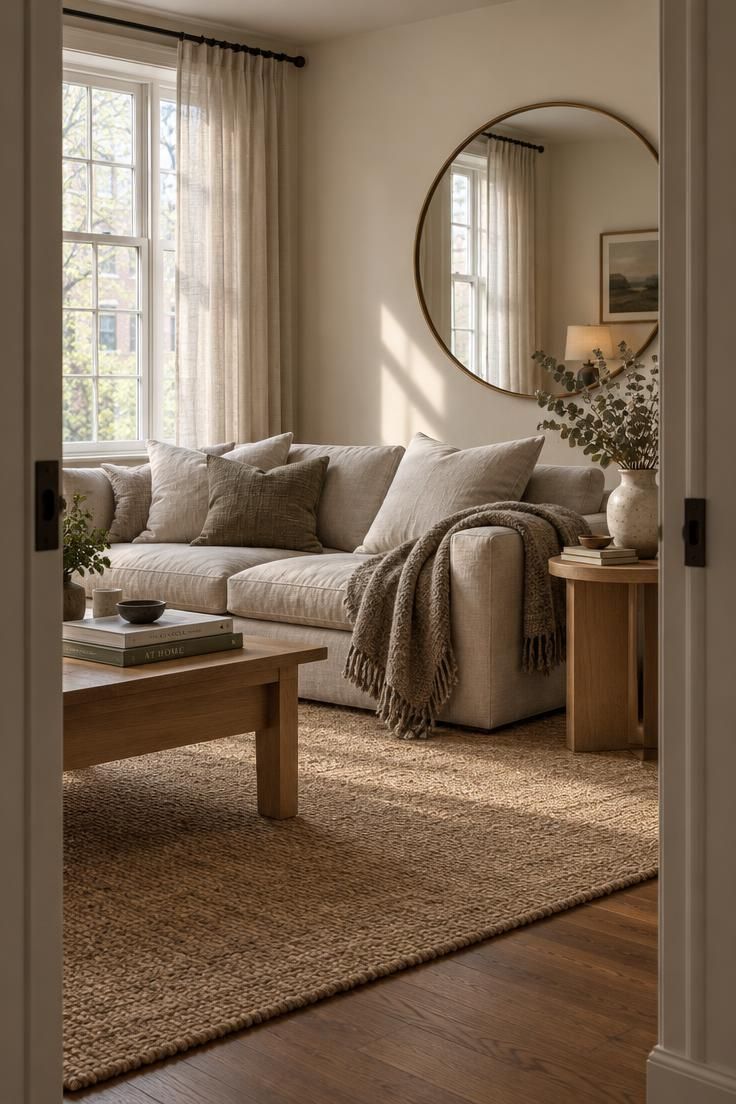
Reflectivity at room scale is straightforward: polished glass, satin metal, and pale wood send light back into the space, while matte black upholstery and dark stained wood absorb it.
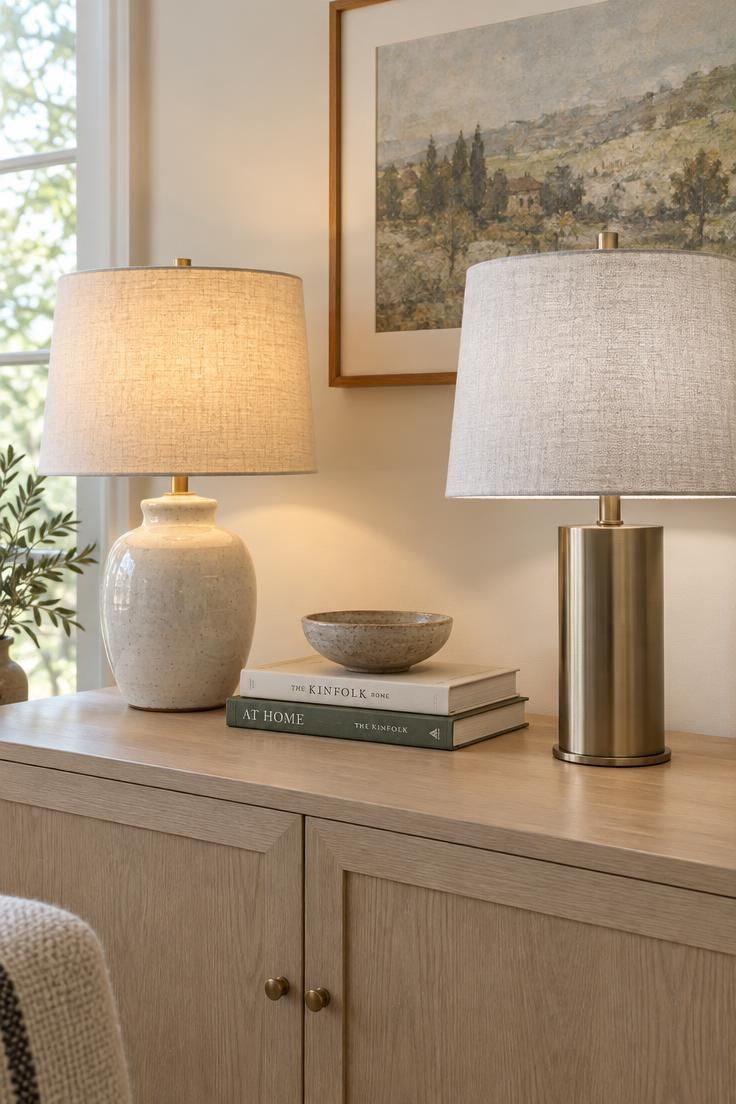
Furniture surfaces offer the most immediate change, and a glass-top coffee table, a slim brass floor lamp base, or a pale ash console shifts how much light bounces around the seating area without altering the layout.
Decorative accents carry the same effect at smaller scale, including a ceramic vase in a pale glaze, a brushed metal bowl, and framed art with generous light matting.
Satin and eggshell wall finishes reflect a modest amount of light without drawing attention to imperfections, while flat paint absorbs more and very glossy walls can produce glare and highlight every flaw in the surface.
The caution worth repeating is balance, because a room filled only with glass, chrome, and high-sheen surfaces tends to feel cold and hard regardless of how bright it looks.
Woven baskets, a linen sofa, a wool throw, or a jute rug absorb a small amount of light while adding the softness that keeps a reflective room comfortable.
Design Pro-Tip: Set a pale wooden tray on a dark coffee table to break up a heavy shadow and add a lighter plane without replacing the piece.
Layer Light at Three Heights
The single highest-impact lighting change is distributing light across several sources instead of concentrating it overhead.
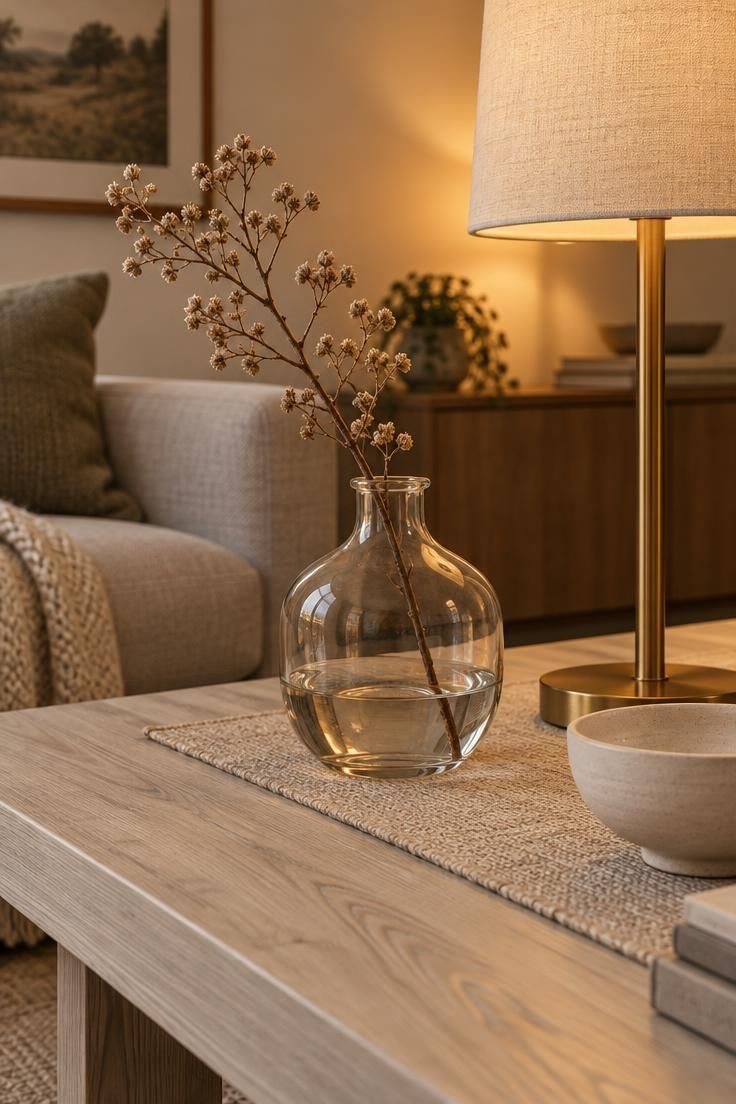
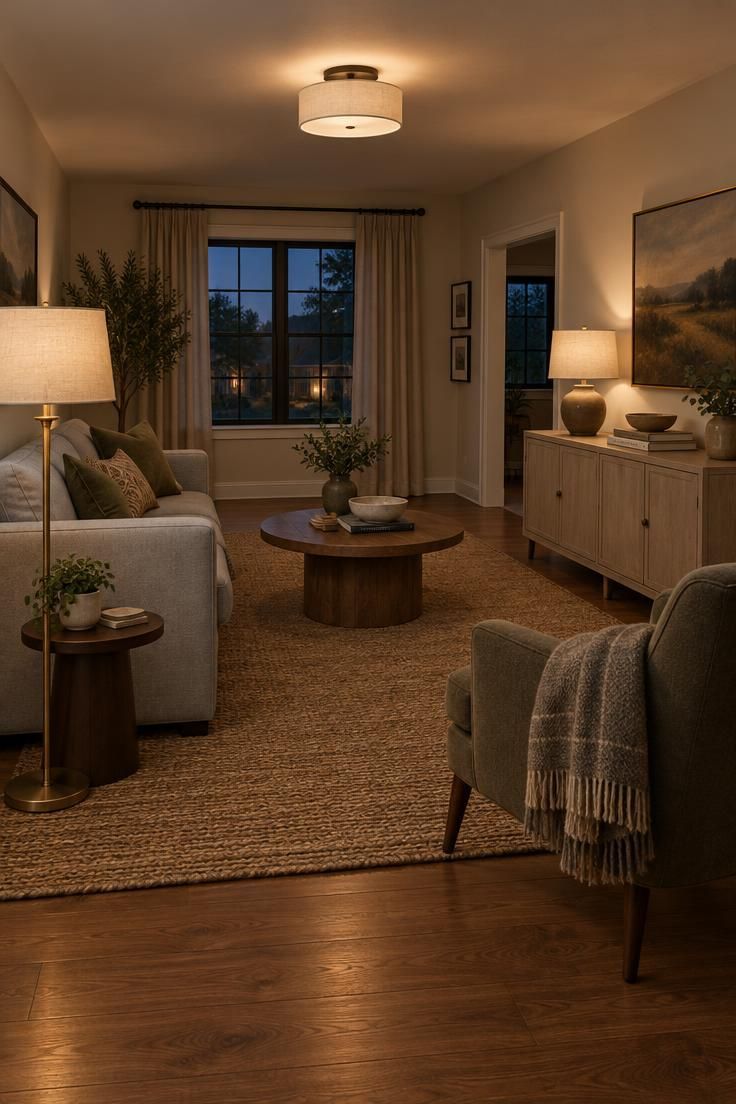
A workable baseline keeps one ceiling fixture for overall illumination, adds two lamps on opposite sides of the seating area, and directs one additional light toward a wall, a large plant, or a piece of art.
Light at different heights changes what the eye can read, because an uplight or a wall-washing sconce reveals the room's boundaries and makes the ceiling visible instead of leaving it dark above a bright floor.
Distinguishing the layers by purpose keeps the arrangement useful: ambient light fills the room, task light supports reading or a hobby, and accent light picks out texture and creates depth at the edges of the space.
Color temperature is the decision point inside that arrangement, and warm white around 2700 to 3000 kelvin keeps a living room from feeling clinical, while cooler bulbs read as work light.
Layered living room lighting built this way lets each fixture carry a modest share of the job, which reduces the harsh shadows that appear when one bright source does everything.
Design Pro-Tip: Pair a table lamp and a floor lamp on opposite sides of the sofa so neither one becomes the only bright pool in the room.
Choose Light Color and Brightness by Feel, Not Wattage
Brightness is measured in lumens, and a typical living room feels comfortable with several moderate LED sources rather than one very bright bulb.
The equivalents are easier to hold onto than the numbers: a 60-watt-style bulb produces roughly 800 lumens, so two or three of those spread across different fixtures usually cover a living room better than a single intense source.
Color temperature turns out to be the larger mood lever.
A 2700 kelvin bulb reads soft and warm in the evening, 3000 kelvin stays warm while appearing slightly cleaner, and 4000 kelvin and above can make a low-light room feel harsh and unwelcoming.
Color rendering matters more than most shoppers expect, and a CRI of 90 or higher keeps wood, paint, and fabric looking like themselves once the sun goes down.
Dimming is the control that ties the whole arrangement together, since the same fixture can serve daytime tasks, evening reading, and movie watching when its output can drop.
Lamp manufacturers publish these ratings on the packaging, and the ENERGY STAR brightness guidance explains how lumens and color temperature are listed, which makes comparison across boxes far easier than guessing from wattage alone.
Design Pro-Tip: Test two color temperatures side by side in the same fixture before replacing every bulb in the room.
Paint Color and Finish: Why Warm Neutral Beats Brilliant White
Brilliant white is the default answer to a dark room, and it frequently disappoints.
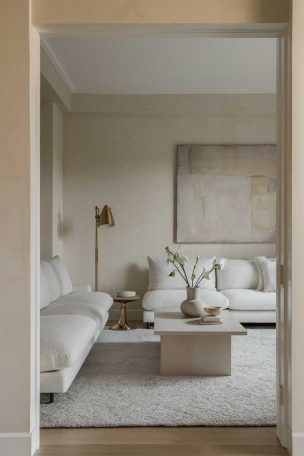
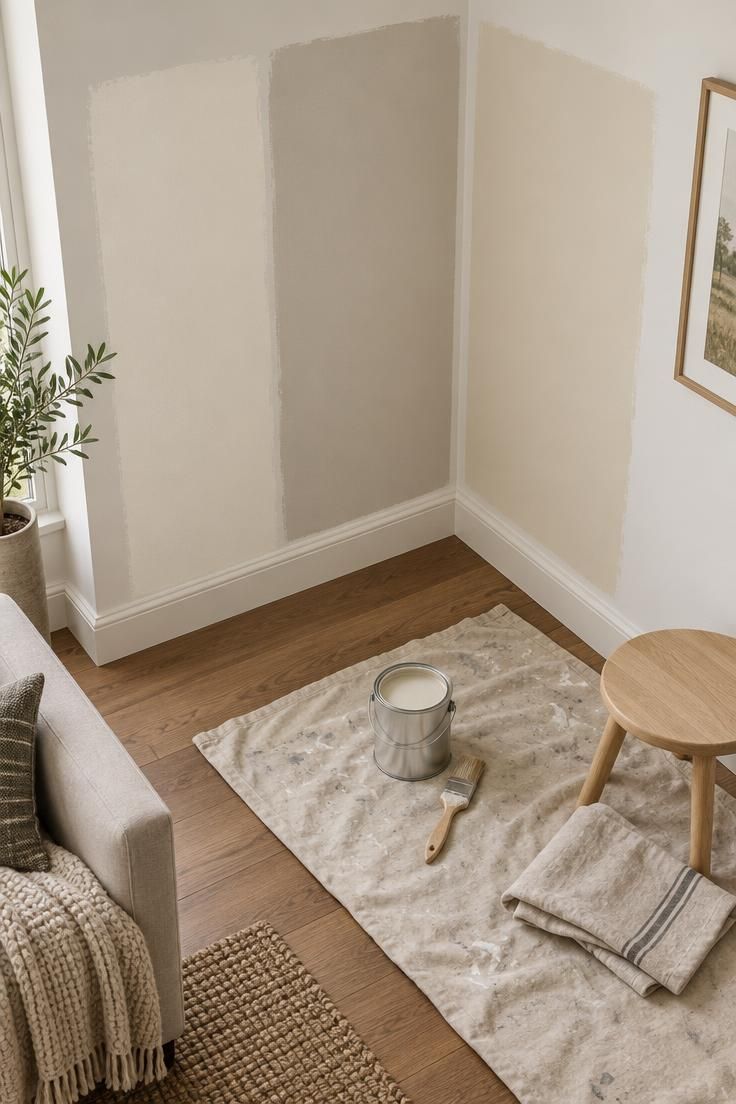
In low daylight, pure white paint tends to reflect whatever cool cast is already present, so it can read gray or flat rather than bright, while a warm off-white, cream, or light greige looks lighter and more welcoming because it picks up the warm tones already in wood floors and fabric.
Undertones decide which warm neutral belongs on the wall.
A room with cool north light benefits from cream or light beige, while a room with strong warm afternoon light balances better with a pale neutral carrying a slight gray or green cast.
Testing is non-negotiable, and the practical version is to paint samples on two different walls and check them across a morning and an evening before committing.
Finish plays a supporting role, and eggshell or satin reflects a small amount of light without calling attention to wall texture, while flat paint absorbs more and high gloss draws the eye to every imperfection.
The ceiling belongs in the same conversation, since a ceiling one or two steps lighter than the walls reflects light downward and prevents the closed-lid feeling that a dark ceiling creates.
Current living room reporting favors warm neutrals over cold gray, with deeper earth tones used as accents rather than full-room color when brightness is the priority.
Design Pro-Tip: Paint large swatches rather than small chips, since a bigger sample shows how the color behaves across an entire wall.
Reduce Visual Weight: Furniture, Flooring, and the Dark Rug Problem
A room can receive plenty of light and still feel heavy, which shifts the problem from light sources to the visual mass of what sits inside the space.
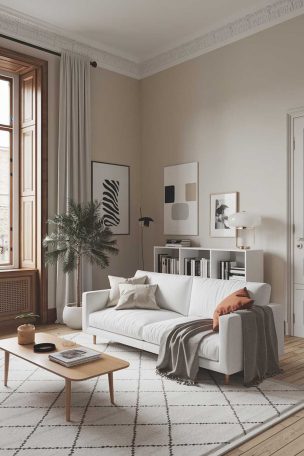
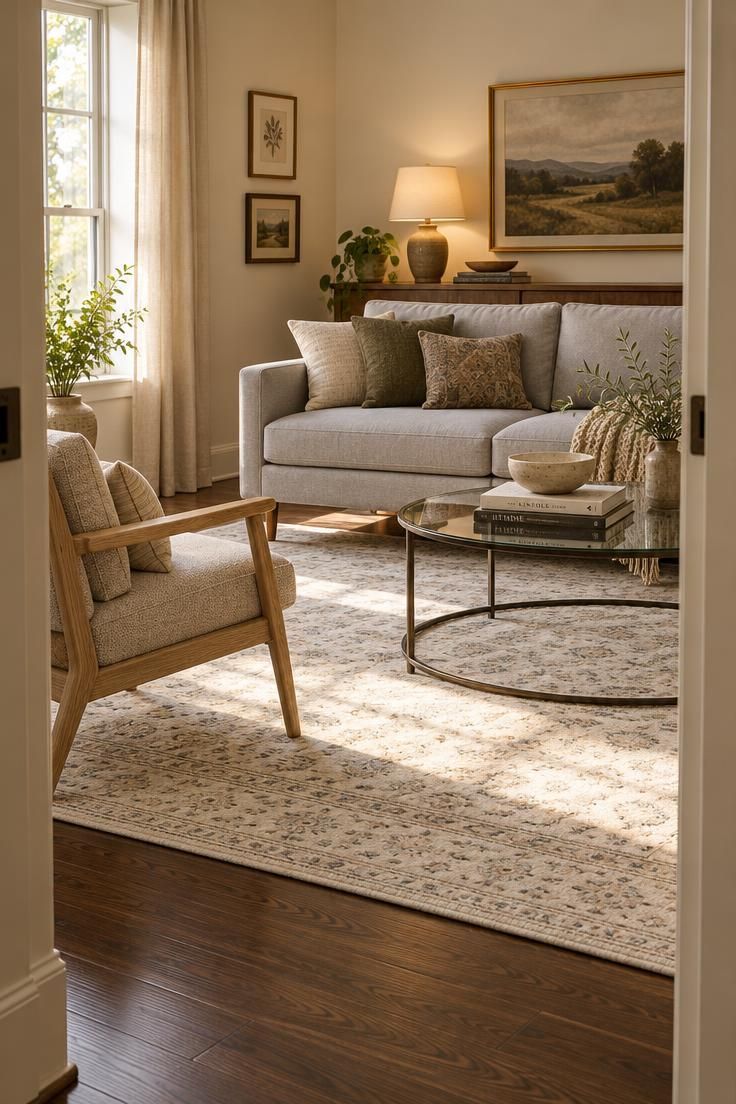
Flooring is the fastest place to test this idea, and a large ivory, beige, or low-contrast patterned rug lifts a dark floor immediately, making lighter rug for dark floors one of the most reversible changes available.
Furniture works the same way.
A sofa with visible legs lets light travel underneath and makes the piece read lighter, while a solid skirted base blocks the floor and adds weight to everything nearby.
The most practical strategy keeps the pieces already owned: lighten around a dark sofa with cream cushions, a pale throw, and a light wood or glass side table rather than replacing the largest item in the room.
Very dark wood or tile can dominate the floor plane, and a lighter rug layered over it is a temporary change, while a runner in front of the seating area breaks the expanse without covering the whole room.
Layout deserves the same attention, because a large dark sofa placed directly in front of the main window blocks the brightest zone, while shifting the primary seating to the side keeps the light path open.
Design Pro-Tip: Replace a dark coffee table with a glass or pale wood version at the same scale so the room gains light without losing balance.
Natural Texture, Plants, and the Trend Color Question
Reflective surfaces do most of the work in a brightened room, and natural texture keeps them from feeling cold.
Pale woven baskets, linen upholstery, jute, and light wood all absorb a small amount of light while adding the warmth and variation that glass and metal alone cannot provide.
The balance is easier to strike than it sounds, since one reflective piece paired with two matte ones usually reads richer than a room where every surface shines.
Plants belong near the light rather than in the darkest corner.
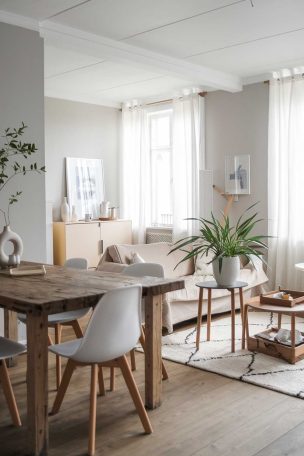
A tall leafy plant in a pale pot close to the window adds bright green foliage and light-toned ceramic to the brightest zone, while the same plant placed in shadow simply adds mass.
Darker trend colors still have a place.
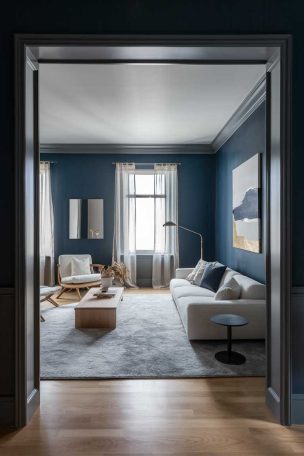
Charcoal, burgundy, and deep green work well as an accent pillow, a single chair, or a piece of art, and they hold up best in small ratios when brightness is the goal.
Style reporting leans toward earthy tones right now, though the practical logic of ratio matters more than any seasonal preference.
Design Pro-Tip: Pair a brass or glass lamp base with a woven or linen shade to blend a little sheen with a soft, light-absorbing texture.

Lamps Before Paint: A Three-Bulb Test for the Darkest Corner
Painting is the change people reach for first, and lighting often delivers more for less effort in a room that only feels dark after sunset.
Start with the darkest corner, because it reveals where the room's light distribution actually fails.
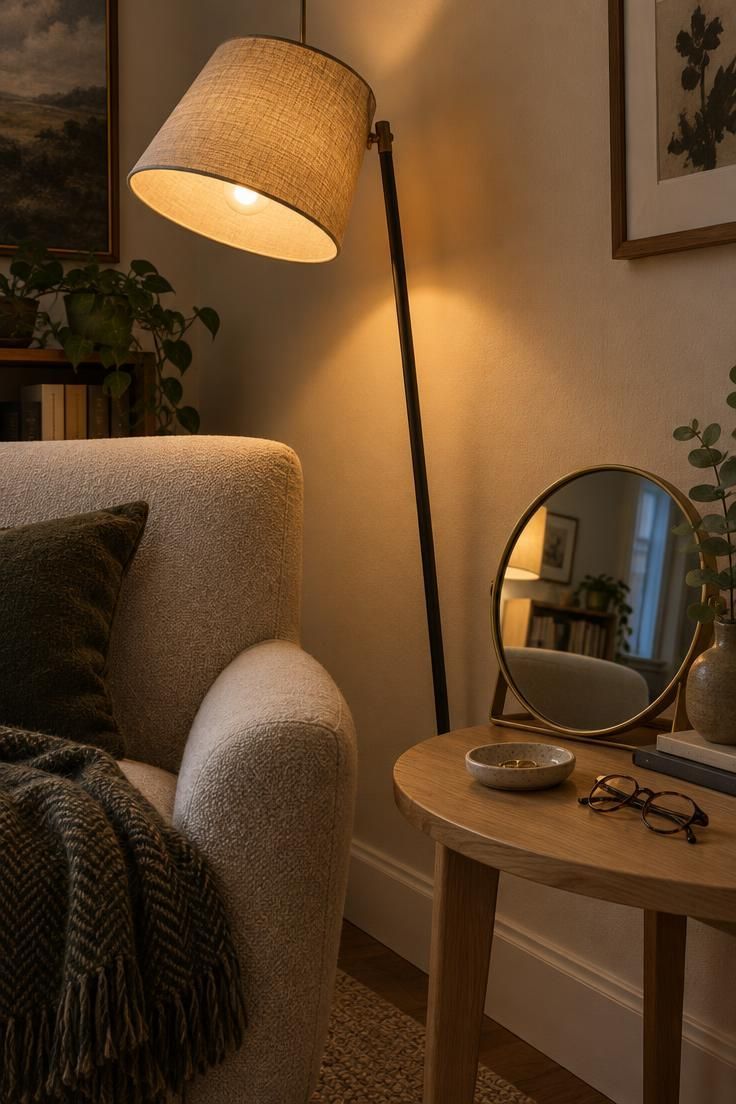
Place a floor lamp there and switch it on, then walk back to the seating area and look at the wall behind the sofa: if that wall reads as background, the corner is solved; if it reads as shadow, the gap is real.
Bulb comparison is the next step, and trying a 2700 kelvin bulb, then a 3000 kelvin bulb, then a dimmable 2700 kelvin set low shows how much nearby upholstery, wood, and paint shift under each option.
The corner also serves as a mirror test: prop a small tabletop mirror on a side table there and angle it toward the nearest lamp, and if the reflected light lands on the seating area, that spot can hold a larger wall mirror later.
Window treatment fits into the same reasoning, because light filtering window treatments on the nearest glass can move afternoon daylight toward a distant corner without replacing every curtain in the room.
The decision rule is simple.
A corner that brightens after the lamp test likely needs only more distributed light, while a corner that stays dark points toward a light rug or pale paint on the adjacent wall.
Design Pro-Tip: Use an extension cord and a temporary lamp to test the corner before committing to a permanent floor-lamp purchase.
A Low-Cost Order of Operations for the First Weekend
The most useful plan starts with free changes and scales upward only as far as needed, which keeps the budget controlled while the room improves.
Begin with the glass and the objects around it, washing the windows and moving tall pieces out of the brightest zone.
Removing heavy curtains comes next, and replacing them with sheer or light-filtering panels costs far less than new furniture while changing the room more.
Adding one large mirror opposite the brightest window comes third, because the reflective gain compounds whatever daylight already reaches the room.
Bulbs follow, and swapping the most-used fixtures to dimmable 2700 kelvin LEDs while adding a floor lamp to the darkest corner handles evening use before any surface change.
Only then do textiles and warm neutral paint colors enter the sequence, starting with a lighter rug or pale cushions and moving to sample swatches on two walls before a full repaint.
Renters can stop anywhere before the paint step, since everything earlier is reversible and leaves the walls untouched.
The budget logic is worth stating plainly: bulbs and lamps cost less than custom curtains or new upholstery, and paint sits above those in effort but below new flooring.
The representative result of this sequence, as described in current design reporting, is a room with warm off-white walls, layered 2700 kelvin light, one large mirror, light natural textures, and a single earthy accent, bright without whitewashing every surface.
Design Pro-Tip: Take a before-and-after photo from the same doorway angle after each step so the change that matters most becomes obvious.
Conclusion
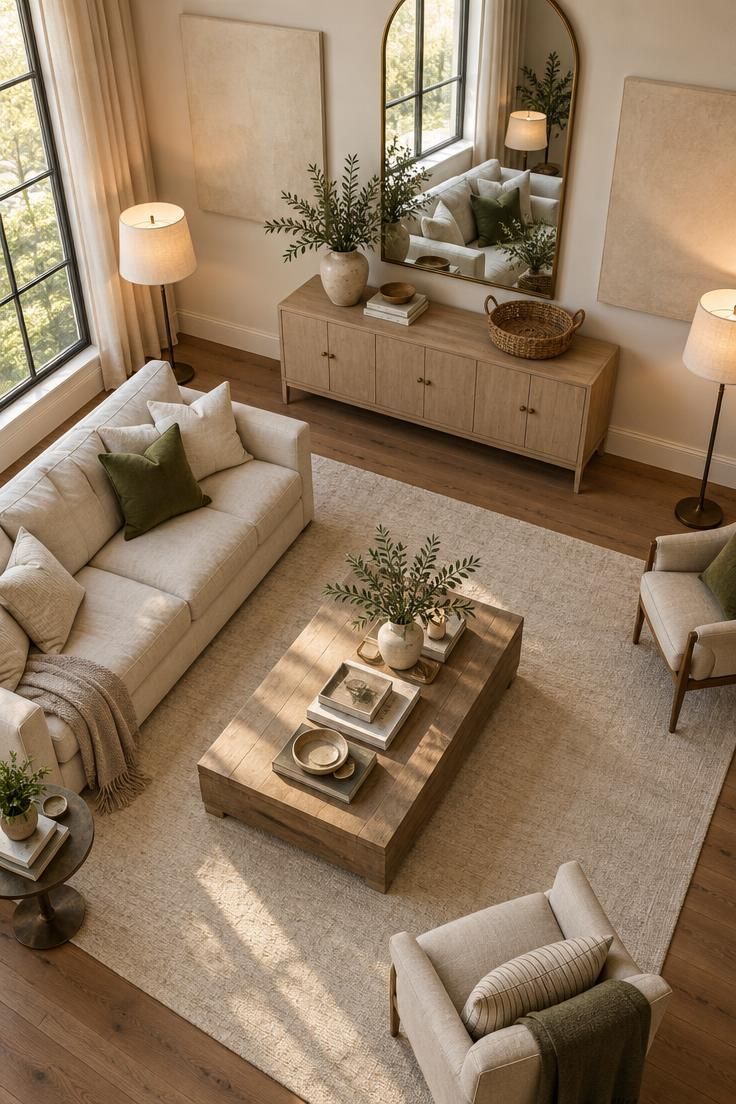
Brightening a dark living room works best as a sequence rather than a shopping list: clear the daylight path, add one large mirror, distribute warm light across several heights, and then choose surfaces that reflect instead of absorb.
Each change builds on the one before it, which keeps the budget in check and prevents money from going toward paint when the real problem is a curtain covering the glass.
The goal is not a white room.
It is a balanced mix of light, texture, and a few darker accents that keep the space feeling like a living room rather than a showroom.
Start by washing the window and moving the tallest piece of furniture out of the brightest zone this weekend, then run the corner lamp test before deciding on anything else.