This post may contain affiliate links. If you make a purchase through these links, we may earn a commission at no additional cost to you.
A kitchen coffee bar gives your morning routine its own dedicated spot, and that small change makes the whole process feel calmer.
Instead of digging through cabinets for filters or shuffling appliances aside, everything sits in one place, ready to go.
These 13 ideas range from built-in cabinet stations to simple cart setups, each one built around a specific material or layout detail you can picture in a single photograph.
Whether your kitchen has a full unused wall or just a two-foot strip of counter, there is a coffee bar setup here that fits your space and your budget.
A White Ceramic Tile Backsplash With a Pull-Down Brass Faucet
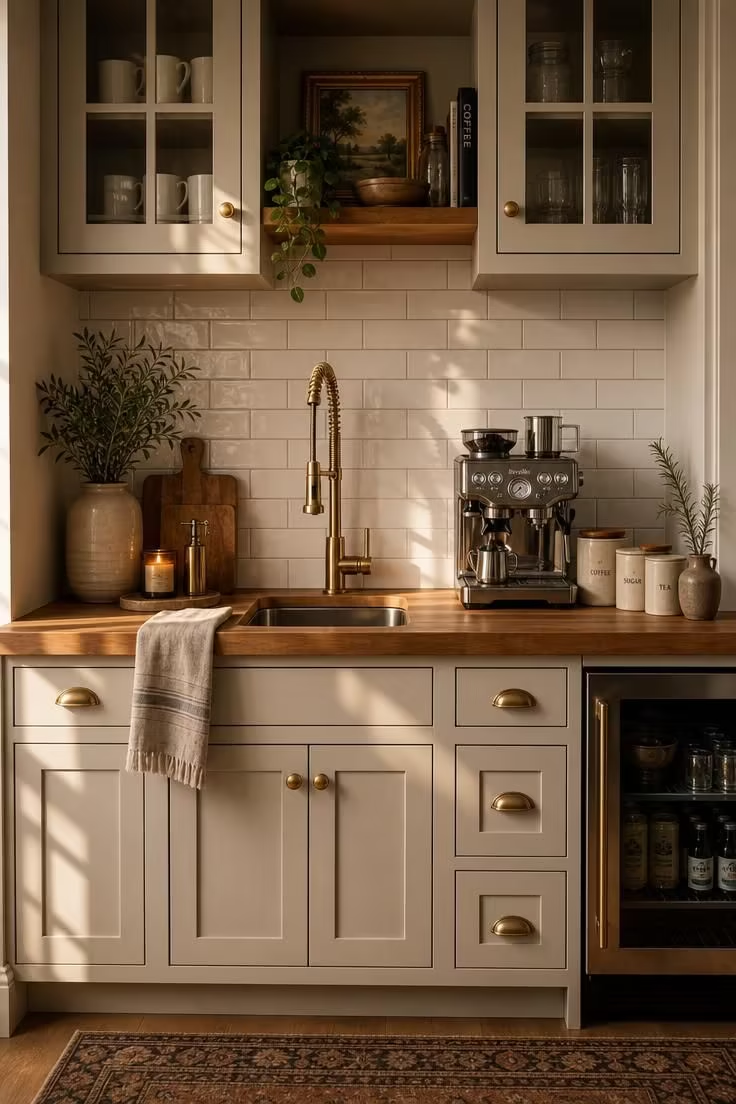
The brass faucet is the detail that lifts this coffee bar from functional to personal.
Having a small sink built into the coffee station means you never have to walk across the kitchen to fill a kettle or rinse a portafilter.
White subway tile reads clean without feeling cold, and the butcher block countertop adds just enough warmth to keep the whole station grounded.
The three canisters in a tight row create a sense of order that makes the counter feel intentional rather than cluttered.
Brass ages into a softer patina over time, so this is a coffee bar that looks better the more you use it.
Keeping the coffee bar decor to a single bud vase and a folded towel stops the space from tipping into over-styled territory.
One material, one metal finish, and a handful of daily-use objects, that is really all you need here.
Style Blueprint:
- White ceramic subway tile backsplash (3×6 or 4×8 format)
- Pull-down brass bar faucet with matching cabinet hardware
- Butcher block countertop section (sealed for moisture resistance)
- Three coordinating ceramic canisters in neutral tones
- Stoneware bud vase and linen hand towel as finishing accents
Honed Soapstone Counter With a Hand-Crank Grinder and Glass Canisters
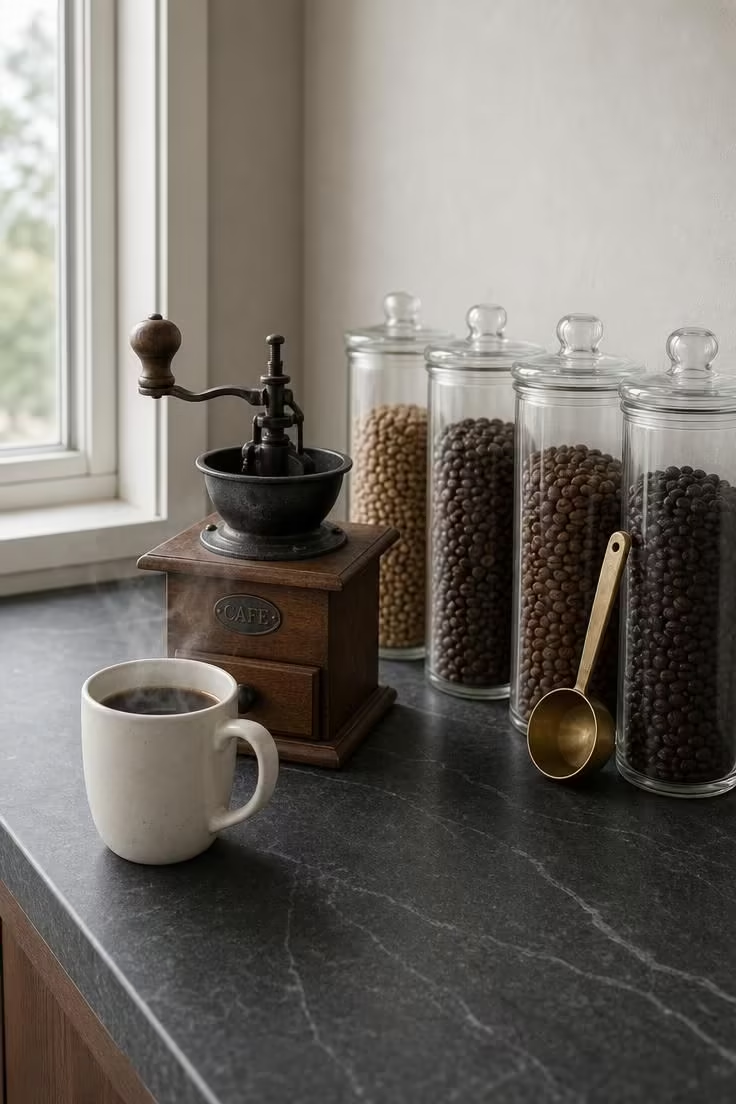
Soapstone has a soft, matte finish that absorbs light instead of bouncing it around the room.
That quality makes the counter itself feel quiet, which sets the right tone for a morning coffee nook.
The hand-crank grinder is not just decorative here, it slows the whole process down and turns grinding into a small ritual rather than a chore.
Clear glass canisters let you see exactly how much coffee you have left, and the different roast colors lined up together create a natural gradient that works as visual decor on its own.
Keeping the wall above bare is a deliberate choice, it lets the counter arrangement breathe and avoids the cluttered look that comes from stacking too many elements.
This is a countertop coffee bar stripped to only the objects that get touched every day.
Style Blueprint:
- Honed soapstone counter slab (or soapstone-look quartz alternative)
- Cast iron and wood hand-crank coffee grinder
- Four tall glass apothecary canisters with airtight lids
- Brass measuring scoop
- Pale warm gray wall paint as a quiet backdrop
A Built-In Alder Wood Cabinet With Frosted Glass Doors
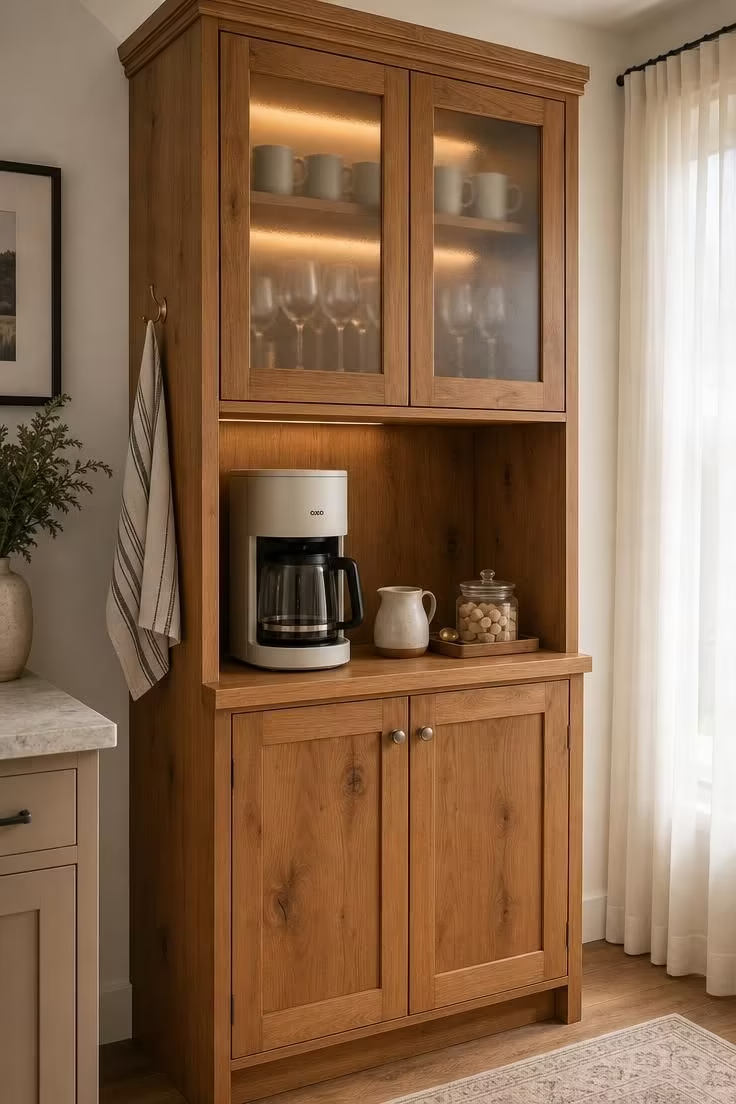
A built-in cabinet like this turns a small kitchen coffee bar into something that looks like it was part of the original kitchen design.
The frosted glass doors are the key detail, they hide the visual noise of mismatched mugs and cluttered shelves while still hinting at what is stored inside.
Alder wood has a softer, more golden tone than oak or walnut, which keeps the piece from feeling heavy in a small kitchen.
The open middle section at counter height is where all the daily action happens, and framing it between closed storage above and below creates a natural focal point.
LED strips behind the glass panels add a layer of atmosphere without needing a separate light fixture.
This coffee bar shelving approach works especially well in a galley kitchen or a narrow wall where open shelves would feel too exposed.
Hiding supplies behind doors also cuts down on dust collecting on mugs and canisters.
Closing those frosted panels each evening resets the kitchen to a clean, uncluttered look in seconds.
Style Blueprint:
- Floor-to-ceiling alder wood cabinet with frosted glass upper doors
- Brushed steel knobs or pulls
- Open counter-height middle section for daily-use items
- LED strip lighting behind frosted glass panels
- Small brass side hook for a hand towel
Matte Olive Green Tiles Behind a Stainless Steel Drip Station
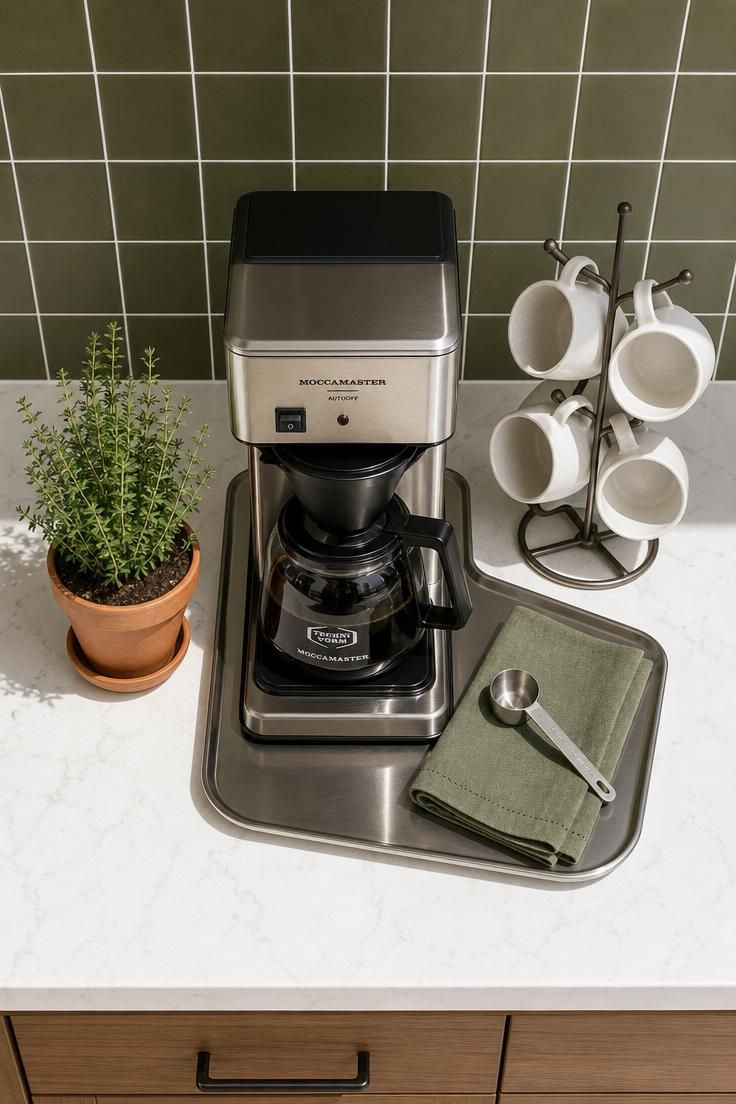
Green tile is one of those choices that feels bold during the selection process but instantly reads as natural once it is on the wall.
The matte finish keeps the tiles from competing with the stainless steel, and the olive shade specifically reads more earthy than trendy.
White quartz below and white grout lines within the tile keep the palette from going too dark.
A single herb plant is the only organic element here, and it ties back to the green tones without adding clutter.
This is a coffee bar decor approach that leans commercial in its hardware but warm in its color story.
The wire mug tree is a smart alternative to wall-mounted hooks when you want to keep the tile pattern uninterrupted.
Style Blueprint:
- Square matte olive green backsplash tiles (4×4 or 6×6)
- Commercial-style stainless steel drip coffee maker
- Matching stainless steel tray and scoop
- Wire mug tree in chrome or matte silver
- Small terra cotta pot with a fresh herb
Design Pro-Tip: When you are choosing a backsplash color for your coffee station, hold the tile sample against your coffee maker and your most-used mug before committing. The three surfaces sit in the same sightline every morning, and a color that looked great on a sample board can clash once it is next to brushed steel or glazed ceramic at close range.
A Rolling Birch Plywood Cart With a Lower Shelf Basket Caddy
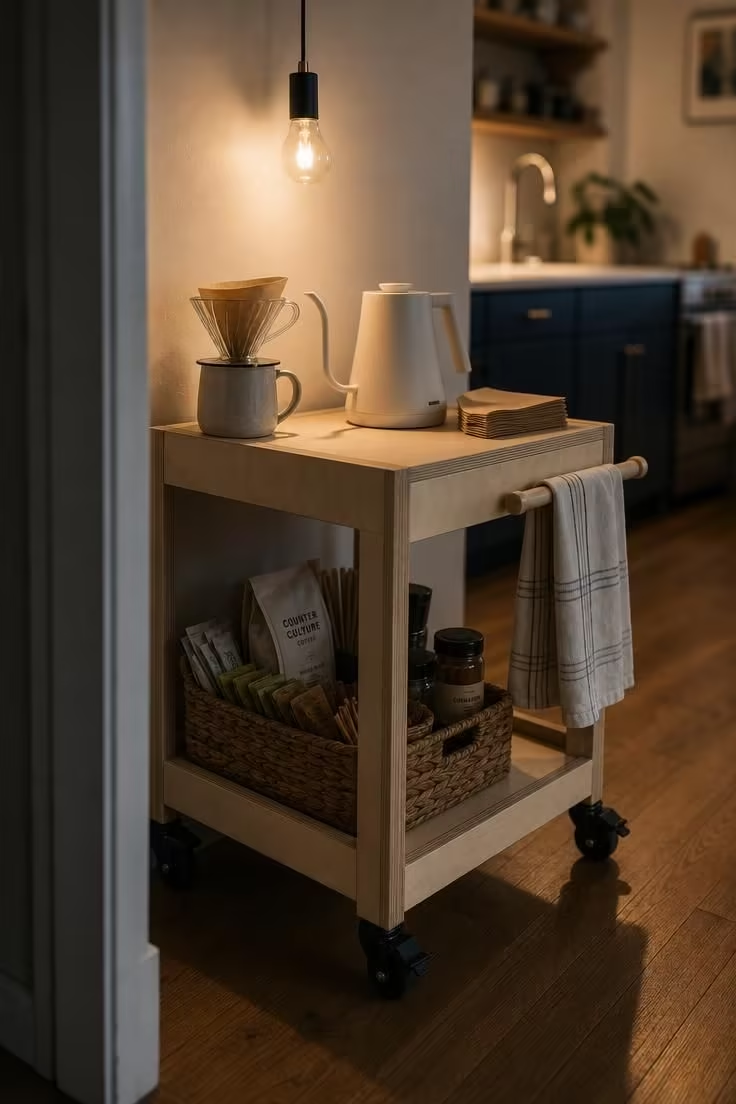
A rolling cart is the most practical option for anyone who rents or does not want to commit to a permanent coffee station.
Birch plywood has a clean, modern look that sits comfortably in almost any kitchen style, from Scandinavian to industrial.
The exposed plywood edges are part of the appeal here, they give the piece a workshop quality that feels honest rather than unfinished.
Locking casters mean you can roll it beside the stove in the morning and push it back against the wall when you need the floor space.
The lower shelf basket caddy is where this setup gets smart, keeping all the small items corralled in one portable container that you can lift out for refilling.
A side-mounted towel bar is a small addition that makes a big difference, it means one fewer trip to the sink for a damp rag after a spill.
This is a countertop coffee bar alternative that costs less than a hundred dollars to build or buy.
Pour-over brewing works especially well on a cart because the equipment is light, compact, and does not need a power outlet.
For a small kitchen coffee bar, this is one of the most space-friendly options on this list.
Style Blueprint:
- Birch plywood two-shelf cart with locking rubber casters
- Glass pour-over coffee dripper and ceramic mug
- Matte white electric kettle
- Large woven basket caddy for supplies on the lower shelf
- Side-mounted wooden dowel towel bar
Penny Round Porcelain Mosaic With Brushed Nickel Sconce Lighting
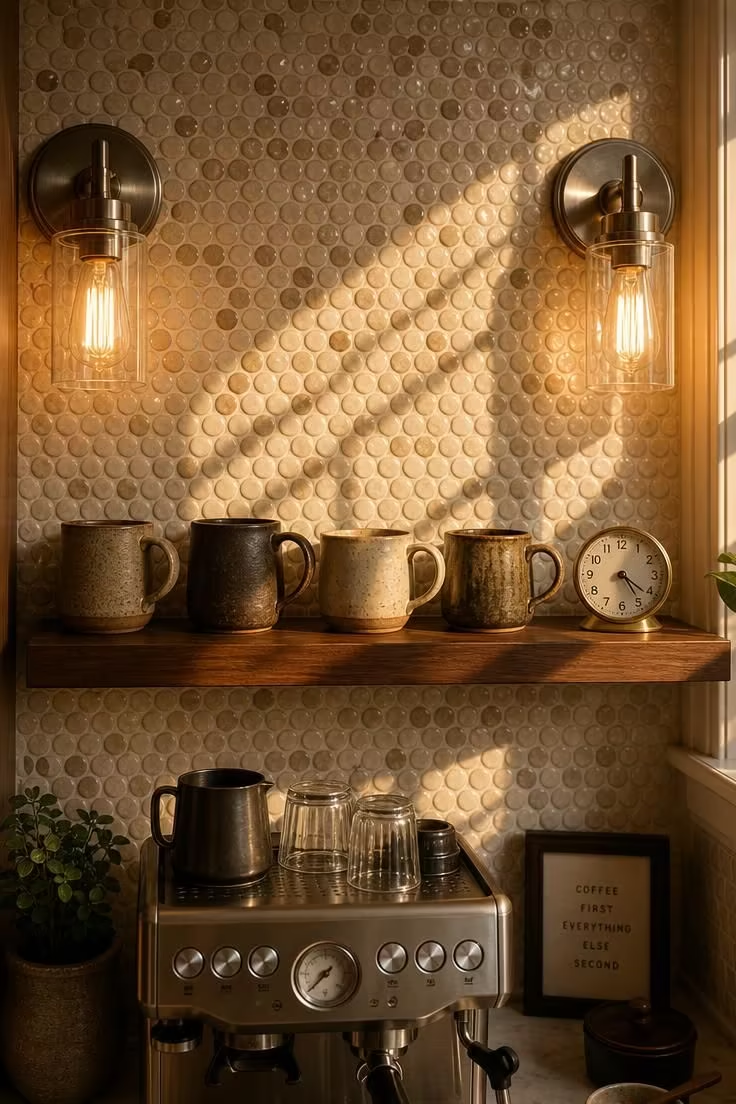
Penny round tiles create a texture that flat subway tile cannot match, the repeating circles break up the wall surface and catch light at dozens of small angles.
Pairing them with brushed nickel sconces adds a polished metal element without going as bold as brass or as cold as chrome.
The single floating walnut shelf between the two sconces gives the arrangement a gallery-like symmetry that anchors the whole wall.
Stoneware mugs in earth tones pick up the taupe in the mosaic, pulling the palette together without matching too precisely.
A small clock on the coffee shelf is one of those practical additions that also works as decor, and it keeps you on schedule during a busy morning.
This coffee bar shelving approach uses the wall space vertically, which frees the counter below for the espresso machine and daily prep.
The dual light sources, natural from the window and warm from the sconces, create a layered glow that makes the station feel cozy at any hour.
Style Blueprint:
- Penny round porcelain mosaic tiles in cream and taupe
- Pair of brushed nickel wall sconces with warm-toned bulbs
- Single floating walnut shelf (36 to 48 inches wide)
- Handmade stoneware mugs in coordinating earth tones
- Small brass clock as a functional shelf accent
A Recessed Alcove Lined in Beadboard With Turned Wood Hooks
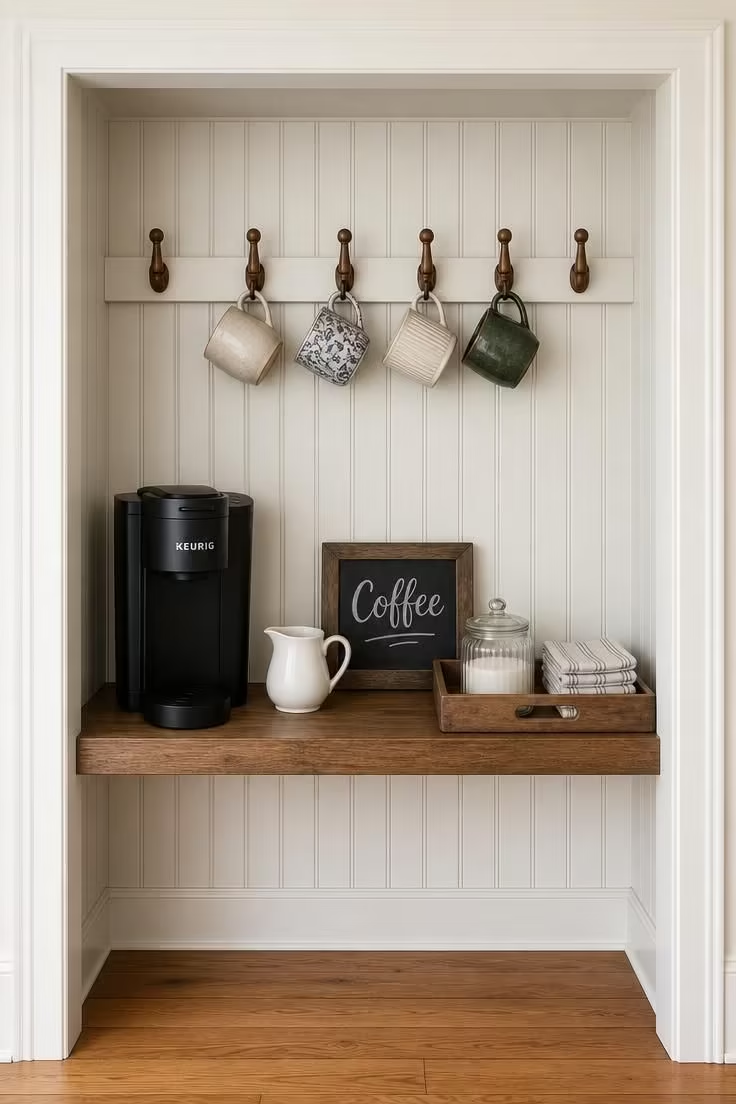
Recessing a coffee station into a wall niche gives it the feeling of a built-in without the cost of custom cabinetry.
Beadboard paneling inside the alcove adds texture and depth to what would otherwise be a flat, plain recess.
The turned wood hooks are a warmer alternative to metal hooks, and their rounded shape complements the vertical beadboard grooves.
Hanging mugs from hooks instead of stacking them in a cabinet turns everyday drinkware into a display, and it makes grabbing your morning cup faster.
A matte black coffee maker against white beadboard creates strong visual contrast that makes the appliance look deliberate rather than plunked down.
This kitchen beverage station approach works especially well in older homes where odd wall niches or former closet spaces already exist.
The chalkboard label is a small, swappable accent that lets you change the personality of the nook with the seasons.
Framing the opening with simple trim molding cleans up the edges and makes the whole installation read as a finished architectural detail.
Style Blueprint:
- Recessed wall alcove (minimum 24 inches wide, 18 inches deep)
- White-painted beadboard paneling on back and side walls
- Row of turned wood hooks for mug storage
- Counter-height shelf with matte black coffee maker
- Small chalkboard label or sign as a swappable accent
Design Pro-Tip: If your kitchen does not have a natural alcove, you can create one by building out two short knee walls (12 to 18 inches deep) on either side of a section of counter. Finish the interior with beadboard or tile, and the result looks like it has been part of the house for decades.
Black Slate Countertop With a Single-Origin Pour-Over Cone
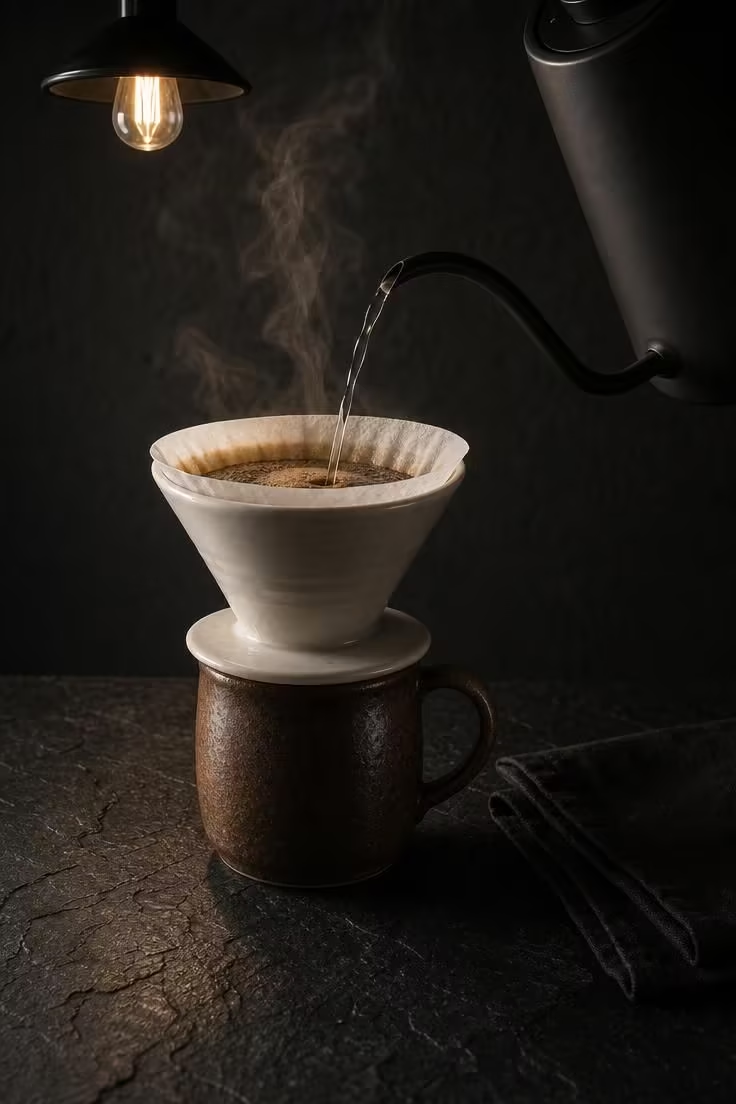
This is the most pared-down coffee station on the list, and that is the whole point.
Black slate has a raw, geological quality that makes the countertop itself feel like a statement piece.
The natural cleft surface, with its ridges and slight unevenness, catches light in a way that polished stone never could.
A pour-over cone, a kettle, and one mug, that is the entire setup, and removing everything else forces your attention onto the ritual of brewing.
Choosing a hand-thrown stoneware mug instead of a mass-produced one adds a tactile, handmade quality that matches the slate’s raw texture.
Style Blueprint:
- Natural cleft black slate countertop slab
- White ceramic pour-over cone
- Matte black gooseneck electric kettle
- Hand-thrown stoneware mug in dark glaze
- Black linen napkin as the only accessory
A Repurposed Apothecary Cabinet With Labeled Drawer Pulls
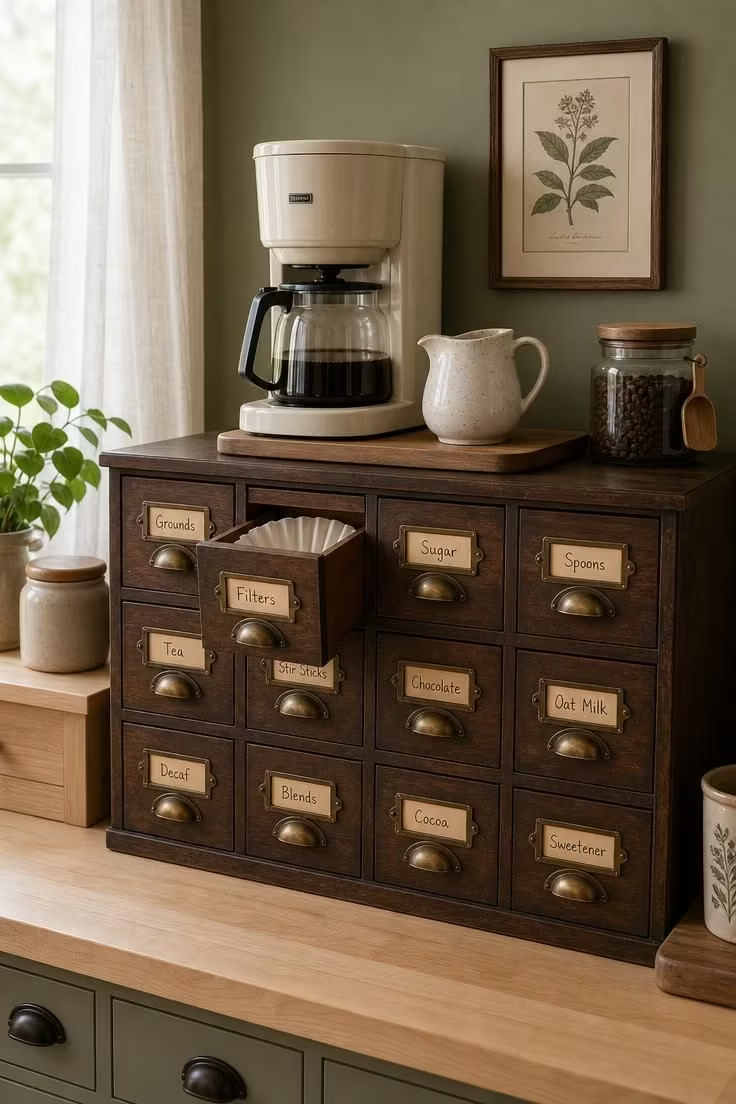
An apothecary cabinet brings a layered, collected character to a coffee bar setup that matching store-bought pieces cannot replicate.
The small labeled drawers solve one of the biggest coffee station frustrations, keeping filters, sweeteners, spoons, and loose tea organized without visible clutter.
Brass card-holder pulls are the detail that ties this look together, and the hand-written labels add a personal, analog quality that printed labels would miss.
Using a wooden cutting board as a tray beneath the coffee maker protects the antique cabinet top from heat and moisture.
The sage green wall behind acts as a soft color anchor that lets the dark walnut cabinet stand forward without competing.
A single framed botanical print above the cabinet keeps the wall from feeling bare without overloading the visual space.
This is a coffee bar setup that tells a story, every drawer and label gives the station a sense of history and care.
Style Blueprint:
- Vintage or reproduction apothecary cabinet in dark walnut (12+ small drawers)
- Brass card-holder drawer pulls with hand-written labels
- Cream or white drip coffee maker
- Wooden cutting board as a protective tray surface
- Small framed botanical print for the wall above
Cork-Backed Open Shelves With a French Press and Linen Towel Display
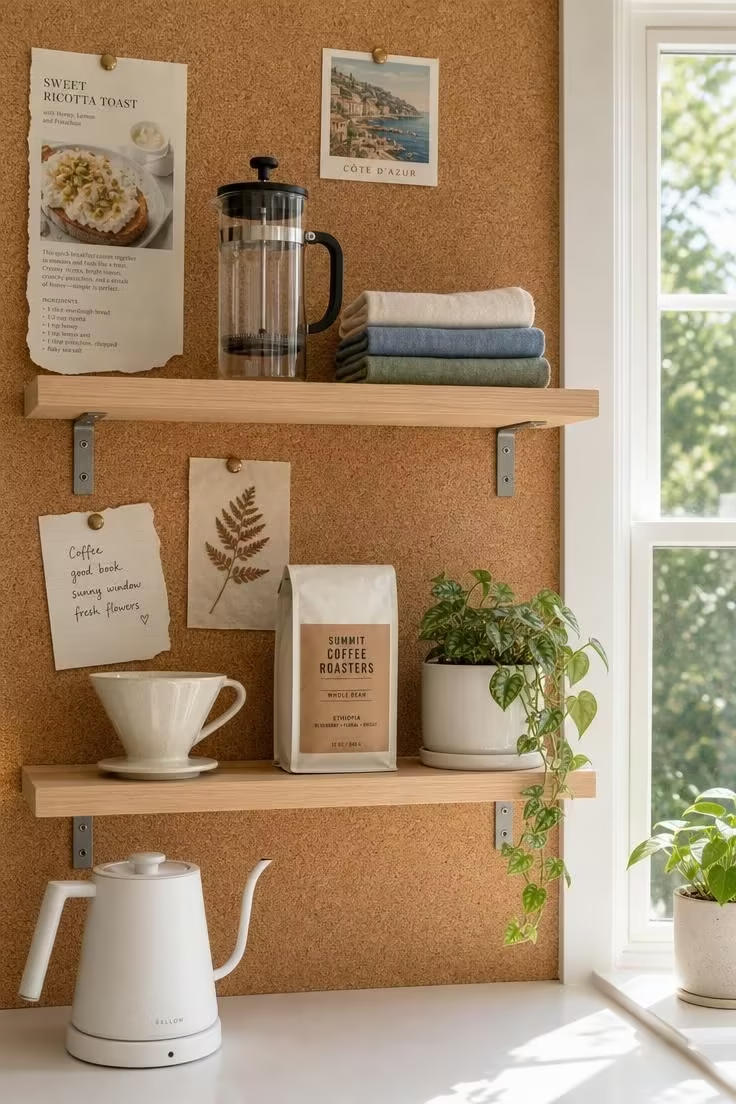
Cork as a shelf backing is one of those ideas that solves two problems at once, it gives you a pinboard for swapping out small prints and notes, and it adds warm, textured depth behind the objects on the shelf.
A French press on display looks better than most coffee makers because its glass and steel construction reads as both functional and decorative.
Stacking folded linen towels in coordinating colors adds a soft, textile layer that breaks up the hard surfaces of glass and ceramic.
The pinned items on the cork, a torn recipe, a handwritten note, a pressed leaf, make the coffee bar decor feel genuinely personal rather than curated from a catalog.
Light wood brackets and shelves keep the whole arrangement feeling airy and open, which is important when the cork backing already adds visual density.
This approach works as a small kitchen coffee bar solution because the shelves take up wall space, not counter space.
Style Blueprint:
- Cork sheet panel mounted to the wall (1/4 inch thick, cut to size)
- Two open shelves on simple steel L-brackets in light wood
- Glass French press and ceramic pour-over dripper
- Folded linen hand towels in coordinating neutral tones
- Pinned postcards, notes, or pressed botanicals on the cork
Design Pro-Tip: When you use cork backing behind open shelves, seal it with a clear matte polyurethane spray before mounting. Unsealed cork absorbs kitchen moisture and grease over time, and the surface will darken and warp within a few months in a busy kitchen.
A Peninsula End-Cap Station With Terrazzo Tile Accent Wall
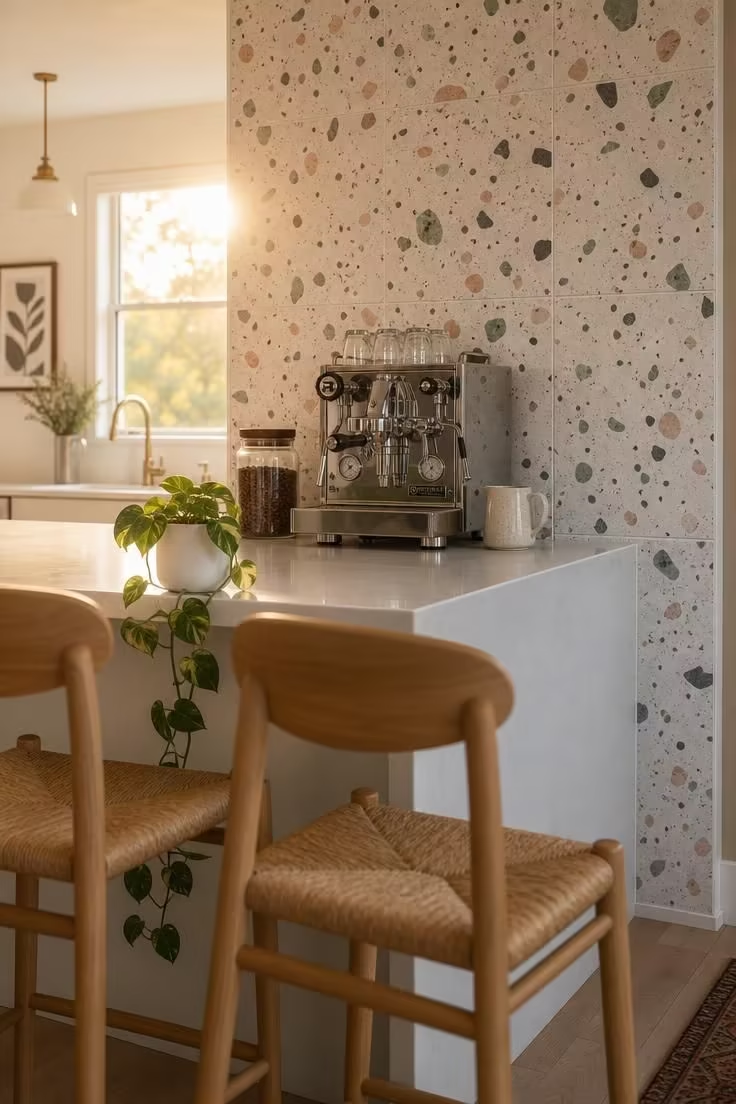
Using the short end of a peninsula as a coffee station is a layout trick that turns dead counter space into the most-used spot in the kitchen.
The terrazzo tile wall gives this coffee nook a bold, graphic backdrop that makes the espresso machine feel like the star of a small stage.
Floor-to-ceiling tile application is what makes this work, stopping the tile at counter height would break the visual impact and make the accent feel like an afterthought.
The espresso machine in polished chrome picks up the light from the window and bounces it around the terrazzo chips, creating subtle sparkle across the wall surface.
Bar stools on the opposite side turn the station into a social corner where someone can sit and talk while coffee brews.
A waterfall edge on the quartz countertop wraps the end-cap cleanly, hiding the countertop substrate and adding a modern, finished detail.
Keeping the accessories to just a canister and a milk pitcher prevents the small end-cap surface from feeling overcrowded.
This is a coffee station that works double duty as a breakfast bar and a gathering point, which justifies the investment in a statement tile wall.
Style Blueprint:
- Large-format terrazzo tile accent wall (floor to ceiling)
- Polished chrome espresso machine as the centerpiece
- White quartz waterfall-edge peninsula countertop
- Light oak bar stools with woven rush seats
- Glass canister and ceramic milk pitcher as the only counter accessories
Smoked Glass Upper Cabinets With Interior LED Puck Lights
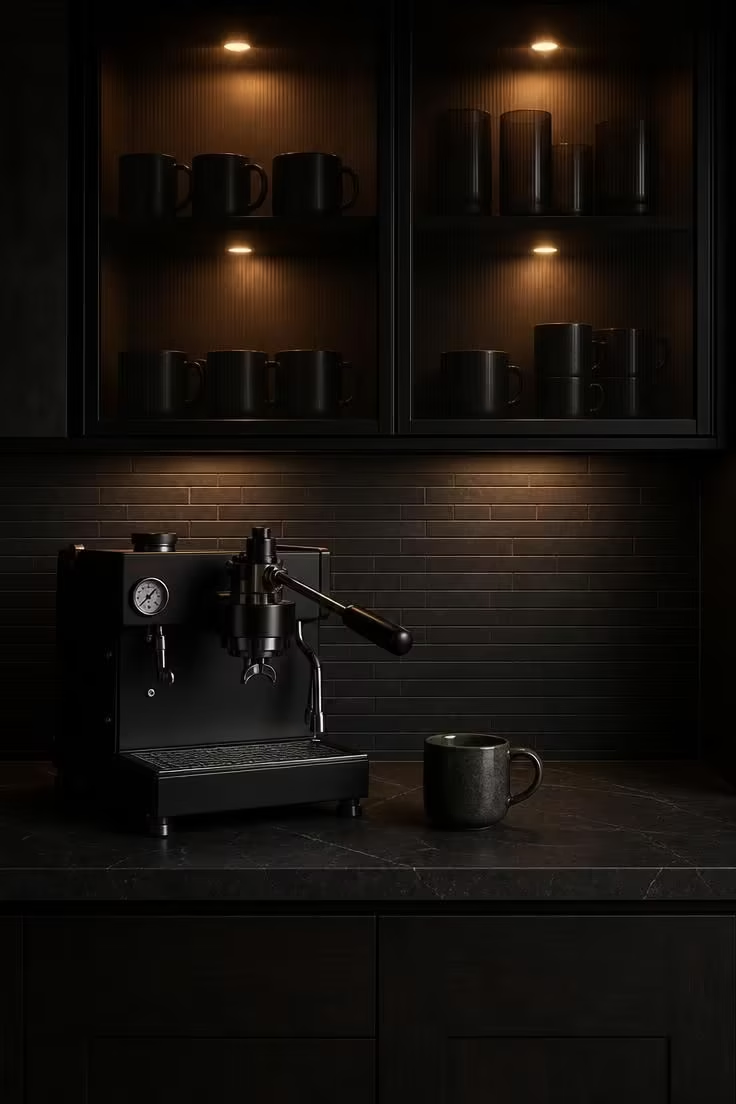
Smoked glass cabinets create an effect that is halfway between open shelving and solid doors, you get the visual interest of seeing what is inside without the pressure of keeping every shelf perfectly arranged.
The LED puck lights are what make this setup work after sunset, they turn the cabinets into glowing display cases that change the entire mood of the kitchen.
Dark surfaces everywhere, charcoal tile, soapstone counter, deep-stained lower cabinets, push the eye toward the illuminated glass as the only bright element in the frame.
This is a mug storage solution that doubles as ambient lighting, which is a combination that most coffee bars overlook entirely.
A matte black lever espresso machine on the dark counter almost disappears into its surroundings, letting the glowing cabinets above command all the attention.
Keeping the countertop bare except for the machine and one mug reinforces the moody, minimal atmosphere.
Style Blueprint:
- Smoked glass-front upper cabinets (two or three units)
- LED puck lights installed inside each cabinet
- Matte charcoal thin-brick backsplash tile
- Dark soapstone or black quartz countertop
- Matte black espresso machine as the single countertop appliance
A Woven Jute Placemat Station on a Raw Pine Shelf With Ceramic Drip Tray
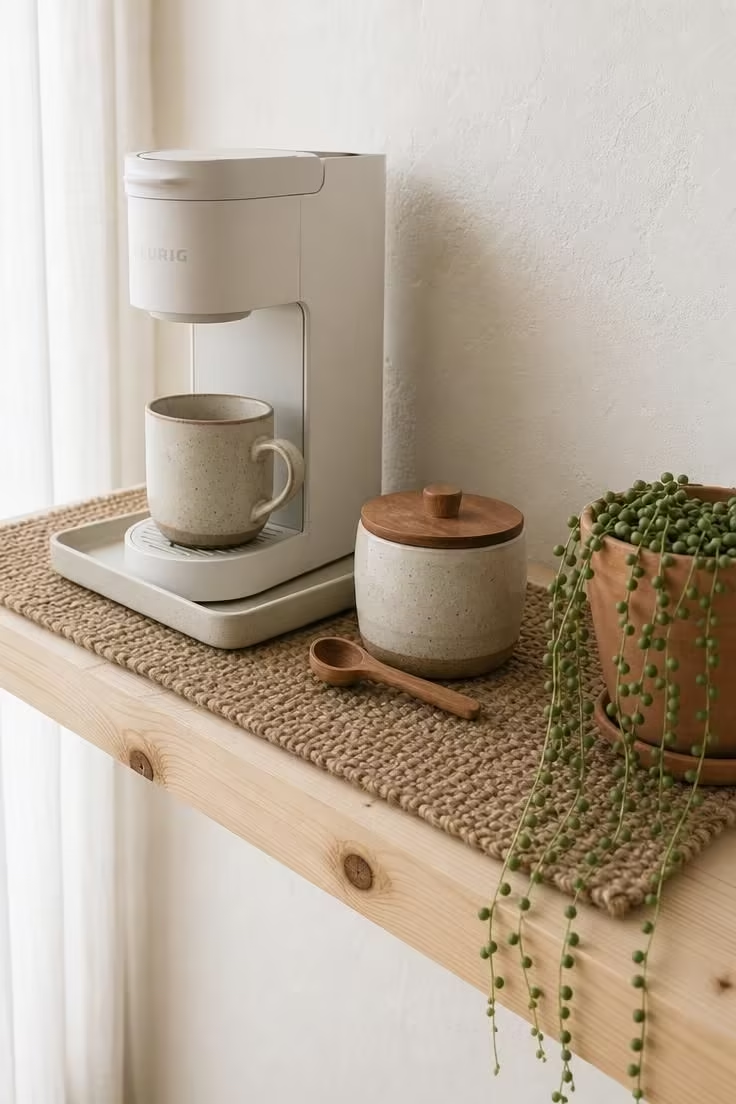
Jute and raw pine together create a coffee station that feels like it belongs in a coastal cottage or a boho apartment, grounded in natural materials rather than polished surfaces.
The woven placemat serves a real purpose here, it protects the unsealed pine from water rings and coffee drips while adding a layer of texture that softens the setup visually.
A ceramic drip tray beneath the coffee maker catches overflow and keeps the jute from staining, which is the kind of practical detail that separates a station that lasts from one that looks great for a week.
Stoneware and wood accessories carry the handmade theme through every piece on the shelf.
The trailing plant at the shelf edge adds movement and a living element that breaks the horizontal line of the arrangement.
Soft, diffused light is the right match for this setup, anything harsher would flatten the jute texture and wash out the warm pine tones.
This is a coffee bar setup that you can assemble in an afternoon for under fifty dollars, and it brings more character than most built-in alternatives.
Style Blueprint:
- Raw pine floating shelf (8 to 10 inches deep, finished with clear wax or light oil)
- Large woven jute placemat as the base layer
- Cream ceramic drip tray with low raised edges
- Handmade stoneware sugar bowl with wooden lid
- Small trailing plant in a terra cotta pot as the finishing accent
Design Pro-Tip: If you use a raw pine shelf, wipe it down with a clear paste wax before setting anything on it. The wax seals the grain just enough to resist moisture without changing the natural color or adding a plastic-looking sheen.
Conclusion
A kitchen coffee bar does not need a contractor, a big budget, or a spare room.
Every idea on this list starts with the same basic ingredients: a surface, a coffee maker, and a few accessories that match each other in tone and material.
The built-in cabinet and terrazzo-walled peninsula are the bigger projects, but the rolling birch cart, the raw pine shelf, and the cork-backed open shelving can all come together in a single weekend afternoon.
Pick the one idea that fits the space you actually have, start with the surface and the machine, and add the smaller pieces over time.
Your morning coffee routine already happens every day, giving it a dedicated spot just means it happens somewhere that looks and feels like it was designed for you.