This post may contain affiliate links. If you make a purchase through these links, we may earn a commission at no additional cost to you.
The best fall table decor does something no perfectly plated meal can do on its own: it gives people a reason to stay seated.
A well-styled autumn table invites longer conversations, second pours, and the kind of unhurried evening that turns an ordinary dinner into a memory.
These 15 fall table decor ideas cover everything from rustic harvest runners to moody candlelit arrangements, each one built around textures and tones that make your dining space feel like the warmest room in the house.
Whether you are hosting a full Thanksgiving spread or just want your Tuesday night dinner to feel a little more special, there is an idea here that fits your table and your budget.
A Terracotta Runner Over Raw Linen With Scattered Dried Figs
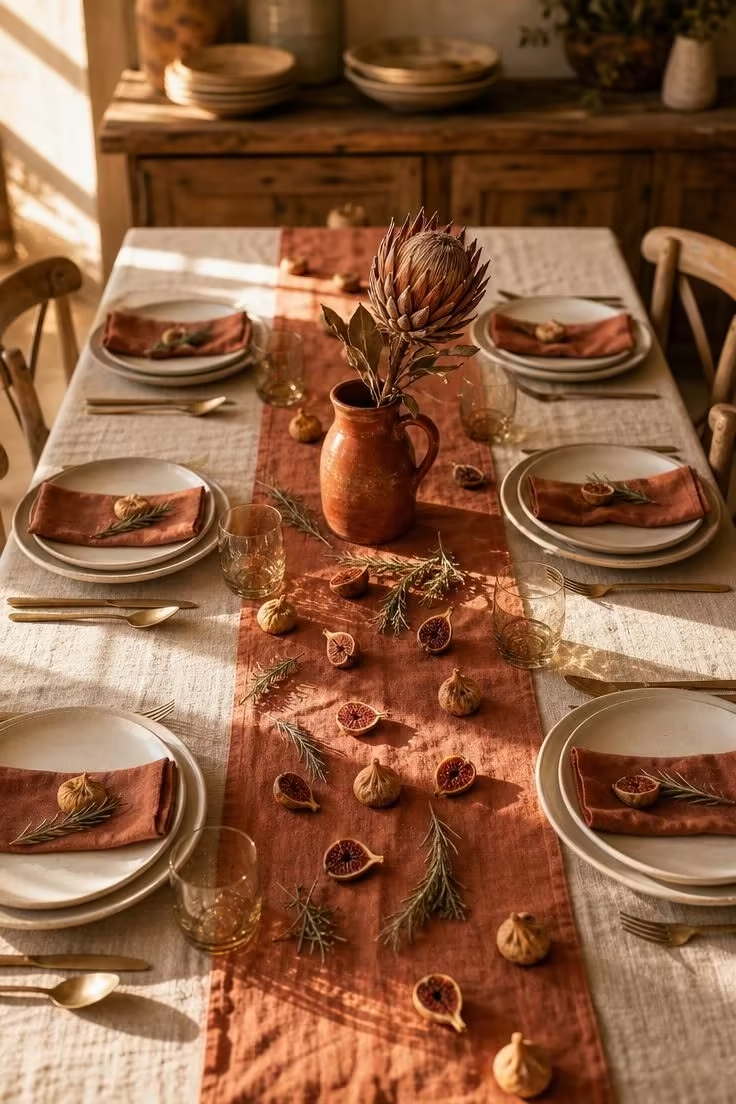
A terracotta runner against raw linen creates the kind of tonal depth that makes a fall tablescape feel collected rather than purchased.
The dried figs are doing more work than you might expect here, because they introduce an organic irregularity that styled centerpieces often miss.
Your eye moves naturally across the scattered arrangement instead of locking onto one fixed focal point.
Terracotta as a textile color warms the entire table surface without the heaviness of a dark runner, and it pairs with nearly every autumn accent from deep burgundy to soft sage.
The cream stoneware keeps the palette grounded and prevents the warm tones from tipping into visual heaviness.
A single dried protea in a matching ceramic pitcher adds height without blocking sightlines across the table.
This kind of fall table decor works especially well for long rectangular tables where you want the arrangement to stretch end to end.
Style Blueprint:
- Narrow terracotta cotton runner
- Raw undyed linen tablecloth
- Scattered dried figs, whole and halved
- Cream stoneware dinner plates
- Small ceramic pitcher with a single dried stem
Brass Taper Candle Trio on a Walnut Cutting Board
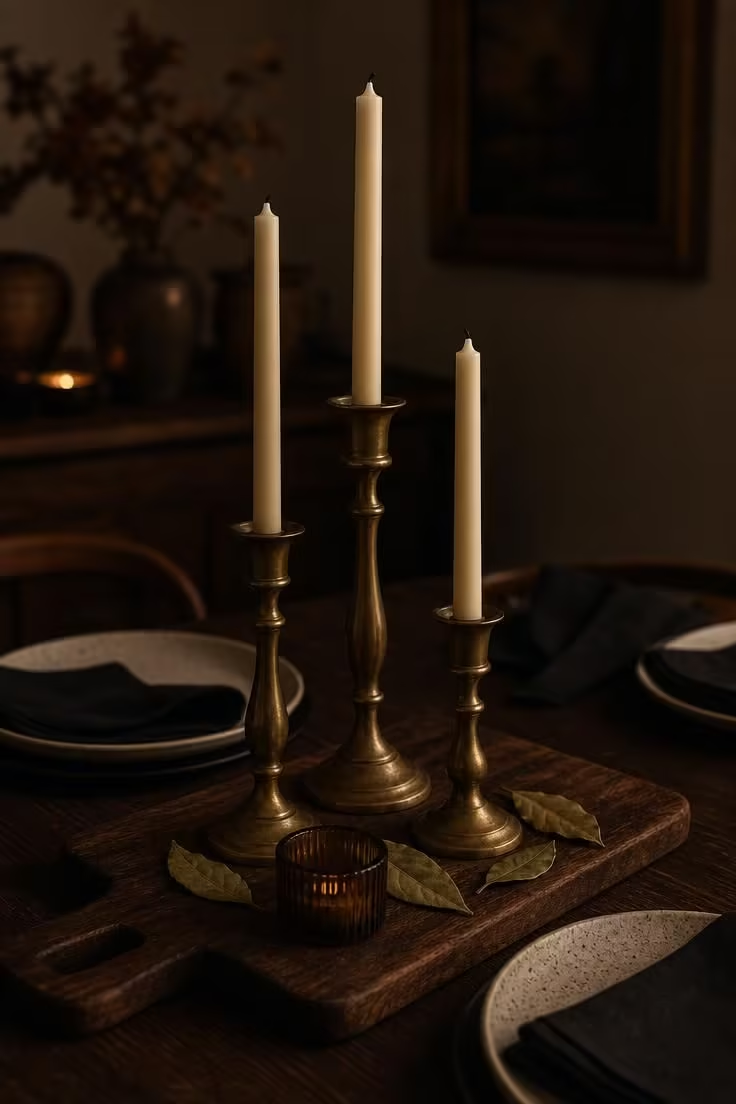
Grouping brass taper holders in an odd number on a cutting board gives you an instant centerpiece that feels intentional without looking overworked.
The walnut board underneath does two things at once: it protects your table surface and creates a visual boundary that frames the arrangement.
Varying the candle heights by at least two inches between the shortest and tallest pulls your gaze upward through the grouping.
Dried bay leaves scattered around the base add just enough fall texture without competing with the brass tones.
This is one of those autumn centerpiece ideas that takes under five minutes to assemble and looks good for weeks.
The matte patina on aged brass reads warmer and more relaxed than polished metal, which fits a fall dining table perfectly.
Style Blueprint:
- Three brass taper candle holders at different heights
- Dark walnut cutting board with handle
- Ivory taper candles
- A few dried bay leaves
- Small amber glass votive
Smoke-Tinted Glassware Paired With Matte Black Stoneware
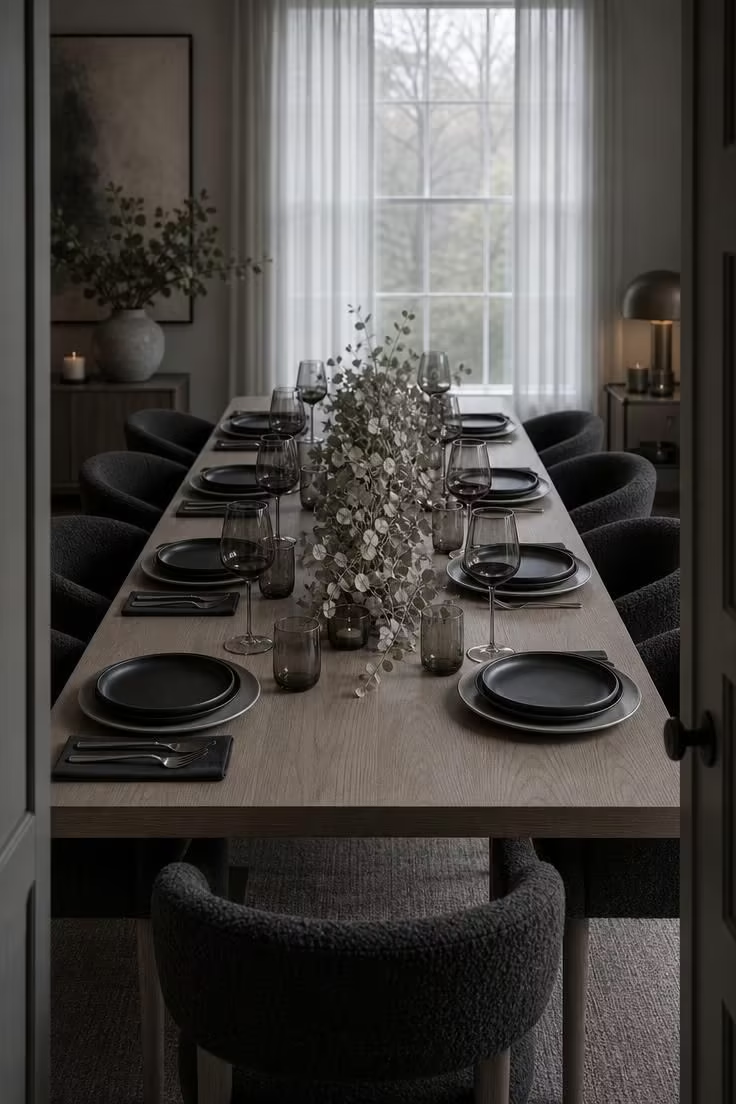
A monochromatic fall place setting built around dark stoneware and tinted glass shifts the entire mood of a room toward something more modern and considered.
The smoke-tinted glassware catches light differently than clear glass, adding a subtle depth to each setting that guests notice without being able to name.
Pairing matte black with dove-toned charger plates gives you contrast without introducing competing colors.
This is the kind of fall place setting that works for people who love autumn but want nothing to do with orange pumpkins.
The dried silver dollar eucalyptus running down the center keeps the organic element present without disrupting the cool palette.
Brushed silver flatware feels quieter than brass here, matching the restrained color story instead of fighting against it.
Dark linen napkins folded simply beside each plate reinforce the understated approach.
A harvest table setting does not have to lean rustic to feel seasonal, and this combination proves it.
Style Blueprint:
- Matte black stoneware dinner plates
- Dove-toned charger plates
- Smoke-tinted wine glasses and tumblers
- Brushed silver flatware
- Dark linen napkins
Fall Table Decor With a Pumpkin Centerpiece in a Reclaimed Wood Dough Bowl
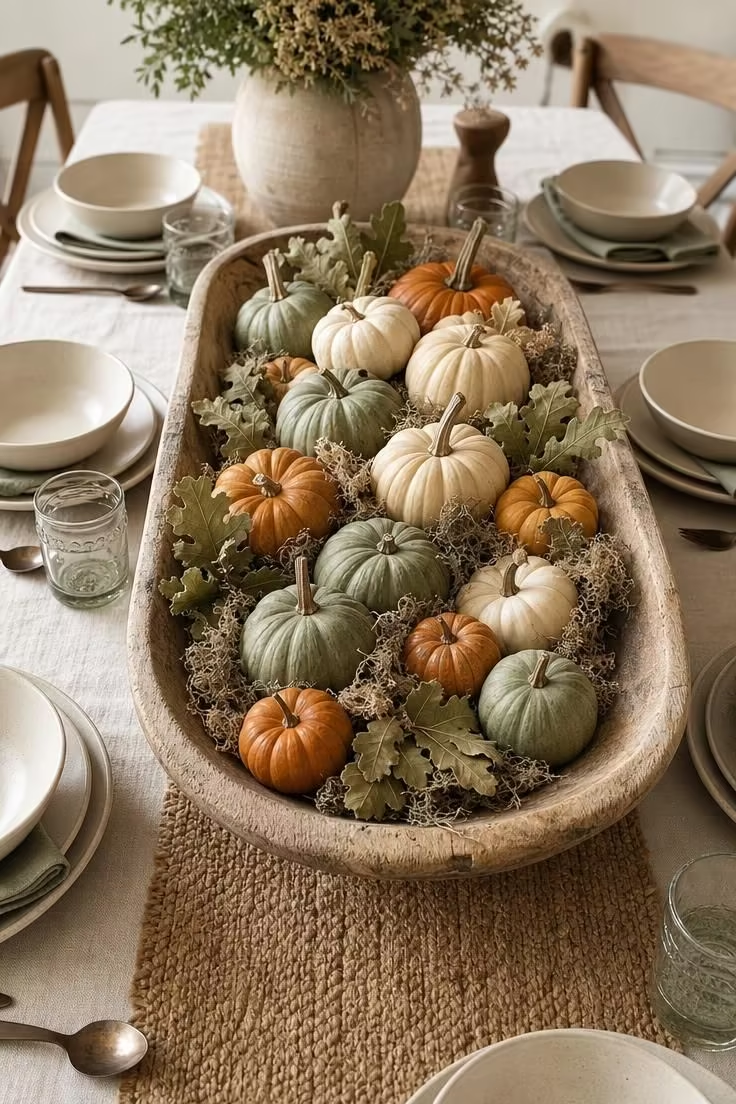
The dough bowl is one of those centerpiece vessels that gives fall table decor a collected, antique quality no modern platter can replicate.
Filling it with mini pumpkins in mixed muted tones creates an arrangement that looks bountiful without being cluttered.
The key is varying both the pumpkin sizes and colors, because three identical orange pumpkins in a row reads like a grocery store display rather than a styled moment.
Cream and sage pumpkins mixed with natural orange bridge the gap between traditional fall color and a more current palette.
Dried moss tucked between the pumpkins hides any gaps and adds a layer of texture that makes the whole arrangement feel like it grew together.
This pumpkin centerpiece translates to any table shape and works just as well on a kitchen island or sideboard.
The oatmeal linen underneath keeps the palette cohesive and gives the weathered wood of the bowl something soft to rest against.
Style Blueprint:
- Large reclaimed wood dough bowl
- Mini pumpkins in cream, sage, and natural orange
- Dried moss filler
- Preserved oak leaf sprigs
- Woven jute runner
Sage Green Linen Napkins With Leather Cord Ties
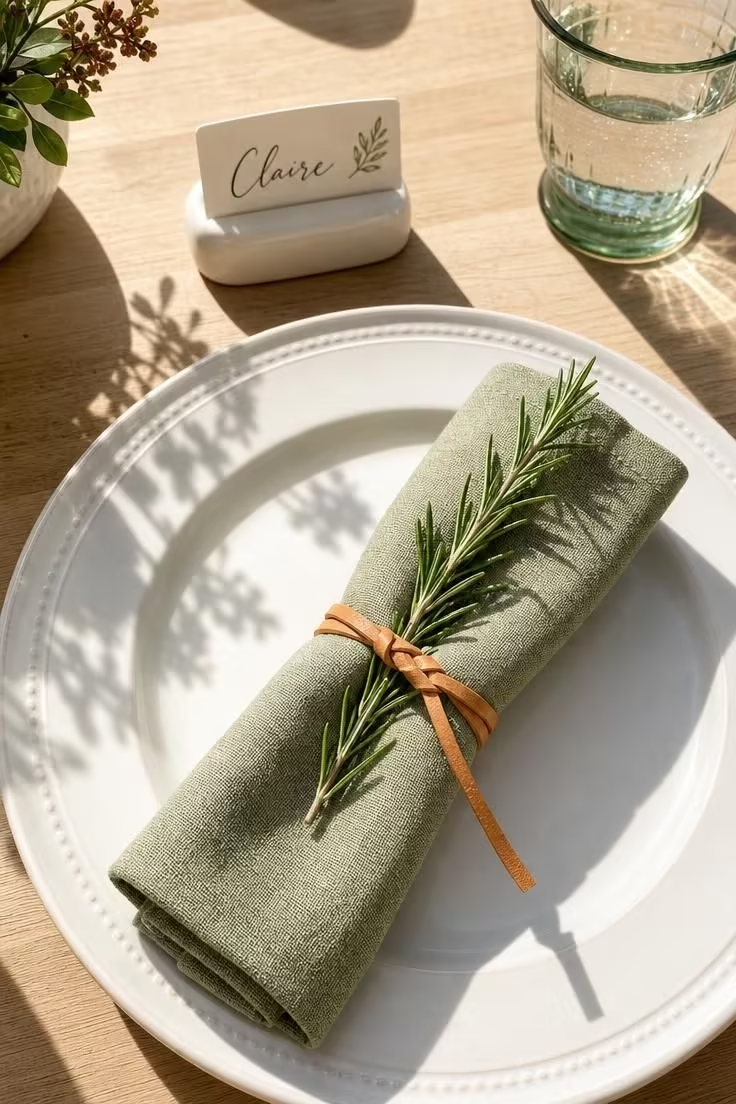
Sage green is the fall table color that quietly changed everything about seasonal tablescaping over the past few years.
It reads undeniably autumnal without defaulting to the burnt orange and maroon palette that dominated for decades.
The leather cord napkin tie adds a tactile, handcrafted detail that elevates a simple folded napkin into something guests pick up and examine.
A single rosemary sprig tucked under the cord brings a faint herbal scent to each place setting, layering a sensory detail most fall dining table arrangements miss entirely.
This approach costs almost nothing but signals a level of care that guests remember long after the meal.
White ceramic plates let the sage green pop without any visual competition from the base layer.
Style Blueprint:
- Sage green linen napkins
- Thin tan leather cord
- Fresh rosemary sprigs
- White ceramic dinner plates with rim detail
- Small ceramic name card holders
Design Pro-Tip: When choosing a seasonal table runner, pick one that is 12 to 14 inches narrower than your table width. This exposed wood or tablecloth border on each side frames the runner like a mat frames a photograph, making even a simple arrangement look polished and deliberate.
Beeswax Pillar Candles on Stacked Ceramic Saucers
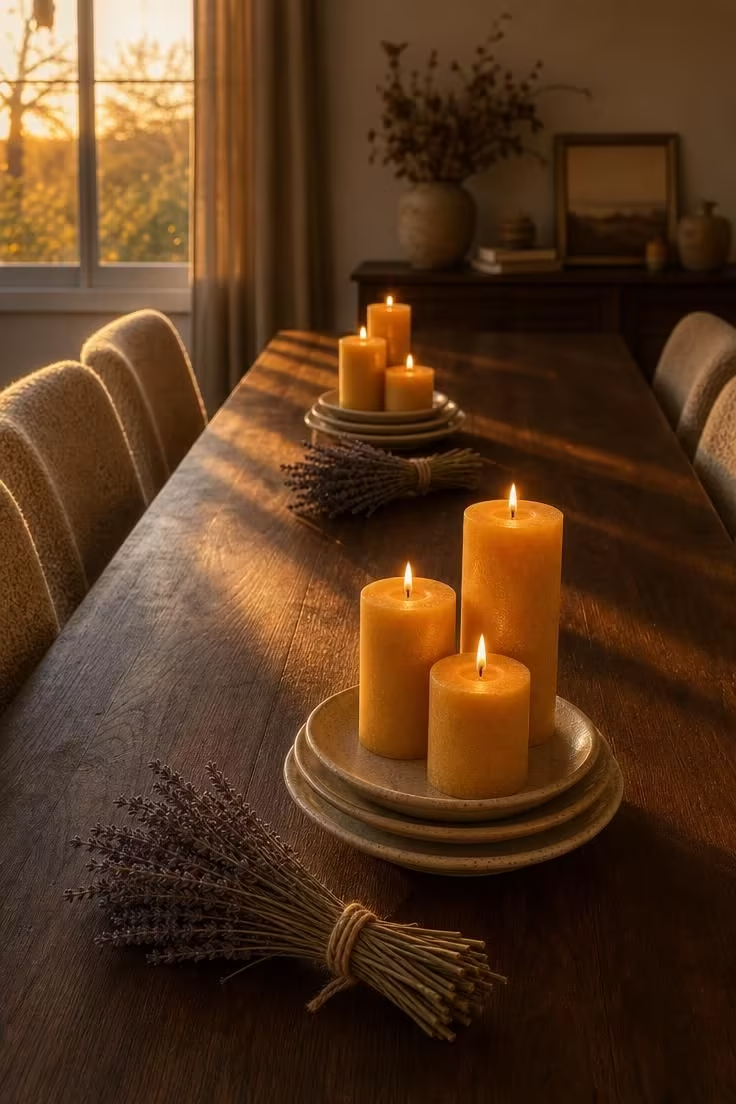
Stacking mismatched saucers into small pedestals for beeswax candles creates a candlelight table decor arrangement that looks thoughtfully collected.
The saucer stacks give each candle grouping a different height, which moves the eye along the table in a gentle wave rather than a flat line.
Beeswax has a natural honey color that deepens under warm light, making these candles read as part of the fall palette rather than a neutral afterthought.
The bare walnut table surface grounds the arrangement and lets the warm tones of the wax and ceramic play against the darker wood.
Dried lavender bundles between the candle groupings introduce a purple-grey accent that keeps the palette from feeling one-note.
Using saucers you already own in slightly different glazes gives the setup a relaxed, collected character that matching candleholders cannot achieve.
This arrangement scales easily from a table for four to a long banquet setup by simply adding more groupings at regular intervals.
You can swap the lavender bundles for dried rosemary or wheat stalks as the season progresses without disturbing the candle placement.
Stacking ceramics this way protects the table surface from wax drips, solving a practical problem with a styling choice.
Style Blueprint:
- Beeswax pillar candles in mixed diameters
- Mismatched ceramic saucers in cream, taupe, and oatmeal
- Dried lavender bundles tied with twine
- Dark walnut dining table without tablecloth
- Oatmeal upholstered dining chairs
Dried Wheat Stalks Fanned Across a Dark Oak Table
A single material used boldly often makes a stronger statement than a complicated multi-element centerpiece.
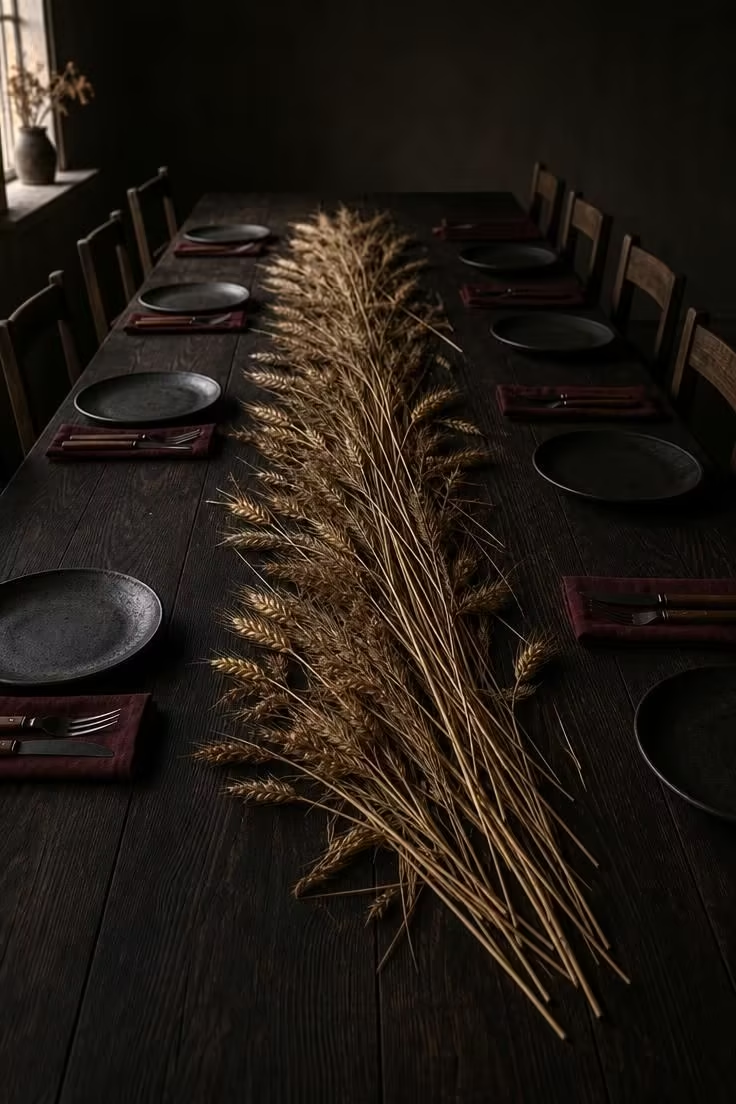
Dried wheat stalks fanned across dark oak is a fall tablescape that strips everything back to one contrast: golden against deep brown.
The length of the wheat works in your favor on long tables, because each stalk naturally runs two to three feet and fills the center without stacking or arranging.
Burgundy linen napkins pull a deeper tone from the wheat heads and anchor the place settings in a way that lighter neutrals would not.
Iron-glazed ceramic plates pick up the dark tones of the table while adding a handmade texture that softens the minimalism.
This setup takes less than two minutes to arrange and has a visual impact that rivals arrangements that took an hour.
The seasonal table runner is replaced entirely by the wheat itself, which serves as a linear centerpiece and textural surface at the same time.
Style Blueprint:
- Large bundle of dried wheat stalks
- Dark oak dining table
- Deep burgundy linen napkins
- Iron-glazed ceramic dinner plates
- Wooden-handled flatware
Copper Mugs Holding Eucalyptus Stems at Each Place Setting
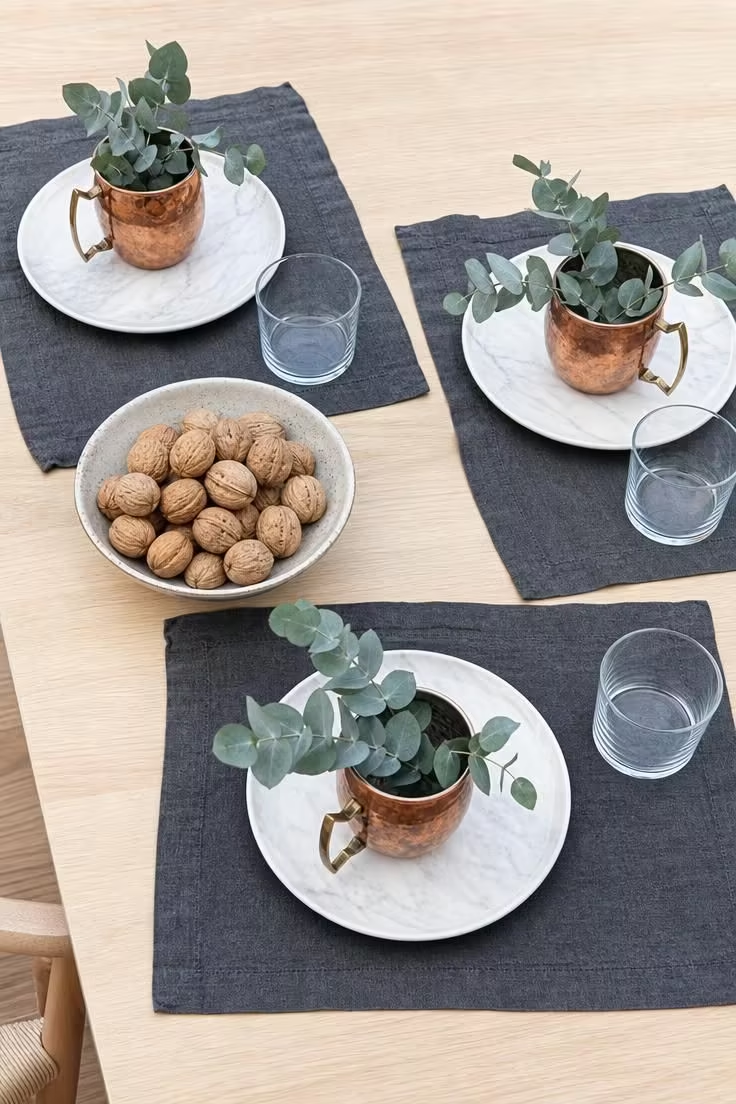
Placing a small copper mug with eucalyptus at each seat turns the typical central arrangement into a distributed centerpiece that gives every guest their own styled moment.
The copper patina reads warm and autumnal, and it develops more character over time, which means your fall dining table setup actually improves the longer the mugs sit out.
Eucalyptus brings a clean herbal scent to the table that is more subtle and sophisticated than heavy seasonal fragrances.
Each guest can take their mug home as a small favor, turning the decor into a functional gift.
The charcoal linen placemats create a dark frame around the white plates that makes the copper and green pop forward.
A shallow bowl of whole walnuts between settings adds an organic accent that reinforces the harvest feeling without adding visual clutter.
Style Blueprint:
- Small copper mugs with developing patina
- Fresh eucalyptus stems, two to three per mug
- White marble-look ceramic plates
- Charcoal linen placemats
- Whole walnuts in a shallow ceramic bowl
A Gauze Table Runner With Pinecones and Cranberry Sprigs
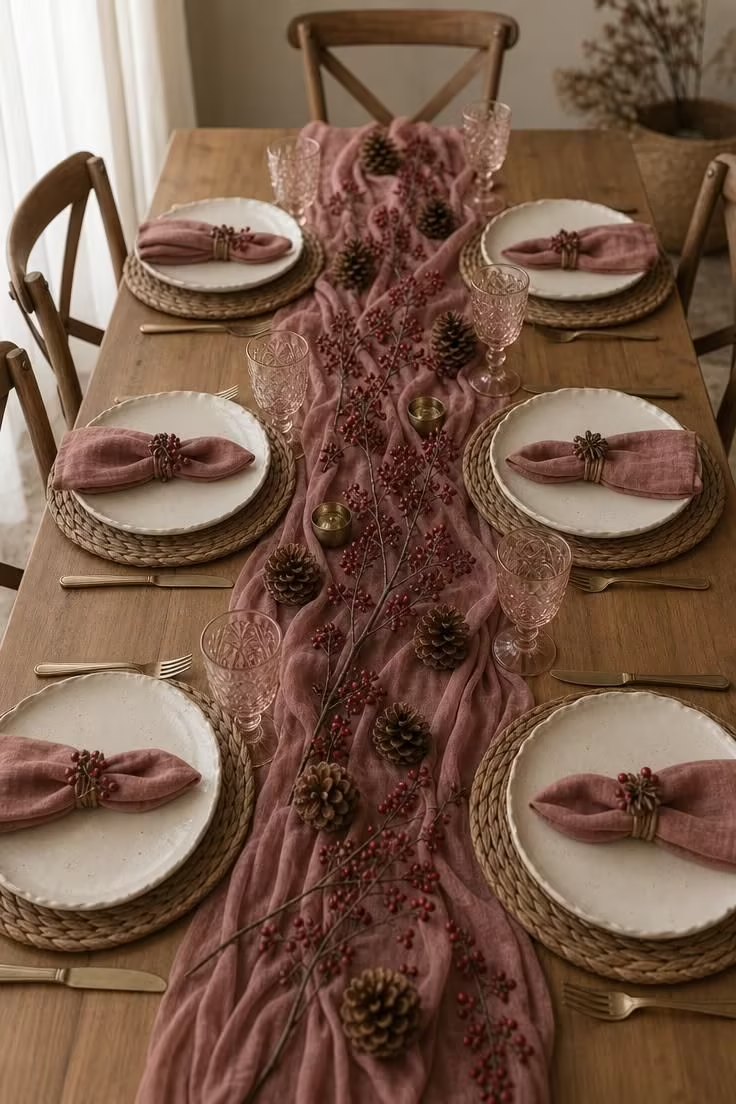
Gauze runners bring a softness to fall table decor that heavier fabrics cannot match.
The slightly sheer quality lets the table surface show through underneath, adding a layered depth that a solid runner would block.
Dusty rose is an unexpected fall color that pairs naturally with the deep red of dried cranberry sprigs, creating a tonal gradient from pale pink to rich berry.
Pinecones scattered along the runner introduce a woodsy texture that keeps the arrangement from feeling too polished or precious.
Leaving the gauze rumpled rather than pressed flat is deliberate, because the soft folds catch light and shadow in ways that flat fabric cannot.
Seagrass chargers beneath the cream plates add a woven texture at each setting that echoes the organic feel of the centerpiece.
This fall tablecloth alternative is especially forgiving for irregularly shaped tables, since the gauze drapes and adjusts without needing precise measurements.
Small brass salt and pepper cellars placed at intervals give guests a reason to reach across the runner, turning the decor into a functional part of the meal.
Style Blueprint:
- Sheer gauze table runner in dusty rose
- Small pinecones in varying sizes
- Dried cranberry branch sprigs
- Cream hand-thrown ceramic plates
- Woven seagrass chargers
Design Pro-Tip: When scattering natural elements like pinecones or dried berries along a runner, group them in clusters of three to five spaced unevenly rather than distributing them one by one. Uneven clusters mimic how objects fall in nature and read as organic, where evenly spaced items read as forced and staged.
Fall Table Decor Using Amber Glass Bottles With Single-Stem Dahlias
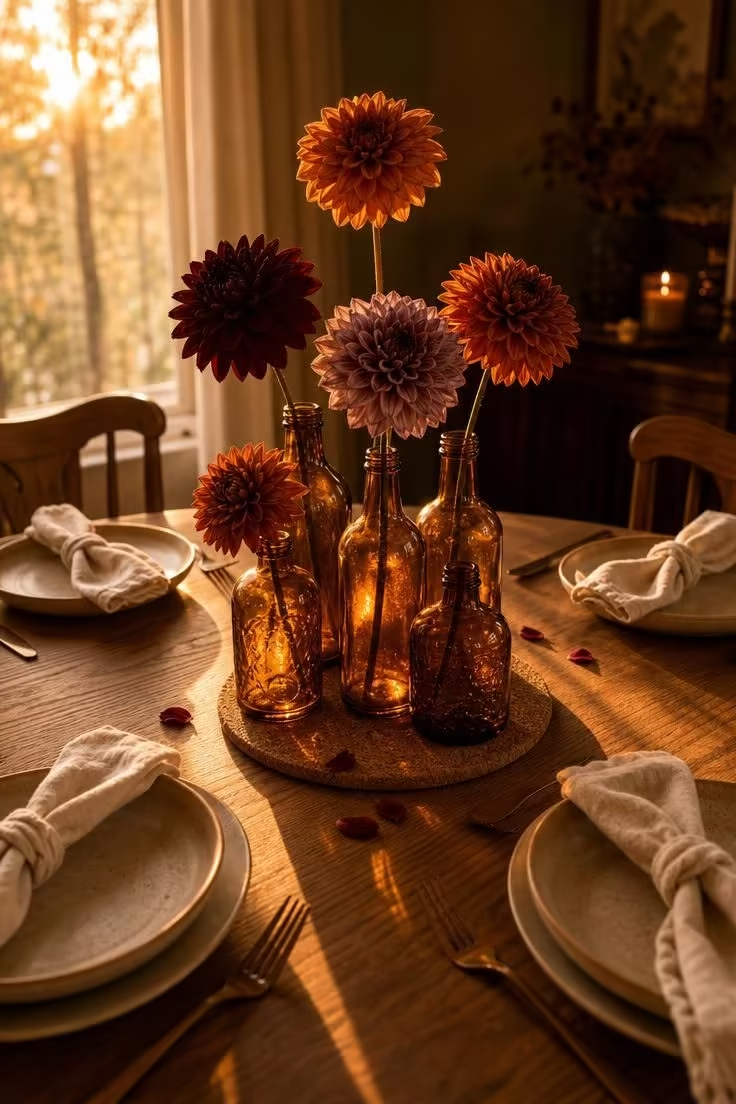
Amber glass has a way of capturing and redistributing warm light that turns a simple cluster of bottles into a glowing focal point.
Each bottle holding just one dahlia stem keeps the arrangement from looking like a full floral centerpiece, landing instead in that space between casual and considered.
The varying bottle heights create a natural silhouette that mimics a city skyline in miniature, drawing the eye up and across.
Dahlias in deep burgundy and burnt orange are peak-season fall flowers, and their layered petal structure adds a richness that simpler blooms cannot match.
A cork trivet underneath the cluster defines the arrangement’s footprint and prevents the bottles from migrating across the table during dinner.
Fallen petals left intentionally on the table surface reinforce the relaxed, lived-in mood and signal that perfection is not the goal.
This rustic fall table arrangement works on round tables where a long runner centerpiece would feel wrong.
Style Blueprint:
- Five amber glass bottles in varying heights
- Single-stem dahlias in burgundy, orange, and dusty mauve
- Small round cork trivet
- Honey-toned oak table
- Cream linen napkins, loosely knotted
Woven Rattan Placemats Layered Over a Cream Tablecloth
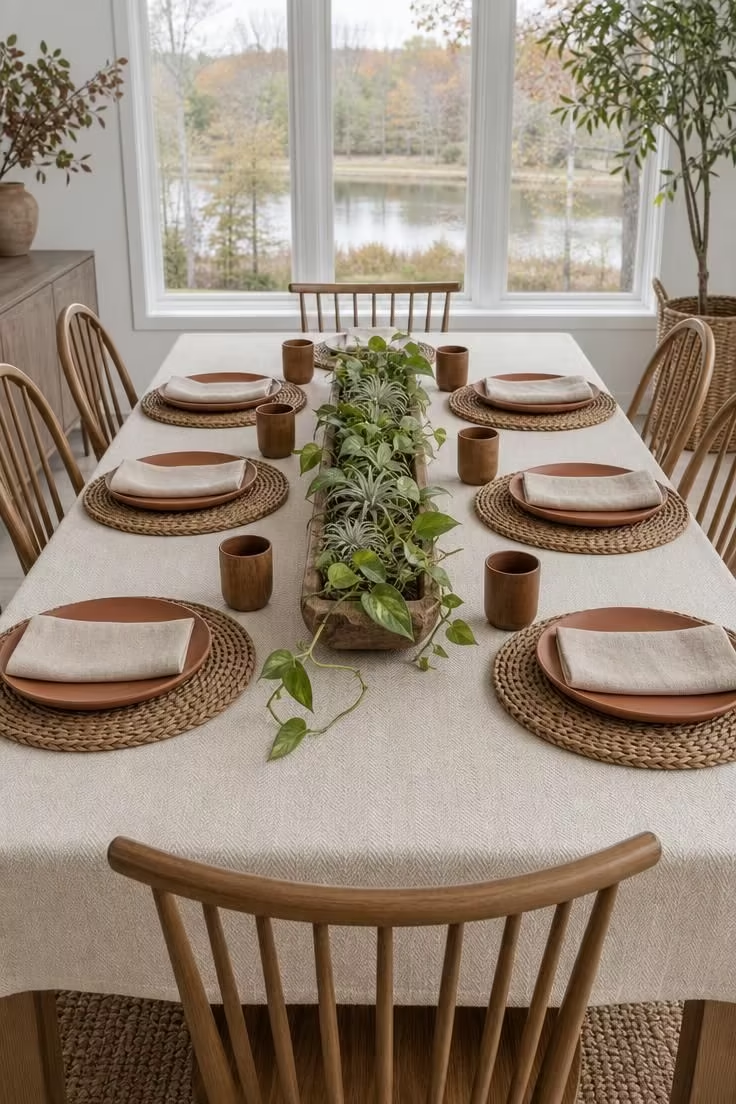
Layering woven rattan placemats over a tablecloth gives each place setting a defined frame that separates it from the neighbor while keeping the table surface unified.
The texture of the rattan weave introduces a visual warmth that acts independently of color, meaning the setting feels cozy even under cool, flat light.
Terracotta plates on rattan create a material pairing rooted in earth and craft, which grounds the whole table in a natural fall sensibility.
Oatmeal napkins folded simply on each plate avoid introducing any color that would compete with the textural story happening between the placemat and the plate.
A low trough planter running down the center keeps greenery at sightline level so conversation flows easily over the trailing pothos.
This approach is particularly forgiving for mixed-and-matched plate collections, because the rattan placemat gives each setting a consistent visual anchor regardless of the plate style.
Style Blueprint:
- Round woven rattan placemats
- Cream cotton tablecloth with herringbone weave
- Matte terracotta dinner plates
- Oatmeal linen napkins
- Low trough-style planter with trailing greenery
Cinnamon Bundle Napkin Rings on Speckled Pottery Plates
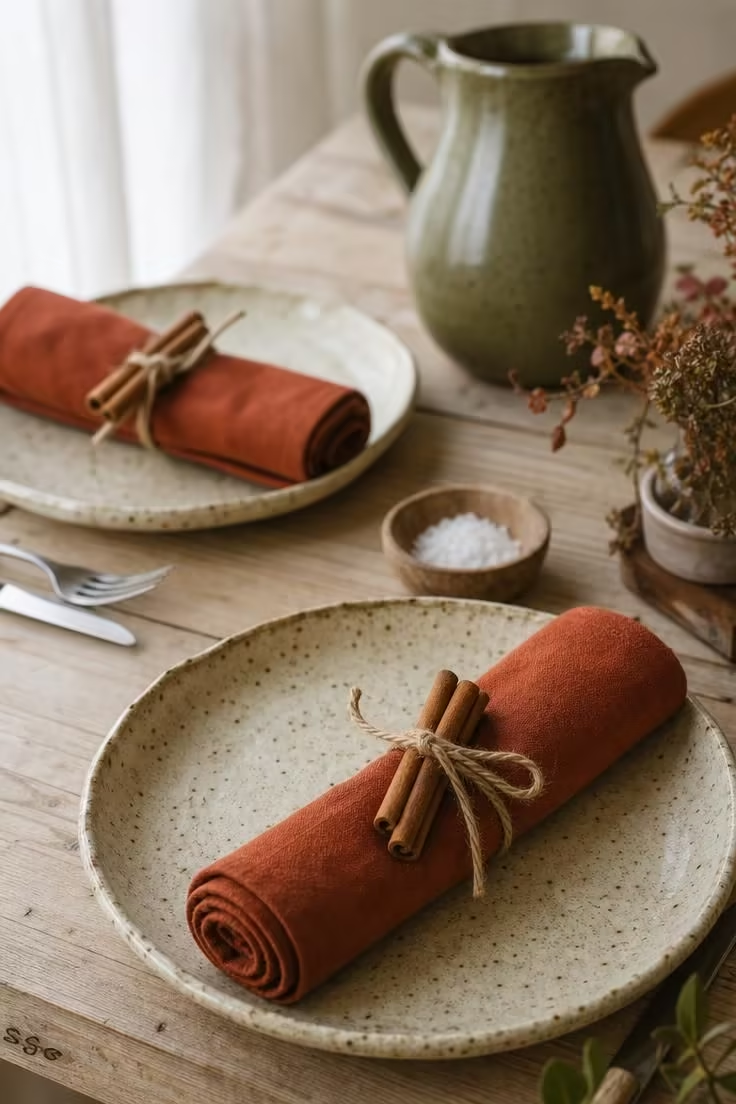
Cinnamon stick napkin rings bring scent directly to each place setting, which layers a sensory experience onto a visual one.
The warm, spiced fragrance drifting up from the table is the kind of detail that makes guests comment before they even sit down.
Tying three to four sticks together with jute twine takes about thirty seconds per napkin and costs less than a dollar per setting.
Rust-colored cotton napkins match the warm brown of the cinnamon, creating a tonal blend that feels intentional and cohesive.
Speckled pottery with an irregular rim adds a handmade quality that supports the artisan mood of the whole arrangement.
The olive speckles in the glaze pick up the color of the stoneware pitcher in the background, tying the individual settings to the larger table composition.
Reclaimed pine as a table surface brings its own texture and imperfection, which means you need less styling on top to make the table feel full.
A wooden pinch bowl of coarse salt between settings serves a practical purpose and adds another natural material to the surface.
Style Blueprint:
- Cinnamon stick bundles tied with jute twine
- Rust-colored cotton napkins
- Speckled pottery plates with hand-thrown rim
- Reclaimed pine table
- Olive green stoneware water pitcher
Design Pro-Tip: Layer your table from the bottom up in this order: tablecloth or bare table, runner, chargers or placemats, dinner plate, napkin, then any accent like a sprig or napkin ring. Each layer should introduce a different texture, not a different color. A table with five textures in three colors always looks richer than one with five colors and one texture.
Velvet Pumpkins Grouped on a Marble Serving Tray
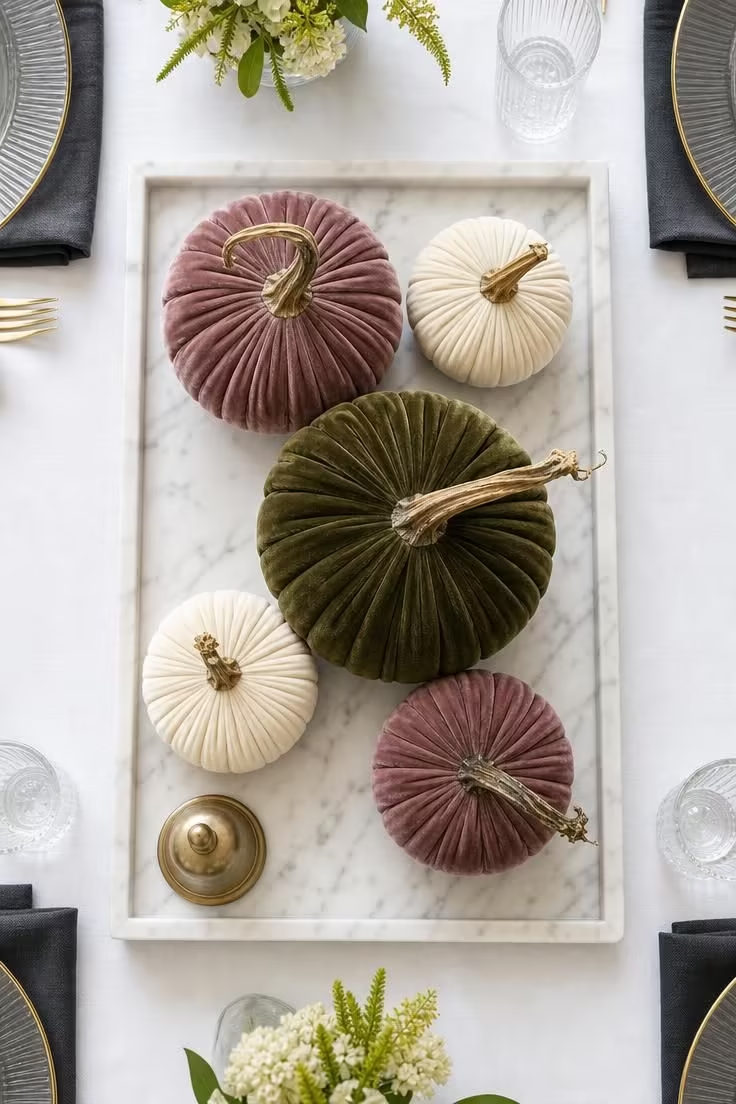
Velvet pumpkins on marble create a material contrast between soft and hard, warm and cool, that gives your fall table decor an immediate sense of sophistication.
The velvet absorbs light where the marble reflects it, which means the arrangement shifts in appearance throughout the day as natural light changes angle.
Choosing muted, non-traditional pumpkin colors like dusty mauve and deep olive moves the arrangement away from generic seasonal decor into something that feels deliberately styled.
Real dried stems on velvet pumpkins are the detail that keeps them from reading as craft-store purchases, so look for versions with authentic woody stems rather than synthetic ones.
A marble serving tray is a year-round piece that serves as a cheese board in summer and a candle platform in winter, making this a smart investment rather than a single-season buy.
The white tablecloth underneath is working quietly as a blank canvas that lets the pumpkin colors and marble veining take center stage.
Clear glass plates at the place settings maintain the airy, light mood and let the velvet centerpiece remain the dominant texture on the table.
Style Blueprint:
- Velvet pumpkins in dusty mauve, deep olive, and cream
- Rectangular marble serving tray with grey veining
- Real dried pumpkin stems
- White cotton tablecloth
- Clear glass dinner plates
A Fall Table Decor Harvest Runner of Mini Gourds, Acorns, and Dried Hydrangeas
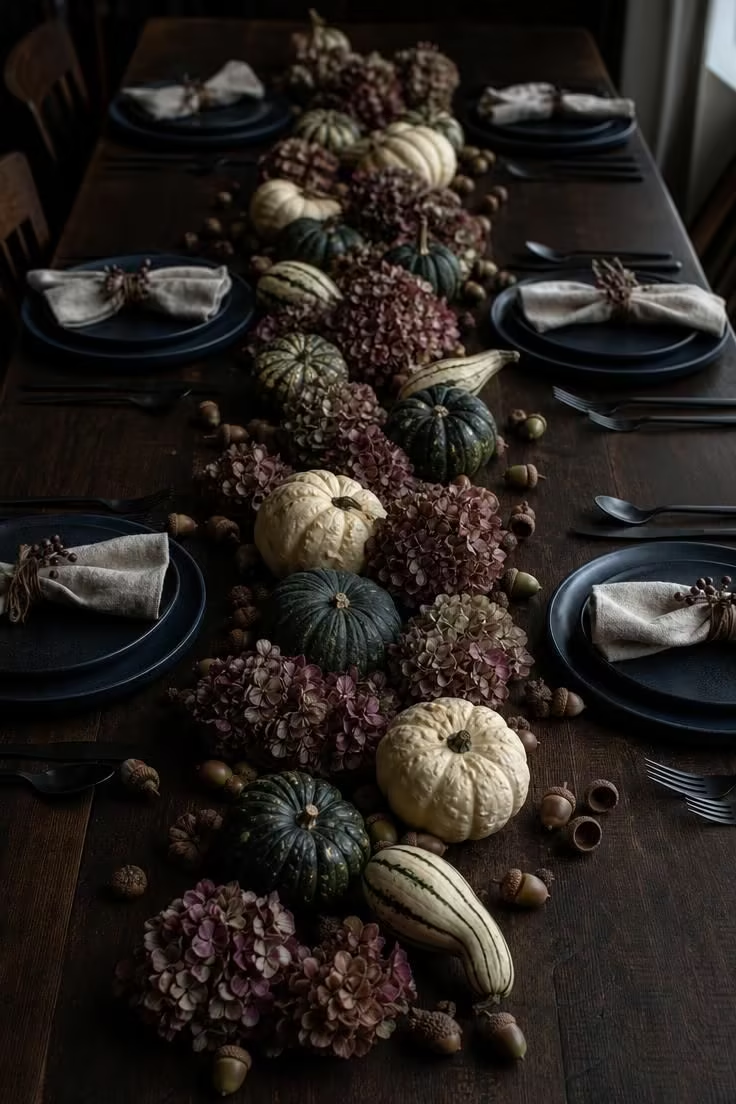
Skipping the fabric runner entirely and letting foraged elements sit directly on the wood creates a harvest table setting that feels genuinely gathered rather than arranged.
The lack of a boundary underneath lets the arrangement breathe and expand organically, spilling wider in some spots and narrowing in others.
Cream and forest green gourds are a less expected pairing than the typical orange-and-white combination, and they hold up visually against the dark table surface.
Dried hydrangeas in faded mauve add a delicate, papery texture that contrasts with the hard, smooth surface of the gourds.
Acorns scattered among the larger elements fill the gaps at a smaller scale, creating visual interest at multiple size levels within the same arrangement.
Ink blue ceramic plates are a bold choice for a fall dining table, but they work here because the deep blue echoes the moodiness of the overall palette.
Style Blueprint:
- Mini gourds in cream and deep forest green
- Whole acorns with caps
- Dried hydrangea clusters in faded mauve
- Heavy ceramic plates in deep ink blue
- Iron flatware with matte black finish
Iron Candlestick Holders Flanking a Stone Fruit Arrangement
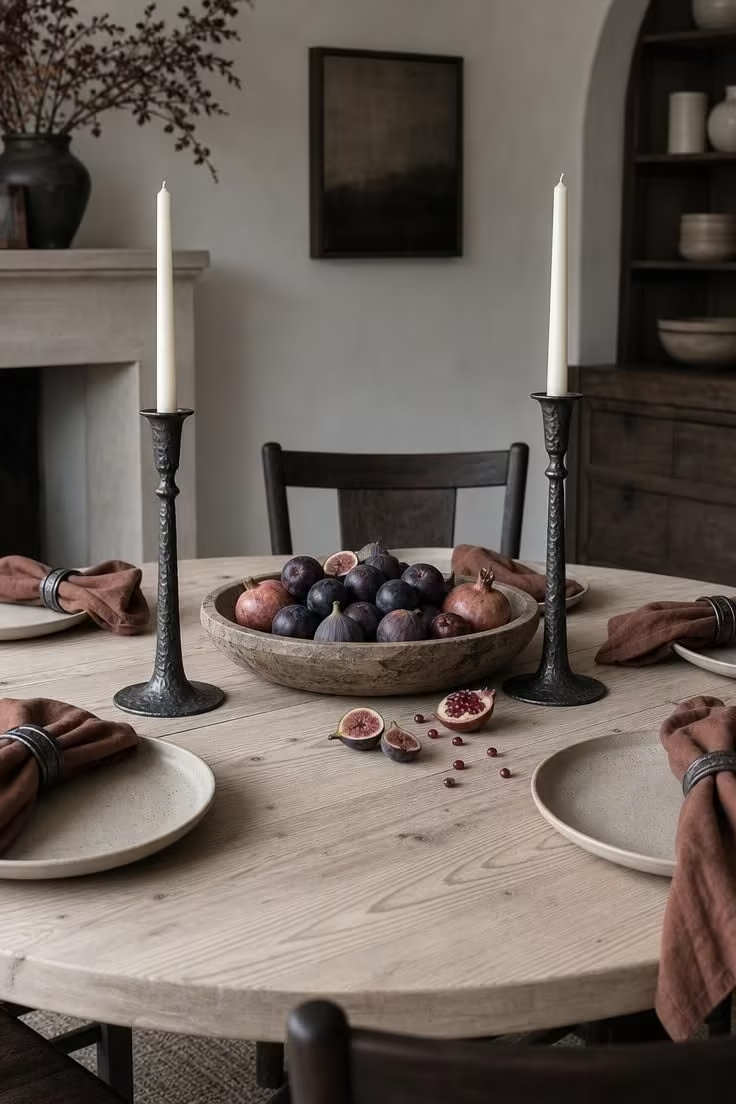
Iron candlestick holders introduce a vertical element that lifts the eye above the table surface, creating a sense of architecture within your fall table decor.
The hammered matte finish on the iron catches light in small facets rather than a smooth reflection, adding a handcrafted quality that polished holders miss.
Placing them as sentinels on either side of a central fruit bowl creates a formal symmetry that balances the organic randomness of the stone fruits inside.
Dark plums, figs, and pomegranates are stone fruits that double as decor and dessert, which makes this arrangement the most practical centerpiece idea on this list.
The deep jewel tones of the fruit against pale washed pine create a contrast that reads luxurious without any expensive materials.
Wrought iron napkin rings echo the material of the candlesticks, threading a single design element through the whole table composition.
A few halved figs and scattered pomegranate seeds placed intentionally on the bare table break the boundary of the bowl and make the arrangement feel more spontaneous.
Clay-colored napkins are warm enough to feel seasonal but neutral enough to let the fruit colors dominate.
This fall tablescape setup works especially well for round tables where symmetry comes naturally and a linear runner arrangement would look forced.
Style Blueprint:
- Tall iron candlestick holders with hammered finish
- Shallow wide driftwood-toned wooden bowl
- Stone fruits: dark plums, ripe figs, small pomegranates
- Ivory taper candles
- Muted clay napkins with wrought iron napkin rings
Design Pro-Tip: The fastest way to make a fall table feel finished is to scatter one small natural element across the entire surface after you finish arranging the main pieces. A handful of whole cloves, a few bay leaves, or some scattered dried cranberries fills micro-gaps and gives the table a “just foraged” look that ties everything together in seconds.
Conclusion
Each of these 15 fall table decor ideas starts with a clear visual anchor, whether that is a dough bowl full of pumpkins, a cluster of amber bottles, or a fan of dried wheat across dark oak.
The best autumn tables are the ones where the arrangement feels like it belongs to the room rather than something placed on top of it.
Choose one or two ideas that match the way you actually use your dining space, and let the textures and tones of the season do the rest.
A fall tablescape does not need to be complicated to hold people at the table a little longer.
Sometimes all it takes is the right runner, a few foraged elements, and light that makes everything on the surface glow.