This post may contain affiliate links. If you make a purchase through these links, we may earn a commission at no additional cost to you.
A bedroom with sofa promises a small retreat inside your retreat, a soft spot to read, dress, or simply sit that has nothing to do with sleep.
Yet the piece meant to add comfort is often the exact reason the room starts to feel tight and boxed in.
The sofa itself is rarely the villain.
A handful of styling choices around it quietly steal the calm you were chasing, and every one of them is easy to reverse.
The Sofa Was Built for a Living Room, Not a Bedroom
Most sofas are designed for a living room, where deep seats and high backs signal comfort and generosity.
A standard model runs roughly 35 to 39 inches deep, a footprint that swallows a bedroom the moment it lands.
Depth is the quiet killer, because every extra inch of seat pushes the walking path tighter against the bed.
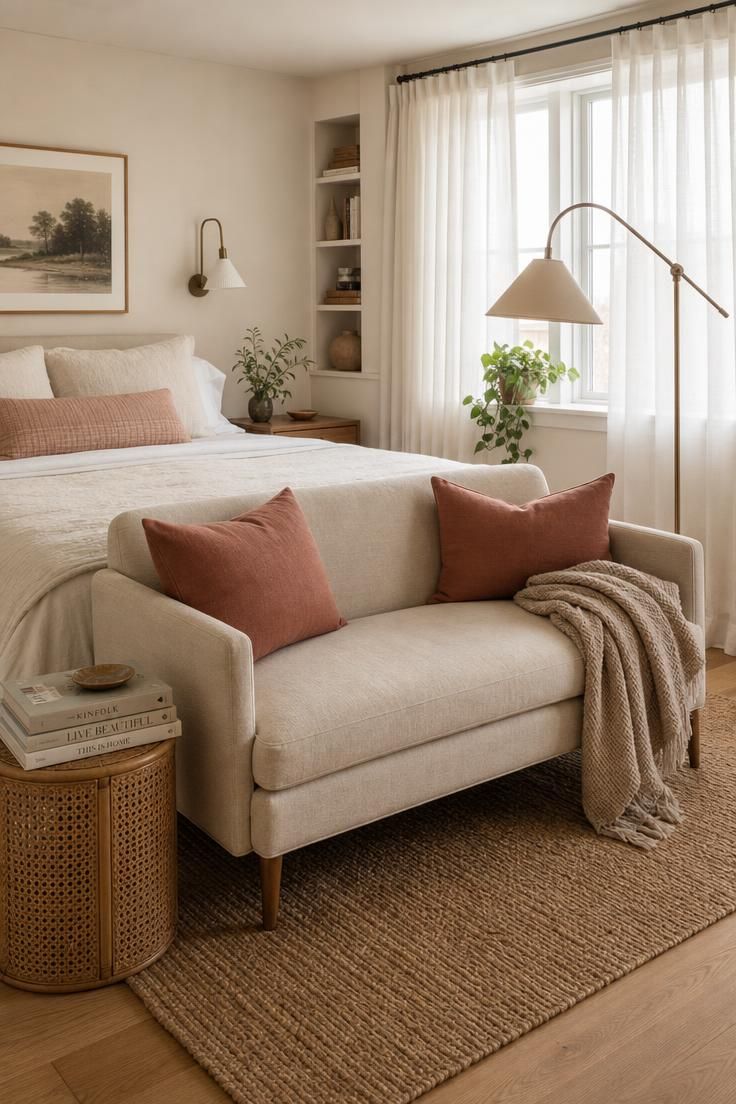
A small bedroom sofa should behave like a perch, not a lounging island you sink into for hours.
Designers often reach for a loveseat, an apartment-scale two-seater, or a slim settee with a back under 34 inches.
Lower backs keep your sightline across the room open, and open sightlines are what make a space read as roomy.
You Pushed It Too Close to the Bed
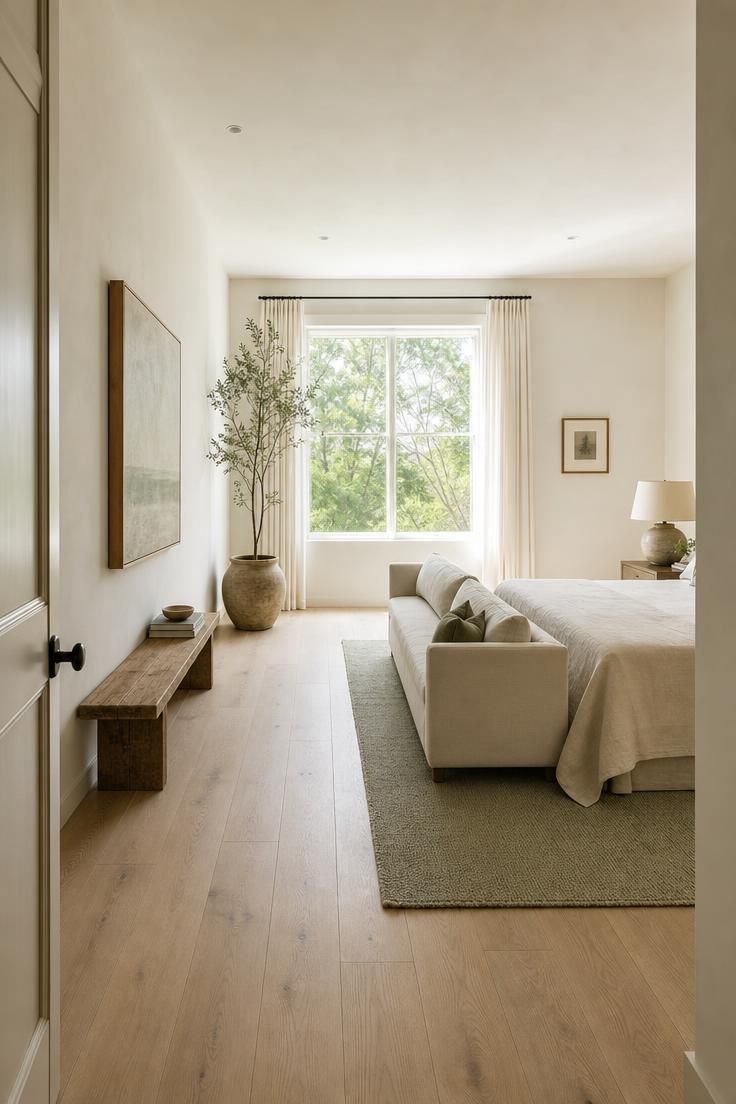
The instinct with a small room is to shove furniture against furniture and reclaim the middle.
That instinct backfires the second two large pieces sit within arm’s reach of each other.
A workable bedroom furniture layout leaves 30 to 36 inches of clear path around the bed and past the sofa.
Anything narrower forces you to turn sideways, and a room you shuffle through always feels smaller than it is.
Give the sofa a little breathing room and the eye reads two distinct zones instead of one crowded pileup.
That gap is not wasted floor space, it is the visual pause that lets the whole room exhale.
Measure the walkway before you commit, not after the sofa is already wedged into place.
A Tall Back Is Standing Between You and the Light
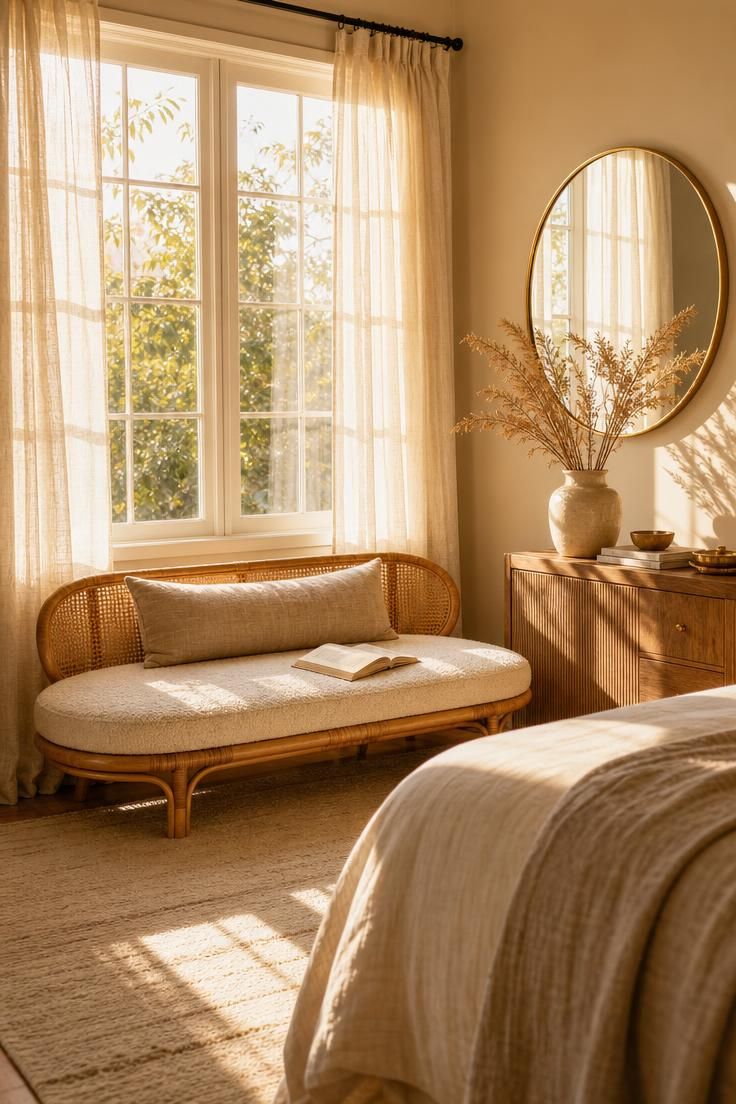
Windows are a bedroom’s best source of the airy feeling everyone wants, and a tall sofa back can block them without you noticing.
Set a high-backed piece under a window and you trade daylight for a wall of upholstery.
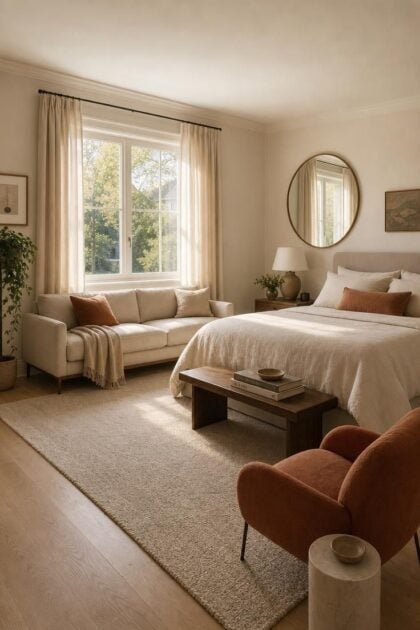
Smart sofa placement keeps the backrest low enough to sit beneath the sill, so light still washes across the room.
If the only open wall sits under the window, choose a piece with a back around 28 to 30 inches.
A mirror set nearby will bounce that same light deeper into the space and stretch its reach.
The Sofa Floats When the Room Cannot Spare the Floor
Floating a sofa away from the wall is a real designer move, but it belongs to rooms with square footage to burn.
In a tight bedroom, that same gap behind the sofa reads as dead, awkward space rather than deliberate depth.
Pulling the piece even eight inches off the wall can cost you the exact floor space a small room needs to feel calm.
Anchor the sofa flat against the longest unbroken wall instead, and let it borrow the wall’s visual weight.
The room gains a clean, continuous edge that the eye can follow without interruption.
Save the floating layout for the large suite with room to walk a full loop around the bed.
In everything smaller, the wall is your friend.
Design Pro-Tip: Before buying, tape the sofa’s footprint on the floor with painter’s tape and live with it for two days. If you clip the tape on your way to the closet, the piece is too big for the spot.
The Rug Is Missing, or Sized All Wrong
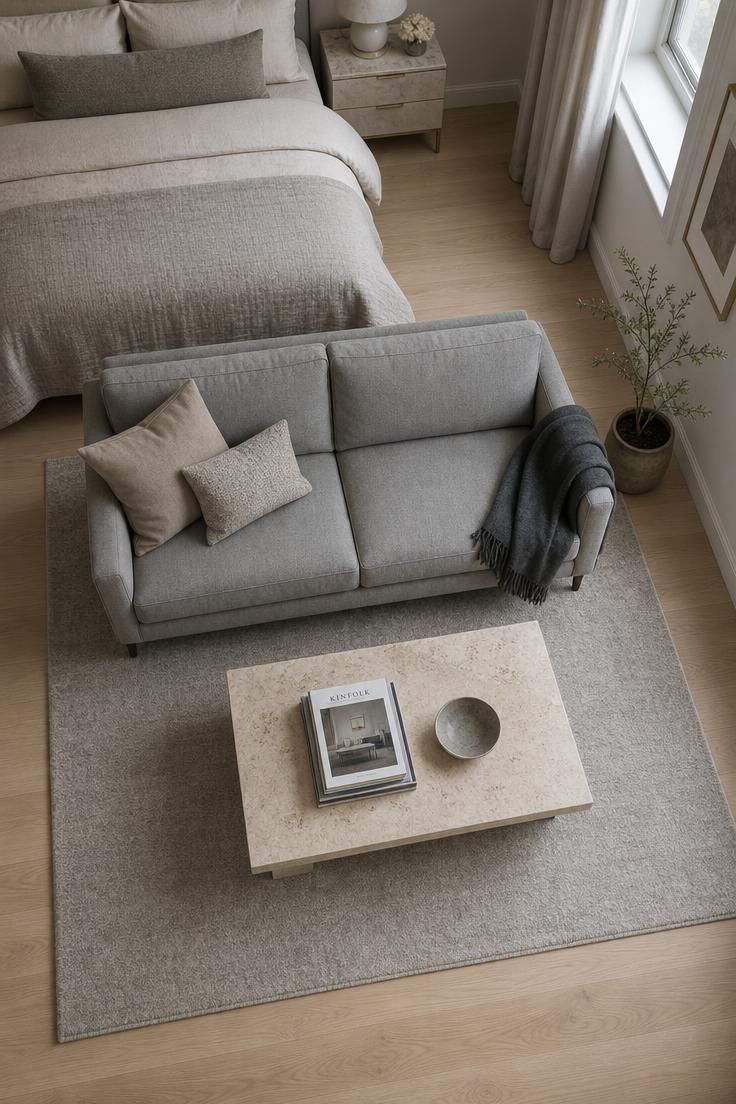
A sofa sitting on bare floor beside a bed looks stranded, like it wandered in from another room.
A rug is what tells the eye that the seating belongs, turning a lone piece into a real bedroom seating area.
The common error is going too small, leaving a postage-stamp rug marooned under a coffee table.
At the very least, slide the front legs of the sofa onto the rug so the zone reads as one connected group.
Leaving roughly a foot of bare floor around the rug’s edge can make the whole room feel up to a fifth larger.
Run the rug in the same direction as the longest wall to spread its coverage and stretch the space.
Everything Matches, So Nothing Gets Room to Breathe
A bedroom where the sofa, bedding, walls, and curtains all share one shade can feel less serene and more flat.
Without contrast, the eye has nothing to land on, so the room blurs into a single heavy block of color.
That blur often gets mistaken for clutter when the real issue is sameness.
Break it with one piece that clearly differs, whether that is the sofa in a deeper tone or a single accent chair in a contrasting fabric.
A dark sofa against pale walls carves out depth, and depth is what makes a small room feel considered.
Texture does the same quiet work, so a linen sofa beside a smooth headboard adds interest without adding a new color.
Aim for one clear moment of difference, not a rainbow.
You Piled On Too Many Pillows and Throws
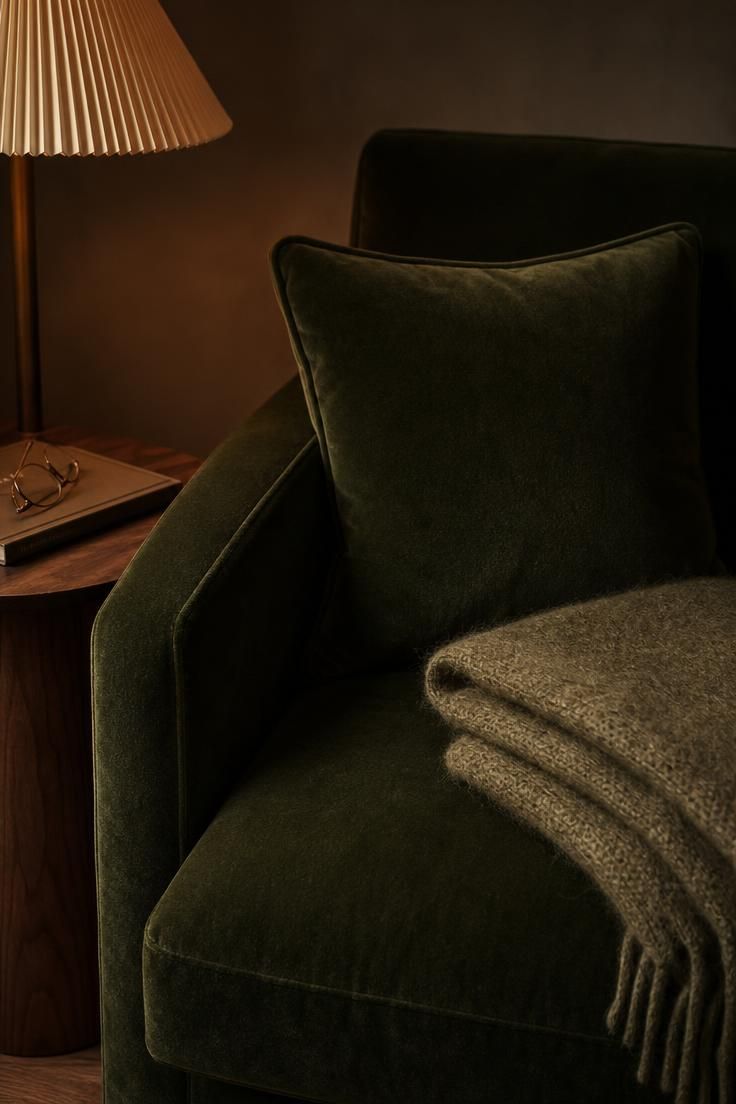
The finishing layer is where a well-planned sofa often goes wrong.
Six throw pillows and three blankets may look full in a catalog, but on a bedroom sofa they read as noise.
Every extra object competes for attention and hides the surface, which shrinks the room.
Pare back to two well-chosen cushions and one folded throw, and the piece looks like a calm reading nook again.
Restraint is the styling trick that reads as expensive, because it signals that every choice was deliberate.
Design Pro-Tip: Style the sofa, then take one object away. Nine times out of ten the piece looks better with less, and the floor around it feels wider.
Why a Bedroom With Sofa Feels Different in 2026
The bedroom is quietly shifting from a room you only sleep in to a room you actually live in.
For 2026, designers point to warmer palettes and softer, layered comfort returning to the sleep space after years of cool minimalism.
That shift makes seating feel less like an indulgence and more like part of a proper bedroom furniture layout.
A sofa bed earns its place here, doubling as a guest berth in a home where every square foot has to work twice.
Getting a bedroom with sofa right is less about square footage and more about restraint and scale.
The trend rewards rooms that feel gathered and intentional, which is exactly what avoiding these mistakes delivers.
The Cozy Version Is Closer Than You Think
None of these fixes need a renovation or a bigger room.
Start with scale, because the right-sized piece solves half the problem before you style a thing.
Measure your walkways next, and protect that 30-inch path like it is furniture in its own right.
If a full sofa still feels like too much, an end of bed bench gives the same perch with a fraction of the footprint.
Anchor whatever you choose with a rug, give it one point of contrast, and keep the pillows honest.
Do those five things and a bedroom with sofa stops feeling cramped and finally reads the way you pictured it, calm, layered, and yours.