This post may contain affiliate links. If you make a booking or purchase through these links, we may earn a commission at no additional cost to you.
Most homeowners with wood cabinets spend every September fighting the urge to paint them white, convinced that the grain looks stuck in the wrong decade.
The truth runs in the other direction: a kitchen with wood cabinets is already wired for fall’s palette, and the real upgrade has nothing to do with a brush or a can of primer.
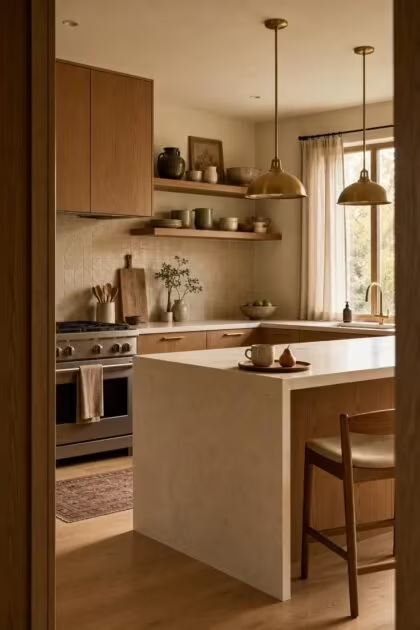
A few targeted changes to what surrounds the wood, catches light above it, and lines the wall behind it can make that same kitchen feel like the warmest room in the house before the first cold morning settles in.
Wood Cabinets Have Overtaken White, and the Data Explains Why
The numbers have shifted faster than most homeowners realize.
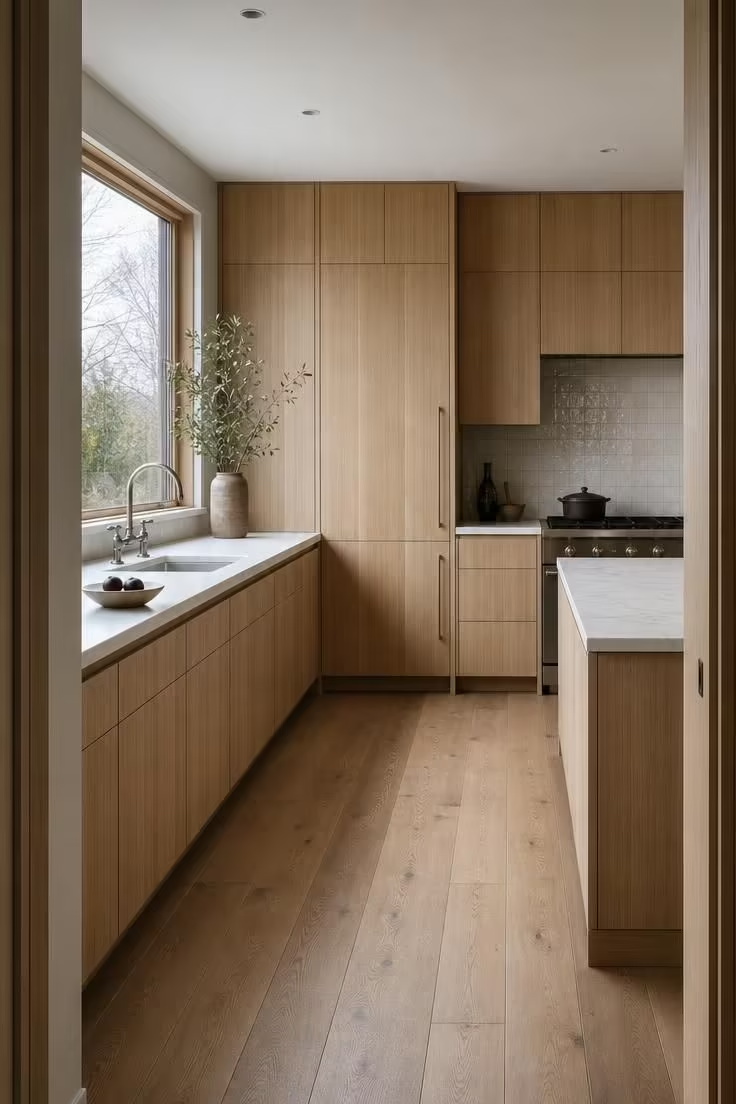
According to the 2026 Houzz Kitchen Trends Report, painted cabinet finishes have dropped to 52 percent of new installs, while stain, wood veneer, and natural wood finishes combined for 36 percent and climbing.
White oak cabinets now account for roughly half of all new wood cabinet selections, making it the single most requested material in the category.
Interior design director Katerina Tchevytchalova of K’Arte Design has described the shift in direct terms, noting that warmer wood tones are leading the direction of new kitchen projects.
That trajectory matters if you already have wood cabinets in your kitchen, because it means the industry is designing hardware, countertops, tile, and lighting specifically to complement wood grain rather than hide it.
The implication is practical: the accessories and finishes available right now are better suited to your kitchen than they were even two years ago.
The Hardware Swap That Changes Everything in an Afternoon
Kitchen hardware is the update with the highest return for the lowest effort, and most wood cabinet owners are still living with whatever pulls came installed.
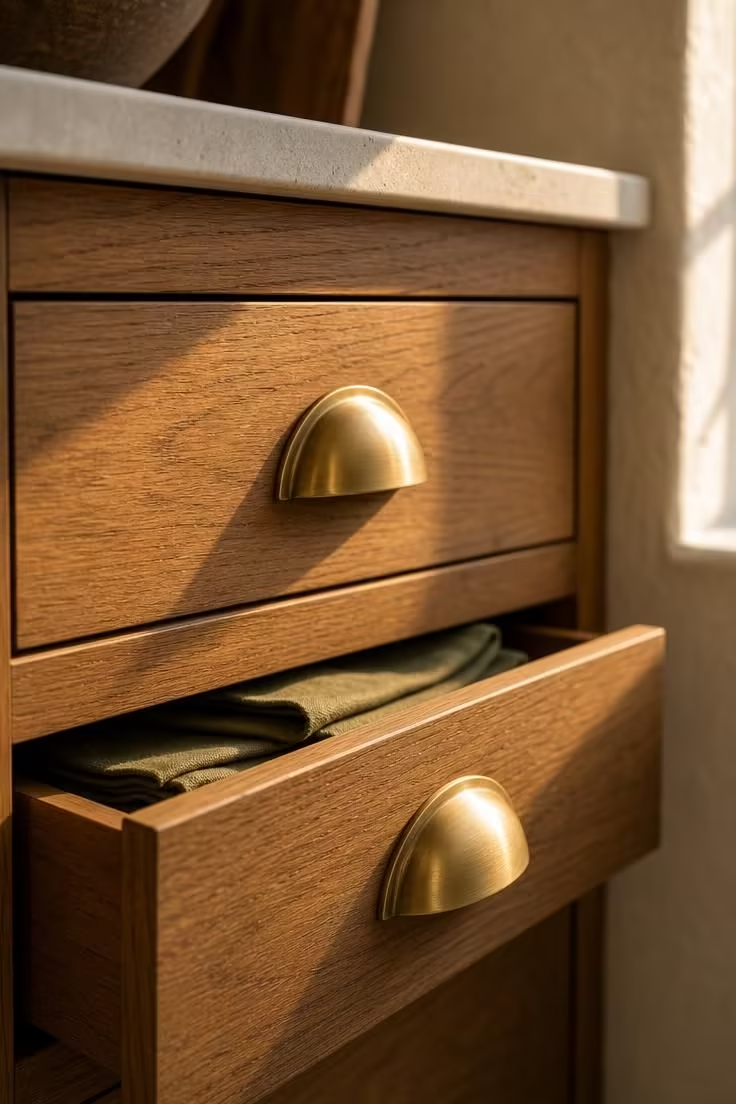
Swapping dated chrome or shiny nickel knobs for brushed brass or champagne bronze cup pulls changes how the entire cabinet face reads in a room.
Warm metals sit in the same tonal family as the natural wood grain, so they merge with the wood rather than interrupting it.
Oversized pulls, running eight to twelve inches on drawer fronts, have become one of the strongest kitchen hardware trends in 2026 because they create long horizontal lines that emphasize the width of the wood grain pattern.
The choice between brass fixtures and matte black hardware often comes down to the undertone of the wood itself.
Honey-toned oak and maple lean toward brass, aged bronze, or champagne finishes that echo the yellow warmth already present in the grain.
Walnut and cherry cabinets with red or brown undertones pair better with matte black hardware, which adds contrast without introducing a clashing metal warmth.
Mixing metals is no longer a design risk: brass pendant lighting above an island with matte black cabinet pulls on the perimeter is now one of the most common pairings designers recommend for wood cabinet kitchens.
Why Your Countertop Might Be Working Against the Wood
A countertop pairing that looked fine five years ago may be the reason the kitchen feels cold now.
Many homes with warm wood tones on the cabinets still carry a stark, cool-white laminate or a bright white quartz slab that pulls the eye away from the wood and introduces a temperature clash the room never resolves.
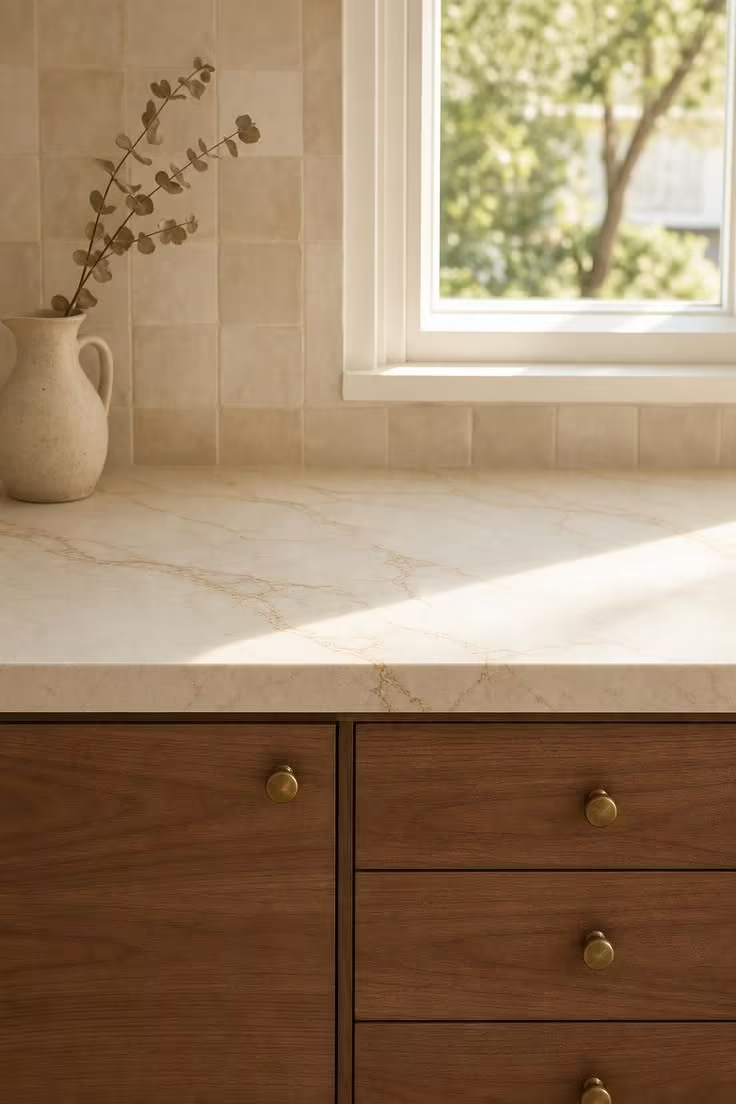
The fix is not dramatic: shifting to a soft white quartz with cream or taupe veining, or a honed surface with a matte finish, redirects the visual warmth back toward the cabinets.
Light granite with beige flecks, soapstone in a muted charcoal, or quartzite with soft movement all rank among the strongest countertop pairing options for wood cabinet kitchens right now.
A butcher block surface on an island brings a second layer of natural wood grain into the room without competing with the cabinets, especially when the block is a different species or tone than the cabinet wood.
The key principle is matching undertones: golden-toned cabinets want a counter with warm or neutral undertones, while cooler brown woods can handle a stone with faint blue or pale undertones.
Testing a sample slab against your actual cabinet door, in your actual kitchen light, at different times of day is the step that most homeowners skip and most designers insist on.
Design Pro-Tip: Pull one cabinet door off its hinges and carry it to the stone yard. Hold it flat against each countertop sample under the showroom lights, then photograph both together and check the image on your phone screen at home that evening. The camera sees undertone clashes your eyes might miss in a bright showroom.
The Backsplash That Bridges Fall Warmth to the Cabinet Face
The wall between the counter and the upper cabinets is the hinge point that either connects or separates the wood from the rest of the room.
A backsplash tile in a flat white field with tight grout lines can read as a visual wall between the warm cabinets above and below, splitting the kitchen into two cold-warm zones.
Handmade ceramic tile with an irregular glaze in cream, sand, or pale putty introduces just enough texture to make the wall feel organic and connected to the natural wood grain on either side.
Zellige tile, with its uneven surface and tonal variation from piece to piece, has become a favorite for wood cabinet kitchens because it mimics the natural imperfection of wood grain at a different scale.
Running a natural stone slab or large-format porcelain tile from the countertop line all the way to the ceiling eliminates the visual break entirely, creating a single warm plane that lets the cabinets frame the space without competition.
Lighting Is Where Most Wood Kitchens Lose Their Warmth
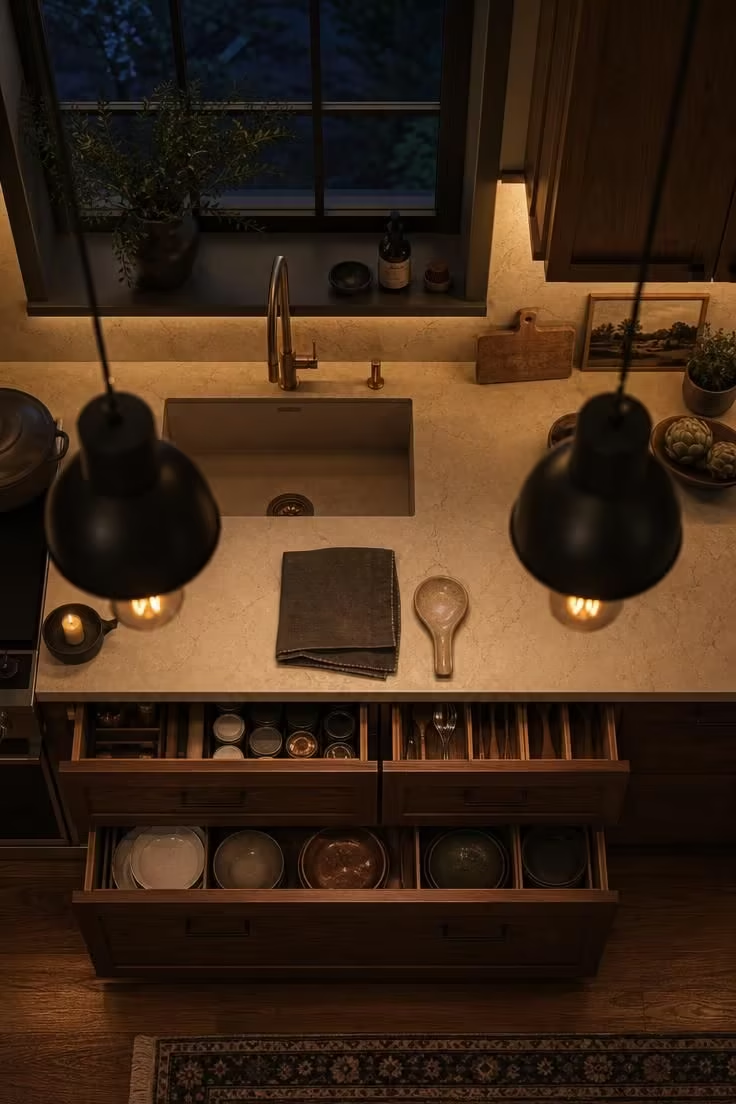
This is the update that matters most as the days get shorter, and it is the one most wood cabinet owners overlook.
Houzz reports that 93 percent of homeowners now rank quality kitchen lighting as a top priority, yet most kitchens still rely on a single overhead fixture that flattens every surface in the room.
Under-cabinet LED strips set to a warm white color temperature between 2700K and 3000K wash the natural wood grain with soft directional light, creating depth and shadow that a ceiling-mounted fluorescent will never produce.
That warm wash is what makes the difference between cabinets that look like generic brown boxes and cabinets that show every line of their grain pattern.
Pendant swaps over the island or dining area offer a second layer of warmth: brass or matte black fixtures with exposed warm filament bulbs create focused pools of fall kitchen decor light that ground the room in the evening.
The seasonal timing is not a coincidence.
Shorter fall and winter days mean the kitchen spends more hours under artificial light than natural light, so the quality of that artificial light carries the entire mood of the room from late October through March.
A kitchen that looks warm at noon and cold at seven in the evening has a lighting problem, not a cabinet problem.
Fixing the light source is cheaper and faster than replacing the wood, and the result holds through every season that follows.
Seasonal Layers That Make Wood Cabinets Feel Like Fall Without Trying Too Hard
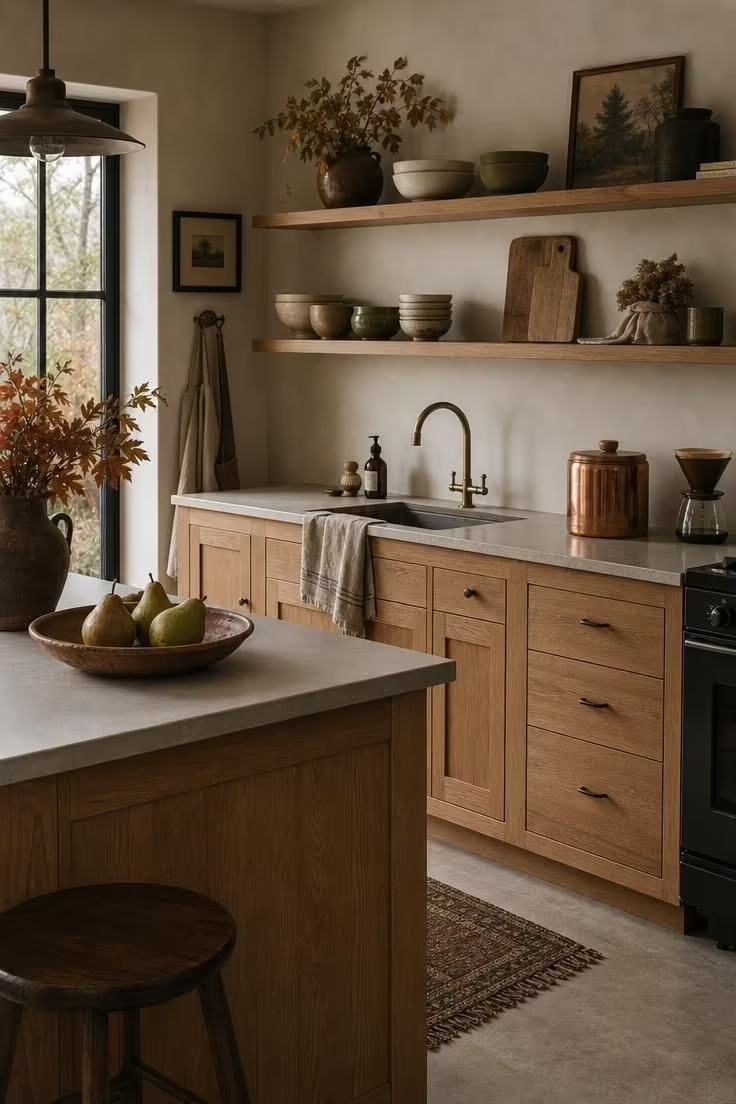
The easiest fall refresh for any kitchen is also the most forgiving, because seasonal layers sit on top of what already exists and can be swapped out in a single afternoon.
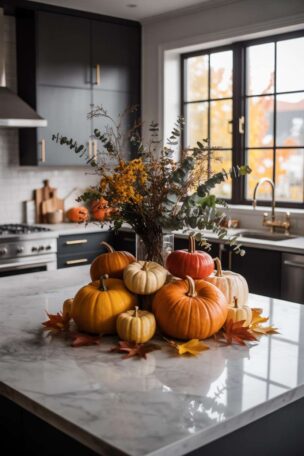
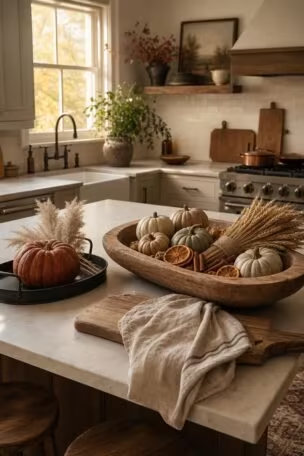
Open shelving above the counter or beside the range becomes a canvas for fall when you rotate in stoneware in matte earth tones, wooden boards and bowls, and a few dried botanical stems in a simple ceramic vessel.
The principle that keeps it from looking forced: every seasonal addition should be made from a material that already exists somewhere in the kitchen.
Wood, ceramic, linen, copper, and unglazed clay all echo the warmth of natural wood grain on the cabinet face, so they blend in rather than sitting on top like an afterthought.
A woven linen runner along the counter, a copper utensil holder, or a set of glass canisters with wooden lids bring the fall palette into the working surfaces without cluttering them.
The line between styled and overdone is clear: if you can still use the counter to make dinner, the layers are working.
Design Pro-Tip: Limit fall accessories to three material families that already exist in the room. If your kitchen has wood cabinets, stone counters, and brass hardware, your seasonal additions should pull from wood, stone, and warm metal. A linen towel or stoneware bowl fits. A bright orange plastic pumpkin does not.
What Designers Check First When a Wood Kitchen Feels Flat
The difference between a kitchen with wood cabinets that feels dated and one that feels like a considered design choice usually comes down to a short list of fixable mismatches.
The first check is undertone: hold a white piece of paper against the cabinet door and look at whether the wood reads golden, red, brown, or neutral in comparison.
That undertone is the key to every finish decision that follows, from countertop pairing to hardware to wall color.
The second check is metal consistency: warm-toned woods want warm metals (brass, bronze, copper), and cool-toned or neutral woods can handle polished nickel or matte black without creating tension.
Third, test the backsplash tile and countertop together against the cabinet face in both natural morning light and artificial evening light, because undertone clashes often appear only at one time of day.
The practical hierarchy most designers follow when refreshing a wood kitchen runs in this order: swap the hardware first, fix the lighting second, evaluate the countertop third, and update the backsplash tile fourth.
Seasonal accessories and open-shelf styling come last, layered over a foundation that already feels cohesive.
A kitchen with wood cabinets does not need a fall overhaul to feel warm and inviting.
Conclusion
The path from a kitchen that feels stuck to one that feels grounded and seasonal runs through the details that sit next to the wood, not through replacing the wood itself.
Start with the hardware, because a set of warm brass or bronze pulls can shift the entire reading of the cabinet face in less than an hour.
Move to lighting next: warm-white under-cabinet strips and a pendant swap will do more for the evening mood of the room than any paint color or countertop ever could.
If the countertop still clashes after those two changes, bring a cabinet door to the stone showroom and test samples against the actual wood grain under real light.
Everything else, the backsplash, the seasonal stoneware, the linen runner on the counter, layers in on top of that foundation.
Wood cabinets already hold the warmest material in the room, built into every wall, and fall is the season that proves it.