This post may contain affiliate links. If you make a booking or purchase through these links, we may earn a commission at no additional cost to you.
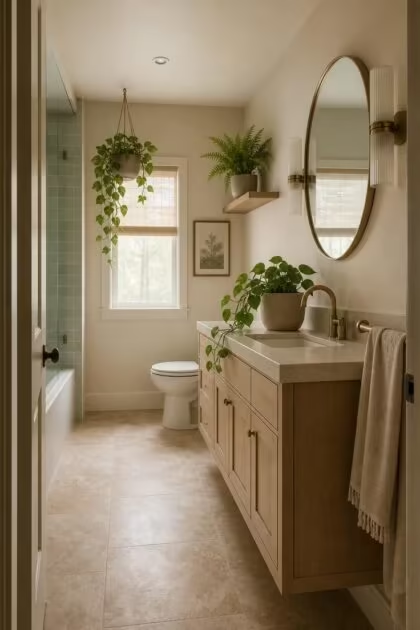
Adding plants to a bathroom sounds like a guaranteed way to make the room feel more alive, more relaxed, more like the spa photos filling every Pinterest board right now.
Most bathrooms with plants end up looking cluttered, unfinished, or vaguely neglected.
The difference between a bathroom that reads as a curated retreat and one that reads as a plant rescue operation almost never comes down to the species or the pot or the shelf.
It comes down to seven repeatable mistakes that are easy to spot once someone points them out, and surprisingly fast to correct.
Why 80 Percent of Bathroom Plant Setups Fail Within a Season
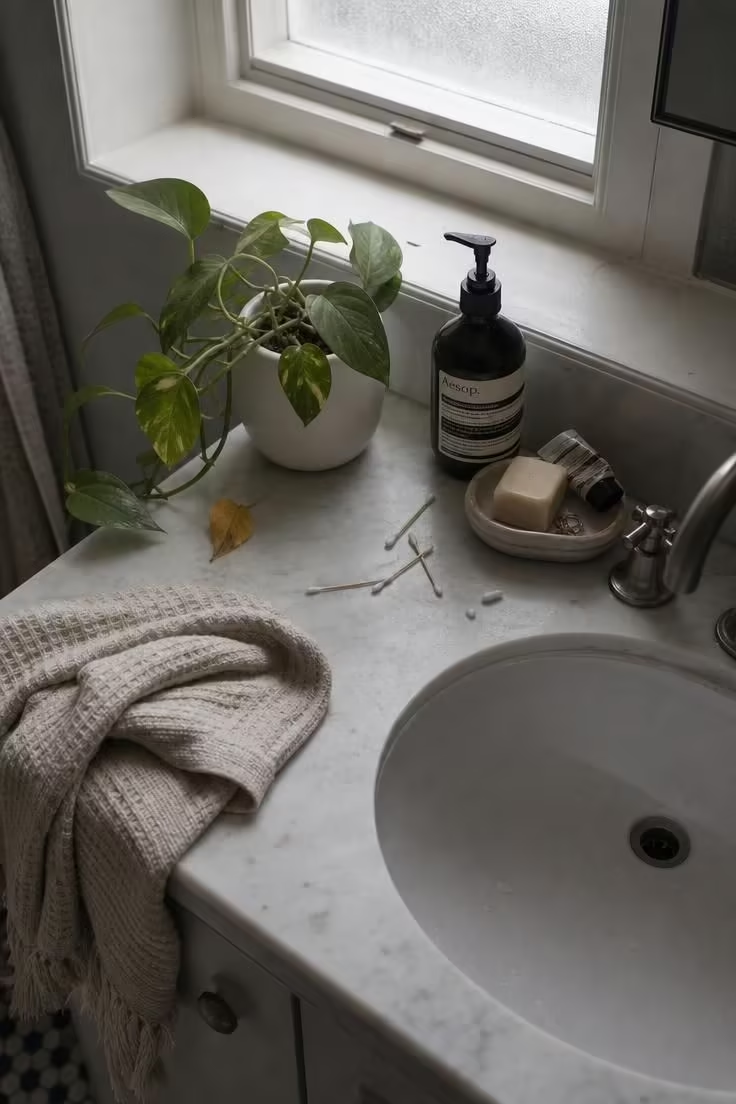
Bathroom specialist Ant Langston, Marketing Manager at Heat and Plumb, sees the same pattern repeatedly.
“Most bathroom plants die within weeks, and placement is almost always the reason,” he explained in a 2026 interview.
The statement is blunt, but the logic behind it tracks with what plant care communities and interior designers have been saying for years.
A bathroom may appear to offer a consistent environment, yet different corners of the same room can vary wildly in humidity, light levels, and airflow.
The spot right beside the shower gets a blast of steam twice a day, then dries out completely between uses.
The shelf above the toilet may sit in near-total darkness for twelve hours straight.
Most people pick a plant they like, set it wherever there is room, and then assume the bathroom will do the rest.
That gap between intention and execution is where a bathroom with plants goes from calming to cluttered.
Crowding Every Ledge and Shelf With Greenery
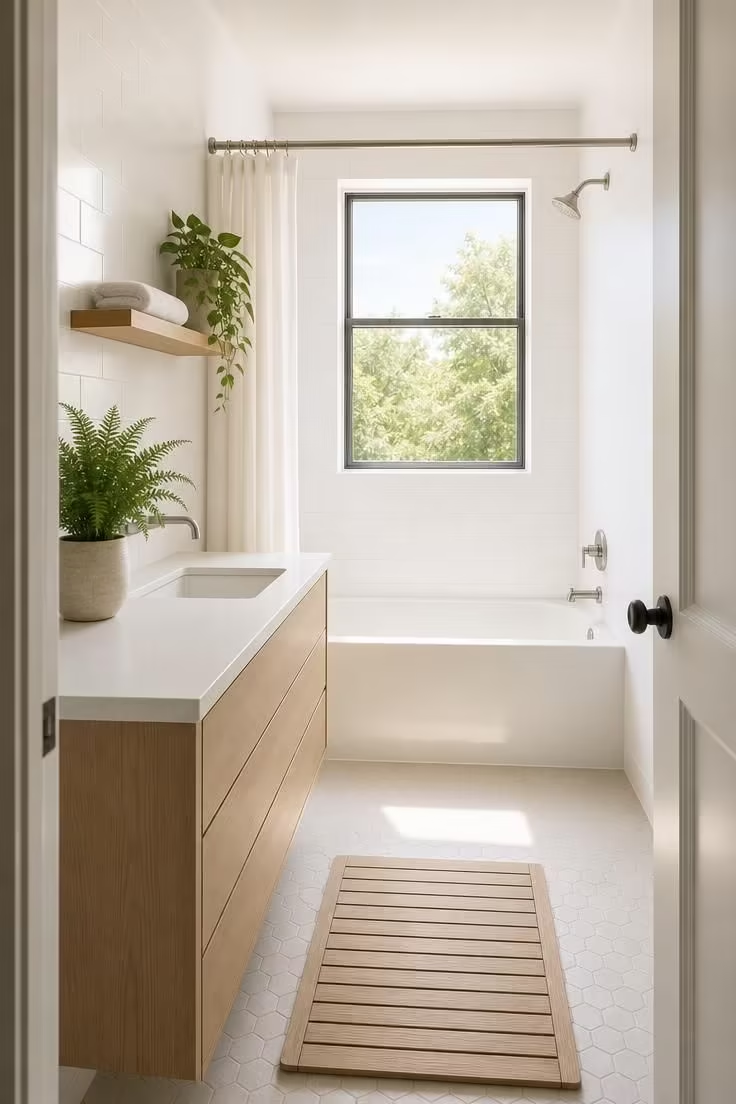
The instinct to fill every open surface with a plant is one of the fastest routes to a chaotic-looking bathroom.
Interior designer Terri Brien put it directly when she said that plants “add life, and a lush, layered look is beautiful, but when every plant is in a different style or pot color and scattered without intention, it creates visual noise.”
A counter with four small pots in a row beside the soap dispenser, the toothbrush holder, and a candle becomes a crowd instead of a composition.
One experienced plant blogger found that limiting a small bathroom to two plants was the deciding factor between a space that looked fresh and one that tipped into what she called “cluttered territory fast.”
The solution is not fewer plants across the whole home, but fewer plants per zone.
Grouping two or three plants into a single display area, whether that is a windowsill, a corner shelf, or a hanging planter, gives the eye one moment to take in instead of five competing focal points.
The negative space between the plant cluster and the rest of the bathroom is what actually makes the greenery register as decoration rather than storage.
A bathroom with plants that looks intentional almost always has fewer pots than you would expect, arranged with more care than you would guess.
Restraint in a small room does more for the mood than volume ever will.
Mixing Pot Styles Without a Connecting Thread
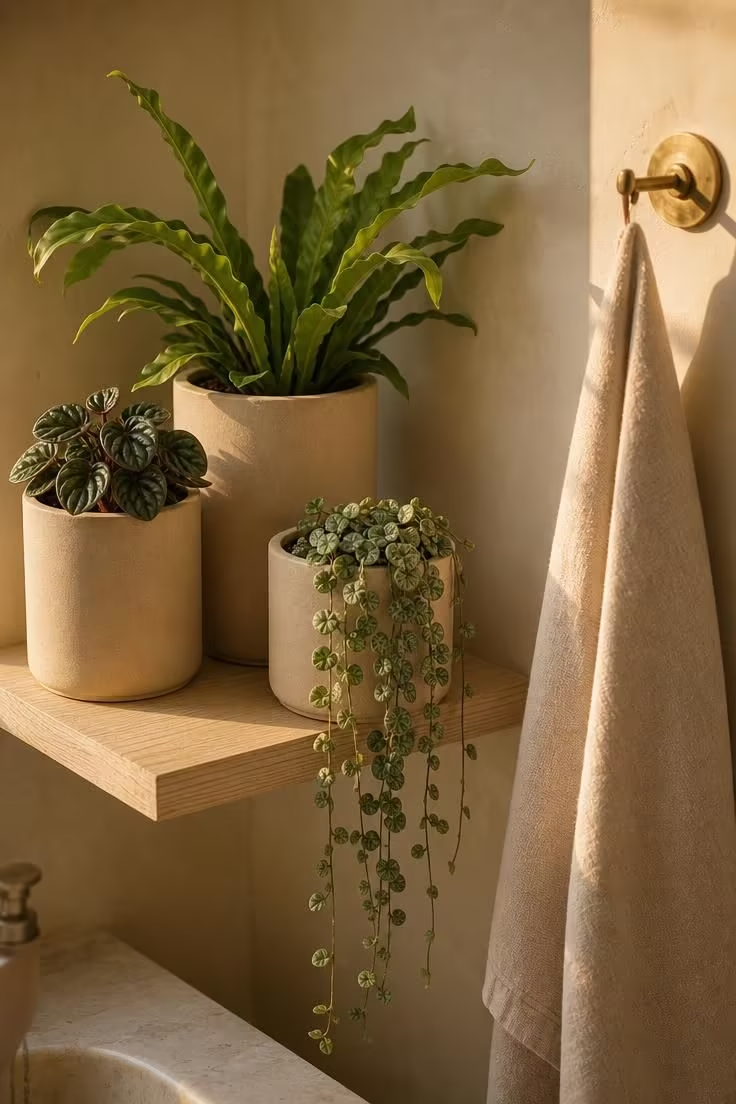
Mismatched containers are often the single biggest reason a bathroom with plants feels off.
A terra-cotta pot next to a turquoise glazed planter next to a novelty face-shaped vessel next to a clear glass jar creates a visual argument that no plant can resolve.
The plants themselves may be healthy and the right size for the space, but the containers pull the eye in so many directions that the overall effect reads as a collection of impulse purchases rather than a deliberate bathroom plant arrangement.
Choosing one material family, like matte stoneware in neutral tones, or two coordinating finishes, like concrete and raw clay, gives the entire display a backbone.
The plants then become the variable, the living texture that changes shape and color, set against a steady foundation.
Brien recommends selecting “vessels that complement each other” by staying within one cohesive theme, such as glazed ceramic pots of varying sizes or matching saucers beneath each pot.
Picking Species That Suffer in Bathroom Conditions
A bathroom is not a universal plant habitat, even though the humidity makes it feel like it should be.
The reality is more specific than that.
Humidity levels in a bathroom swing dramatically depending on whether someone just ran a ten-minute hot shower or the room has been sitting empty with the exhaust fan on for hours.
Temperature can drop significantly overnight, especially in bathrooms with exterior walls or single-pane windows.
Light availability varies from nearly nonexistent in a windowless powder room to abundant in a south-facing master bath.
Humidity-loving plants like Boston ferns, pothos, philodendrons, and ZZ plants are popular recommendations for a reason: they actually adapt to these conditions rather than merely tolerating them.
A monstera in a steamy bathroom may only need water every ten days, even in midsummer, because the ambient moisture reduces evaporative demand through the leaves.
A fiddle-leaf fig in the same room, though, will struggle with the fluctuating light and the lack of consistent airflow it needs to support its broad leaves.
Low light bathroom plants like snake plants and Chinese evergreens are better bets for spaces without a window, because they evolved on shaded forest floors and actually store energy efficiently enough to wait out long dark stretches.
Ignoring Scale Until the Room Feels Off Balance
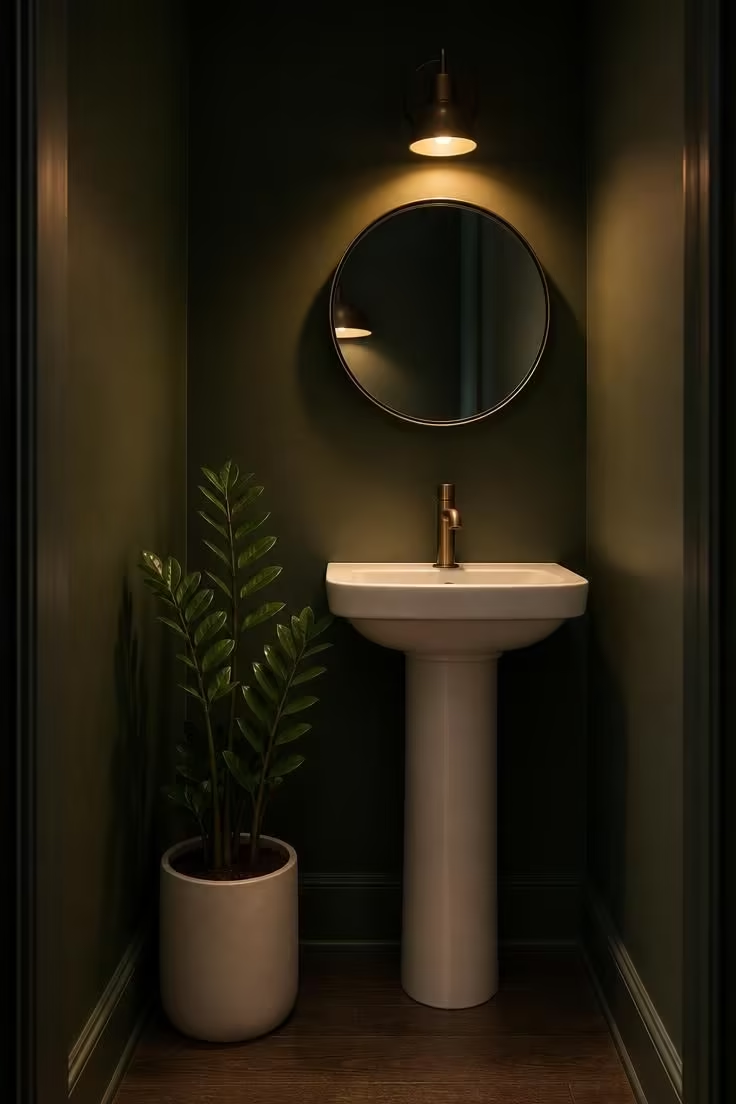
A six-foot monstera in a five-by-eight powder room does not read as lush.
It reads as a plant that has nowhere else to go.
On the opposite end, a two-inch succulent sitting alone on a wide double vanity looks like someone forgot to finish decorating.
Scale mismatch is one of the quieter mistakes in bathroom plant decor, because it does not create obvious mess, it just makes the room feel slightly wrong.
Matching plant height and leaf spread to the proportions of the available space keeps the greenery feeling intentional rather than incidental.
Vertical options like hanging planters, wall-mounted vessels, or trailing plants on high shelves solve a lot of scale problems at once, because they add green presence without taking up any floor or counter space.
A bathroom with plants that feel proportional to the space reads as designed, not decorated.
The general principle is straightforward: the plant should look like it was chosen for the room, not like the room was the only spot left.
Design Pro-Tip: Before buying a new plant for the bathroom, measure the empty spot and hold a book or box of similar dimensions in place for a day. If it feels like it belongs, the plant will too. If it crowds the towel bar or blocks the mirror, scale down before you buy.
Placing Plants Where They Compete With Function
A bathroom is a working room first.
It needs clear access to the faucet, the mirror, the towel hooks, and the toilet paper holder at all times, without reaching around a fern or nudging a planter out of the way.
Plants placed on the toilet tank tend to slide every time someone opens the lid, and the vibration from flushing can slowly push them toward the edge over weeks.
Counter space beside the sink already competes with soap dispensers, toothbrush holders, and skincare bottles, so adding a planter to the mix reduces functional counter space without adding a strong visual payoff.
The better locations are the ones that sit outside the daily traffic pattern.
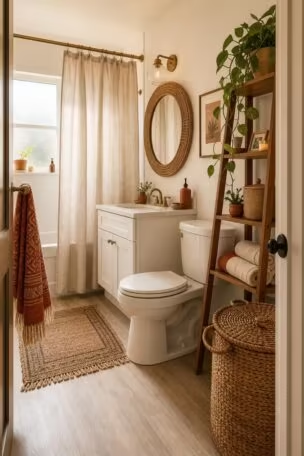
A windowsill behind the tub, a floating shelf above the towel bar, a hanging planter near the ceiling, or a corner stand at floor level near the door all keep plants visible but out of the way.
Tropical bathroom plants on a shower ledge can work well because the steam provides humidity and the ledge is typically wide enough to hold a small pot without crowding the shampoo bottles.
The goal of bathroom plant placement is to position greenery where you see it and appreciate it, not where you move it every time you wash your hands.
Letting Water Pool Around Pots and Bases
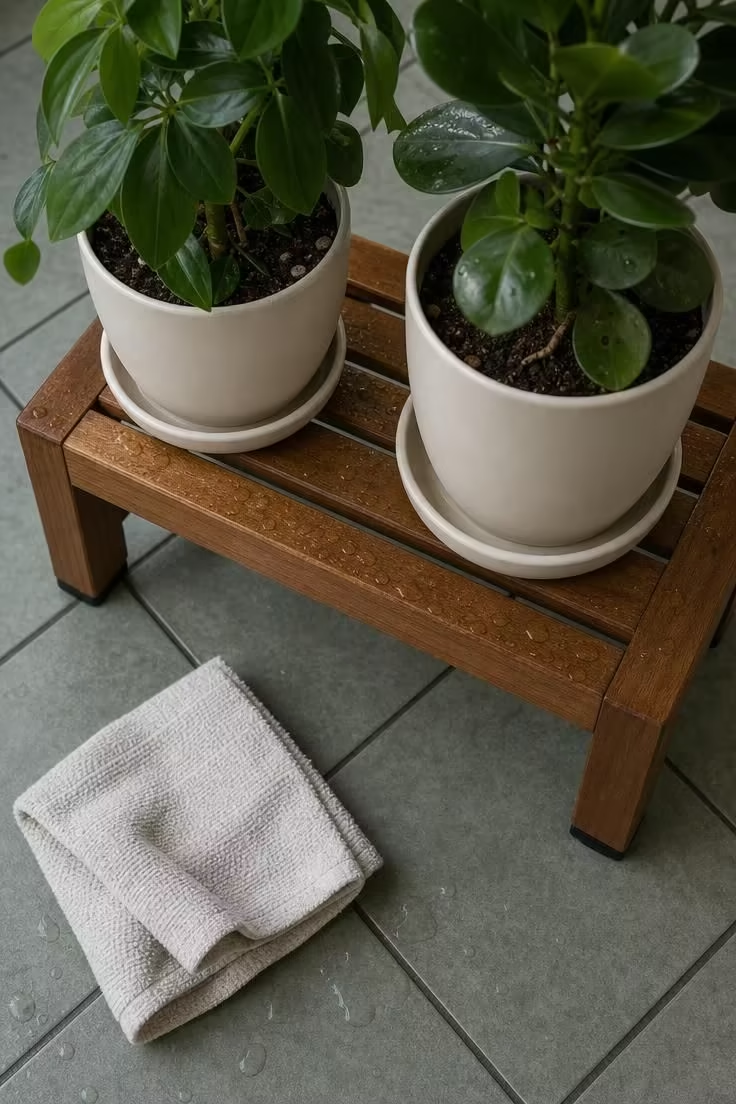
Indoor plants for bathrooms need drainage just as much as any outdoor planting does, but the consequences of skipping it show up differently indoors.
Water that seeps from the bottom of an unlined pot onto a wooden shelf leaves a ring stain that darkens over time and never fully comes out.
On tile or stone surfaces, pooled water creates a mineral crust where calcium and lime deposits from hard water build up at the base of the pot.
The more humid the bathroom, the slower the evaporation, and the more likely that mold will begin creeping along the bottom edge of the pot and onto the surface beneath it.
A drainage tray or saucer beneath every pot is the minimum, and lifting the pot slightly with a small riser or stand keeps the base away from standing moisture entirely.
Ceramic saucers in a matching glaze or simple cork pads solve the problem without adding visual clutter to the plant pot coordination you already worked to establish.
Design Pro-Tip: Swap out standard plastic drainage trays for low-profile stoneware saucers or slim brass trays. They catch water just as well but look like part of the styling instead of an afterthought.
Skipping the Grooming That Keeps Plants Looking Intentional
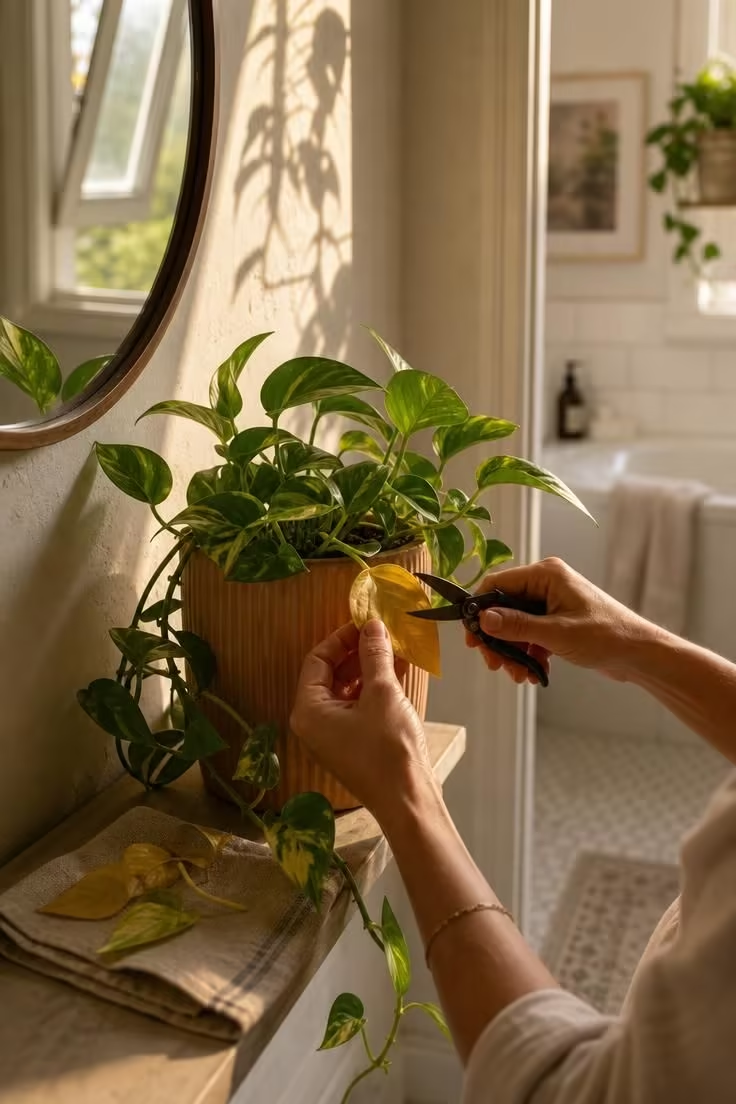
A plant that was perfectly placed and perfectly potted three months ago can still make a bathroom look neglected if no one has touched it since.
Yellow leaves left dangling from a vine, leggy stems stretching sideways toward a light source, and a fine layer of dust on broad leaves all communicate abandonment rather than decor.
Monthly grooming is what separates a bathroom greenery styling that looks magazine-ready from one that looks like a forgotten corner project.
Removing dead or dying foliage, rotating the pot a quarter turn so growth stays even on all sides, and wiping down large leaves with a damp cloth every few weeks keeps the plant looking healthy and the room looking polished.
Seasonal swaps matter too, because a plant that performed well in the humid summer months may struggle once fall arrives and the heating system dries the air.
Biophilic bathroom design, one of the defining trends in 2026 interior styling, demands this kind of attention to plant maintenance because the whole concept depends on greenery looking alive and vigorous, not just present.
The broader movement toward Mediterranean bathroom styling with potted plants and the Japanese-Scandinavian Japandi approach both share the same requirement: plants must look cared for, or they undermine the calm the room is supposed to project.
The 2026 design trend toward textured, nature-forward interiors has made bathroom greenery more popular than it has been in a decade, but the increased visibility of plants in bathrooms also means that neglected ones stand out more sharply than they used to.
A bathroom with plants that look tended to feels warm and alive.
Treating plant care as part of the regular bathroom cleaning routine, not as a separate hobby, is the simplest way to keep the investment paying off.
Conclusion
A bathroom with plants can be one of the most calming rooms in a house, but only if the plants look like they belong there on purpose.
The seven mistakes covered here, from overcrowding to skipping drainage to letting grooming slide, all share a common root: treating plants as an addition to the room rather than as part of the room’s design.
Start by editing down to just two or three plants that actually match the light and humidity conditions your specific bathroom offers.
Coordinate the pots, choose spots that do not interfere with daily routines, and commit to a five-minute monthly check where you prune, wipe, and rotate.
The calm comes from the discipline, not the decor.